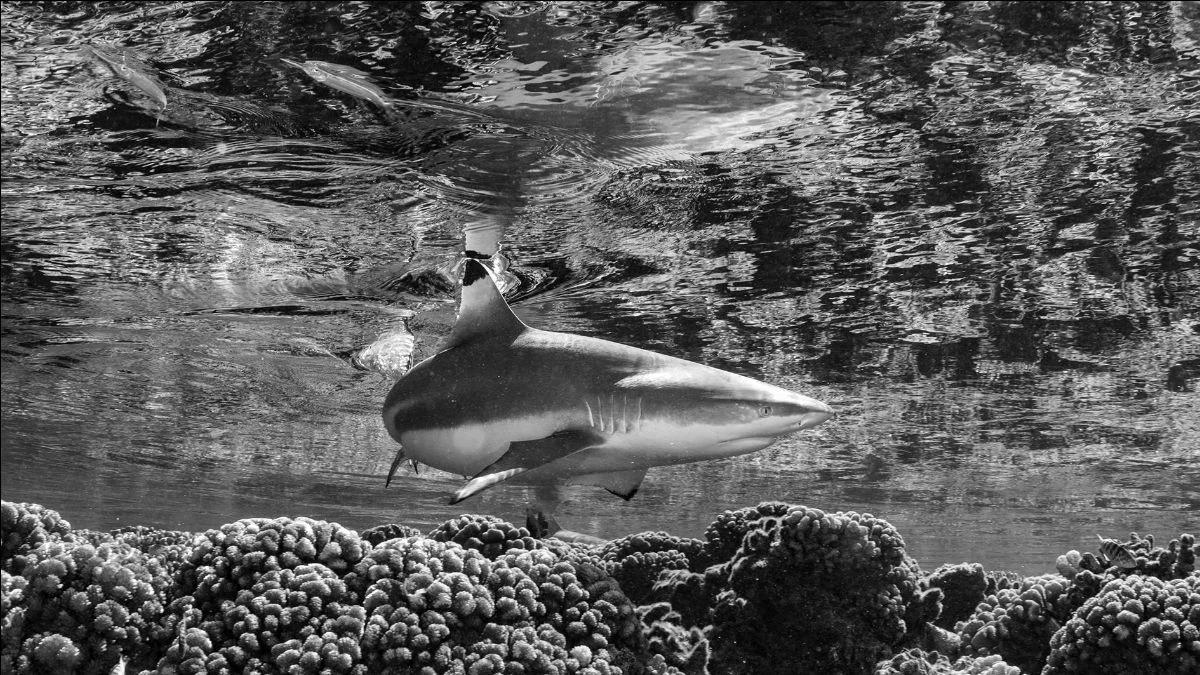
The tranquil waters of the Fakarava atoll, a remote jewel in the Tuamotu Archipelago approximately 700 nautical miles north of Papeete, French Polynesia, recently played host to one of the ocean’s most awe-inspiring and vital natural phenomena: the annual grouper spawning. This extraordinary event, drawing hundreds of sharks into a synchronized feeding frenzy, underscores the delicate balance of marine ecosystems and the indispensable role apex predators play in their health and sustainability. The spectacle, observed by marine biologists and conservationists aboard the research vessel SeaLegacy 1, offers a profound testament to the intricate web of life that has thrived in these waters for millennia, long before human intervention.
The expedition, a culmination of dedicated observation and exploration, aimed to document and understand the complex interactions occurring within Fakarava’s protected lagoon system. For the crew, the lead-up to the spawning event was marked by a palpable sense of anticipation. Waking before dawn and preparing for dives into the inky depths, the team recognized the immense privilege of witnessing such a significant ecological event firsthand. As the full moon cast its ethereal glow upon the ocean’s surface, divers descended into the darkness, ready to observe the unfolding drama.
The Gathering of the Groupers: A Prelude to Spawning
Fakarava, a UNESCO Biosphere Reserve, is renowned for its exceptionally clear lagoons, pristine beaches, and vibrant coral reefs. These underwater havens are home to a rich diversity of marine life, including numerous fish species, sea turtles, manta rays, and a healthy population of sharks. Throughout much of the year, these inhabitants coexist in a relatively stable environment. However, the warmer months usher in a period of heightened activity as thousands of resident groupers, primarily the Napoleon wrasse (Cheilinus undulatus) and various species of snapper, begin their annual congregation for spawning.

This critical reproductive period typically spans several weeks. Females, laden with eggs, and males, prepared to fertilize them, migrate towards the mouth of the channel that connects the atoll’s lagoon to the open sea. This channel, spanning approximately 10 by 30 nautical miles, experiences a powerful tidal exchange. Every six hours, the deep, nutrient-rich ocean water floods into the lagoon, followed by a six-hour ebb that draws water back out. This natural flushing mechanism not only redistributes nutrients vital for the ecosystem but also plays a crucial role in dispersing the groupers’ fertilized eggs into the open ocean, facilitating the survival of the next generation. The peak of this activity, and the commencement of spawning, aligns with the full moon, creating a precise window for this ancient ritual.
The Apex Predators Arrive: A Symphony of Sharks
As the groupers gather, a different kind of gathering begins. Following in their wake, drawn by the promise of an abundant feast, is a formidable congregation of sharks. Reports from the Fakarava region have consistently documented hundreds of sharks converging on the channel mouth during this period, transforming the area into a dynamic feeding ground. This influx of predators is not a chaotic invasion but rather an integral part of the natural order, a testament to the health of the ecosystem. The presence of such a large shark population indicates a robust food web capable of supporting these apex predators.
The diversity of shark species observed during these events can be extensive, often including species such as grey reef sharks (Carcharhinus amblyrhynchos), blacktip reef sharks (Carcharhinus melanopterus), tiger sharks (Galeocerdo cuvier), and occasionally larger pelagic species. Their synchronized movements, often described as resembling "motorcycle gangs," highlight their efficiency as hunters and their deep understanding of the marine environment.
A Witness Account: The Heart of the Frenzy
From their strategic vantage point at the edge of the atoll, the SeaLegacy 1 team prepared to document the event. As they descended along the dramatic drop-off at the channel’s entrance, the sight that greeted them was nothing short of astonishing. Thousands of groupers were positioned along the coral heads, their presence a testament to their reliance on camouflage and stillness for survival. Each grouper seemed to have claimed its own coral outcrop, their large eyes attentively tracking the movements of the patrolling sharks.

The initial silence of the depths was periodically broken by the distinct sound of a crunch, signaling a successful hunt. This would invariably trigger a cascade of activity, with sharks momentarily converging before dispersing once more. This ongoing predator-prey interaction served as a prelude to the main event.
At approximately 100 feet below the surface, the dynamic shifted dramatically. The female groupers began releasing their eggs, and the surrounding waters transformed into a swirling vortex of life and activity. With each upward surge of a female releasing her clutch, dozens of males would dart in, fertilizing the eggs with milt. Simultaneously, the shark population, sensing the opportune moment, descended in a breathtaking display of predatory prowess. The scene was a powerful, albeit intense, illustration of the cycle of life, a natural drama playing out with remarkable speed and efficiency. The entire event, from the initial release of eggs to the ensuing feeding frenzy, unfolded in a matter of moments, leaving observers in awe of nature’s raw power and intricate design.
Ecological Significance: Beyond the Spectacle
The annual grouper spawning event in Fakarava is far more than just a visually dramatic natural phenomenon; it is a critical linchpin in the health of the coral reef ecosystem. The very act of spawning and the subsequent feeding by sharks contribute to a complex balance that has evolved over millennia.
Supporting Data and Context:

- Biodiversity Hotspot: Fakarava Atoll is part of the Tuamotu Archipelago, a region known for its high marine biodiversity. The atoll’s designation as a UNESCO Biosphere Reserve highlights its ecological importance and the need for conservation.
- Grouper Species: While the exact species involved can vary, common participants in such mass spawning events in the Pacific include various members of the Epinephelidae family (groupers) and Lutjanidae family (snappers). These species are often targeted by commercial fisheries, making protected areas like Fakarava crucial for their survival.
- Shark-Prey Dynamics: The synchronized feeding of hundreds of sharks demonstrates the efficiency of these predators in managing prey populations. This helps prevent overpopulation of any single species and ensures a healthy distribution of nutrients throughout the reef.
- Nutrient Cycling: The eggs and milt released during spawning are a significant food source, not only for sharks but also for smaller fish and invertebrates. The consumption of these by predators helps to distribute vital nutrients across the reef system, fertilizing corals and supporting other marine life.
- Evolutionary Equilibrium: The quote by Eugenie Clark, "When you see a shark underwater, you should say, ‘How lucky I am to see this beautiful animal in his environment,’" encapsulates the fundamental shift in perspective required. These animals are not inherently dangerous threats but essential components of a thriving ecosystem. The "precarious state of equilibrium" mentioned in the article is the result of millions of years of co-evolution.
Analysis of Implications: Conservation and Human Impact
The dramatic spectacle observed in Fakarava carries significant implications for marine conservation efforts worldwide. The event serves as a powerful reminder that apex predators, often feared and misunderstood, are indispensable to the health and resilience of marine environments.
Broader Impact and Implications:
- Indicator of Ecosystem Health: The success of the grouper spawning and the large numbers of sharks present are clear indicators of a healthy and functioning ecosystem. The absence of such events or a diminished shark population would signal ecological decline.
- Threats to Spawning Aggregations: Mass spawning aggregations, like the one in Fakarava, are particularly vulnerable to human activities. Overfishing of groupers, especially during their spawning periods, can decimate populations and disrupt the entire food web. Similarly, shark finning and other forms of unsustainable fishing practices directly threaten the predators essential for maintaining ecological balance.
- The Importance of Marine Protected Areas (MPAs): The existence of Fakarava as a UNESCO Biosphere Reserve and its effective management are crucial for the survival of these natural phenomena. Such protected areas provide safe havens for vulnerable species and allow natural ecological processes to unfold undisturbed.
- Shifting Perceptions: The imagery and narratives emerging from Fakarava aim to challenge common misconceptions about sharks, promoting a deeper appreciation for their ecological roles. The focus shifts from fear to understanding, advocating for coexistence rather than conflict.
- Future of Marine Life: The continued vitality of these natural spectacles depends on global efforts to reduce pollution, combat climate change, and implement sustainable fishing practices. The health of our oceans, and by extension, our own future, is intrinsically linked to the preservation of these vital marine ecosystems.
The observations from Fakarava underscore the profound interconnectedness of marine life. The annual grouper spawning, with its dramatic influx of sharks, is not merely a natural event but a vital ecological process that sustains the health and biodiversity of the ocean. The dedication of researchers and conservationists in documenting and sharing these events plays a critical role in fostering the global commitment needed to protect these invaluable natural wonders for generations to come. As the SeaLegacy 1 team departs, they carry with them not just stunning imagery, but a renewed sense of urgency and hope for the future of our oceans, a future inextricably linked to the continued presence and vital role of creatures like sharks.