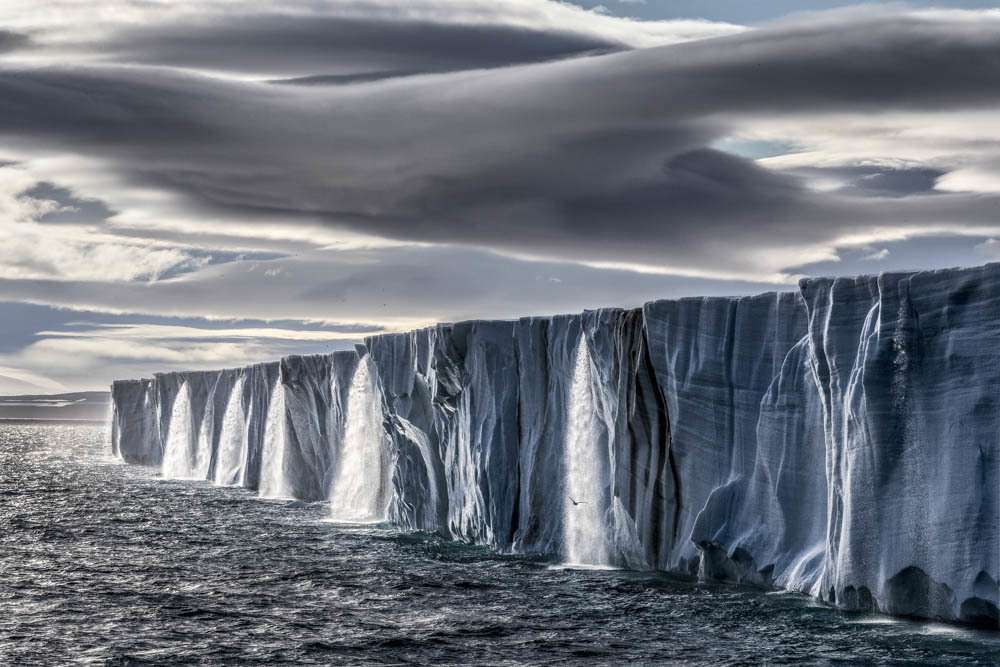
The raw power of nature, captured in a single frame, serves as a stark reminder of the ephemeral beauty and inherent fragility of our planet’s polar regions. Photographer Paul Nicklen’s iconic "Ice Waterfall" image, now gracing homes and influential platforms worldwide, encapsulates this confluence of art, storytelling, and conservation. More than just a visually stunning depiction of Nordaustlandet’s vast ice cap, the photograph, with its dramatic ice falls and foreboding dark clouds, tells a compelling narrative of a rapidly changing Arctic. Its widespread recognition, amplified by its use by figures like Al Gore and its pivotal role in National Geographic’s 2015 "Cool It" issue and Pearl Jam’s "Gigaton" album, underscores its potent message: the urgent need for polar conservation.
Nicklen’s personal journey, deeply intertwined with the world of ice, began at the tender age of four when his family relocated to Baffin Island. This early immersion in a landscape sculpted by extreme temperatures and constant transformation imprinted a profound appreciation for the dynamic nature of polar environments. Growing up in one of the few non-Inuit households in his community, Nicklen spent his formative years navigating a frozen realm, guided by Inuit elders. These experiences, from tracking animals across snow-covered expanses to understanding the nuances of treacherous ice and enduring extreme cold, laid the groundwork for his future career as a National Geographic photographer. This upbringing instilled in him a deep connection to the Arctic and Antarctic, making these regions enduring subjects of his work.
The photographic process in polar landscapes, as Nicklen describes, is an exercise in adapting to ceaseless change. Light, refracted and scattered through crystalline ice, creates an ever-evolving canvas of intricate patterns and textures. Even from a fixed vantage point, each click of the shutter can yield a unique image, a testament to the fluid nature of these environments. However, these dynamic conditions also present significant challenges. An overcast sky can mute the grandeur of an iceberg, reducing it to a featureless mass against a somber horizon. Yet, it is precisely within these environmental constraints that Nicklen finds a peculiar freedom, pushing his creativity to explore novel perspectives and to unearth the compelling narratives embedded within each frame.
The Ephemeral Majesty of Antarctic Ice
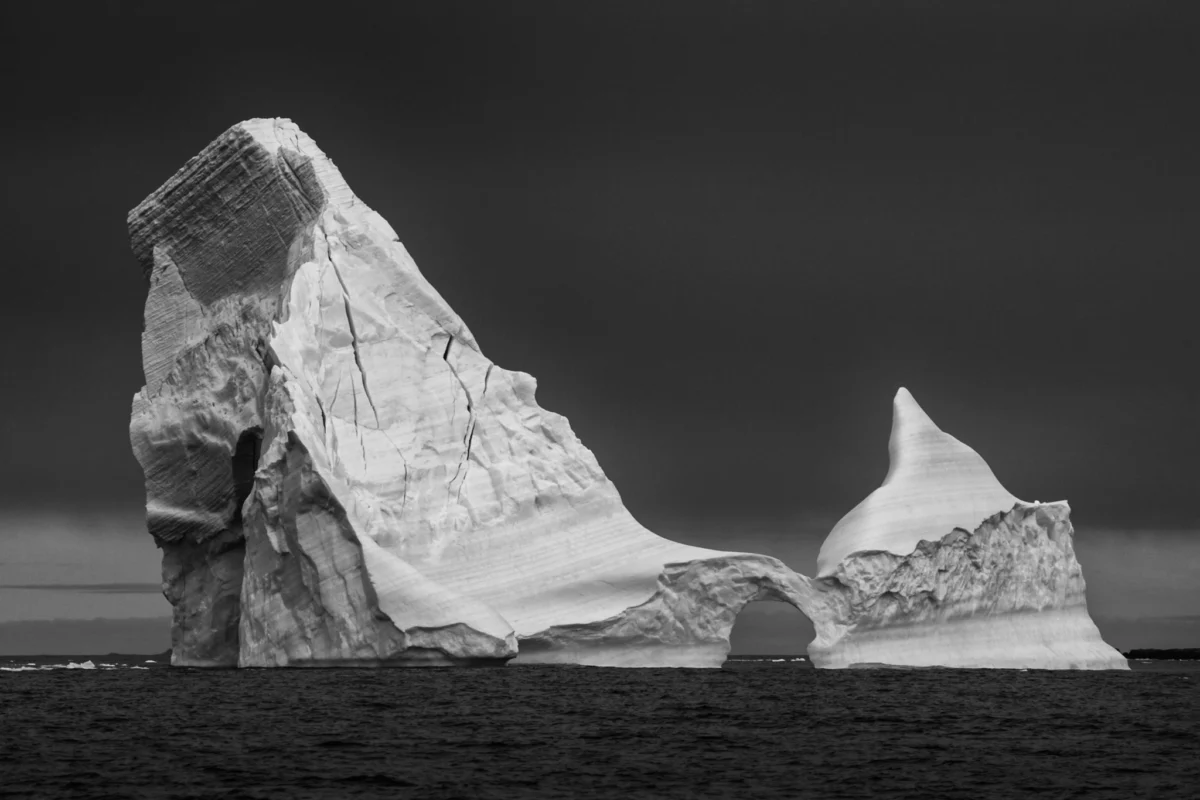
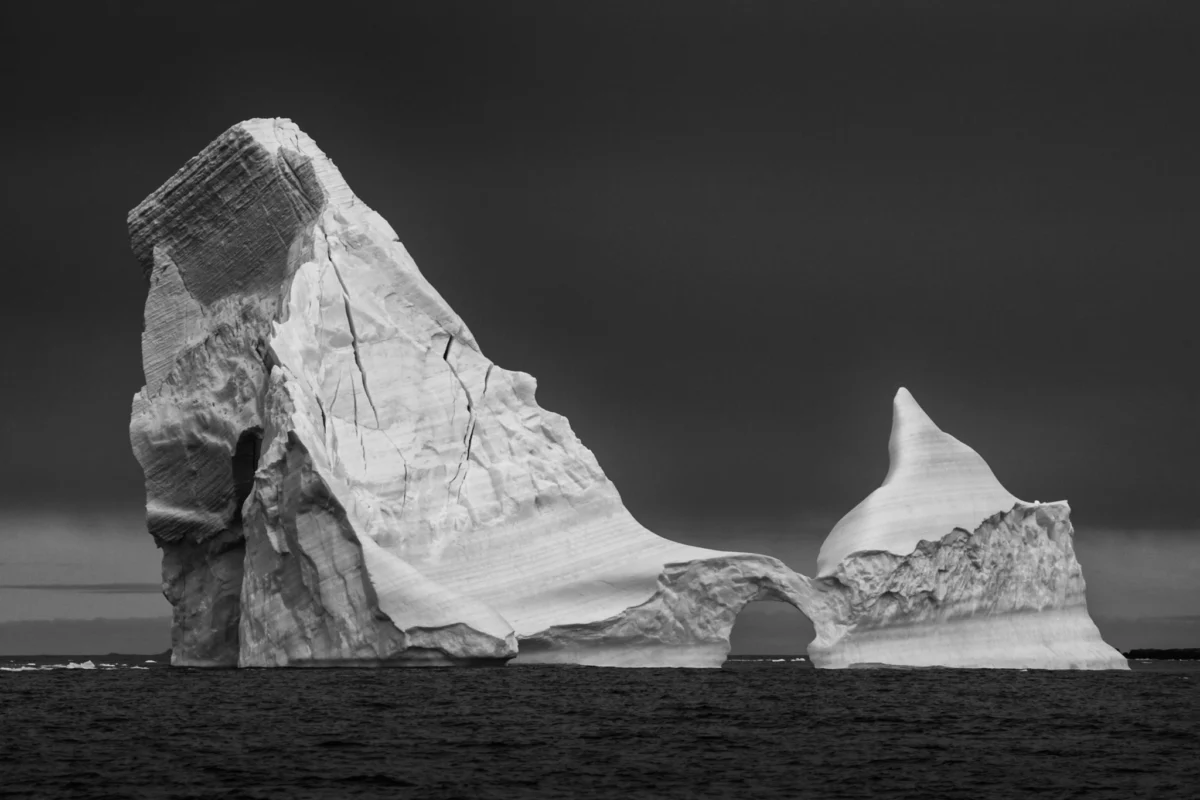
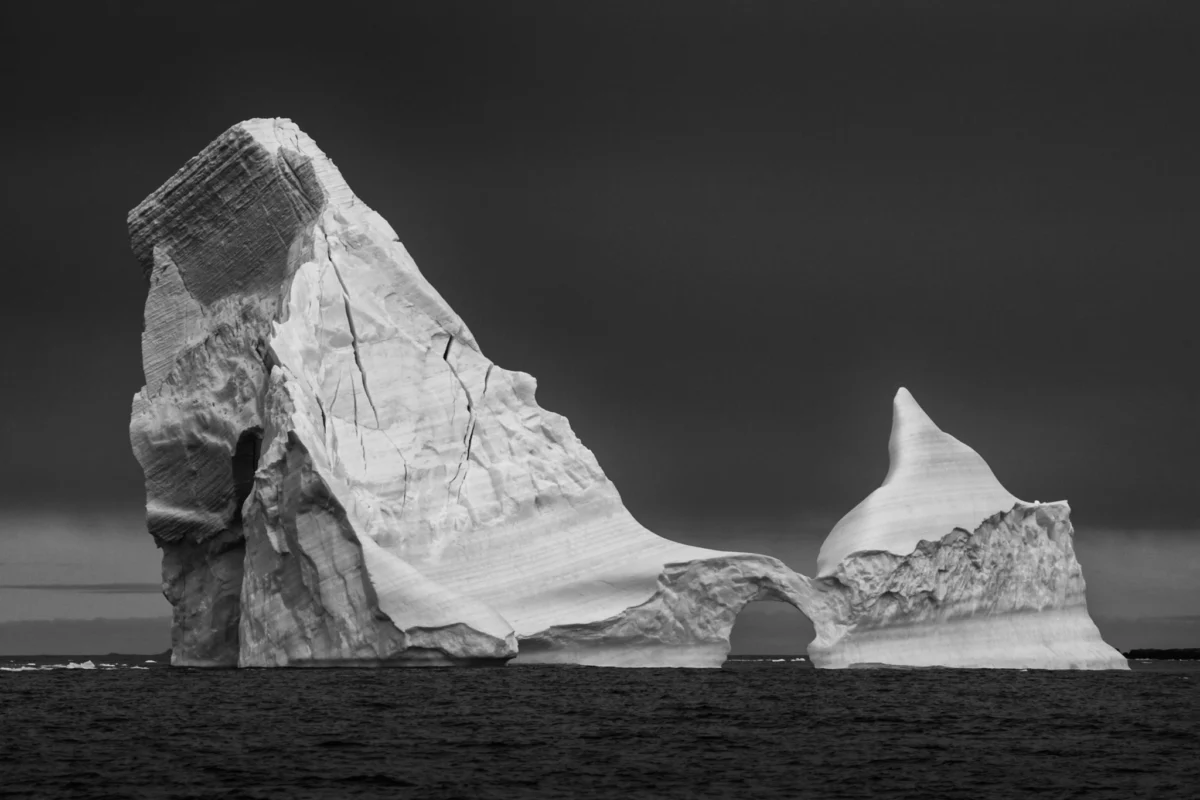
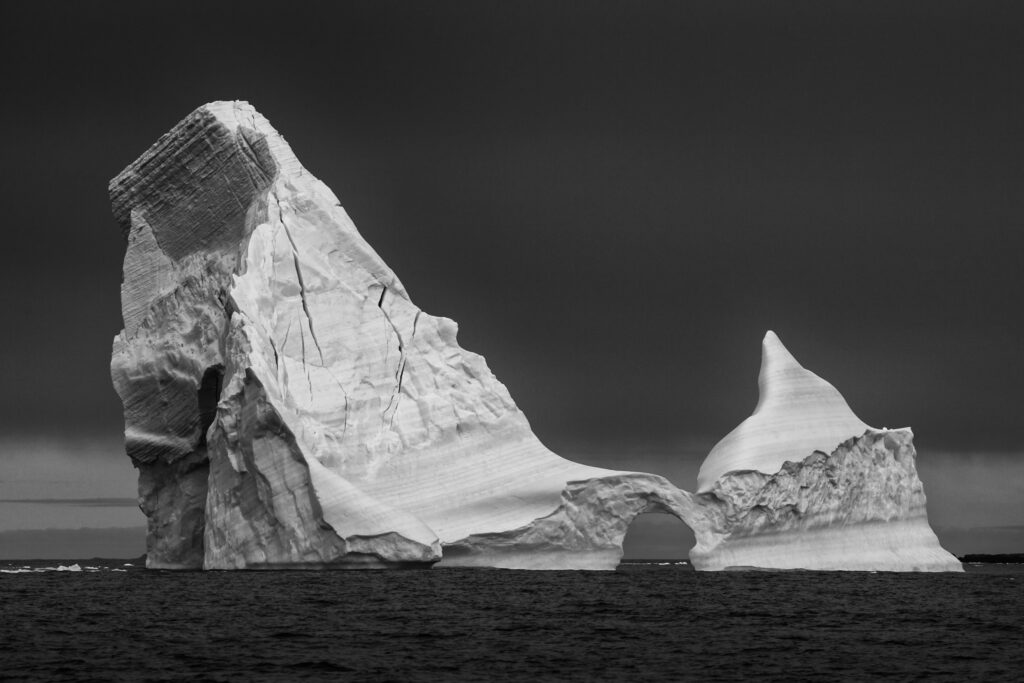
Nicklen recounts a particularly poignant moment during an expedition to the remote shores of Antarctica, the continent often referred to as the "last continent." He observed a delicate ice arch, a fleeting masterpiece sculpted by the relentless forces of nature. With meticulous care, he adjusted his camera, aiming to capture the ephemeral structure framed between two towering spires of ice. As he settled on the perfect composition, a deep rumble echoed across the water. In mere seconds, the entire arch, a testament to the erosive power of tumultuous seas, long winters, and raging winds, succumbed to gravity and plunged into the ocean. The event, accompanied by a sound akin to thunder and generating a cascade of waves, was a spectacular, yet transient, display of nature’s artistry, vanishing before his eyes. This experience, encapsulated in his photograph titled "The Last Stand," underscores the profound fragility of Antarctica’s captivating beauty.
Life’s Resilience in Extreme Environments
Despite the often-perceived harshness of polar regions, Nicklen’s early life experiences revealed a hidden reservoir of life beneath the snow and within the icy seas. Animals such as seals, polar bears, and various seabird species have not only adapted to the capricious and unforgiving nature of these environments but have also evolved to depend on their cyclical ebb and flow for survival. These creatures utilize the frozen landscapes for crucial life stages: raising their young, hunting for sustenance, and finding mates. Their evolutionary journey has transformed the most challenging aspects of their habitat into the very source of their resilience and survival.
However, this intricate adaptation makes polar ecosystems exceptionally vulnerable to environmental shifts. The accelerating decline of ice in the Arctic and Antarctic seas directly threatens the future of some of Earth’s most iconic and specialized wildlife. The diminishing ice cover disrupts established hunting grounds, breeding sites, and migratory routes, placing immense pressure on populations that have thrived for millennia.
The Arctic’s Transformation and a Global Challenge
Over the decades, Nicklen has witnessed firsthand the profound changes occurring in the Arctic, his childhood home and a place where he first felt a sense of belonging. The gradual, and in recent years, accelerating, loss of sea ice represents a critical tipping point for the region’s unique biodiversity and the indigenous communities that call it home. Scientific data paints a concerning picture of this transformation.
Supporting Data on Arctic Ice Melt:
- Sea Ice Extent: According to the National Snow and Ice Data Center (NSIDC), Arctic sea ice extent has been declining significantly since satellite records began in 1979. The average rate of September sea ice decline (the month with the smallest extent) is 12.6% per decade relative to the 1981-2010 average.
- Arctic Amplification: The Arctic is warming at more than twice the rate of the global average, a phenomenon known as Arctic amplification. This accelerated warming is a key driver of sea ice melt.
- Glacial and Ice Sheet Mass Loss: In addition to sea ice, land-based ice sheets in Greenland and Antarctica are also losing mass at an alarming rate, contributing to global sea-level rise. The Greenland Ice Sheet lost an average of 279 billion tons of ice per year between 1993 and 2019, while Antarctica lost about 148 billion tons per year during the same period.
- Permafrost Thaw: The thawing of permafrost in the Arctic releases potent greenhouse gases like methane and carbon dioxide, further exacerbating global warming in a dangerous feedback loop.
These scientific observations are not abstract figures; they represent tangible threats to ecosystems and wildlife. For species like polar bears, which rely on sea ice as a platform for hunting seals, the reduction in ice extent means longer periods of fasting and increased difficulty in finding food. Similarly, ringed seals, which build their dens on sea ice, face challenges in protecting their pups from predators and the elements.
The Role of Photography in Conservation
Nicklen’s work, exemplified by "Ice Waterfall" and "The Last Stand," transcends mere documentation. These photographs serve as powerful advocacy tools, aiming to foster a deeper connection between the viewer and the natural world, particularly its most vulnerable ecosystems. By showcasing the breathtaking beauty and inherent value of polar regions, his art compels audiences to consider the consequences of inaction.
The influence of such imagery can be profound. When iconic figures like Al Gore, a prominent advocate for climate action, feature and champion these photographs, their message is amplified. The inclusion of "Ice Waterfall" in National Geographic, a publication with a global reach and a long history of environmental reporting, brings the urgency of the Arctic’s plight to millions of households. The visual impact of a stunning photograph can often penetrate defenses that statistics alone might not breach, inspiring empathy and a desire to protect what is being lost.
Broader Implications and the Path Forward
The diminishing ice in the Arctic and Antarctic is not merely an environmental issue; it carries significant geopolitical, economic, and social implications.
Analysis of Implications:
- Sea-Level Rise: The melting of land ice contributes directly to global sea-level rise, threatening coastal communities worldwide with increased flooding, erosion, and saltwater intrusion. Major cities and low-lying island nations are particularly at risk.
- Climate Regulation: Polar ice plays a crucial role in regulating global climate by reflecting solar radiation back into space (the albedo effect). As ice melts, darker ocean water absorbs more heat, accelerating warming.
- Biodiversity Loss: The specialized adaptations of polar species mean they are highly susceptible to habitat loss. This can lead to population declines and, in some cases, extinction, with cascading effects throughout the food web.
- Indigenous Communities: Arctic indigenous populations have deep cultural and subsistence ties to the ice. Its disappearance disrupts traditional ways of life, impacting hunting, travel, and cultural practices passed down through generations.
- Economic Opportunities and Risks: While reduced ice cover may open new shipping routes and access to resources, it also presents significant risks, including increased pollution, potential for resource extraction conflicts, and the need for new infrastructure to cope with changing conditions.
Despite the mounting evidence and the palpable sense of urgency, Nicklen maintains a message of hope. He believes that through collective action and a shared commitment to protecting the natural world, a positive course can be charted. The support of individuals who, like him, feel a profound connection to these wild places is crucial.
A Collective Responsibility
The narrative woven through Nicklen’s photography and reflections is one of interconnectedness. The fate of the polar regions is inextricably linked to the health of the entire planet. The warming of the Earth, driven by human activities, is manifesting most dramatically at the poles, serving as an early warning system for the global climate.
The call to action, though rooted in the specific context of the Arctic and Antarctic, resonates universally. It speaks to the responsibility of humanity to act as stewards of the environment, to recognize the intrinsic value of all life, and to make choices that prioritize long-term sustainability over short-term gains. As Nicklen concludes, "We are in this together, and we will solve this together." This sentiment underscores the need for global cooperation, innovative solutions, and a renewed dedication to preserving the planet’s most precious and vulnerable ecosystems for future generations. The art of photography, in the hands of individuals like Paul Nicklen, becomes not just a medium of aesthetic appreciation, but a powerful catalyst for change.