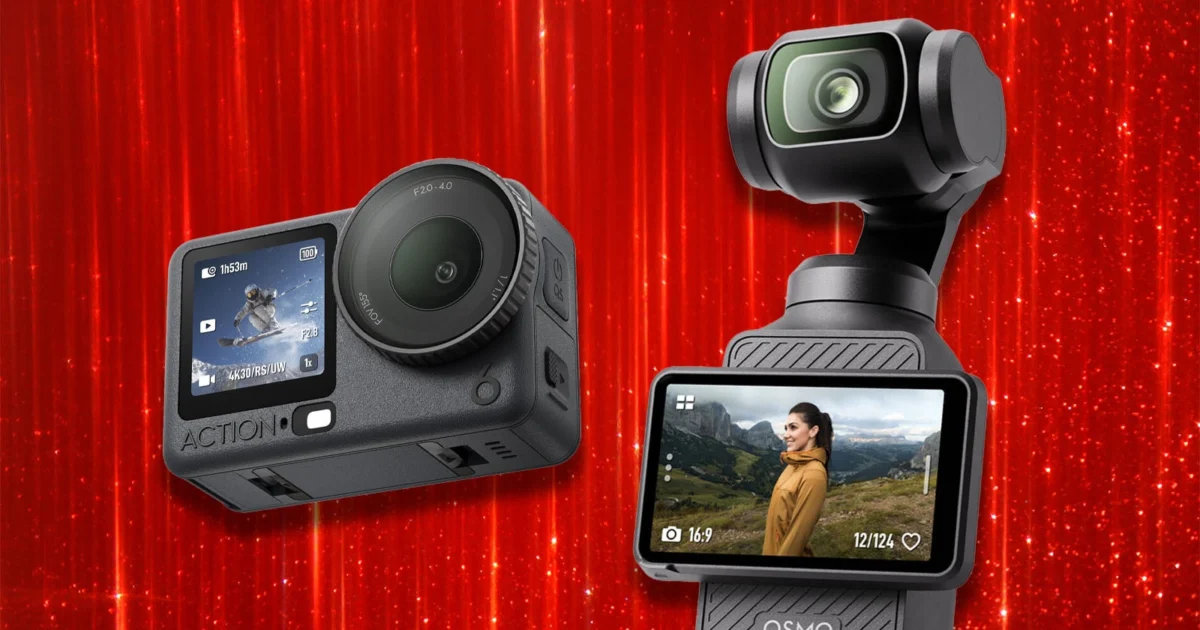
A seismic shift is underway in the digital imaging landscape, as new research from Chinese technology intelligence firm IDC reveals an unprecedented surge in the global "handheld smart camera" market. This burgeoning sector, encompassing action cameras, 360-degree cameras, and gimbal-stabilized devices, has not only outpaced the long-established traditional digital camera market but is now overwhelmingly dominated by Chinese innovators DJI and Insta360. In a striking testament to this evolving paradigm, IDC’s latest findings indicate that market leader DJI alone shipped more units in 2025 than all Japanese traditional camera manufacturers combined, signaling a profound reorientation of consumer preferences and technological leadership.
The Explosive Growth of Handheld Smart Cameras
IDC’s comprehensive report, detailing the dynamics of the global handheld smart camera market, underscores a period of explosive expansion. In 2025, the market reached an astonishing 16.65 million units shipped worldwide, marking a colossal 83% year-over-year increase. This meteoric rise translated into substantial financial gains, with total sales exceeding 46 billion yuan, approximately $6.3 billion USD at prevailing exchange rates. This revenue figure represents an equally impressive 86% jump compared to 2024, cementing the segment’s position as a high-growth frontier within consumer electronics. Looking ahead, IDC analysts project continued robust expansion, forecasting the market to reach a staggering 40 million units annually by 2030, a testament to the sustained demand for these innovative imaging tools.
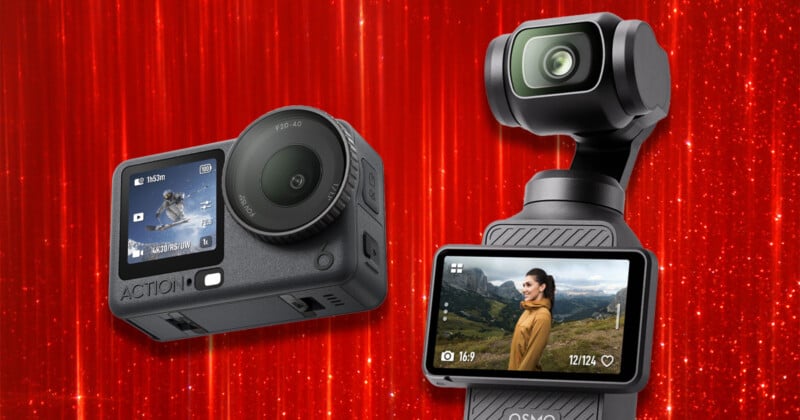
The category of "handheld smart cameras" is broadly defined by IDC to include a range of highly portable, often rugged, and intelligently stabilized devices. This includes the ubiquitous action cameras, designed for capturing dynamic footage in challenging environments; sophisticated 360-degree cameras that offer immersive, omnidirectional recording; and advanced gimbal cameras, such as DJI’s Osmo Pocket series and Insta360’s Luna series, which integrate powerful stabilization into compact form factors. Importantly, IDC’s analysis encompasses all manufacturers within this space, irrespective of their origin, meaning pioneering brands like GoPro are also factored into the market equation, albeit with a diminishing footprint.
A Contrasting Trajectory: The Traditional Digital Camera Market
In stark contrast to the exponential growth observed in the handheld smart camera segment, the traditional digital camera market, while showing signs of recovery, operates on a distinctly different scale and growth trajectory. The Camera & Imaging Products Association (CIPA), the authoritative body for Japanese camera companies, provides the most reliable data for this sector. CIPA’s scope primarily covers Japanese manufacturers, thereby excluding niche high-end brands like Leica and Hasselblad, which represent a smaller fraction of the overall unit volume.
In 2025, a year that CIPA characterized as "very strong" for the photo industry, total digital camera sales reached 9.44 million units globally. This figure, encompassing interchangeable lens digital cameras (both mirrorless and DSLR) and compact cameras with fixed lenses, marked the fourth consecutive year of growth for the industry—a significant achievement after a prolonged period of decline. Indeed, 9.44 million units represents the highest total since 2019 and a considerable rebound from the digital camera industry’s nadir in 2023. This resurgence has largely been driven by the strong demand for mirrorless cameras, which continue to evolve in capability and appeal to a broad spectrum of photographers, from enthusiasts to seasoned professionals.
The Dominance of DJI and Insta360
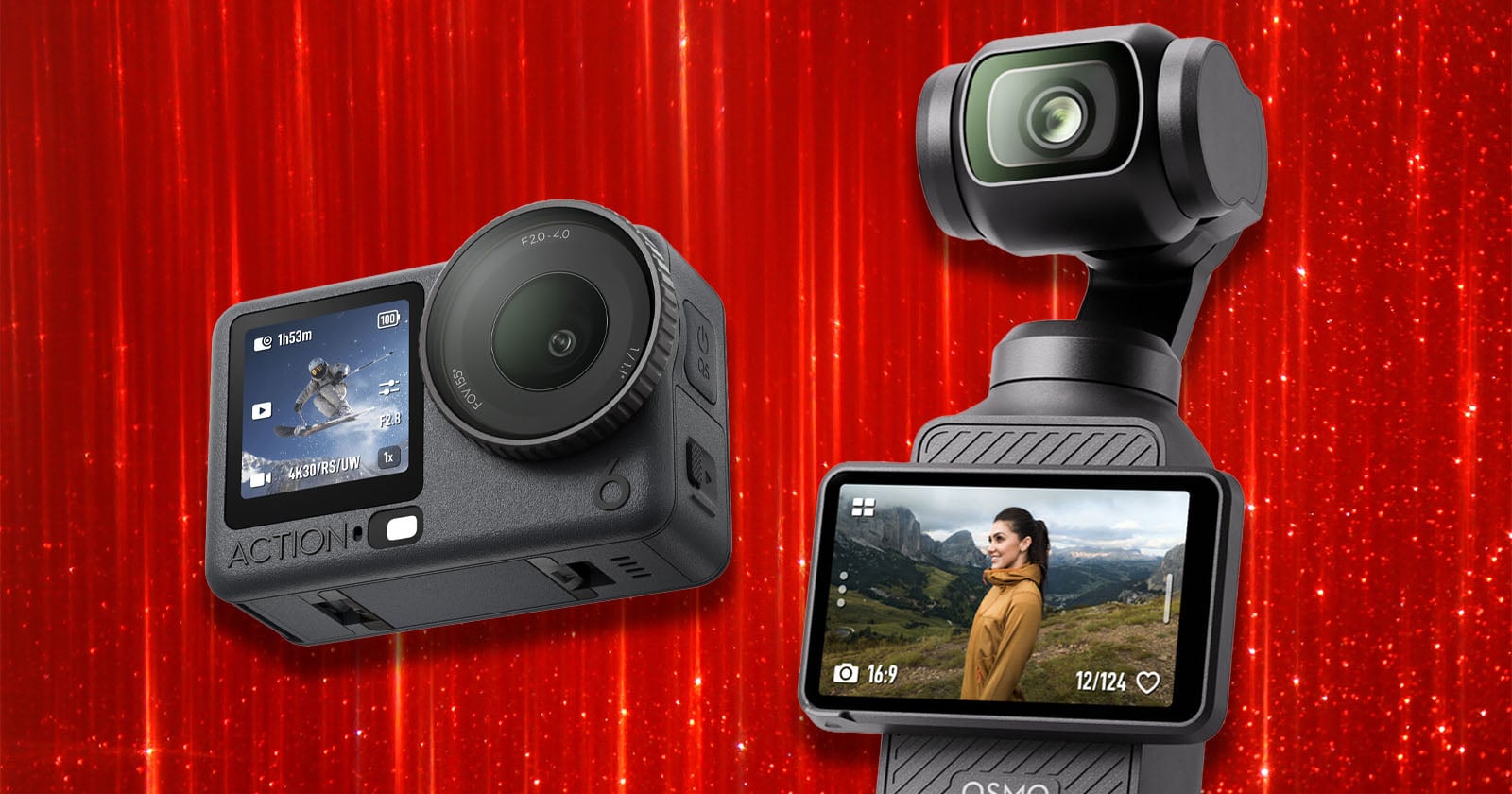
The numerical disparity between these two market segments becomes strikingly evident when comparing individual company performance. IDC’s data highlights that DJI, the undisputed leader in the handheld smart camera space, shipped an astounding 10.4 million units in 2025. This achievement marks a significant milestone for the company, as it was the first time DJI surpassed the 10-million-unit mark. More critically, this single company’s shipments exceeded the combined total of all CIPA member companies, which collectively shipped 9.44 million traditional digital cameras. This remarkable statistic underscores the sheer volume and accessibility that handheld smart cameras bring to the broader imaging market.
Insta360, another formidable Chinese innovator, also demonstrated exceptional performance, shipping 3.4 million handheld cameras in 2025. To put this in perspective, Insta360’s individual shipments accounted for more than half the total number of mirrorless cameras shipped by all Japanese companies in the same year (6.1 million units). When the figures for DJI and Insta360 are combined, their joint shipments reached approximately 13.8 million units in 2025. This combined volume is well over twice the number of mirrorless cameras shipped by CIPA members, clearly illustrating the significant market share and influence these two Chinese giants now wield.
Chronology of Innovation and Market Evolution
The current market dynamics are the culmination of several distinct phases of innovation. The action camera market was effectively pioneered by GoPro in the early 2000s, which capitalized on the burgeoning extreme sports culture and the desire for rugged, POV (point-of-view) cameras. GoPro’s initial success was built on simplicity, durability, and effective marketing that resonated with adventurers and content creators.
The subsequent decade saw the rise of gimbal technology, initially as standalone accessories for smartphones and then integrated into dedicated cameras. DJI, already a leader in drone technology, leveraged its expertise in stabilization to introduce the Osmo series, offering unparalleled smoothness in handheld video capture. These devices quickly found favor with vloggers, filmmakers, and anyone seeking professional-grade stabilization without the bulk of traditional camera rigs.
Concurrently, 360-degree cameras began to emerge from niche applications into the mainstream, with Insta360 at the forefront. By combining innovative optics, powerful software stitching, and user-friendly interfaces, Insta360 made immersive content creation accessible. Their cameras, like the Insta360 X series, offered unique creative possibilities, allowing users to "shoot first, frame later" from every angle simultaneously.
The convergence of these technologies, coupled with advancements in computational photography, AI-driven features, and seamless connectivity, gave birth to the "handheld smart camera" as IDC defines it. These devices are characterized by their ability to not just capture footage but to intelligently process, stabilize, and enhance it, often with minimal user input. This evolution directly catered to the growing global demand for easily shareable, high-quality video content for social media, vlogging, and personal documentation.
GoPro’s Struggles and Shifting Market Share
While the overall handheld smart camera market thrives, the competitive landscape has been particularly challenging for some established players. GoPro, once the undisputed king of action cameras, has consistently lost market share to its Chinese rivals. This trend has been well-documented, with reports indicating significant financial struggles for the company. GoPro’s difficulties stem from a combination of factors: slower innovation in integrating "smart" features beyond raw capture, a relatively undiversified product portfolio compared to DJI’s extensive ecosystem (drones, gimbals, action cams), and intense price competition from aggressive newcomers. While GoPro continues to innovate, its pace has been outmatched by companies like DJI and Insta360, which have rapidly iterated on features, introduced new form factors, and offered compelling value propositions.
Analyzing the Implications: Complementary, Not Competitive
It is crucial to frame these market trends not as a zero-sum game between different camera types, but rather as a diversification of the imaging industry. The success of handheld smart cameras does not inherently necessitate the failure of traditional cameras. In fact, many consumers own both types of devices, as they serve fundamentally different purposes and cater to distinct creative needs.
Traditional Digital Cameras (ILCs and High-End Compacts):
- Strengths: Unparalleled image quality (larger sensors), superior optical zoom capabilities, interchangeable lenses offering vast creative flexibility, extensive manual controls, advanced autofocus systems, and robust build quality.
- Target Audience: Professional photographers, serious hobbyists, cinematographers, and anyone prioritizing ultimate image fidelity, precise control, and the ability to adapt to diverse shooting scenarios (e.g., portraiture, wildlife, studio work, cinematic productions).
- Value Proposition: Precision, quality, artistic control, and long-term investment in a system.
- Price Point: Typically ranges from hundreds to several thousands of dollars for bodies, with lenses adding significant cost. This is a higher-margin, lower-volume market.
Handheld Smart Cameras (Action Cams, 360 Cams, Gimbal Cams):
- Strengths: Extreme portability, robust construction (often waterproof and shockproof), integrated advanced stabilization, unique perspectives (360-degree capture), user-friendly interfaces, seamless connectivity for quick sharing, and often superior computational photography/video features (e.g., AI tracking, automatic editing).
- Target Audience: Vloggers, adventure enthusiasts, casual content creators, travelers, and anyone seeking ease-of-use, versatility, and the ability to capture dynamic, stabilized footage in challenging or spontaneous situations.
- Value Proposition: Convenience, accessibility, unique perspectives, and hassle-free content creation.
- Price Point: Generally ranges from a few hundred to under a thousand dollars. This is a higher-volume, thinner-margin market, where even small price differences can significantly sway consumer choice.
The price disparity is a key differentiating factor. An interchangeable-lens camera system often represents an investment of thousands of dollars, with individual lenses costing hundreds or more. In contrast, a high-end handheld smart camera like the Insta360 Luna Ultra might retail for around $770. This accessibility, combined with their specialized functionalities, makes smart cameras appealing to a broader consumer base, including many who might find traditional camera systems too complex or expensive for their needs.
Challenges and Future Outlook
Despite their rapid growth, the handheld smart camera market faces its own set of challenges and evolving dynamics. One significant factor to watch is the ongoing regulatory scrutiny faced by DJI in the United States. Issues with the Federal Communications Commission (FCC) regarding data security and potential national security concerns could impact DJI’s ability to operate and sell products in one of the world’s largest consumer technology markets. Any restrictions or bans could significantly affect DJI’s global shipment numbers and potentially open avenues for competitors, though the market is currently heavily reliant on DJI’s innovation.
Furthermore, the sustainability of such extreme growth rates for handheld smart cameras will depend on continuous innovation. Will these devices continue to introduce groundbreaking features that compel upgrades, or will the market eventually saturate? The increasing sophistication of smartphone cameras, which are ever-present and continually integrating more advanced stabilization and computational photography, also poses a long-term competitive threat. Handheld smart cameras must consistently offer a compelling and differentiated experience beyond what a smartphone can provide.
Another fascinating question revolves around the potential for convergence. While currently distinct, will the lines between "smart" and "traditional" cameras blur further? We are already seeing traditional camera manufacturers integrate more advanced in-body image stabilization, AI-powered autofocus, and enhanced connectivity features. Could future traditional cameras adopt some of the robust, all-in-one capabilities of handheld smart cameras, or will the fundamental differences in optics, sensor size, and ergonomic design ensure their continued separation? The answer likely lies in a continued co-evolution, with both segments borrowing successful innovations from each other while maintaining their core identities.

Industry Reactions and Strategic Adjustments (Inferred)
Industry analysts from firms like IDC likely view this trend as a testament to shifting consumer behavior and the democratization of content creation. The emphasis has moved from purely technical image acquisition to ease of capture, shareability, and creative flexibility, particularly for video.
For DJI and Insta360, this data validates their strategic focus on integrated, user-friendly, and technologically advanced devices. Their operating models prioritize rapid product cycles, software innovation, and direct engagement with content creators and adventurers. They are likely to continue investing heavily in AI, stabilization algorithms, and user experience enhancements to maintain their market dominance.
Traditional camera manufacturers, while enjoying a strong year in 2025, are undoubtedly observing these trends with keen interest. While their core market of discerning photographers and videographers remains robust, they may increasingly explore avenues to appeal to the "smart camera" user. This could involve developing more compact, highly stabilized, and connectivity-rich entry-level mirrorless cameras or even venturing into specialized action/gimbal camera segments, although direct competition with the established Chinese giants would be a formidable challenge given their scale and speed of innovation.
GoPro, on the other hand, faces a critical juncture. The company will need to implement a decisive strategic pivot, potentially focusing on niche segments, enhancing its software ecosystem significantly, or exploring new hardware categories to regain relevance and market share in an increasingly competitive landscape.
Conclusion
The digital imaging market is currently experiencing a dynamic duality: a steady, quality-driven growth in the traditional camera sector, juxtaposed with an explosive, volume-driven expansion in the handheld smart camera segment. Led by the formidable innovations of DJI and Insta360, the handheld smart camera market is not merely growing; it is redefining what a "camera" means to millions of content creators and casual users worldwide. While both markets serve different needs and thrive on distinct value propositions, their parallel growth signifies a vibrant and diversifying future for visual storytelling. The unfolding narrative of how these two powerful forces continue to evolve, adapt, and potentially converge will undoubtedly be one of the most compelling stories in consumer technology for the foreseeable future.