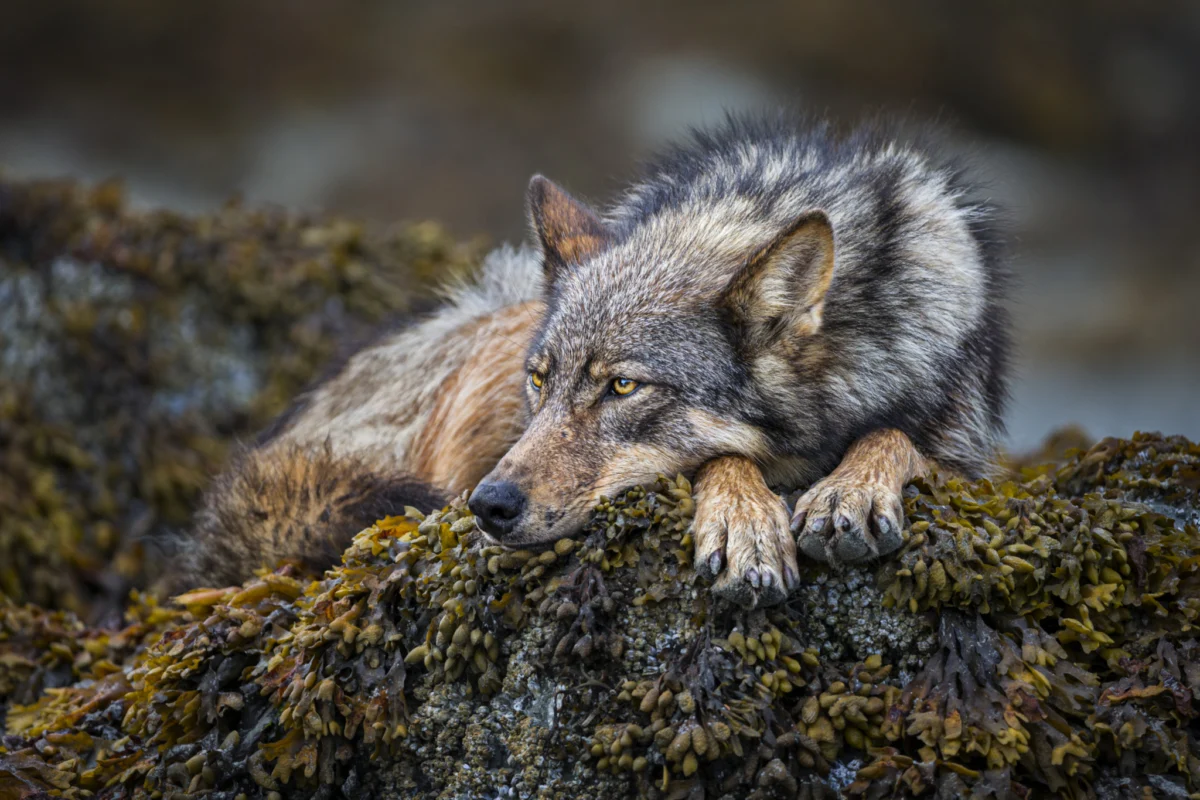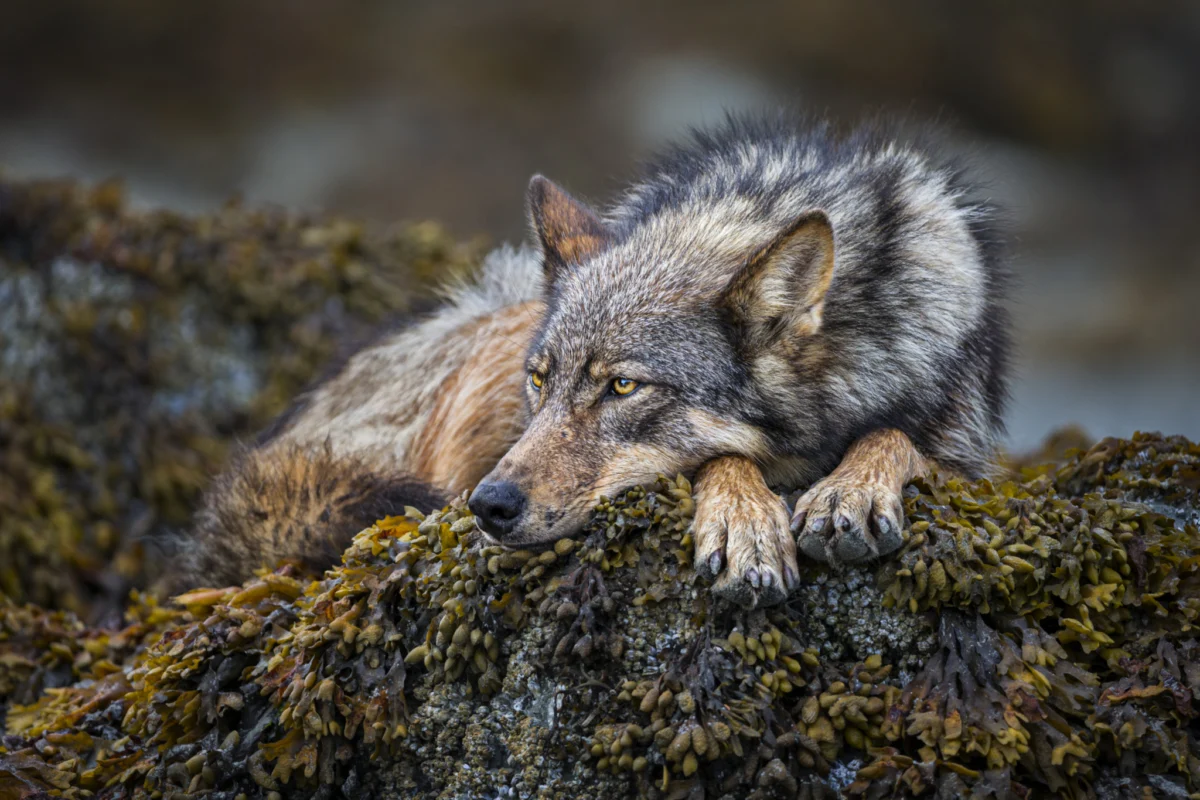
Thirty years ago, a solo expedition into the vast Canadian wilderness, specifically the aptly named Barren Grounds, just 300 miles north of the Arctic Circle, marked the beginning of a profound connection with the natural world and a stark realization about humanity’s relationship with its apex predators. For three months, the author traversed over 600 miles on foot and canoed an additional 2,000 miles, driven by a dual objective: to test personal limits and survival capabilities, and to photograph tundra wolves. This immersive experience, far from yielding immediate photographic success, became an intensive, unsolicited education in patience and observation, culminating in a fleeting but powerful encounter with a lone wolf.
The initial sighting, after weeks of anticipation, involved a painstaking approach. Mistaking what appeared to be a greyish rock among lupines for the elusive predator, the author engaged in a low, slow crawl, inching closer for nearly an hour. The reward for this meticulous patience was a glimpse through tangled willows of "a pair of tawny eyes, perked ears, and the silver face of a lone wolf." This singular moment, born from deep respect for the animal’s wariness, foreshadowed a career marked by numerous subsequent encounters, some of which involved observing wolf packs at close proximity, in a state of "perfectly relaxed" coexistence. Each of these interactions underscored a fundamental truth: earning the trust of wolves is an exercise in profound patience, as they are inherently shy, exceptionally cautious creatures, rarely initiating contact with humans.
The Persistent Shadow of Folklore
Despite the reality of wolves as cautious and generally non-threatening animals, a persistent archetype of the "big bad wolf" continues to dominate popular imagination. This narrative, deeply embedded in fiction, film, and ancient folklore, fuels an irrational fear that often overshadows scientific understanding. While modern audiences largely recognize that wolves do not impersonate grandmothers or possess the destructive power to "huff and puff houses to the ground," the ingrained apprehension, nurtured by childhood stories like Little Red Riding Hood, remains potent. This deeply ingrained fear is not merely a vestige of historical storytelling; it has tangible consequences in contemporary wildlife management and conservation debates.
Scapegoating Predators in a Declining Ecosystem
In an era of unprecedented biodiversity loss, the fictional villain of wolf lore becomes a convenient and often inaccurate scapegoat for ecological imbalances. When populations of prey species, such as deer, decline, wolves are frequently the first to be blamed. This tendency to point fingers at predators conveniently distracts from the larger, systemic issues that are truly driving ecological disruption. It is crucial to acknowledge the historical presence of wolves in North America, where they have roamed for an estimated 30,000 to 50,000 years, predating the arrival of humans by millennia. Their role as apex predators is integral to maintaining the health and balance of their ecosystems.
The True Architects of Ecological Devastation
The narrative of the wolf as a primary ecological threat is demonstrably false when contrasted with the actual impact of human activities. The widespread devastation wrought by industrial development—including roads, deforestation, mining, and drilling—has inflicted far greater and more pervasive harm on wildlife populations and their habitats than wolves ever have. Scientific studies consistently show that habitat fragmentation, pollution, and direct human persecution are the leading causes of species decline. For example, a 2019 report by the Intergovernmental Science-Policy Platform on Biodiversity and Ecosystem Services (IPBES) highlighted that human activities are driving species extinction at a rate 100 to 1,000 times higher than the natural background rate.
Questionable Management Practices and the Cost of Extermination
Despite overwhelming evidence of human-induced ecological damage, the prevailing approach to wildlife "management" often still involves controlling and eradicating populations of predators. Government-sanctioned wolf culls, ostensibly designed to boost prey populations for hunting or to mitigate perceived conflicts, continue to be implemented in various regions. These practices, often funded by taxpayers, represent a flawed and counterproductive strategy.
A stark example of this is the Canadian government’s recent initiative in British Columbia, which has been reported to involve the taxpayer-funded extermination of approximately 4,000 wolves. This ambitious cull aims to address concerns regarding the decline of caribou populations, a species also facing severe threats from habitat loss and human disturbance. However, critics argue that such measures fail to address the root causes of caribou decline and may have unintended consequences for the broader ecosystem. The economic implications of these programs are also significant, diverting substantial public funds that could be allocated to more effective conservation strategies, such as habitat restoration and the reduction of industrial impacts.
A Call for Accountability and a Shift in Perspective
The persistent belief that wolves are the primary impediment to ecological recovery reflects a deep-seated anthropocentric bias and a failure to hold humanity accountable for its own actions. Until we confront the true extent of the damage inflicted by our species—through industrial expansion, resource extraction, and unsustainable land-use practices—these same destructive mistakes will be repeated. The narrative needs to shift from blaming apex predators to addressing the systemic threats that are fundamentally altering our planet’s ecosystems.
The author’s intention in sharing profound encounters with animals like wolves is to foster a deeper understanding and appreciation of their intrinsic value and their crucial ecological roles. Villainizing predators that have, for millennia, played a vital part in maintaining the delicate balance of their environments only serves to deepen a cycle of destruction. Every species, regardless of its perceived threat or the extent of its misunderstanding, contributes to the richness and beauty of the natural world.
The Broader Implications for Conservation
The ongoing reliance on lethal control methods for wolves and other predators, while industrial activities continue unabated, highlights a fundamental disconnect in conservation priorities. The long-term implications of this approach are dire:
- Ecosystem Imbalance: Removing apex predators can lead to cascading effects within an ecosystem, including overpopulation of prey species, vegetation degradation, and a decline in biodiversity.
- Economic Inefficiency: Taxpayer-funded culls are costly and often yield only temporary or negligible results, diverting resources from more sustainable and effective conservation strategies.
- Erosion of Public Trust: The continuation of outdated and scientifically questionable management practices can erode public trust in wildlife agencies and conservation efforts.
- Missed Opportunities for Education: Focusing on predator control overshadows the opportunity to educate the public about the vital ecological roles of these animals and the importance of coexistence.
Towards a New Paradigm of Coexistence
The path forward requires a fundamental shift in our relationship with the natural world. This involves:
- Prioritizing Habitat Protection and Restoration: Addressing the root causes of biodiversity loss by protecting and restoring natural habitats is paramount.
- Implementing Science-Based Management: Wildlife management strategies must be guided by robust scientific research and evidence, moving away from folklore-driven policies.
- Promoting Coexistence Strategies: Investing in and promoting non-lethal conflict mitigation techniques can help reduce human-wildlife conflict and foster coexistence.
- Holding Industrial Sectors Accountable: Greater regulatory oversight and accountability for industries that impact wildlife and their habitats are essential.
- Revisiting Cultural Narratives: Challenging and reframing the persistent negative stereotypes associated with predators is crucial for fostering a more informed and empathetic public.
The quote by Robin Wall Kimmerer, "As we learn to listen to the land, we discover that we are not separate from it; we are part of it," serves as a powerful reminder. True conservation requires recognizing our interconnectedness with nature and embracing a paradigm of stewardship rather than control. Shifting our focus from the perceived threat of the "big bad wolf" to addressing the broader systemic threats that endanger our planet is the critical first step toward healing our fractured relationship with the natural world and ensuring a future where all species can thrive. The survival of wolves, and indeed countless other species, depends on our collective willingness to acknowledge the truth and to act with the wisdom and foresight that our planet so urgently demands.