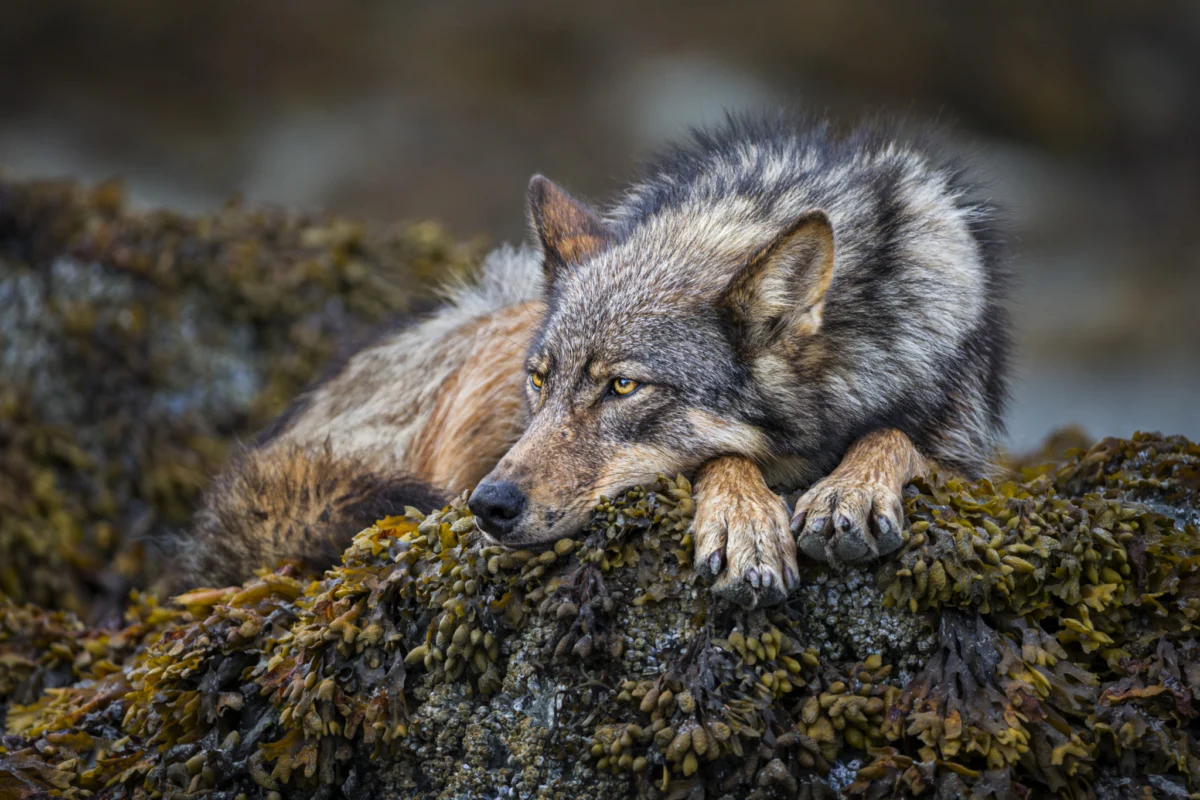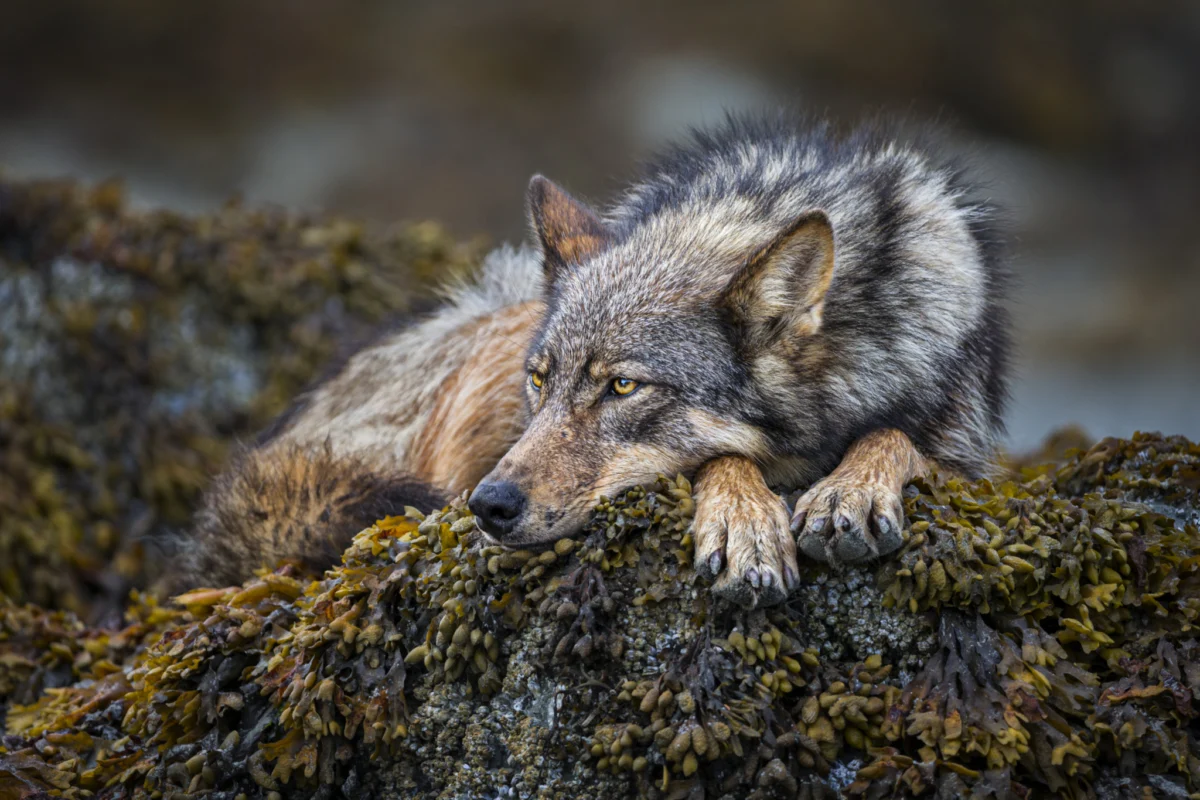
Thirty years ago, a solitary journey into the vast, unforgiving expanse of Canada’s Barren Grounds, a region aptly named and situated just 300 miles north of the Arctic Circle, marked the beginning of a profound connection with the wild. For three months, this expedition involved traversing over 600 miles on foot and navigating more than 2,000 miles by canoe through untamed wilderness. The initial objective was a testament to personal resilience and a desire to test individual limits of survival. However, a more specific, outward goal was to document tundra wolves through photography. Weeks of arduous searching yielded little, until a moment of profound discovery: what initially appeared as a greyish, unassuming rock nestled amongst lupine flora revealed itself, upon painstaking, belly-crawling approach over an hour, to be the serene form of a lone wolf. Through the dense entanglement of willows, a pair of observant tawny eyes, alert ears, and the distinctive silver face of the wild canine emerged, a breathtaking testament to nature’s enduring presence.
This initial encounter, a solitary communion with a creature often shrouded in fear, was not an isolated incident. Since that transformative experience, numerous subsequent encounters with wolves have occurred, including the profound honor of sharing space with a relaxed pack, observing them from mere feet away. Each interaction has served as an intensive, unspoken curriculum in patience, a slow and deliberate process of earning the trust of these inherently cautious animals. Wolves, by their very nature, are shy, highly vigilant, and exhibit a remarkable reluctance to approach humans. Documented instances of attacks on people are exceedingly rare, with only a handful of confirmed cases reported across North America throughout the past century. Despite this empirical reality, the archetype of the "big bad wolf" continues to exert a powerful, pervasive influence within fictional narratives, cinematic portrayals, and enduring folklore. This persistent cultural narrative, it appears, taps into a fundamental human fascination with the thrill of being scared.
While the contemporary populace may intellectually recognize that wolves do not transform into disguised grandmothers to deceive children, nor possess the mythical ability to demolish dwellings with mere exhalations, an ingrained apprehension persists. This fear, deeply embedded, is partially a legacy of childhood stories and ancient legends. Tales like "Little Red Riding Hood," seemingly innocuous in their educational intent, carry an unintended weight in the current ecological climate. As biodiversity plummets across the continent at an alarming rate, the fictitious villain of these narratives becomes a convenient and tangible scapegoat for broader environmental decline.
When populations of prey animals, such as deer, and other species begin to dwindle, wolves are frequently the immediate suspects, often first on the list of accusations. This tendency to assign blame, which occurs somewhere between the brandishing of symbolic pitchforks and the pointing of fingers, overlooks a fundamental ecological truth: wolves have been integral inhabitants of North America for an estimated 30,000 to 50,000 years, a presence predating the arrival of humans on the continent by a significant margin. Their role within these ecosystems is not one of disruption but of regulation, a vital component in maintaining ecological balance.
The narrative of the wolf as a destructive force stands in stark contrast to the demonstrable impact of human activities. The pervasive devastation wrought by industrial development, including extensive road construction, rampant deforestation, resource extraction through mining and drilling, has inflicted a far more profound and widespread harm on wildlife populations than wolves ever could. Yet, despite this clear evidence, a pervasive belief persists that the solution to restoring natural environments lies in attempting to control and eradicate their wild inhabitants. This flawed logic underpins the continued implementation of government-sanctioned wolf culls, often presented as a method of wildlife "management." Concurrently, corporate entities relentlessly pursue agendas of oil dredging and copper mining, further encroaching upon and degrading natural habitats. A stark example of this approach is evident in British Columbia, Canada, where the provincial government is spearheading a taxpayer-funded initiative to exterminate an estimated 4,000 wolves. This policy, implemented under the guise of wildlife management, represents a significant ecological intervention with potentially far-reaching consequences for the health of the ecosystem. Until humanity collectively accepts accountability for the true extent of damage inflicted upon our landscapes by our own species, such cycles of ecological mismanagement and misdirected blame are destined to repeat.
The author’s personal experiences, particularly the profound connection forged during the solitary expedition into the Barren Grounds and subsequent encounters with wolves, serve as a testament to the power of observation and the potential for fostering a deeper understanding and appreciation of these often-misunderstood creatures. By sharing the inherent beauty and ecological significance of animals like wolves, the aim is to challenge ingrained prejudices and inspire a more informed perspective. To continue villainizing predators that have, for millennia, played a crucial role in maintaining the delicate equilibrium within their ecosystems is to perpetuate a destructive cycle that further destabilizes our planet. Every animal, irrespective of the fear or misunderstanding it may engender, contributes intrinsically to the intricate tapestry and profound beauty of our world. Shifting our collective focus from scapegoating to actively addressing the systemic threats that truly endanger our planet – including habitat destruction, climate change, and unsustainable resource extraction – represents the essential first step in confronting the truth and initiating the process of healing our fractured relationship with the natural world.
The Ecological Role of Wolves: A Long-Term Perspective
For millennia, wolf populations have played a critical role in shaping and maintaining the health of North American ecosystems. Their presence as apex predators exerts a "trophic cascade" effect, influencing the behavior and population dynamics of prey species, which in turn impacts vegetation and the overall structure of the environment. For instance, in Yellowstone National Park, the reintroduction of wolves in the mid-1990s, after a 70-year absence, led to a significant reduction in elk populations. This decline in elk, in turn, allowed vegetation along riverbanks, such as willow and aspen, to recover. This recovery provided habitat for songbirds, increased beaver populations due to the availability of food and dam-building materials, and improved the health of the riparian ecosystem. This complex web of interactions underscores the vital, stabilizing role wolves play.
The Persistence of Misinformation and Fear
The "big bad wolf" narrative is deeply ingrained in Western culture, originating from ancient folklore and perpetuated through children’s stories and media. This archetype often portrays wolves as inherently malicious, dangerous, and predatory towards humans. This perception is amplified by isolated incidents of wolf aggression, which are then generalized to the entire species. Scientific data, however, consistently refutes this portrayal. Studies conducted by organizations like the U.S. Fish and Wildlife Service and numerous academic institutions have documented the extreme rarity of unprovoked wolf attacks on humans. The vast majority of negative interactions between humans and wolves are a result of habituation, where wolves lose their natural fear of humans due to human feeding or proximity, or are defending their territory or young.
Human Impact vs. Wolf Impact: A Stark Comparison
The environmental footprint of human activities, particularly industrial development and resource extraction, pales in comparison to any perceived negative impact of wolves.
- Habitat Destruction: The expansion of human settlements, agriculture, and infrastructure leads to the fragmentation and destruction of natural habitats, directly impacting countless species. The U.S. Environmental Protection Agency reports that habitat loss is the leading cause of species endangerment.
- Pollution: Industrial activities release pollutants into air, water, and soil, contaminating ecosystems and harming wildlife. Mining operations, for example, can release heavy metals into waterways, with long-lasting detrimental effects.
- Climate Change: Human-induced greenhouse gas emissions are driving global climate change, leading to extreme weather events, altered migration patterns, and habitat shifts that threaten biodiversity worldwide.
- Overexploitation: Unsustainable hunting and fishing practices have led to severe population declines in many species, often far exceeding any pressure exerted by natural predators.
In contrast, the ecological role of wolves, as demonstrated by trophic cascades, is generally one of ecosystem enhancement and stabilization.
Government-Sanctioned Culls: A Controversial Practice
The practice of government-sanctioned wolf culling, often justified as a means to protect livestock or manage prey populations for hunting, remains a contentious issue. In British Columbia, the province’s Wolf Management Plan, which includes lethal control measures, has been criticized by conservation groups and some scientists.
Timeline of Key Developments:
- Pre-Columbian Era: Wolves are a widespread and integral part of North American ecosystems.
- 19th and Early 20th Centuries: Extensive wolf eradication campaigns are undertaken across North America, driven by fear and the desire to protect livestock. This leads to drastic population declines and local extinctions.
- Mid-to-Late 20th Century: Growing awareness of ecological principles and the role of apex predators leads to increased protection for wolves in some regions.
- 1995-1997: Wolves are reintroduced into Yellowstone National Park, marking a significant turning point in wolf conservation and ecological restoration.
- Early 21st Century: Wolf populations begin to recover in various parts of North America, leading to renewed debates about coexistence and management strategies.
- Present Day: Practices like government-sanctioned culls, as seen in British Columbia, continue to be implemented, sparking ongoing scientific and ethical discussions.
Statements and Reactions (Inferred based on common discourse):
- Conservation Organizations: Typically advocate for non-lethal deterrents, habitat protection, and a greater understanding of wolf ecology, often condemning culling as an outdated and ineffective management strategy. They emphasize the scientific evidence supporting the ecological benefits of wolves.
- Livestock Producers: May express concerns about wolf predation on livestock and advocate for government intervention, including lethal control, to mitigate economic losses. They often highlight the challenges of implementing non-lethal deterrents effectively in all situations.
- Government Wildlife Agencies: Often frame culling as a necessary tool for balancing competing interests, such as conservation, agriculture, and public safety. They may point to specific data or management objectives as justification for these actions.
- Indigenous Communities: Many Indigenous cultures hold a deep respect for wolves, viewing them as spiritual beings and integral parts of the natural world. Their perspectives often emphasize traditional ecological knowledge and holistic approaches to wildlife management.
Broader Implications for Conservation and Human-Wildlife Relations
The ongoing narrative surrounding wolves has profound implications for broader conservation efforts and the future of human-wildlife coexistence. Misinformation and fear-driven policies not only threaten wolf populations but also distract from the most pressing environmental challenges.
- Ecosystem Health: The persecution of wolves can lead to imbalances in ecosystems, with cascading negative effects on biodiversity. The absence of apex predators can result in overgrazing, habitat degradation, and a decline in the populations of other species.
- Conservation Ethics: The way society treats its most feared and misunderstood predators reflects its broader ethical stance towards the natural world. A shift towards empathy, understanding, and evidence-based decision-making is crucial for effective conservation.
- Sustainable Futures: Recognizing the intrinsic value of all species and their roles within ecosystems is fundamental to building a sustainable future. This requires moving beyond anthropocentric viewpoints and embracing a more interconnected understanding of life on Earth.
Ultimately, the enduring myth of the "big bad wolf" serves as a potent metaphor for humanity’s often-troubled relationship with nature. By confronting these ingrained narratives with scientific understanding and a commitment to ecological integrity, we can begin to foster a more harmonious and sustainable coexistence with the wild creatures that share our planet. The lessons learned from observing and understanding wolves, from patiently earning their trust, can extend to a broader re-evaluation of our place within the intricate web of life, urging us to become stewards rather than adversaries of the natural world.