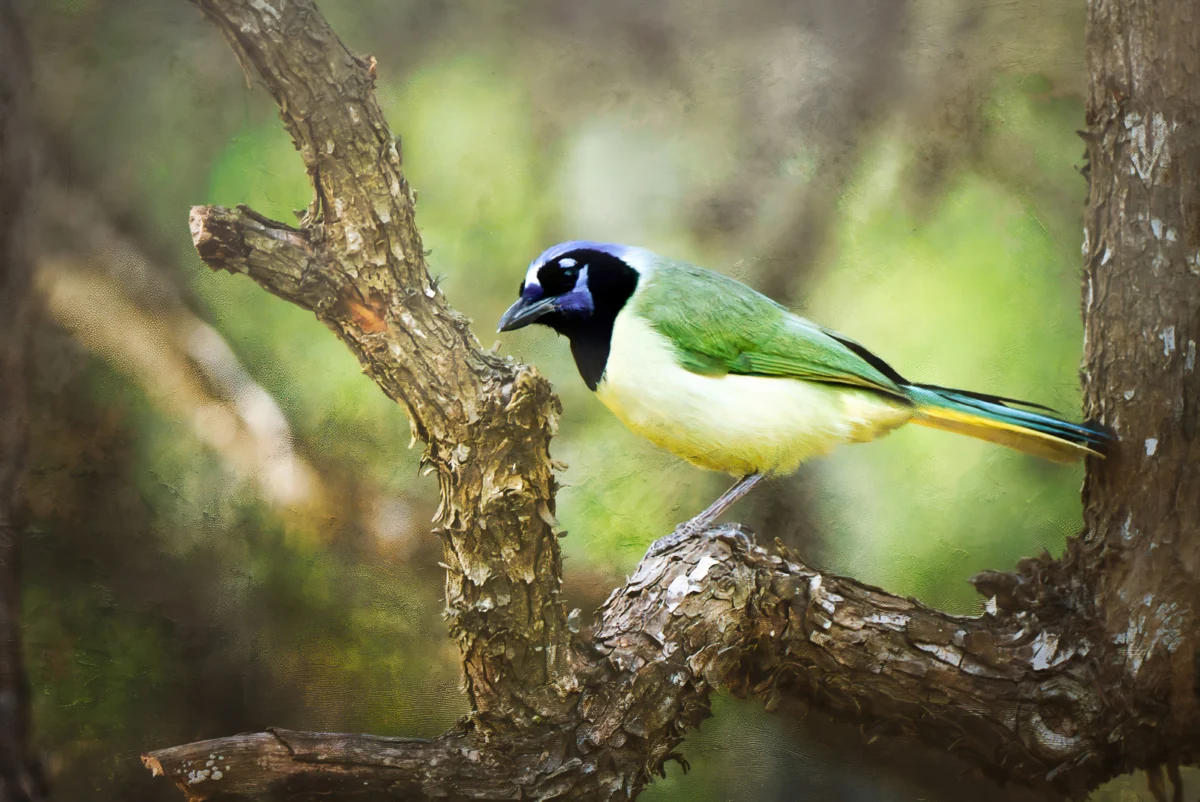
Passerine birds, belonging to the largest avian order, Passeriformes, represent over half of all known bird species, making them ubiquitous and captivating subjects for wildlife photographers worldwide. These agile creatures, often referred to as perching birds due to their distinctive toe arrangement – three pointing forward and one facing backward – inhabit a diverse range of environments from bustling urban gardens to tranquil forests and expansive open fields across every continent except Antarctica. Their accessibility, coupled with their vibrant colors, intricate behaviors, and rapid movements, presents both a significant challenge and a deeply rewarding pursuit for aspiring and seasoned wildlife photographers alike.
Ecological Significance and Global Presence

The sheer diversity of passerine birds is staggering, encompassing an estimated 6,500 species. This vast group includes familiar garden visitors like sparrows, tits, finches, and robins, as well as more elusive warblers, swallows, and thrushes. Their presence is a vital indicator of ecological health, as they play crucial roles in seed dispersal, insect control, and pollination within various ecosystems. From the common house sparrow, a global resident, to the brilliantly plumed goldfinch flitting through European meadows, or the melodious thrush echoing through North American woodlands, passerines offer a microcosm of avian life, reflecting the health and biodiversity of their habitats.
Conservation efforts often monitor passerine populations due to their sensitivity to environmental changes. Declines in certain species can signal broader ecological issues, such as habitat loss, pesticide use, or climate change. Documenting these birds through photography not only provides aesthetic pleasure but also contributes to public awareness and, in some cases, citizen science initiatives that help track population trends and distribution.
The Allure and Challenges of Passerine Photography

For many, passerine birds are the most accessible entry point into wildlife photography. They can often be observed and photographed without venturing far from home, offering a convenient and consistent opportunity to hone skills. However, their small stature and hyperactive nature demand a high degree of technical precision and patience. Renowned wildlife photographer, Dr. Eleanor Vance, frequently notes, "Capturing the essence of a passerine requires not just a fast lens, but an even faster mind to anticipate their fleeting movements and expressive moments." This dynamic challenge is precisely what makes success so gratifying, fostering a deeper connection with nature and refining a photographer’s craft.
Mastering the Art: Essential Techniques and Environmental Setup
Successful passerine photography hinges on understanding the subject’s behavior and meticulously preparing the shooting environment.

Understanding Passerine Behavior:
As with any wildlife photography endeavor, profound knowledge of your subject’s habits is paramount. This extends beyond simple identification to understanding their daily routines, seasonal movements, and social interactions. Learning to identify birds by their calls and songs, for instance, is an invaluable skill. Many passerines are highly vocal, and recognizing their distinct vocalizations can alert photographers to their presence long before they become visible, allowing for pre-emptive setup. Observing their feeding patterns, favored perches, and territorial displays provides critical clues for anticipating their movements, enabling photographers to capture those coveted "decisive moments." For example, knowing that a robin regularly sings from a specific branch at dawn or that a tit family frequents a particular feeder throughout the morning can significantly increase photographic opportunities.
Creating an Optimal Photography Environment:
The backyard or a local park can be transformed into an ideal studio for passerine photography.
-
Garden Feeding Stations: Setting up a feeding station is perhaps the most effective way to attract passerines. During winter, when natural food sources are scarce, these stations become bustling hubs, offering excellent opportunities to photograph multiple species and even capture inter-bird interactions. A diverse offering of food, such as black oil sunflower seeds, nyjer seeds, suet, and mealworms, will attract a wider array of species. Feeder placement is crucial; position them in areas receiving ample natural light, preferably with a clear background, but close enough to surrounding foliage to provide cover and a sense of security for the birds. Regular cleaning with a mild bleach solution is essential to prevent the spread of diseases.

-
Water Sources: The addition of a clean water source, such as a bird bath or a shallow reflection pool, can dramatically increase the number of visitors and provide unique photographic opportunities. Birds will use these for drinking and bathing, offering dynamic action shots or serene portraits with captivating reflections. A shallow, rectangular planting tray filled with water and strategically placed rocks or logs can serve as an excellent reflection pool. The key is to position it to capture reflections of natural elements like trees or distant foliage rather than a bright, washed-out sky, which can overpower the subject.
-
Natural Perches: To elevate photographs beyond simple feeder shots, incorporating natural, aesthetically pleasing perches is vital. Photographers often collect moss-covered branches, lichen-encrusted twigs, or sprigs of seasonal blossom that complement the bird’s natural habitat and colors. These can be strategically placed near feeders or water sources, providing a natural-looking stage for the birds. The authenticity of the perch ensures the image feels organic and avoids a contrived appearance. Consideration for the light direction on the perch is also important; aiming for front-lighting in the morning and potentially backlighting during the golden hour can add dramatic flair and warmth to images.
Essential Photographic Gear for Passerines

Having the right equipment greatly enhances the chances of success when photographing fast-moving, small subjects.
-
Camera Body: A DSLR or mirrorless camera with rapid autofocus capabilities and a high continuous shooting frame rate (10 frames per second or more) is highly recommended. Modern mirrorless cameras often feature advanced eye-detection autofocus, which can be a game-changer for maintaining sharpness on a bird’s eye, even as it moves. Excellent high ISO performance is also beneficial for maintaining fast shutter speeds in lower light conditions.
-
Lenses: A telephoto lens is indispensable. A focal length of 300mm or longer is generally required to maintain a respectful distance while still achieving frame-filling shots. Lenses in the 500mm or 600mm range are ideal for creating highly compressed backgrounds and isolating the subject effectively. Tele-zoom lenses (e.g., 100-400mm, 150-600mm) offer versatility in framing, while prime lenses typically offer wider maximum apertures and superior image quality.

-
Support Systems: A sturdy tripod is crucial for stability, especially during long waits in a hide or when using heavy telephoto lenses. A gimbal head, designed for fluid movement with large lenses, makes tracking erratic bird movements significantly easier.
-
Blinds and Hides: To minimize disturbance and allow closer proximity, a portable photography hide or camouflage netting is highly effective. A purpose-built hide, left in situ for extended periods, allows birds to become accustomed to its presence, increasing comfort and natural behavior.
-
Accessories: A remote shutter release minimizes camera shake and is particularly useful when pre-focusing on a specific spot. High-speed memory cards are essential to keep up with rapid burst shooting, preventing buffer slowdowns and ensuring no moment is missed.

Advanced Camera Settings for Dynamic Shots
Technical precision in camera settings is non-negotiable for capturing sharp, impactful passerine images.
-
Shutter Speed: To freeze the rapid movements of passerines, a shutter speed of at least 1/1000th of a second is recommended for static or perching birds. For capturing birds in flight, this needs to be increased significantly, often to 1/2500th of a second or higher, to render wings sharp and motion blur-free.

-
Aperture: A wide aperture, typically ranging from f/2.8 to f/5.6, is used to create a shallow depth of field. This isolates the bird from its background, creating pleasing bokeh and making the subject stand out. When shooting close-up portraits, especially of larger passerines, it might be necessary to "stop down" slightly (e.g., f/8) to ensure both the eye and crucial feather details on the chest are within the plane of sharp focus.
-
ISO: Do not shy away from increasing ISO in low-light conditions to maintain a sufficiently fast shutter speed. While higher ISO introduces noise, a sharp image with some noise is generally preferable to a clean but blurry one. Modern cameras handle higher ISO values remarkably well, and noise reduction software can further mitigate its effects in post-processing.
-
Focus Mode: Continuous autofocus (AI Servo on Canon, AF-C on Nikon/Sony) is essential for tracking moving subjects. While eye-detection autofocus is incredibly powerful, if the bird is obscured or moving too erratically for the system to lock on, switching to a single-point or group focus mode, kept centrally for maximum accuracy, can be more reliable.

-
Burst Mode: Utilizing the camera’s continuous shooting mode allows for capturing a sequence of frames, dramatically increasing the odds of securing a perfectly timed shot, especially during dynamic behaviors.
-
Manual Focus Techniques: For predictable action, such as a bird flying from a specific perch to a feeder, pre-focusing manually on the anticipated flight path and firing a burst of shots as the bird enters the plane of focus can yield excellent results.
Compositional Excellence: Framing the Narrative

Strong composition transforms a simple snapshot into a compelling image. Thoughtful placement of elements within the frame elevates the visual impact.
- Rule of Thirds: A fundamental compositional guideline, placing the bird on one of the intersecting "power points" of an imagined grid within the frame often creates a more dynamic and aesthetically pleasing image.
- Incorporating the Environment: Integrating elements of the bird’s natural habitat, such as leaves, blossoms, or a specific branch, adds depth, tells a story, and provides crucial context, giving the viewer a sense of the bird’s world.
- Eye-Level Perspective: Shooting at the bird’s eye level creates a more intimate and engaging connection between the subject and the viewer, making the bird feel more accessible and relatable.
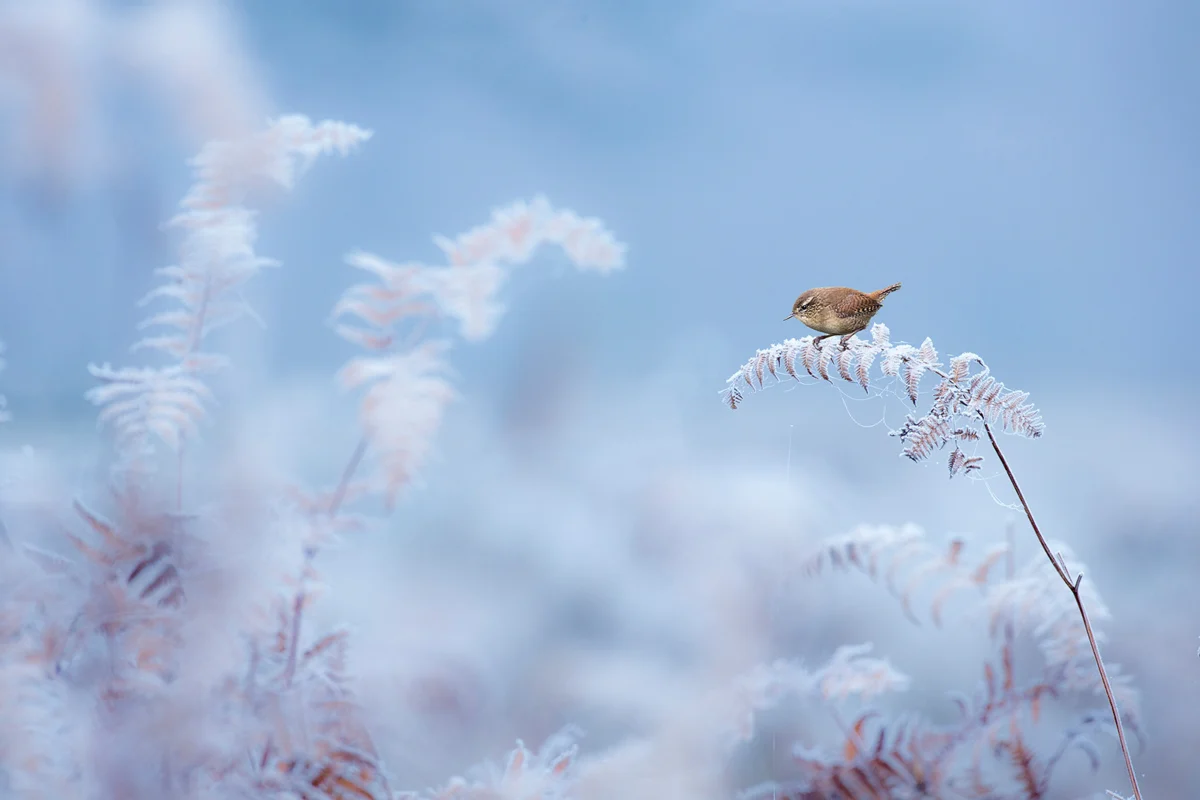
- Negative Space: Thoughtfully utilizing empty space around the bird can emphasize its solitude, highlight its natural surroundings, or draw attention to its form. This is particularly effective in minimalistic compositions, such as a lone bird against a snowy backdrop.
- Leading Lines: Natural lines in the environment—a curving branch, a stone wall, or a distant fence—can be used to guide the viewer’s eye towards the main subject, enhancing visual flow.
- Background Management: A distant, uncluttered background, rendered smoothly out of focus (bokeh), is crucial for making the bird stand out. Experiment with different apertures and focal lengths to achieve the desired level of background blur. Pay attention to background colors, ensuring they complement rather than distract from the subject. Darker, shadowed backgrounds can add dramatic contrast and impact.
Capturing Intimate Moments: Behavior and Interaction
Beyond static portraits, capturing the diverse behaviors and interactions of passerines adds significant storytelling depth to photographs.

- Feeding Habits: Documenting birds foraging, feeding chicks, or drinking from a pool offers insights into their daily lives and can result in heartwarming or dramatic images.
- Singing and Territorial Displays: During breeding season, many passerines engage in elaborate vocalizations to attract mates and defend territories. Capturing a bird mid-song, with its beak open and throat puffed, conveys a sense of vitality and purpose.
- Flocks and Fights: Passerines are social, and observing their interactions within groups can be highly rewarding. Territorial disputes over food or nesting sites can lead to fast-paced action shots. Capturing flocks in synchronized flight or roosting together can create visually striking patterns.
- Parenting Behavior: Ethically capturing parents feeding their young or teaching fledglings to fly requires immense patience and a commitment to non-disturbance. Such moments, often occurring near garden feeders after chicks have left the nest, offer poignant glimpses into avian family life.
- Bathing and Preening: Birds frequently clean themselves, splashing vigorously in water or meticulously arranging their feathers. These behaviors provide excellent opportunities for dynamic action shots or detailed close-ups showcasing feather textures.
Patience and prolonged observation are the photographer’s greatest allies. Spending time simply watching and understanding your subjects will enable you to anticipate their movements, allowing you to be ready to press the shutter at the optimum moment, transforming fleeting instances into lasting images.
Broader Implications: Photography as a Tool for Conservation and Connection
Passerine bird photography extends beyond a mere hobby; it serves as a powerful medium for connecting people with the natural world. By showcasing the beauty, vulnerability, and intricate lives of these common birds, photographers can inspire a greater appreciation for local wildlife and foster a sense of responsibility towards their conservation. Images shared online or in publications can raise awareness about habitat preservation, the importance of maintaining clean environments, and the simple joys of observing nature. Moreover, the dedication and focus required for this genre of photography offer profound personal benefits, cultivating patience, mindfulness, and a deeper understanding of ecological interconnections. As many photographers attest, the pursuit of a perfect passerine shot is not just about the photograph itself, but about the immersive experience and the quiet communion with nature it facilitates.

In conclusion, the world of passerine bird photography is rich with possibilities. Whether in a meticulously prepared garden or a wild, untamed forest, these small, dynamic birds offer endless opportunities for creative expression and technical growth. By blending an understanding of avian behavior, strategic environmental setup, precise camera settings, and thoughtful composition, photographers can create stunning images that not only celebrate the charm of passerines but also contribute to a broader appreciation for the natural world. So, equip yourself, step outdoors, and immerse yourself in the enchanting and endlessly rewarding pursuit of passerine photography.