The practice of funeral photography, once a commonplace and integral part of Victorian mourning rituals, has largely receded into the shadows of modern society, often perceived as a taboo subject. However, photographer Duane Knight of Your Legacy Photography is spearheading a movement to reintroduce and legitimize this art form, asserting that it is a profound and vital avenue for individuals to navigate and process their grief through visual storytelling. Knight, who has identified only about 50 funeral photographers globally, is on a dedicated mission to expand this niche by educating fellow photographers on how to incorporate this sensitive yet essential service into their professional offerings.
A Legacy of Remembrance: The Historical Context of Funeral Photography
The practice of photographing the deceased and their mourners dates back centuries, with post-mortem photography reaching its zenith during the Victorian era. In an age before widespread photography and with higher mortality rates, capturing images of loved ones, both in life and after death, was a primary means of preserving their memory. These daguerreotypes and tintypes served as cherished keepsakes, offering a tangible connection to those who had passed. Families would often pose with the deceased, creating intimate and deeply personal portraits that were displayed during wakes and funerals. This tradition was not solely about morbid fascination; it was deeply rooted in the cultural need to memorialize, to hold onto the image of a person long after they were gone, and to provide comfort to the bereaved.

However, as photography became more accessible and societal attitudes towards death evolved, the practice of funeral photography began to decline. The rise of more upbeat and celebratory photographic genres, coupled with a growing societal discomfort with overt displays of grief, contributed to its marginalization. In contemporary Western culture, capturing images during a funeral service is often viewed with apprehension, seen by some as intrusive or disrespectful. This shift has left a void for many grieving families, who may find themselves with few visual records of a significant life event.
The Unseen Value: How Funeral Photography Facilitates Healing
Many photographers have encountered the profound impact of their work when a client’s family member expresses the immense value of a portrait of a deceased loved one, sometimes stating it was the only suitable photograph available for display at the funeral. This common experience highlights the inherent desire to have visual representations of those we have lost. Yet, most photographers have not considered the broader implications of capturing images during the funeral itself, overlooking its potential as a powerful tool for healing.
Duane Knight, with over a decade of experience as a funeral photographer and having delivered approximately 150 Legacy Funeral Albums, offers a unique perspective. He observes that funerals often serve as rare occasions where extended family and friends converge from across the country, and sometimes from around the globe, to honor and celebrate the life of a departed loved one. The emotional intensity of such events, however, can make it challenging for attendees to fully absorb the details or even recall who was present. This is where funeral photography becomes invaluable.

"A funeral brings together people who may not see each other for years," Knight explains. "It’s a fleeting moment of collective remembrance and support. After the service, the details can blur due to the overwhelming emotions. A comprehensive album can capture not only the essence of the departed but also the presence of everyone who came to show their love and support."
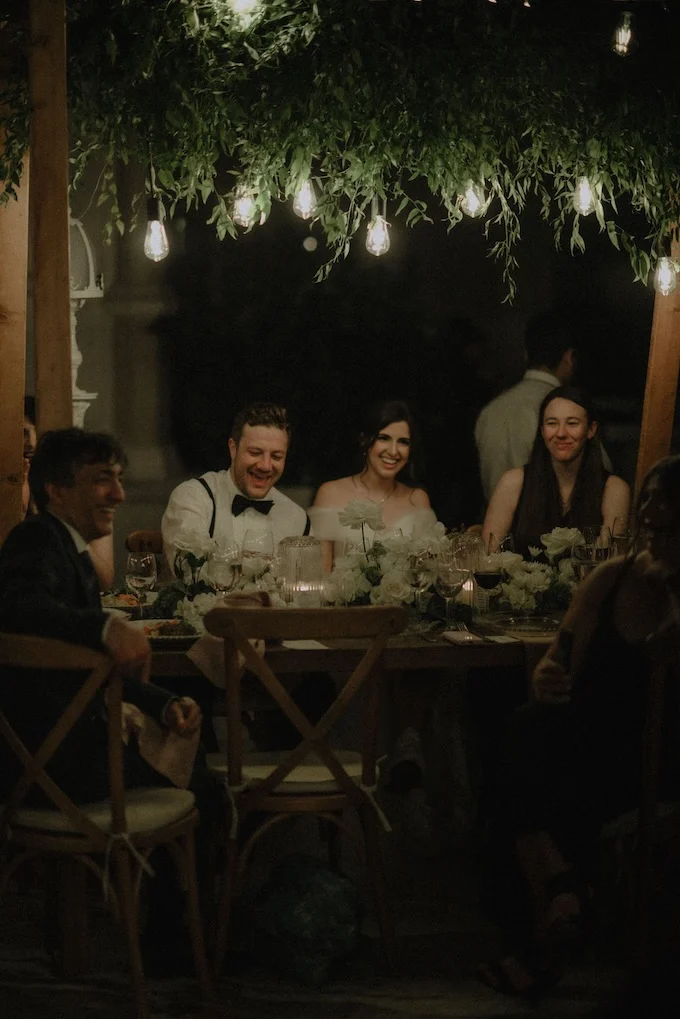
Knight likens the gathering at a funeral to that of weddings, birthdays, and christenings – significant life events that bring disparate circles of loved ones together. An album created from funeral photographs serves as a potent keepsake, a memento not only of the deceased but also of the community that mourned them. For those unable to attend, receiving such an album can provide a crucial link, offering a sense of inclusion and allowing them to witness the outpouring of love and support for their lost friend or family member. The photographs can bridge geographical distances and offer a visual narrative of the shared experience of grief and remembrance.
Navigating Cultural Perceptions: Taboo or Treasured Memories
Knight acknowledges the complex cultural landscape surrounding funeral photography. "Funerals being photographed is definitely a cultural thing," he states. "Some cultures don’t want any photos, and to them, it’s taboo. In a group of ten people, you might get two or three who want funeral photography." This highlights the need for sensitivity and cultural awareness within the profession.

Despite these cultural nuances, Knight’s mission is to ensure that families who desire funeral photography have the opportunity to access it. Through his business, Your Legacy Photography, he aims to be a resource for those seeking to preserve these significant moments. "For me, it’s all about preserving memories," Knight emphasizes. "And I strongly feel that all families who want funeral photography should have the opportunity to get it." This dedication stems from a belief that visual documentation can play a crucial role in the grieving process, offering solace and a tangible connection to the past.
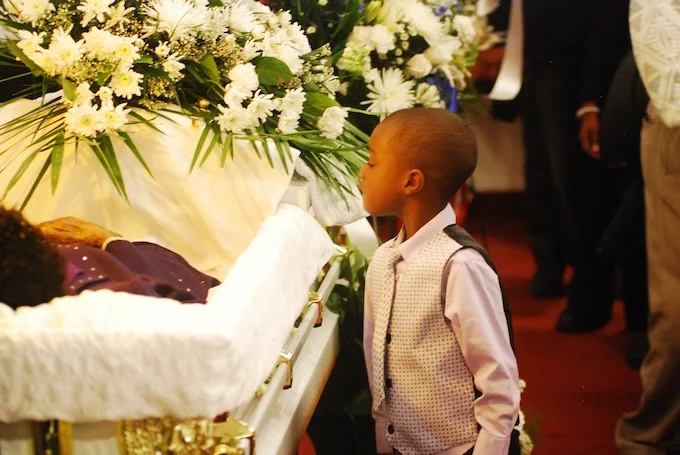
The perception of funeral photography often hinges on its execution. When approached with discretion, empathy, and a focus on capturing authentic moments of love, remembrance, and support, the resulting images can be profoundly healing. The key lies in understanding the emotional weight of the event and approaching the task with the utmost respect for the bereaved and the solemnity of the occasion. It is not about sensationalizing or intruding, but about documenting the quiet dignity, the shared tears, the comforting embraces, and the collective memory that unfolds during a funeral.
Bridging the Gap: Educating the Next Generation of Funeral Photographers
With an estimated global count of only 50 funeral photographers, there is a significant demand for professionals trained in this specialized field. Duane Knight is actively working to bridge this gap by educating other photographers on the nuances and ethical considerations of funeral photography. His commitment extends to sharing his expertise and demystifying the genre for those who may be hesitant or unaware of its potential.

Knight has been a visible presence at major photography conferences, including WPPI (Wedding & Portrait Photographers International) in Las Vegas. His goal at these events is to raise awareness about funeral photography and to offer practical guidance on how photographers can ethically and effectively serve grieving families. By sharing his experiences and insights, he aims to inspire a new wave of photographers to consider this impactful area of specialization.
"Many photographers are already capturing portraits of individuals who are later deceased, and they see the value then," Knight observes. "My aim is to show them how to proactively be there for families during the funeral itself, to document the entire process of remembrance and support. It’s a skill that requires sensitivity, discretion, and a deep understanding of human emotion."
His proactive approach includes distinctive branding at conferences. Attendees at WPPI can identify Knight by his signature hat, emblazoned with "I Love Funeral Photography," and a vest that reads "Ask Me about the Art of Funeral Photography." This approach is designed to spark conversation and encourage curiosity, breaking down potential barriers and opening dialogue about a subject that is often avoided. This direct engagement strategy is crucial in normalizing the idea and demonstrating the accessibility of this service.

The training offered by Knight likely encompasses not only technical aspects of photography in often challenging lighting conditions but also critical interpersonal skills. This would include how to communicate with grieving families, understand their wishes, maintain a discreet presence, and capture images that are both respectful and emotionally resonant. The ethical framework for funeral photography is paramount, prioritizing the comfort and needs of the bereaved above all else.
The Broader Implications: A Shift in How We Grieve
The growing recognition of funeral photography as a legitimate and valuable service has broader implications for how society approaches death and grief. In an era where much of life is documented and shared online, the absence of visual records for funerals can feel like a stark omission for some. By advocating for funeral photography, Knight is contributing to a cultural shift that acknowledges death as an integral part of the human experience, deserving of thoughtful documentation and remembrance.
The ability to provide families with a comprehensive visual narrative of a funeral service can have long-term benefits for their grieving process. These photographs can serve as a source of comfort in the years to come, allowing individuals to revisit the support systems they had, remember the expressions of love, and feel connected to the memory of their loved one and the community that surrounded them. For children, in particular, these visual records can be invaluable as they grow and seek to understand the life and passing of their family members.

Knight’s mission is not merely about adding another service to a photographer’s repertoire; it is about recognizing and validating a deep human need for remembrance and visual connection during one of life’s most challenging experiences. As more photographers embrace this art form and families become aware of its therapeutic potential, funeral photography may well transition from a niche practice to an accepted and cherished component of modern mourning.
For those interested in learning more about Duane Knight’s work or the practice of funeral photography, his website, YourLegacyPhotography.com, offers a platform to explore his portfolio and understand his philosophy. His Instagram account, @funeral.photos, provides visual examples of his approach. He also encourages feedback and questions through his website’s contact form, signaling an open invitation to discuss and further the conversation around this vital aspect of memorialization and healing. The continued efforts of individuals like Duane Knight are instrumental in reshaping perceptions and ensuring that the art of remembrance, in all its forms, remains accessible to those who need it most.