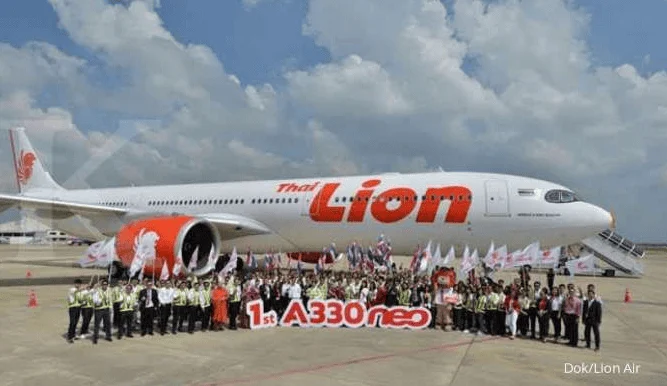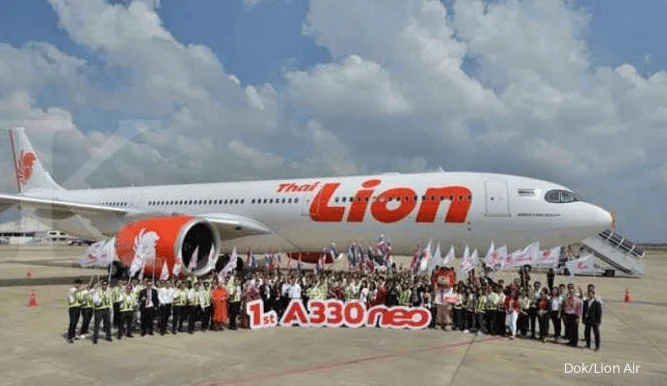
Thai Lion Air, a prominent low-cost carrier based in Thailand and a member of the Indonesia-based Lion Air Group, officially marked a new chapter in its operational history with the arrival of its first two Airbus A330-900 (A330neo) aircraft. The two wide-body jets touched down at Bangkok’s Don Mueang International Airport on October 7, 2021, following a direct delivery flight from the Airbus production facility in Toulouse, France. This milestone signifies a strategic shift for the airline as it seeks to bolster its long-haul capabilities, enhance fuel efficiency, and expand its footprint in the competitive Asia-Pacific aviation market.
The arrival ceremony was a high-profile event, underscoring the importance of the aircraft to the Thai aviation sector. Attendees included the French Ambassador to Thailand, the Head of Airbus Thailand, and various high-ranking officials from the Thai Department of Civil Aviation. In accordance with local traditions, the aircraft underwent a formal blessing ceremony, a ritual intended to ensure safe passage and prosperity for the fleet. The introduction of the A330neo is not merely a fleet addition but a cornerstone of Thai Lion Air’s post-pandemic recovery strategy, focusing on high-capacity international routes and the burgeoning air cargo sector.
Technical Innovation and the Rolls-Royce Trent 7000
The Airbus A330neo (New Engine Option) represents a significant technological leap over its predecessor, the A330ceo (Current Engine Option). The most critical upgrade is the integration of the Rolls-Royce Trent 7000 engines. These powerplants are designed to deliver a 25% reduction in fuel consumption and CO2 emissions per seat compared to previous-generation aircraft. For a low-cost carrier like Thai Lion Air, where fuel typically accounts for 30% to 40% of total operating costs, this efficiency is a vital component of maintaining competitive pricing.
Beyond the engines, the A330neo features aerodynamic enhancements, including newly designed wings with increased span and optimized "sharklets" inspired by the Airbus A350. These improvements reduce drag and increase lift, allowing the aircraft to operate more efficiently during long-haul cruises. The A330-900 variant delivered to Thai Lion Air is capable of flying up to 7,200 nautical miles (13,334 km) non-stop, effectively putting destinations in Europe, Australia, and deep into North Asia within reach from its Bangkok hub.
Strategic Positioning Within the Lion Air Group
The delivery of these aircraft to Thai Lion Air is part of a larger, multi-billion-dollar order placed by the Lion Air Group. As one of the world’s largest low-cost airline consortiums, the group has utilized its massive purchasing power to secure a steady stream of next-generation aircraft from both Boeing and Airbus. By allocating the A330neo to its Thai subsidiary, the group is positioning Thai Lion Air to compete directly with other regional giants such as Thai AirAsia X and the long-haul divisions of full-service carriers like Thai Airways.
Thai Lion Air’s A330neo is configured in a high-density, single-class layout with 436 seats. This configuration is specifically tailored for the low-cost model, maximizing the number of passengers per flight to drive down the cost per available seat kilometer (CASK). While the high seat count is designed for efficiency, the airline has emphasized that the modern design of the A330neo ensures a comfortable environment even in a dense configuration.
The Impact of the Global Pandemic on Fleet Deployment
While the arrival of the A330neo in late 2021 was a cause for celebration, it occurred during one of the most challenging periods in aviation history. The COVID-19 pandemic had decimated international travel, and Thailand’s tourism-dependent economy was particularly hard hit. Consequently, the initial operational plans for the A330neo faced immediate hurdles.
Originally intended to serve high-demand routes to Japan, South Korea, and China, the aircraft were initially limited by border closures and quarantine requirements. During this period, Thai Lion Air pivoted its strategy to utilize the A330neo’s significant belly-hold capacity for cargo operations. The global supply chain disruptions created a surge in demand for air freight, allowing the airline to generate revenue even while passenger demand remained suppressed. As international borders gradually reopened through 2022 and 2023, the airline transitioned the fleet back to its primary role: transporting large volumes of tourists to and from Thailand’s major gateways.
Enhancing the Passenger Experience with Airspace by Airbus
One of the standout features of the A330neo is the "Airspace by Airbus" cabin interior. This design philosophy focuses on four key pillars: comfort, ambiance, service, and design. For passengers traveling on Thai Lion Air’s long-haul routes, the Airspace cabin offers several tangible benefits:
- Increased Personal Space: The cabin features redesigned sidewalls and narrower window frames, providing a sense of increased roominess at shoulder level.
- Modern Lighting: The aircraft is equipped with full LED mood lighting systems that can simulate different times of day, helping to reduce the effects of jet lag on long flights.
- Quietness: The A330neo is recognized as one of the quietest cabins in its class, thanks to advanced sound-deadening materials and the quieter operation of the Trent 7000 engines.
- Enhanced Storage: The overhead bins are larger than those on previous models, allowing for more carry-on luggage and reducing cabin clutter.
These features allow Thai Lion Air to offer a "premium" feel within a low-cost framework, an essential factor in attracting travelers on flights exceeding six hours in duration.
Economic and Environmental Implications for Thai Aviation
The introduction of the A330neo has broader implications for Thailand’s aviation industry and its national environmental goals. As the aviation sector faces increasing pressure to decarbonize, the fuel efficiency of the A330neo aligns with the "Bio-Circular-Green" (BCG) economic model promoted by the Thai government. By operating newer, cleaner aircraft, Thai Lion Air reduces its environmental footprint per passenger, contributing to the industry’s long-term sustainability.
Economically, the A330neo serves as a catalyst for tourism recovery. Before the pandemic, tourism accounted for approximately 20% of Thailand’s GDP. The ability of low-cost carriers to offer affordable long-haul fares is crucial for attracting the "new generation" of travelers from markets like North Asia and Eastern Europe. The high capacity of the A330neo allows Thai Lion Air to scale operations quickly as demand fluctuates, providing a flexible tool for the airline’s management.
Chronology of Thai Lion Air’s Wide-Body Evolution
To understand the significance of the A330neo arrival, one must look at the timeline of Thai Lion Air’s fleet development:
- 2013: Thai Lion Air commences operations using Boeing 737-900ER aircraft, focusing primarily on domestic and short-haul regional routes.
- 2017-2018: The airline begins exploring wide-body operations to facilitate expansion into North Asia, briefly operating older A330-300 models to test market viability.
- 2019: Plans for the A330neo integration are finalized as part of the Lion Air Group’s fleet modernization program.
- October 2021: The first two A330-900s (HS-LAL and HS-LAM) arrive at Don Mueang International Airport.
- 2022-Present: The aircraft are integrated into the scheduled network, serving key routes from Bangkok to cities such as Tokyo (Narita), Taipei, and various destinations in Mainland China.
This chronology illustrates a steady progression from a domestic startup to a sophisticated international player capable of managing complex wide-body operations.
Industry Outlook and Competitive Landscape
The long-haul low-cost carrier (LCC) segment in Southeast Asia is notoriously difficult to navigate. High fuel prices and the necessity of high load factors mean that airlines must operate with razor-thin margins. Thai Lion Air’s choice of the A330neo is a strategic move to gain a competitive edge over rivals using older, less efficient equipment.
Industry analysts note that the A330neo offers a "sweet spot" in terms of economics. While the Boeing 787 Dreamliner offers slightly better fuel technology, the A330neo has lower acquisition and leasing costs, which is often more beneficial for LCCs that prioritize low capital expenditure. Furthermore, the commonality between the A330neo and the existing A330 fleet worldwide means there is a ready pool of trained pilots and maintenance technicians, simplifying the airline’s logistical requirements.
As Thai Lion Air continues to integrate more A330neo units into its fleet, the focus will likely shift toward expanding its network further into the Middle East or potentially exploring secondary cities in Australia. The aircraft’s range and efficiency provide the airline with the versatility to experiment with new markets that were previously unreachable or economically unfeasible.
Conclusion
The arrival of the first Airbus A330neo aircraft at Thai Lion Air represents more than just a fleet upgrade; it is a testament to the airline’s resilience and its commitment to the future of Thai aviation. By combining the latest in aerospace technology with a high-efficiency business model, Thai Lion Air is well-positioned to lead the recovery of the regional travel market.
As the global aviation industry continues to evolve toward greater sustainability and efficiency, the A330neo stands as a symbol of the modern era of flight—where environmental responsibility and economic viability go hand in hand. For passengers, the "Airspace" cabin and the promise of affordable long-distance travel offer a new way to explore the world, starting from the bustling runways of Bangkok. With these new "wings of the lion," Thai Lion Air is ready to soar to new heights in the international skies.