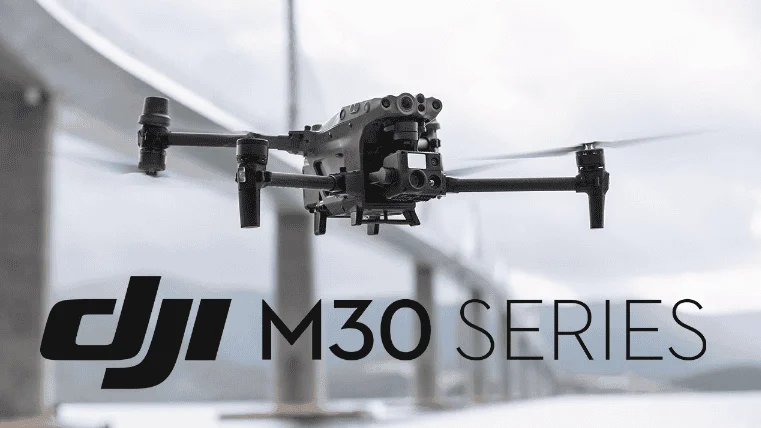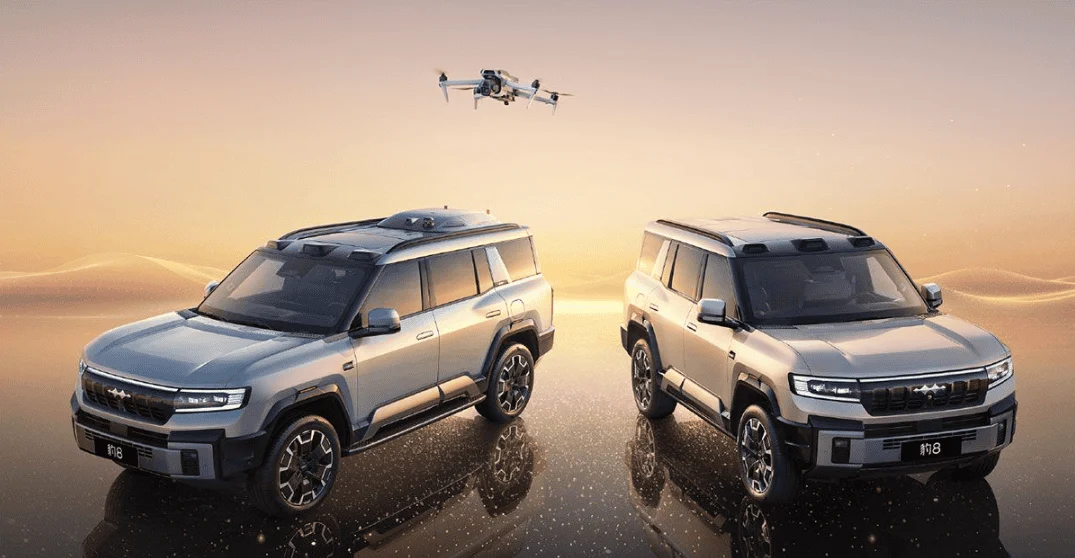
In a landmark collaboration that bridges the gap between automotive engineering and aerial robotics, BYD has officially launched its integrated smart drone system, developed in partnership with DJI, the world’s leading manufacturer of civilian drones. This integration represents a significant leap forward in the evolution of "Smart Cockpits," moving beyond traditional infotainment systems to include autonomous aerial companions that are physically housed within and controlled by the vehicle. The initiative, first unveiled at the BYD Dream Day event, showcases the company’s "Xuanji" architecture, a holistic intelligent system that coordinates everything from the car’s powertrain to its peripheral smart devices. By embedding a specialized DJI drone into the vehicle’s infrastructure, BYD aims to provide drivers with unprecedented situational awareness, high-definition travel documentation, and enhanced safety through real-time aerial surveillance.
The partnership leverages DJI’s industry-leading flight stabilization and imaging technology alongside BYD’s advanced energy management systems and software-defined vehicle architecture. This synergy addresses one of the most persistent challenges in consumer drone usage: the friction of manual deployment. By automating the launch, recovery, and charging processes within the vehicle’s own frame, the two Chinese tech giants have created a seamless ecosystem that allows the drone to act as an extension of the car’s sensor suite.
Technical Integration and the Mechanical Docking System
At the heart of this innovation is a sophisticated vehicle-mounted drone bay, typically integrated into the roof of high-end models like the Yangwang U8. This bay is not merely a storage compartment; it is a fully automated hangar equipped with a precision landing system and an intelligent charging dock. When the driver initiates a flight command via the car’s central touchscreen or voice assistant, the roof panel retracts, and the drone is deployed automatically.
The drone itself is a customized version of DJI’s high-performance hardware, optimized for high-speed tracking and wind resistance. One of the primary technical hurdles overcome by this collaboration is the "dynamic return-to-home" feature. Traditional drones return to the GPS coordinates of their takeoff point; however, a vehicle-integrated drone must be capable of tracking and landing on a moving target. Utilizing advanced computer vision and ultra-wideband (UWB) positioning, the drone can identify the vehicle’s specific docking platform and land autonomously even if the car has moved several kilometers from the initial launch site.
Furthermore, the drone is powered directly by the vehicle’s high-voltage battery system. When docked, the drone undergoes rapid charging, ensuring it is always ready for the next flight. This eliminates the need for separate battery management, a common pain point for drone enthusiasts. The integration also allows for high-speed data transfer between the drone’s camera and the vehicle’s onboard computer, enabling real-time 4K video streaming to the dashboard displays.
Chronology of Development and Strategic Vision
The journey toward this integrated system began in early 2023, following BYD’s announcement that it would invest over 100 billion yuan ($14 billion) into intelligent driving technologies. Recognizing that the future of the electric vehicle (EV) market would be defined by "intelligence" rather than just "electrification," BYD sought a partner that could provide a unique selling proposition in the premium segment.
In mid-2023, rumors surfaced regarding a strategic agreement between BYD and DJI’s automotive division. While DJI is primarily known for its consumer drones, its "DJI Automotive" branch has been quietly developing lidar sensors and Level 2/Level 3 autonomous driving solutions. The collaboration on the drone system was the natural culmination of these shared interests.
By January 2024, at the BYD Dream Day tech conference, the company demonstrated the first working prototype of the vehicle-mounted drone on the Yangwang U8 SUV. The demonstration highlighted the drone’s ability to take off while the vehicle was stationary and follow it as it navigated off-road terrain. Following a year of rigorous testing in extreme weather conditions—including high-altitude flight and high-temperature desert environments—the system has now moved into the production phase for flagship models.
Advanced Features: AI Tracking and Aerial Intelligence
The smart drone system is equipped with DJI’s latest Artificial Intelligence (AI) algorithms, which provide several distinct flight modes tailored for motorists. The "Follow-Me" mode is perhaps the most anticipated, allowing the drone to lock onto the vehicle and maintain a cinematic distance while the car is in motion. This mode utilizes obstacle avoidance sensors to navigate around trees, power lines, and bridges, ensuring the drone remains safe while capturing high-definition footage of the journey.

Beyond leisure and cinematography, the drone serves a vital safety function. In the "Aerial Reconnaissance" mode, the drone can fly ahead of the vehicle to scout traffic conditions or road obstacles. For off-road enthusiasts, this provides a "bird’s-eye view" of the terrain, allowing drivers to identify safe paths through mud, rocks, or water that would be invisible from the driver’s seat.
The system also includes an "Automatic Highlight" feature. Using AI image recognition, the drone can identify particularly scenic parts of a drive and automatically record short clips, which are then edited into a "travel vlog" by the car’s onboard software. These clips can be instantly shared to social media via the vehicle’s 5G connectivity, positioning the car as a mobile content creation studio.
Industry Analysis: The Implications of Vehicle-Drone Synergy
Market analysts view the BYD-DJI partnership as a strategic move to differentiate Chinese EVs in an increasingly crowded global market. As Tesla focuses on Full Self-Driving (FSD) software and humanoid robotics, BYD is carving out a niche in "lifestyle intelligence." By integrating a drone, BYD is targeting the high-end "outdoor and adventure" demographic, which has shown a strong preference for vehicles like the Yangwang U8 and the Fang Cheng Bao line.
"This is not just a gimmick; it is a fundamental expansion of what a car can be," says Li Hong, an automotive technology analyst based in Shanghai. "By adding an aerial dimension, BYD is providing a level of environmental awareness that sensors mounted on the bumper or roof simply cannot match. It also solves the ‘last mile’ of travel documentation, which is a massive trend among younger car buyers."
However, the launch also brings to light several regulatory and technical challenges. In many jurisdictions, including parts of Europe and the United States, strict "Line of Sight" (LOS) regulations govern drone flight. Furthermore, many urban areas are designated as "No-Fly Zones." BYD’s system addresses this by integrating geofencing data directly into the car’s navigation system, preventing the drone from taking off in restricted airspace. Despite these safeguards, the global rollout of this technology will likely face a patchwork of local aviation laws that may limit its functionality in certain regions.
Comparative Advantage and Market Positioning
Compared to existing aftermarket drone solutions, the BYD-DJI integrated system offers several clear advantages:
- Operational Simplicity: No manual assembly or calibration is required. The system is ready to fly in under 30 seconds.
- Stability and Range: Using DJI’s OcuSync transmission technology, the drone maintains a stable link with the car over several kilometers, even in areas with high electromagnetic interference.
- Power Management: The drone draws from the vehicle’s massive battery pack, effectively giving it "infinite" range compared to traditional drones that rely on small, individual batteries.
- Resale Value and Ecosystem: As a factory-installed feature, the drone system is covered by the vehicle’s warranty and is fully integrated into the car’s software update cycle (OTA).
This move puts pressure on other luxury EV makers, such as Mercedes-Benz and Land Rover, to innovate in the space of peripheral smart devices. While companies like Xpeng are focusing on "Flying Cars" (eVTOLs), BYD’s approach of a "Car with a Drone" is seen as a more practical and immediate application of aerial technology for the consumer market.
Future Outlook: Toward a Fully Autonomous Ecosystem
The launch of the smart drone is only the first step in BYD’s broader vision for an integrated transport ecosystem. Future iterations of the system are expected to include multiple drones that can operate in a swarm for 360-degree surveillance or even small delivery drones that can fetch items from nearby stores while the car is parked.
As AI continues to evolve, the drone’s role in autonomous driving will likely expand. In the future, the drone could act as a remote sensor for the car’s self-driving system, providing data on traffic jams or accidents several miles ahead, allowing the vehicle to recalculate its route long before it encounters the problem.
In conclusion, BYD’s launch of the smart drone in collaboration with DJI marks a pivotal moment in the automotive industry. It signals the transition of the car from a mere mode of transport into a sophisticated command center for personal exploration and safety. By successfully integrating these two complex technologies, BYD has not only enhanced the value proposition of its premium vehicles but has also set a new standard for the "intelligent" in Intelligent Electric Vehicles. Whether this becomes a standard feature across the industry remains to be seen, but for now, BYD and DJI have firmly established themselves as the leaders of this new aerial-automotive frontier.