New York, NY – Acclaimed photographer Spencer Lowell has released his inaugural monograph, Futures Past, a compelling collection of 57 color images spanning nearly 100 pages, unified by a meticulous visual investigation into technological progress and its intricate intersection with the human experience. Published by KGP Monolith, the book represents a culmination of over two decades of Lowell’s distinguished career, offering a definitive look at humanity’s complex relationship with the innovations that define and redefine its existence.
A Photographer’s Vision: Chronicling the Technosphere
Born in Los Angeles and based in New York City, Spencer Lowell has carved a formidable reputation as a photographer specializing in "science, technology, industry, environment, and people." His extensive client roster reads like a who’s who of global innovation and media, including Apple, Bloomberg, National Geographic, Google, Meta, NASA, OpenAI, and TIME. This deep engagement with leading-edge organizations has granted Lowell unparalleled access to environments and phenomena rarely witnessed by the public, allowing him to document the evolving frontier where human ambition meets mechanical ingenuity.
Futures Past is more than a portfolio; it is a carefully curated statement, reflecting Lowell’s enduring fascination with the objects and systems that shape our world. The monograph’s title itself hints at a layered narrative—a reflection on past predictions of the future, the present reality forged by those visions, and the ongoing, often unpredictable, trajectory of technological advancement. Lowell states that this work "does not propose conclusions. It documents a condition in which biological life and technological systems are no longer separable, yet remain unevenly aligned." This statement encapsulates the book’s core premise: a world where the organic and the artificial are inextricably linked, yet often operate with a disquieting dissonance.
Diverse Subjects, Singular Focus: A Global Lens on Innovation
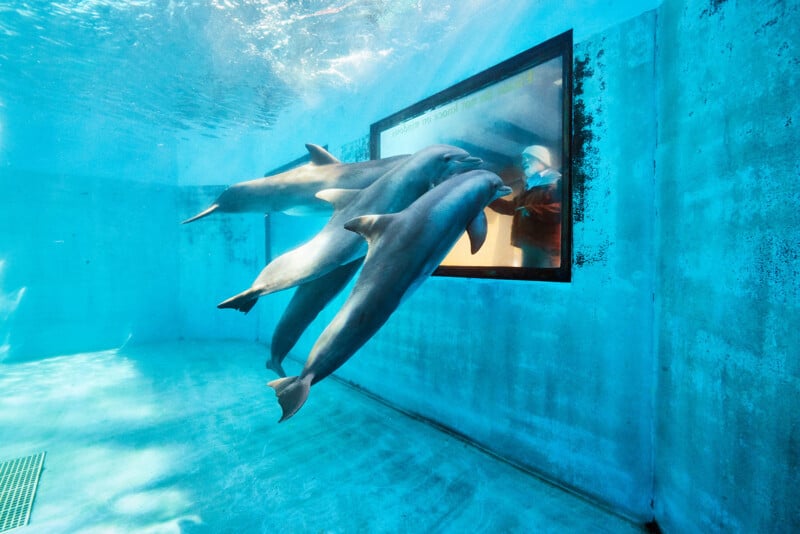
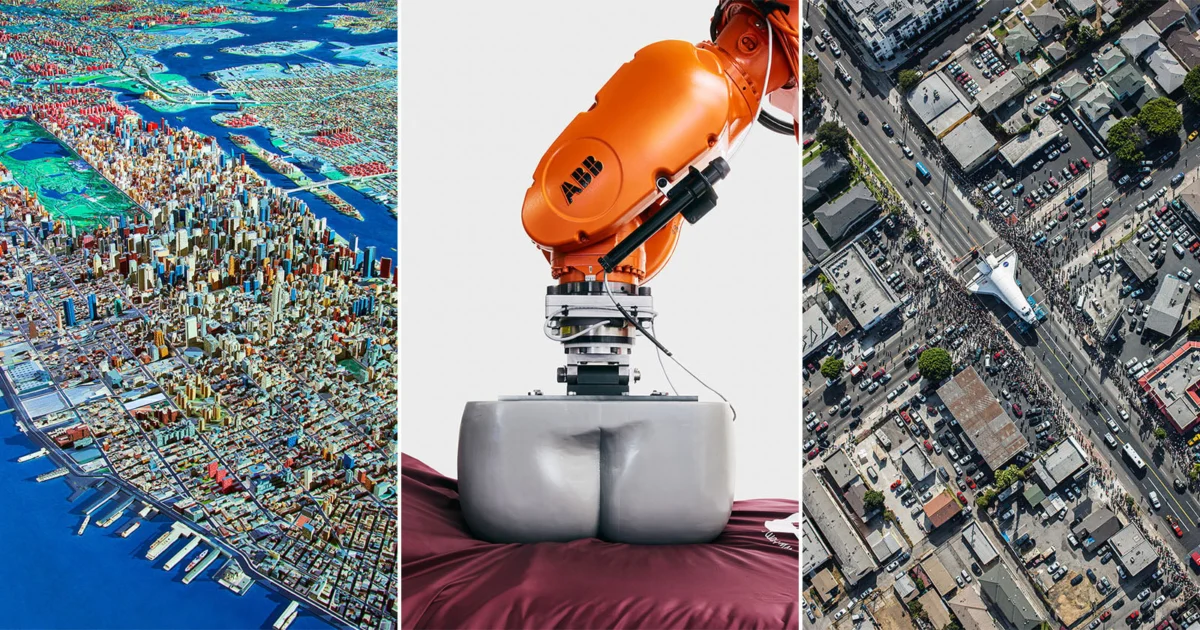
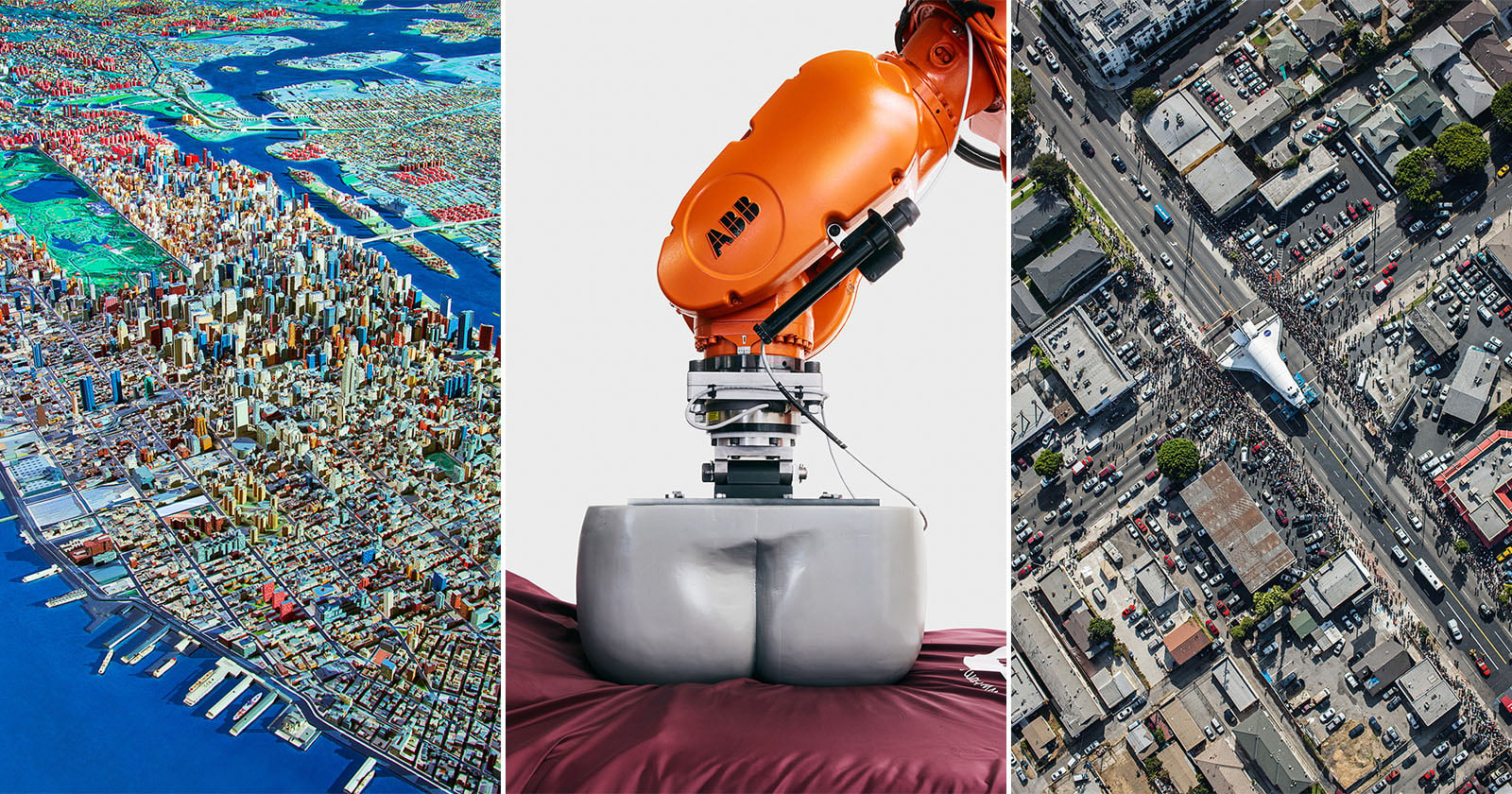
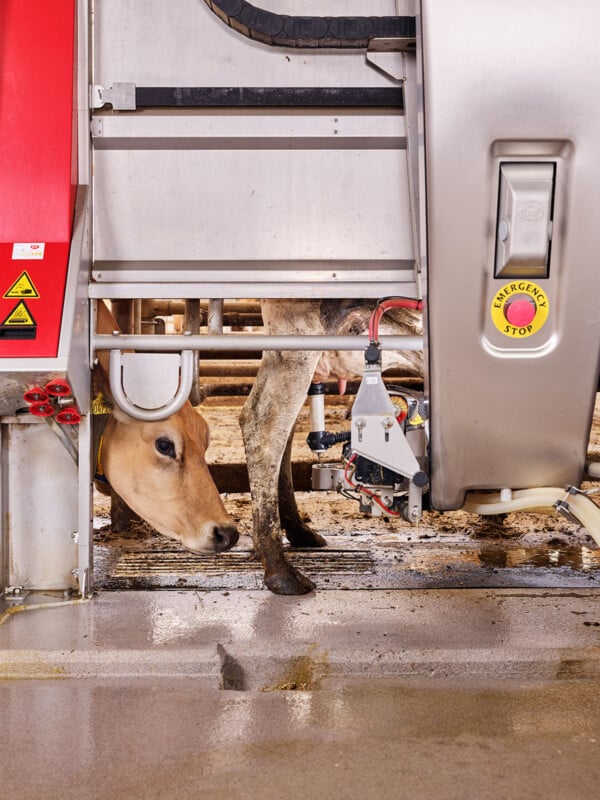
The breadth of subject matter within Futures Past is remarkable, traversing continents and industries to capture the multifaceted presence of technology. From sweeping aerial views of bustling metropolises like New York City, which showcase human architectural prowess and urban sprawl (e.g., Panorama of the City of New York, Queens, New York, 2016), to an intimate close-up of an automated cow milking machine in the Netherlands (Automated Cow Milking System, Katwoude, Netherlands, 2019), Lowell reveals the pervasive reach of automation from the macro to the micro.
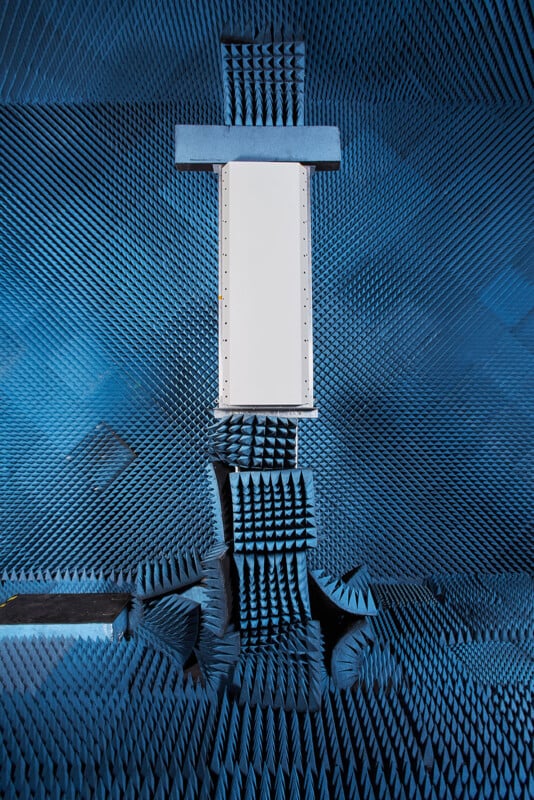
The book delves into the extraordinary and the experimental, transporting viewers to sites of cutting-edge scientific inquiry. One striking image captures a mesmerizing fire tornado within a laboratory in Montana (Experimental Fire Tornado Sciences Laboratory, Missoula, Montana, 2019), a testament to humanity’s ongoing quest to understand and even manipulate natural forces. Another reveals a peculiar auditory testing room at NASA’s Jet Propulsion Laboratory in California (Space Communication Testing, NASA Jet Propulsion Laboratory, Pasadena, California, 2008), an anechoic chamber designed to isolate and perfect the communication systems vital for space exploration. These images underscore the often-unseen infrastructure and rigorous testing behind humanity’s grandest scientific endeavors.
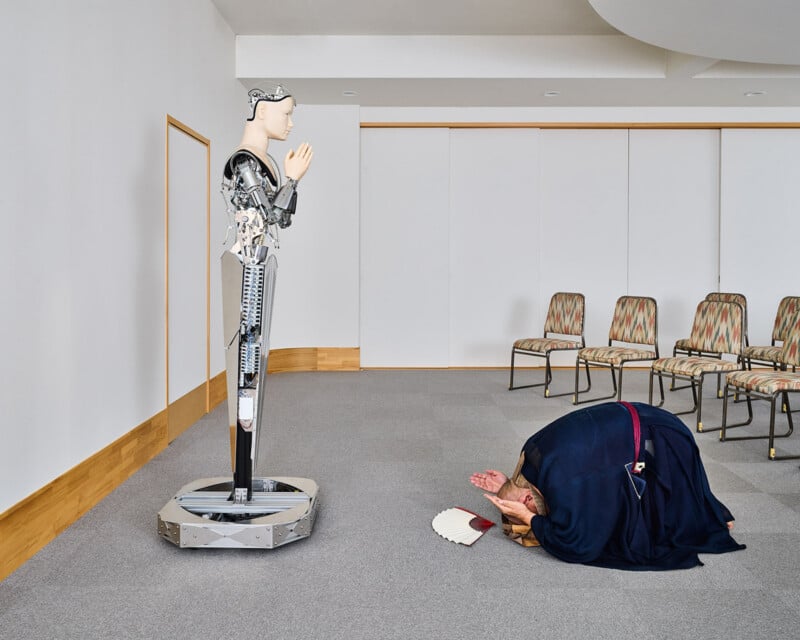
Lowell’s lens also captures the profound cultural and societal shifts brought about by technological integration. A particularly poignant photograph depicts a person bowing reverently to a humanoid, robotic priest named Mindar in Kyoto, Japan (Mindar (Robotic Priest), Kyoto, Japan, 2019). This image not only highlights advancements in robotics and artificial intelligence but also provokes questions about spirituality, human connection, and the evolving role of non-human entities in our most sacred practices. The presence of "pleasure robots" further expands this dialogue, hinting at an increasingly complex landscape of companionship and intimacy in the age of AI.
Iconic Technologies and Unseen Consequences
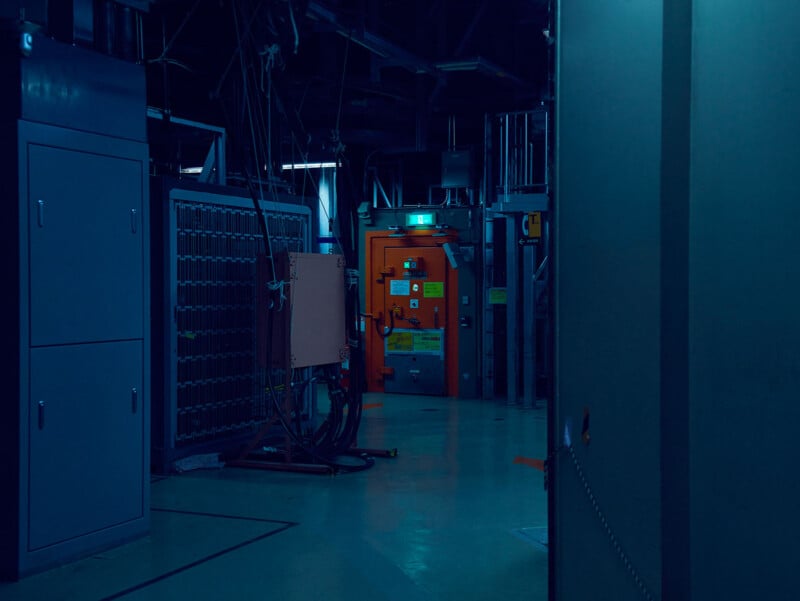
Throughout Futures Past, monumental symbols of human ambition and power appear alongside the more subtle, yet equally impactful, manifestations of technology. Images of nuclear reactors, such as Unit 4 Reactor Door, Fukushima Daiichi Nuclear Power Plant, 2017, evoke the immense power harnessed by humanity, as well as the inherent risks and environmental implications. The photograph, captured years after the devastating 2011 tsunami and earthquake, serves as a stark reminder of both technological achievement and vulnerability.
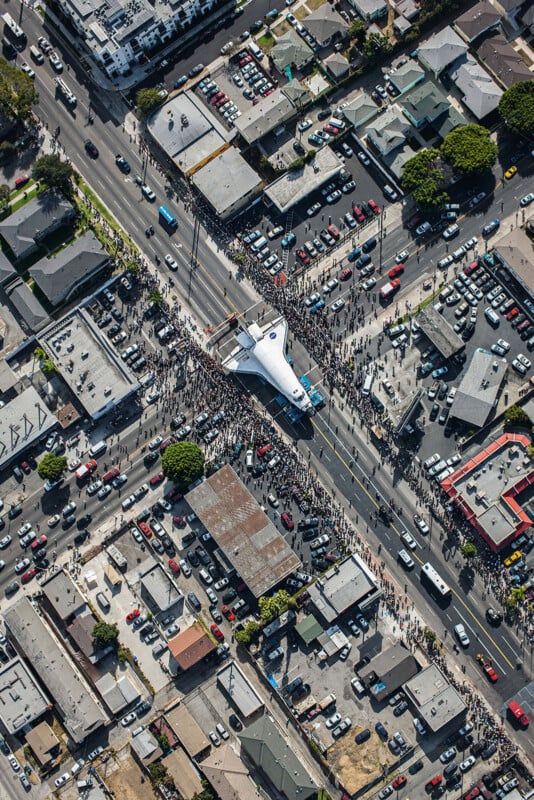
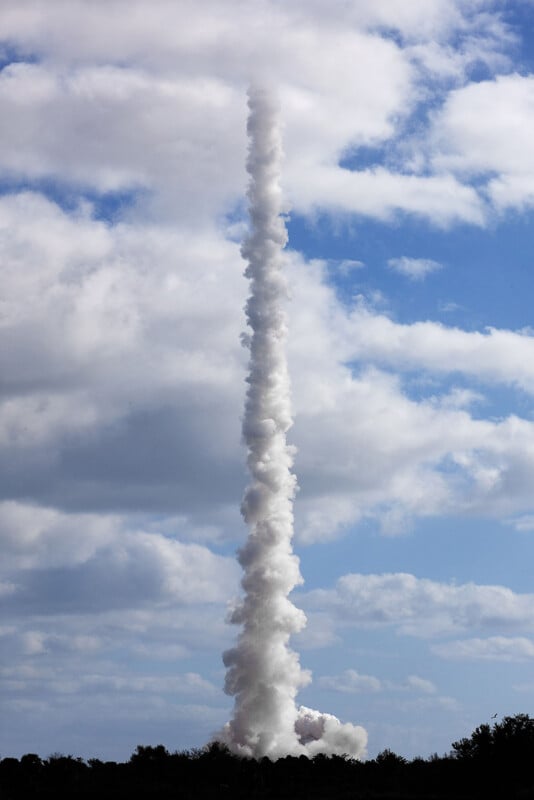
The spirit of exploration is vividly represented by images of Mars rovers, including the launch of the Curiosity rover from Cape Canaveral, Florida in 2011 (Mars Rover Curiosity Launch, Cape Canaveral, Florida, 2011). These photographs celebrate the audacious ambition to extend humanity’s reach beyond Earth, showcasing the intricate engineering and vast resources dedicated to understanding our universe. Similarly, the extraordinary sight of the Space Shuttle Endeavor being transported through city streets in Los Angeles, California in 2012 (Space Shuttle Endeavor, Los Angeles, California, 2012) captures a moment of public spectacle and national pride, bridging the marvel of space travel with the everyday urban environment.

Beyond the grand narratives of scientific progress, Lowell also turns his attention to the less glamorous, yet equally significant, aspects of industrial innovation and its environmental footprint. Images of molten gold refining at the Cortez Gold Mine Refinery in Elko, Nevada (Molten Gold Refining Cortez Gold Mine Refinery, Elko, Nevada, 2024) provide a glimpse into the raw processes of extracting and transforming natural resources, illustrating the foundational industrial activities that underpin our technological society. Conversely, the microscopic view of microplastics collected from the Mediterranean Sea in 2014 (Microplastics, Mediterranean Sea, 2014) serves as a sobering reminder of the unintended and pervasive environmental consequences of human-made materials, illustrating a critical challenge facing global ecosystems.
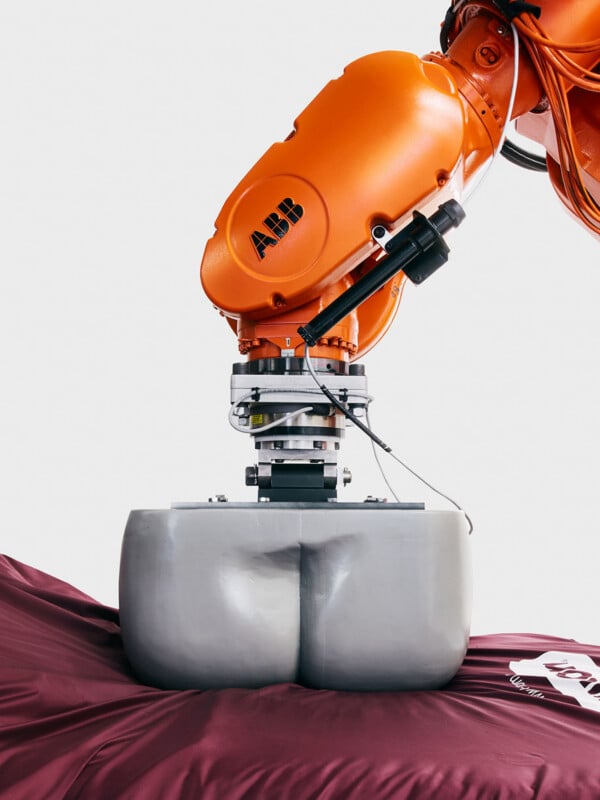
Perhaps one of the most intriguing and unexpected images is titled Butt Robot, Batesville, Indiana, 2011. This photograph, depicting an orange ABB industrial robotic arm holding a gray, buttocks-shaped object over a dark red fabric surface, highlights the highly specialized, often peculiar, applications of automation in manufacturing and quality control. It underscores the diverse and sometimes surreal forms that industrial technology can take, pushing the boundaries of what we typically conceive of as "robotics."
The Essayist’s Commentary: Technology as Protagonist
Complementing Lowell’s powerful visual narrative is an insightful opening essay by climate activist and Fulbright Award-winning writer, Daniel Sherrell. Sherrell offers a critical framework for understanding Lowell’s work, suggesting that in these photographs, "There are people in these photos, but rarely are there individuals. The technologies are the real individuals, protagonists of their own cryptic story." This perspective invites viewers to consider the technologies themselves as active agents, possessing a narrative and presence distinct from their human creators.
Sherrell further elaborates that Lowell’s photographs "capture them on their own terms, in the worlds that they’ve built — worlds that both serve and exclude us." This observation resonates deeply with Lowell’s own assertion that the relationship between biological life and technological systems is "unevenly aligned." It implies that while technology is often designed to serve human needs, it simultaneously creates its own environments and rules, sometimes alienating or marginalizing its human counterparts. Sherrell concludes by noting that Lowell’s photos approach the subject "in thrall to their alien beauty," acknowledging the captivating, almost otherworldly aesthetic inherent in these sophisticated machines and systems.
Implications and the "Futures Past" Paradox
Lowell’s monograph arrives at a critical juncture in human history, as discussions surrounding artificial intelligence, automation, and climate change dominate global discourse. While many of the technologies depicted in Futures Past may not yet be part of everyday life for the majority, Sherrell thoughtfully suggests that many of the subjects and concepts on display are, in fact, "inevitable." This proposition encourages reflection on how quickly nascent technologies can become integrated into the fabric of society, transforming norms and expectations.
The core paradox of "futures past" lies in this continuous evolution. Visions of the future from decades ago, once speculative, now manifest in various forms—some utopian, others dystopian, and many simply mundane. Lowell’s photographs offer a visual lexicon for this paradox, documenting a present reality that is simultaneously futuristic and historically rooted.
Lowell himself posits a profound philosophical stance: the technology he has meticulously photographed for over two decades across the globe does not stand in opposition to nature, but rather "continues it." This perspective challenges the conventional dichotomy between the natural and the artificial, suggesting a more fluid and integrated relationship. The robotic priest in Kyoto, for instance, while seemingly "out of this world" in its artificiality, ultimately speaks to a deeply human experience—the quest for meaning, ritual, and spiritual connection. It highlights how human needs and desires continue to drive technological innovation, even when those innovations manifest in forms that challenge traditional understandings of what it means to be human. The book, therefore, becomes a meditation on human ingenuity, our inherent drive to build and explore, and the complex, often unforeseen, consequences that emerge from these endeavors.
Availability and Legacy
Futures Past ships this month, providing an opportune moment for audiences to engage with Spencer Lowell’s compelling visual narrative. Published by KGP Monolith, the standard edition of the monograph is available for $75. For collectors and enthusiasts, special edition copies are offered with limited-edition prints for $250 each. A premium option includes the book with four signed prints for $1,000. All versions are currently available for preorder, allowing individuals to secure their copy of this significant photographic work.
The release of Futures Past solidifies Spencer Lowell’s position as a leading voice in contemporary photography, particularly in the realm of science and technology. His work not only documents the physical manifestations of progress but also invites a deeper contemplation of humanity’s ongoing dialogue with its creations. By presenting these technologies in a manner that highlights their "alien beauty" while simultaneously underscoring their inextricable link to human experience, Lowell provides a crucial visual commentary on the present and an insightful lens through which to consider the "futures past" that continue to unfold around us. The monograph is poised to become a vital reference for artists, technologists, and anyone grappling with the profound implications of our technologically saturated world.