Sony has officially announced the launch of its groundbreaking FE 100mm f/2.8 Macro GM lens, a significant addition to its prestigious G Master series that promises to set new benchmarks in the specialized field of macro photography. This highly anticipated lens, revealed to select industry professionals under strict non-disclosure agreements, is poised to redefine expectations for optical performance, magnification capabilities, and autofocus speed within the macro segment. The introduction of this lens underscores Sony’s ongoing commitment to expanding its E-mount ecosystem with cutting-edge optical instruments designed to meet the rigorous demands of professional photographers and advanced enthusiasts.
The initial unveiling of the FE 100mm f/2.8 Macro GM generated considerable buzz among those privy to its specifications. For a seasoned macro lens user, the subtle hints preceding the announcement, such as an NDA request for an unannounced lens from Sony’s PR team, immediately pointed towards a new macro offering. This intuition proved correct, confirming that Sony was preparing to launch a product specifically tailored for capturing intricate details. While many new macro lenses entering the market tend to adhere to a familiar template – typically around 100mm focal length, f/2.8 aperture, and often with built-in image stabilization – Sony’s latest iteration distinguishes itself through a series of advanced engineering feats and innovative features that position it well ahead of its contemporaries.
The Evolving Landscape of Macro Photography
Macro photography, the art of capturing extreme close-ups of small subjects, has long been a niche but critical domain within the photographic world. It allows for the exploration of textures, patterns, and details invisible to the naked eye, revealing the hidden beauty in everything from insects and flora to intricate product details and scientific specimens. Historically, macro lenses have been celebrated for their exceptional optical qualities. Due to their specific design requirements – the ability to focus very closely while maintaining flatness of field and correcting for aberrations at high magnification – they are often among the sharpest and most accurately resolving lenses produced by any manufacturer. This inherent precision also extends to their autofocus systems, which, despite sometimes sacrificing raw speed for pinpoint accuracy, are engineered for meticulous focus acquisition. The added advantage of macro lenses is their typically short minimum focusing distance, making them versatile tools not only for dedicated macro work but also for portraiture, product photography, and other genres where fine detail and high resolution are paramount.
The new Sony FE 100mm f/2.8 Macro GM enters a competitive market, yet its specifications suggest a deliberate effort to push beyond conventional limits. While many macro lenses achieve a 1:1 magnification ratio, meaning the subject is reproduced at life-size on the camera’s sensor, Sony’s new lens offers an impressive 1.4x magnification level. This increased magnification allows photographers to capture even smaller details with greater prominence, providing a more immersive and detailed perspective on their subjects. This capability is a direct response to the increasing demand for higher resolution and finer detail in contemporary digital imaging, particularly as camera sensor technologies continue to advance.
Optical and Mechanical Innovations
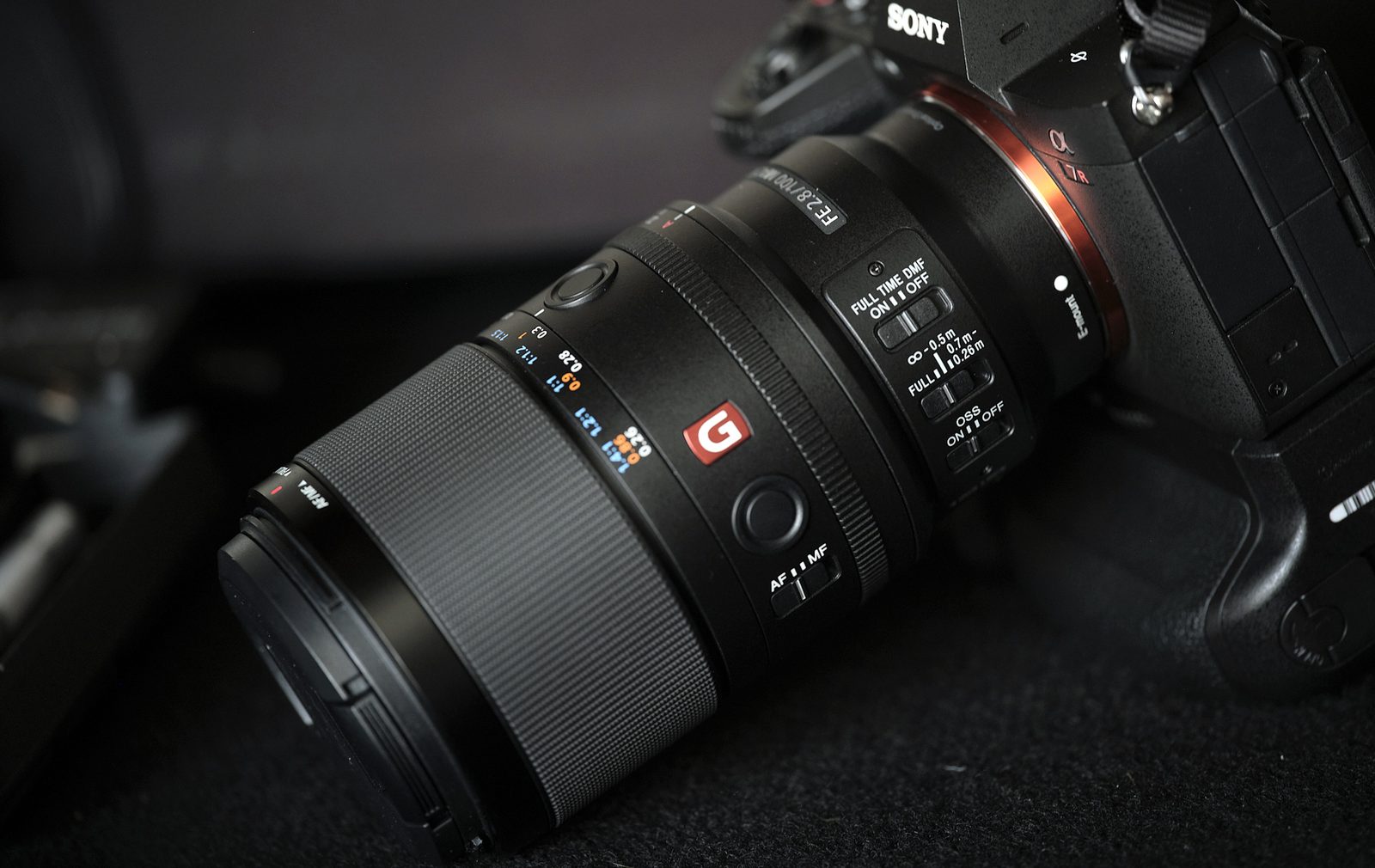
At the core of the FE 100mm f/2.8 Macro GM’s superior performance is its sophisticated optical design, comprising 17 elements arranged in 13 groups. This complex arrangement is engineered to deliver best-in-class optical resolution across the entire image frame, from center to edge, even at wide apertures and close focusing distances. While specific details on exotic glass elements (such as aspherical, ED, or Super ED elements) were not explicitly detailed, their inclusion is standard practice in G Master lenses to suppress chromatic aberrations, spherical aberrations, and distortion, ensuring unparalleled image clarity and color fidelity. Furthermore, the lens incorporates Sony’s proprietary Nano AR coating. This advanced anti-reflection technology is crucial for minimizing internal reflections that can cause ghosting and flaring, especially when shooting in challenging lighting conditions or with strong backlighting, thus preserving contrast and color saturation.
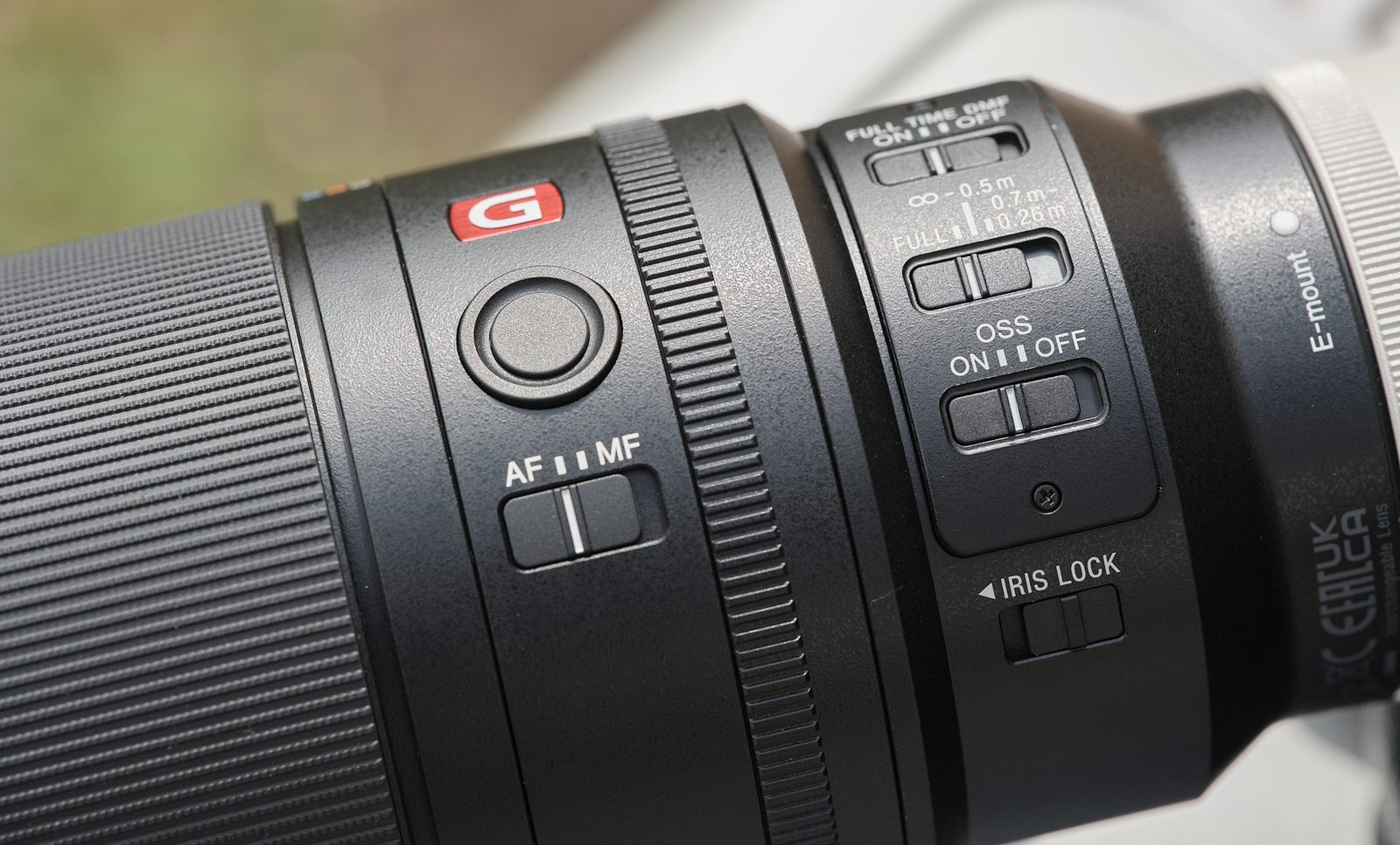
Beyond its optical prowess, the FE 100mm f/2.8 Macro GM distinguishes itself through revolutionary autofocus performance. Macro photography often involves precise focus adjustments over very shallow depths of field, making rapid and accurate autofocus a critical, yet historically challenging, requirement. Sony has addressed this by integrating four XD (extreme dynamic) linear motors into the lens. These high-thrust motors provide an unprecedented level of speed and precision, delivering the fastest autofocus system ever seen in a macro lens. This advancement significantly enhances usability, allowing photographers to react more swiftly to dynamic subjects and achieve critical focus with greater consistency, even when working at high magnifications where slight movements can easily throw focus off. The lens also features five-stop optical image stabilization, an invaluable asset for handheld macro shooting, where camera shake is greatly amplified at close distances and high magnifications. This stabilization system works in conjunction with in-body image stabilization (IBIS) found in many Sony Alpha cameras, providing even greater stability.
Enhanced Versatility with Teleconverter Compatibility

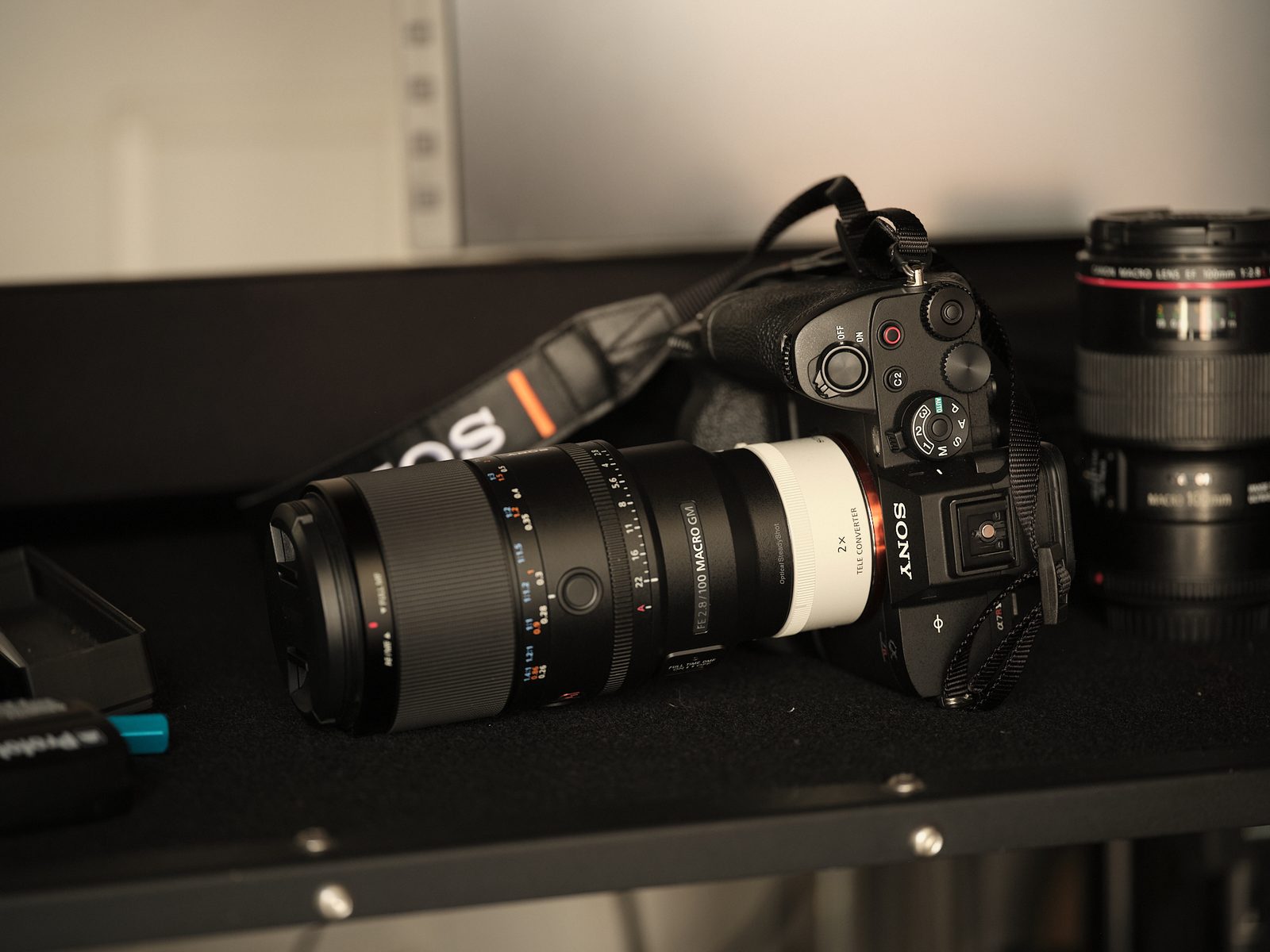
One of the most exciting features for many photographers, particularly those specializing in beauty macro or entomology, is the lens’s compatibility with Sony’s FE 2.0x teleconverter. The original article highlights the practical benefits of this compatibility, noting how it addresses the challenge of maintaining an optimal working distance while illuminating subjects. By attaching the 2.0x teleconverter, the focal length of the 100mm lens effectively doubles to 200mm. Crucially, this also doubles the magnification level from 1.4x to an extraordinary 2.8x. This capability allows photographers to capture subjects at significantly higher magnifications from a greater distance, providing more room for lighting setups and reducing the risk of disturbing sensitive subjects like insects. While teleconverters typically come with a trade-off in light transmission and potentially a slight reduction in sharpness, the G Master lens’s exceptional optical foundation is designed to mitigate these effects, ensuring that even with the teleconverter, image quality remains outstanding. This combination effectively transforms the lens into an ultra-macro powerhouse, offering versatility rarely found in a single prime lens.
Initial Impressions and Comparative Performance

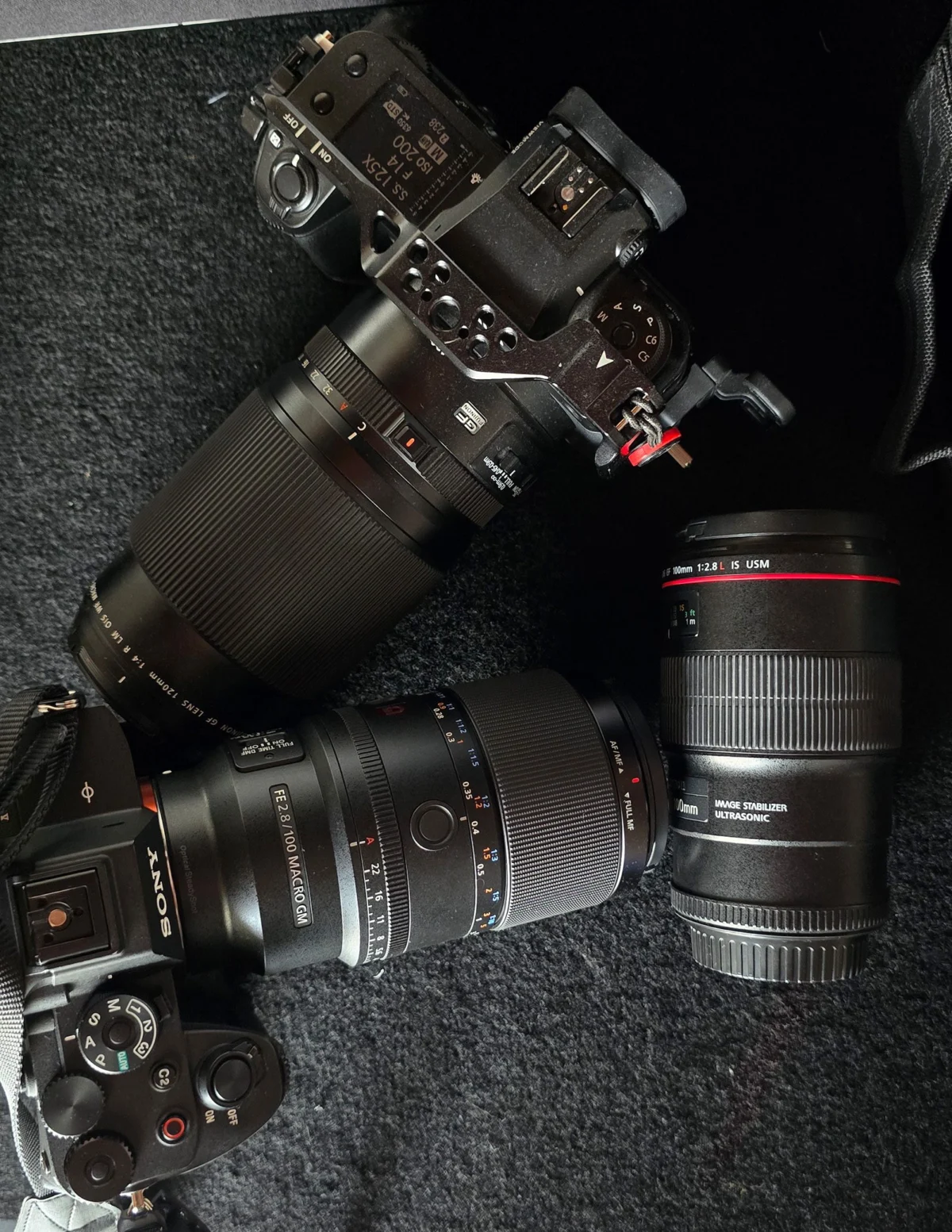
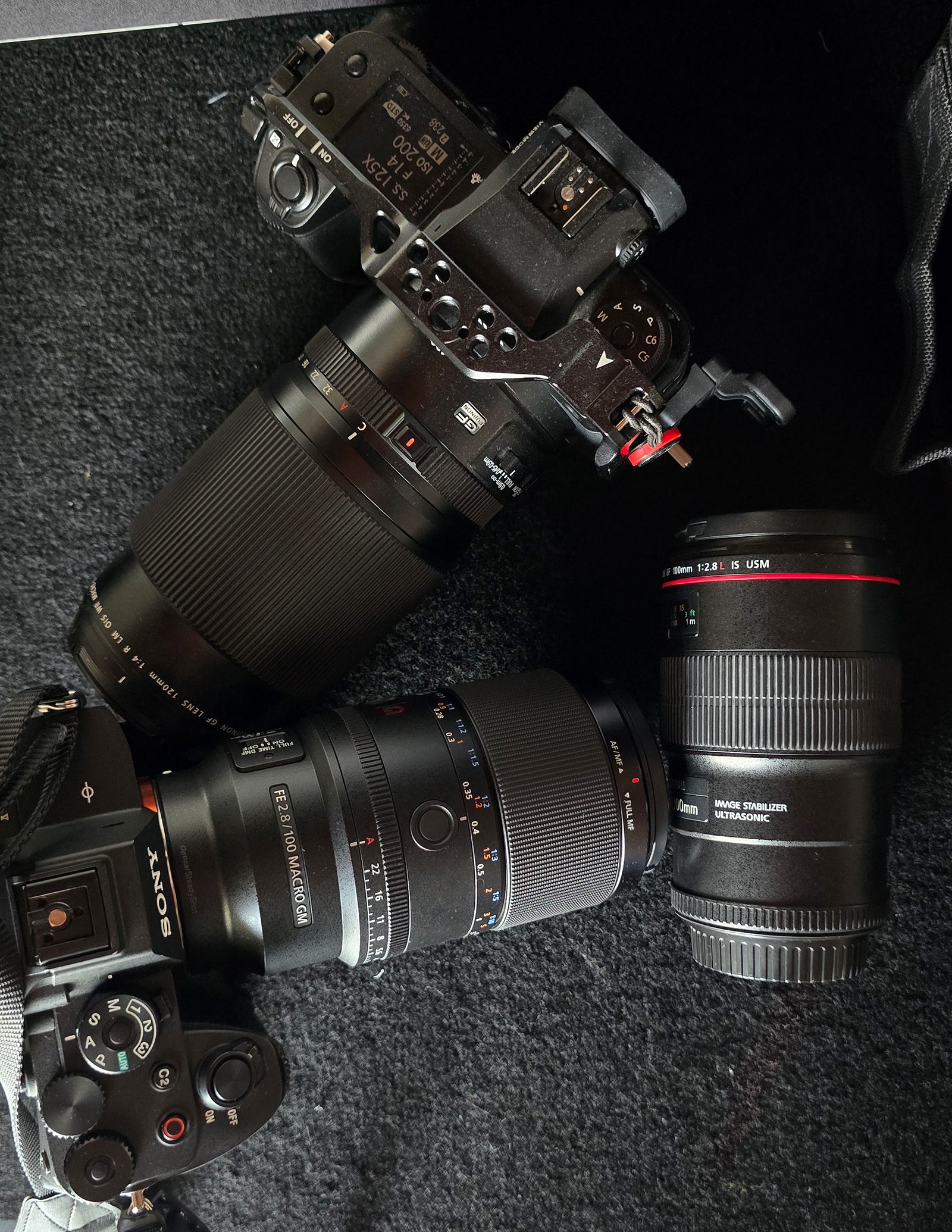
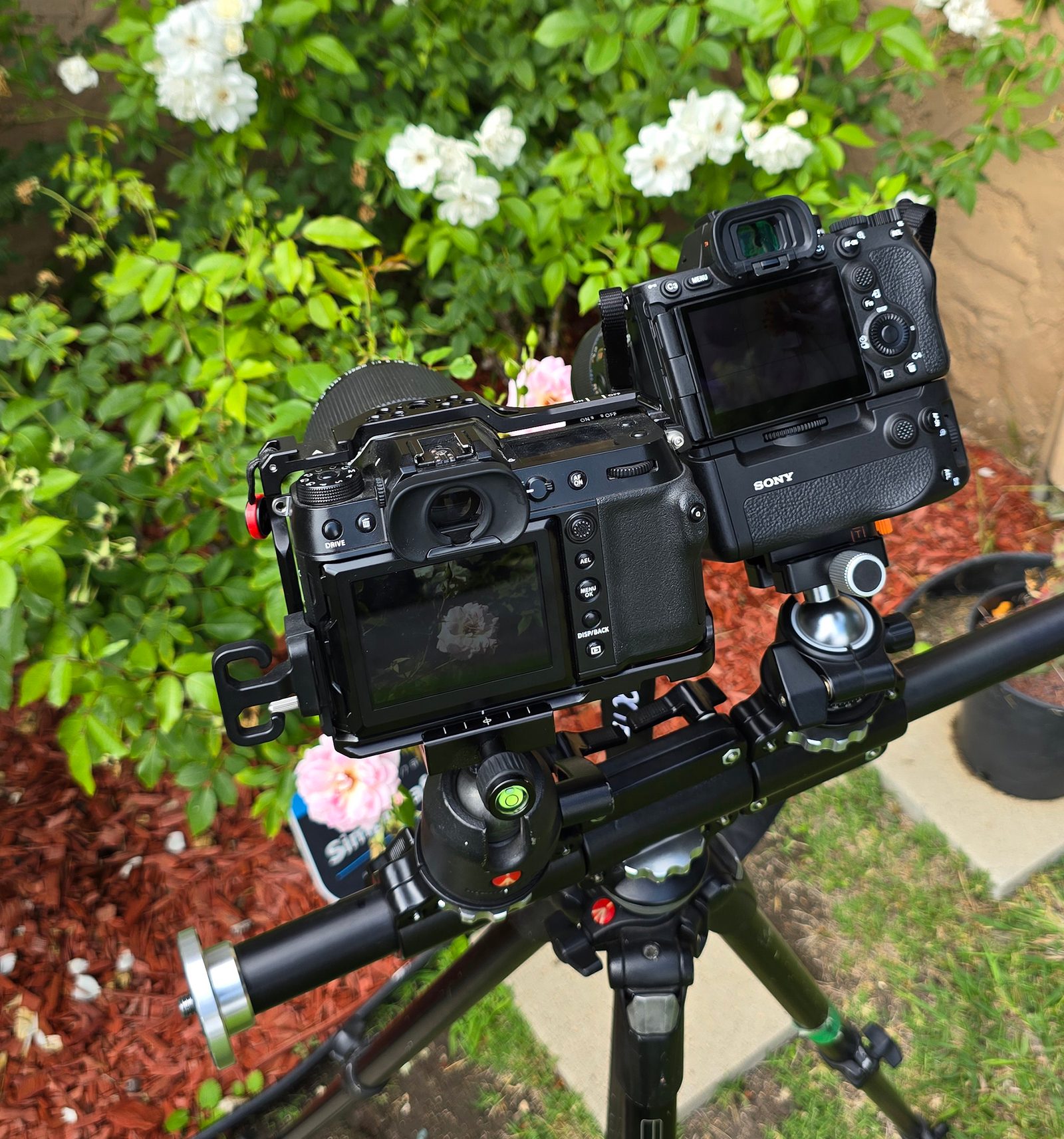
Early testing by industry professionals and reviewers has consistently underscored the lens’s exceptional capabilities. One reviewer, known for their extensive experience with macro lenses and a discerning eye for optical performance, shared their initial findings. Despite a personal preference for a medium-format setup – specifically the Fujifilm GFX 100s paired with the Fujifilm GF 120mm f/4 Macro lens – the Sony FE 100mm f/2.8 Macro GM, mounted on a Sony a7R V, delivered a performance that surprised even this seasoned professional. The Sony system, despite being full-frame rather than medium-format, reportedly focused faster and produced demonstrably sharper images, all while offering a higher magnification level than the Fujifilm kit. This direct comparison highlights the engineering prowess of the new Sony lens, demonstrating its ability to challenge and even surpass the performance of higher-resolution medium-format systems in specific macro applications.
A detailed comparison table further illustrates the competitive edge of the Sony FE 100mm f/2.8 Macro GM against leading alternatives:

| Feature | Sony FE 100mm f/2.8 GM | Fujifilm GF 120mm f/4 | Canon EF 100mm f/2.8L IS | Canon RF 100mm f/2.8L IS |
|---|---|---|---|---|
| Lens Design | 17 Elements in 13 Groups | 14 Elements in 9 Groups | 15 Elements in 12 Groups | 17 Elements in 13 Groups |
| Stabilization | Yes, five-stop | Yes, five-stop | Yes, two-stop | Yes, five-stop |
| Magnification Level | 1.4x Magnification | 0.5x Magnification | 1x Magnification | 1.4x Magnification |
| Minimum Focus Distance | 0.26m | 0.45m | 0.30m | 0.26m |
| Size Dimensions | 81.4 x L: 147.6 mm | 89.2 x L: 152.5 mm | 77.7 x L: 123 mm | 81.5 x L: 148 mm |
| Weight | 646 g | 980 g | 625 g | 730 g |
| Price (Estimated) | $1399 – $1,699 (TBD) | $3,099 | $1,399 | $1,199 |
This table reveals that while the Fujifilm GF 120mm f/4 Macro is a premium medium-format lens with a higher price point, its magnification level is significantly lower at 0.5x. The new Sony lens, even without the teleconverter, offers 1.4x magnification, matching the cutting-edge Canon RF 100mm f/2.8L IS Macro lens. When factoring in the 2x teleconverter, the Sony system achieves an unparalleled 2.8x magnification. Furthermore, the Sony FE 100mm f/2.8 GM boasts a competitive minimum focus distance of 0.26m, matching the Canon RF equivalent and providing excellent working flexibility. Its weight and dimensions also place it comfortably within the professional macro lens segment, offering a relatively compact and manageable package given its capabilities.
The competitive pricing, estimated between $1399 and $1699, positions the Sony FE 100mm f/2.8 Macro GM as a compelling value proposition, particularly when considering its advanced features and superior magnification. It offers a premium G Master experience at a price point that undercuts the Fujifilm medium format option by a substantial margin and remains competitive with or slightly above the Canon equivalents, while offering unique advantages.

Broader Implications and Market Impact
The introduction of the Sony FE 100mm f/2.8 Macro GM is more than just another lens release; it signifies a continued push in optical engineering within the mirrorless full-frame market. For Sony, it reinforces their commitment to providing a comprehensive and high-performance lens lineup that addresses every photographic niche. The G Master designation itself indicates a lens built to the highest standards, promising exceptional resolution, beautiful bokeh, and robust build quality. By delivering a macro lens with industry-leading magnification, unprecedented autofocus speed, and teleconverter compatibility, Sony is not only catering to existing macro photographers but also potentially expanding the appeal of this specialized genre to a wider audience.
Industry analysts anticipate a strong market reception for the FE 100mm f/2.8 Macro GM. Its combination of technical innovation and competitive pricing is likely to make it a highly sought-after tool for professionals in scientific research, product photography, fine art, and commercial imaging. For existing Sony E-mount users, it represents an undeniable upgrade, offering capabilities that were previously unattainable without resorting to complex and often cumbersome setups involving extension tubes or specialized bellows systems. For photographers considering a switch to the Sony ecosystem, this lens could serve as a powerful incentive, showcasing the brand’s ability to deliver best-in-class performance across diverse photographic disciplines.
As the Sony FE 100mm f/2.8 Macro GM becomes available for pre-order with an expected release in the coming weeks, the photographic community eagerly awaits the opportunity to conduct more extensive tests and explore its full potential. Based on initial reports and detailed specifications, it is clear that Sony has delivered a formidable new entrant that is set to redefine the standards for macro photography in the mirrorless era.