The dynamic landscape of event videography frequently presents unforeseen challenges, demanding both technical prowess and strategic adaptability from production teams. A recent convention shoot, held on April 27, 2026, served as a compelling case study in resourcefulness, as freelance videographer Tony Kim successfully pivoted to deliver two distinct, high-impact content styles on short notice: cinematic "Glambot-style" slow-motion footage and spontaneous person-on-the-street interviews. This account details the immediate challenges, the innovative solutions implemented, and the broader implications for agile production in the modern media environment.
The Initial Brief and the Unexpected Turn
The assignment began as a standard convention coverage brief for a prominent client at what industry observers might identify as the "Global Tech Innovations Summit" in a major metropolitan center. The initial scope involved capturing general event atmosphere, keynote speeches, and exhibitor interactions. However, midway through the scheduled shoot day, the client introduced a significant curveball: a request for "Glambot-style" shots and immediate, informal interviews with attendees. This dual request represented a stark shift in production requirements, moving from documentary-style coverage to demanding high-speed cinematic artistry and rapid-fire journalistic engagement, all within the constraints of an active convention floor and without the luxury of pre-planning.
A "Glambot" is an industry term referring to a high-speed camera system mounted on a robotic arm, precisely programmed for complex, repeatable movements. Synonymous with high-profile events like the Academy Awards or Emmy Awards, these systems produce incredibly smooth, ultra-slow-motion footage, often featuring subjects in dynamic, glamorous poses. Their acquisition and operation involve significant financial investment and specialized technical personnel, placing them beyond the scope of typical convention budgets and timelines. The request for such a visual aesthetic, coupled with the need for quick-turnaround interviews, underscored a growing client expectation for diverse, high-quality content designed for rapid social media deployment and internal communications, even when not explicitly budgeted for.
Engineering the "Glambot" Alternative: Precision Under Pressure
The primary challenge for the "Glambot-style" shots was replicating the signature look of a multi-million-dollar robotic system using conventional, albeit professional, gear. Kim’s immediate assessment focused on achieving extreme slow motion, precise camera movement, and controlled lighting—the three pillars of the Glambot aesthetic.
Technical Blueprint for Cinematic Motion:
To achieve the high-speed footage, Kim utilized a Sony FX3 camera, renowned for its low-light capabilities and high frame rate options, shooting at 120 frames per second (fps) in 4K resolution. The fundamental principle for natural-looking slow motion dictates that the shutter speed should be at least double the frame rate, adhering to the "180-degree shutter rule." For 120 fps, this translated to a shutter speed of 1/240th of a second. This setting is crucial for rendering motion blur that appears natural when the footage is conformed to a standard 24 fps timeline in post-production, avoiding the choppy appearance of excessively fast shutters or the excessive blur of slower ones.
The Lighting Imperative:
Operating at 1/240th of a second, combined with the need for a deep depth of field, necessitated an extraordinary amount of light. Kim opted for an aperture of f/8, a choice made to ensure subjects remained sharply in focus throughout the camera’s dynamic movement towards them. While a true Glambot system benefits from pre-programmed focus pulling that precisely tracks a subject’s position, manual operation on a gimbal required a wider focus plane to compensate for the absence of a dedicated focus puller or robotic precision. This decision, however, dramatically reduced the amount of light reaching the sensor.
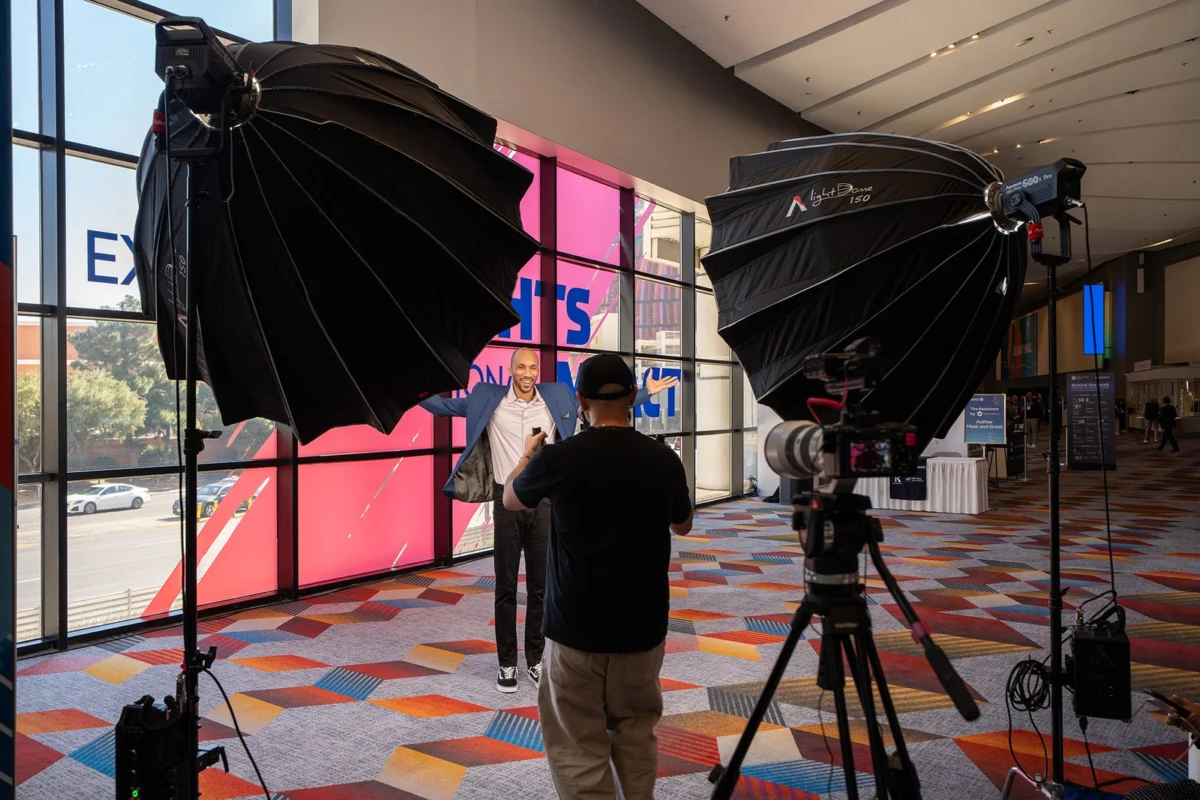
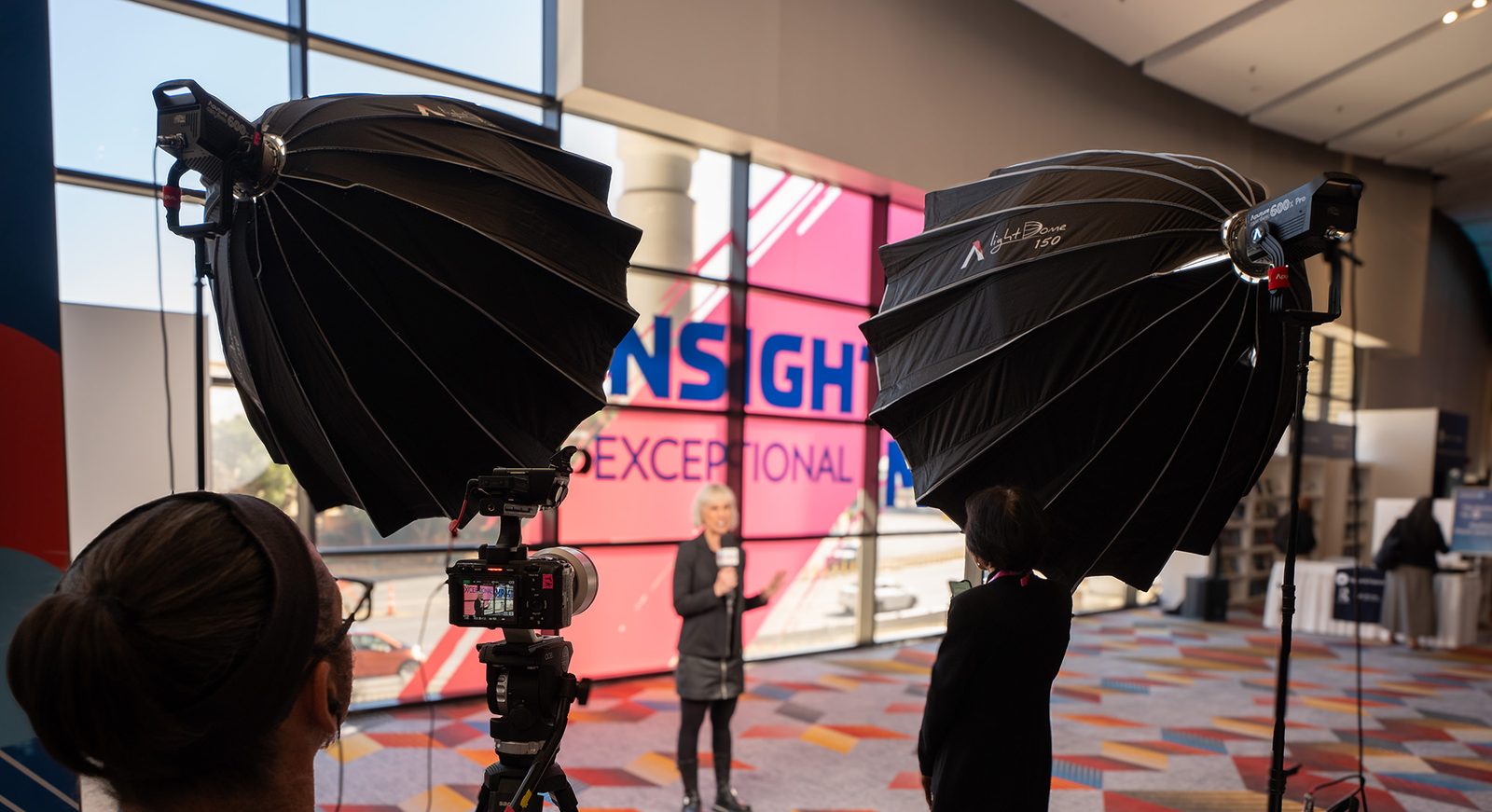
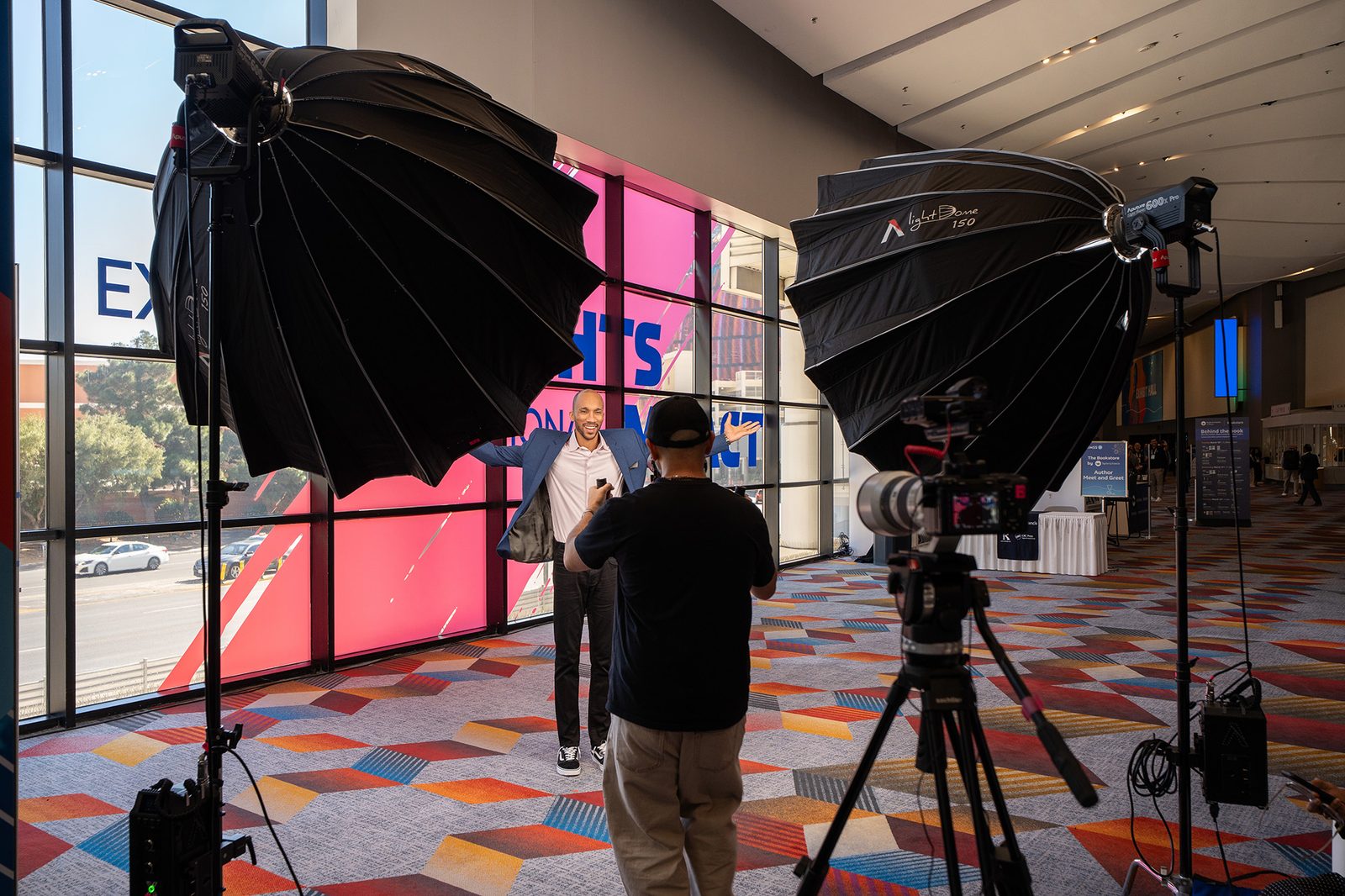
To overcome this, two Aputure LS 600x Pro bi-color LED lights, each paired with a 60-inch Aputure Light Dome 150 softbox, were deployed. These high-output, versatile fixtures are celebrated in the industry for their ability to deliver powerful yet soft illumination, critical for flattering subject lighting and for achieving the necessary exposure at f/8 and 1/240s. Industry experts frequently laud the Aputure 600x series for its robust output (capable of competing with HMI fixtures in certain applications) and color accuracy, making it a staple for demanding cinematic environments where precise light control is paramount. The use of large softboxes further ensured that the intense light was diffused and wrapped around the subjects, creating a polished, high-end look without harsh shadows.
Stabilized Movement and Operator Control:
For camera movement, the Sony FX3 was mounted on a DJI Ronin RS4 Pro gimbal, a professional-grade stabilization system. Crucially, Tilta dual handles were added to the setup. While single-handed gimbal operation is feasible for lighter cameras or less aggressive movements, executing a smooth, intentional push-in towards a subject with a professional camera like the FX3 demands enhanced stability. The dual handles provided the operator with greater leverage and control, mitigating micro-jitters and ensuring the camera’s movement appeared deliberate and cinematic, rather than the result of a nervous or unstable operator. This combination of a powerful camera, robust stabilization, and ample lighting allowed for the creation of visually striking, slow-motion sequences that closely mimicked the aesthetic of a much costlier Glambot production. A series of quick practice runs before each subject stepped in allowed Kim to refine the trajectory and timing, optimizing the "Glambot energy" on screen.
Transition to Journalistic Engagement: Speed and Sensitivity
Immediately following the "Glambot-style" shots, the production seamlessly transitioned into the "person-on-the-street" interview phase. This shift required a rapid re-configuration of equipment and a change in approach, prioritizing quick setup, audio clarity, and interviewee comfort.
Efficient Interview Setup:
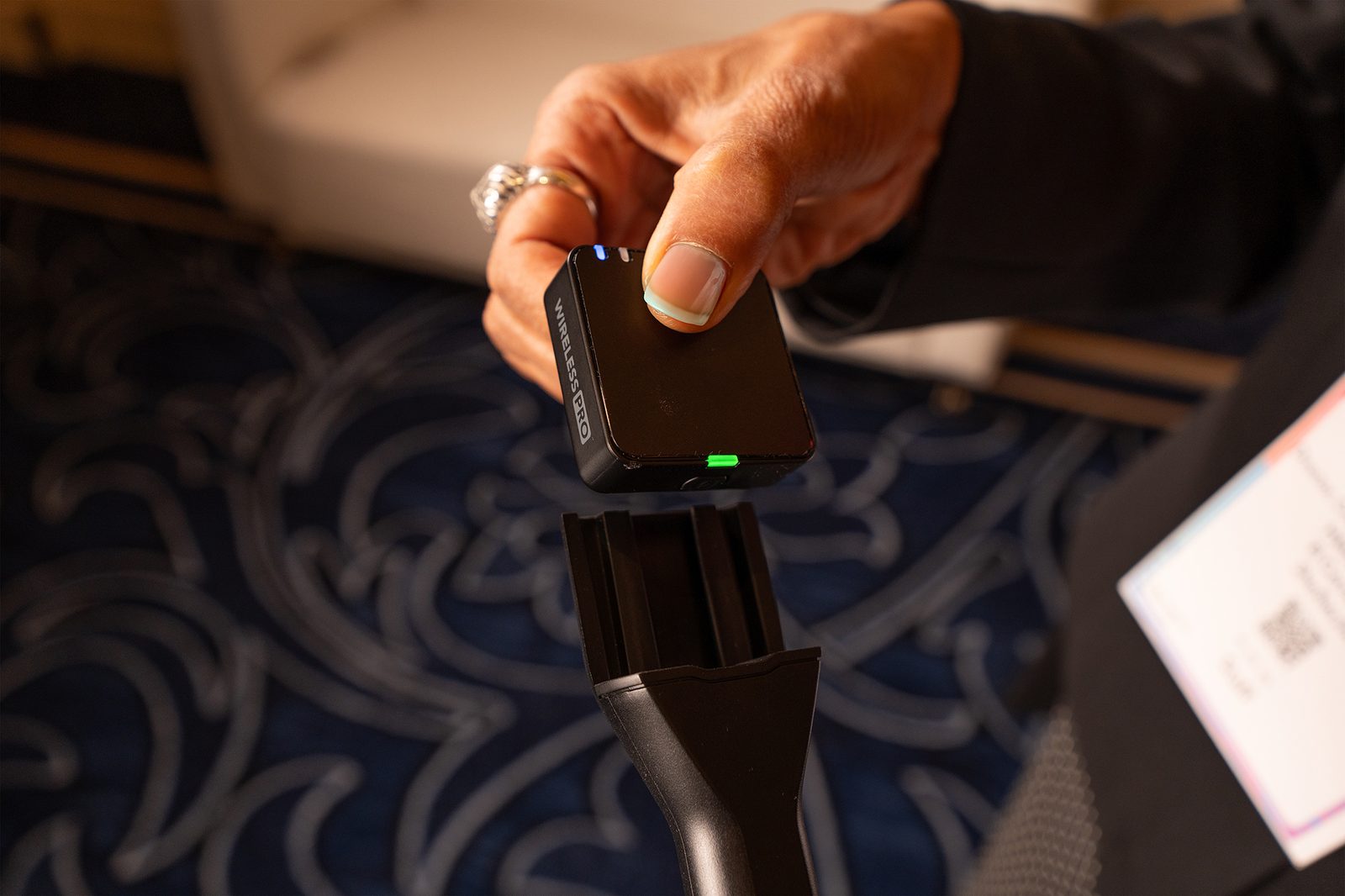
A second Sony FX3 was mounted on a tripod, serving as the static interview camera. For audio capture, a Rode Wireless Pro 2-person lavalier microphone system was employed. The genius in this setup lay in the use of the Rode Interview GO Handheld Mic Adapter. This adapter allowed a Rode Wireless Pro transmitter to be quickly attached, transforming it into a professional-looking handheld microphone. This eliminated the time-consuming process of clipping lavalier microphones onto each interviewee, managing cables, or explaining complex audio setups. In a fast-paced convention environment where attendees typically have only a few minutes to spare, this "snap-and-go" solution was invaluable for maintaining momentum and minimizing logistical friction. The clean, professional appearance of the handheld microphone also instilled confidence in interviewees, contributing to a more relaxed exchange.
The Psychology of Lens Choice:
For the interviews, Kim opted for a Sony 70-200mm f/4 G OSS lens. While longer focal lengths are often chosen for their ability to compress backgrounds and create pleasing bokeh, the primary rationale here was psychological. Many convention attendees are unaccustomed to being on camera and can become visibly tense when a wide-angle lens or a camera operator is in close proximity. By utilizing the 70-200mm lens, Kim could maintain a greater physical distance from the interview subjects. This subtle separation helped alleviate anxiety, allowing attendees to feel less scrutinized and more at ease. This strategic choice underscored a deeper understanding of human behavior in front of the camera, leading to more natural, engaging, and ultimately, more valuable interview content. As Kim noted, "People loosen up when they do not feel like something is right in their face, and once they loosen up, the conversation gets a lot more interesting." This approach highlights a crucial aspect of documentary-style videography: the impact of equipment choices on subject comfort and the authenticity of the captured narrative.
The Role of Equipment Rentals in Agile Production
A critical enabler for this adaptive production scenario was the access to specialized equipment through rental services. For freelance videographers and smaller production houses, owning every piece of high-end gear required for diverse, unpredictable client demands is often economically unfeasible. The ability to rent specific items—such as the high-output Aputure lights, the professional gimbal, or specialized audio adapters—on a project-by-project basis offers unparalleled flexibility. Kim specifically highlighted the efficiency of having necessary gear delivered directly to the hotel the day before the shoot, streamlining logistical challenges and allowing ample time for preparation and testing. This model reduces capital expenditure, allows for experimentation with new technologies, and ensures that even last-minute client requests can be met with appropriate, professional-grade tools. Industry analysis consistently points to equipment rental as a growing segment, crucial for supporting the gig economy and the increasing demand for specialized media production without prohibitive upfront investments.
Client Feedback and Broader Implications
While specific client statements were not detailed, the successful execution of such a demanding, unscripted production sequence invariably translates into high client satisfaction. The ability to deliver cinematic "Glambot-style" content alongside authentic attendee testimonials, all within the constraints of an active convention and a tight budget, reflects exceptionally well on the videographer’s capabilities. It demonstrates not just technical skill but also proactive problem-solving and a deep understanding of client objectives.
Implications for the Industry:
This case study offers several key takeaways for the broader media production landscape:
- Adaptability as a Core Competency: In an era of rapidly evolving content trends and client expectations, the ability to adapt on the fly is becoming as crucial as technical proficiency. Freelancers and production companies that can pivot effectively to unforeseen demands will maintain a significant competitive edge.
- The Rise of "Pro-Sumer" Gear: The success of recreating a "Glambot" aesthetic with a camera like the Sony FX3 and powerful LED lights underscores the increasing capability of more accessible, yet professional, equipment to achieve results traditionally reserved for high-end, specialized systems. This democratizes high-quality production, making cinematic looks attainable for a wider range of budgets.
- Strategic Resource Management: The judicious use of equipment rental services is not merely a convenience but a strategic imperative. It enables lean production models, allowing teams to scale resources up or down based on specific project needs without incurring the high costs of ownership.
- Client Education and Communication: While clients often have aspirational content goals, understanding the technical and budgetary implications is key. This scenario highlights the videographer’s role in translating ambitious requests into practical, high-quality deliverables within existing constraints.
- The Human Element in Technology: Kim’s choice of a longer lens for interviews, prioritizing interviewee comfort over purely technical image considerations, illustrates the enduring importance of human-centric approaches in media production. Technology is a tool, but understanding psychology and fostering rapport remains vital for authentic storytelling.
Ultimately, this convention shoot exemplifies that success in modern media production is less about possessing the most expensive robotic rigs or a massive crew, and more about ingenuity, strategic planning, and maximizing the tools at hand. The seamless shift from high-fashion flair to run-and-gun journalism, executed with precision and technical acumen, speaks volumes about the evolving demands and capabilities within the videography sector. When prepared for curveballs, as demonstrated in this instance, the results consistently speak for themselves, exceeding client expectations and setting new benchmarks for agile production.