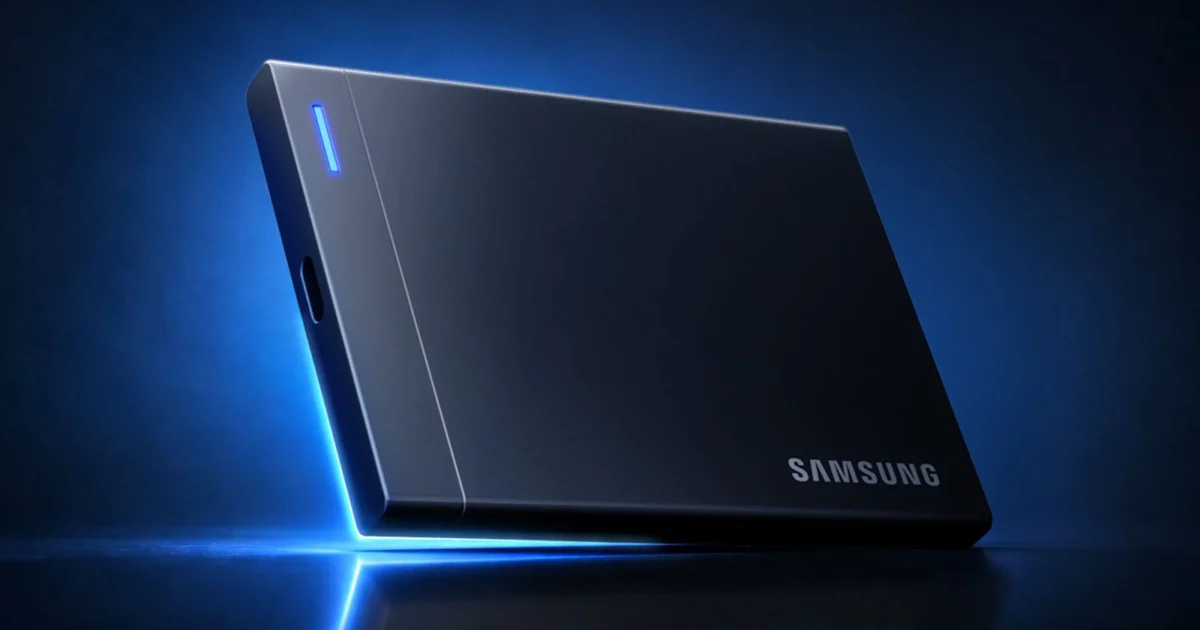
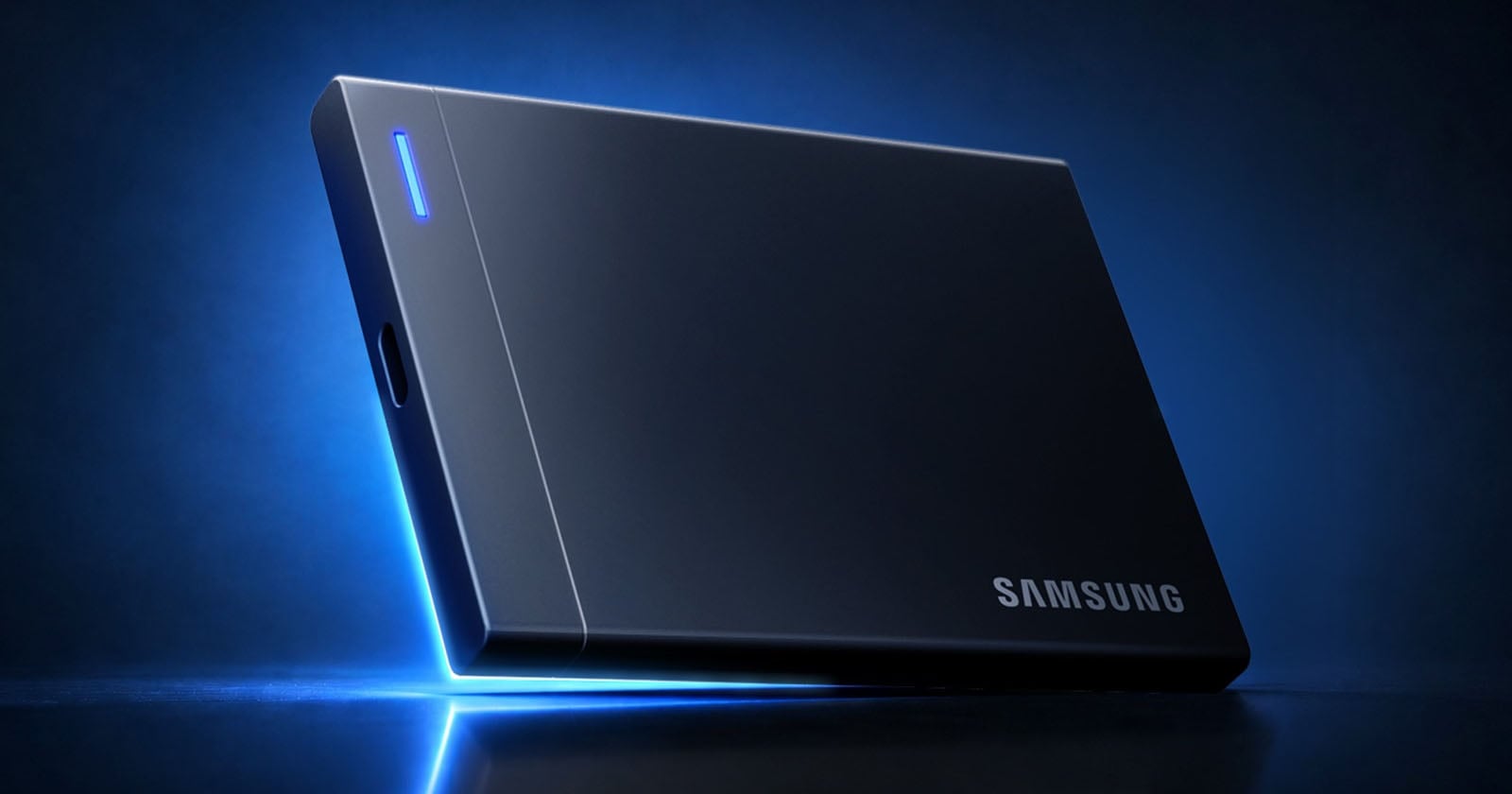
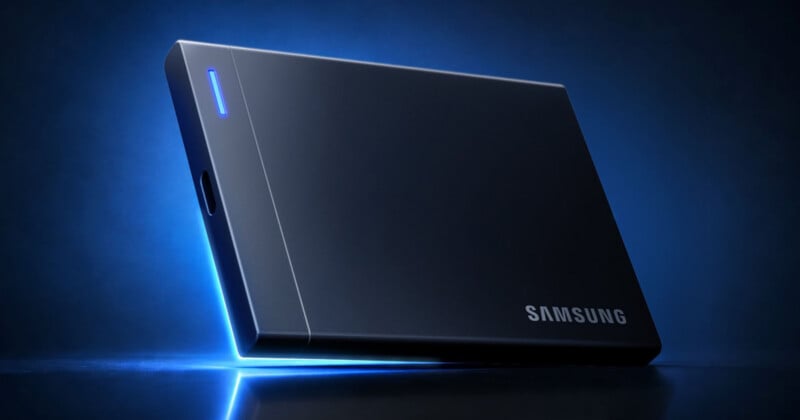
Seoul, South Korea — Samsung, a global leader in advanced memory technology, has officially unveiled its latest generation of portable solid-state drives (SSDs), the flagship P9 and the mid-range P7, both engineered with cutting-edge USB4 connectivity. This launch signifies a monumental leap in portable storage performance, establishing new industry benchmarks for speed, capacity, and reliability, even amidst a highly volatile global flash memory market. The new drives are poised to revolutionize data handling for creative professionals, tech enthusiasts, and everyday users who demand uncompromising speed and robust performance on the go.
The Dawn of USB4 Performance: Unpacking the P9’s Capabilities
At the forefront of this technological advancement is the Samsung P9, a drive designed to meet the rigorous demands of high-end professional workflows. The P9 boasts astounding sequential read speeds of up to 4,000 megabytes per second (MB/s) and sequential write speeds reaching 3,800 MB/s. These figures represent a dramatic doubling of performance compared to its acclaimed predecessor, the Samsung T9, which utilized the USB 3.2 Gen 2×2 interface to achieve speeds of up to 2,000 MB/s. Such a significant performance increase is not merely an incremental upgrade; it ushers in a new era of efficiency for tasks that were previously bottlenecked by slower external storage.
Technical Prowess: USB4 and Advanced NAND
The remarkable speed of the P9 and P7 is primarily attributed to their adoption of USB4 connectivity. USB4 is a sophisticated interface that builds upon the Thunderbolt 3 protocol, offering a theoretical maximum bandwidth of 40 gigabits per second (Gbps). This translates to approximately 4,000 MB/s of actual data throughput after accounting for overheads, effectively saturating the capabilities of high-performance NVMe SSDs. Unlike previous USB iterations, USB4 is designed for greater flexibility and efficiency, supporting multiple data and display protocols simultaneously over a single USB-C cable. This ensures not only faster data transfers but also improved compatibility with a wider range of modern devices, including the latest laptops, desktops, and even tablets that feature USB-C ports with USB4 or Thunderbolt 3/4 capabilities.
Beyond the interface, the P9 leverages Samsung’s proprietary NAND flash memory technology and advanced controller designs. While specific details on the NAND type (e.g., TLC, QLC) were not fully disclosed, Samsung’s history suggests the use of highly optimized V-NAND to deliver both high performance and endurance. The sophisticated thermal management system integrated into the P9 is particularly crucial. Sustained high-speed data transfers generate significant heat, which can lead to thermal throttling and a reduction in performance. The P9’s robust thermal design is engineered to dissipate heat effectively, ensuring that its blazing speeds can be maintained even during prolonged, intensive operations, a critical factor for professional users.
Real-World Impact for Creative Professionals
For creative professionals, the implications of the P9’s performance are profound. Content creators, particularly those working with high-resolution video and photography, constantly grapple with massive file sizes. A single minute of 8K RAW video footage can easily exceed 10 gigabytes, and 12K RAW files are even larger. Transferring such data from camera to workstation, or between editing systems, has historically been a time-consuming bottleneck. With the P9’s 4,000 MB/s sequential read and 3,800 MB/s write speeds, a 100-gigabyte 8K video project file could theoretically be transferred in under 26 seconds. This drastically reduces waiting times, allowing artists to spend more time creating and less time managing data.
The P9’s impressive capacities further solidify its position as an indispensable tool for professionals. Samsung proudly highlights the P9 as the world’s first 8TB USB4 portable SSD to support these speeds, setting a new standard for portable, high-capacity storage. This immense capacity means that entire projects, including multiple 8K video reels, extensive RAW photo libraries, or vast game development assets, can be carried in a pocket-sized device. For photographers, the P9 serves as an ideal "working drive" for on-location shoots, enabling quick transfers and immediate review of high-resolution RAW images without the need to offload to slower, less reliable storage solutions. Its speed also facilitates direct editing from the drive, making mobile workstations genuinely powerful.
The P7: High-Speed Storage for the Everyday User
Alongside the top-tier P9, Samsung has introduced the P7, a mid-range portable SSD designed to bring the benefits of USB4 connectivity to a broader audience. While the P7 shares the same peak sequential read and write speeds of 4,000 MB/s and 3,800 MB/s respectively, Samsung strategically positions it for "everyday use" rather than the most demanding professional workloads. This differentiation primarily stems from the P7’s internal optimizations, particularly concerning sustained writing operations and its thermal design.
Balancing Performance and Practicality
The P7, while incredibly fast for burst transfers and typical daily tasks, may not maintain its absolute peak performance over extremely long, continuous write cycles in the same way the P9 can. This is often due to a slightly less aggressive thermal management system or different controller firmware tuning that prioritizes power efficiency or cost-effectiveness. However, for the vast majority of users—including students managing large multimedia assignments, casual photographers archiving vacation photos, or office professionals backing up extensive documents—the P7’s performance will be more than sufficient, offering a substantial upgrade over traditional external hard drives and even many older portable SSDs. It offers a premium speed experience without the premium cost associated with the P9’s professional-grade sustained performance capabilities.
Durability and Design for Mobile Lifestyles
Both the P9 and P7 emphasize robust build quality, crucial for portable devices that are frequently carried and used in various environments. Samsung has engineered both models to be drop-resistant, capable of withstanding impacts from up to two meters. This level of durability provides essential peace of mind for users who transport their critical data daily, whether commuting between offices, traveling for work, or shooting on location. The sleek, compact design of these SSDs further enhances their portability, allowing them to slip easily into a bag or pocket without adding significant bulk. This blend of high performance, ample capacity, and physical resilience underscores Samsung’s understanding of the practical needs of modern digital lifestyles.
A Legacy of Innovation: Samsung’s Journey in Portable Storage
Samsung’s introduction of the P7 and P9 is the latest chapter in a long-standing tradition of innovation in the portable storage market. The company has consistently been at the forefront of developing compact, high-performance external SSDs, starting with pioneering models like the T1, which first introduced the concept of a truly portable SSD in 2015. Subsequent iterations, including the T3, T5, T7, and most recently the T9, have progressively pushed the boundaries of speed and capacity, making portable SSDs a mainstay for a diverse user base, from IT professionals to digital nomads. Each generation built upon the last, refining NAND technology, improving thermal efficiency, and adopting the latest interface standards to deliver increasingly better user experiences.
From T1 to T9: A History of Evolution
The evolution from the T1, which offered USB 3.0 speeds, to the T9, leveraging USB 3.2 Gen 2×2 for 2,000 MB/s, demonstrates Samsung’s commitment to continuous improvement. The T-series drives became synonymous with reliable, fast external storage for creators on the go. This established legacy provides a strong foundation for the P-series, which represents a more significant leap in interface technology and raw performance, moving beyond the 20 Gbps limit of USB 3.2 Gen 2×2. The P9, in particular, with its 8TB capacity at USB4 speeds, is a direct successor to the T9’s high-capacity offerings but at double the speed, catering to the ever-growing demand for larger and faster data storage solutions.
The USB Standard’s March Towards Speed
The advancement of USB technology has been a critical enabler for portable storage innovation. The journey from USB 1.0’s meager 1.5 Mbps to USB4’s 40 Gbps illustrates a relentless pursuit of speed. USB 3.0 (SuperSpeed) brought a significant boost at 5 Gbps, followed by USB 3.1 Gen 2 (SuperSpeed+ 10 Gbps), and then USB 3.2 Gen 2×2 (SuperSpeed+ 20 Gbps). However, it was the adoption of the Thunderbolt 3 protocol as the foundation for USB4 that truly unlocked the next level of performance. USB4 effectively merges the best aspects of USB and Thunderbolt, offering high bandwidth, power delivery, and display connectivity over a single, reversible USB-C connector. This strategic integration by Samsung ensures that the P9 and P7 are not just fast, but also highly compatible with the modern computing ecosystem, providing a seamless experience across various platforms.
Navigating the Volatile Flash Memory Market
The launch of the P-series SSDs comes at a particularly challenging time for the semiconductor industry, characterized by what Samsung itself describes as a "volatile flash memory market." This volatility has been a defining characteristic of the memory sector over the past few years, influenced by a complex interplay of supply chain disruptions, fluctuating global demand, geopolitical tensions, and raw material costs.
Supply Chain Dynamics and Pricing Trends
Historically, the flash memory market has been cyclical, experiencing periods of oversupply leading to price drops, followed by periods of undersupply and price surges. More recently, factors such as the global pandemic, increased demand for data centers and AI infrastructure, and manufacturing capacity constraints have exacerbated these fluctuations. Early in 2023, NAND flash prices saw significant increases due to production cuts and rising demand from various sectors. This environment directly impacts the cost of manufacturing SSDs and, consequently, their retail pricing. Samsung, as one of the largest manufacturers of NAND flash, is uniquely positioned to manage these challenges, but even it is not immune to broader market forces.

Strategic Pricing in a Challenging Environment
The pricing strategy for the P7 and P9 reflects these market realities. For instance, the 4TB Samsung T9 portable SSD, which uses the older USB 3.2 Gen 2×2 interface, is currently priced around $999.99, even after substantial instant savings. This provides crucial context for the new P-series pricing. The 4TB Samsung P9 is set at an MSRP of $1,349.99, while the 4TB P7 comes in at $1,199.99. These prices, while higher than historical norms for previous generations at launch, are strategically positioned given the current cost of flash memory and the significant performance upgrade. It demonstrates Samsung’s commitment to delivering cutting-edge technology despite external pressures, offering value through superior speed and capacity rather than competing solely on price in a volatile market.
Industry Reactions and Strategic Positioning
The introduction of the Samsung P9 and P7 portable SSDs has been met with significant anticipation within the tech industry, particularly among professionals who rely on high-speed, reliable storage. The move solidifies Samsung’s position as an innovation leader and sets a clear direction for the future of portable data solutions.
Samsung’s Vision for the Future of Data Mobility
A hypothetical statement from a Samsung executive, such as Mr. Kim Min-su, Head of Memory Business at Samsung Electronics, would likely emphasize the company’s unwavering commitment to empowering creators and professionals. "Our new P9 and P7 portable SSDs are more than just storage devices; they are catalysts for creativity and productivity," Mr. Kim might state. "Despite the dynamic nature of the flash memory market, Samsung remains dedicated to pushing the boundaries of what’s possible, delivering unprecedented speeds and capacities that directly address the evolving needs of our users, from 8K cinematographers to everyday digital consumers. We believe these drives will redefine how professionals manage and interact with their data on the move." This perspective underscores Samsung’s focus on user-centric innovation and its strategic long-term vision.
Analyst Perspectives on Market Impact
Industry analysts are quick to highlight the significance of Samsung’s latest offerings. Dr. Emily Chen, a senior analyst at Tech Insights Group, might comment, "Samsung’s P9 and P7 launch with USB4 is a critical development for the portable storage market. The P9, especially with its 8TB capacity and 4,000 MB/s speeds, establishes a new performance ceiling that competitors will now strive to match. This move will undoubtedly accelerate the adoption of USB4 across the ecosystem, benefiting not just professionals but also driving down costs for mainstream users in the long run. Samsung’s dual-product strategy—offering the P9 for high-end sustained workloads and the P7 for everyday high-speed needs—is a smart approach to capture diverse market segments effectively." Such analysis points to the broader market implications, suggesting a ripple effect that will spur further innovation and competition.
Pricing, Availability, and Market Implications
The new Samsung P7 and P9 portable SSDs are slated for availability in early September, providing users with a range of capacity options to suit various needs and budgets. Both series will be offered in 1TB, 2TB, 4TB, and 8TB configurations.

A Look at the Price Points
The Samsung P9, as the flagship model, carries the following manufacturer’s suggested retail prices (MSRPs):
- 1TB: $339.99
- 2TB: $649.99
- 4TB: $1,349.99
- 8TB: $2,699.99
The Samsung P7, positioned as a slightly more accessible option, is priced accordingly:
- 1TB: $289.99
- 2TB: $549.99
- 4TB: $1,199.99
- 8TB: $2,289.99
These pricing tiers reflect the current market conditions for high-performance flash memory, as well as the advanced technology and engineering that have gone into these drives. While the absolute numbers might seem substantial, particularly for the higher capacities, the value proposition lies in the unprecedented speed and capacity offered in a portable form factor. When comparing these prices to the older generation T9, which still commands nearly $1,000 for its 4TB model, the P-series offers a compelling performance-per-dollar ratio, especially considering the doubling of transfer speeds.
Redefining Expectations for Portable Storage
The launch of the P9 and P7 portable SSDs is set to redefine user expectations for external storage. No longer will professionals be limited by slow transfer speeds or insufficient capacity when working remotely or on location. The ability to seamlessly edit 8K video, process massive photographic datasets, or run demanding applications directly from a portable drive transforms workflow efficiency. For mainstream users, these drives offer unparalleled speed for backups, gaming libraries, or simply expanding laptop storage without compromising performance. The robust durability and compact design further enhance their appeal, making them reliable companions for any digital endeavor.
Conclusion: Paving the Way for Future Data Demands
Samsung’s introduction of the P9 and P7 portable SSDs marks a significant milestone in the evolution of data storage. By embracing USB4 technology and pushing the boundaries of sequential read and write speeds, Samsung has not only set new performance benchmarks but has also demonstrated its resilience and innovative spirit in a challenging market. These drives are more than just storage devices; they are essential tools that will empower creative professionals, streamline workflows, and enhance the digital experience for a wide array of users. As data demands continue to grow exponentially with higher resolution content and more complex applications, the P-series stands ready to meet the challenges of today and pave the way for the storage needs of tomorrow. The future of portable, high-speed data management has arrived, and it is remarkably fast.