The early March unveiling of Apple’s new low-cost MacBook Neo laptop was met with an immediate and enthusiastic market response, quickly becoming a significant success for the Cupertino-based technology giant. What initially appeared as a highly polished, digitally enhanced launch video, showcasing the sleek design and vibrant capabilities of the $599 notebook, has now been revealed to possess deep practical roots, as Apple recently disclosed in a behind-the-scenes exposé. This blend of sophisticated CGI and meticulous handcrafted artistry not only captivated audiences but also underpinned the most successful launch week ever for first-time Mac customers, according to outgoing Apple CEO Tim Cook. The MacBook Neo’s unprecedented demand has led to shipping estimates for various configurations and colors extending several weeks out, signaling a substantial shift in Apple’s market penetration strategy and a triumph in innovative marketing.
The MacBook Neo: A Strategic Market Entry and Phenomenal Success
Apple’s decision to introduce the MacBook Neo, priced at a highly competitive $599, marked a pivotal moment in the company’s long-term strategy to broaden its ecosystem appeal. Historically, Apple’s Mac line has been positioned as a premium offering, often at price points inaccessible to a significant segment of the global consumer market. The MacBook Neo, powered by an advanced iPhone 16 Pro chip, was designed to democratize access to the Mac experience, targeting students, emerging markets, and users seeking a powerful yet affordable entry into Apple’s hardware and software ecosystem.
The launch, which took place in early March 2026, quickly validated this strategic pivot. Within its inaugural week, the MacBook Neo not only exceeded internal sales projections but also set a new benchmark for attracting first-time Mac buyers. Tim Cook, in a public statement released via social media, lauded the launch period as "our best launch week ever for first-time Mac customers," underscoring the immediate resonance of the device with a previously untapped demographic. Industry analysts swiftly echoed Cook’s sentiment, with many revised projections indicating that the Neo could significantly boost Apple’s overall Mac market share, potentially increasing it by 3-5 percentage points in its first fiscal year, particularly in segments dominated by Windows-based laptops and Chromebooks. This surge in demand has translated into palpable market excitement, with online retailers and Apple Stores reporting extensive backorders and extended delivery timelines, indicating sustained consumer interest beyond the initial launch euphoria.
Unpacking the "Handmade Magic": The Launch Video’s Creative Genius
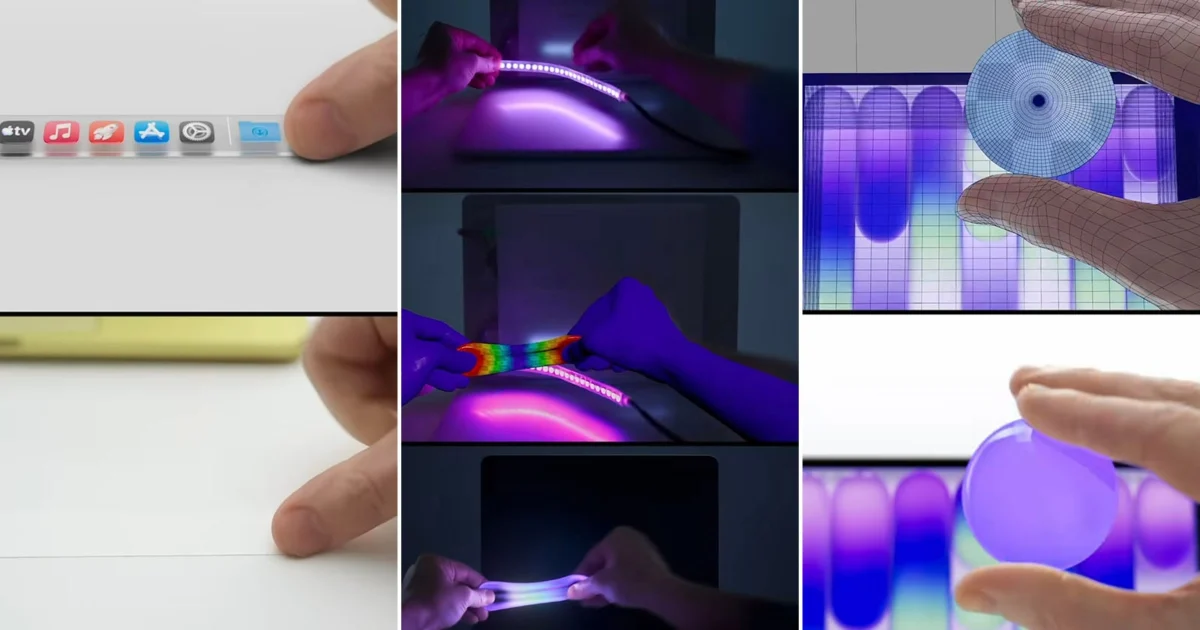
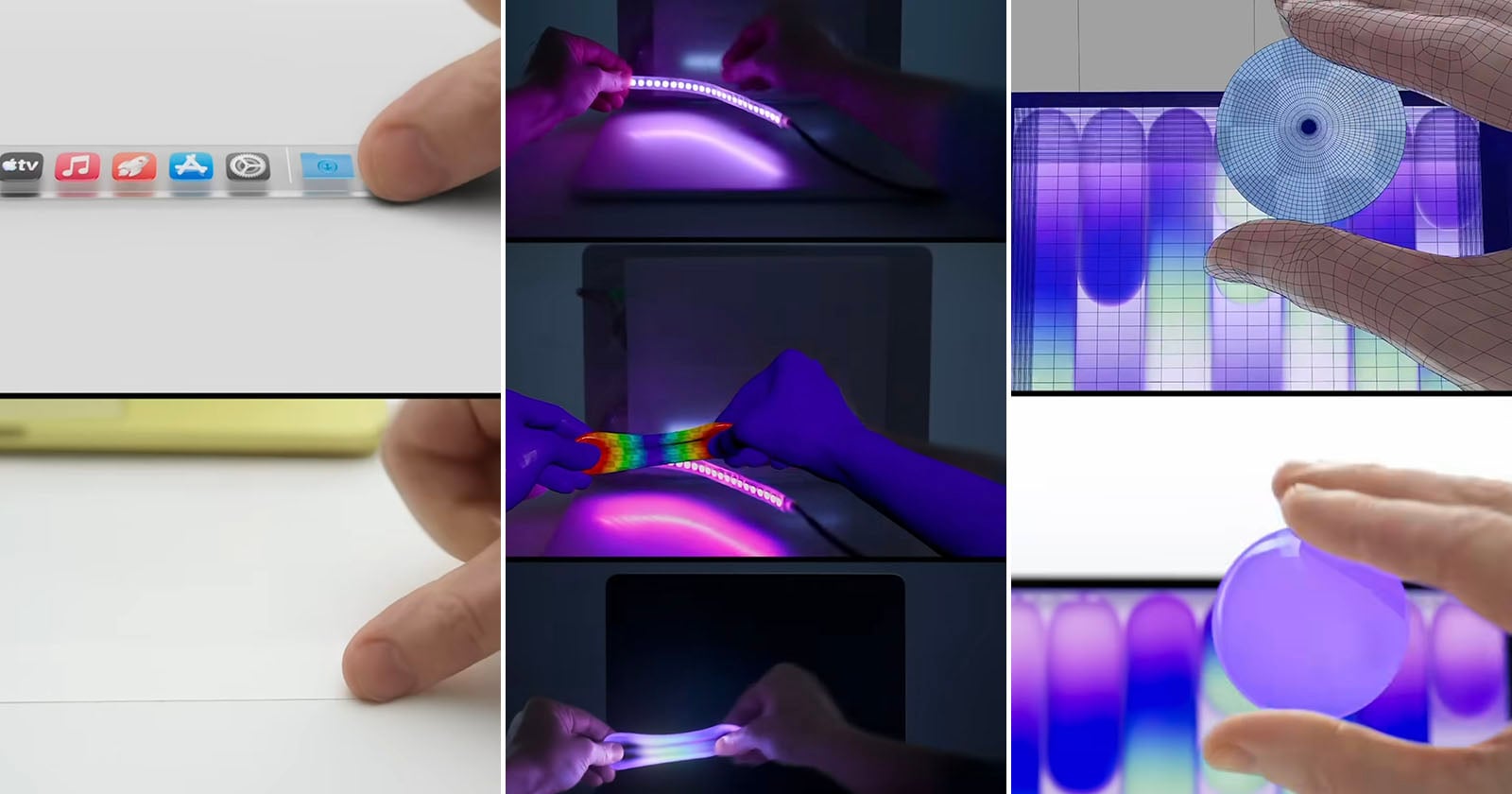
While the MacBook Neo’s market performance has been remarkable, the underlying story of its launch video reveals a fascinating insight into Apple’s enduring commitment to craftsmanship, even in its marketing endeavors. The initial promotional video, a seamless visual symphony of product shots, vibrant animations, and dynamic transitions, left many viewers assuming a heavy reliance on purely digital effects. However, Apple’s subsequent release of a behind-the-scenes YouTube Short offered a rare glimpse into the meticulous practical techniques employed to create much of the polished final product.
This peek into Apple’s creative process showcased what the company aptly described as "handmade magic." It highlighted a deliberate choice to integrate real-world props, intricate set pieces, and clever in-camera shooting techniques alongside sophisticated post-production CGI. This hybrid approach stands in stark contrast to an industry increasingly leaning on purely digital rendering and, more recently, generative AI for marketing content. The decision underscores Apple’s brand ethos, which often emphasizes tactile experiences, human ingenuity, and attention to detail—qualities it strives to reflect not just in its products but also in their presentation.
The production team, a collaborative force of designers, engineers, and visual artists, meticulously crafted miniature environments and utilized unconventional methods to achieve specific visual effects. For instance, what appeared to be a dynamically shifting digital trackpad was, in reality, a simulated, physically built model. Explosions of color and light, seemingly rendered through complex algorithms, were often achieved through stop-motion fireworks sequences, strategically placed LED strip lights, and miniature confetti cannons. These practical elements, captured directly by cameras, provided an authentic texture and dynamic realism that purely digital effects often struggle to replicate, grounding the fantastical elements in a tangible reality.
A Chronology of Impact and Revelation
The journey of the MacBook Neo, from its initial announcement to the revelation of its marketing secrets, unfolded rapidly:
- Early March 2026: Apple officially unveils the MacBook Neo during a highly anticipated virtual event. The launch video, a visual spectacle, immediately captures global attention, showcasing the laptop’s features and design. The $599 price point is a major talking point, signaling Apple’s aggressive push into a new market segment.
- Mid-March 2026: Following the launch, Apple CEO Tim Cook announces record-breaking sales figures for the MacBook Neo, specifically highlighting its unprecedented success in attracting first-time Mac customers. Shipping estimates for new orders begin to stretch, indicating demand far outstripping initial supply.
- Late March / Early April 2026: Industry analysts publish reports detailing the MacBook Neo’s potential to disrupt the budget laptop market. Initial sales data suggests a significant demographic expansion for Apple’s user base. Competitors reportedly begin re-evaluating their own entry-level product strategies.
- Mid-April 2026: Apple releases a behind-the-scenes video, initially as a YouTube Short, detailing the extensive use of practical effects and handcrafted elements in the MacBook Neo’s launch advertisement. This revelation sparks widespread discussion within the creative and marketing industries regarding the efficacy and authenticity of blended production techniques.
This timeline illustrates not only the product’s immediate market success but also Apple’s strategic decision to unveil the complexity behind its marketing, reinforcing its brand image as a company that values artistry and human endeavor.
Industry Reactions and Expert Analysis
The blend of practical effects and CGI in the MacBook Neo’s launch video has generated considerable discussion among marketing professionals and industry observers. Many view Apple’s approach as a refreshing counter-narrative to the prevailing trend of relying heavily on purely digital solutions, and increasingly, generative artificial intelligence, for content creation.
Dr. Eleanor Vance, a leading professor of marketing communications at the University of Global Business, commented, "Apple has once again demonstrated its mastery of brand storytelling. In an era where so much content can be conjured from algorithms, their choice to invest in ‘handmade magic’ is a powerful statement. It speaks to authenticity, craftsmanship, and a human touch that resonates deeply with consumers, especially when introducing a product designed to be more accessible." Vance further suggested that this strategy could serve as a benchmark for other brands looking to differentiate themselves in a crowded digital landscape, emphasizing that while CGI offers efficiency, practical effects can provide an unparalleled sense of tangibility and wonder.
Moreover, the financial implications of such a production method are not insignificant. While practical effects can be more labor-intensive and require specialized teams and physical resources, the resulting authenticity often yields a higher return on engagement and brand loyalty. "It’s a testament to Apple’s confidence in its brand and its willingness to invest in quality at every touchpoint," stated Marcus Chen, a tech industry analyst at Global Insights Group. "They could have opted for a cheaper, fully CGI route, but that would have missed the opportunity to reinforce their core values of design and meticulous execution. The $599 price point of the Neo, combined with this high-production marketing, sends a clear message: quality is now more accessible, but the Apple standard remains uncompromised."
The video’s impact extends beyond mere aesthetic appreciation. It serves as a subtle yet potent commentary on the evolving role of human creativity in a tech-dominated world. As generative AI tools become more sophisticated, the debate about their place in creative industries intensifies. Apple’s deliberate choice to showcase the human effort behind its polished marketing suggests a strong stance on valuing skilled artistry and practical innovation, rather than solely relying on automated content generation. This approach not only provides a competitive advantage in terms of brand perception but also offers a template for how technology and traditional artistry can symbiotically enhance each other.
Broader Impact and Strategic Implications
The success of the MacBook Neo and the innovative marketing strategy behind it carry significant implications for Apple, the broader tech industry, and the future of advertising.
For Apple, the Neo’s performance solidifies its position as a formidable player in the budget-friendly laptop market, a segment it had largely ceded to competitors for years. This move is expected to expand Apple’s user base significantly, bringing new customers into its tightly integrated ecosystem of hardware, software, and services. The strategic pricing, coupled with robust performance delivered by the iPhone 16 Pro chip, makes the MacBook Neo a compelling alternative to mid-range Windows laptops and high-end Chromebooks, potentially shifting market dynamics and forcing competitors to re-evaluate their own product offerings and pricing structures. The "best launch week ever for first-time Mac customers" is not merely a sales metric; it represents a successful long-term investment in future ecosystem loyalty.
For the wider tech industry, Apple’s hybrid marketing approach could inspire a renewed appreciation for practical effects and hands-on creative work. In a landscape increasingly populated by generic, AI-generated content, a campaign that transparently showcases human ingenuity and craftsmanship stands out. This could lead to a trend where brands, particularly those emphasizing design and quality, seek to integrate more tangible, "real-world" elements into their digital marketing, fostering a deeper, more authentic connection with consumers. It also challenges the notion that cutting-edge technology marketing must solely rely on digital wizardry, demonstrating that the magic can often be found in the physical world.
Furthermore, this development contributes to the ongoing discourse about the role of human creativity versus artificial intelligence in the arts and commercial production. Apple’s emphasis on "handmade magic" serves as a powerful endorsement of human artists and production teams, implicitly suggesting that while technology can augment creativity, it cannot entirely replace the unique vision and tactile skill of human endeavor. This could encourage continued investment in human talent within the creative industries, ensuring that practical skills and innovative craftsmanship remain central to high-impact marketing.
In conclusion, the MacBook Neo’s launch represents more than just a successful product release; it is a testament to Apple’s evolving market strategy and its unwavering commitment to distinctive, high-quality storytelling in its marketing. By democratizing access to the Mac experience through a competitively priced device and simultaneously elevating its promotional content with a masterful blend of practical and digital artistry, Apple has set a new standard for engaging consumers and expanding its global footprint. The "handmade magic" behind the Neo’s introduction is not just a behind-the-scenes curiosity but a strategic choice that powerfully reinforces the brand’s core values, resonating deeply with a new generation of Apple users.