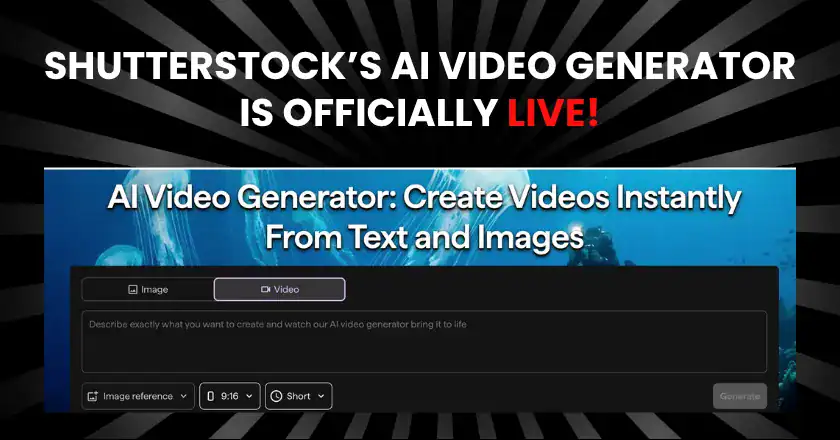
The global landscape of digital content creation has undergone a fundamental transformation with the official commercial release of Shutterstock’s AI Video Generator, a move that signals the end of the experimental phase of generative video and the beginning of its integration into professional enterprise workflows. For years, the emergence of artificial intelligence in the creative sector was defined by impressive but often legally ambiguous demonstrations; however, Shutterstock has moved to bridge the gap between technical capability and commercial viability. By synthesizing advanced machine learning models from industry leaders like Google and Runway into a single, cohesive platform, the company is offering a solution designed specifically for the rigors of modern marketing, advertising, and corporate communication.
This launch represents a strategic pivot for Shutterstock, transitioning from a traditional repository of stock media to a comprehensive generative AI powerhouse. The tool allows users to generate high-quality video clips from simple text prompts, leveraging a massive dataset that has been ethically sourced and curated. This development comes at a time when the demand for short-form video content on platforms such as TikTok, Instagram, and LinkedIn is at an all-time high, often outstripping the production capacity of small to medium-sized creative teams.
Technical Architecture and Strategic Partnerships
At the core of the AI Video Generator is a sophisticated multi-model architecture. Rather than relying on a single proprietary engine, Shutterstock has opted for an ecosystem approach, integrating world-leading technologies to ensure versatility and high-fidelity output. The platform utilizes models from Google—specifically leveraging the infrastructure of Google Cloud’s Vertex AI—and advanced video generation technology from Runway.
Runway, a pioneer in the generative video space, provides the creative "engine" that handles complex temporal consistency, ensuring that objects and characters within a generated video maintain their form and logic across frames. Meanwhile, the integration with Google’s ecosystem allows for rapid processing and the potential for future scaling into more complex multimodal applications. This partnership strategy ensures that users are not limited to the capabilities of one developer but instead benefit from a "best-of-breed" technology stack managed through Shutterstock’s familiar user interface.
A Chronology of Shutterstock’s AI Evolution
The release of the AI Video Generator is not an isolated event but the culmination of a multi-year roadmap focused on ethical AI development. To understand the significance of this launch, one must look at the timeline of Shutterstock’s technological adoption:
- October 2022: Shutterstock announced a landmark partnership with OpenAI to integrate DALL-E 2 into its platform, becoming one of the first major stock agencies to offer AI image generation. Crucially, they launched the "Contributor Fund" to compensate artists whose work was used to train these models.
- May 2023: The company acquired GIPHY from Meta, significantly expanding its footprint in short-form visual communication and mobile-first content.
- July 2023: Shutterstock expanded its relationship with OpenAI, signing a six-year deal to provide high-quality training data, while also securing access to the latest generative technology for its own product line.
- Early 2024: Beta testing for the AI video tool commenced, focusing on refining user prompts and ensuring that the output met professional resolution and frame-rate standards.
- Current Launch: The official rollout of the AI Video Generator, now fully integrated into the Shutterstock library and creative suite.
Commercial Safety and the Contributor Compensation Model
The most significant hurdle for the adoption of generative AI in the corporate world has been the "black box" nature of training data. Many AI models have been trained on scraped internet data without the consent of the original creators, leading to significant legal risks for companies using the resulting output. Shutterstock has addressed this through a "responsible AI" framework.
The AI Video Generator is trained on Shutterstock’s own library of hundreds of millions of licensed images, videos, and music tracks. Because the company owns or has the rights to the training data, it can offer users full legal indemnification—a critical feature for enterprise clients who require a guarantee that their marketing materials will not be subject to copyright infringement claims.
Furthermore, the Shutterstock Contributor Fund continues to play a vital role. This initiative ensures that the photographers, videographers, and digital artists whose work powers the AI models receive a share of the revenue generated by the AI tools. This ethical approach has been praised by industry analysts as a sustainable model for the future of the "creator economy," balancing technological progress with the protection of intellectual property rights.
Industry Data: The Rising Demand for Video
The launch of this tool is supported by compelling market data regarding the consumption of digital media. According to recent industry reports, video content is no longer an optional component of marketing; it is the primary driver of engagement.
- Market Penetration: Approximately 91% of businesses now use video as a marketing tool, an all-time high since tracking began.
- Consumer Preference: Users are 52% more likely to share video content than any other type of content, including social media posts and blog articles.
- Production Barriers: Despite the demand, 43% of small business owners cite "lack of time" and "high costs" as the primary reasons they cannot produce enough video content.
Shutterstock’s AI Video Generator directly addresses these pain points. By reducing the time required to create a five-second B-roll clip from hours of filming or searching to seconds of processing, the tool democratizes high-end video production for businesses that lack the budget for traditional film crews.
User Interface and Workflow Integration
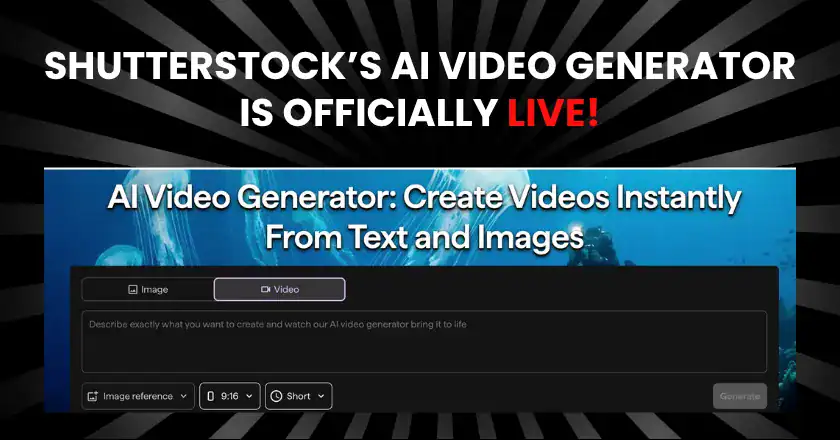
The AI Video Generator is designed to be accessible to users regardless of their technical expertise. The interface features a simple text-entry field where users can describe the scene they wish to create. Advanced settings allow for the selection of aspect ratios (such as 16:9 for YouTube or 9:16 for mobile-first social platforms) and specific aesthetic styles, ranging from cinematic and photorealistic to 3D render and minimalist animation.

Once a video is generated, it is not treated as a standalone file. Instead, it is integrated into the broader Shutterstock ecosystem. Users can immediately bring their AI-generated clips into the Shutterstock Editor to add text overlays, logos, and music from the site’s vast royalty-free audio library. This end-to-end workflow is designed to minimize "platform fatigue," where creators are forced to jump between multiple subscriptions and software applications to complete a single project.
Broader Implications for the Creative Industry
The introduction of commercial-ready AI video generation is expected to ripple through several sectors of the economy:
1. Advertising and Marketing Agencies: Agencies can now produce "mood boards" and pitch videos with much higher fidelity. Instead of using static images to describe a television commercial concept, they can generate motion-based prototypes to secure client approval before a single camera is rented.
2. Social Media Management: For creators who must post daily to maintain algorithmic relevance, the AI tool serves as a "force multiplier." It allows for the rapid creation of background elements and transitional clips that would otherwise be too expensive to source.
3. Educational and Corporate Training: Human resources departments and educators can create custom visual aids for training modules, generating specific scenarios that might be difficult or dangerous to film in real life.
Official Response and Market Positioning
While some in the traditional videography community have expressed concerns regarding the automation of creative tasks, Shutterstock’s leadership has positioned the tool as an assistant rather than a replacement. The prevailing sentiment within the company is that AI handles the "commodity" aspects of content creation, freeing human creators to focus on high-level strategy, storytelling, and complex production work that requires a human touch.

Industry analysts suggest that Shutterstock’s primary competition in this space will be Adobe, with its Firefly Video Model, and OpenAI’s Sora. However, Shutterstock’s advantage lies in its deep integration with a pre-existing library of 700 million assets and its established billing relationships with millions of corporate customers worldwide.
Accessibility and Launch Incentives
To encourage adoption and allow users to calibrate their prompting skills, Shutterstock has introduced an introductory offer for all registered users. Upon signing up or logging into an existing account, users are granted two free video generations. This "test-drive" approach is intended to demonstrate the tool’s capabilities without an initial financial commitment, allowing the market to experience the speed and quality of the Runway and Google-backed engines firsthand.
As the digital economy continues to prioritize "video-first" communication, the launch of the Shutterstock AI Video Generator marks a milestone in the maturation of generative technology. It moves the conversation away from the novelty of AI-generated visuals toward a practical, legally sound, and ethically grounded tool for the global workforce. Stop dreaming and start generating: the future of video production is now a matter of professional reality.