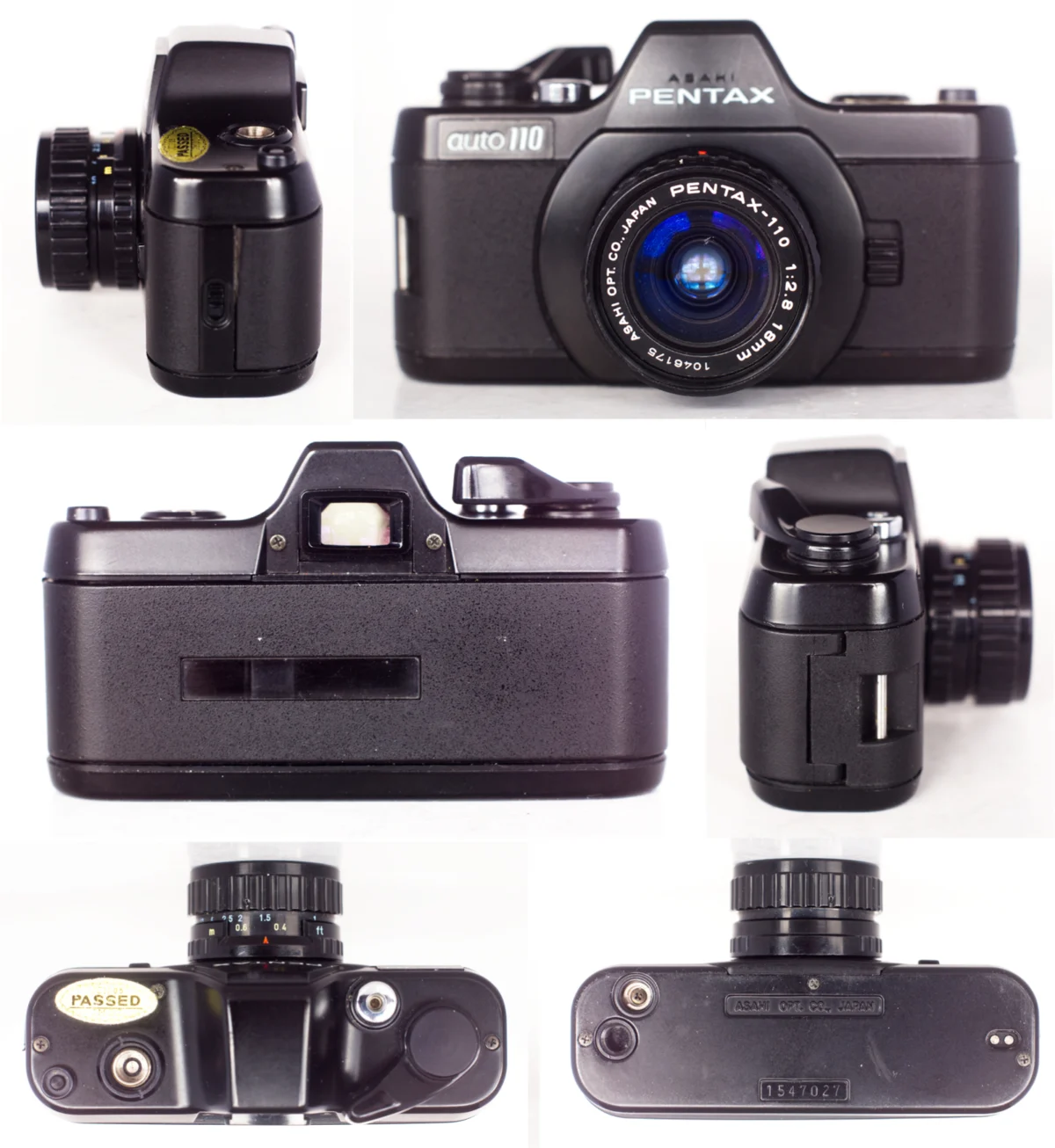
The Pentax Auto 110, introduced in 1978 as the world’s smallest interchangeable-lens single-lens reflex (SLR) camera, represents a pinnacle of miniaturized optical engineering that continues to fascinate and frustrate analog photography enthusiasts. Despite the inherent limitations of the 110 film format—a cartridge-based system launched by Kodak in 1972—the Pentax system provided a level of sophistication previously unseen in subminiature photography. Today, however, the survival of these devices faces significant hurdles, ranging from the degradation of vintage polymers to the scarcity of high-quality film stock. Recent efforts to restore and utilize a critically damaged Pentax Auto 110 underscore both the durability of the system’s optical design and the extreme measures required to maintain functionality in a post-digital landscape.
The Historical Significance of the System 10
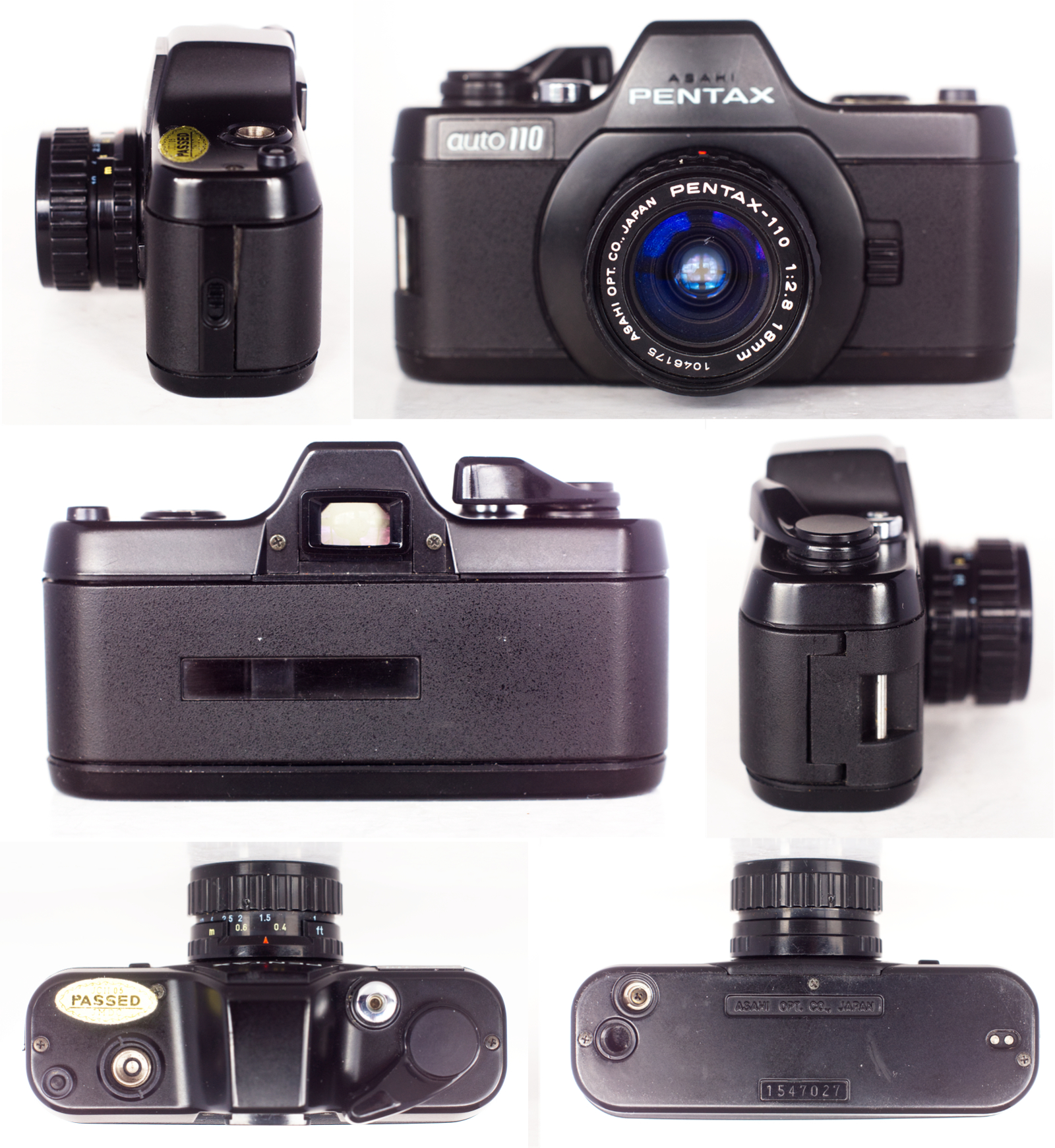
When Asahi Pentax launched the "System 10" at the Photokina trade fair in the late 1970s, it was marketed as a professional-grade tool in a pocket-sized form factor. Unlike the vast majority of 110 cameras, which were simple "point-and-shoot" devices with fixed-focus lenses and limited exposure control, the Auto 110 featured a through-the-lens (TTL) metering system and a suite of interchangeable lenses. The initial kit included an 18mm f/2.8 wide-angle, a 24mm f/2.8 standard, and a 50mm f/2.8 telephoto lens.
The camera’s technical complexity was concentrated within the body rather than the lenses. To keep the glass compact, Pentax engineers placed the aperture and shutter mechanism inside the camera housing. The two-bladed leaf shutter served a dual purpose, acting as the aperture diaphragm. This programmed automatic exposure system could handle shutter speeds from 1 second at f/2.8 to 1/750 second at f/13.5. For contemporary users, this integrated design means that mechanical failure within the body often renders the entire system, including the high-quality optics, obsolete.
Mechanical Atrophy and the Challenges of Material Science
The primary threat to the longevity of the Pentax Auto 110 is the physical degradation of its construction materials. Like many electronic devices from the late 20th century, the camera utilizes an early engineering plastic that is prone to becoming brittle over decades. This "plastic fatigue" is often exacerbated by environmental factors and chemical exposure.
In many surviving units, the most common failure point is the battery compartment. The Auto 110 relies on two G13 (LR44) alkaline or silver oxide batteries. When left in storage for years, these batteries frequently leak, releasing potassium hydroxide—a caustic agent that dissolves copper wiring and attacks the surrounding plastic. In extreme cases, the chemical reaction turns the internal chassis into a friable powder, making standard mechanical repairs impossible.
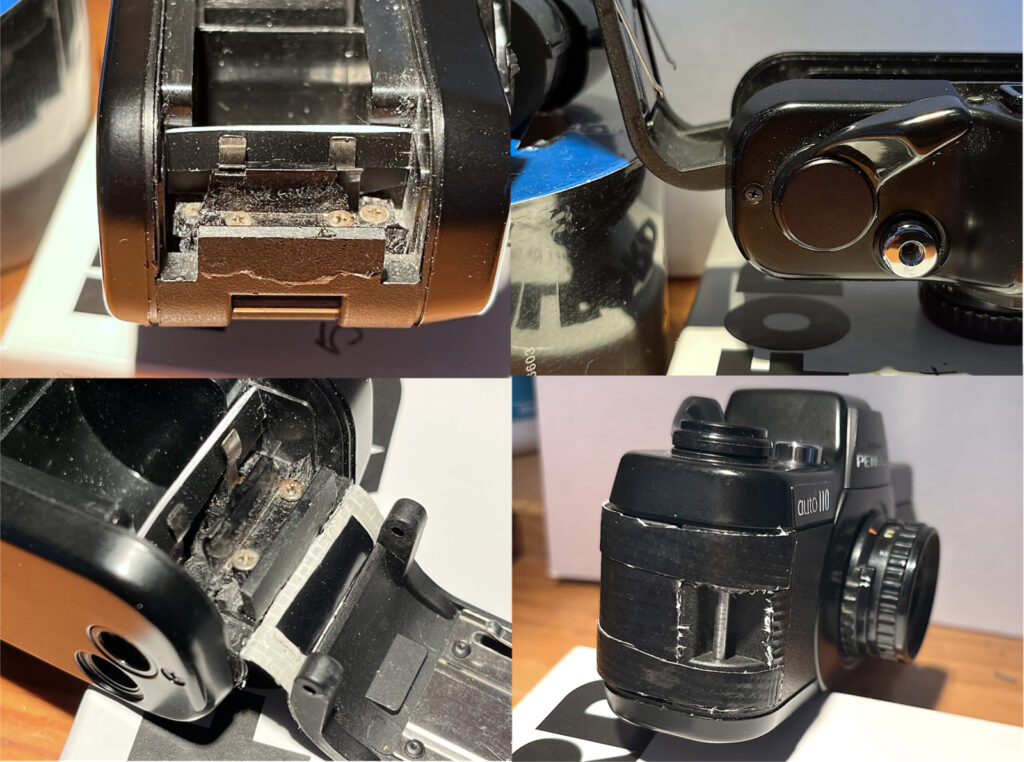
Furthermore, the physical architecture of the 110 format relies on a hinged rear door to secure the film cartridge. The hinge pins are anchored into the plastic frame; once this area is compromised by impact or chemical erosion, the camera loses its light-tight integrity. Because the 110 cartridge does not have a built-in pressure plate—relying instead on the camera’s back to press the film against the gate—a broken hinge results in immediate focus issues and severe light leaks.
A Chronology of Survival: Case Study of a Terminal Unit
The restoration of a "terminal" Pentax Auto 110 highlights the ingenuity required to bypass these material failures. In a recent technical exercise, a unit suffering from advanced battery corrosion and structural disintegration was subjected to a series of unconventional repairs to facilitate a final photographic mission.

- Structural Stabilization: The internal frame, partially dissolved by battery acid and previous unsuccessful attempts at adhesive repair, required stabilization with high-strength epoxy. This was necessary to provide a mounting point for the film speed sensor, which had defaulted to ISO 80—a common failure mode that limits the camera’s versatility in bright light.
- Hinge Reconstruction: Following the total failure of the rear door hinge, technicians utilized a combination of fabric repair tape and industrial-grade duct tape. Because the Auto 110 uses an offset hinge design to clear the body when opening, a standard butt-joint tape application was insufficient. Masking was required to prevent the adhesive from bonding to the camera’s internal edges, ensuring the door could still be opened for film changes.
- Light Leak Mitigation: Preliminary tests indicated that while the tape provided structural security, it was not 100% light-tight under direct solar exposure. This necessitated a secondary layer of opaque shielding during field use, illustrating the narrow tolerances of subminiature formats where even a microscopic leak can fog a significant percentage of the frame.
The Film Factor: Slitting and Reloading 16mm Emulsions
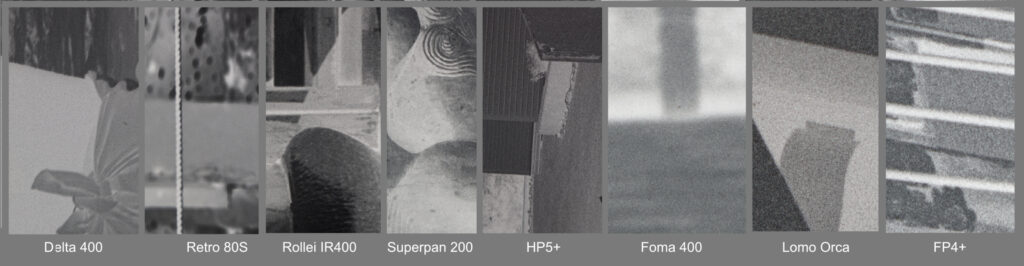
The 110 format utilizes 16mm wide film, but the discontinuation of major production lines by Kodak and Fujifilm in the early 2000s left a void in the market. While companies like Lomography have revitalized the format with new emulsions, many enthusiasts prefer to "slit" their own film from 120 or 35mm rolls to access professional-grade stocks.
The technical advantage of this approach lies in modern emulsion technology. Many contemporary monochrome films, such as Rollei Superpan 200, are derived from aerial surveillance stocks. These films are characterized by:
- High Acuity: Essential for the tiny 13mm x 17mm frame size.
- Fine Grain: Modern T-grain or specialized surveillance emulsions allow for significant enlargement that was previously impossible with 1970s consumer-grade 110 film.
- Extended Red Sensitivity: Providing better haze penetration and tonal separation.
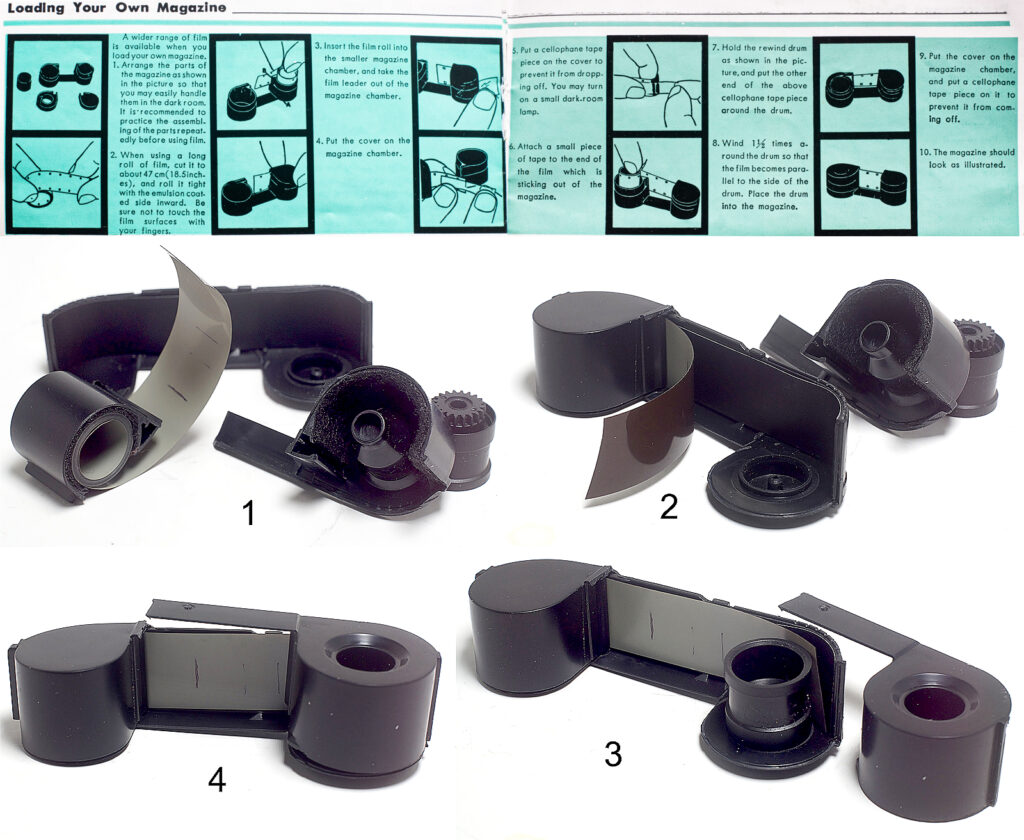
The process of reloading 110 cartridges involves stripping 16mm lengths from a 120-roll using a precision slitter. A single roll of 120 film can yield three lengths of 16mm film. These are then hand-rolled into recycled 110 cartridges in total darkness. A significant complication is the lack of backing paper in many reloaded cartridges; while this allows for more exposures per roll (up to 20 frames), it requires the user to keep track of frames manually, as the camera’s frame counter relies on the markings on the original backing paper.
Optical Analysis and Field Results
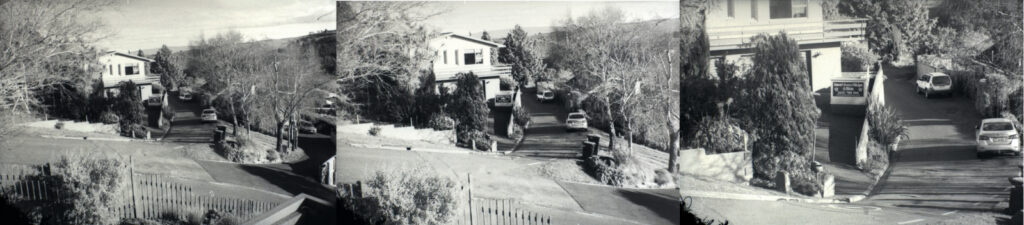
Despite the "Frankenstein" nature of repaired units, the Pentax Auto 110’s lenses remain remarkably capable. In recent field tests using Rollei Superpan 200 developed in Rodinal (1:50 dilution), the results demonstrated the high resolving power of the 18mm and 24mm lenses.

However, the use of reloaded film without original backing paper introduces a phenomenon known as "gate expansion." Most 110 cameras have a frame gate slightly larger than the standard 13x17mm. When using commercial film, the backing paper masks this extra area. With stripped film, the camera utilizes the full gate (approximately 13.5 x 19mm). While this provides a larger negative, it pushes the lenses beyond their intended image circle, resulting in noticeable vignetting—a darkening of the corners—particularly when using the 18mm wide-angle lens.
Flare also remains a concern. The compact nature of the "System 10" lenses means they lack deep internal baffling. Field reports indicate that without the original clip-on lens hoods, the lenses are highly susceptible to veiling flare when shooting into the sun. Nevertheless, the sharpness achieved at the center of the frame remains competitive with modern digital sensors of similar size, proving that the optical design of 1978 was decades ahead of its time.
Broader Implications for the Analog Community
The struggle to keep the Pentax Auto 110 operational is emblematic of a broader movement within the analog community to preserve "dead" formats. This effort is driven by a desire for a tactile, mechanical photographic experience that digital alternatives cannot replicate.
From a technical standpoint, the continued use of these cameras provides several insights:

- The Durability of Optics vs. Electronics: While the bodies fail due to battery leaks and plastic degradation, the glass elements remain pristine, suggesting that modular design is superior for long-term preservation.
- Economic Viability: Slitting film from 120 rolls reduces the per-frame cost of 110 photography, making it a sustainable hobby for those willing to invest the time in darkroom preparation.
- The "Right to Repair" Legacy: The use of duct tape, epoxy, and hand-slotted film highlights the necessity of community-driven repair knowledge in the absence of manufacturer support.
Conclusion: The Final Frame
The Pentax Auto 110 stands as a testament to an era when miniaturization was the ultimate goal of camera manufacturers. While the physical bodies of these cameras are reaching the end of their natural lifespans—succumbing to the inevitable decay of 20th-century polymers—the images they produce remain a striking reminder of the system’s original ambition.
For the hobbyist, the satisfaction of extracting high-resolution imagery from a "broken" subminiature camera is a unique form of technical triumph. However, as parts become scarcer and eyesights age, the community must confront the reality that these devices are finite. The final outing of a repaired Auto 110 is not just a photographic exercise; it is a farewell to a specific branch of engineering excellence that paved the way for the pocketable high-performance cameras of the modern age. As these "little gems" eventually move into display cases or recycling bins, the data and techniques gathered from their final years will remain invaluable to the history of photographic technology.