The traditional paradigm of street photography has undergone a significant transformation as mobile technology matures, allowing photographers to utilize adverse weather conditions—once considered a deterrent—as a primary creative catalyst for high-impact urban documentation. While amateur enthusiasts often sequester their equipment during periods of rain, snow, or fog, professional practitioners, such as Philadelphia-based fine art photographer Andrew Gimblet, argue that these meteorological events provide unique atmospheric textures and storytelling opportunities that are absent during clear-sky conditions. The evolution of the smartphone, specifically the iterative advancements in the iPhone’s sensor technology and computational photography, has democratized the ability to capture complex lighting and environmental details that were previously the sole domain of high-end DSLR systems.
The Technical Evolution of Mobile Street Photography
The shift toward bad-weather photography is underpinned by the rapid advancement of mobile hardware. Since the introduction of the iPhone 7, which featured the first significant water-resistance rating (IP67), the hardware has evolved to the current IP68 standard, which allows for immersion in water up to six meters for 30 minutes. This technical durability has fundamentally changed the "rules of engagement" for street photographers. No longer restricted by the fear of equipment failure due to moisture, artists are now free to engage with the environment directly.
Supporting data from market research indicates that the "shot on mobile" movement has seen a 40% increase in social media engagement when the content features dramatic weather elements. This trend is attributed to the "moody" aesthetic, characterized by high contrast, muted color palettes, and natural diffusion provided by precipitation or mist. Furthermore, the integration of Optical Image Stabilization (OIS) and Night Mode in recent iPhone iterations has enabled photographers to maintain sharp focus and manageable ISO levels even under the heavy, overcast skies that accompany storm fronts.
Strategic Approaches to Rain-Based Composition
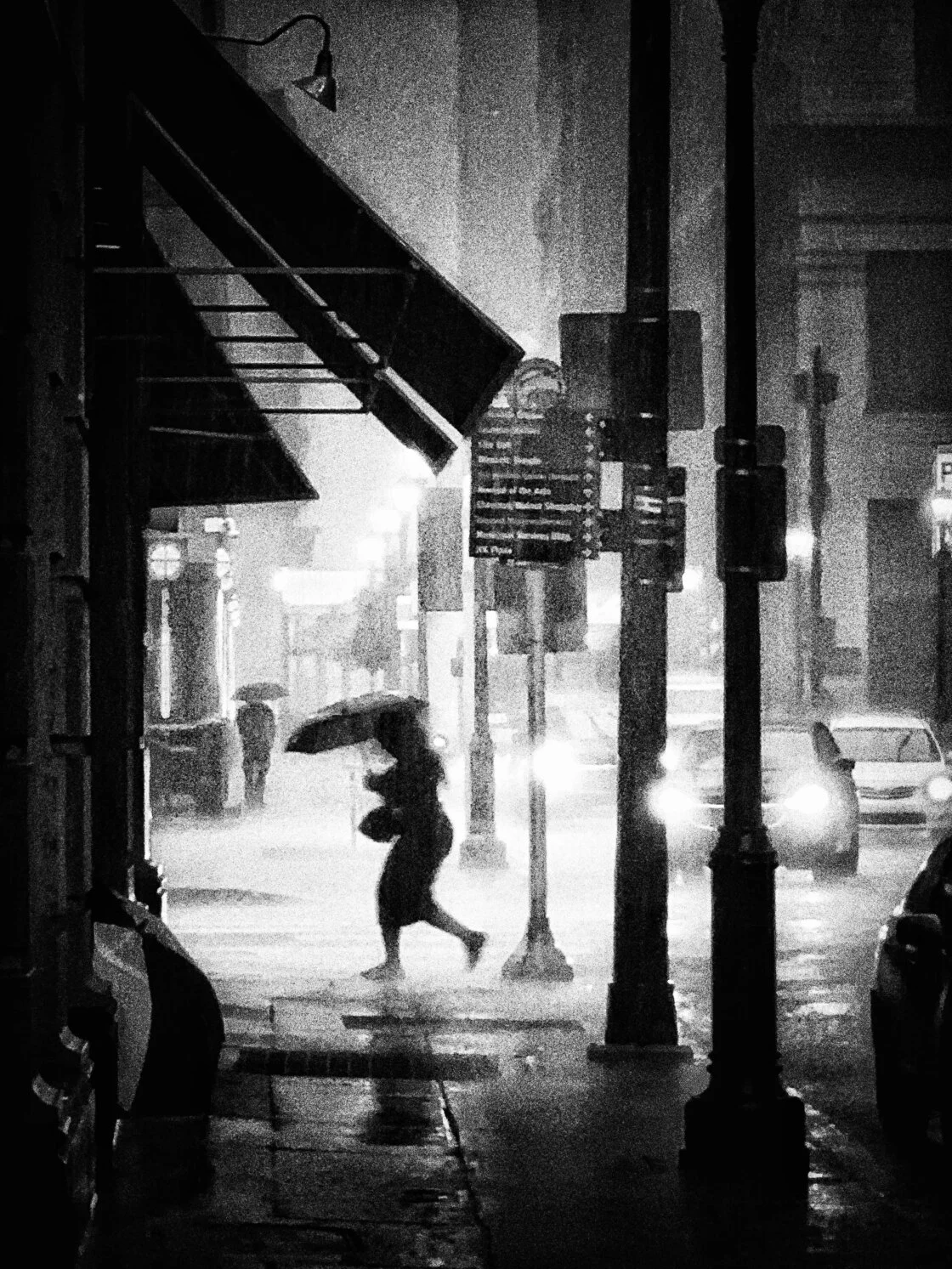
Rain serves as a multifaceted tool for the street photographer, acting as both a physical filter and a source of geometric interest. Professional methodologies suggest that the most effective way to document a rainy city is to utilize "covered vantage points." By positioning oneself under awnings, bus shelters, or architectural archways, the photographer remains dry while capturing the kinetic energy of the street.
A critical element of rain photography is the "focal point" provided by umbrellas. From a compositional standpoint, umbrellas offer bold colors and circular shapes that contrast sharply with the linear, often gray, architecture of urban centers. They also serve as narrative devices; the way a subject holds an umbrella or navigates a crowded sidewalk in a downpour conveys immediate emotional data—urgency, solitude, or resilience.
Abstract Realism and Window Optics
Advanced practitioners often employ a technique known as "macro-street hybridity," which involves shooting through rain-slicked windows. This can be achieved from the interior of cafes, transit buses, or public shelters. By placing the iPhone lens in close proximity to the glass and manually setting the focus on the raindrops themselves, the background—the actual street scene—is rendered as a soft, impressionistic blur.
This technique relies on the "bokeh" effect, which, on mobile devices, is increasingly managed through computational depth-mapping. When the focus is locked on the foreground droplets, the resulting image takes on an abstract quality, drawing the viewer into a more intimate, sensory experience of the city. This approach is particularly effective for photographers looking to move beyond literal documentation and into the realm of fine art.
The Physics and Art of Puddle Reflections
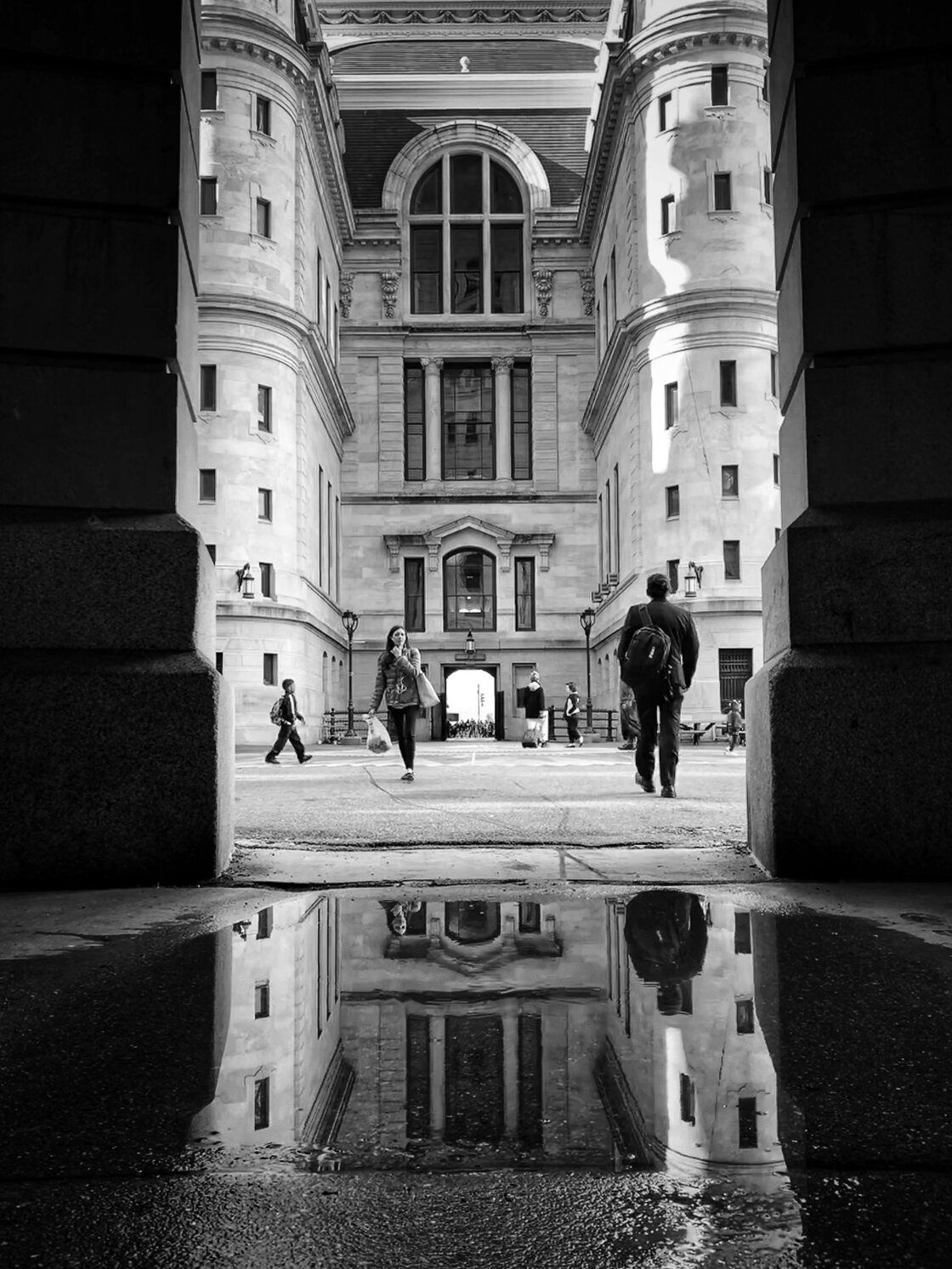
Post-precipitation environments offer a different set of opportunities, primarily through the emergence of puddles. Puddle reflection photography requires a fundamental shift in perspective. To maximize the clarity and scale of a reflection, the photographer must achieve a low-angle orientation. Andrew Gimblet and other experts recommend flipping the iPhone upside down, placing the camera lens as close to the water’s surface as possible.
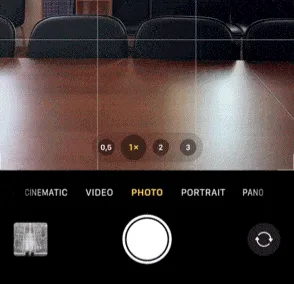
This orientation allows the lens to capture a symmetrical view of the city’s architecture, effectively doubling the visual information in the frame. To ensure a dynamic subject, photographers often utilize "Burst Mode." By holding the shutter button (or dragging it on newer models), the device captures a rapid sequence of frames. This allows the photographer to select the precise millisecond when a pedestrian’s gait or a vehicle’s position perfectly aligns with the reflected composition.
Narrative Storytelling Through Snow and Cryospheric Elements
Snowfall is frequently cited by urban photographers as the most transformative weather event. It acts as a natural "blanket," simplifying complex urban textures and providing a high-key background that makes subjects stand out. However, snow photography presents unique technical challenges regarding exposure. Because camera light meters are calibrated to "18% gray," the overwhelming whiteness of a snowy scene can trick the sensor into underexposing the image, resulting in gray, muddy-looking snow.
To counteract this, practitioners must manually adjust the exposure slider by tapping the subject and swiping upward on the screen. This ensures that the whites remain crisp and bright. Beyond the technical, snow is a powerful storytelling medium. The body language of people fighting the elements—huddled shoulders, heavy coats, the steam of breath—provides a raw, human element to street photography that is difficult to replicate in temperate conditions.
Meteorological Minimalism: The Role of Fog
Fog and mist provide a natural diffusion that simplifies the urban landscape, removing distracting background elements and creating a sense of "depth through fading." This phenomenon, known as aerial perspective, occurs as objects further from the lens lose contrast and detail.
In foggy conditions, the primary objective is to find a strong foreground subject to anchor the image. A lone figure emerging from or disappearing into the mist creates a sense of mystery and narrative tension. Furthermore, fog is ideal for capturing "leading lines," such as bridges, railway tracks, or long avenues. As these structures fade into the white void, they draw the viewer’s eye deeper into the frame, creating a three-dimensional effect on a two-dimensional medium.
Monochromatic Mastery in Low-Contrast Environments
One of the most significant challenges of bad-weather photography is the "flattening" of color. Rain, snow, and fog often result in a muted, monochromatic-blue or gray cast that can make photos appear dull. The professional solution is often to convert these images to black and white during the post-processing phase.
Black and white editing removes the distraction of muddy colors and forces the viewer to focus on light, shadow, texture, and form. For a successful black and white conversion, the photographer must seek out areas of high contrast. This includes:
- Natural Highlights: Light reflecting off wet pavement or the bright sky through a fog bank.
- Deep Shadows: The interiors of tunnels, alleyways, or the silhouettes of subjects against a bright background.
- Texture: The grain of falling snow or the intricate patterns of raindrops on a surface.
The Software Ecosystem: Post-Processing for Impact
The final stage of bad-weather mobile photography occurs within the digital darkroom. While the built-in iOS Photos app offers robust basic tools, professional street photographers often migrate their workflow to specialized applications such as Adobe Lightroom Mobile, Snapseed, or Blackie.
Lightroom is favored for its "Dehaze" and "Clarity" tools, which can either accentuate or diminish the atmospheric effects of fog and rain. Snapseed offers localized editing through its "Selective" and "Brush" tools, allowing the photographer to brighten a subject’s face or darken a specific shadow without affecting the entire image. Blackie is highly regarded for its ability to emulate classic film stocks, providing a "gritty" or "grainy" texture that complements the somber mood of a stormy city.
Chronology of Urban Street Photography Evolution
To understand the current state of mobile photography, it is necessary to view it through a historical lens:
- The Leica Era (1920s-1950s): Street photography is born with portable 35mm cameras. Weather is a major obstacle due to slow film speeds and lack of weather sealing.
- The SLR Boom (1960s-1990s): Improved lenses and faster films allow for better low-light performance, but heavy equipment remains cumbersome in rain and snow.
- The Digital Revolution (2000s): DSLRs introduce instant feedback, but moisture remains a high-risk factor for electronic sensors.
- The Smartphone Disruption (2010-Present): The iPhone 4 and subsequent models turn everyone into a potential documentarian. The introduction of IP-rated water resistance (2016) and Night Mode (2019) removes the final barriers to bad-weather shooting.
Broader Impact and Industry Implications
The ability to capture high-quality urban imagery in adverse weather has profound implications for journalism, urban planning, and the fine arts. News outlets now frequently rely on "citizen journalists" to provide real-time visual data during extreme weather events, as the device in their pocket is often more capable and more protected than professional television gear of a decade ago.
From an artistic perspective, this trend reflects a move toward "Slow Photography" and "Intentional Observation." By choosing to go out when others stay in, photographers like Andrew Gimblet are documenting a side of the city that is rarely seen but deeply evocative. This body of work serves as a record of urban resilience and the quiet, often overlooked beauty found in the "gaps" of the weather cycle.
In conclusion, the modern street photographer no longer views a storm as a reason to retreat. Instead, it is an invitation to witness the city in a state of flux. Through a combination of technical hardware resilience, strategic compositional choices, and sophisticated post-processing, the iPhone has become a formidable tool for capturing the raw, atmospheric essence of the urban experience. As sensor technology continues to bridge the gap between mobile and professional optics, the "bad weather" photo will likely remain at the forefront of contemporary visual storytelling.