The journey onto a professional photography or videography set for the first time marks a pivotal moment in an emerging creative’s career, often characterized by an intense blend of stress and profound learning. This high-octane environment demands peak performance from every team member, from the gaffer to the director of photography. For those embarking on their initial forays into this demanding landscape, understanding the underlying dynamics and operational realities is paramount to transforming potential overwhelm into a successful, enriching experience. With the content creation industry experiencing unprecedented growth, the influx of new talent necessitates a clear understanding of the unwritten rules and practical wisdom garnered from hundreds of commercial productions. This article distills critical insights designed to equip newcomers with the foresight needed to excel in this fast-paced, collaborative domain.
The Diverse Landscape of Professional Production Sets
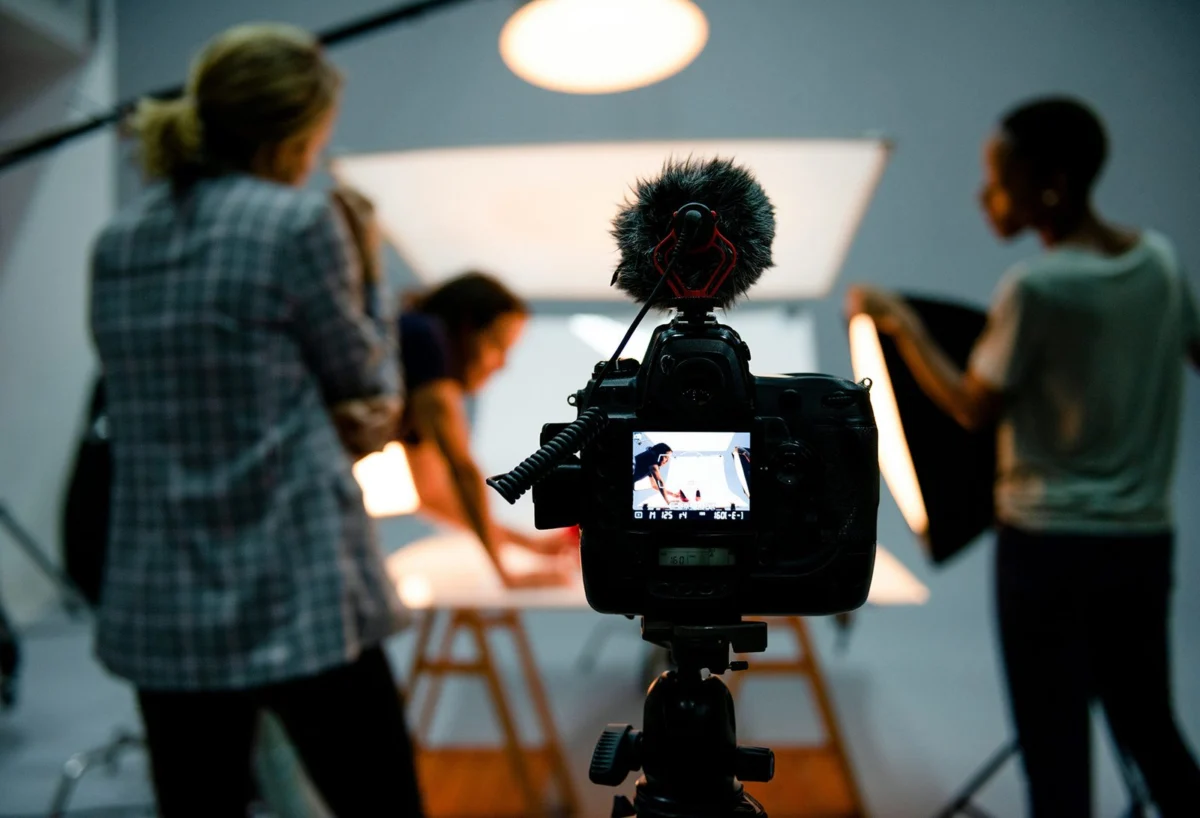
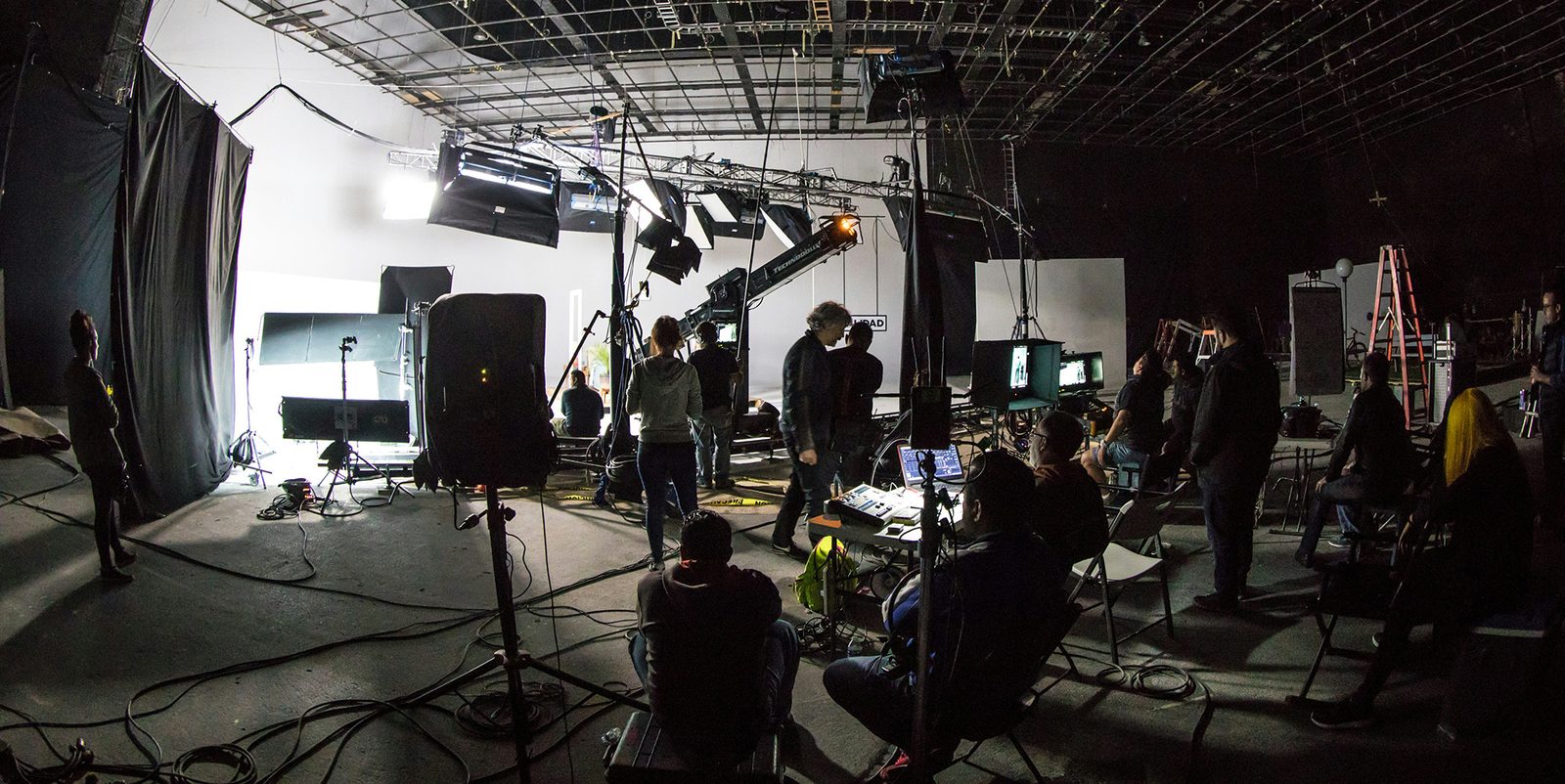
One of the most immediate realities confronting a newcomer on a professional set is its inherent variability. Unlike standardized corporate offices or predictable retail environments, a professional production set is a chameleon, adapting its form and function to the specific demands of each project. These environments can range dramatically, from a compact 200-square-foot pop-up studio nestled within an unassuming strip mall—designed for quick product shots or simple interviews—to sprawling multi-million dollar sound stages equipped with extensive rigging, advanced lighting systems, and a vast array of cutting-edge grip and camera gear. This spectrum underscores a fundamental truth: there is no single "standard" professional studio or production house configuration.
For instance, a commercial shoot for a small e-commerce brand might utilize a minimalist setup in a rented co-working space, leveraging natural light and a small, agile crew. Conversely, a large-scale advertising campaign for a global brand could involve dozens of crew members, multiple camera units, complex lighting arrays, and specialized equipment such as motion control rigs or drone systems, all orchestrated within a dedicated soundstage or a meticulously scouted on-location site. This unpredictability in scale and location mandates a flexible mindset and an acute sense of adaptability from all participants, especially those early in their careers. According to industry veteran and commercial photographer, Sarah Jenkins, "Every set is a new puzzle. The ones who thrive are those who can quickly assess the environment and adjust their approach without missing a beat." Understanding this foundational variability is the first step in cultivating the resilience required to thrive in an industry where every project presents its unique set of challenges and opportunities.
The Imperative of Contingency Planning: Expecting the Unforeseen
In the high-stakes world of professional production, where budgets can run into the tens or hundreds of thousands of dollars per day, and deadlines are often immutable, the adage "expect the unexpected" transcends mere cliché; it becomes a fundamental operational principle. Seasoned professionals consistently emphasize the critical importance of rigorous contingency planning. This involves not only anticipating potential equipment malfunctions but also preparing for unforeseen logistical hurdles and creative shifts that are endemic to dynamic production environments.
A 2023 survey of leading production managers by the Creative Industry Council revealed that approximately 35% of commercial shoots encounter some form of unexpected technical issue or logistical delay. These can range from minor inconveniences, such as a burnt-out flash tube, to significant disruptions like a primary camera system failure or the non-arrival of a crucial piece of rented equipment. When such incidents occur, particularly with numerous stakeholders observing, the ability to swiftly pivot and implement backup solutions is paramount to maintaining schedule integrity and project momentum. The financial implications of downtime on set—which can easily run into thousands of dollars per hour, depending on crew size and equipment rental costs—underscore the business imperative behind meticulous preparation and redundancy planning.
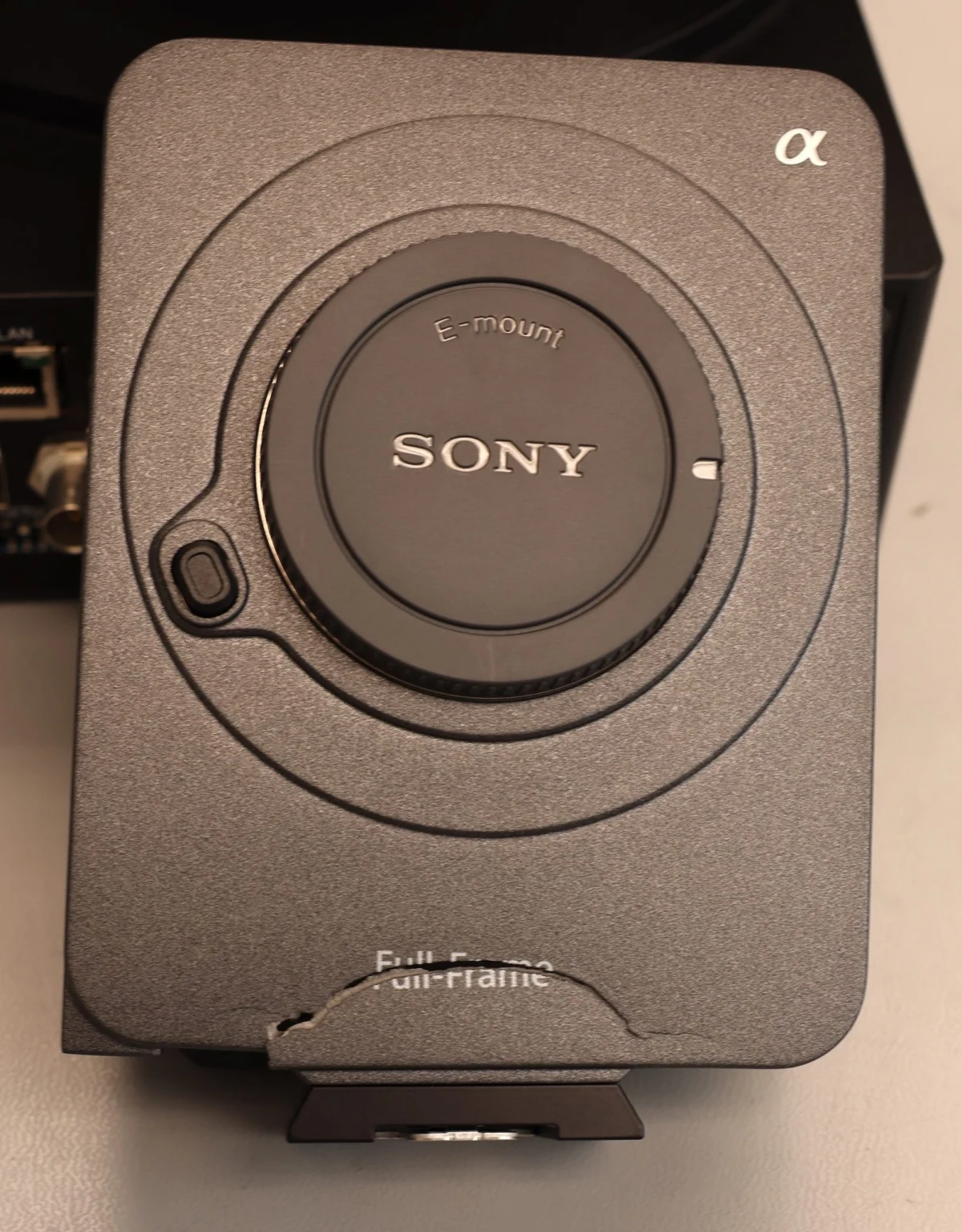
Professionals often arrive on set with a comprehensive array of backup equipment. This typically includes redundant camera bodies, spare lenses covering essential focal lengths, multiple wireless triggers, backup strobes or continuous lighting units, and an ample supply of fully charged batteries and formatted memory cards. This practice is particularly vital for freelance professionals who often supply their own gear. For example, a photographer on a product shoot might carry a secondary camera body with a different lens mount system, ensuring that a broad range of optical options remains available even if their primary system fails. Similarly, a videographer might bring an extra audio recorder or multiple lavalier microphones to mitigate potential issues with sound capture, a common point of failure.
When production houses are responsible for providing equipment, proactive communication with the grip and lighting department (or rental house) is crucial. It is standard practice to inquire about available replacements and discuss potential alternatives for requested gear. For instance, if a specific 3-foot Octobox is requested but unavailable on the shoot day, having a pre-approved list of comparable softbox alternatives can prevent costly delays during the initial setup. This proactive approach, often involving the creation of an "optional replacements" itinerary, streamlines the morning workflow and minimizes disruptions, directly contributing to a smoother, more efficient production day.
Leadership and On-Set Culture: The Ripple Effect of Attitude
The psychological atmosphere on a professional set is profoundly influenced by leadership, particularly the creative director or project lead. This dynamic forms a discernible "top-down" stress gradient, where the demeanor and management style of those in charge directly impact the entire crew’s morale and performance. Experiences on set can vary wildly, from intensely stressful environments where the palpable tension of a creative director struggling with schedule overruns or unmet creative visions permeates the entire space, to collaborative, almost convivial atmospheres where discussions about art, music, and shared interests flow freely alongside productive work.
Industry studies on workplace psychology, such as those published by the Harvard Business Review, indicate that leadership behavior accounts for up to 70% of team climate. A leader exhibiting high stress, anxiety, or impatience can inadvertently create a tense, fear-driven environment that stifles creativity and increases the likelihood of errors. Conversely, a calm, confident, and approachable creative director can diffuse tension, foster open communication, and empower team members to perform at their best. For emerging professionals, recognizing this dynamic is key. While meeting project objectives is non-negotiable, maintaining a positive, professional, and collaborative attitude, even when faced with unforeseen challenges or requests that fall outside the immediate job description, is crucial.
This isn’t merely about superficial pleasantries; it’s about contributing to a constructive work environment. When crew members approach tasks with enthusiasm and a willingness to assist, even in demanding situations, it creates a positive feedback loop that elevates the collective spirit. This disposition not only enhances the immediate working experience but also significantly impacts future career opportunities. Production companies and creative directors frequently prioritize hiring individuals who demonstrate strong interpersonal skills, resilience under pressure, and a positive team-oriented attitude, alongside their technical proficiencies. A professional who handles unexpected demands with grace and a smile is far more likely to be invited back for subsequent projects, building a reputation for reliability and pleasantness that is invaluable in a relationship-driven industry. As noted by a senior producer at a major advertising agency, "We can teach technical skills, but attitude and problem-solving under pressure are inherent traits we look for. They define a professional."
The Fluidity of Production Schedules and Shot Lists
Prior to a scheduled shoot, it is standard practice for project coordinators or creative directors to distribute a comprehensive creative deck and shot list. These documents, typically in PDF format, detail every image or sequence required, often accompanied by style guidelines, mood boards, and a tightly structured shooting schedule. While these are essential navigational tools, emerging professionals must understand that these schedules and shot lists are inherently fluid documents, subject to real-time adjustments.
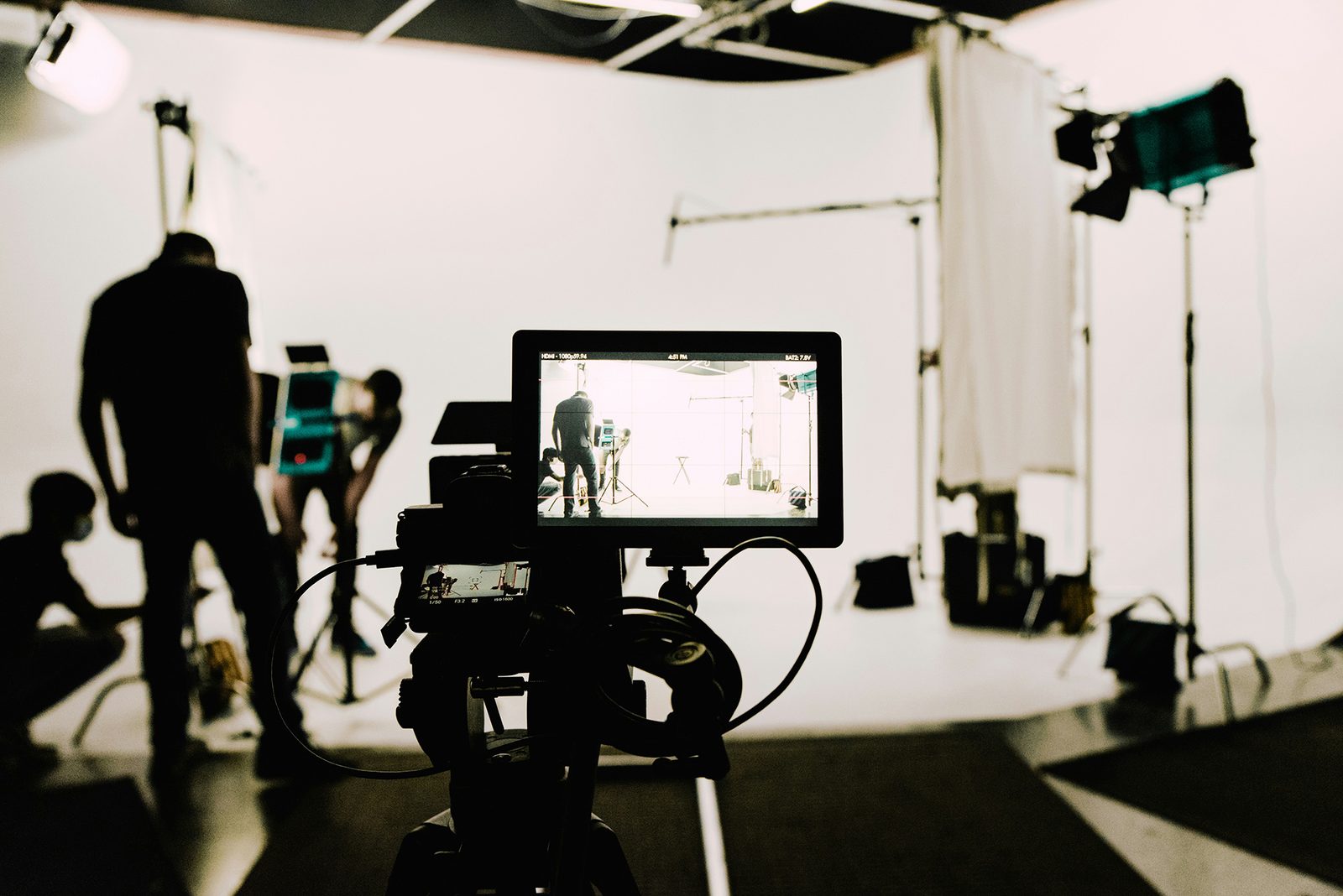
Experienced professionals often advise reviewing these documents not just for comprehension but for strategic reorganization. For instance, a schedule that intersperses product still life shots with lifestyle portraits and then reverts to product photography might be logistically inefficient. A more streamlined approach could involve consolidating all still life shots, then moving to lifestyle, minimizing equipment reconfigurations and location changes. This proactive review can identify potential bottlenecks and allow for constructive dialogue with the creative director to optimize workflow.
Furthermore, production schedules frequently underestimate the time required for set changes, lighting adjustments, talent preparation, and equipment breakdowns. A common oversight, particularly with less experienced creative directors, is failing to account for the cumulative impact of these "transition times." Consequently, it is rare for a professional shoot day to adhere precisely to its original timeline. Periods of being ahead of schedule or, more commonly, slightly behind schedule, are a normal part of the process. This inherent fluidity should not be a source of undue stress, unless delays become significant enough to jeopardize the entire day’s objectives.
The underlying reason for this flexibility is multifaceted: client feedback might necessitate on-the-spot creative changes, technical issues can emerge, talent might require additional preparation, or the creative team might discover unforeseen opportunities during the shoot. According to a 2022 report by the British Film Institute, over 60% of productions report significant changes to their shooting schedule at least once during principal photography. Understanding and embracing this fluidity, rather than rigidly adhering to a potentially unrealistic schedule, allows professionals to adapt effectively and contribute to problem-solving rather than becoming an additional source of stress. The ability to remain calm and focused amidst these dynamic shifts is a hallmark of a seasoned professional.
The Rhythmic Paradox of Set Pacing: "Slowly, Then All At Once"
Perhaps one of the most counterintuitive aspects of working on a professional set, particularly for newcomers, is its peculiar rhythm: periods of seemingly glacial pace interspersed with bursts of intense, rapid-fire activity. This phenomenon, often described as "slowly, then all at once," can be disorienting but is a fundamental characteristic of production environments.
There will be moments on set when hours seem to pass with minimal direct photographic or videographic output. This downtime is not necessarily indicative of inefficiency but rather the result of complex preparatory processes. Setting up elaborate lighting schemes, adjusting grip equipment, refining wardrobe and makeup, conducting impromptu creative meetings to fine-tune objectives, or waiting for talent to be ready all contribute to these periods of apparent inactivity for some crew members. A gaffer might be meticulously positioning a flag to control spill, while a prop master is ensuring every detail of the set dressing aligns with the creative vision, leaving the photographer or videographer momentarily idle. During these lulls, a professional might find themselves walking thousands of steps carrying hundreds of pounds of gear, yet still experience moments of waiting, looking for the next task.
However, these lulls invariably give way to moments of extraordinary acceleration. Once all preparations are complete, and the creative vision is aligned, the set can transform into a whirlwind of activity. The camera rolls, the flashes fire, and the crew moves with synchronized precision, often "speedrunning" through a pre-defined shot list to capture a multitude of images or video clips in a compressed timeframe. This rapid execution phase demands sustained focus, quick decision-making, and seamless collaboration. A photographer might be switching lenses and adjusting camera settings at breakneck speed, while a videographer might be orchestrating complex camera movements and communicating rapidly with talent and crew.
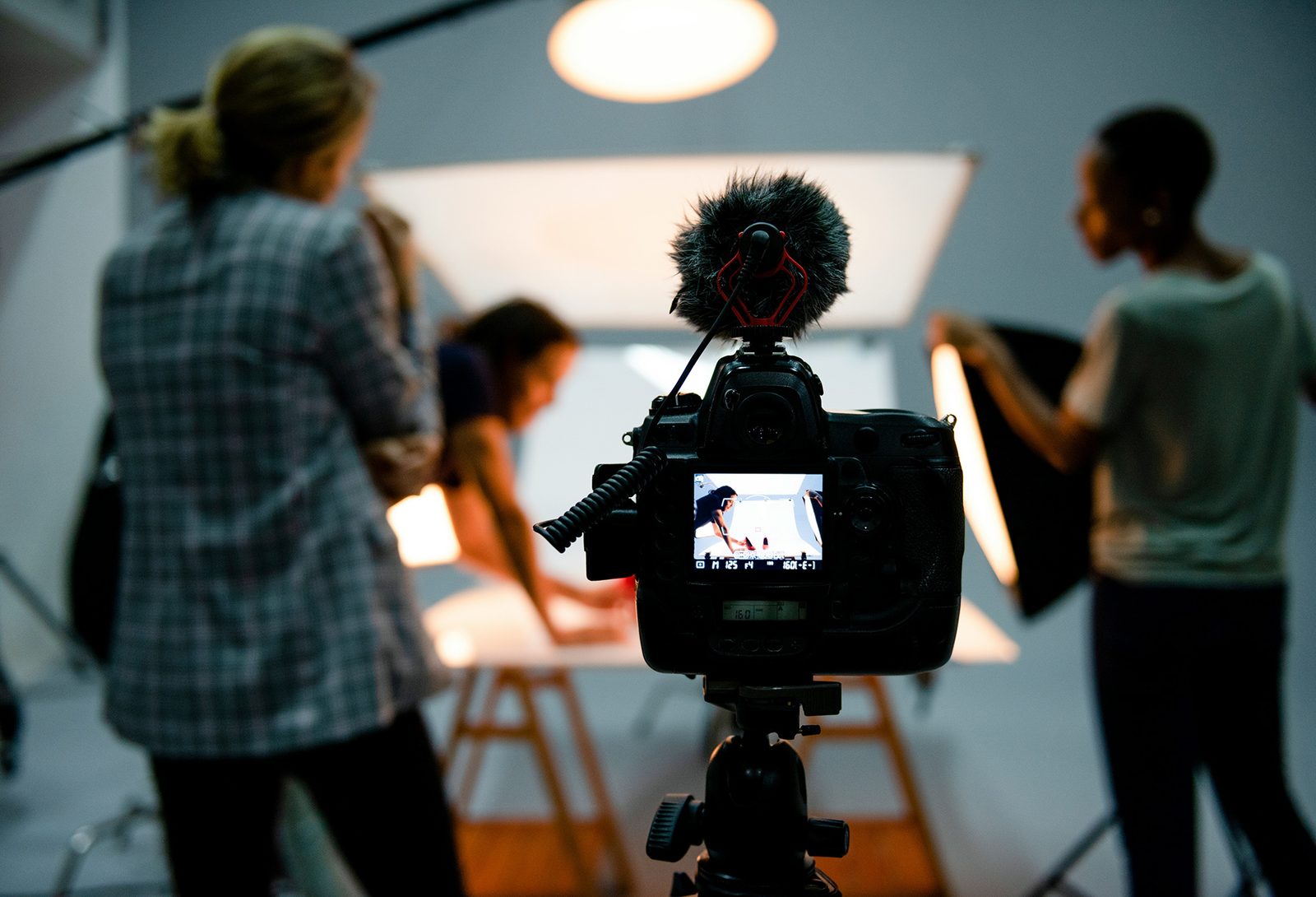
For those new to the environment, it is crucial not to become frustrated or anxious during the slower periods. These moments are often essential for the meticulous planning and setup that enables the subsequent rapid execution. Instead of stressing, wise professionals use this downtime productively: reviewing shot lists, checking equipment, grabbing a quick drink of water, or simply resting their feet. Understanding that the pace will inevitably accelerate allows one to conserve energy and maintain peak readiness for when the action truly begins. This rhythmic ebb and flow is not a flaw in the system but an inherent part of the creative and logistical process, requiring patience, alertness, and adaptability from all involved.
Broader Implications and The Path Forward
The insights gleaned from hundreds of hours on diverse professional sets highlight a crucial truth: success in photography and videography extends far beyond technical prowess. While mastering camera operation, lighting techniques, and post-production software is foundational, the ability to navigate complex social dynamics, manage unforeseen challenges, and contribute positively to a high-pressure, collaborative environment is equally, if not more, critical for career longevity and growth.
The global photography and video production market, estimated at over $120 billion in 2024 and projected to grow at a compound annual growth rate of 7-9% over the next five years, continues to demand highly adaptable professionals. The increasing complexity of commercial projects, driven by evolving digital platforms and consumer expectations, places a premium on individuals who are not only technically proficient but also resilient, communicative, and proactive problem-solvers. Educational institutions and industry bodies increasingly emphasize these soft skills, integrating mock set experiences and project management training into their curricula to better prepare students for real-world demands.
For emerging professionals, embracing these realities early on fosters a robust foundation for a successful career. It cultivates an entrepreneurial mindset, preparing them to anticipate needs, mitigate risks, and contribute creatively under varied conditions. Moreover, a positive attitude and a willingness to learn from every experience, whether challenging or smooth, build invaluable professional relationships. These connections often lead to repeat bookings, mentorship opportunities, and a strong professional network—assets that are indispensable in a highly competitive industry.
In conclusion, the professional set is a crucible for talent development, offering a unique blend of technical challenge and interpersonal growth. By understanding its varied nature, embracing rigorous preparedness, cultivating a positive and adaptable mindset, and appreciating its unique operational rhythm, new entrants can transform initial trepidation into a confident stride, paving the way for a rewarding and impactful career in the dynamic world of visual content creation. The journey is demanding, but with the right insights and attitude, it is profoundly enriching.