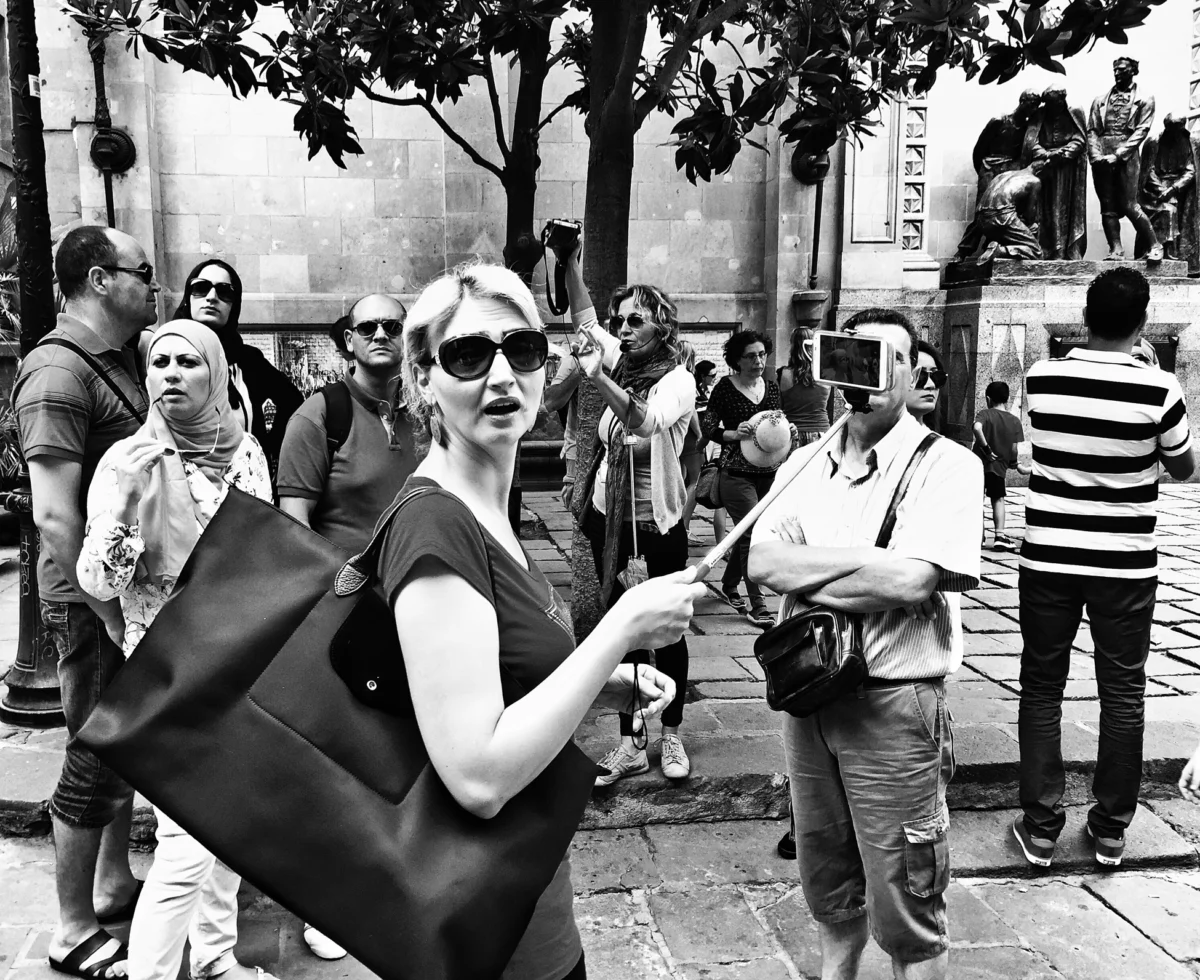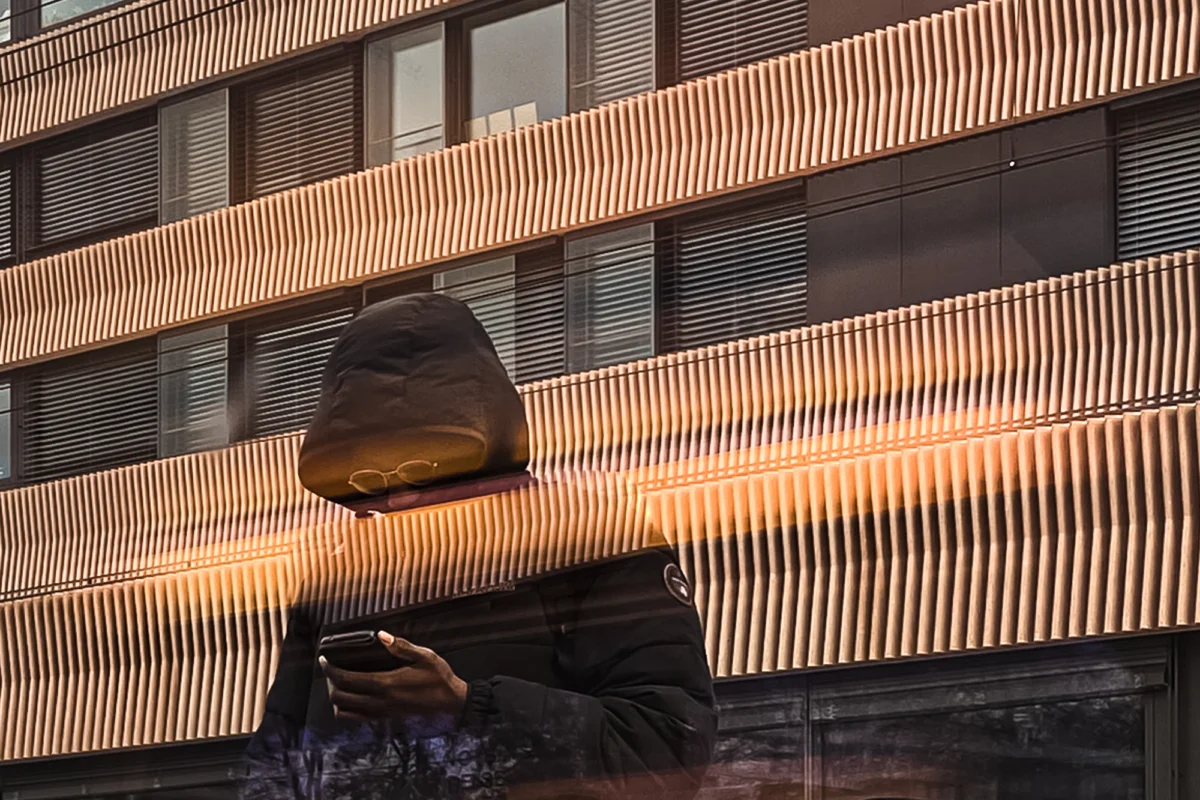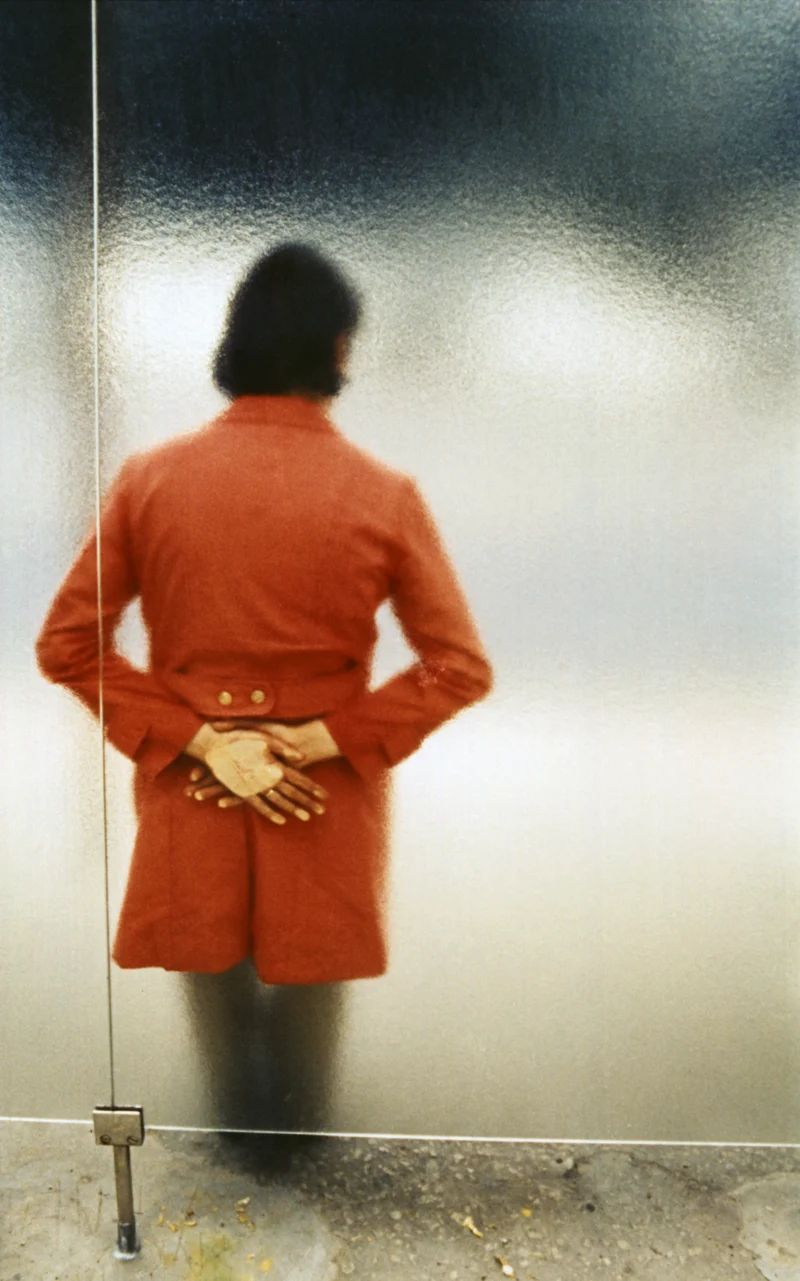
The enduring connection between the revolutionary brushstrokes of Impressionism and the candid lens of street photography is more than a matter of artistic lineage; it is a testament to shared innovation, evolving perspectives, and a profound redefinition of what constitutes worthy subject matter. This exploration delves into the historical, technological, and aesthetic parallels that bind these two seemingly disparate artistic movements, revealing how advancements in tools and a shift in artistic intent fundamentally altered the way we perceive and represent the world around us.
The Dawn of Mobility: Technological Catalysts for Artistic Liberation
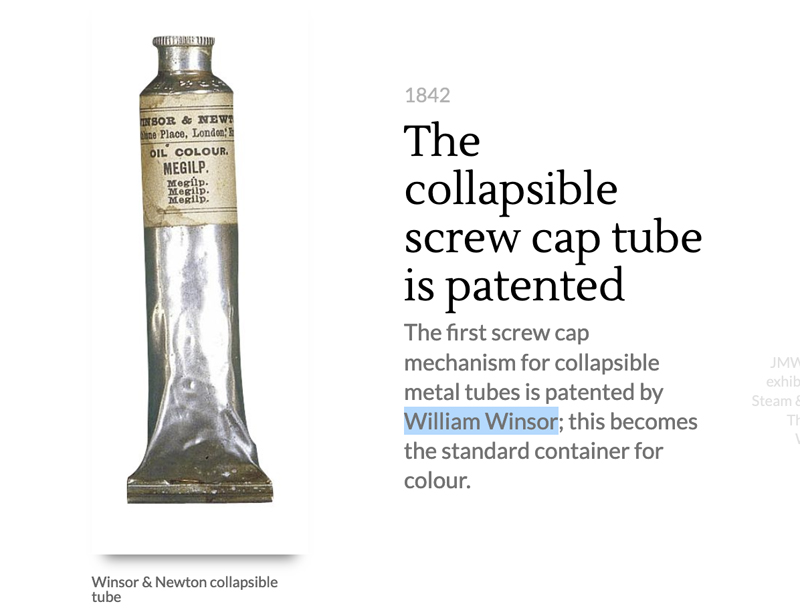
The genesis of both Impressionism and modern street photography can be traced back to pivotal technological innovations that liberated artists from the constraints of their studios and traditional methods. For painters, the patenting of the collapsible paint tube in 1841 by John Goffe Rand marked a paradigm shift. Prior to this, artists meticulously mixed their own oil paints, a laborious process that limited their mobility and palette. The advent of pre-packaged paints, readily manufactured by companies like Winsor & Newton and Lefranc & Bourgeois, not only democratized color availability but also freed artists to venture outdoors. This "en plein air" movement became the hallmark of Impressionism, enabling artists such as Claude Monet, Camille Pissarro, and Pierre-Auguste Renoir to directly engage with the ephemeral qualities of natural light and the dynamic scenes of everyday life.
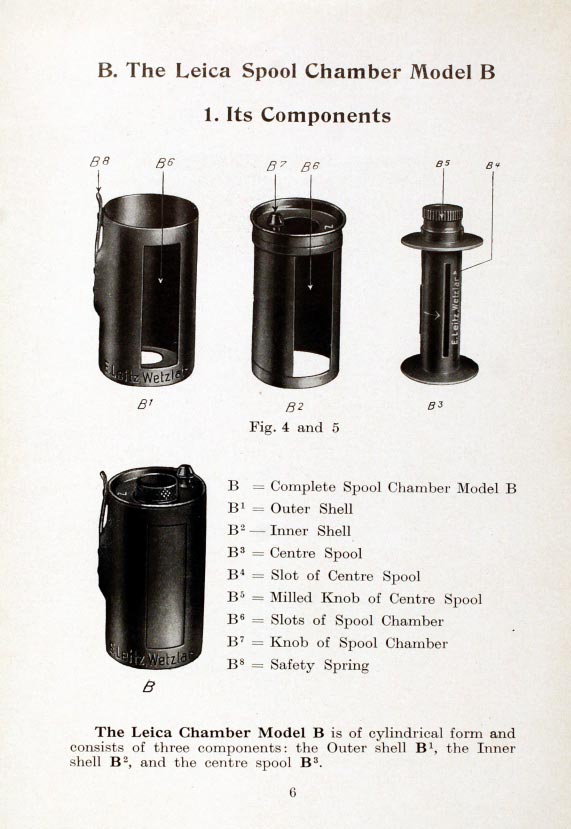
A parallel revolution occurred in the realm of photography. Early photographic processes, such as the wet plate technique prevalent until the late 19th century, demanded immediate preparation of light-sensitive chemicals on glass plates, effectively tethering photographers to a nearby darkroom. This made spontaneous outdoor photography a logistical challenge, akin to painters being confined to their studios. The introduction of ready-made dry plates and, subsequently, flexible celluloid film dramatically increased photographic portability and accessibility. The true watershed moment for street photography, however, arrived in 1924 with Leitz’s introduction of the reloadable film cassette alongside the first practical 35mm camera. This combination democratized photography, making it more efficient, affordable, and conducive to capturing fleeting moments on the bustling streets. This technological leap directly mirrored the liberation experienced by painters with the paint tube, empowering photographers to become mobile observers of the urban landscape.
A New Education: Learning Outside the Academy
The spirit of innovation that fueled Impressionism and street photography also manifested in the educational pathways of their pioneers. Many prominent Impressionists, including Monet, Renoir, and Degas, while not entirely devoid of formal training, consciously diverged from the rigid doctrines of academic art institutions. They often pursued studies in private ateliers or apprenticed with established artists, but their distinctive styles were largely forged through independent experimentation and a rejection of prescribed artistic norms. This deliberate distance from academic orthodoxy fostered a fertile ground for their groundbreaking approach to light, color, and subject matter.
A remarkably similar trajectory can be observed in the development of street photography. Many of its most influential figures, such as Henri Cartier-Bresson, William Klein, and Vivian Maier, were largely self-taught or received their formative education outside of dedicated photographic programs. While some attended art schools, their primary artistic development often occurred through observation, relentless practice, and the absorption of visual languages from diverse sources. Ed van der Elsken, for instance, pursued varied educational avenues but never attained a formal diploma, instead honing his craft through practical experience and mentorship in the vibrant photographic circles of Paris. This pattern suggests that true artistic innovation often thrives beyond the confines of traditional educational structures, driven by a personal quest for a unique visual voice.
Redefining Subject Matter: The Art of the Ordinary
Perhaps the most profound parallel between Impressionism and street photography lies in their radical redefinition of subject matter. The Impressionists turned away from grand historical narratives, mythological scenes, and aristocratic portraits, instead finding artistic merit in the everyday realities of modern life. Streets, cafes, factories, theaters, and parks became their canvases. Their approach to capturing these scenes was equally revolutionary. Employing loose, rapid brushstrokes, they aimed to convey the fleeting sensation of a moment, creating images that felt akin to spontaneous visual impressions.
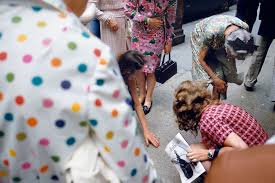
This embrace of the ordinary resonates deeply with the core tenets of street photography. The pioneers of this genre, including Helen Levitt, Fred Herzog, and Saul Leiter, elevated scenes of urban existence—children at play, cafe patrons, parked cars, shop windows, and neon signs—to the status of serious artistic subjects. Their work demonstrated that the rhythms of daily life, the anonymous passersby, and the transient moments unfolding in public spaces possessed an inherent aesthetic and narrative power. Stephen Shore, in particular, pushed this concept to its limits, finding profound artistic potential in subjects as mundane as hotel rooms, bathrooms, and meals. Like the Impressionists, street photographers expanded the boundaries of artistic consideration, proving that profound insights and compelling visual experiences could be unearthed from the seemingly commonplace.
The Embrace of Color: A New Palette for Vision
The evolution of color in both painting and photography offers another compelling point of comparison. For centuries, the palette available to painters was largely dictated by the availability of pigments, often influenced by local resources. This led to distinct regional color characteristics, such as the earthy tones prevalent in Dutch Golden Age painting versus the richer, more vibrant hues accessible to Italian masters. The advent of the paint tube and industrial pigment production dramatically expanded the painter’s palette. The Impressionists, in particular, seized upon these new possibilities, experimenting with a broader spectrum of colors and employing them not merely descriptively but expressively. Their use of violet, for instance, transcended mere representation, becoming a tool to articulate light, atmosphere, and shadow.
A similar transformation unfolded in photography with the rise of color. While black-and-white photography was long considered the standard for serious artistic expression, photographers like Helen Levitt, Saul Leiter, Mitch Epstein, and William Eggleston deliberately embraced color, challenging prevailing norms. Eggleston’s pioneering work with the dye-transfer process, though technically demanding and expensive, produced photographs with unparalleled saturation and depth, irrevocably altering the perception of color in photography. This mirrors the Impressionists’ utilization of newly available pigments to develop a new way of seeing and interpreting reality. Color, for these photographers, was not simply a tool for documentation but a potent vehicle for conveying mood, shaping perception, and transforming everyday scenes into extraordinary visual narratives.
The Shadow and the Light: Capturing the Essence of Experience
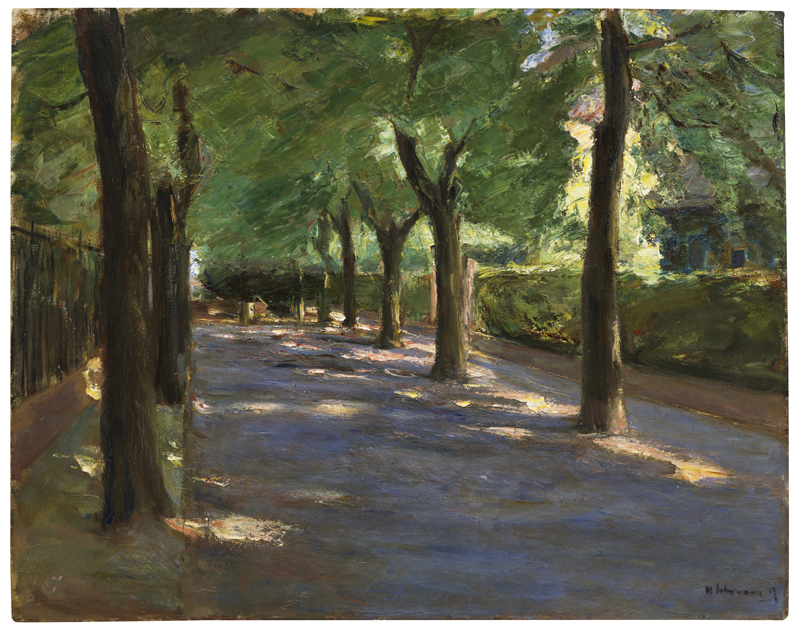
The interplay of light and shadow is fundamental to both painting and photography, but the Impressionists and street photographers elevated this relationship by making light itself a central subject. Max Liebermann’s painting "Die Colombierstraße in Wannsee" (1917) exemplifies this. While depicting a country road, the true subject is the dappled sunlight filtering through foliage, transforming an ordinary scene into something poetic. This underscores a crucial paradox: light’s intensity is often revealed through its contrast with shadow. The more darkness an artist incorporates, the more vividly the light is perceived by the viewer.
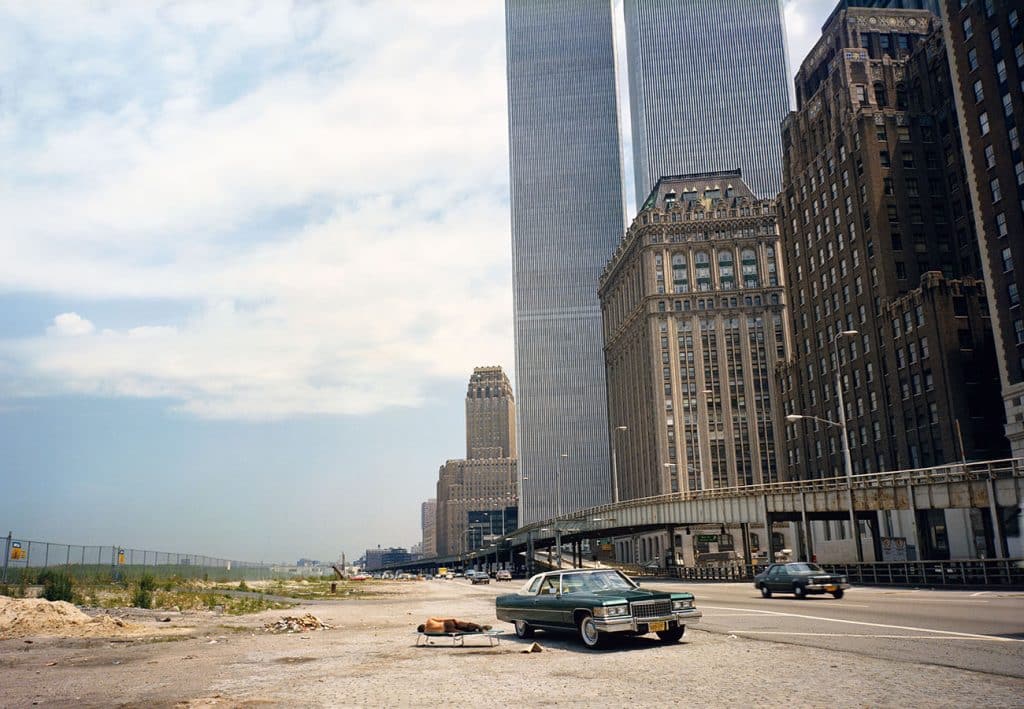
This fascination with light and contrast is deeply embedded in the work of many street photographers. Helen Levitt, Mitch Epstein, Saul Leiter, William Eggleston, and Fred Herzog, among others, masterfully employed color, shadow, and light not merely to record but to evoke emotion and create atmosphere. They understood that a specific quality of light could imbue even the most mundane street corner with profound visual resonance. Later generations, including Stephen Shore and Alex Webb, continued to build upon this legacy, recognizing light as a primary creative force that shapes our perception and interpretation of the world. For both movements, light transcended its technical function, becoming an expressive element that defined the essence of the image.
Facing Criticism and Embracing Innovation
The groundbreaking nature of both Impressionism and street photography meant they were not immediately embraced by the establishment. The term "Impressionist" was initially coined by critic Louis Leroy as a derogatory label, implying unfinished, fleeting sketches. However, the artists adopted the term with pride, transforming a critique into a banner of artistic identity. Similarly, early street photographers, particularly those working in color, faced skepticism and dismissal. William Eggleston’s 1976 solo exhibition at the Museum of Modern Art was met with bewilderment by many critics who deemed his photographs mere "snapshots," lacking artistic intent.
This historical pattern of resistance to innovation is a recurring theme. Just as critics initially belittled Impressionist paintings as incomplete, street photographers were often marginalized for their focus on everyday life and their embrace of color. However, time and critical re-evaluation have revealed the profound artistic significance of both movements. What was once dismissed as amateurish or technically inferior is now recognized as groundbreaking, influential, and integral to the evolution of art. The shared experience of overcoming initial criticism highlights the courage and conviction of artists who dared to forge new paths and redefine artistic conventions.
The Enduring Legacy and the Future of Visual Language
The parallels between Impressionism and street photography are not merely academic curiosities; they offer valuable insights for contemporary artists. As Michiel van Mens, a street photographer with over thirty years of experience, notes, modern street photographers are essentially "colorists of everyday life." The deliberate use of color, or a considered limited palette, shapes viewer perception. The practice of street photography extends beyond capturing people and events; it involves the deliberate photographing of light in public spaces, understanding that light’s visibility is amplified by shadow.
The influence of technology continues to shape artistic expression. Just as the paint tube and advances in pigment production revolutionized painting, digital tools, software, algorithms, and artificial intelligence are now providing photographers with unprecedented avenues for creativity. Post-processing techniques allow for the enhancement of expressive power, much like the Impressionists manipulated newly available pigments. Filters, color grading, and other digital tools enable photographers to emphasize particular colors and moods, mirroring the Impressionists’ interpretive use of color.
The history of art is a testament to the transformative power of technology when embraced by curious and innovative minds. The Impressionists’ exploration of new pigments and the street photographers’ adoption of portable cameras and color film demonstrate that progress often begins at the intersection of curiosity and technological advancement. Contemporary artists like Phil Toledano, with projects such as "Edward Trevor: Never Seen the Light," are actively exploring what the next iteration of street photography might entail, pushing boundaries and inviting us to reconsider the very definition of the genre. By studying the lessons of the past, contemporary artists can continue to expand the visual language of their chosen medium, proving that artistic progress thrives when creators embrace new possibilities and reimagine the familiar.