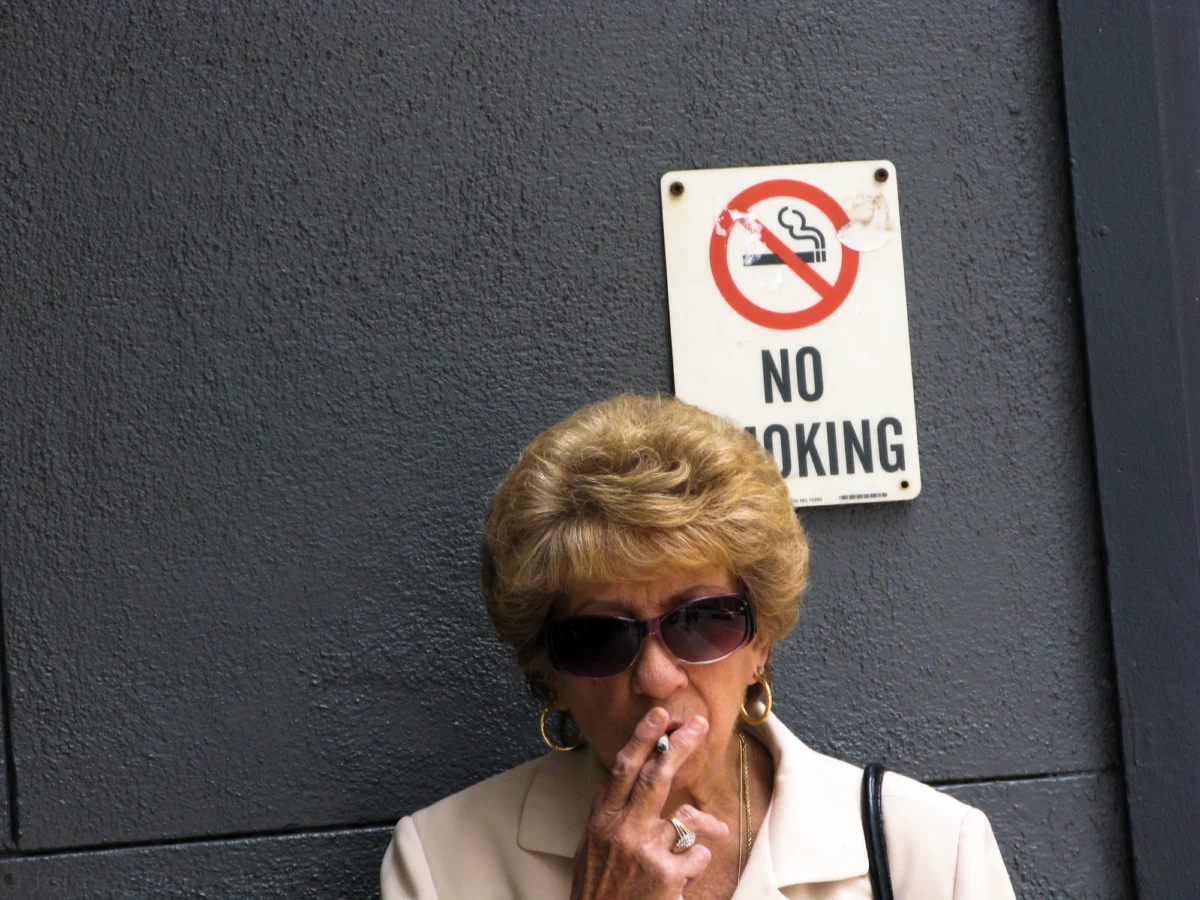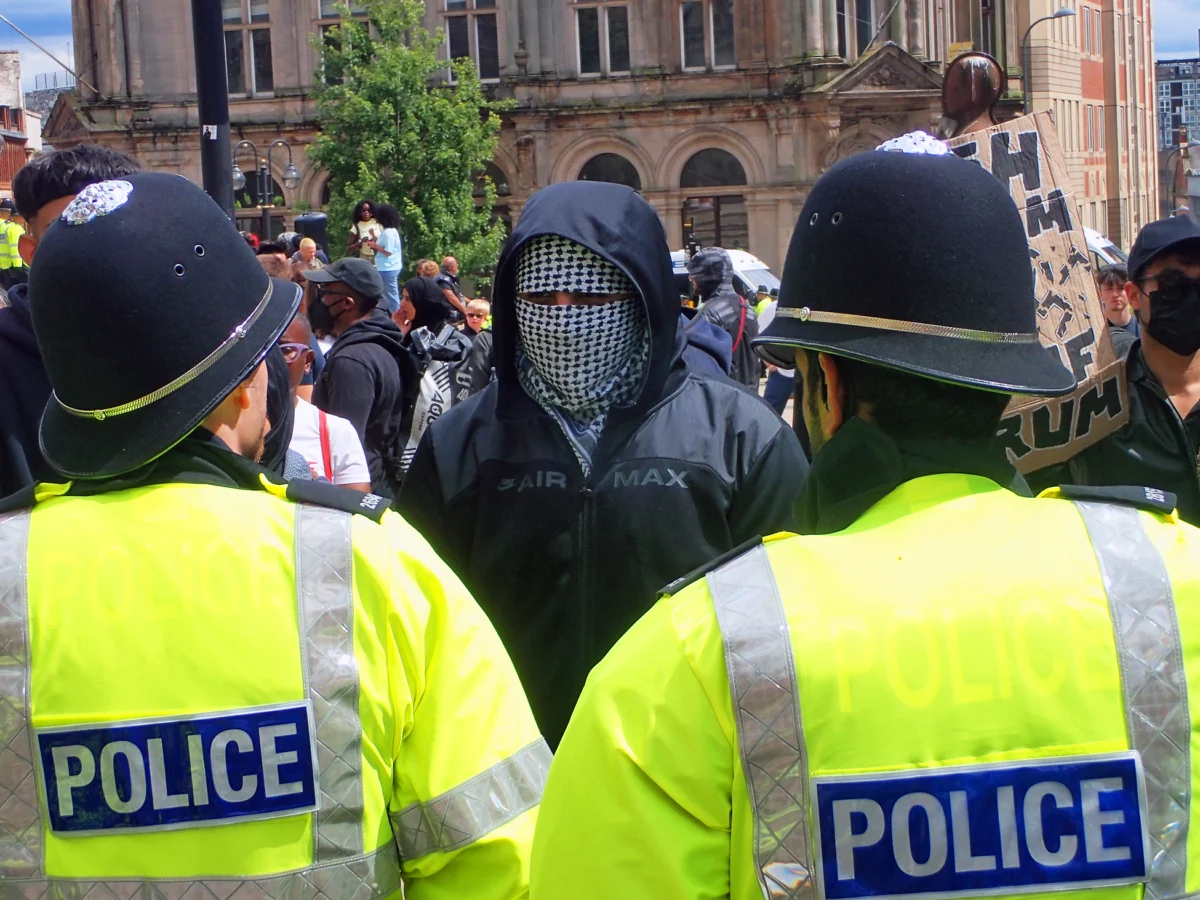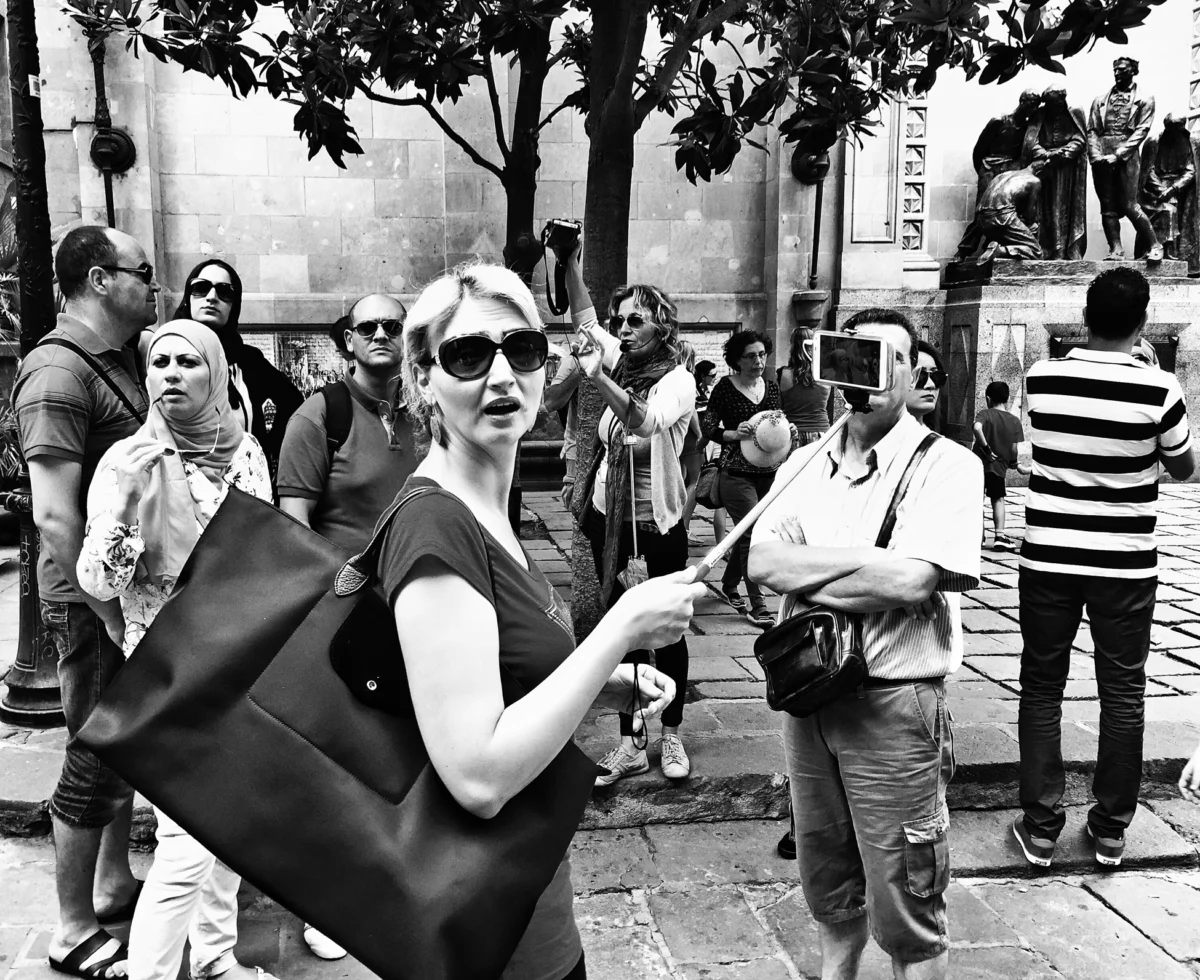
Street photography, a dynamic and often exhilarating art form, transcends the simple act of capturing images in public spaces. It is, at its core, the art of documenting the unscripted theatre of everyday life, of seizing ephemeral moments that narrate compelling stories, ranging from the profoundly poignant to the delightfully absurd. For those with a keen eye for human behaviour, an innate curiosity about the world, and a knack for anticipating the confluence of elements that create a powerful visual narrative, street photography offers a unique and accessible avenue for creative expression. This exploration delves into the essence of street photography, the essential traits of its practitioners, and the vital role of presence and confidence in mastering this captivating genre.
The Accessible Canvas: The Street as Studio
One of the most compelling aspects of street photography is its remarkable accessibility. Unlike many other photographic disciplines that necessitate expensive equipment, specialized studios, or elaborate setups, street photography requires little more than a camera – and in today’s world, even a high-quality smartphone suffices – and an unwavering willingness to engage with the environment. The urban landscape, with its bustling crowds, quiet corners, and ever-shifting light, becomes the photographer’s studio. The subjects are not posed or directed; they are the individuals and events that unfold organically, offering an unfiltered glimpse into the human condition. This inherent accessibility democratizes the art form, allowing individuals from all walks of life to participate and contribute to the rich tapestry of photographic documentation. The proliferation of accessible digital cameras and smartphone technology over the past two decades has significantly lowered the barrier to entry, enabling a wider demographic to experiment with and develop their street photography skills. Data from various photography industry reports indicate a steady increase in amateur photography participation, with street photography often cited as a popular entry point due to its low overhead and immediate gratification.
The Art of Observation: Capturing Spontaneous Narratives
At the heart of effective street photography lies the ability to perceive and capture spontaneous, real moments that possess a narrative arc. This involves more than just being present; it requires a deep engagement with the surroundings, an almost intuitive understanding of human dynamics, and the capacity to anticipate the unfolding of events. Street photographers are often keen observers of people, fascinated by the subtle ways in which individuals navigate their environment, interact with one another, and express themselves through gesture, expression, and posture. The beauty of street photography is found not in manufactured perfection, but in the raw, unedited authenticity of life as it happens. It is about finding profound meaning in the mundane, uncovering the extraordinary within the ordinary, and transforming fleeting instants into timeless images that resonate with viewers on an emotional level. This pursuit of authentic moments has led to the development of distinct sub-genres, such as candid portraiture, urban decay documentation, and street documentary, each with its own aesthetic and ethical considerations.
Navigating the Unpredictable: Challenges and Rewards
While the accessibility of street photography is a significant draw, the practice is far from effortless. It demands a unique blend of confidence, quick reflexes, and a willingness to embrace unpredictability. Moments on the street occur with breathtaking speed, often offering only a fleeting window of opportunity to frame, focus, and capture the essence of a scene. Hesitancy can lead to missed opportunities, and photographers must cultivate the courage to point their cameras at strangers, often requiring a discreet approach or, in some instances, a direct request for permission, which can then blur the lines into street portraiture. The ethical landscape of street photography is complex, with varying perspectives on consent and intrusion. While some photographers operate entirely candidly, others prioritize building rapport and obtaining consent, recognizing that different approaches can yield distinct artistic outcomes. There is no singular "right" way; rather, the most effective practitioners find an approach that aligns with their personal ethics and artistic vision.
The journey of a street photographer is also a testament to patience. Hours can be spent observing, waiting, and walking, with only a handful of images, or perhaps none at all, meeting the photographer’s stringent criteria. However, the reward for this dedication can be immense. When the stars align – when a perfect gesture, a poignant expression, or an unexpectedly striking composition materializes – the resulting photograph can offer a profound sense of accomplishment and artistic fulfillment. This cycle of patient observation and sudden inspiration is a defining characteristic of the street photography experience.
Essential Traits of the Effective Street Photographer
Beyond technical camera skills, certain inherent personality traits and cultivated characteristics are crucial for success in street photography. These attributes enable photographers to navigate the unpredictable and dynamic nature of public spaces while consistently producing compelling work.
1. Unwavering Curiosity
A deep-seated curiosity about people, places, and the narratives that unfold within them is paramount. Effective street photographers are natural observers, constantly questioning and seeking to understand the "why" behind what they see. This intrinsic drive to explore and discover fuels their engagement with the world and their ability to find compelling subjects in unexpected locations. Those who are naturally reclusive or shy away from bustling environments might find other photographic genres more suited to their disposition, as the essence of street photography often lies in active engagement with the public sphere.
2. Boundless Patience
The pursuit of the perfect street photograph often involves extended periods of waiting, walking, and watchful observation. Patience is not merely a virtue; it is a necessity. It allows photographers to remain alert and receptive to photographic opportunities without succumbing to frustration or discouragement, even during prolonged stretches of inactivity. This cultivated patience ensures that when moments of photographic potential arise, the photographer is present and ready to act.
3. Boldness and Unshakeable Confidence
The act of photographing strangers in public spaces requires a degree of boldness and confidence. While discretion can be a valuable tool, the ability to overcome hesitation or fear and confidently point a camera at subjects is often essential, particularly when a fleeting moment demands immediate action. Paradoxically, a photographer’s self-assured presence can sometimes render them almost invisible, allowing them to capture genuine moments without disrupting the natural flow of events. This confidence is not about aggression, but about a quiet self-assurance in one’s purpose and right to be present and observe.

4. Exceptional Timing and Quick Reflexes
Great street photographs are often defined by split-second occurrences: a fleeting expression, a spontaneous gesture, or a serendipitous juxtaposition of elements. The ability to anticipate these moments and react with lightning-fast reflexes is a hallmark of effective street photographers. This honed sense of timing allows them to transform the cacophony of urban life into harmonious visual compositions, often described as "making music from chaos." This involves not just reacting to what is happening but also predicting what is about to happen.
5. Empathy and Profound Respect
While street photography captures raw reality, it must be undertaken with a deep sense of empathy and respect for the individuals being photographed. Understanding personal boundaries and approaching subjects with humanity, whether shooting candidly or seeking permission, is crucial for ethical practice. This does not preclude photographers like Bruce Gilden, known for his direct and confrontational style, but it highlights the diverse ethical frameworks within the genre. Ultimately, respectful engagement fosters smoother interactions and can lead to more authentic and meaningful photographic encounters.
6. Keen Visual Awareness
A highly developed visual awareness is fundamental. This encompasses a sharp eye for composition, an understanding of light and shadow, the ability to perceive layers within a scene, and an appreciation for detail. Street photographers train themselves to "see" the world through the lens of a frame, identifying compelling visual opportunities even amidst apparent chaos. This involves recognizing patterns, contrasts, and visual rhythms that might otherwise go unnoticed.
7. Unyielding Persistence
The path of a street photographer is often paved with challenges, including missed shots, moments of rejection, and periods of creative drought. Persistence is the quality that enables photographers to persevere through these difficulties, learning from each experience and continuing to hone their craft. It is this unwavering commitment to the pursuit of the image that distinguishes truly effective practitioners. The ability to embrace failure as a learning opportunity is a critical component of long-term success.
8. Authentic and Distinctive Voice
The most impactful street photographers develop a unique perspective and a recognizable artistic voice. This voice is an expression of how they perceive the world and what aspects of it they choose to highlight. While style evolves over time, it is rooted in self-awareness and a clear understanding of one’s own artistic inclinations. This authenticity allows their work to stand out and resonate deeply with audiences, offering a singular interpretation of the human experience.
The Imperative of Presence: Why Shyness is a Hindrance
The very nature of street photography necessitates an active and confident presence in the world. Approaching and photographing strangers, and sometimes navigating potentially confrontational situations, requires clarity, a grounded sense of self, and empathetic engagement. Shyness, conversely, can manifest as nervousness, avoidance, or even aggression, all of which can impede the photographer’s ability to capture meaningful moments.
When a photographer is shy, interactions with the public can feel overwhelming, leading to the avoidance of situations that might otherwise yield exceptional work. This can create a subtle but significant barrier between the photographer and the vibrant energy of the street, hindering their connection with the rhythms of human life and the unfolding stories around them. Shyness can effectively act as a wall, preventing the photographer from fully immersing themselves in the experience and capturing its essence.
The core requirements of street photography – courage, speed, interaction, and presence – are fundamentally at odds with shyness. While a quiet personality can certainly coexist with effective street photography, shyness that paralyzes action is a detrimental impediment. It is this fear of engagement that can prevent photographers from seizing opportunities. The street is a dynamic and unpredictable environment, and moments are fleeting. A hesitant photographer, held back by shyness, will inevitably miss the critical glance, the telling gesture, or the serendipitous interplay of light and form that defines compelling street photography.
To excel, a street photographer must move with intent, confidence, and speed. There is simply no time for second-guessing. The ability to project an assured presence, even a quiet one, is crucial for navigating the attention that wielding a camera in public can attract. When questioned or challenged, a confident photographer can respond calmly and respectfully, upholding their purpose and their right to be present. This self-possession allows them to avoid feeling intimidated or anxious, thereby maintaining their focus on the photographic opportunity.
Ultimately, street photography is about embracing the public sphere, engaging with the unpredictable, and daring to capture the unvarnished truth of human existence. A shy street photographer, by definition, struggles to achieve this level of engagement. While one can argue about the precise definition of "street photographer," it is undeniable that shyness, when it leads to inaction and avoidance, is a significant obstacle to capturing the raw, real, and unfiltered moments that define the genre. The goal is to eliminate the "I wish I had a camera with me" moments by being present, prepared, and empowered to act. This requires a mindset that prioritizes engagement over apprehension, and confidence over caution, enabling the photographer to consistently translate the world’s visual poetry into indelible images.