The Indonesian aviation sector is bracing for a significant surge in activity as the 2025 Lebaran holiday season approaches, with official projections identifying March 22 and March 28 as the primary dates for peak aircraft movement. This annual phenomenon, driven by the "Mudik" tradition—a mass migration where millions of citizens return to their ancestral hometowns—is expected to test the limits of national infrastructure. Aviation authorities and airport operators have signaled that the volume of flights during this period will likely surpass previous post-pandemic records, necessitating a comprehensive mobilization of resources across all major domestic hubs.
The anticipation of these peak dates is rooted in the strategic alignment of the 2025 calendar. March 22, falling on a Saturday, is projected to be the initial surge point for travelers seeking to maximize their holiday duration by departing early. Conversely, March 28 is expected to represent the secondary and perhaps more intense peak, as it immediately precedes the core religious observances of Eid al-Fitr. During these windows, Indonesia’s primary gateway, Soekarno-Hatta International Airport (CGK), is anticipated to facilitate a staggering 23,000 aircraft movements, reflecting the immense logistical scale of the operation.
Historical Context and the 2025 Outlook
To understand the magnitude of the 2025 projections, it is essential to view them against the backdrop of Indonesia’s aviation recovery. Following the global disruptions of previous years, 2024 marked a stabilizing period for the industry. However, 2025 is forecast to be the year where demand fully converges with expanded airline capacities. The Ministry of Transportation (Kemenhub) has indicated that the preference for air travel has seen a steady uptick due to the efficiency it offers over long-distance land and sea routes, particularly for those traveling to the outer islands of the archipelago.
The projected 23,000 movements at Soekarno-Hatta International Airport do not merely represent a statistic but a complex orchestration of air traffic control, ground handling, and terminal management. Historically, Lebaran peaks see a departure from standard operating procedures, requiring "command posts" or Posko Lebaran to be established at every major airport. These posts serve as centralized hubs for real-time monitoring and rapid response to any operational bottlenecks.
Comprehensive Infrastructure Readiness
In preparation for the March 22 and 28 peaks, Angkasa Pura (the state-owned airport operator) has initiated a series of "stress tests" on airport infrastructure. This includes ensuring that runways, taxiways, and aprons are maintained to the highest safety standards. At Soekarno-Hatta, the utilization of all three terminals will be optimized to prevent overcrowding. Terminal 3, the newest and largest facility, will handle the bulk of international and premium domestic traffic, while Terminals 1 and 2 will be calibrated to manage the high volume of low-cost carrier (LCC) flights.
Beyond physical infrastructure, the digital landscape of the airport is being upgraded. The implementation of biometric boarding gates and enhanced mobile check-in capabilities is intended to reduce the "dwell time" of passengers in check-in halls. By migrating the majority of the passenger processing to digital platforms, airport authorities hope to mitigate the physical congestion that typically characterizes the Lebaran season.
Airline Strategy and "Extra Flight" Allocations
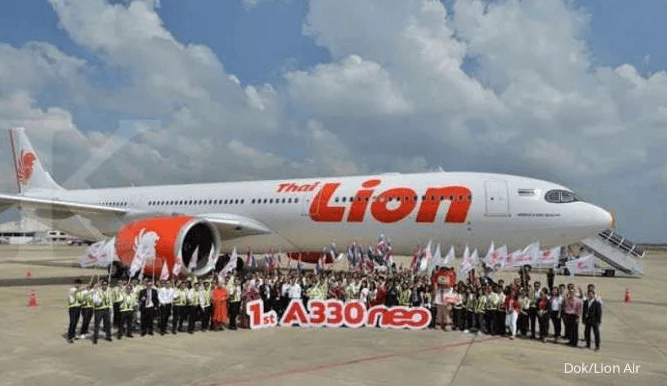
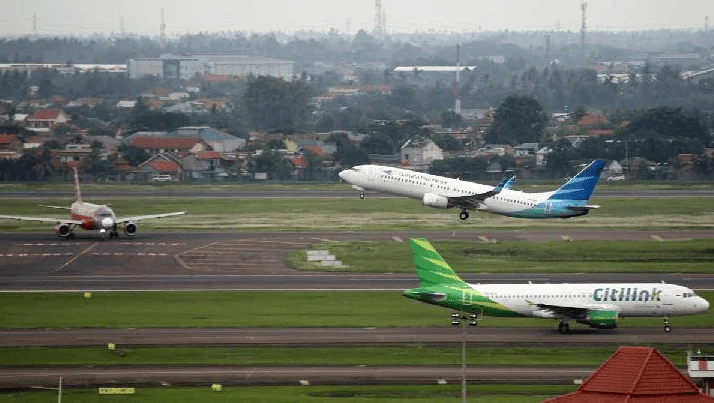
Airlines are responding to the March 22 and 28 peaks by significantly increasing their seat capacity. Major carriers such as Garuda Indonesia, Citilink, and the Lion Air Group have reportedly begun the process of requesting "extra flight" slots from the Directorate General of Civil Aviation. These additional flights are crucial for absorbing the overflow of passengers who are unable to secure seats on regularly scheduled services.
Aviation analysts suggest that the success of the 2025 season will depend on the "slot management" efficiency. With thousands of movements concentrated into specific windows, the coordination between airlines and AirNav Indonesia (the air navigation service provider) is paramount. To maximize throughput, some airports may extend their operating hours to 24-hour cycles, allowing for late-night and early-morning departures that would otherwise be restricted.
Safety, Security, and Regulatory Oversight
The Ministry of Transportation has reiterated that safety remains the non-negotiable priority during the Lebaran rush. In the weeks leading up to March 22, "ramp checks" are being conducted on the entire domestic fleet. These inspections ensure that every aircraft, regardless of age, meets the rigorous airworthiness standards required for high-frequency operations.
Security protocols are also being heightened. The Aviation Security (Avsec) teams, in collaboration with the Indonesian National Police (Polri) and the Indonesian National Armed Forces (TNI), will increase their presence at airport perimeters and within terminal buildings. This "ring of security" is designed to provide a deterrent against potential disruptions and to offer a sense of safety to the traveling public. Furthermore, health protocols, while less restrictive than in previous years, remain a point of vigilance to ensure that mass mobility does not lead to localized health concerns.
Economic Implications and Fare Regulations
The surge in demand during the Lebaran period inevitably places upward pressure on ticket prices. To protect consumers, the Indonesian government maintains a "Price Ceiling" (Tarif Batas Atas) policy. For the 2025 season, the Ministry of Transportation has emphasized that it will strictly monitor airline pricing to ensure that carriers do not exceed these regulated limits.
From an economic perspective, the 23,000 aircraft movements represent a significant injection of liquidity into the regional economies. The movement of people facilitates a massive transfer of wealth from urban centers like Jakarta to provincial areas, stimulating local businesses, tourism, and hospitality sectors. The aviation industry itself benefits from the high load factors, which help offset the operational costs incurred during the quieter months of the year.
Factors Driving the 2025 Surge
Several variables contribute to the specific intensity of the 2025 aircraft movement peaks. First is the "post-rebound" stability of the middle class, which now views air travel as a primary necessity rather than a luxury. Second is the government’s continued investment in "Tourism Hubs" outside of Java, which has diversified the destinations for Lebaran travelers.
Furthermore, the corporate sector’s shift toward more flexible holiday schedules has allowed families to plan their departures earlier, hence the significant peak on March 22. The availability of promotional fares for early bookings has also incentivized travelers to lock in their plans months in advance, giving airlines a clearer picture of the required capacity.
Navigating the Peak: Essential Passenger Guidance
For travelers planning to be part of the March 22 and 28 movements, authorities have issued a series of recommendations to ensure a seamless experience. The primary advice is the adoption of "Digital-First" travel habits. Passengers are encouraged to check in via mobile apps at least 24 hours before departure to avoid the lengthy queues at the airport.
Additionally, the "Three-Hour Rule" remains in effect. Given the anticipated traffic congestion on roads leading to major airports, arriving at the terminal three hours prior to a domestic flight is considered essential. Travelers are also advised to be mindful of baggage allowances, as the high load factors on aircraft mean that overhead cabin space will be at a premium and excess baggage policies will be strictly enforced.
Logistical Coordination and Ground Transportation
The challenge of the Lebaran peak extends beyond the tarmac. The "last mile" connectivity—getting passengers to and from the airport—is a critical component of the logistical chain. For the 2025 season, there is an increased focus on the integration of airport rail links and shuttle bus services.
At Soekarno-Hatta, the Raillink service is expected to increase its frequency to accommodate the influx of passengers from downtown Jakarta. Collaborative efforts with ride-hailing services and taxi companies are also being formalized to ensure that there is a steady supply of vehicles available during the peak arrival windows on March 28 and the subsequent return flow in early April.
Conclusion and Future Outlook
The projected peak of aircraft movements on March 22 and 28, 2025, serves as a litmus test for the resilience and sophistication of Indonesia’s aviation ecosystem. The successful management of over 23,000 movements at Soekarno-Hatta alone requires an unprecedented level of synergy between government regulators, airport operators, and private airlines.
As the nation moves toward these critical dates, the focus remains on delivering a travel experience that is not only efficient but also safe and dignified. The lessons learned from the 2025 Lebaran season will likely inform future infrastructure projects, including the continued expansion of secondary airports and the further digitalization of the Indonesian skies. For the millions of "Mudik" travelers, these flights represent more than just transport; they are the vital links that maintain the social and cultural fabric of the nation during its most significant annual celebration.