The worlds of street photography and social documentary photography, while often intersecting, represent distinct artistic and journalistic endeavors with differing core philosophies, objectives, and methodologies. Both capture life as it unfolds, but their underlying purposes and the narratives they aim to convey diverge significantly. This exploration delves into the key distinctions, examining the essence of each genre and how they can complement or contrast each other within the broader landscape of visual storytelling.
The Essence of Street Photography: Capturing the Fleeting Moment
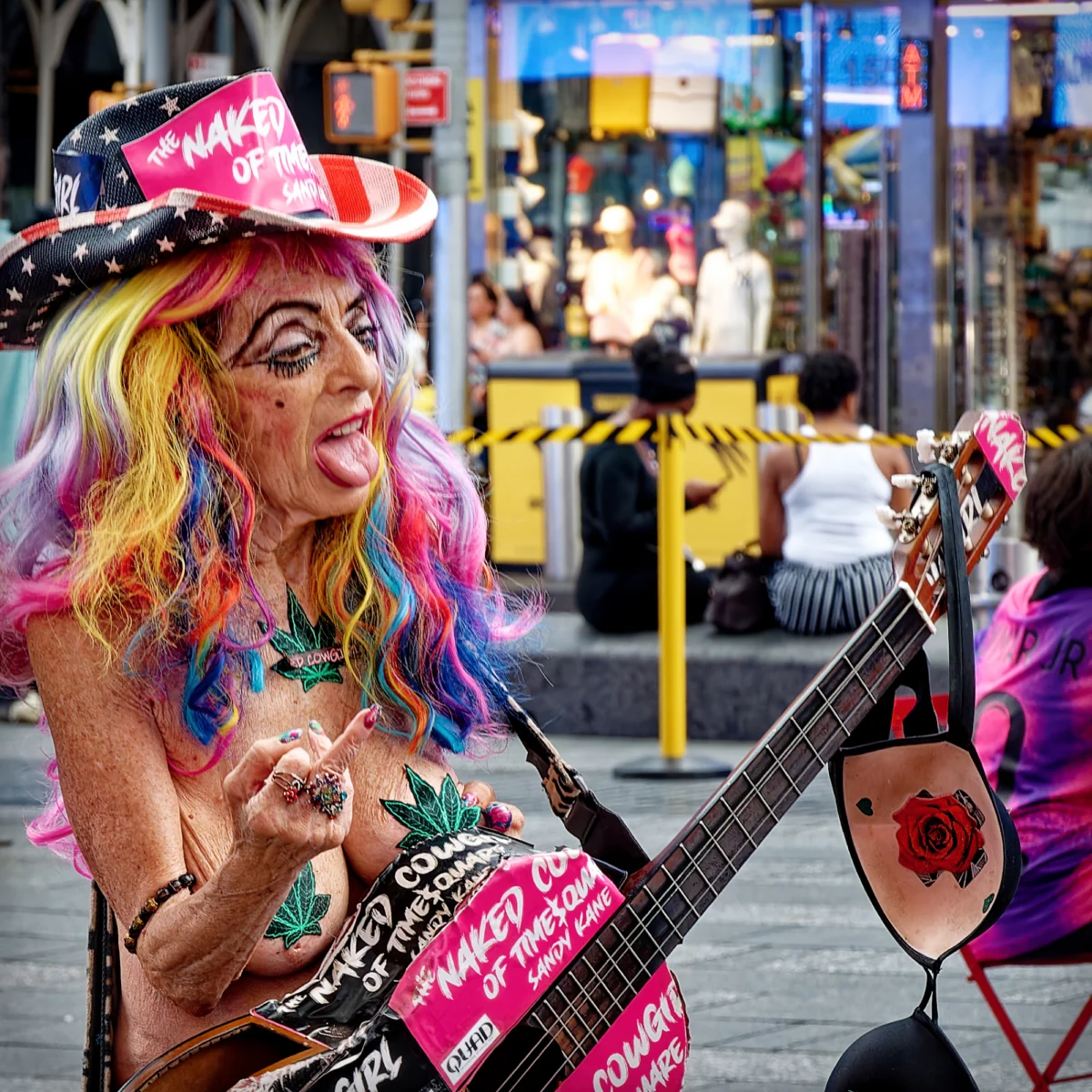
Street photography, at its heart, is an art of observation and spontaneity. Its primary focus lies in capturing candid, unscripted moments in public spaces, aiming for an "unrepeatable harmony of chaos." The best street photographs often possess an ephemeral quality, freezing a fleeting interaction, an unexpected juxtaposition, or a striking visual composition that might never occur again. The style is inherently spontaneous and artistic, prioritizing the immediate impact of the moment over a predetermined narrative.
The purpose of street photography is often described as more about observation and conveying a subtle message rather than meticulously documenting a specific "time event." This doesn’t mean street photographers ignore societal issues; rather, their approach is less about direct advocacy and more about reflecting the human condition through everyday occurrences. The narrative, if present, can be humorous, ironic, or poignant, arising organically from the scene itself. The photographer acts as a keen observer, finding art and meaning in the mundane and the unexpected.
Consider the work of pioneers like Henri Cartier-Bresson, who famously spoke of the "decisive moment"—the instant when all elements of a scene coalesce into a perfect, meaningful whole. His images, while often capturing public life, are celebrated for their aesthetic composition and the psychological depth they evoke, rather than a specific social agenda. Similarly, Vivian Maier’s rediscovered work showcases an extraordinary ability to find beauty and intrigue in the streets of Chicago and New York, focusing on individual portraits and interactions that speak volumes about the human spirit without explicitly addressing systemic issues.
The visual impact of street photography is often immediate and visceral. It relies on the photographer’s ability to anticipate action, to be present and aware, and to translate the dynamic flow of public life into a compelling still image. The element of surprise, both for the viewer and often for the subjects themselves (who are typically unaware they are being photographed), contributes to its unique appeal. The resulting photographs can offer a snapshot of a particular time and place, but their primary power lies in their ability to resonate on an emotional or aesthetic level, prompting reflection on the human experience.
Social Documentary Photography: Unveiling Real-Life Issues and Narratives
In contrast, social documentary photography is fundamentally driven by a desire to inform, educate, and advocate. Its focus is firmly rooted in "real-life issues and time events," addressing subjects such as poverty, class disparity, labor conditions, inequality, and other significant societal challenges. This genre often involves long-term projects, allowing photographers to delve deeply into a subject, build trust with their subjects, and present a comprehensive and nuanced portrayal of complex realities.
The style of social documentary photography can be either candid or posed, depending on the nature of the subject and the photographer’s intent. For live events, spontaneity is key, much like in street photography. However, for issues that require a more in-depth understanding, posed portraits or carefully constructed scenes might be employed to better illustrate the point or to give subjects a voice and agency in their own representation. The overarching purpose is to tell a story, highlight a social condition, or champion a cause.

Examples of this genre are abundant and impactful. A photo series examining the deteriorating housing conditions in a marginalized community, or the daily struggles of migrant workers, falls squarely within social documentary. Similarly, extensive photographic projects documenting the impact of natural disasters, the lives of refugees, or the evolution of political movements are core to social documentary. These projects aim to foster empathy, provoke critical thinking, and, in many cases, inspire action or policy change.
Historically, figures like Lewis Hine, whose powerful images of child labor in the early 20th century helped to drive significant labor reforms in the United States, exemplify the potent impact of social documentary photography. Dorothea Lange’s iconic "Migrant Mother" photograph, taken during the Great Depression, became a symbol of the suffering and resilience of those affected by economic hardship, influencing public perception and policy. More contemporary photographers continue this tradition, using their lenses to shed light on pressing global issues, from climate change to human rights violations.
The Overlap and the Distinction: Where Paths Converge
While distinct, street photography and social documentary photography can and often do overlap. A social documentary project might incorporate powerful street scenes to provide context or to capture the lived experience of individuals within a larger societal issue. Conversely, a street photographer might, through their keen eye for human interaction and composition, inadvertently capture moments that speak to broader social themes.
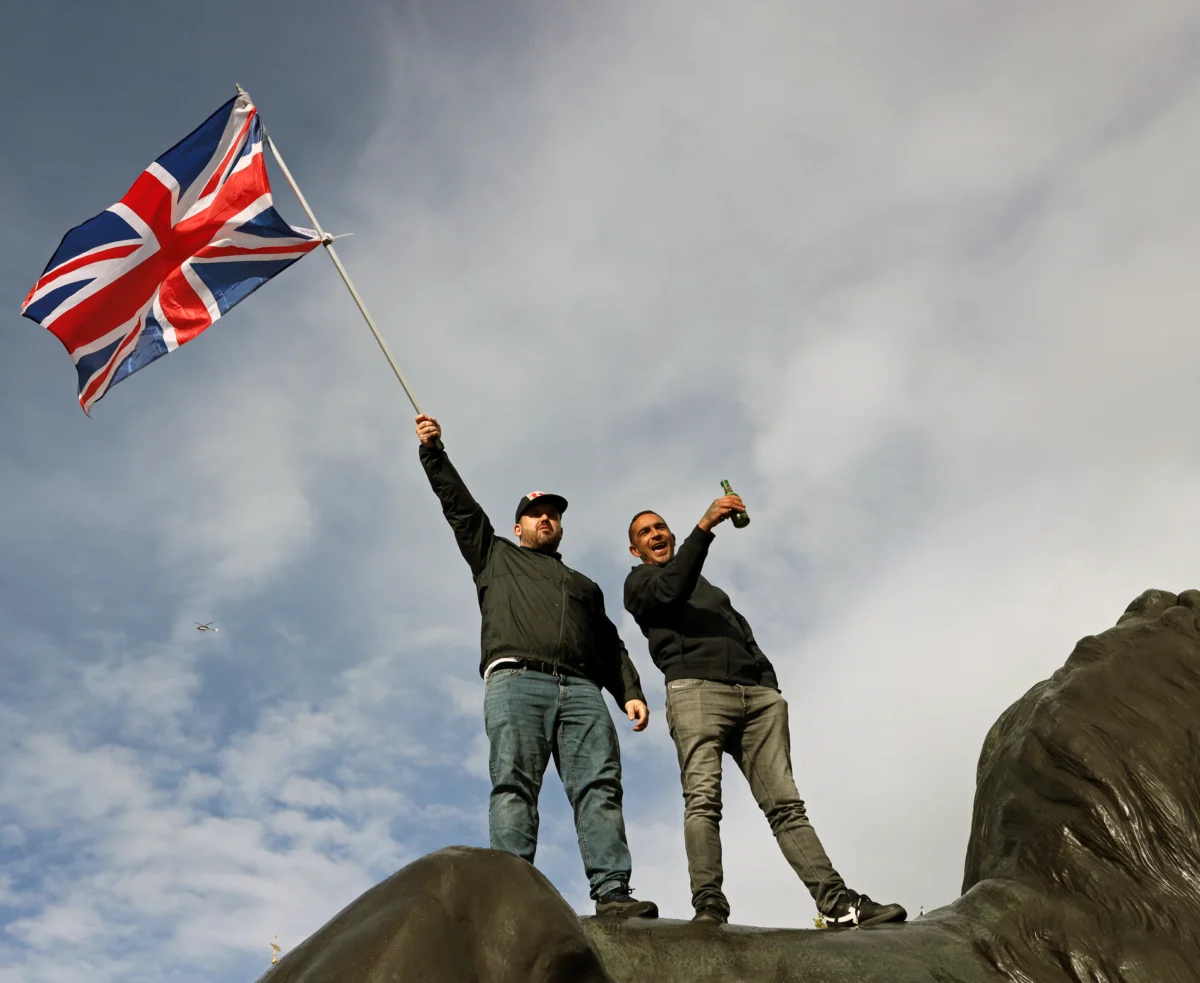
However, the fundamental difference lies in intent. Not all street photography is documentary in its aim. A photograph of a humorous interaction between two strangers on a busy street, while a compelling piece of street art, may not be intended to highlight a specific social problem. It is, first and foremost, a capture of a spontaneous human moment. On the other hand, a photograph of a protest march, even if captured with a street photographer’s aesthetic sensibility, is inherently documentary in its intent, aiming to record and convey the significance of that event.
A helpful generalization is that street photography is often "moment-driven," prioritizing the immediate, the unique, and the aesthetically striking instant. Social documentary photography, conversely, is "message-driven," aiming to convey a deeper understanding of an issue, to tell a story with a purpose, or to advocate for change.
The photographer who possesses both a "street photography eye" and a documentary sensibility can effectively navigate both worlds. They can find the artistic beauty and human interest in everyday public life while also being attuned to the larger narratives and social implications that shape those lives. This dual perspective allows for a richer, more layered approach to visual storytelling, bridging the gap between capturing the ephemeral and addressing the enduring.
Supporting Data and Context in Visual Storytelling
To further illustrate the distinctions and overlaps, consider how supporting data and background context enhance the impact of both genres.
Street Photography and Context
While street photography often thrives on ambiguity and interpretation, its power can be amplified by contextual information, even if not explicitly stated within the frame. For instance, a photograph of a lone figure silhouetted against a bustling cityscape might evoke feelings of isolation or anonymity. If this image is presented in a collection of photographs taken during a period of significant urban development or social change, its impact deepens, suggesting a commentary on the individual’s place within a rapidly evolving environment.

The "decisive moment" celebrated in street photography often gains resonance when viewed within a broader historical or cultural context. A photograph capturing a specific fashion trend, a public protest, or a unique form of social interaction becomes more than just a visually appealing image; it becomes a historical artifact, offering insights into the past. For example, photographs from the 1960s counterculture movement, captured by street photographers, not only showcase the vibrant energy of the era but also serve as visual evidence of the societal shifts occurring.
Social Documentary Photography and Data Integration
Social documentary photography, by its very nature, often benefits from and incorporates explicit supporting data. This can include statistical information, interviews, historical records, and expert analysis.
- Poverty and Inequality: A documentary series on poverty might be accompanied by statistics on unemployment rates, income disparities, and access to essential services in the depicted community. For instance, a project by the photographer Sebastião Salgado, such as "Workers" or "Migrations," often reveals the harsh realities of global labor and displacement, and these powerful images are frequently contextualized with extensive research and data about the economic and social conditions that drive these phenomena. His project "Genesis," while seemingly focused on pristine natural environments and indigenous communities, also subtly highlights the fragility of these ecosystems and cultures in the face of modernization and environmental change, a message underscored by scientific data on climate change and biodiversity loss.
- Housing Conditions: A photo essay on substandard housing could be bolstered by data on housing shortages, eviction rates, or the health impacts of inadequate living conditions. The work of photographers like Gordon Parks during the Civil Rights era, though deeply personal and artistic, was often commissioned or supported by publications that provided factual context to the social injustices he documented. His iconic 1948 series for Life magazine, "A Harlem Family," provided a stark, data-rich portrayal of poverty and its effects on a Black family in New York City, detailing their meager possessions and daily struggles.
- Labor and Employment: Documentaries on specific labor sectors might include information on working hours, wages, safety regulations, and the economic contributions of those workers. The Farm Security Administration (FSA) project during the Great Depression in the United States is a prime example, where photographers like Walker Evans and Dorothea Lange captured the plight of American farmers. Their work was often accompanied by reports and statistics from the FSA detailing the economic collapse of agriculture and the government’s efforts to provide relief.
Timeline and Chronology in Documentary Projects
Many social documentary projects unfold over extended periods, creating a natural chronology that enhances their narrative power. This allows viewers to witness change, progress, or the persistent nature of social issues.
- Longitudinal Studies: A project documenting the effects of a particular policy on a community over a decade would inherently have a chronological structure. Photographers might revisit the same individuals or locations at different intervals to illustrate the evolving impact. For example, projects tracking the recovery of communities after natural disasters, or the gradual gentrification of a neighborhood, rely heavily on a chronological progression to tell their story effectively.
- Historical Events: Documenting a major historical event, such as a revolution or a significant social movement, requires meticulous attention to chronology. Photographers on the ground capture the unfolding events, creating a visual timeline that is crucial for historical understanding. The photographs of the Civil Rights Movement by individuals like Ernest Withers and Charles Moore meticulously documented the progression of protests, marches, and the violent resistance they faced, providing an invaluable chronological record of this pivotal era in American history.
Statements and Reactions: Amplifying the Message
While street photography often relies on the viewer’s interpretation, social documentary photography frequently seeks to elicit direct responses and promote dialogue.
- Subject Testimonials: Including direct quotes or testimonies from the individuals featured in documentary photographs lends authenticity and emotional weight to the work. These statements provide a personal perspective that data alone cannot convey, humanizing the issues being explored.
- Expert Commentary: Social documentary projects may incorporate insights from sociologists, economists, historians, or activists. These expert voices can provide critical analysis, validate the photographer’s observations, and offer broader perspectives on the issues at hand.
- Public Reception and Advocacy: The impact of social documentary photography can be measured by the reactions it generates. Exhibitions, publications, and online platforms often lead to public discussions, media coverage, and, in some cases, direct advocacy for social change. For instance, the widespread dissemination of images documenting the refugee crisis has undoubtedly contributed to increased global awareness and calls for humanitarian aid and policy reform.
Fact-Based Analysis of Implications
The implications of both genres, though different in their emphasis, are profound.
- Street Photography’s Cultural Reflection: Street photography serves as an invaluable, albeit often informal, archive of human behavior, social trends, and the evolution of public spaces. It captures the zeitgeist of an era, offering a unique perspective on how people interact, express themselves, and navigate their environments. The aesthetic qualities of street photography can also influence broader artistic movements and design sensibilities.
- Social Documentary’s Catalyst for Change: Social documentary photography has a proven track record of acting as a catalyst for social and political change. By bringing often-overlooked issues to the forefront of public consciousness, it can galvanize public opinion, inform policy debates, and inspire collective action. The ethical responsibility of the documentary photographer is paramount, ensuring that their work is not exploitative but rather empowering and truthful. The analysis of the implications of social documentary work often involves examining its role in shaping public discourse, influencing legislation, and fostering empathy and understanding across diverse communities. For example, the photographic evidence of environmental degradation presented by nature and environmental documentarians has directly informed international climate agreements and conservation efforts.
In conclusion, while street photography and social documentary photography share a common ground in their engagement with the public realm, their fundamental aims and methodologies set them apart. Street photography offers a window into the spontaneous, the artistic, and the human moments that define our daily lives, often leaving room for individual interpretation. Social documentary photography, conversely, employs a more deliberate and often research-driven approach to illuminate pressing societal issues, aiming to inform, provoke thought, and ultimately, contribute to positive change. Both are vital forms of visual communication, enriching our understanding of the world and the complex tapestry of human experience.