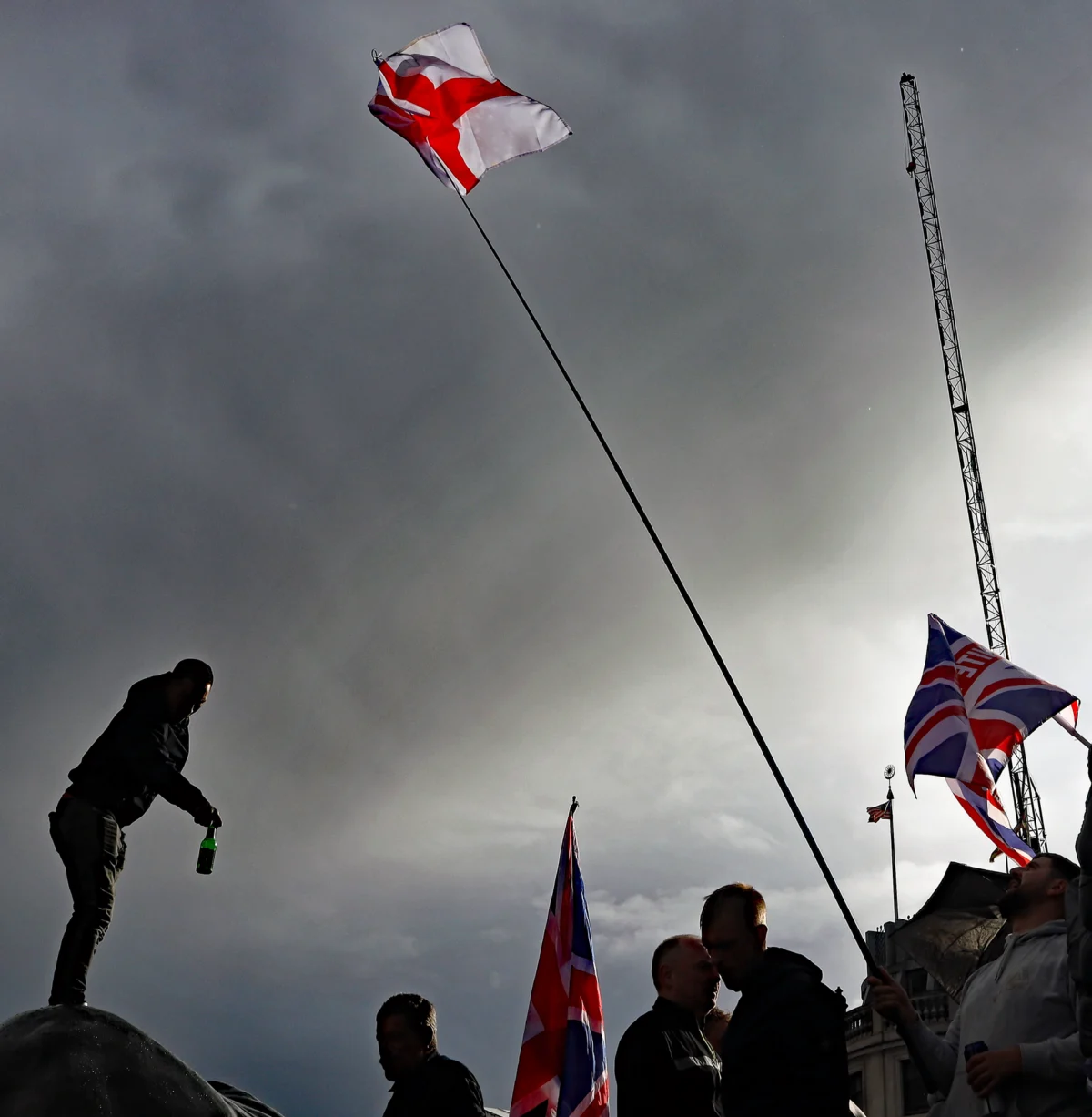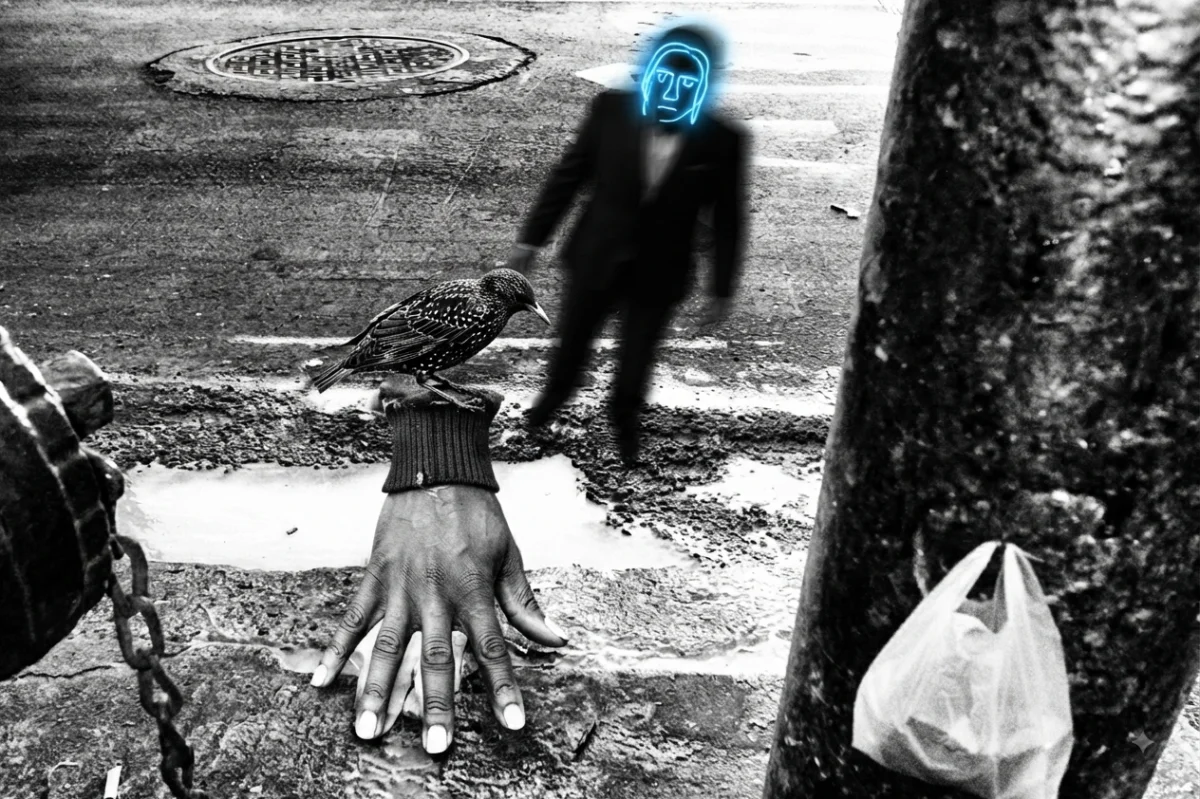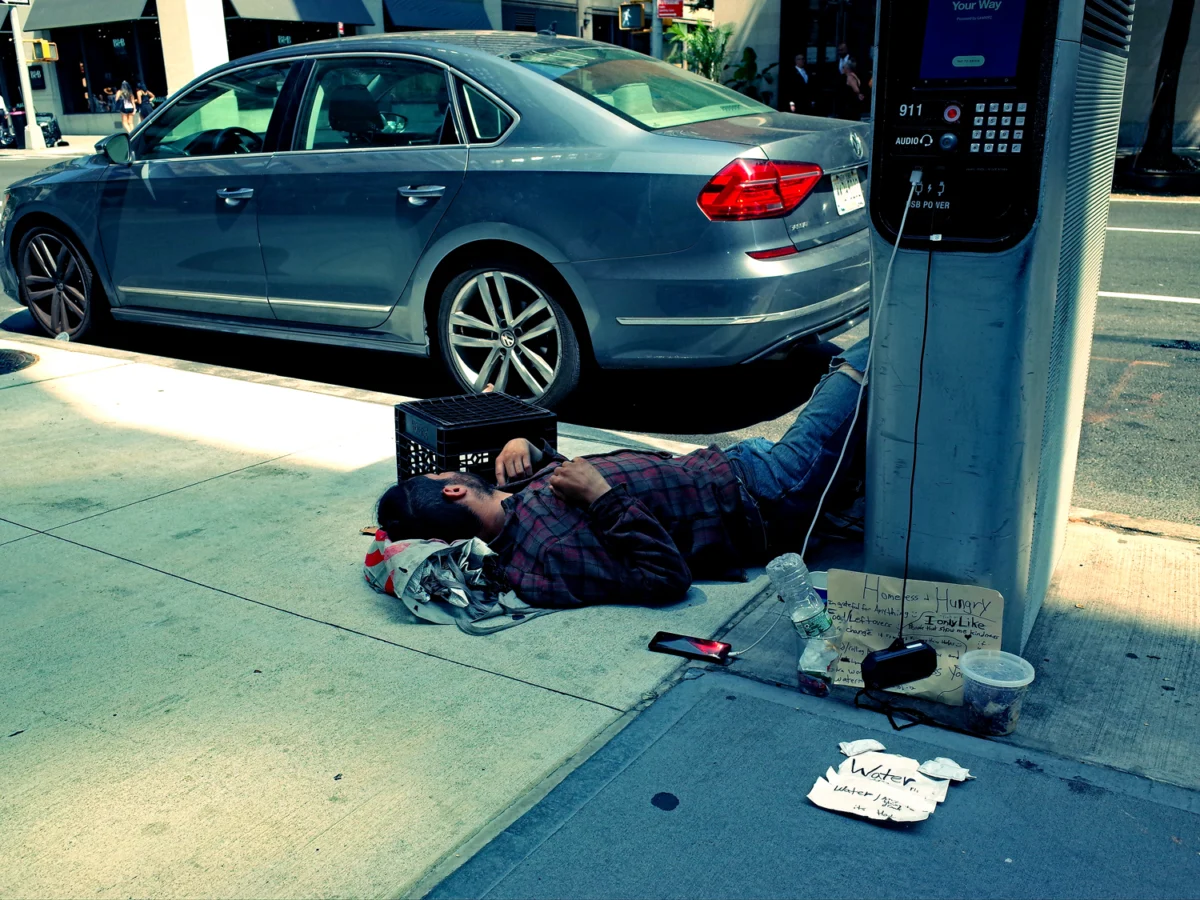
The question of "Conceptual Continuity" in a street photographer’s body of work, much like the enigmatic query posed in Frank Zappa’s 1974 album Apostrophe on the track "Stink-Foot," delves into the underlying coherence that binds seemingly disparate images. This exploration examines whether all street photographers inherently possess this conceptual thread, if it is a requisite for the genre, and critically, whether its presence or absence truly matters in the grander scheme of photographic artistry. The very essence of conceptual continuity lies in the logical and thematic consistency of ideas, ensuring that each photographic element builds upon the preceding one, fostering a sense of connected progression rather than fragmented or contradictory presentation. It is the invisible thread, the sustained intellectual and visual dialogue that a photographer maintains with the world they document.
Defining Conceptual Continuity in Street Photography
At its core, conceptual continuity refers to the consistent adherence to a set of central ideas, themes, or a specific way of perceiving and interpreting reality that persists over time and across a body of work. This does not necessitate the repetition of identical scenes or techniques. Instead, it signifies a cohesive photographic intent that allows viewers to recognize the distinct mindset of the artist, irrespective of the specific subjects, locations, or fleeting moments captured. A viewer, even without prior knowledge of the photographer’s identity or the context of the images, should be able to discern that these photographs emanate from a singular vision, a consistent philosophical or aesthetic approach.
This continuity manifests when a photographer’s images consistently explore:
- A particular human condition: Such as themes of isolation, connection, resilience, or alienation, as observed in the public sphere.
- The interplay between humanity and urban environments: Focusing on how people navigate, interact with, and are shaped by their cityscapes.
- Specific visual motifs or patterns: A recurring interest in geometric shapes, light and shadow play, or particular gestures and expressions.
- A distinct emotional tone: Whether it be melancholic, joyous, satirical, or observational, a consistent emotional resonance can tie images together.
- A particular perspective on social dynamics: A photographer might consistently focus on power imbalances, everyday rituals, or moments of unexpected grace.
It is crucial to distinguish conceptual continuity from superficial similarities. It is not about shooting in the same city exclusively, nor is it about employing a singular camera or lens. While a consistent aesthetic style, such as a preference for black and white or a particular framing technique, can support conceptual continuity, it does not create it in isolation. The underlying thought process, the enduring curiosity, and the unique interpretive lens are the true architects of this enduring connection between images.
The Genesis of Conceptual Continuity: A Journey of Observation
The development of conceptual continuity in street photography is rarely a conscious, pre-planned endeavor from the outset. More often, it emerges organically through a sustained engagement with the practice. A dedicated street photographer, venturing out daily with an open mind and an acute observational sense, seeks to capture moments of serendipitous beauty, profound human interaction, or striking visual juxtapositions. While an individual day’s output might appear eclectic, a longer view, spanning weeks, months, or even years, reveals the subtle but persistent threads that weave through the collection.

Over time, these individual shots begin to form distinct narratives, each contributing to a larger, overarching conceptual framework. Each photograph becomes a vital link in an unfolding chain, building towards a more comprehensive understanding of the photographer’s vision. This process is akin to assembling a complex mosaic; each tile, though unique in its color and texture, contributes to the overall image.
Visualizing the Invisible Thread
Conceptual continuity, though rooted in abstract ideas, often reveals itself visually through several key elements:
- Consistent use of light and shadow: A photographer might consistently favor dramatic chiaroscuro, soft ambient light, or the harsh glare of midday sun, imbuing their work with a particular mood.
- Recurring compositional structures: Certain arrangements of elements within the frame, such as leading lines, symmetrical arrangements, or a preference for wide-angle perspectives, can create a recognizable visual language.
- A distinctive approach to capturing motion: Whether it’s the blur of movement, the frozen instant, or the juxtaposition of static and dynamic elements, the treatment of motion can be a powerful unifying factor.
- A consistent perspective on the human form and gesture: The way a photographer frames individuals, their posture, and their interactions can convey a particular empathy or detachment.
- A recurring thematic focus: A persistent interest in architectural details, reflections, juxtapositions of scale, or the emotional expressions of individuals can act as a visual anchor.
Ultimately, conceptual continuity is the photographer’s ongoing conversation with the street, an uninterrupted dialogue expressed through their lens. It is the echo of their personality, their character, and their evolving perspective on life, mirrored in their photographic output.
The Significance of Conceptual Continuity in Street Photography
The importance of conceptual continuity in street photography can be understood through several lenses:
- Artistic Integrity and Recognition: It lends a body of work a distinct artistic signature, making it recognizable and memorable. This is akin to identifying a painting as belonging to a particular artist like Picasso or a musical piece as by Zappa or Led Zeppelin. Even without prior exposure, the unique voice becomes discernible. This recognition is crucial for establishing an artist’s place within the broader art historical discourse.
- Narrative Depth and Cohesion: Conceptual continuity allows a collection of images to transcend a mere aggregation of moments. It imbues the work with a deeper narrative, offering viewers a more profound and engaging experience. The viewer begins to piece together the photographer’s perspective, understanding the "why" behind the images.
- Personal Evolution and Reflection: For the photographer, conceptual continuity serves as a form of self-reflection. It tracks their intellectual and emotional journey, showcasing how their understanding of the world and their place within it has evolved over time. It is a visual diary of their evolving consciousness.
- Impact on the Viewer: A conceptually continuous body of work has a more lasting impact on the viewer. It encourages deeper engagement, prompting contemplation and discussion about the themes and ideas presented. It moves beyond the fleeting impression of an individual image to a sustained consideration of the artist’s vision.
- Building a Legacy: Over the long term, conceptual continuity is what forms a cohesive and impactful photographic legacy. It is the enduring essence that allows future generations to understand and appreciate the artist’s contribution to the genre. Renowned photographers like Vivian Maier, Bruce Gilden, Elliot Erwitt, and Saul Leiter are instantly recognizable not just by their technical skill, but by the consistent conceptual underpinnings of their work.
The Evolving Landscape of Street Photography and Conceptual Continuity
The contemporary street photography landscape is a dynamic and diverse ecosystem. While the core principles of capturing candid moments in public spaces remain, the ways in which photographers engage with their subjects and express their visions are constantly evolving. The advent of digital technology, the proliferation of social media platforms, and the increasing democratization of photography have all contributed to this evolution.
Historically, street photography was often associated with a more documentary or observational approach, with photographers like Henri Cartier-Bresson and Robert Doisneau defining early paradigms. Their work, while diverse in subject matter, often exhibited a subtle but discernible conceptual continuity, a humanist perspective that permeated their urban narratives.
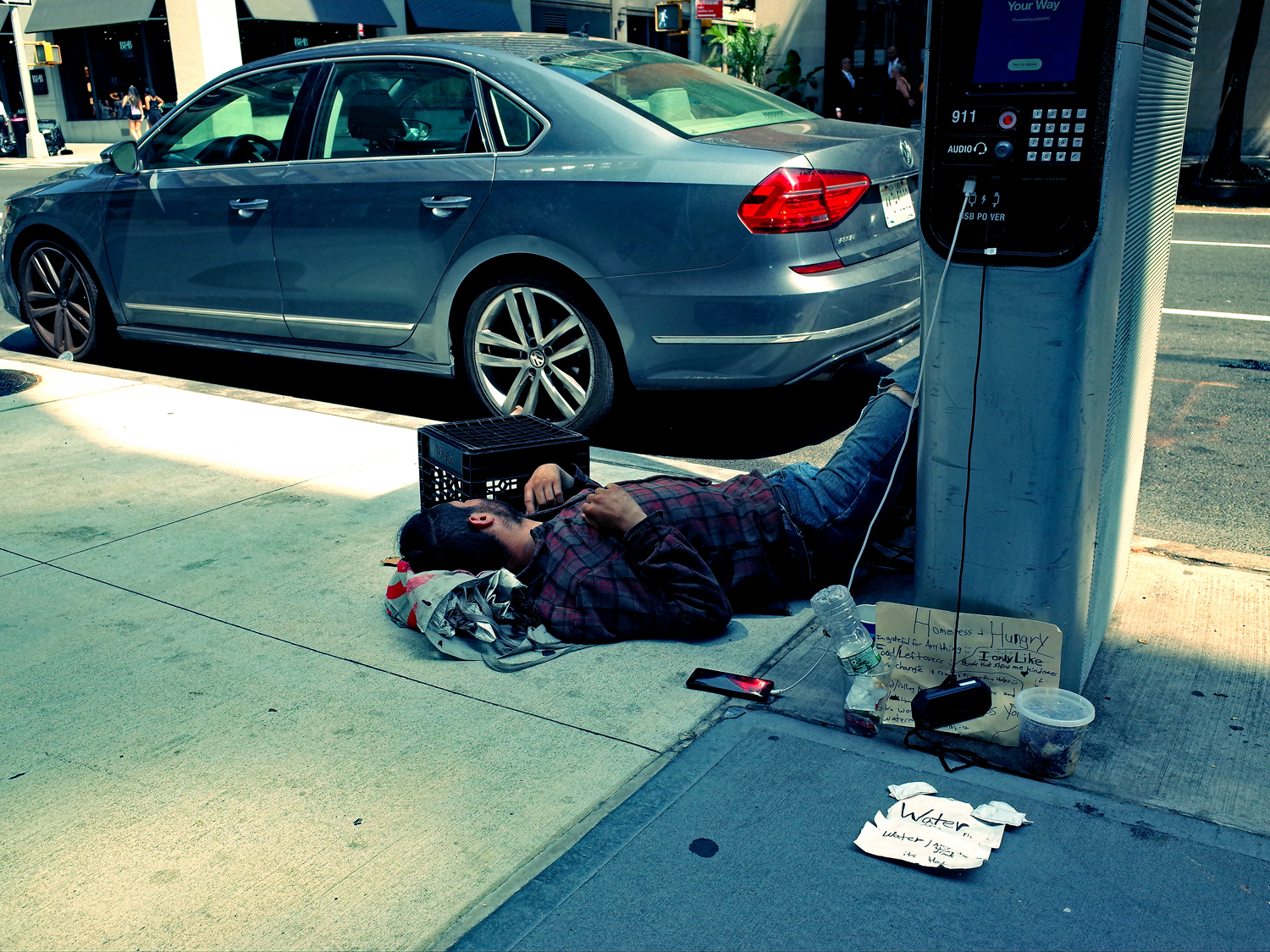
In the mid-to-late 20th century, photographers like Garry Winogrand and Diane Arbus pushed the boundaries, exploring themes of social alienation and individual psychology with a raw, unflinching gaze. Their conceptual continuity was defined by a persistent interrogation of the human condition in its most unguarded moments.
The digital age has introduced new possibilities and challenges. The ease of image creation and dissemination can, paradoxically, lead to a diffusion of focus. It becomes easier than ever to create a large volume of images, but maintaining a cohesive conceptual thread requires even greater discipline and self-awareness.
Case Studies and Implications
Consider the work of a photographer who consistently explores themes of loneliness within crowded urban spaces. Their images might feature individuals isolated in a sea of people, figures staring out of windows, or empty chairs in bustling cafes. While the specific settings and individuals change, the underlying concept of urban solitude remains the unifying element. This continuity allows the viewer to grasp the photographer’s commentary on the paradox of modern city life.
Conversely, a photographer who jumps between wildly disparate themes and styles without any discernible connection might struggle to establish a coherent artistic identity. While each individual image might be compelling, the overall body of work may lack the depth and resonance that comes from a sustained conceptual exploration.
The implication of conceptual continuity extends beyond mere aesthetic appeal. It speaks to the photographer’s intellectual engagement with their subject matter. It signifies a deliberate and thoughtful approach to image-making, where each photograph is not just a snapshot, but a contribution to a larger dialogue. This rigor is what separates a collection of interesting photographs from a significant body of artistic work.
Conclusion: The Enduring Power of a Unified Vision
In conclusion, conceptual continuity is not merely an academic concept but a fundamental aspect of impactful street photography. It is the invisible force that transforms a series of individual images into a cohesive and meaningful artistic statement. It is the photographer’s consistent way of seeing, their ongoing conversation with the world, and ultimately, a reflection of their unique perspective and evolving understanding of life. While not every street photographer may consciously strive for it from the outset, its organic emergence over time is a hallmark of enduring artistic achievement. It is the clue, the guiding signal that allows us to recognize a singular voice amidst the cacophony of the visual world, much like we can distinguish the unmistakable artistry of Zappa’s music or the unique style of a Picasso. The commitment to a unified vision, however subtly expressed, is what allows street photography to transcend the ephemeral and become a lasting testament to the human experience.