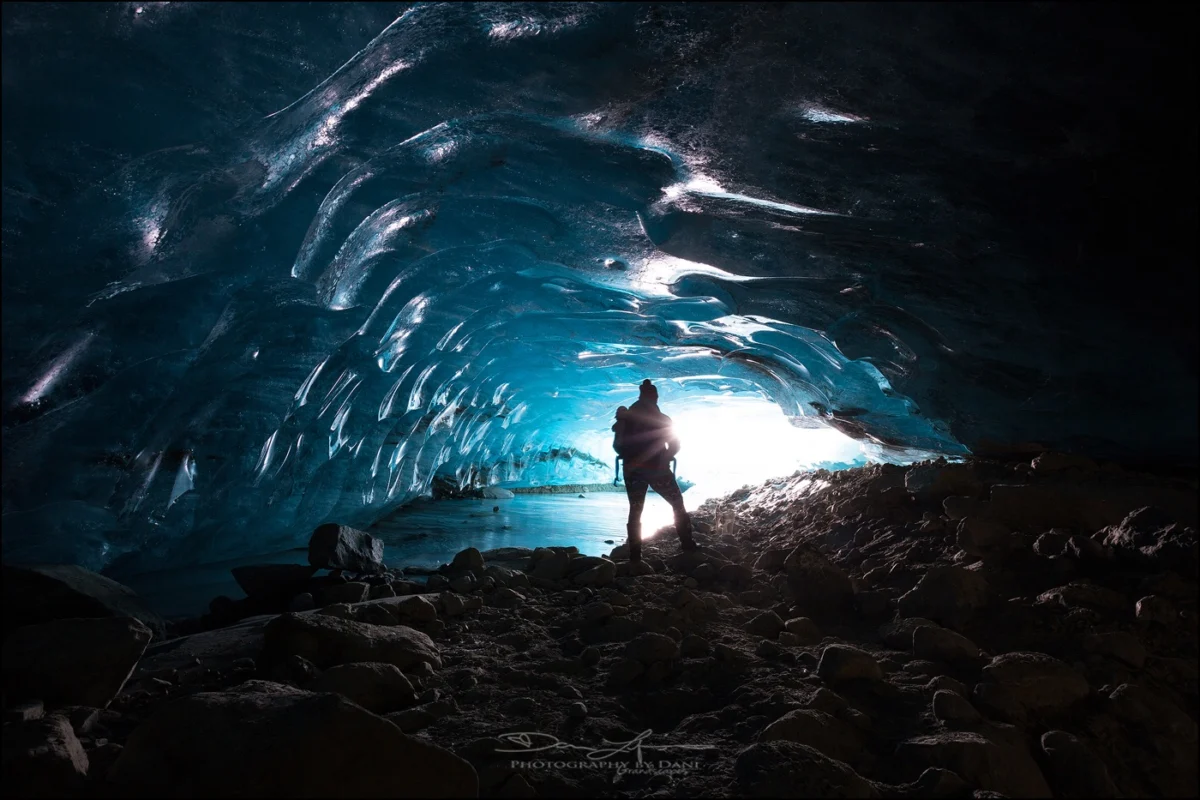
Nature TTL’s "From Amateur to Professional" interview series delves into the journeys of established nature photographers, charting their evolution in practice, style, and business acumen. This installment features Dani LeFrancois, a distinguished landscape photographer and photo guide whose work is deeply inspired by the rugged beauty of the Canadian Rockies. With 22 years of dedicated photographic pursuit and 11 years of imparting her knowledge through teaching, LeFrancois offers a compelling narrative of passion transforming into a profession, highlighting the pivotal moments and challenges faced along the way. The series aims to provide aspiring photographers with insights into progression, foundational steps, and the critical transition from enthusiast to expert. Readers interested in further exploring this series can subscribe to Nature TTL’s free newsletter for more in-depth features.
Early Discoveries and the Genesis of a Passion
Dani LeFrancois’s photographic journey began not in a classroom, but in the embrace of nature itself, tracing back to a childhood deeply connected to the outdoors. "I caught the fever when I was quite young," LeFrancois recalls, describing herself as "very much an outdoor kid" who spent summers immersed in exploration at YMCA camps. This early affinity for the natural world, characterized by an unreserved curiosity for creatures like frogs and insects, laid the groundwork for her future calling.
Her initial foray into photography was a practical assignment during family road trips across Ontario and the East Coast of Canada. Tasked with documenting these travels, LeFrancois developed an early appreciation for capturing scenes. The pivotal moment arrived with the anticipation of a trip out West to Alberta, prompting her to acquire a "state of the art" 2-megapixel point-and-shoot camera. While rudimentary by today’s standards, this device represented a significant technological leap for consumer photography at the time, offering a new level of accessibility for capturing personal experiences. The late 1990s and early 2000s saw a burgeoning market for digital cameras, democratizing photography beyond traditional film.

This journey out West proved transformative. "This trip was the start of my obsession with photography," LeFrancois states, pinpointing the moment her casual interest escalated into a profound dedication. Her burgeoning talent was soon recognized during a high school photography class, where she discovered a "natural eye for composition." This early aptitude, coupled with her innate connection to nature, solidified her direction. While a brief period in college for photography was pursued, LeFrancois ultimately found the curriculum did not cater to her specific passion for nature photography. This realization prompted her to forge her own path, navigating the nascent landscape of nature photography as a professional pursuit outside traditional academic frameworks. Her independent spirit and self-driven quest to master the genre would define her subsequent career trajectory.
The Evolution of a Photographic Vision
Reflecting on her early photographic output, Dani LeFrancois shares a sentiment common among artists: a fond appreciation for past work, coupled with a recognition of growth. She often revisits her old online accounts, recalling how she once perceived certain images as "amazingly groundbreaking." While acknowledging that these shots might not have held such universal significance, she cherishes them as personal milestones. "They were shots I experimented with, whether with delayed shutter effects or found moments," she explains, emphasizing the joy and novelty that characterized her formative years behind the lens. This period of uninhibited experimentation is crucial for many photographers, allowing them to develop intuition and a unique visual language before conforming to professional standards.

One such early image, titled "Dual Vocals," exemplifies this experimental phase. While specific details of its composition and technique are not extensively detailed, its naming suggests a focus on capturing mood or a narrative within a scene, possibly through multi-exposure or abstract elements. It represents a step in her artistic development, a personal breakthrough that fueled her continued exploration.
Comparing two photographs—one from her amateur days and another from her professional career—LeFrancois highlights a consistent thread in her approach despite significant advancements in skill and equipment. The first image, "Waterlogged," depicts a delicate leaf adorned with water droplets, captured during a college field trip to a waterfall. While her peers hurried to photograph the main attraction, LeFrancois, driven by an instinct for detail, spent considerable time on this macro subject, contending with low light conditions. This early decision to diverge from the obvious subject underscores her innate ability to find beauty in overlooked details and trust her visual instincts. The technical challenges of capturing such a scene in low light with older equipment would have been substantial, making the resulting image a testament to her dedication even then.

The second image, a professional shot, portrays a golden hour scene from a less-frequented perspective in the Canadian Rockies. This location, often overshadowed by more iconic viewpoints, was discovered by LeFrancois while en route to another destination. This incident parallels her early "Waterlogged" experience: both images stem from an intuitive response to a "found moment" and a willingness to explore beyond the conventional. "These two photos, although wildly different, are very similar in how they were taken," she observes. "I feel proud of both of them before they remind me to follow my instincts." The "Waterlogged" image holds particular sentimental value, remaining a favorite of her mother’s, a reminder of cherished memories and the enduring power of early artistic expressions. This comparison illustrates a core principle of LeFrancois’s work: the consistent reliance on intuition and an eye for unique compositions, refined over decades of practice.
The Professional Transition: A Decades-Long Evolution
The concept of becoming a professional photographer began to crystallize for Dani LeFrancois during her high school years, sparked by the realization that photography could be a legitimate field of higher education. "That’s when it felt like a ‘real career,’ not just something you did as a hobby," she explains. However, her initial understanding of professional photography was somewhat naive; she harbored the common misconception that professional photographers held "real jobs" and pursued their creative endeavors as a side hustle. This perspective underscores a broader societal challenge in recognizing artistic vocations as viable primary careers.

Her brief college experience, though not entirely aligned with her nature photography aspirations, provided a crucial turning point. A professor’s declaration that students pursuing higher education in their craft were, by definition, "professional photographers," offered an early, albeit perhaps premature, validation. This academic endorsement, while not immediately translating into a full-time career, planted the seed of professional identity.
The practical transition involved a strategic period of diverse photographic work. After leaving college, LeFrancois actively sought experience in various genres, including wedding photography, concert photography, and portraiture. This deliberate diversification allowed her to hone technical skills, manage client expectations, and build a portfolio—all essential components of a professional practice, even if not directly in her preferred niche of nature. This phase can be seen as a common pathway for many aspiring photographers, using commercial work to build a foundation while refining their artistic voice.

The journey to full-time professionalism was a protracted one, spanning nearly two decades. LeFrancois outlines a clear chronology:
- 10 years into actively focusing on photography: She made the significant move to Western Canada, a decision that would immerse her in the landscapes that now define her portfolio. The Canadian Rockies, with their majestic peaks, pristine lakes, and abundant wildlife, offer unparalleled opportunities for landscape photographers, attracting artists from around the globe.
- 12 years into her photography obsession: She established her own business, a critical step in formalizing her artistic endeavors and laying the groundwork for a self-sustaining career. This involved navigating the complexities of entrepreneurship, from branding to client acquisition.
- 17 years into her photography journey, seven years after moving west: At the age of 32, LeFrancois achieved a significant personal and professional milestone: she "retired" from her "real job" to become a full-time professional photographer and photo guide. The use of "retired" is notably ironic, reflecting a personal aspiration she held from a young age: to be either retired or a photographer. This transition represents the culmination of years of dedicated effort, strategic planning, and unwavering passion, allowing her to fully dedicate herself to her true calling. This multi-year transition underscores that for many creative professionals, the path to full-time work is often incremental and requires significant perseverance.
A Pivotal Shift: From Competition to Collaborative Education
A profound "eureka moment" reshaped Dani LeFrancois’s professional identity, shifting her focus from striving to be solely a professional photographer to embracing the role of a photo guide and educator. This transformation was catalysed by her experience with a "protégé"—a friend she actively mentored, helping them develop their photographic skills and refine their artistic vision. This direct involvement in another photographer’s growth proved to be a watershed experience.

LeFrancois candidly admits that earlier in her career, she perceived photography as a competitive arena. "I used to feel like photography was a bit of a competition—whoever got their image posted first would get all the glory," she reveals. This competitive mindset is prevalent in many creative fields, particularly with the rise of social media platforms where immediate recognition can feel paramount. However, as she immersed herself in guiding and educating, something fundamental changed. "As time went on and I started to help more photographers in the field and help fine-tune compositions, I started to feel pride in their images and the competition melted away," she recounts.
This shift signifies a maturation of her professional ethos, moving from an individualistic pursuit of recognition to a collaborative spirit of shared success. The act of teaching and guiding, of witnessing others’ breakthroughs, became a new source of fulfillment. "Now, I feel lost if I’m not helping someone with something because my joy is seeing others succeed, even if it overshadows me and my own work," LeFrancois states. This philosophy has significant implications for her career, establishing her not just as an artist, but as a community builder and mentor. It positions her as a valuable resource within the nature photography community, contributing to the development of new talent and fostering a more supportive environment. This transition highlights a growing trend among experienced photographers who find profound satisfaction in sharing their expertise and contributing to the artistic development of others, often through workshops, tours, and online education platforms. Her dedication to education adds another layer to her professional identity, broadening her impact beyond her individual photographic output.

Revisiting Landscapes: A Deepening Connection and Evolving Approach
Dani LeFrancois expresses a profound affinity for revisiting locations, a practice that forms a significant cornerstone of her portfolio. "I absolutely love revisiting places," she affirms, noting that much of her body of work serves as "a story of revisiting the same place and capturing moments and the landscape as it changes and evolves." This approach stands in contrast to photographers who constantly seek new, unexplored locales. For LeFrancois, repeated visits offer a deeper understanding of a place, allowing her to observe subtle shifts in light, weather, seasons, and geological features. This intimate familiarity enables her to move beyond superficial capture and delve into the nuanced character of a landscape.
When returning to a familiar spot, her objective is not merely to replicate past successes but to uncover fresh perspectives. "My focus when revisiting is to capture something different from the familiar, whether it is changes in light or the landscape," she explains. This involves actively seeking out unique conditions, exploring new angles, or noticing details that might have been overlooked during previous visits. For instance, a waterfall might present an entirely different character after heavy rains, or a mountain range could reveal new dramatic silhouettes under varying atmospheric conditions. This iterative process allows her to build a comprehensive visual narrative of a place, showcasing its dynamic nature over time.

Her photographic methodology is distinctly intuitive. "My approach to photography is very intuitive with no real structure or forced technique," LeFrancois states. Rather than adhering to rigid compositional rules or technical formulas, she allows the moment and the landscape itself to guide her decisions. "I do what feels right for the moment," she adds. This intuitive style is often developed through extensive experience, where the photographer’s eye and instincts become so finely tuned that technical and compositional choices become almost subconscious. While many photographers benefit from structured learning and predefined techniques, an intuitive approach allows for greater spontaneity and an authentic connection to the subject, often resulting in images that resonate deeply with emotion and personal vision. This method highlights a belief that the most compelling photographs often arise from a genuine, unforced interaction with the environment, rather than a predetermined checklist of photographic principles.
The Editing Philosophy: Efficiency and Authenticity
Dani LeFrancois’s approach to post-processing stands out for its consistency and pragmatic efficiency, a reflection of her broader photographic philosophy. She openly states, "I haven’t changed the way I edit in many years," indicating a settled and reliable workflow rather than a constant pursuit of the latest software features or trends. This steadfastness contrasts with many photographers who frequently adapt their editing techniques to evolving styles or technological advancements.

Her candor extends to her personal enjoyment of the editing phase: "I don’t enjoy the editing process. I get uninspired behind the computer." This sentiment, while perhaps surprising for a professional photographer, underscores her primary passion for being in the field and capturing images. For LeFrancois, the magic happens at the moment of capture, and post-processing is a necessary, but less stimulating, step to finalize her artistic vision. This preference leads to a highly streamlined workflow: "The majority of my images are 2-5 minute edits." This rapid turnaround suggests that her in-camera capture is already strong, requiring minimal adjustments to achieve the desired aesthetic. It also implies a commitment to a naturalistic look, where extensive manipulation or complex composite work is not a primary objective.
LeFrancois acknowledges that more sophisticated or time-consuming editing techniques exist. "I’m sure there are easier and better ways to do things," she admits. However, she self-identifies with the adage, "I feel like I am a bit ‘old dog new tricks’ when it comes to editing, so I just do it the same way I’ve always done; I am resistant to take the time to learn new ways to do things." This resistance highlights a practical decision to prioritize her time and energy on what she enjoys most—shooting—rather than investing heavily in mastering new digital darkroom techniques. Her consistent, minimal editing style contributes to a cohesive portfolio and a clear artistic signature, emphasizing the raw beauty of the landscapes she photographs with an authentic touch. In a world where elaborate post-processing often defines photographic trends, LeFrancois’s approach champions efficiency and a direct translation of her in-field vision.

Navigating Challenges: Confidence Beyond the Camera
Throughout her extensive career, Dani LeFrancois identifies confidence as her most persistent challenge, particularly in aspects of photography that extend beyond the act of shooting. "I would say the biggest challenge for me has always been confidence in every part of photography, except when I am in the field out shooting," she reveals. This distinction is crucial to understanding her creative process and personal struggles.
When she is actively photographing, LeFrancois describes a state of flow and intense focus. "Because I shoot intuitively, I am focused and in the zone when I am shooting and I’m not overthinking the compositions or the elements," she explains. In these moments, her deep connection to nature and her honed instincts take over, allowing her to operate with a natural self-assurance. The creative act itself is where her confidence flourishes, as she trusts her eye and her ability to react to the unfolding scene. This intuitive approach, developed over decades, allows her to bypass self-doubt and fully immerse herself in the moment of creation.

However, the confidence she experiences in the field often dissipates when she steps away from the camera. "Every other part of photography that’s not spent behind the camera is always a challenge to find where I fit in," she admits. This encompasses a broad spectrum of professional activities, including marketing her work, engaging with the photographic community, self-promotion, and navigating the business aspects of her career. Many artists grapple with this dichotomy, feeling assured in their creative output but less confident in the entrepreneurial or public-facing demands of their profession. The modern professional photographer is not only an artist but also a marketer, a business manager, a social media strategist, and an educator. For LeFrancois, the challenge lies in reconciling her strong artistic intuition with these diverse, often less intuitive, professional roles. Her ongoing journey involves continuously building confidence in these peripheral yet essential areas, finding her place and voice within the broader photographic ecosystem beyond the serene solitude of the Canadian Rockies.
Reflective Advice for the Aspiring Photographer
When asked to offer a single piece of advice to her younger self, Dani LeFrancois provides two highly practical and insightful recommendations that speak volumes about the realities of a professional photography career. Her primary advice is to "take a business class." This suggestion underscores a critical often-overlooked aspect of creative professions. While artistic talent and technical skill are fundamental, the ability to manage finances, market oneself, understand contracts, and operate as an entrepreneur is equally vital for long-term success. Many photographers enter the field driven by passion, only to find the business complexities overwhelming. LeFrancois’s retrospective wisdom highlights that formal business education could have mitigated many of the challenges she faced in establishing and sustaining her career.

Her second piece of advice is equally pragmatic: "learn how to back up your old photos better." In the digital age, data management and archival practices are paramount. The loss of early work is a common lament among photographers who started their careers before robust cloud storage and systematic backup solutions became widespread. For LeFrancois, this means missing "all the old photos I remember taking but don’t have copies of anymore." This loss represents not just digital files, but irreplaceable memories, developmental milestones, and a visual history of her artistic evolution. Proper archiving ensures the preservation of one’s entire body of work, which can be invaluable for portfolio development, retrospective exhibitions, or simply for personal reflection.
Together, these two pieces of advice paint a comprehensive picture of the challenges and necessities beyond the creative act itself. They emphasize that a successful professional photography career requires a dual mastery: artistic excellence coupled with sound business practices and meticulous data management. LeFrancois’s journey, from a nature-loving child with a point-and-shoot camera to a respected landscape photographer and educator, serves as a powerful testament to passion, perseverance, and the continuous evolution required to thrive in a dynamic creative field. Her willingness to share these insights provides a valuable roadmap for aspiring photographers hoping to navigate their own path from amateur enthusiasm to professional distinction.