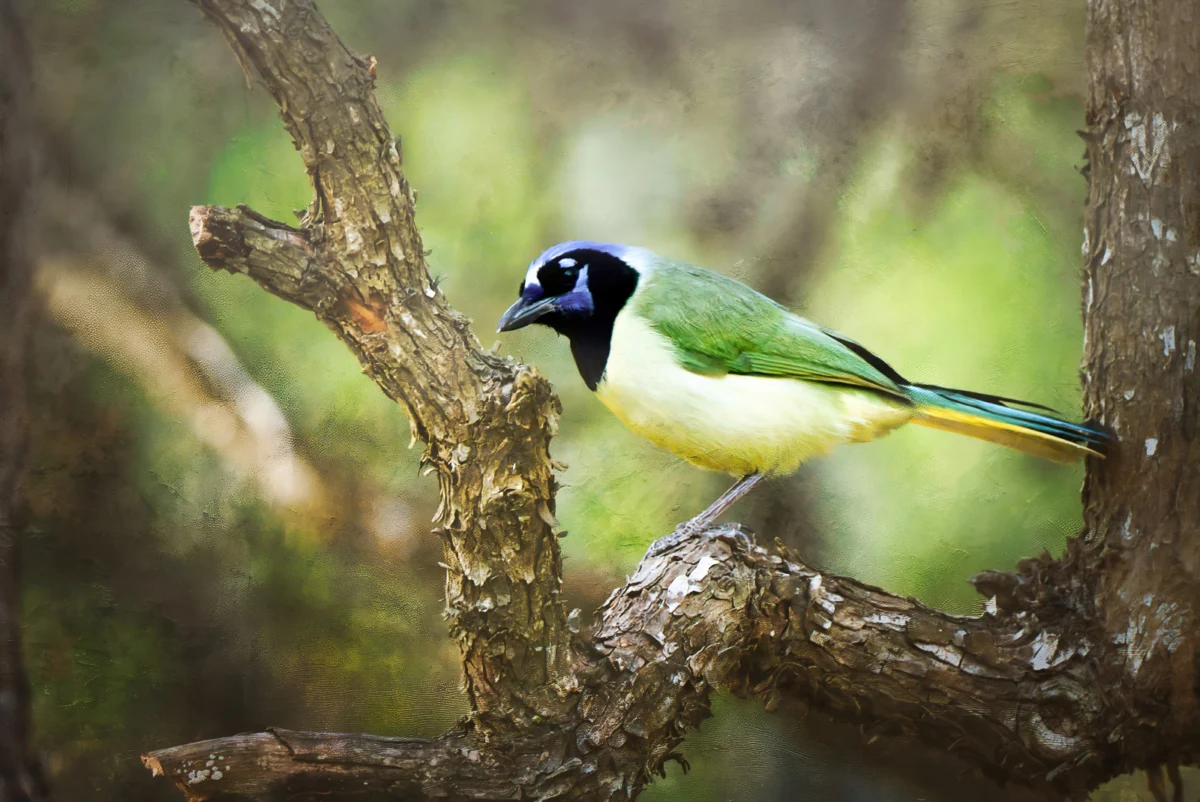
Lighting in photography stands as one of the most vital elements to master, consistently making the difference between a competent photograph and a truly spectacular one. It is the invisible force that sculpts form, defines texture, creates depth, and evokes emotion, serving as the very language through which photographers communicate their vision. From the subtle nuances of natural light to the deliberate manipulation of artificial sources, understanding and harnessing light effectively is the cornerstone of compelling imagery across every photographic genre.
The Fundamental Role of Light in Visual Communication
At its core, photography is the art of "drawing with light." Without light, there is no image. However, merely having light is not enough; the quality, direction, and intensity of light profoundly influence the final outcome. Light dictates the mood of a scene, guiding the viewer’s eye and highlighting crucial details. Whether capturing the golden hues of sunrise over a serene landscape, the dramatic shadows within a dense forest, or the intricate details of wildlife backlit by a setting sun, a photographer’s ability to interpret and utilize light will unequivocally elevate their work to new heights. Mastery of lighting transcends mere technical proficiency; it is an artistic endeavor that allows for profound visual storytelling.

Historically, the journey of photography has been inextricably linked with the understanding and control of light. Early photographic processes, such as the daguerreotype in the 19th century, relied exclusively on prolonged exposures to natural light, limiting subjects and conditions. As technology advanced, so too did the capacity to manipulate light. The invention of flash powder and later electronic flashes revolutionized portraiture and action photography, freeing photographers from the constraints of ambient light. Today, with the advent of sophisticated digital sensors, powerful LED lighting, and advanced computational photography techniques, the possibilities for creative light control are more expansive than ever, yet the fundamental principles observed by pioneers remain critically relevant.
Understanding the Qualities and Directions of Light
To truly master lighting, photographers must first grasp its fundamental characteristics:
- Quality of Light: This refers to the harshness or softness of shadows.
- Hard Light: Produced by a small, direct light source (e.g., midday sun, undiffused flash). It creates sharp, well-defined shadows and high contrast, often conveying drama or intensity.
- Soft Light: Produced by a large, diffused light source (e.g., overcast sky, light through a softbox). It creates gradual transitions between light and shadow, resulting in lower contrast and a more flattering, gentle aesthetic.
- Direction of Light: The angle from which light strikes the subject significantly impacts how form and texture are rendered.
- Front Lighting: Illuminates the subject from the front, often flattening features but revealing color and detail clearly.
- Side Lighting: Comes from the side, creating strong shadows and highlights that emphasize texture and add three-dimensionality and drama.
- Backlighting: Positions the light source behind the subject, often creating dramatic silhouettes or a glowing "rim light" effect that separates the subject from the background.
- Top Lighting: Light directly from above (e.g., midday sun), can create deep shadows under brows and noses, often considered unflattering for portraits but can add drama to architectural shots.
- Bottom Lighting: Light from below, typically used for dramatic or eerie effects, as it is unnatural.
- Color Temperature: Measured in Kelvin (K), this describes the warmth or coolness of light. Lower Kelvin values (e.g., 2,000K) indicate warmer, more orange light (candlelight), while higher values (e.g., 7,500K) indicate cooler, bluer light (overcast sky). Understanding color temperature allows photographers to set accurate white balance or intentionally use color shifts for artistic effect.
Specialized Lighting Techniques Across Photographic Genres

The application of lighting principles varies significantly depending on the photographic subject and environment. Expert photographers adapt their approach, often integrating natural and artificial light sources to achieve their desired visual outcome.
Lighting in Wildlife Photography
Creating images of wildlife that truly stand out requires a deep understanding of how light falls, the qualities it possesses, and how to harness it without disturbing the subjects. Wildlife photographers often face the challenge of unpredictable subjects in dynamic, often challenging, environments.
- Optimal Conditions: The "golden hour" (shortly after sunrise and before sunset) is highly prized for its warm, soft, directional light, which can create stunning backlighting or side lighting effects, adding depth and a painterly quality to animal portraits.
- Techniques: Employing low angles to catch rim lighting on fur or feathers, utilizing natural reflectors like water or sand to bounce light, and understanding animal behavior to predict optimal light angles are crucial. Fill flash can be used judiciously and subtly to open up shadows, especially in dappled light, without overwhelming the natural scene or startling the animal. Ethical considerations dictate that artificial light should never harm or distress wildlife.
- Implications: Mastering light in wildlife photography requires immense patience, a keen observational eye, and a deep respect for nature. It transforms a simple record shot into an evocative portrayal of the animal’s spirit and environment.
Lighting in Landscape Photography

Understanding lighting in landscape photography goes far beyond merely comprehending exposure. One of the most powerful skill sets a landscape photographer can possess is the ability to identify, plan for, and adapt to ever-changing lighting conditions.
- Optimal Conditions: Similar to wildlife, the golden and blue hours are paramount. Blue hour, occurring just before sunrise and after sunset, offers a cool, ethereal light perfect for conveying mood and serenity. Dramatic storm light, with shafts of light breaking through dark clouds, can create breathtaking scenes of epic scale.
- Techniques: Planning involves checking sun position apps, understanding weather patterns, and scouting locations at different times of day. Utilizing graduated neutral density (GND) filters helps balance bright skies with darker foregrounds, while neutral density (ND) filters enable long exposures to smooth water or clouds, transforming dynamic light into a serene aesthetic. Backlighting can be used to create dramatic silhouettes of prominent features, emphasizing form over detail.
- Implications: The landscape itself becomes a canvas for light. A successful landscape photograph often hinges on capturing a fleeting moment of extraordinary light, transforming an ordinary scene into an unforgettable vista. This demands not just technical skill but a profound connection to the environment and its ever-changing atmospheric conditions.
Lighting in Underwater Photography
Learning how to find, create, and use light underwater can be one of the most essential and simultaneously difficult skills to master. The unique properties of water rapidly attenuate light and absorb colors, especially reds and oranges, as depth increases.
- Challenges: Ambient light diminishes quickly, and color shifts dramatically. Particulate matter in the water can scatter light, causing backscatter.
- Techniques: For shallow dives, ambient light can still be plentiful, allowing for natural-looking wide-angle shots. However, for deeper subjects or to restore lost colors and contrast, external strobes or continuous video lights are indispensable. Positioning strobes correctly (e.g., angled outwards to minimize backscatter, or used as backlights for dramatic silhouettes) is critical. Understanding the inverse square law and how light diminishes with distance is vital.
- Implications: Specialized equipment and a deep understanding of the physics of light in water are required. Mastering underwater lighting allows photographers to reveal the vibrant, often unseen, beauty of marine ecosystems, whether photographing ocean giants in their natural habitat or exploring the intricate details of a coral reef. It transforms murky scenes into vividly colored, compelling images.
Lighting for Macro Photography

Whether photographing amphibians or insects up close, or the finer details found in nature, lighting remains a critical element in macro photography. The extreme magnification inherent in macro work amplifies any lighting imperfections and often results in very shallow depths of field and significant light loss.
- Challenges: Limited depth of field, often working in shadows or confined spaces, and the need for intense, controlled illumination on tiny subjects.
- Techniques: Ring flashes or twin flashes mounted on the lens are popular for providing even, shadowless illumination. Diffusers are essential to soften harsh light, whether from natural sources or flash, preventing blown-out highlights and deep, distracting shadows. Reflectors can bounce ambient light into shaded areas. Focus stacking, where multiple images are taken at different focal planes and combined, often requires consistent lighting across all frames. Backlighting can highlight translucency in subjects like leaves or insect wings.
- Implications: Precise control over light is paramount to reveal the intricate textures, colors, and forms of the macro world, turning the minuscule into the magnificent. It allows for scientific documentation as well as artistic exploration of nature’s hidden wonders.
Lighting in Portrait Photography
While not explicitly in the original list, portrait photography, whether of humans or animals, fundamentally relies on masterful lighting to emphasize the subject, flatter features, and convey personality and emotion.
- Techniques: Studio portraiture often employs multi-light setups like three-point lighting (key, fill, and back/hair light) to sculpt the face. Classic patterns like Rembrandt lighting (a triangle of light on the cheek opposite the main light) or butterfly lighting (a butterfly-shaped shadow under the nose) are used to create specific moods. Natural light portraits benefit from open shade or window light, which provide soft, diffused illumination. Reflectors are frequently used outdoors to bounce light back onto the subject, softening shadows or adding catchlights to the eyes.
- Implications: Effective lighting in portraiture creates a connection between the subject and the viewer. It can make a person appear approachable, mysterious, powerful, or vulnerable, directly influencing the emotional impact of the photograph.
Lighting in Astrophotography and Night Photography

Capturing the ethereal beauty of the night sky or dimly lit nocturnal scenes presents unique lighting challenges, demanding specialized techniques.
- Challenges: Extremely low ambient light, managing digital noise at high ISO settings, and overcoming light pollution from urban areas.
- Techniques: Long exposures are standard to gather enough light, often requiring sturdy tripods and remote shutters. Light painting, where a light source (like a flashlight) is moved during a long exposure, can selectively illuminate foreground elements, adding interest and context to a starry sky. Understanding moon phases is crucial, as moonlight can act as a powerful natural light source, or its absence can allow for darker skies for deep-sky objects.
- Implications: Astrophotography bridges science and art, revealing the grandeur of the cosmos and the subtle beauty of our planet under starlight. It pushes the boundaries of camera technology and requires a profound understanding of exposure and noise management in extreme low-light conditions.
The Evolution of Lighting Tools and Future Trends
The journey of lighting in photography has seen a dramatic evolution of tools and techniques. From early photographers relying solely on the sun, we’ve progressed through flash powder, incandescent bulbs, and electronic flash units. Modern advancements include:
- Speedlights and Studio Strobes: Offering powerful, portable, and controllable bursts of light.
- Continuous LED Lighting: Providing consistent, cool, and often color-tunable light, ideal for video and still photography, allowing for real-time adjustments.
- Light Modifiers: An expansive array of tools like softboxes, umbrellas, grids, snoots, and reflectors, each designed to shape, diffuse, or direct light with precision. These tools are crucial for transforming raw light into the desired quality and direction.
- Computational Photography: Modern cameras and smartphones are increasingly using advanced algorithms to manage dynamic range, combine multiple exposures (HDR), and even intelligently adjust lighting in post-processing, making sophisticated light management more accessible.
Industry experts consistently emphasize that while technological advancements provide ever more sophisticated tools, the fundamental principles of light remain immutable. Leading photographers universally agree that gear is secondary to a deep understanding of light. Educational institutions and workshops worldwide continue to highlight light mastery as the cornerstone of photographic education, reinforcing its timeless importance.

Conclusion
Whatever the subject, lighting is a crucial, if not the most crucial, element to master for creating memorable and standout images. It is the photographer’s most powerful tool for expression, capable of transforming the mundane into the magical, the flat into the dimensional, and the ordinary into the extraordinary. From the grand sweeping landscapes to the intricate microcosm of insects, from the depths of the ocean to the vastness of the cosmos, light guides the eye, sets the mood, and defines the narrative.
As photographers continue their journey, the ongoing study and experimentation with light—its qualities, direction, and color—will unlock new dimensions of creativity and technical prowess. This comprehensive understanding empowers photographers not just to capture what they see, but to interpret it, to infuse it with feeling, and to truly draw with light. The ongoing pursuit of lighting mastery is an endless exploration, promising continuous growth and ever more compelling visual stories.