The enduring dialogue between painting and photography has often been shaped by technological evolution and a shared fascination with capturing the ephemeral nature of everyday life. Examining the foundational innovations that propelled Impressionism in the 19th century reveals striking parallels with the development of street photography, particularly in its embrace of light, color, and the candid portrayal of the human experience. This exploration delves into the historical context, artistic philosophies, and technical advancements that link these two seemingly disparate yet visually resonant art forms, demonstrating how innovation, education, subject matter, critical reception, and the very essence of light and color forged a common artistic vocabulary.
The Dawn of Mobility: Technological Leaps and Artistic Liberation
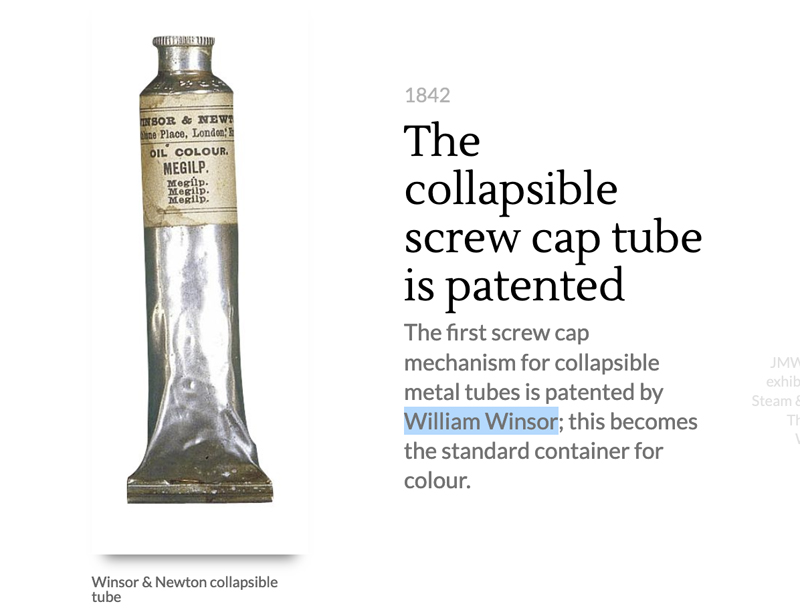
The trajectory of both Impressionism and street photography was significantly influenced by transformative technological innovations that liberated artists from the confines of traditional practices. For painters, the invention of the collapsible paint tube in 1841 by John Goffe Rand marked a pivotal moment. Prior to this, artists were tethered to their studios, meticulously grinding pigments and mixing oil paints – a time-consuming and essential part of their craft. The paint tube, however, democratized the creation and use of color. Companies like Winsor & Newton and Lefranc & Bourgeois began mass-producing ready-made paints, offering a wider array of pigments and freeing artists from the laborious preparation of their materials. This seemingly simple invention facilitated a shift towards "en plein air" (outdoors) painting, allowing artists to directly engage with the fleeting effects of natural light and the changing atmospheric conditions of the world around them. This newfound mobility directly contributed to the Impressionists’ ability to capture the dynamism of modern life, from bustling Parisian boulevards to serene countryside landscapes.
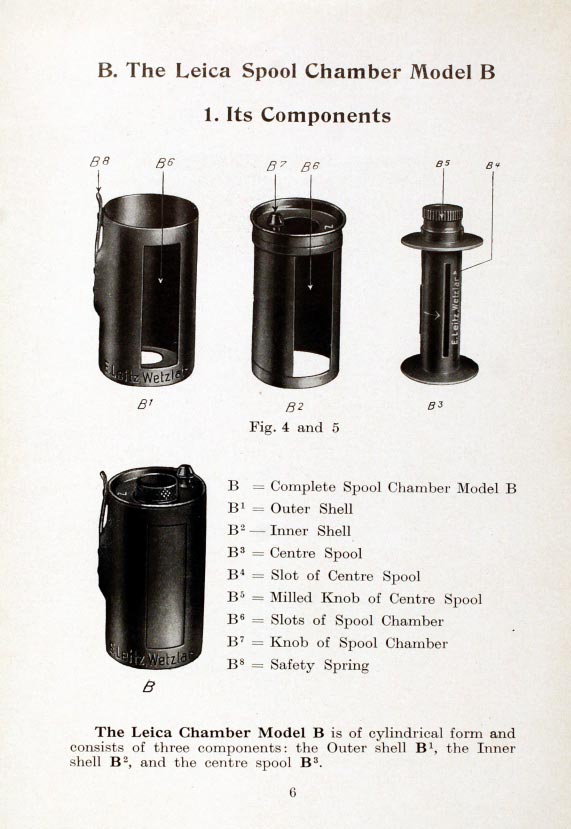
A comparable revolution occurred in the nascent field of photography. The early photographic process, often reliant on the wet plate technique, demanded photographers work in close proximity to darkrooms due to the immediate need to coat glass plates with light-sensitive chemicals. This process was akin to the pre-paint tube era of painting – time-intensive and chemically complex. However, the introduction of ready-made dry plates and, subsequently, flexible celluloid film, dramatically increased photographic mobility. Photographers were no longer tethered to fixed locations, enabling them to venture out and document life as it unfolded. A monumental leap forward for street photography arrived in 1924 with Leitz’s introduction of the reloadable film cassette and the practical 35mm camera. This combination rendered photography more portable, efficient, and accessible, mirroring the liberating effect of the paint tube on painting. This technological convergence empowered photographers to become mobile observers, transforming the streets into their studios and everyday life into their canvas.
Education and Artistic Autonomy: Forging a New Path
A curious and significant commonality between the Impressionists and the pioneers of street photography lies in their educational trajectories. Many of the most influential Impressionists, including Claude Monet, Pierre-Auguste Renoir, and Camille Pissarro, consciously distanced themselves from the rigid doctrines of academic art institutions. While they often received some form of artistic tutelage, whether in private ateliers or through apprenticeships, their distinctive styles were largely cultivated outside the formal, established systems. Edgar Degas, one of the few Impressionists with a formal academic background, stands as an exception, underscoring the movement’s tendency to embrace individualistic approaches. This departure from academic norms allowed them the freedom to experiment and develop a unique visual language.
Similarly, a substantial number of seminal street photographers were largely self-taught or pursued their education through less conventional avenues. Figures like Ed van der Elsken, despite attending various art and technical schools, never obtained a formal photography diploma. His learning was heavily influenced by his practical work in photographic laboratories and his immersion in the photographic community. Research conducted by Michiel van Mens, author of "The Photographic Signature of the Street Photographer in Six Stylistic Characteristics," highlights this pattern: out of fifteen renowned street photographers analyzed, only two had completed formal photography education. The majority, including luminaries like Henri Cartier-Bresson and William Klein, attended art schools but not with the singular aim of becoming photographers. This shared characteristic suggests that true artistic innovation often thrives outside the confines of institutionalized learning, where creators are encouraged to observe, experiment, and forge their own distinct visual identities.
Subject Matter: Elevating the Everyday
The Impressionist movement revolutionized artistic subject matter by shifting focus from grand historical narratives, mythological scenes, and aristocratic portraits to the mundane realities of everyday life. Streets, cafés, factories, theaters, and ordinary citizens engaged in their daily routines became their preferred subjects. Their technique, characterized by loose, rapid brushstrokes, aimed to capture the fleeting essence of a moment, akin to spontaneous visual snapshots. This radical redefinition of what constituted a worthy subject paved the way for a more democratic and relatable art form.
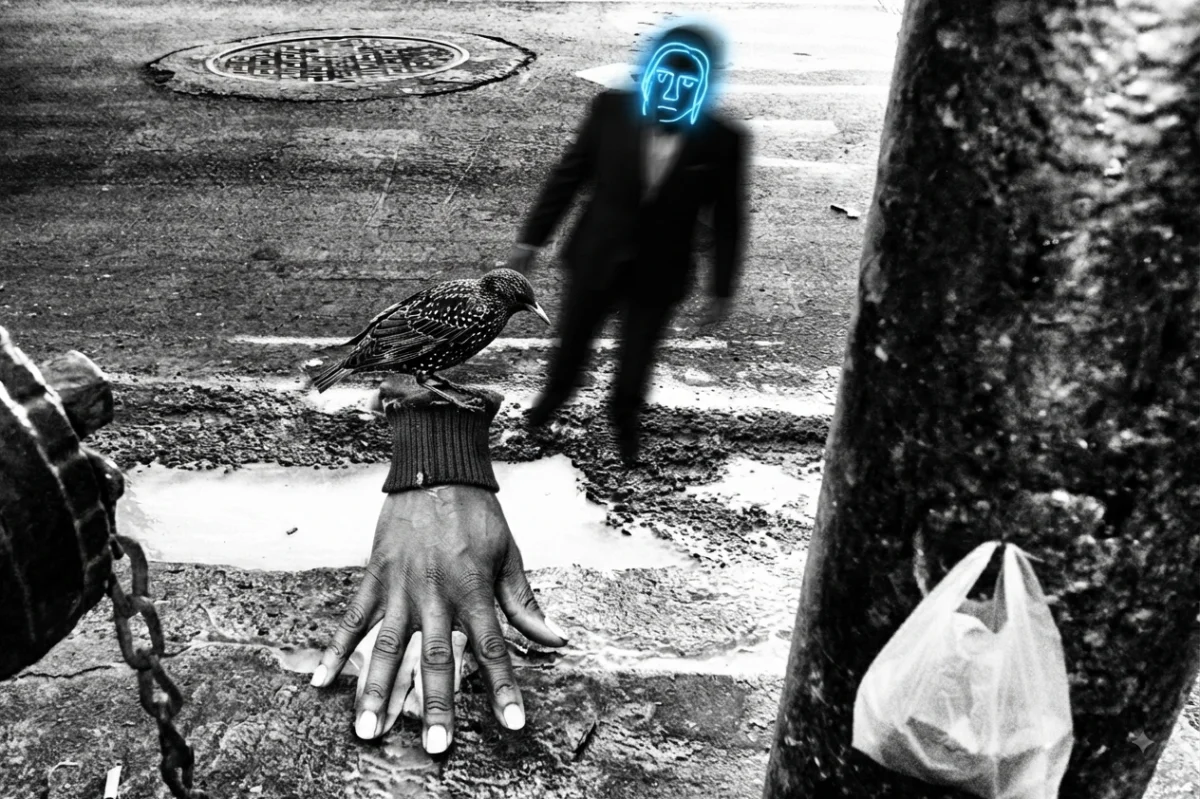
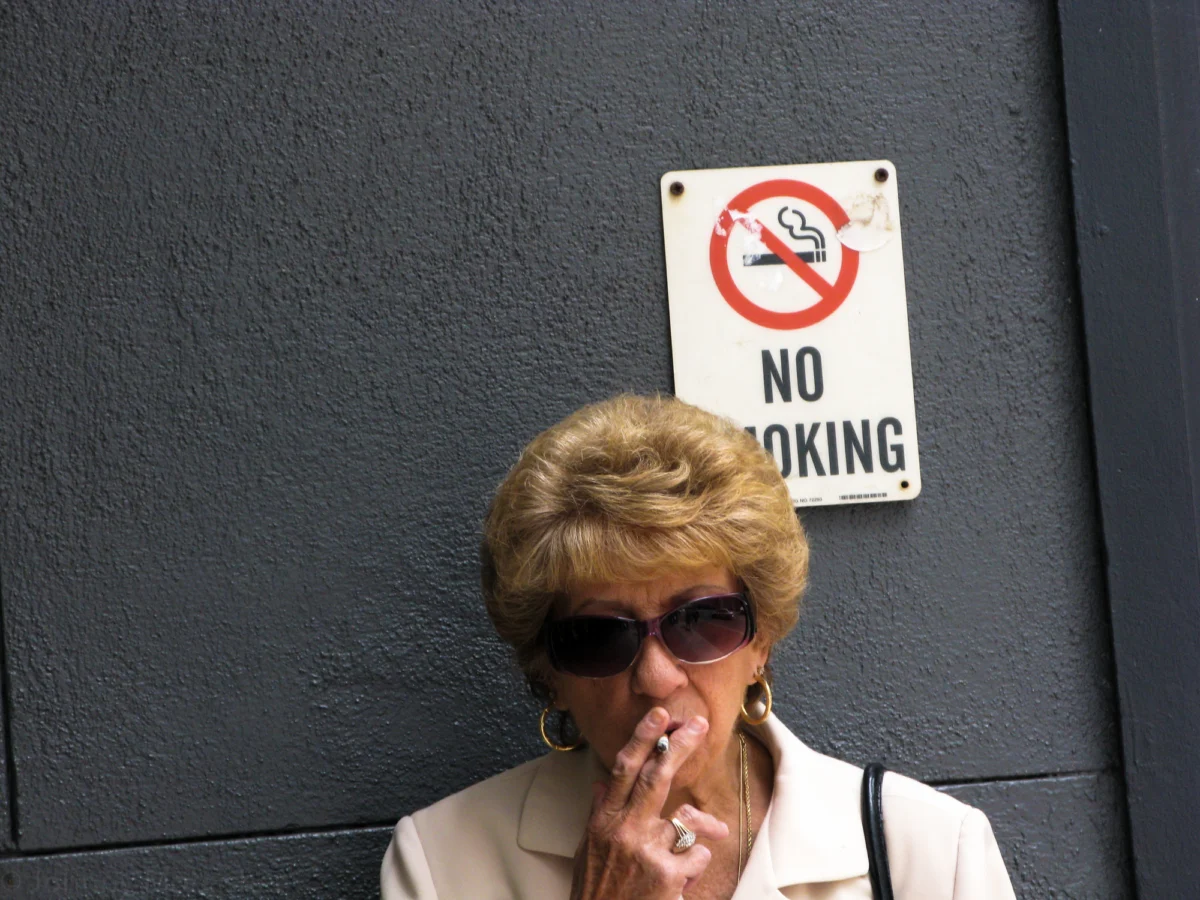
Street photography, in its formative years, mirrored this evolution. Photographers such as Helen Levitt, Ernst Haas, Fred Herzog, and Luigi Ghirri placed the fabric of everyday street life at the forefront of their work. Children playing, bustling cafés, parked cars, shop windows, and neon signs – these commonplace scenes were elevated to artistic subjects. The themes explored by these photographers bear a striking resemblance to those embraced by the Impressionists, as both movements found profound beauty and artistic merit in the familiar and the often-overlooked aspects of human existence. Stephen Shore, for instance, pushed this concept further, demonstrating that almost any scene – from hotel rooms and bathrooms to parking lots and meals – could become a legitimate artistic subject, transforming the ordinary into the extraordinary. Like the Impressionists, street photographers expanded the boundaries of artistic discourse, proving that significant artistic statements could emerge from the small, fleeting moments of daily life.
Critical Reception: From Ridicule to Reverence
The reception of both Impressionism and street photography by contemporary critics often followed a similar arc from dismissal and derision to eventual widespread acclaim. The term "Impressionist" itself was initially coined by art critic Louis Leroy as a pejorative label, suggesting that the artists’ works were unfinished and mere fleeting impressions rather than complete artistic statements. However, this intended insult was embraced by the artists, transforming a dismissive nickname into the moniker of a revolutionary movement.
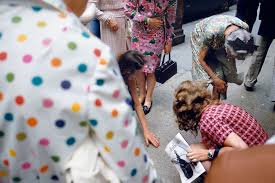
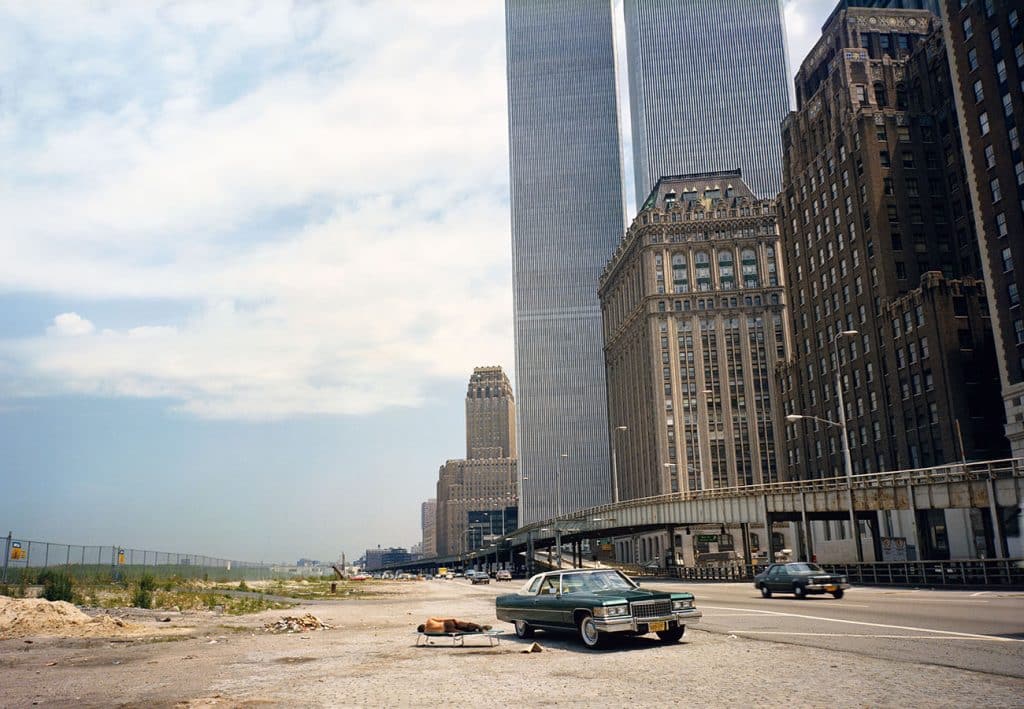
A parallel narrative unfolded in the history of street photography. When William Eggleston was granted a solo exhibition at the Museum of Modern Art in 1976, many critics reacted with skepticism, labeling his photographs as mere "snapshots" devoid of artistic intent. Eggleston was not alone; photographers working with color or focusing on everyday subjects frequently faced similar criticism and struggled for exhibition opportunities. This sentiment echoes the criticism leveled against the Impressionists, where what was initially perceived as careless or incomplete is now recognized as groundbreaking and artistically significant. The label "snapshot," much like "Impressionist," was used to diminish the work of street photographers, but over time, both terms became inextricably linked to influential artistic movements, highlighting the subjective and evolving nature of critical judgment.
The Canvas of Color: Embracing a New Palette
The Impressionists’ embrace of color was significantly influenced by technological advancements in pigment production. The expanded palette offered by industrially manufactured paints allowed them to explore new chromatic possibilities. Their innovative use of colors, particularly violet, not only added aesthetic richness but also served as a powerful tool for depicting light, atmosphere, and shadow. Rather than relying on traditional dark tones, they employed subtle shades of violet to imbue their works with depth and luminosity. This demonstrated a fundamental understanding that color was not merely descriptive but interpretive, capable of conveying mood and subjective perception.
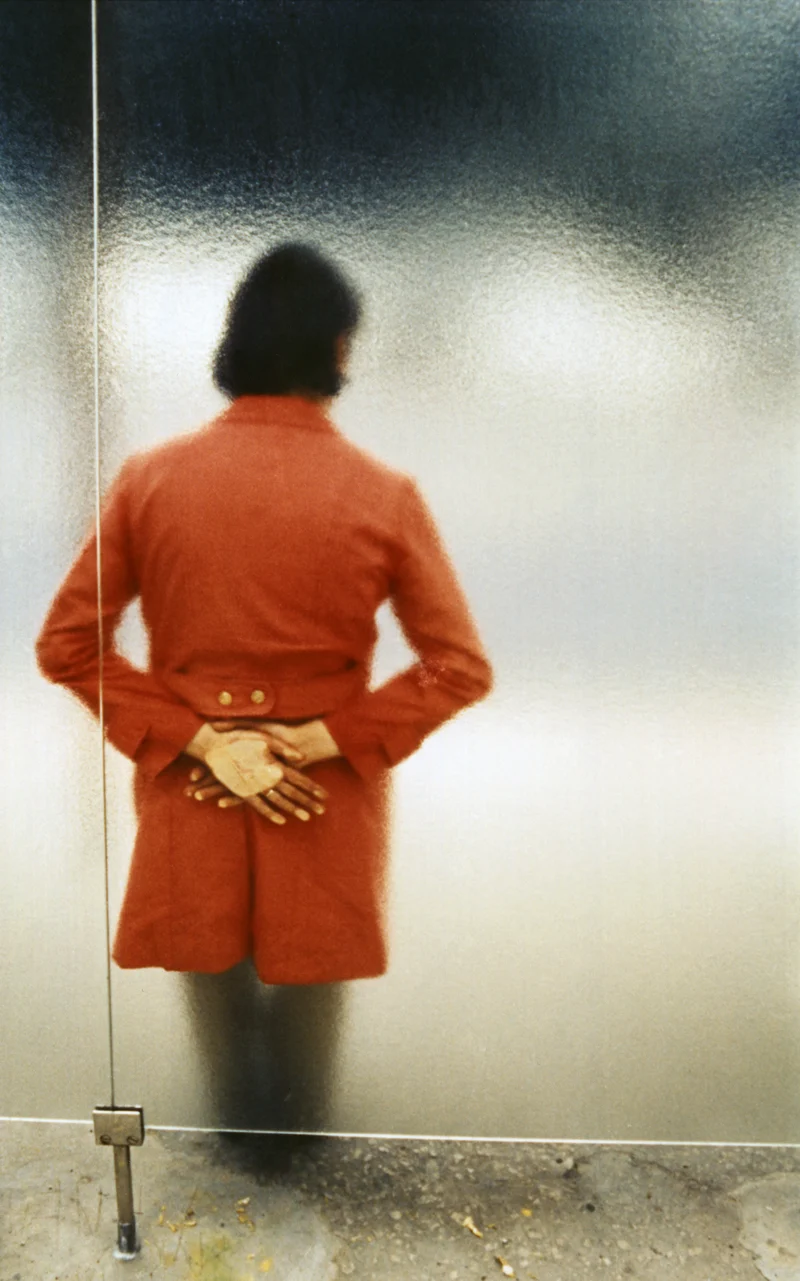
A compelling parallel can be drawn with the rise of color photography. Photographers such as Helen Levitt, Saul Leiter, Mitch Epstein, William Eggleston, and Fred Herzog deliberately embraced color at a time when black-and-white photography was considered the only serious artistic medium. William Eggleston’s pioneering work with the expensive and technically demanding "dye transfer" process, which produced exceptionally rich and saturated colors, exemplifies this commitment. Just as new pigments transformed painting, advancements in photographic technology, including the development of color film and printing techniques, allowed photographers to move beyond mere recording and to utilize color as an expressive visual language. This mirrors the Impressionists’ transformation of newly available pigments into a novel way of seeing and representing reality. Later generations, including Vivian Maier and Martin Parr, continued to explore the creative potential of color, solidifying its role as a potent tool for shaping mood and creating compelling visual experiences.
The Power of Light and Shadow: Capturing the Ephemeral Moment
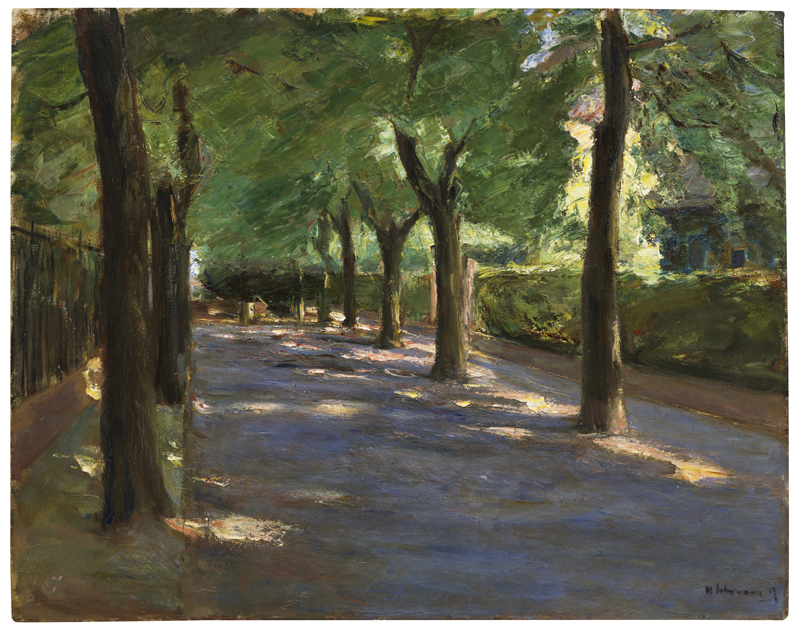
The fundamental essence of both painting and photography lies in light. However, the Impressionists elevated light beyond a mere tool for depiction to a subject in itself. Max Liebermann’s painting "Die Colomierstraße in Wannsee" (1917) serves as a prime example. While depicting a country road, the true subject is the dappled sunlight filtering through the leaves, transforming an ordinary scene into something poetic. This fascination with light’s interplay with shadow is a core principle that reverberates through street photography.
The paradox that light becomes visible through its opposite—shadow and darkness—is a critical insight. The more darkness an artist incorporates, the more intensely the viewer experiences the light. This dynamic is profoundly evident in the work of color street photographers like Helen Levitt, Mitch Epstein, Saul Leiter, William Eggleston, and Fred Herzog. They masterfully employed color, shadow, and light not merely to document a scene but to evoke emotion and atmosphere. Like the Impressionists, they understood that the quality of light could transform an ordinary street corner into a captivating visual experience. This approach was further developed by later photographers such as Stephen Shore and Alex Webb, who recognized that extraordinary light could elevate even the most mundane subjects. For both Impressionists and street photographers, light transcends its technical necessity to become a powerful creative force that shapes perception and interpretation.
A Legacy of Innovation and Artistic Evolution
The symbiotic relationship between technological advancement and artistic innovation is a recurring theme throughout history. The Impressionists, empowered by the paint tube and industrial pigment production, redefined the visual arts. Similarly, street photographers, benefiting from portable cameras and advancements in film and digital technology, have continuously pushed the boundaries of their medium. The criticism often leveled against these new technologies and approaches, initially seen as inferior or unconventional, has, in hindsight, been revealed as a resistance to progress.
The shared characteristics of artistic autonomy, a focus on everyday subjects, and a nuanced understanding of light and color underscore the profound connection between Impressionism and street photography. Both movements, in their time, challenged established conventions, embraced new tools, and utilized them to forge a new visual language. The Impressionists, with their expanded palette, and street photographers, with their evolving technological capabilities, demonstrated that innovation in art often stems from the courage to see familiar subjects through an unfamiliar lens.
Today, contemporary street photographers continue this legacy, acting as "colorists of everyday life." They manipulate color, light, and shadow not just to record reality but to interpret it, shaping the viewer’s experience of a scene. The influence of technology, from the early paint tube to modern digital tools and algorithms, continues to expand creative possibilities. As history repeatedly shows, artistic progress flourishes at the intersection of curiosity and technology, inviting creators to explore and experiment with new possibilities rather than rejecting them out of hand. The enduring dialogue between Impressionism and street photography serves as a powerful testament to this ongoing evolution of artistic expression.