The visual landscape of modern media is often populated by compelling images that capture moments of profound significance or fleeting beauty. While both street photography and photojournalism rely on candid observation and an acute eye for decisive moments, their fundamental aims, ethical considerations, and the criteria by which their success is measured diverge significantly. Understanding these distinctions is crucial for appreciating the unique contributions each genre makes to how we perceive and interpret the world around us. Photojournalism’s primary mandate is to inform, to provide an accurate and contextualized record of news and events, often for established media outlets. Its ethical framework emphasizes objectivity, factual storytelling, and a commitment to minimizing manipulation. In contrast, street photography delves into the fabric of everyday life, seeking out candid, often artistic images that explore mood, composition, humor, juxtaposition, and the serendipitous magic of spontaneous human interaction. Where photojournalism aims for clarity and unambiguous truth, street photography frequently embraces ambiguity, inviting viewers to ponder, question, and connect with the emotional resonance of a scene.
The core of this divergence lies in intent. Photojournalists are driven by the imperative to inform audiences and preserve evidence. Their work serves as a visual testament to unfolding narratives, holding a mirror to societal happenings. Street photographers, on the other hand, are guided by a more personal vision, prioritizing aesthetic expression, social commentary, and the exploration of the human condition through a unique lens. Their work can be infused with a spectrum of emotions, from lighthearted amusement to profound introspection, often through the clever use of humor, unexpected juxtapositions, or the evocation of a particular mood. This difference in intent shapes their approach, their responsibilities, and the expectations placed upon their work.
The Candor of the Street: Shared Techniques, Divergent Goals
At a foundational level, both genres share a reliance on candid shooting. The unposed, natural moments are the lifeblood of both street photography and photojournalism. This necessitates a keen observational skill, the ability to anticipate moments before they fully unfold, and the patience to wait for the "decisive moment" – a concept famously articulated by Henri Cartier-Bresson, referring to the instant when visual elements align to create a picture of maximum significance. However, the application of this skill is where the paths diverge.
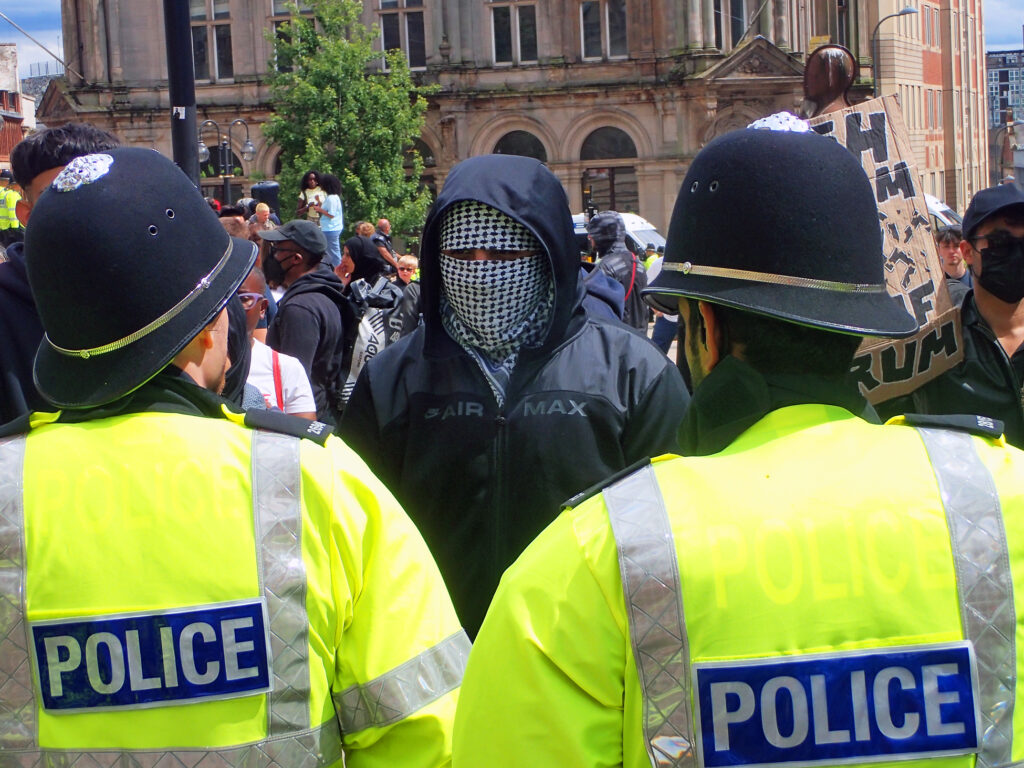
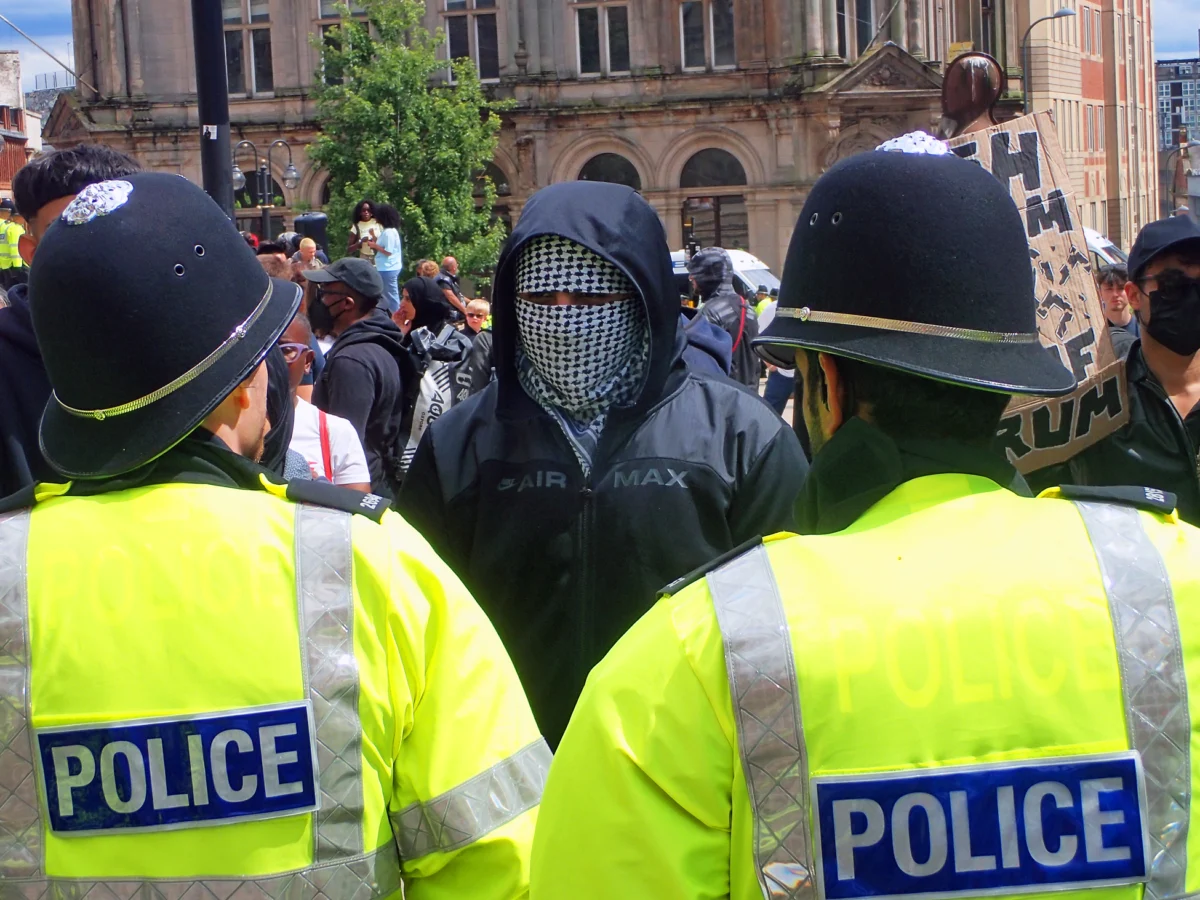
For photojournalists, the decisive moment often coincides with a significant event or a crucial element of a developing story. Their presence at an event is typically planned, their coverage often staged around known occurrences and predictable beats. They are tasked with documenting these events with accuracy and context, ensuring that the viewer understands the “who, what, when, where, and why” of a situation. The ethical standards they adhere to are often dictated by editorial guidelines and professional journalistic codes of conduct, which prioritize truthfulness, fairness, and the avoidance of harm. Consent rules, particularly for sensitive stories, are a critical component of their ethical framework.
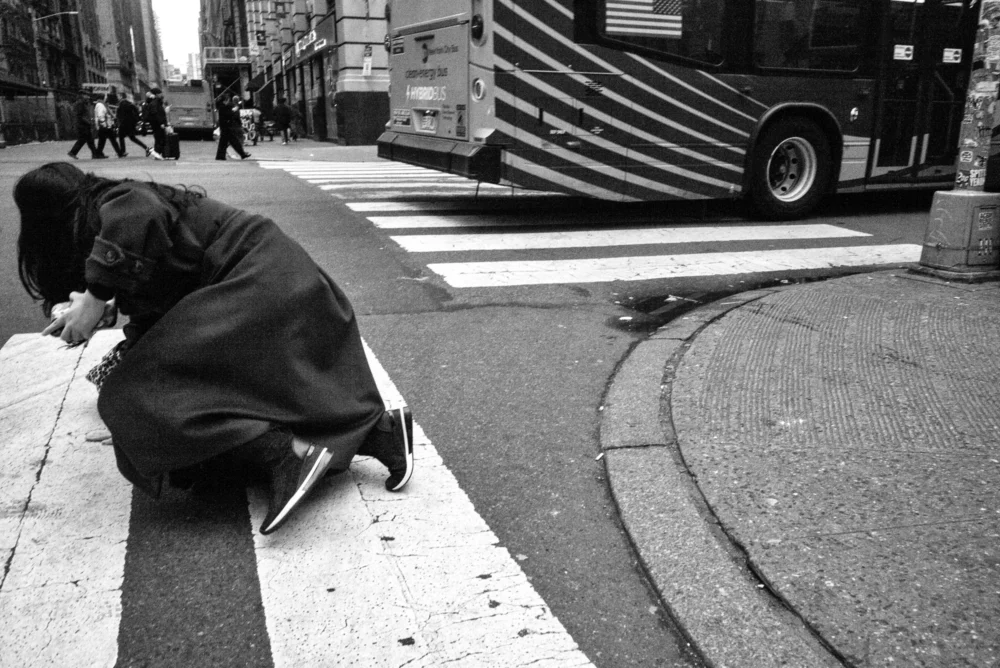
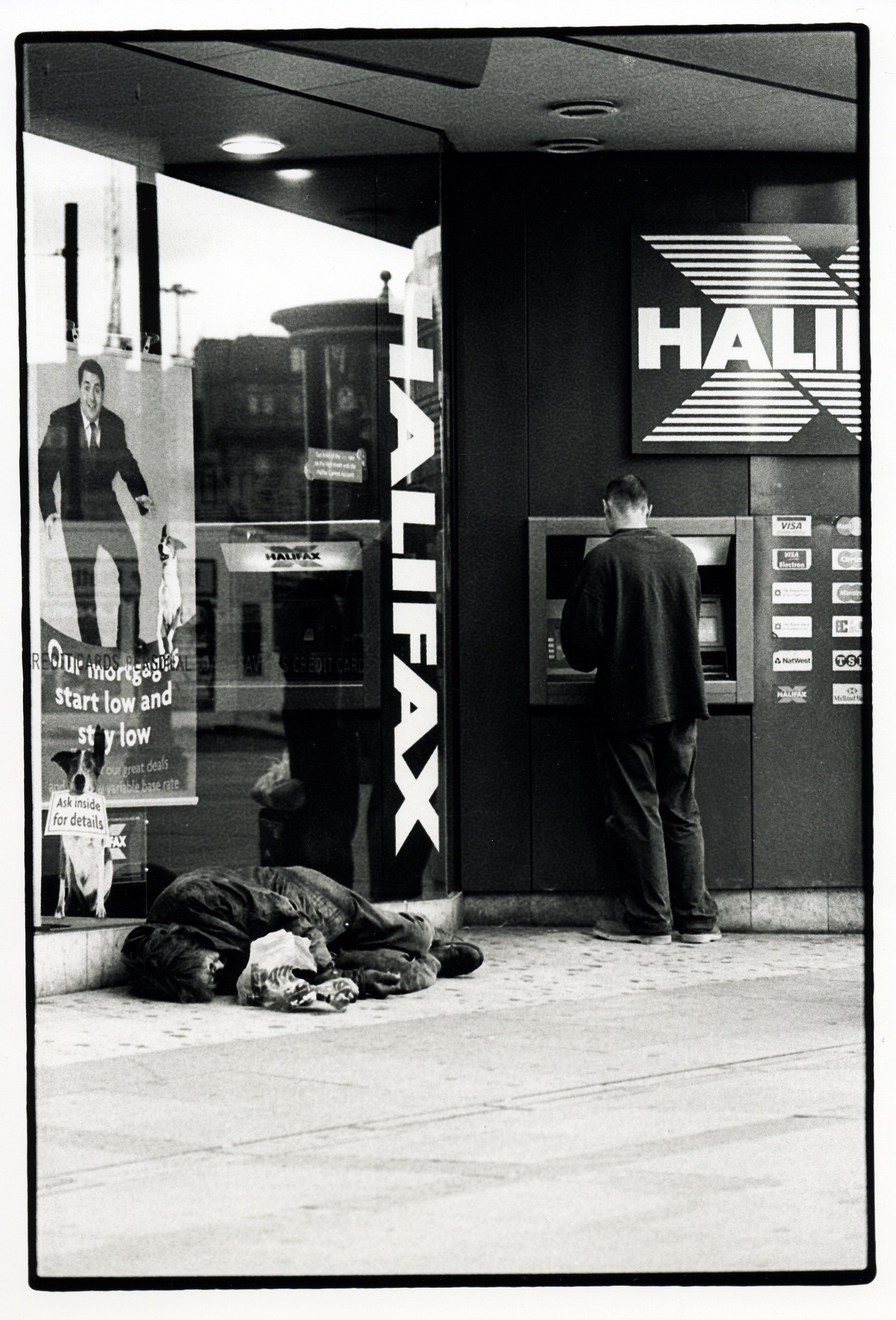
Street photographers, conversely, often find their most compelling images through serendipity and timing. Their work is reliant on capturing fleeting, unplanned moments with a perfect confluence of composition, light, and expression. This demands a constant presence in public spaces, quick reflexes, and, yes, a healthy dose of luck. The narrative of a street photograph is typically contained within a single frame. It must achieve a narrative cohesion, a strong visual design, and an implied storytelling that resonates with the viewer, often inviting multiple interpretations. This is a testament to the street photographer’s ability to synthesize complex human interactions and urban environments into a powerful, self-contained visual statement.
Navigating the Ethical Landscape: Institutional Mandates vs. Individual Conscience
The ethical considerations surrounding street photography and photojournalism, while both requiring awareness, operate under different frameworks. Photojournalism, as a pillar of public information, is subject to stricter, institutionally enforced obligations. The pursuit of truth and the avoidance of harm are paramount. This often means navigating complex issues of privacy, especially when documenting vulnerable individuals or sensitive events. The potential for a photograph to be misused or to inflict emotional distress is a constant consideration, and ethical guidelines are in place to mitigate these risks.
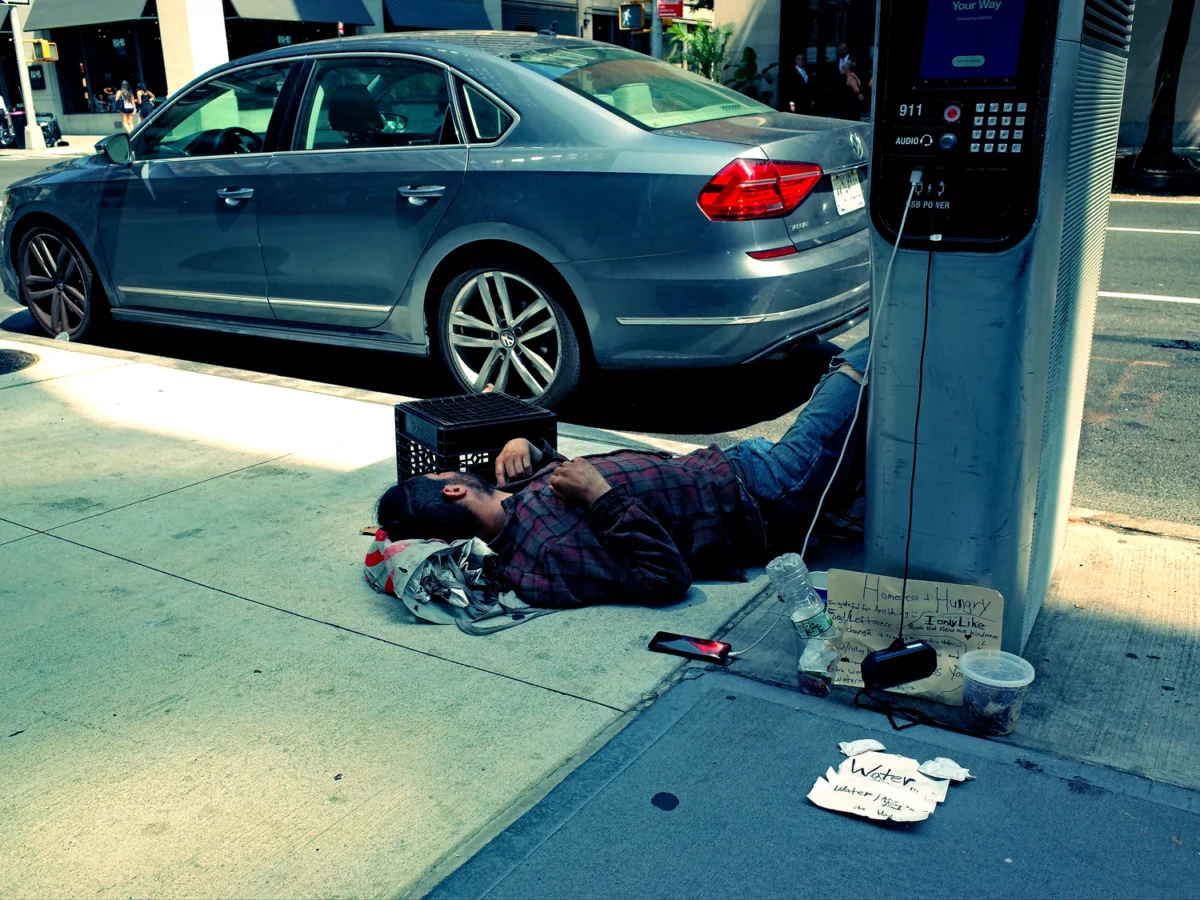
Street photography, by its very nature, operates in a more fluid and often self-regulated space. While there is no single, overarching body dictating its ethics, responsible street photographers are expected to exercise careful judgment, balancing their artistic freedom with respect for their subjects and the public. This involves navigating societal norms around privacy, understanding the potential impact of their images, and making conscious decisions about what and how they photograph. The "self-regulated" nature of street photography places a greater onus on the individual artist to develop and adhere to their own ethical compass. The question of consent, so crucial in photojournalism, is often handled differently in street photography. While some photographers may seek permission after the fact, many rely on the implicit understanding that public spaces are generally open to observation and photographic documentation, provided it is not done in a predatory or intrusive manner.
The Unfolding Narrative: Sequential Storytelling vs. Singular Impact
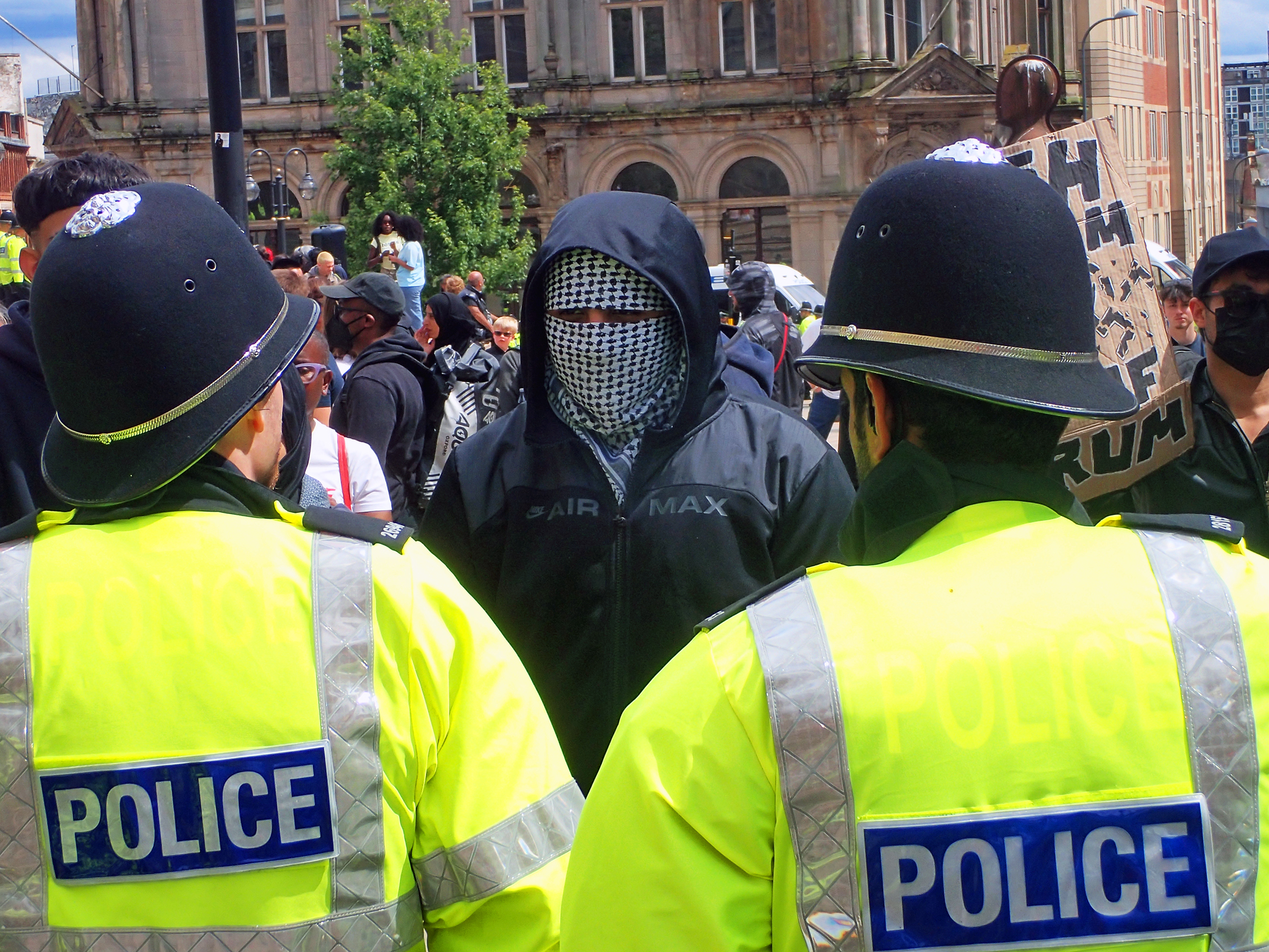
A key differentiator lies in how narratives are constructed. Photojournalism frequently employs sequences of images, often accompanied by captions and text, to build a comprehensive narrative. This allows for a more in-depth exploration of an event or issue, providing context, multiple perspectives, and a chronological account. A photo essay, for instance, can meticulously document a protest, a disaster, or a social movement, offering a detailed and nuanced understanding that a single image cannot achieve.
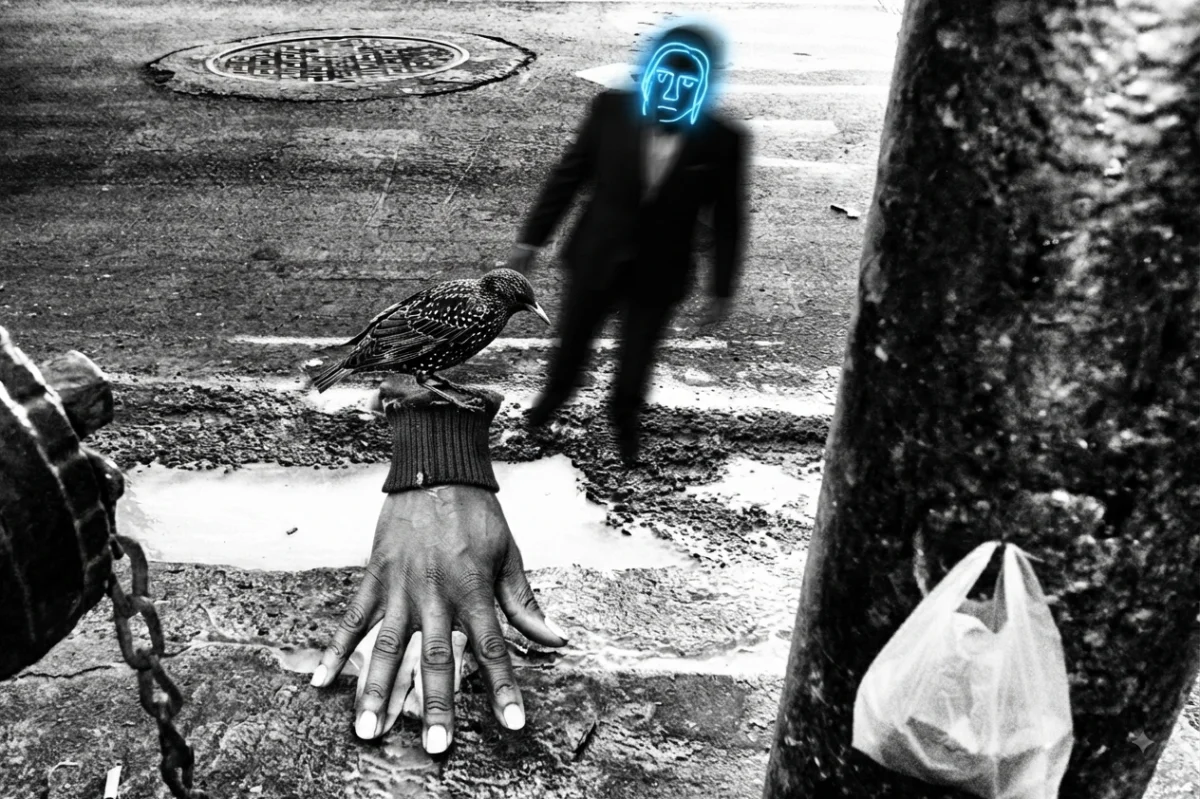
Street photography, while capable of conveying powerful messages, often relies on the impact of a single, well-executed frame. The implied storytelling within that frame must be potent enough to engage the viewer and provoke thought or emotion. The composition, the light, the expressions, the juxtaposition of elements – all must coalesce to create a resonant image that stands on its own. While street photographers may publish collections of their work, each individual photograph is often valued for its singular artistic merit and its ability to capture a universal human truth or a fleeting moment of urban poetry.
Defining "Greatness": Subjectivity and Objectivity in Evaluation
The criteria for evaluating "greatness" in each genre also differ considerably. Street photography is heavily judged on personal vision, originality, and emotional resonance. This inherently makes its evaluation more subjective. What one viewer finds profound, another might overlook. The pursuit of "greatness" in street photography is a quest for unique perspectives and authentic expressions that connect with an audience on an emotional or intellectual level, often defying easy categorization. This can lead to a wide spectrum of opinions and a less clear consensus on what constitutes the pinnacle of the genre.
Photojournalism, conversely, benefits from clearer, more objective criteria for success. Accuracy, relevance, timeliness, and adherence to ethical standards are paramount. A successful photojournalistic image is one that faithfully documents an event, provides essential context, and informs the public without distortion or bias. The editorial relevance of the image within the broader narrative of a news story is also a critical factor. While aesthetic quality is always appreciated, the primary measure of success in photojournalism is its informational value and its contribution to factual reporting.
The Interplay and Evolution of Genres
Despite their distinct characteristics, the lines between street photography and photojournalism can, and often do, blur. A street photograph can, under certain circumstances, become newsworthy. An image captured during a spontaneous moment on the street might, by chance, document a significant event or a crucial aspect of a larger story. In such instances, the street photographer’s candid approach and artistic sensibilities might lend a unique power to the documentation.
Conversely, photojournalistic photographs can adopt the aesthetics and emotional depth often associated with street photography. A photojournalist might frame a scene with a keen eye for composition, mood, and human interest, even while reporting on a factual event. This fusion can result in images that are both informative and artistically compelling, enriching the way audiences engage with news.
The legal and ethical considerations also highlight this interplay. While photojournalists are bound by stricter editorial guidelines and consent rules, street photographers must navigate privacy norms and the evolving landscape of artistic freedom. The legal ramifications of photographing individuals in public spaces can vary by jurisdiction and circumstance, requiring a nuanced understanding from the photographer.
The Enduring Power of the Lens: Two Sides of the Visual Coin
In conclusion, while both street photography and photojournalism are powerful visual mediums that capture the human experience, they serve fundamentally different purposes. Photojournalism acts as the eyes of the world, bearing witness to events and providing factual accounts. Its strength lies in its commitment to truth, context, and broad informational dissemination. Street photography, on the other hand, offers a more personal, often poetic, and introspective view of life. Its power lies in its ability to evoke emotion, spark contemplation, and reveal the beauty and complexity of the everyday through a singular artistic vision. Both genres are vital, each informing our understanding of the world in its own unique and invaluable way, demanding different skill sets, ethical considerations, and ultimately, offering different forms of visual nourishment.