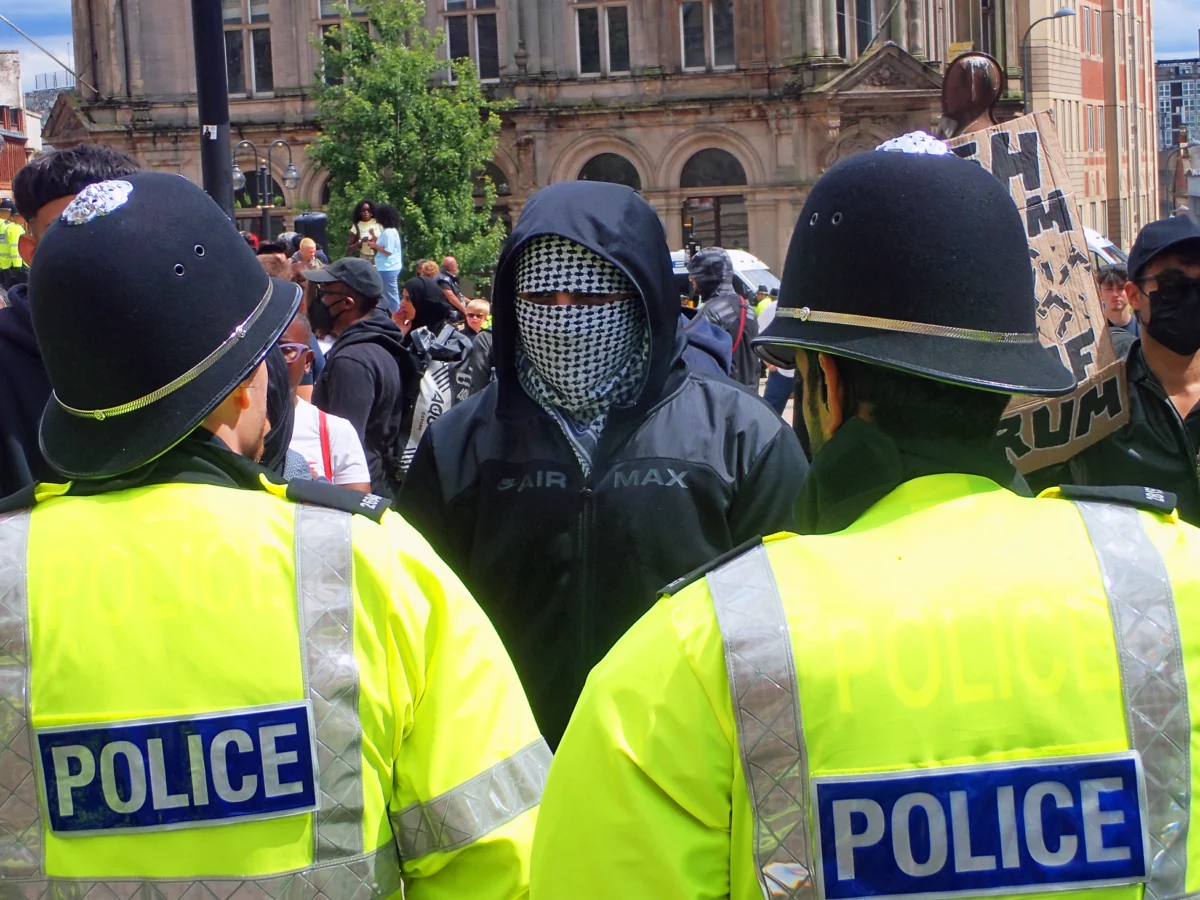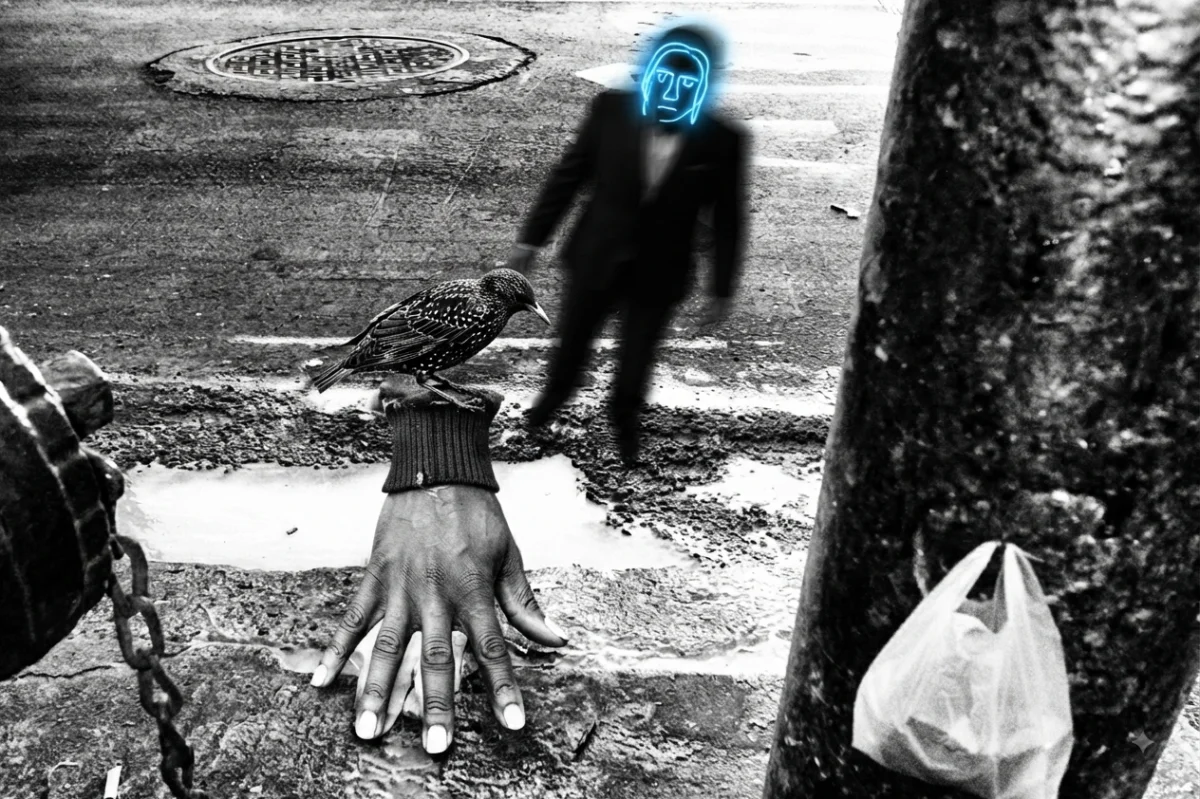
The pervasive integration of artificial intelligence (AI) into nearly every facet of modern life is now profoundly reshaping the art of photography, including the traditionally human-centric discipline of street photography. A growing number of photographers, from hobbyists to seasoned professionals, are incorporating AI tools at various stages of their creative process. This ranges from the automated selection of images and the generation of metadata tags to the creation of personalized editing profiles and sophisticated generative retouching. This technological encroachment is inevitably blurring the lines between human artistry and machine-generated output, prompting a significant debate within the photographic community about the ethical and aesthetic implications, particularly concerning the sanctity of street photography. The question of whether AI should be embraced or restricted within this genre is complex, lacking a straightforward resolution.
The Street Photography Dilemma: Authenticity and the Documentary Tradition
Street photography, at its core, is deeply intertwined with the documentary tradition. This tradition relies heavily on the authentic capture of a fleeting moment in time, a direct interaction between the photographer, the subject, and the physical environment. When AI intervenes in this process, whether for selection, enhancement, or even generation, it raises fundamental questions about the integrity of the resulting image. Does an image significantly altered or created by AI retain its status as photography, or does it transition into a new category, perhaps termed "promptography"? The debate centers on whether these distinct mediums should coexist, potentially overlapping, or be maintained in separate, clearly defined spheres. These are critical inquiries as technology continues its relentless advance.
Historical Parallels: Technological Adoption and Artistic Evolution
To gain perspective, it is beneficial to examine analogous situations in other creative fields. In the realm of creative writing, many publications have begun to outright reject submissions that show evidence of AI assistance. However, such a stringent stance warrants careful consideration. Should the use of dictionaries, grammar-checking software like Grammarly, or even the internet itself – a vast repository of borrowed information and ideas – also be grounds for rejection? Historically, new technologies have consistently met with skepticism. The advent of the typewriter, and later the computer, sparked debates about the authenticity and "hand-crafted" nature of writing. Many current AI applications in photography can be seen as advanced iterations of existing editing tools, akin to "Grammarly on steroids." If standard editing software is not banned, then the increasing sophistication of AI-powered editing tools presents a similar quandary.
Preserving the Human Element in a Digital Age
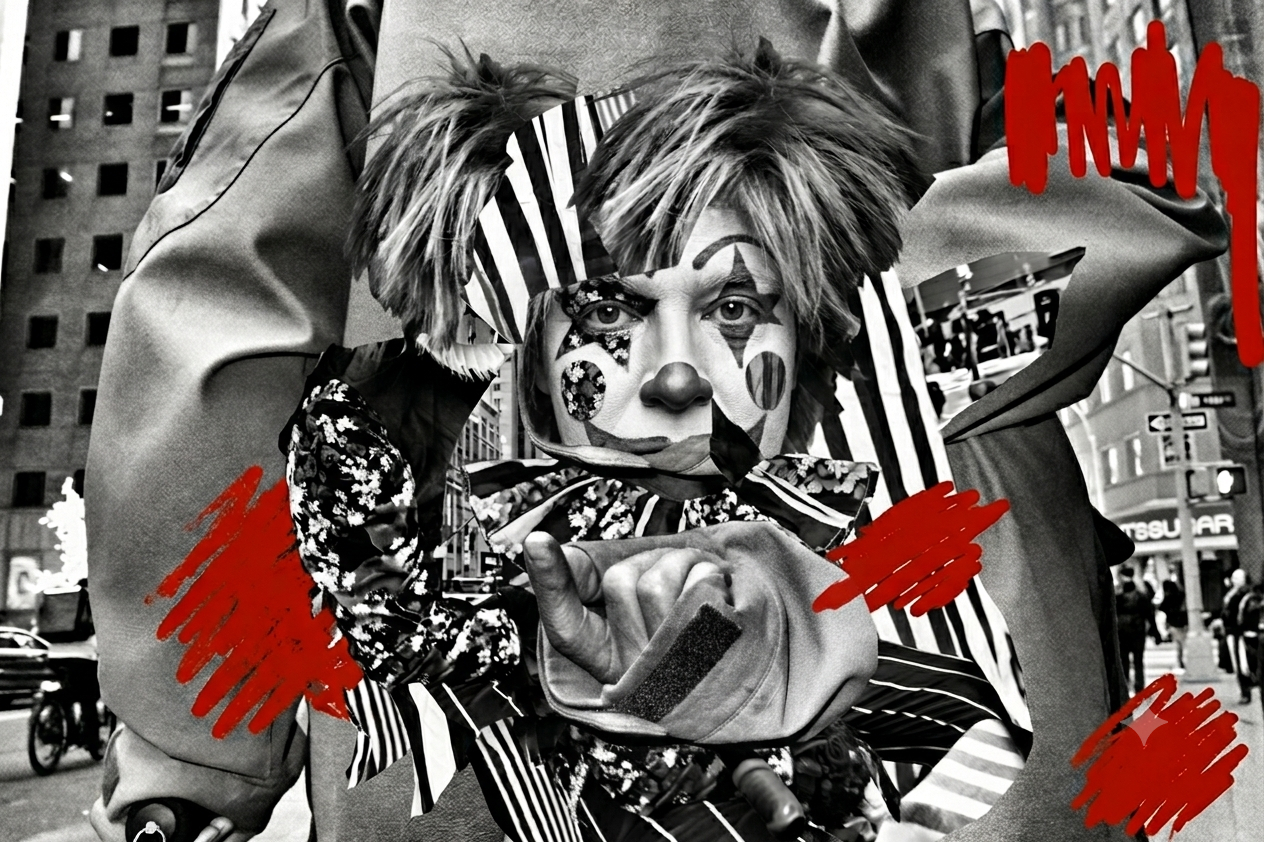
A strong desire exists within the art world to preserve the inherent human element in creative endeavors. This sentiment is not inherently detrimental; art, in any form, whether a written essay or a photograph, is ideally an expression of human experience and perspective. While machine-made products have their place, the crucial challenge lies in defining the boundaries between human creation and artificial generation. This distinction is already becoming blurred by the very tools photographers use daily. Modern cameras, for instance, employ sophisticated algorithms for autofocus systems, a form of machine intelligence. Similarly, automated metadata tagging, while undeniably useful, is also a product of machine cognition. Even in what might be considered the "purest" forms of documentary work, an interaction with artificial intelligence is often unavoidable.
Navigating the Future: Guardrails and Transparency
Instead of framing the issue as a binary choice between "to ban or not to ban," a more constructive approach involves establishing clear guardrails. These are necessary to differentiate between human effort and machine generation. Street photography that leans heavily towards being predominantly machine-made should ideally occupy its own distinct category or be clearly labeled as such. This leads to a broader, and perhaps more contentious, question: the necessity of disclosure.
Should photographers be mandated to detail their entire workflow and creative process? Such a level of transparency might be met with significant discomfort by many. In the analog era, examining a photographer’s contact sheets offered considerable insight into their technical methods. Some photographers were known for consistently capturing compelling frames, while others might shoot hundreds of images to achieve a single standout shot. Consequently, sharing full contact sheets was rarely a common practice.
The Digital Contact Sheet and Workflow Transparency
Although digital workflows have largely replaced analog contact sheets, the reluctance to share the vast number of discarded or less successful frames remains. If the community demands transparency regarding AI usage, then logically, should it not also inquire about the selection process from a burst sequence of a hundred frames to arrive at a single "decisive moment"? Does this context not significantly alter how we evaluate an image? For example, some photographers adopt a minimalist approach, capturing only a single frame of a subject, eschewing burst modes entirely. Their process is inherently different from a photographer who employs continuous shooting to document a dynamic street scene. While there are arguments for and against evaluating these differing approaches, understanding the complete context behind an image holds undeniable value.
The Inevitable Integration of AI
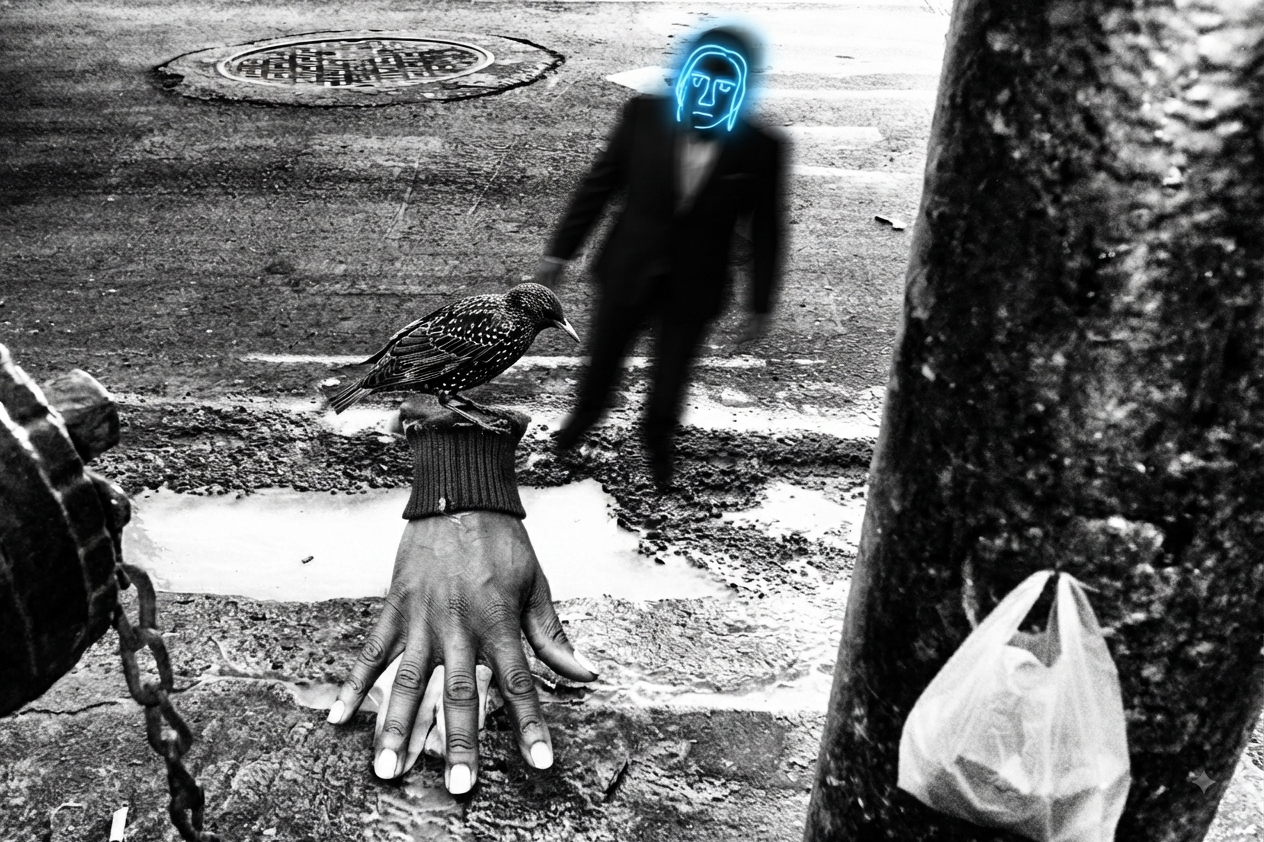
The notion of attempting to ban AI from street photography is increasingly impractical. Artificial intelligence is an established and evolving force, and computational processes are set to play an ever-larger role in photographic creation and manipulation. The critical decision facing the street photography community is not whether to resist AI, but whether to insist on radical transparency regarding the genesis of an image. If such transparency is to be pursued, it should logically extend beyond just AI integration. A comprehensive disclosure of the entire workflow that culminated in the final photograph would provide a more complete and equitable understanding for all involved. As the adage suggests, what is fair for one should be fair for all.
Emerging AI Capabilities and Their Impact
The capabilities of AI in photography are rapidly expanding beyond simple enhancement. Generative AI models, for instance, can now create entirely new images based on textual prompts or by interpolating existing data. Tools like Adobe Photoshop’s Generative Fill can seamlessly add or remove elements from an image, or even expand its canvas, in ways that were previously unimaginable without extensive manual labor. While these tools offer immense creative potential, they also present the most significant challenges to the authenticity and documentary integrity of street photography.
Consider the ethical implications of AI-generated backgrounds or the insertion of elements that were never physically present at the scene. This raises questions about the photographer’s role as an observer and documentarian. If a significant portion of the image is constructed by an algorithm, is the photographer still capturing reality, or are they curating a synthetic experience? The potential for misuse, such as creating misleading narratives or entirely fabricated scenes presented as factual documentation, is a significant concern.
Industry Reactions and Future Standards
The photographic industry is in the early stages of grappling with these issues. Major photography competitions and exhibitions are beginning to establish guidelines, though these vary widely. Some have opted for outright bans on AI-generated imagery, while others permit it but require clear disclosure. For instance, the World Press Photo, a prestigious international photojournalism competition, has explicitly stated that images created with AI, including those generated or manipulated by AI tools, are not eligible for entry. This stance reflects a strong commitment to the principles of journalistic integrity and factual representation.
Conversely, commercial photography and fine art photography may adopt more permissive attitudes, embracing AI as a tool for creative expression and efficiency. The art market, in particular, is known for its adaptability to new mediums and technologies. The emergence of AI art has already seen significant sales at auction, indicating a willingness among collectors and galleries to engage with this new form of creation.
The Economic and Social Implications
The increasing sophistication of AI in photography also has economic implications. For freelance photographers and stock image providers, the ability of AI to generate high-quality images quickly and at low cost could disrupt existing markets. This raises concerns about fair compensation and the future viability of human photographers’ livelihoods, particularly in areas where AI can replicate common photographic styles or subjects.
On a societal level, the widespread use of AI in image creation could contribute to a further erosion of trust in visual media. As the line between authentic and synthetic becomes increasingly blurred, the public may become more skeptical of photographs, demanding greater scrutiny and verification. This necessitates a proactive approach from the photographic community to educate the public and establish clear standards for transparency and authenticity.
Conclusion: A Call for Dialogue and Adaptation
The integration of artificial intelligence into street photography is not a trend that can be easily reversed or ignored. It presents both unprecedented opportunities and profound challenges. The debate is not about whether AI will be used, but rather how it will be used and how the photographic community will adapt to its presence. Moving forward, a continuous dialogue is essential, involving photographers, technologists, educators, and the public. Establishing clear ethical guidelines, promoting transparency in workflows, and fostering a critical understanding of AI’s capabilities and limitations will be crucial in navigating this evolving landscape and preserving the integrity and value of photography as an art form and a documentary medium. The path ahead requires careful consideration, open discussion, and a willingness to adapt to the transformative power of artificial intelligence.