The world of visual storytelling is often populated by images that capture fleeting moments, poignant expressions, and significant events. Within this broad landscape, two genres, street photography and photojournalism, are frequently discussed and, at times, conflated. While they share common ground in their reliance on candid observation and capturing life as it unfolds, their fundamental intentions, methodologies, ethical considerations, and ultimate goals diverge significantly. Understanding these distinctions is crucial for appreciating the unique contributions and responsibilities inherent in each discipline.
Core Intentions and Methodologies
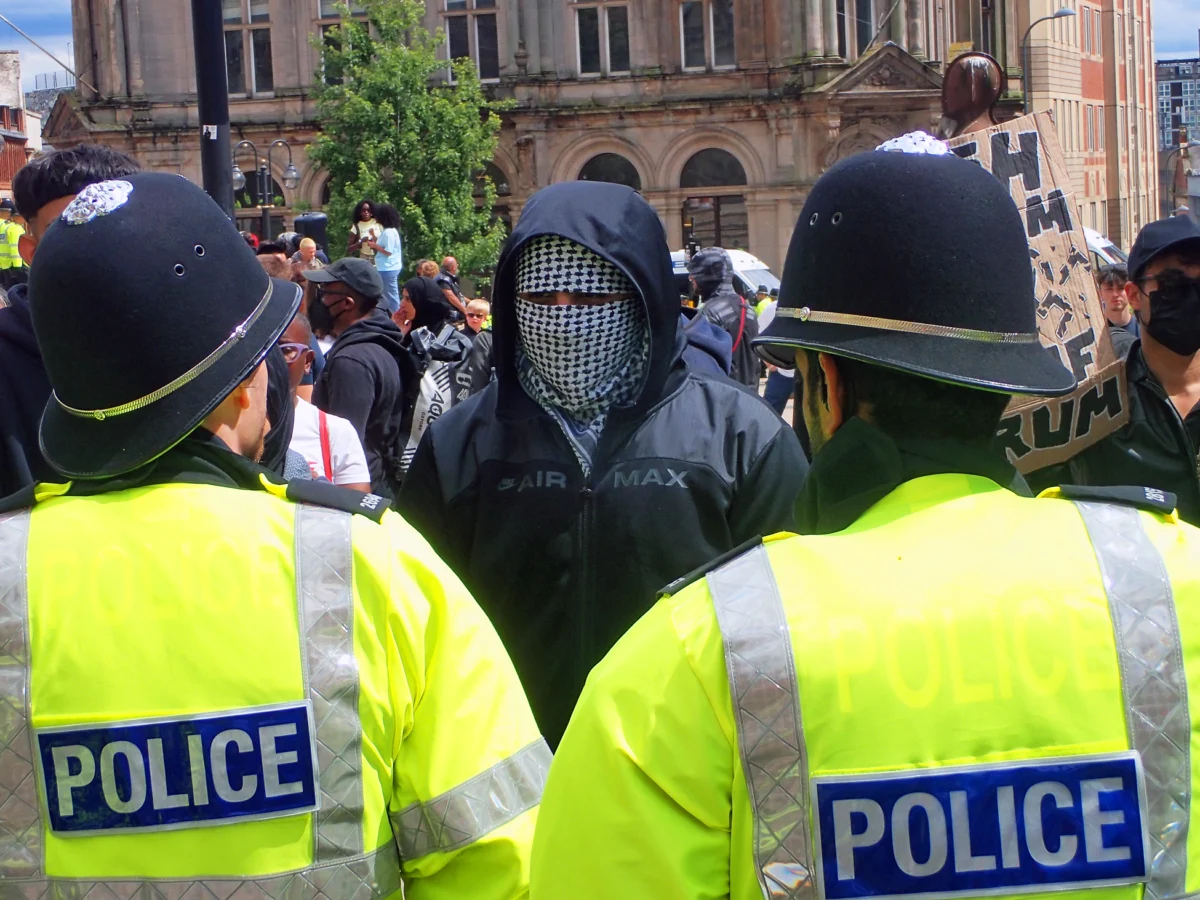
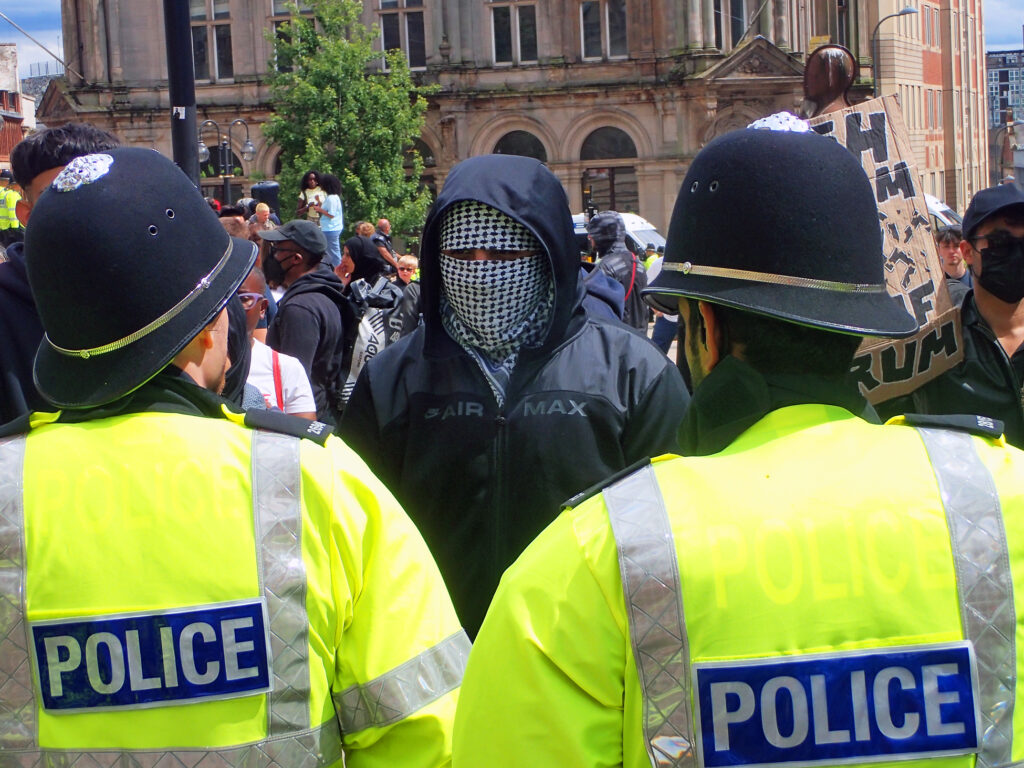
At its heart, photojournalism is driven by the imperative to inform. Its primary function is to document news and current events with a commitment to accuracy, objectivity, and contextual understanding. Photojournalists are tasked with presenting factual narratives, often for media outlets, adhering to stringent ethical standards that emphasize minimal manipulation and unbiased reporting. The goal is to provide audiences with a clear, unambiguous account of what happened, where, and why. This often involves covering events that are planned, predictable, or scheduled, allowing for a more structured approach to coverage. Photojournalists may build narratives across a series of images, utilizing captions and accompanying text to provide essential context and detail, ensuring the story is fully understood. The success of a photojournalistic endeavor is typically measured by its accuracy, relevance, and its ability to effectively convey factual information to a broad audience.
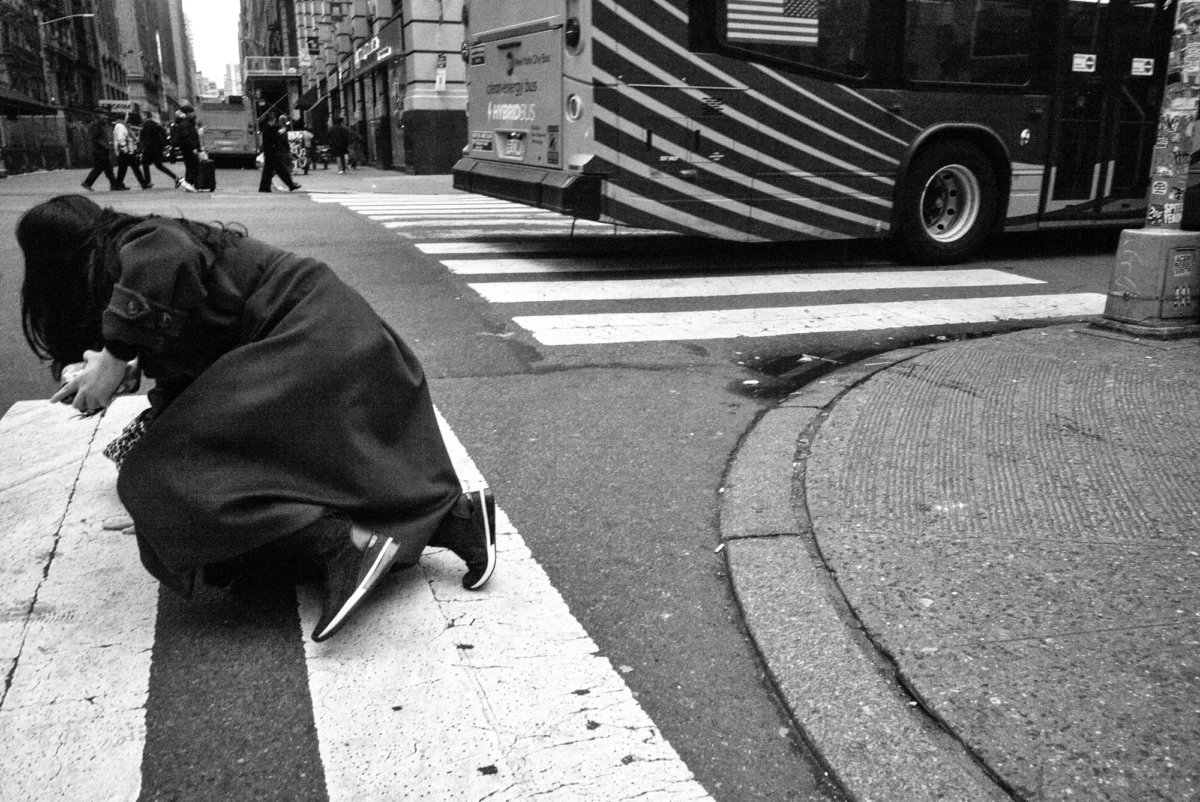
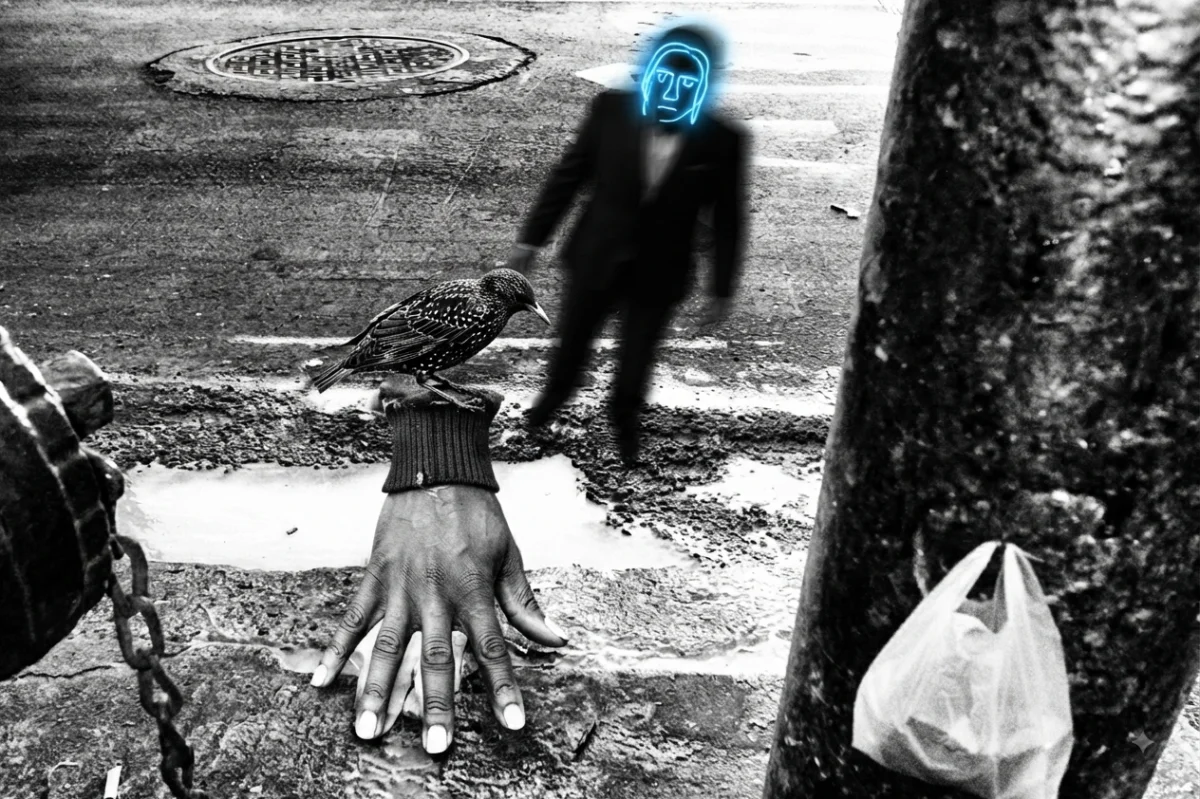
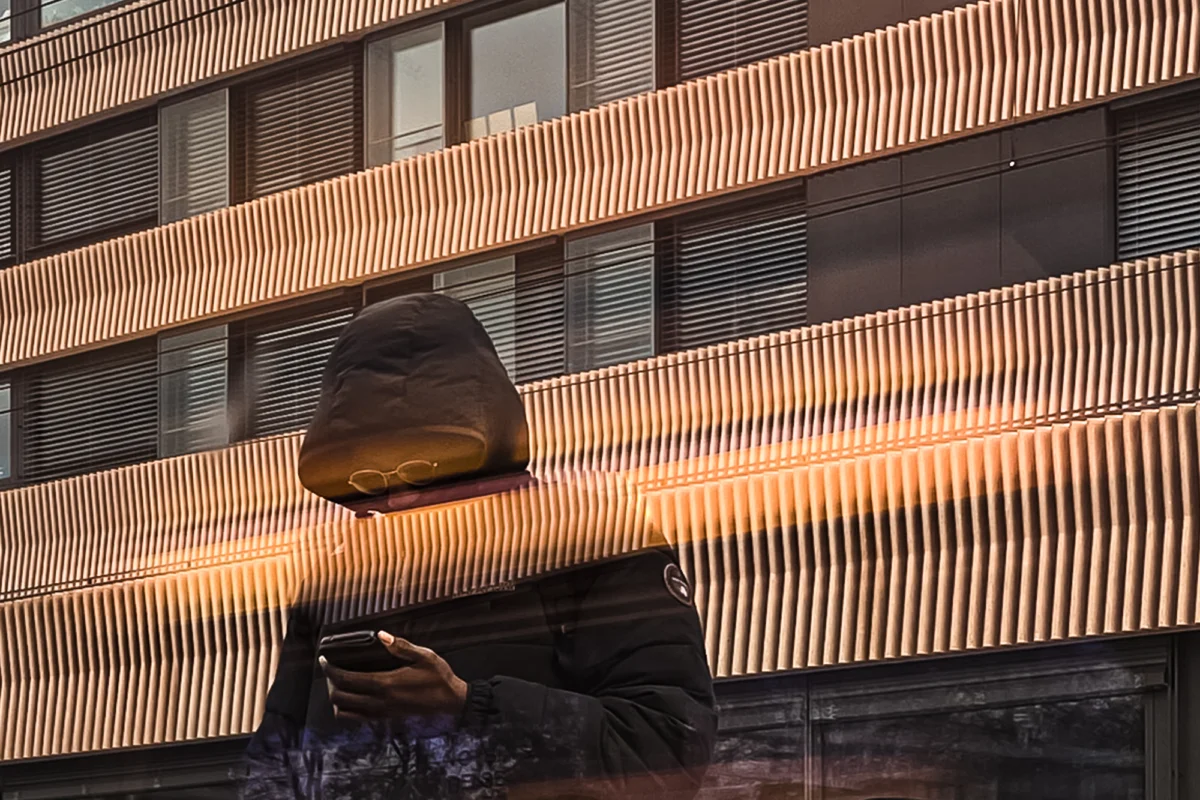
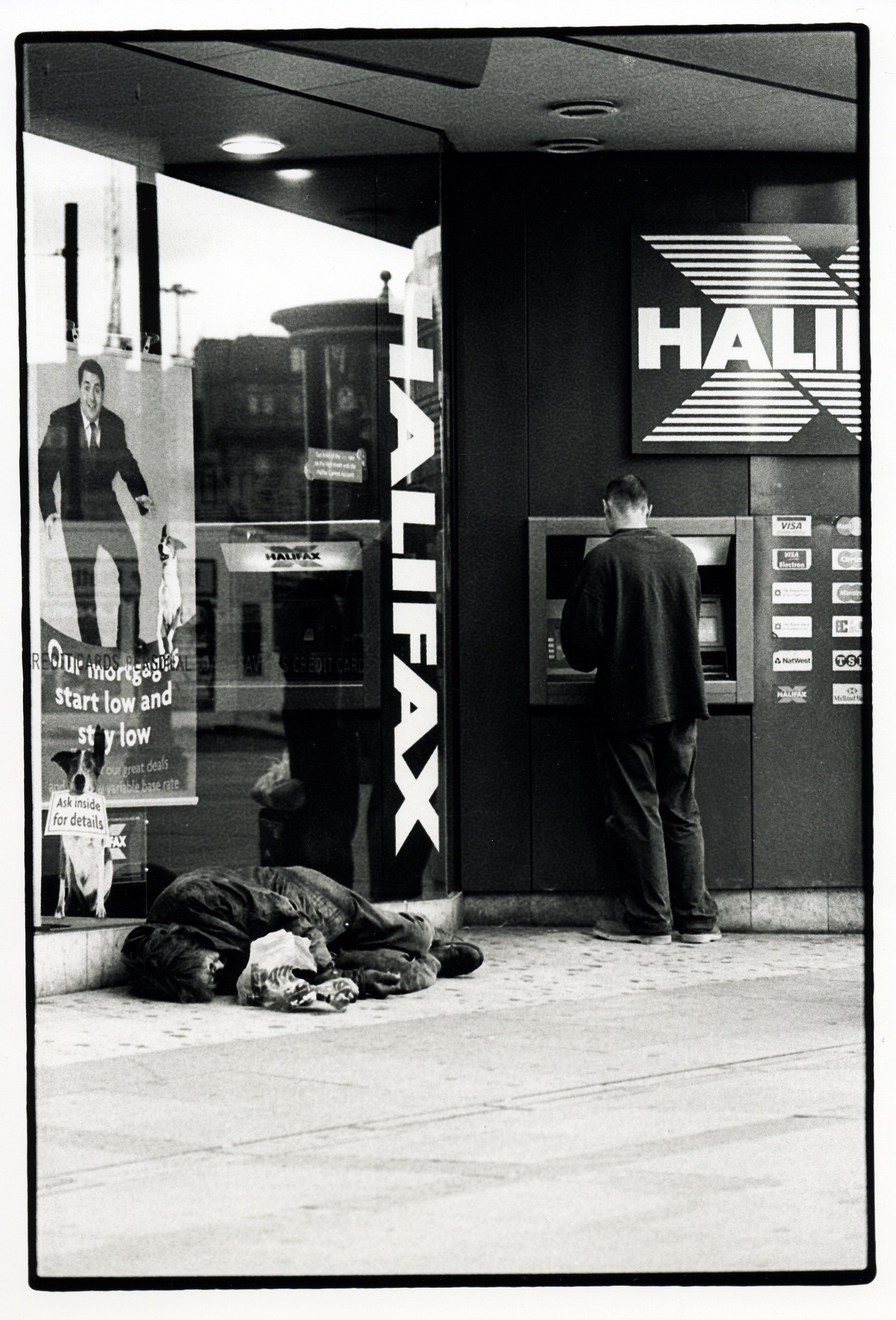
Street photography, conversely, operates on a different axis. It is primarily concerned with capturing candid, often artistic, images of everyday life, urban environments, and spontaneous human interactions. The emphasis here is on the aesthetic and emotional resonance of a moment. Street photographers seek to evoke mood, explore composition, highlight humor, create striking juxtapositions, and capture the ephemeral essence of daily existence. Ambiguity and the posing of questions are often embraced, inviting the viewer to engage with the image on a deeper, more personal level. The driving force behind street photography is the artist’s personal vision, their unique perspective on the world, and their desire for aesthetic expression. While it can offer social commentary, this is often infused with elements of humor, irony, or a profound sense of human observation, rather than direct factual reporting. The success of street photography is frequently judged by its originality, emotional impact, and the distinctive personal vision it conveys, placing it within the realm of subjective appreciation.
The Role of Candidness and Decisive Moments
Both genres, however, share a reliance on candid shooting. The ability to observe discreetly and capture genuine reactions is a cornerstone of both street photography and photojournalism. This necessitates a keen observational skill and an acute eye for the "decisive moment"—a term popularized by Henri Cartier-Bresson, referring to the instant when all elements of a scene align to create a perfect, meaningful composition. Street photographers often rely heavily on serendipity and impeccable timing to seize these fleeting, unplanned occurrences. This requires constant presence in public spaces, quick reflexes, and a degree of luck to capture moments with ideal light, composition, and expression.
Photojournalism, while also valuing candidness, may approach events with a degree of pre-planning. Assignments are often tied to known events, predictable news cycles, or specific locations that lend themselves to coverage. While spontaneity can still occur and lead to powerful images, the overarching structure of a news story often provides a framework within which the photographer operates.
Narrative Construction: Single Frame vs. Series
A significant difference lies in how narratives are constructed. Street photographers generally aim to achieve a complete narrative, imbued with visual design (composition, contrast, mood), and implied storytelling, all within a single frame. The impact of a street photograph often relies on its ability to stand alone and communicate a complex idea or emotion without explicit explanation.
Photojournalists, on the other hand, can build narratives across a sequence of images. This allows for a more in-depth exploration of a story, with different frames contributing to a broader understanding. Captions play a vital role in photojournalism, providing factual context, identifying individuals, and clarifying the events depicted, thereby bridging any potential gaps in visual storytelling.
Legal and Ethical Frameworks: A Divergent Path
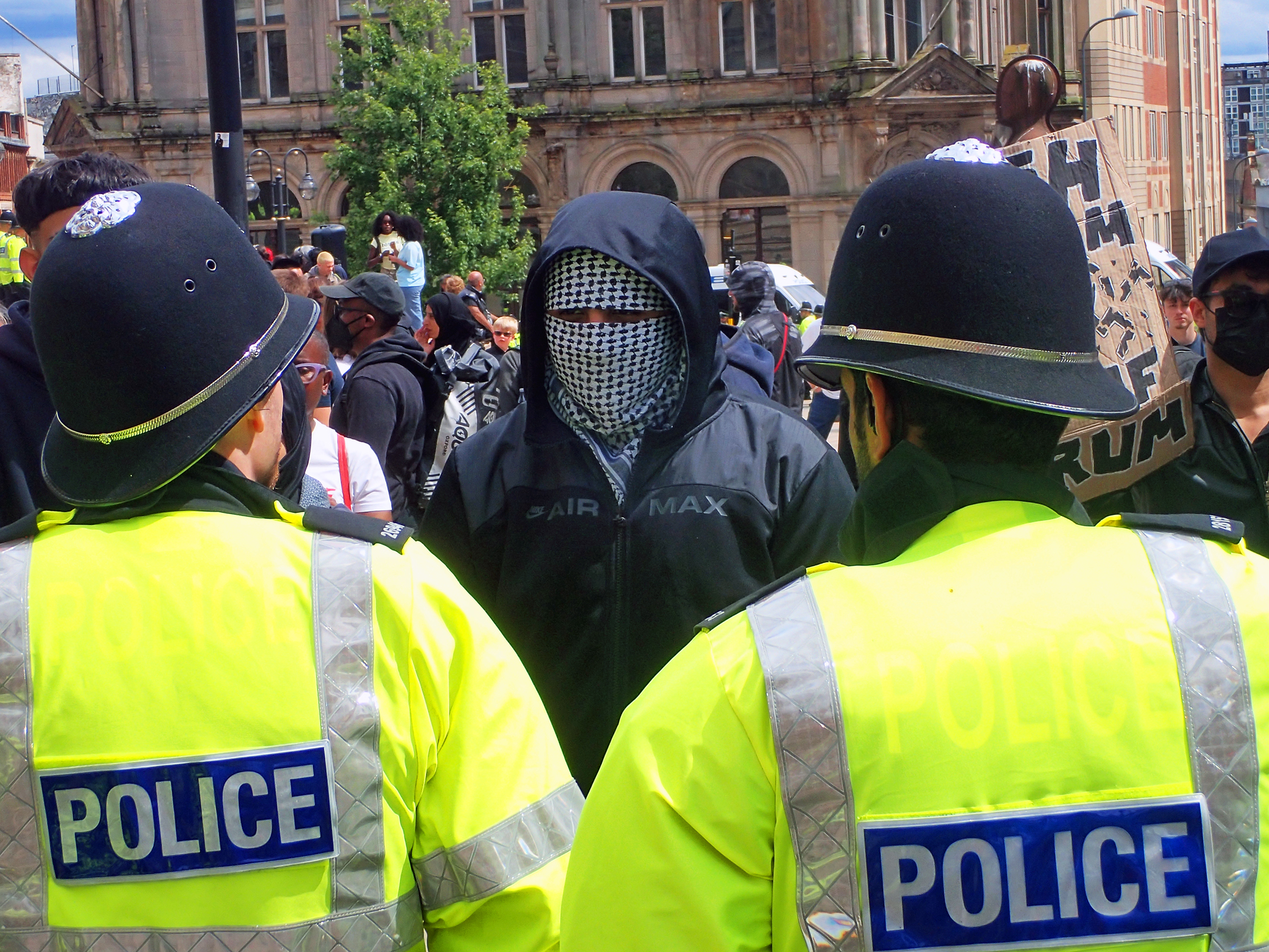
The legal and ethical considerations for street photographers and photojournalists are also distinct, reflecting their differing objectives. Photojournalists operate within established editorial guidelines and are bound by professional codes of conduct, particularly concerning privacy and the potential for harm when documenting sensitive stories. Consent rules, especially in conflict zones or when photographing vulnerable individuals, are paramount. The ethical obligation is to report truthfully and avoid causing undue distress.
Street photographers, while not typically working under institutional directives, must still navigate complex privacy norms and artistic freedom. Their practice is largely self-regulated, demanding a careful and self-directed balance between capturing compelling imagery and respecting the dignity and privacy of their subjects. The legal landscape surrounding street photography can vary by jurisdiction, often hinging on the expectation of privacy in public spaces. The ethical considerations for street photographers revolve around their intent, their portrayal of subjects, and their awareness of the potential impact of their images. The adage "STREET PHOTOGRAPHY IS SELF REGULATED!" underscores the personal responsibility inherent in the genre.
Intersections and Distinct Contributions
Despite these divergences, the two genres can and do intersect. A powerful street photograph capturing a significant public event might gain newsworthy traction, blurring the lines. Conversely, photojournalistic images can sometimes adopt the aesthetic sensibilities of street photography, utilizing strong composition and capturing raw, unposed moments. However, understanding their core goals—informing versus expressing—clarifies the approach, responsibility, and audience expectations associated with each.
Great street photography is often reliant on serendipity and impeccable timing, demanding the capture of fleeting, unplanned moments with perfect composition, light, and expression. This requires constant presence, quick reflexes, and a measure of luck. The inherent subjectivity of its evaluation means that what constitutes "great" street photography can be a matter of individual interpretation and aesthetic appreciation.
In contrast, photojournalism has clearer, more objective criteria for success, rooted in factual accuracy, relevance to current events, and the clarity of the information conveyed. The broader impact of photojournalism lies in its ability to inform the public, preserve historical records, and hold power to account through visual evidence. Street photography’s impact is often more subtle, contributing to our understanding of the human condition, the nuances of urban life, and the diverse tapestry of everyday experiences through an artistic lens.
The Ethical Imperative: Truth vs. Vision
The ethical considerations, though different in their enforcement, both demand a high degree of awareness. Photojournalism carries a heavier institutional and societal burden regarding truthfulness and the avoidance of harm. Its practitioners are often seen as trusted conduits of information, and breaches of trust can have significant repercussions.
Street photography, while less formally regulated, places a strong emphasis on the individual artist’s moral compass. The photographer must grapple with the ethics of photographing strangers, particularly in potentially vulnerable situations. The artistic freedom to capture the world as seen through one’s own eyes must be carefully weighed against the respect due to the individuals who populate that world. The absence of institutional oversight means that the ethical framework of street photography is built on personal integrity and a self-imposed commitment to responsible practice.
Ultimately, both street photography and photojournalism enrich our visual culture by offering distinct, yet equally valuable, perspectives on the world. Photojournalism provides the factual bedrock upon which public understanding is built, while street photography offers an artistic exploration of the human experience, challenging viewers to see the ordinary in extraordinary ways. Their differences lie not in their importance, but in their fundamental purpose and the ethical landscapes they navigate.