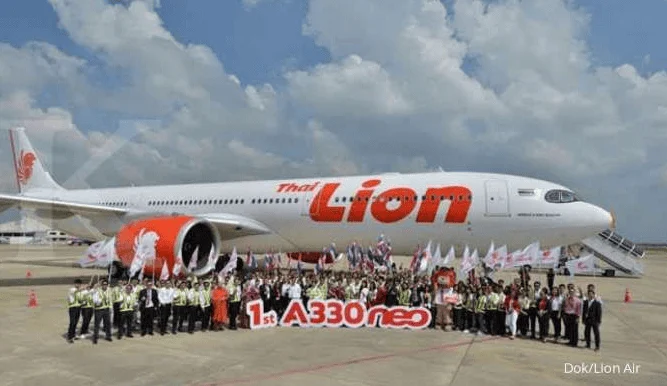
The arrival of the first Airbus A330neo aircraft in the fleet of Thai Lion Air marks a transformative era for the Bangkok-based carrier, signaling a strategic pivot toward long-haul efficiency and enhanced international connectivity. On October 7, 2021, the airline officially inducted two units of the Airbus A330-900 (A330neo) at its primary hub, Don Mueang International Airport. These aircraft, which flew directly from the Airbus production facility in Toulouse, France, were greeted with a traditional water salute and a high-profile blessing ceremony. The event was attended by a cohort of dignitaries, including the French Ambassador to Thailand, Thierry Mathou, and senior executives from Airbus Thailand, underscoring the diplomatic and industrial significance of this fleet expansion.
This acquisition is not merely a fleet update but a cornerstone of Thai Lion Air’s broader vision to stabilize its operations following the global disruptions of the COVID-19 pandemic. By integrating the A330neo, the airline aims to bolster its presence in the competitive low-cost long-haul market, targeting high-demand routes across North Asia and Oceania while simultaneously expanding its air cargo capabilities.
A New Chapter in Fleet Modernization
The delivery of the A330neo represents a technological leap for Thai Lion Air, which has historically relied on a fleet of Boeing 737 narrow-body aircraft for its regional operations. The decision to incorporate wide-body Airbus technology reflects the airline’s parent company, the Lion Air Group, and its massive multi-billion dollar commitment to the Airbus A330neo family.
The A330neo (New Engine Option) is the successor to the highly successful A330ceo (Current Engine Option). It incorporates the latest generation of aerodynamics, including high-span wings and composite "sharklets" inspired by the Airbus A350. These design improvements, combined with the advanced propulsion systems, allow the aircraft to operate with a 14% reduction in fuel burn per seat compared to previous-generation wide-body aircraft. For a low-cost carrier like Thai Lion Air, where profit margins are heavily influenced by fuel costs, this efficiency is a critical factor in maintaining competitive ticket pricing.
Technical Specifications and the Airspace Cabin Experience
At the heart of the A330neo’s performance are the Rolls-Royce Trent 7000 engines. These powerplants are designed specifically for the A330neo, offering a significant increase in bypass ratio and thermal efficiency. The engines contribute to a quieter cabin environment and a reduced environmental footprint, aligning with the aviation industry’s global push toward sustainability and carbon reduction.
Thai Lion Air has configured its A330neo aircraft with a high-density, single-class layout capable of seating up to 436 passengers. While this configuration maximizes capacity—a hallmark of the low-cost carrier (LCC) business model—it is paired with the "Airspace by Airbus" cabin concept. This design philosophy focuses on four pillars: comfort, service, ambiance, and design.
Key features of the Airspace cabin include:
- Enhanced Personal Space: Redesigned side panels and window bezels provide passengers with more shoulder room and a better view.
- Modern Lighting: The cabin features full LED ambient lighting systems capable of simulating different phases of flight, such as sunrise or sunset, to help reduce the effects of jet lag on long-haul journeys.
- Quietness: The A330neo is recognized as one of the quietest cabins in its class, utilizing advanced sound-dampening materials to enhance passenger rest.
- Optimized Storage: The aircraft is equipped with larger overhead "Pivot" bins, allowing for more carry-on luggage and reducing boarding congestion.
Chronology of the Delivery and Operational Timeline
The journey of Thai Lion Air’s A330neo began long before the 2021 delivery. The Lion Air Group placed its initial order for the A330neo family in 2018, seeking to standardize its wide-body fleet across its various subsidiaries, including Lion Air Indonesia and Batik Air (formerly Malindo Air).
The delivery process for the Thai subsidiary faced unique challenges due to the global pandemic. In early 2020, as international borders closed and demand for air travel plummeted, many airlines deferred aircraft deliveries. However, Thai Lion Air remained committed to its long-term modernization plan. The two aircraft delivered in October 2021 underwent rigorous test flights in Toulouse throughout the summer of 2021 before being cleared for the ferry flight to Bangkok.
Upon arrival at Don Mueang International Airport, the aircraft underwent a series of regulatory inspections by the Civil Aviation Authority of Thailand (CAAT). This included proving flights and crew training sessions to ensure that pilots and cabin crew were fully proficient in the new systems. The timeline for the aircraft’s entry into commercial service was initially calibrated for late 2021, coinciding with Thailand’s "Phuket Sandbox" and "Test & Go" reopening schemes.
Strategic Operational Goals: International and Cargo Expansion
Thai Lion Air’s operational strategy for the A330neo is two-pronged: dominating the medium-to-long-haul passenger market and capitalizing on the surging demand for air freight.
International Route Development:
With a range of approximately 7,200 nautical miles (13,334 km), the A330-900 allows Thai Lion Air to reach destinations far beyond the capabilities of its Boeing 737 fleet. The airline has identified key markets in Japan (Tokyo, Osaka, Nagoya), South Korea (Seoul), and China (Shanghai, Beijing) as primary targets. Furthermore, the aircraft’s range makes routes to Australia (Perth, Melbourne, Sydney) and even parts of Eastern Europe operationally feasible.
The Cargo Catalyst:
The pandemic highlighted the volatility of passenger revenue and the resilience of air cargo. The A330neo features a high-capacity belly hold that can accommodate significant amounts of palletized freight. Thai Lion Air plans to use this capacity to transport Thai agricultural products, electronics, and e-commerce goods to international markets, providing a diversified revenue stream that can hedge against fluctuations in tourism.
Impact on the Thai Aviation Industry and Economic Recovery
The introduction of the A330neo into the Thai register is a positive indicator for the nation’s aviation sector, which serves as a vital artery for the Thai economy. Tourism accounts for approximately 12-20% of Thailand’s GDP, and the availability of modern, efficient aircraft is essential for bringing international visitors back to the "Land of Smiles."
By operating from Don Mueang International Airport (DMK), Thai Lion Air positions itself as a primary competitor to other long-haul LCCs, such as Thai AirAsia X. This competition is beneficial for consumers, as it drives down airfares and encourages better service standards. Furthermore, the presence of more efficient aircraft at Don Mueang helps the airport manage its noise and emission levels, contributing to the sustainable development of the local community.
Industry analysts suggest that the A330neo’s lower operating costs will allow Thai Lion Air to survive in a post-pandemic market characterized by "revenge travel" but tempered by high fuel prices. The ability to offer 436 seats per flight means the airline can achieve a very low "cost per available seat kilometer" (CASK), which is the holy grail of the LCC business model.
Statements and Reactions from Key Stakeholders
During the welcoming ceremony, the French Ambassador to Thailand, Thierry Mathou, emphasized the strength of the Franco-Thai partnership in the aerospace sector. He noted that the delivery of these aircraft reflects Thailand’s confidence in European engineering and the ongoing collaboration between the two nations in high-technology industries.
Representatives from Airbus Thailand expressed their pride in supporting Thai Lion Air’s growth. They highlighted that the A330neo is the perfect "right-sized" aircraft for the current market—offering the capacity of a wide-body with the economics of a smaller jet.
Thai Lion Air’s management reiterated their commitment to safety and innovation. In a statement following the blessing ceremony, the airline noted that the A330neo is a symbol of their resilience. "We are preparing for the future," the statement read. "The arrival of these aircraft is a message to our passengers and the industry that Thai Lion Air is ready to lead the way in international travel once again."
Future Outlook and Conclusion
As Thai Lion Air integrates the A330neo into its daily operations, the focus will shift toward fleet consistency and network optimization. The airline is expected to receive additional wide-body units in the coming years as part of the Lion Air Group’s overarching fleet renewal program.
The success of this venture will depend on the continued recovery of the North Asian travel market and the airline’s ability to maintain high load factors on its high-capacity 436-seat aircraft. However, with the A330neo’s superior fuel efficiency and the "Airspace" cabin’s passenger appeal, Thai Lion Air is well-positioned to navigate the complexities of the modern aviation landscape.
In conclusion, the arrival of the first Airbus A330neo at Thai Lion Air is more than a simple equipment upgrade; it is a strategic deployment of technology aimed at long-term sustainability. By choosing an aircraft that balances high capacity with low environmental impact, Thai Lion Air is not only enhancing its own commercial prospects but also contributing to the broader recovery and modernization of Thailand’s aviation infrastructure. As the world moves beyond the constraints of the past few years, the sight of the Thai Lion Air A330neo in the skies over Bangkok serves as a beacon of progress for the regional airline industry.