
The high-octane world of MotoGP, where motorcycles hurtle around tracks at speeds exceeding 350 km/h, demands photographic equipment engineered for blistering speed, unwavering autofocus, and rapid-fire burst capabilities. Traditionally, this domain is the exclusive preserve of professional-grade DSLRs and, increasingly, high-speed mirrorless cameras, often featuring APS-C or full-frame sensors designed for agility and rapid data processing. Yet, a recent experiment at the Circuit of the Americas (COTA) during a MotoGP weekend saw a photographer intentionally deploy a tool considered a "fool’s errand" for such an environment: the Fujifilm GFX100S II, a medium format mirrorless camera renowned for its unparalleled image fidelity rather than its velocity. This unconventional choice aimed to explore the limits of modern medium format technology in a demanding, fast-paced setting, offering valuable insights into the evolving capabilities of diverse camera systems.
The Unconventional Assignment: Medium Format Meets Motorsport
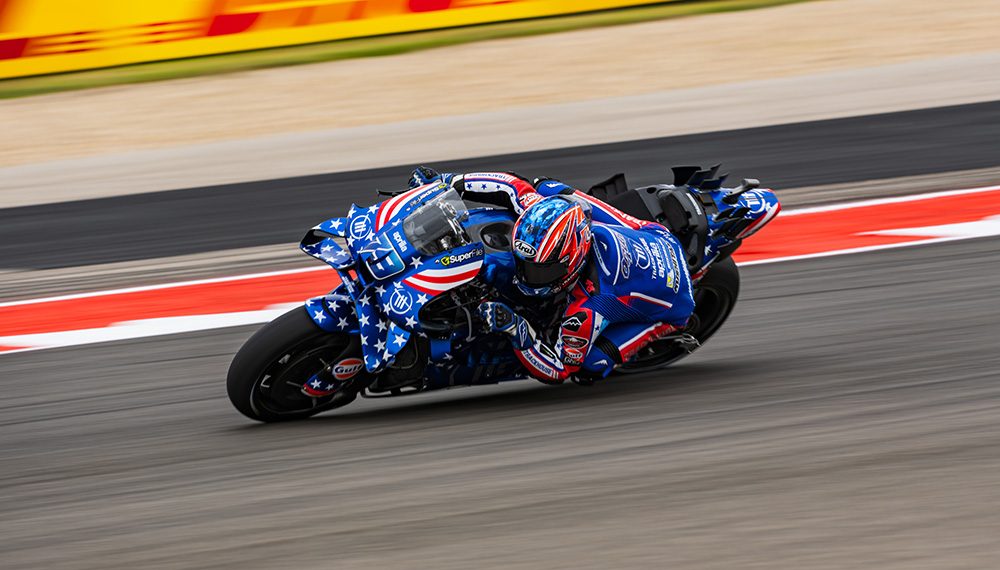
The premise was straightforward yet audacious: could a camera built for maximum image fidelity, characterized by its large-format sensor and emphasis on resolution, adapt to the dynamic and unforgiving conditions of elite motorcycle racing? Fujifilm itself positions its GFX system for landscape, portrait, and studio work, where meticulous detail and expansive dynamic range are paramount. Its counterpart, the Fujifilm X-H2S, represents the pinnacle of Fujifilm’s X-series for speed, boasting a stacked APS-C sensor capable of extreme burst rates and sophisticated subject-tracking autofocus. The challenge was to bridge this philosophical divide, to determine if a skilled photographer, armed with intimate knowledge of the track and a deep understanding of their equipment, could harness the GFX100S II’s strengths without being hobbled by its inherent design priorities. This test was not about replacing dedicated sports cameras but about exploring the potential for a medium format system to carve out a unique, complementary role in high-speed event coverage.
The Proving Ground: Circuit of the Americas (COTA) and MotoGP’s Demands
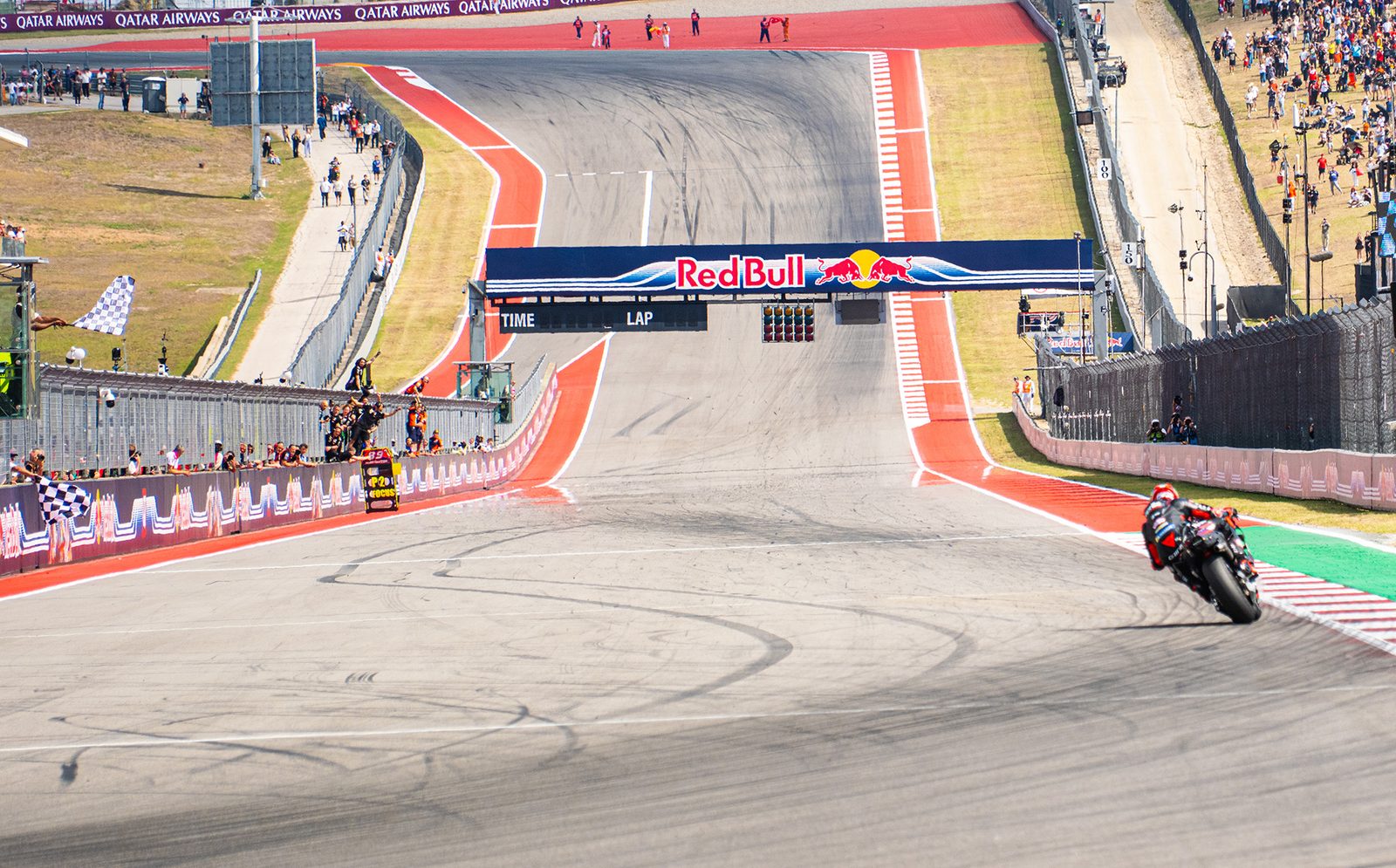
The Circuit of the Americas in Austin, Texas, served as the ideal backdrop for this photographic endeavor. As a purpose-built Grand Prix facility, COTA is famous for its dramatic elevation changes, including the iconic 41-meter climb to Turn 1, and a series of challenging corners that test both rider and machine. For the photographer undertaking this experiment, COTA is a "home track," a venue intimately known through years of covering various motorsport events, from regional track days to Formula 1 and MotoAmerica. This familiarity – knowing every corner, marshal post, and optimal shooting angle – proved to be a critical advantage, especially when attempting the deliberate, considered shots demanded by a camera like the Fujifilm GFX100S II.
MotoGP itself is a spectacle of speed, precision, and daring. Each race weekend follows a rigorous schedule:
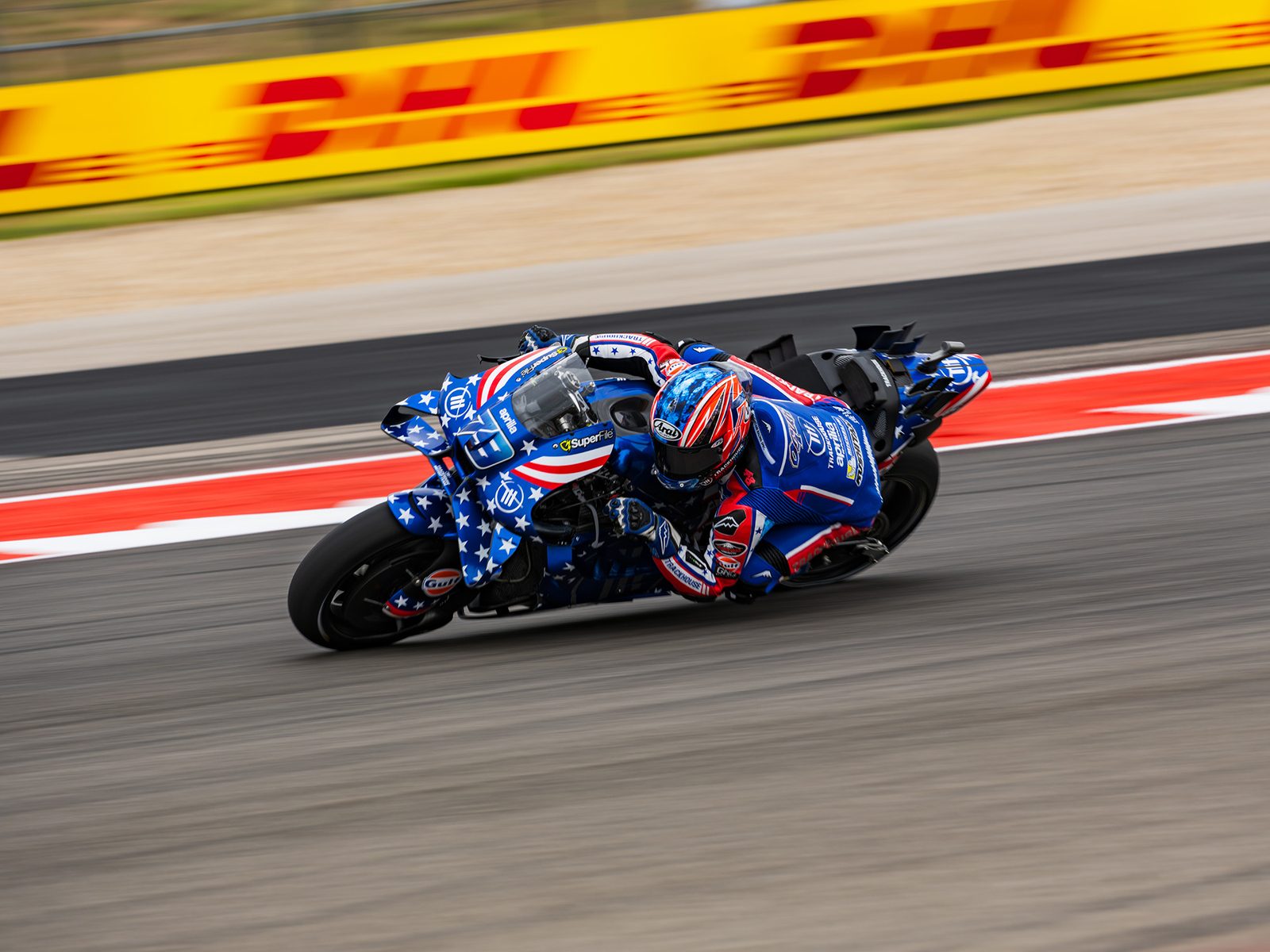
- Friday: Free Practice sessions, where riders fine-tune their bikes and learn the track’s nuances. This offers opportunities for photographers to scout locations and test settings.
- Saturday: Further practice, followed by qualifying sessions (Q1 and Q2) that determine grid positions, and often a shorter "Sprint Race" introduced in recent seasons, adding another layer of high-intensity action.
- Sunday: The main Grand Prix race, the climax of the weekend, where riders push their limits for victory.
Throughout these sessions, photographers must contend with subjects moving at speeds exceeding 300 km/h, often leaning into turns at extreme angles, creating constantly shifting planes of focus. The ability to react instantaneously, track subjects reliably, and capture critical moments within fractions of a second is paramount. This environment is typically antithetical to the deliberate pace often associated with medium format photography.
The Arsenal: Contrasting Fujifilm Systems
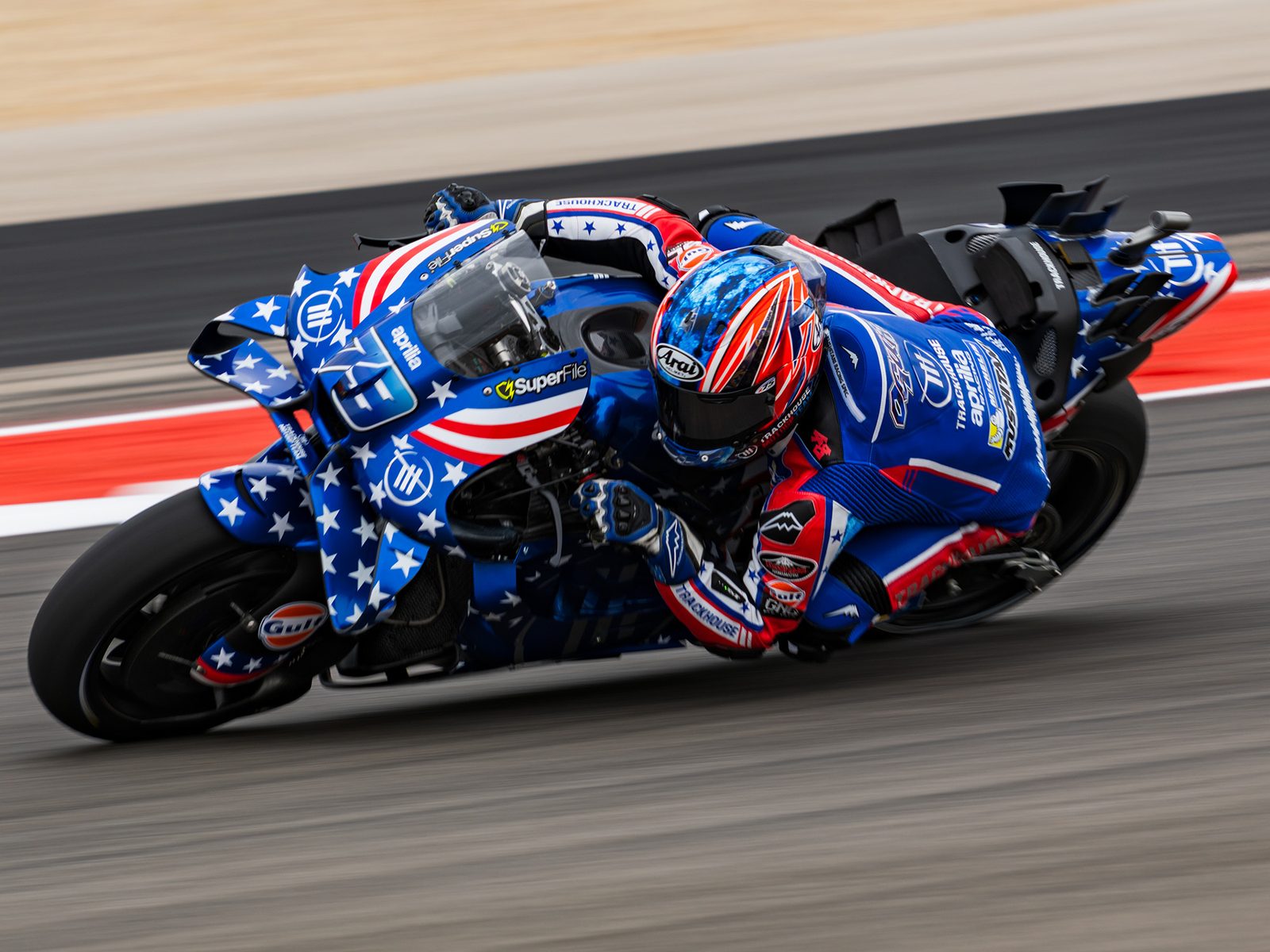
To provide a benchmark for comparison, the photographer’s primary track workhorses were two Fujifilm X-H2S bodies. These cameras embody Fujifilm’s commitment to speed and agility, featuring a 26.1-megapixel APS-C stacked BSI CMOS sensor paired with the powerful X-Processor 5. This combination enables astonishing burst rates of up to 40 frames per second (fps) with the electronic shutter and 15 fps with the mechanical shutter. Crucially, their subject-detection autofocus, powered by deep-learning AI, is designed to lock onto fast-moving subjects like motorcycles and riders with impressive tenacity, making them ideal for motorsport.
Against this high-speed benchmark, the Fujifilm GFX100S II was deployed. This camera houses a substantially larger 102-megapixel, 43.8×32.9mm large-format sensor, also driven by the X-Processor 5. Its design philosophy prioritizes resolving power, dynamic range, and tonal depth over sheer speed. The core of the experiment lay in understanding how this large-format powerhouse, with its 7 fps mechanical shutter limit and significantly larger file sizes, would perform when faced with the demands of MotoGP. For lenses, the GFX100S II was paired with a single, versatile optic: the Fujifilm GF 100-200mm F5.6 R LM OIS WR. Considering the GFX system’s 0.79x crop factor relative to a 35mm full-frame sensor, this lens provided an effective field of view of approximately 79-158mm, a range that mirrored the practical utility of the photographer’s Fujifilm XF 50-140mm F2.8 on the X-H2S bodies. This choice allowed for flexibility across various shooting distances, from the main straight to the more intimate paddock areas.
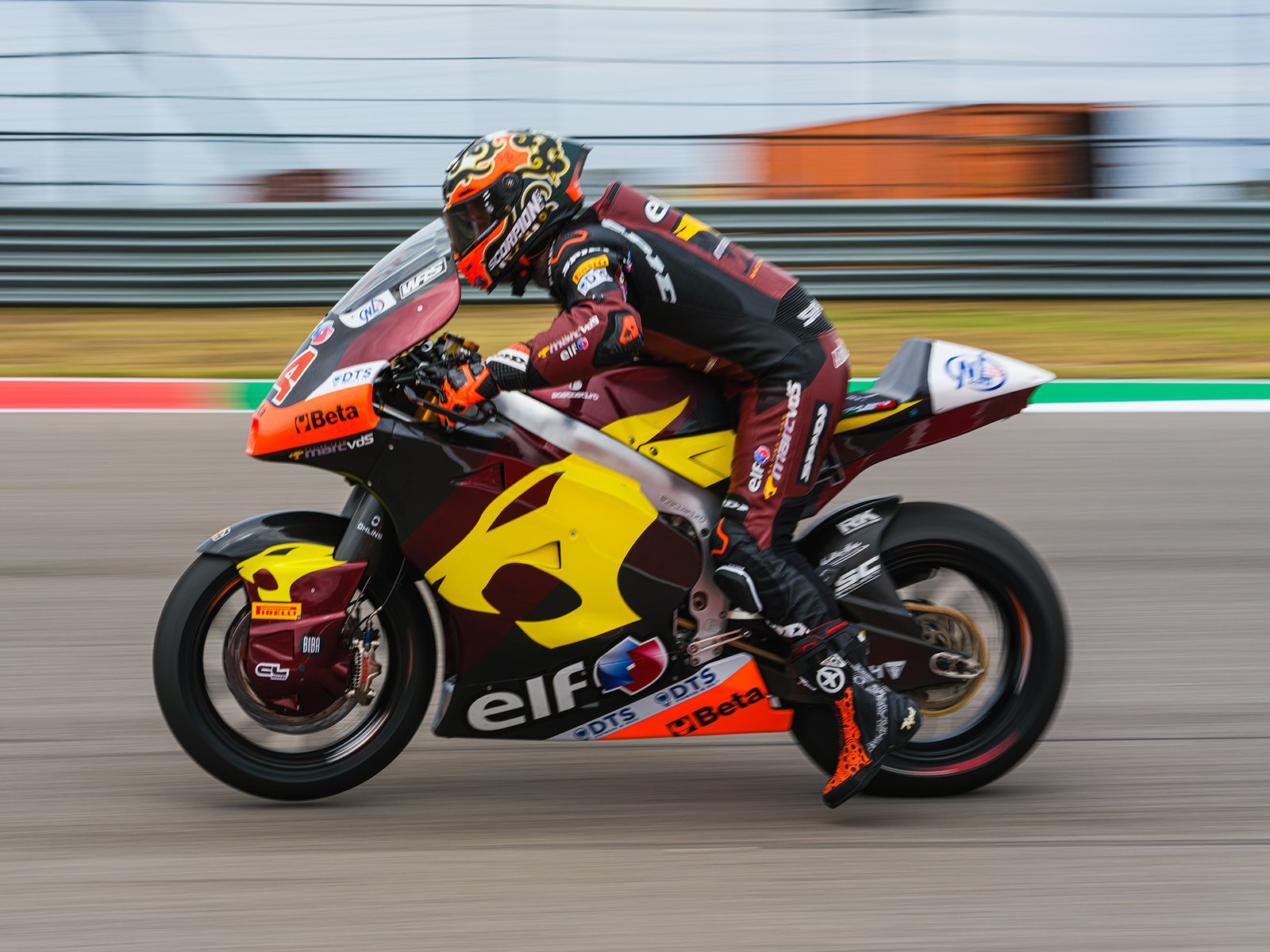
Seamless Integration: Custom Settings and Ergonomics
One genuine advantage highlighted during the test was the consistent user experience across Fujifilm’s camera lines. The shared menu logic and ergonomic philosophy between the GFX and X-series systems proved invaluable. Setting up the GFX100S II to mirror the X-H2S configuration was remarkably straightforward, minimizing the learning curve in a high-pressure environment. The photographer’s established workflow utilized custom settings: C1 and C2 for shutter priority, essential for trackside work, with a function (FN) button mapped for instant switching between sharp freezes and motion pans. C3 was designated for aperture priority, suitable for the slower-paced paddock and grid work, while C4 and C5 were reserved for video presets (though video capabilities were not tested in this specific assignment). The GFX100S II accommodates six custom positions on its mode dial, facilitating a clean and intuitive replication of the established workflow. A minor ergonomic difference was noted in the FN button layout, with the GFX having two on top compared to the X-H2S’s additional body-side button typically used for subject-detection AF. Despite this small adjustment, the overarching consistency allowed for quick adaptation.
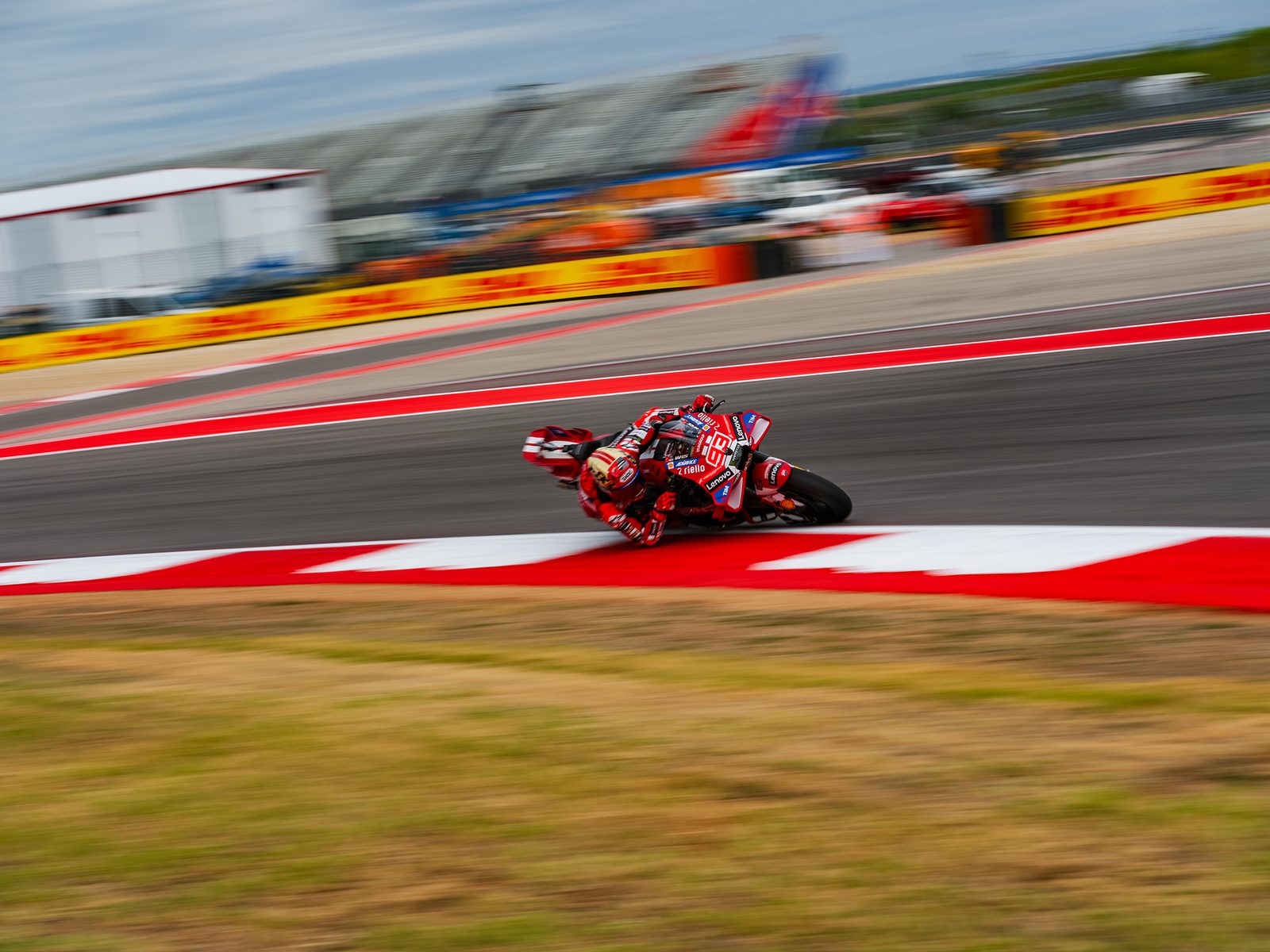
Autofocus Performance: Exceeding Expectations, Yet Falling Short of the Benchmark
The most significant concern prior to the weekend was the GFX100S II’s autofocus performance under race conditions. Medium format cameras have historically lagged behind smaller format systems in AF speed and tracking capabilities. However, the GFX100S II features a significantly improved AF algorithm over its predecessors, now officially supporting motorcycles and bikes via deep-learning AI. In practice, the system performed better than anticipated, tracking riders through corners and across varied backgrounds with reasonable reliability. This capability marks a considerable leap for medium format, demonstrating Fujifilm’s commitment to making the GFX system more versatile.
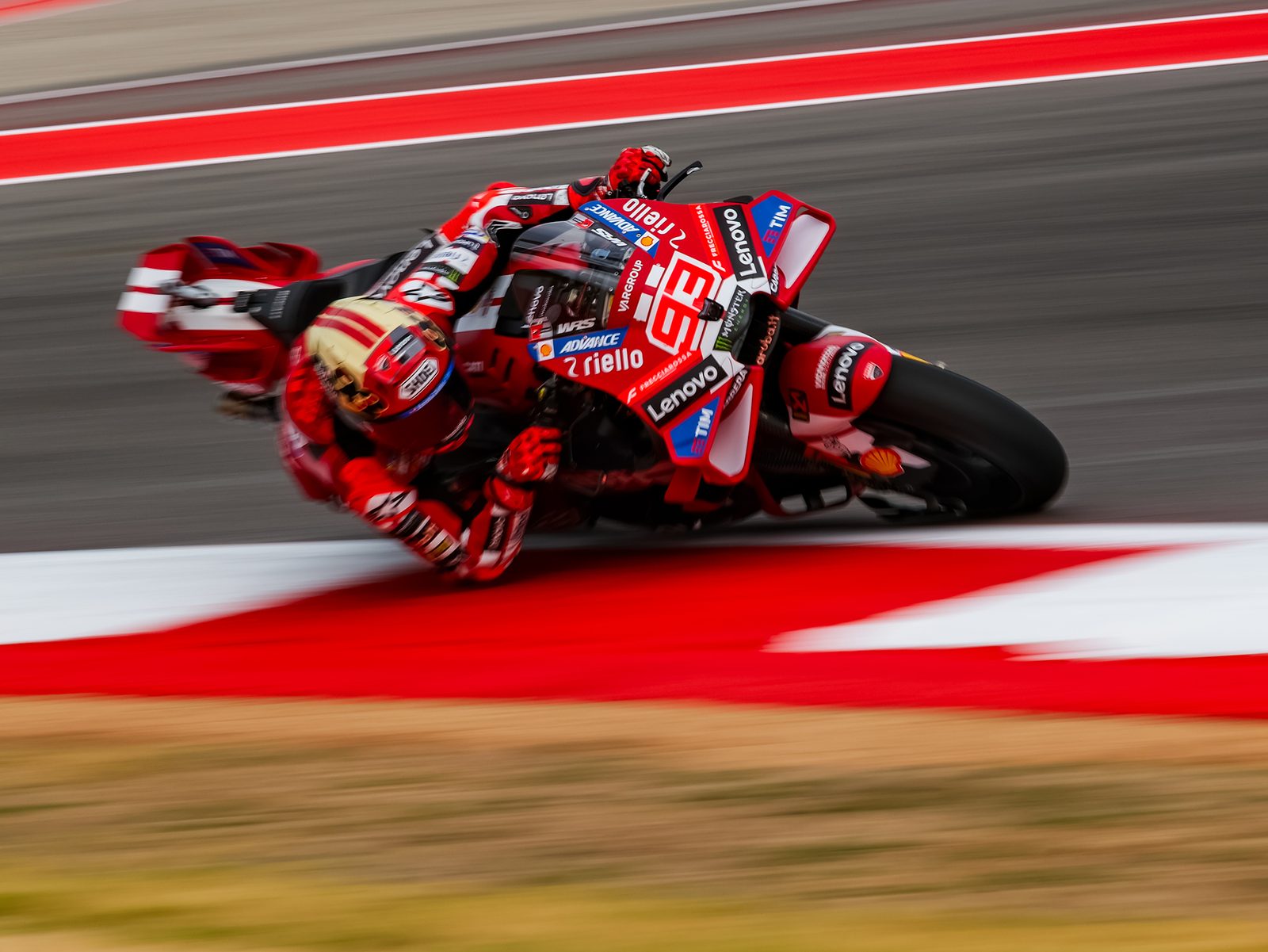
Despite these advancements, a direct comparison revealed that the GFX100S II’s AF was not as "sticky" or tenacious as that of the X-H2S. Even with identical AF-C settings, the GFX felt a step behind in response time and subject retention. Hit rates in the most demanding sequences—such as high-speed braking zones or when riders entered the frame from the side at extreme velocity—were noticeably lower. While both cameras share the powerful X-Processor 5 engine, the sheer volume of data from the GFX’s 102-megapixel sensor and potentially differing sensor readout speeds likely contribute to this disparity. The GFX’s AF performance was not disqualifyingly slow for deliberate shooting, but the gap in pure speed and reliability compared to a dedicated sports camera like the X-H2S was evident, highlighting a real operational constraint in a high-volume, high-speed environment where milliseconds matter.
The Buffer Wall: A Fundamental Operational Constraint
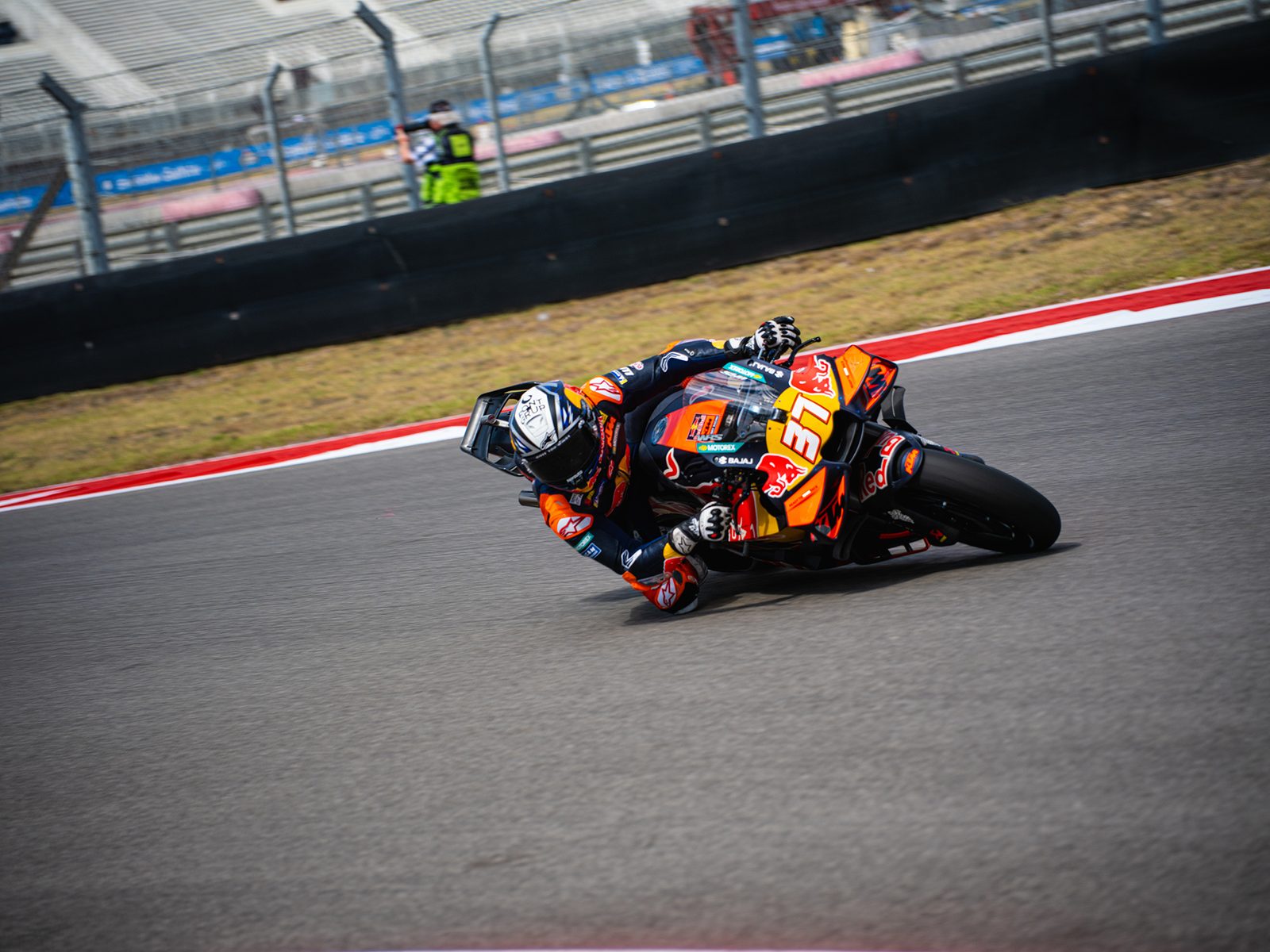
The practical limitations of the GFX100S II became most concrete when confronting its buffer capacity. At its maximum mechanical shutter speed of 7 fps, the camera produces enormous RAW files—either 14-bit or 16-bit—from its 102-megapixel sensor. Even when utilizing fast UHS-II memory cards, the buffer fills quickly. Shooting lossless-compressed RAW, photographers can expect approximately 19 frames before a noticeable slowdown in burst rate. Opting for uncompressed RAW further reduces this to around 16 frames. While compressed RAW offers a more generous approximately 30 frames, this still translates to under five seconds of sustained continuous shooting before the camera needs to "catch its breath" and clear the buffer.
This buffer limitation fundamentally alters the photographic approach. The "spray and pray" technique, often employed by sports photographers to maximize the chances of capturing a peak action moment, becomes impractical. Instead, photographers using the GFX100S II are forced to adopt a more disciplined, anticipatory style. They must meticulously "read the race," predict the decisive moment, and commit to the shot with precision timing. This requires a deeper understanding of the sport and the track, transforming photography into a more considered and deliberate act. While this can foster greater artistic intentionality, it undeniably represents a real operational constraint in a fast-moving environment where a rider’s perfect apex moment can last a mere fraction of a second.
Where the GFX100S II Is Simply Unmatched: Image Quality Beyond Compare
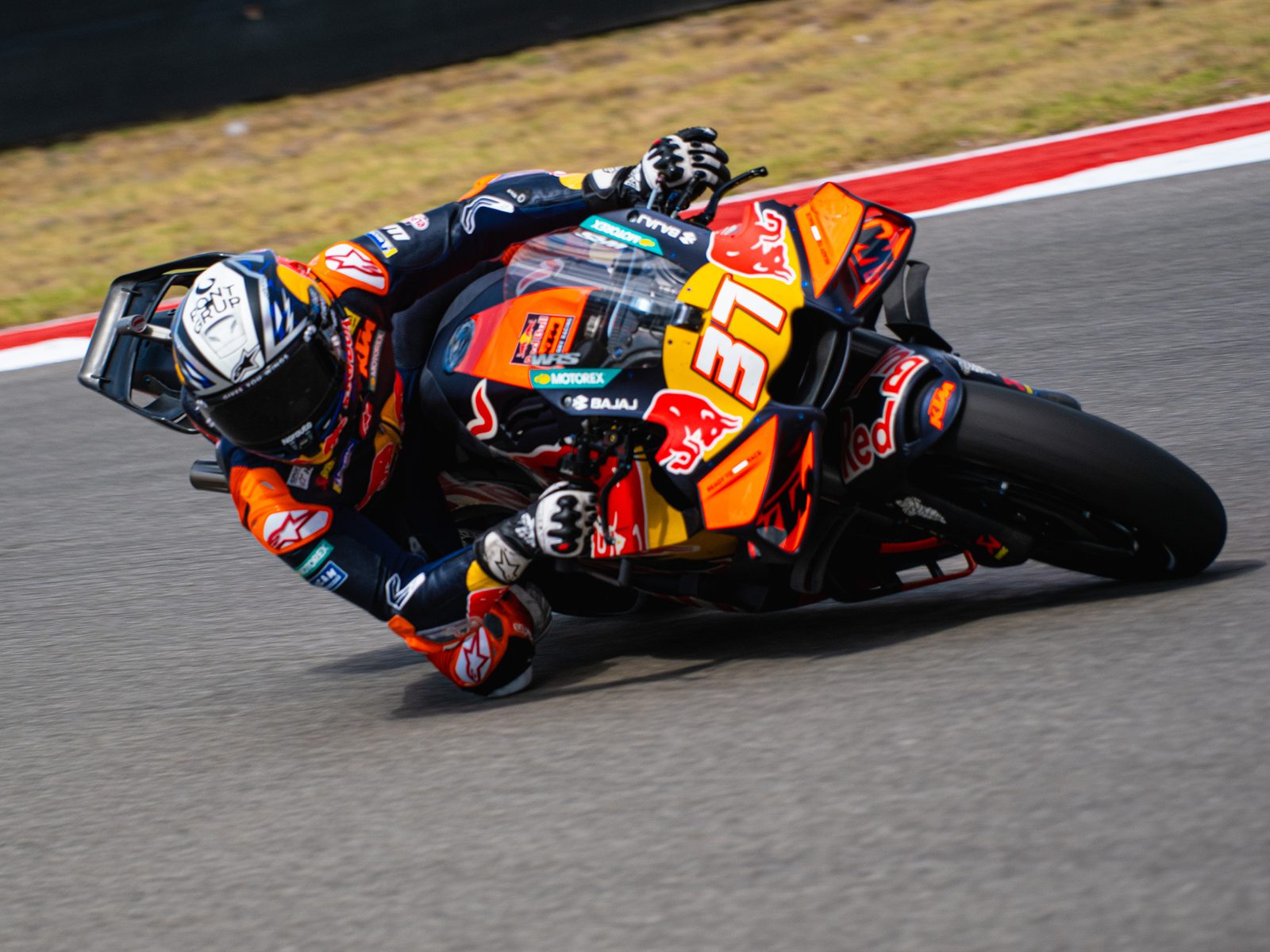
Despite its limitations in sheer speed, the Fujifilm GFX100S II undeniably operates in a different league when it comes to image quality. The 102-megapixel sensor, featuring redesigned microlenses, produces files that exhibit an extraordinary depth of tone, a three-dimensional quality in color gradation, and a resolving power unmatched by any full-frame or APS-C system. The physical size of the sensor, measuring 55mm diagonally, is a key factor, generating files with a tonality and micro-contrast that simply cannot be replicated in smaller formats.

The true magic of the GFX100S II’s output often isn’t immediately apparent on the camera’s rear screen. A shot reviewed in the field might appear "fine," but the revelation comes upon loading it into professional editing software and viewing it on a high-resolution display, such as a 27-inch Studio Display. Details that were previously invisible suddenly emerge with stunning clarity: the intricate textures in a rider’s leather suit, the shimmering heat emanating from a bike’s exhaust, or individual crowd members rendered sharply in backgrounds that might have been assumed to be indistinct. This sensor also boasts ISO 80 as its standard minimum sensitivity, enabling the capture of 16-bit images with remarkably wide dynamic range, even in the challenging, high-contrast conditions often found at a bright outdoor circuit.
Furthermore, the camera integrates Fujifilm’s most powerful in-body image stabilization (IBIS) system in a GFX body, rated at an impressive 8.0 stops. This feature proved invaluable for handheld work in the paddock and on the grid, providing fluid and confident shooting, particularly when using the longer end of the GF100-200mm lens, allowing for sharper images at slower shutter speeds than would otherwise be possible.
The Paddock: The GFX100S II’s Natural Habitat at the Track
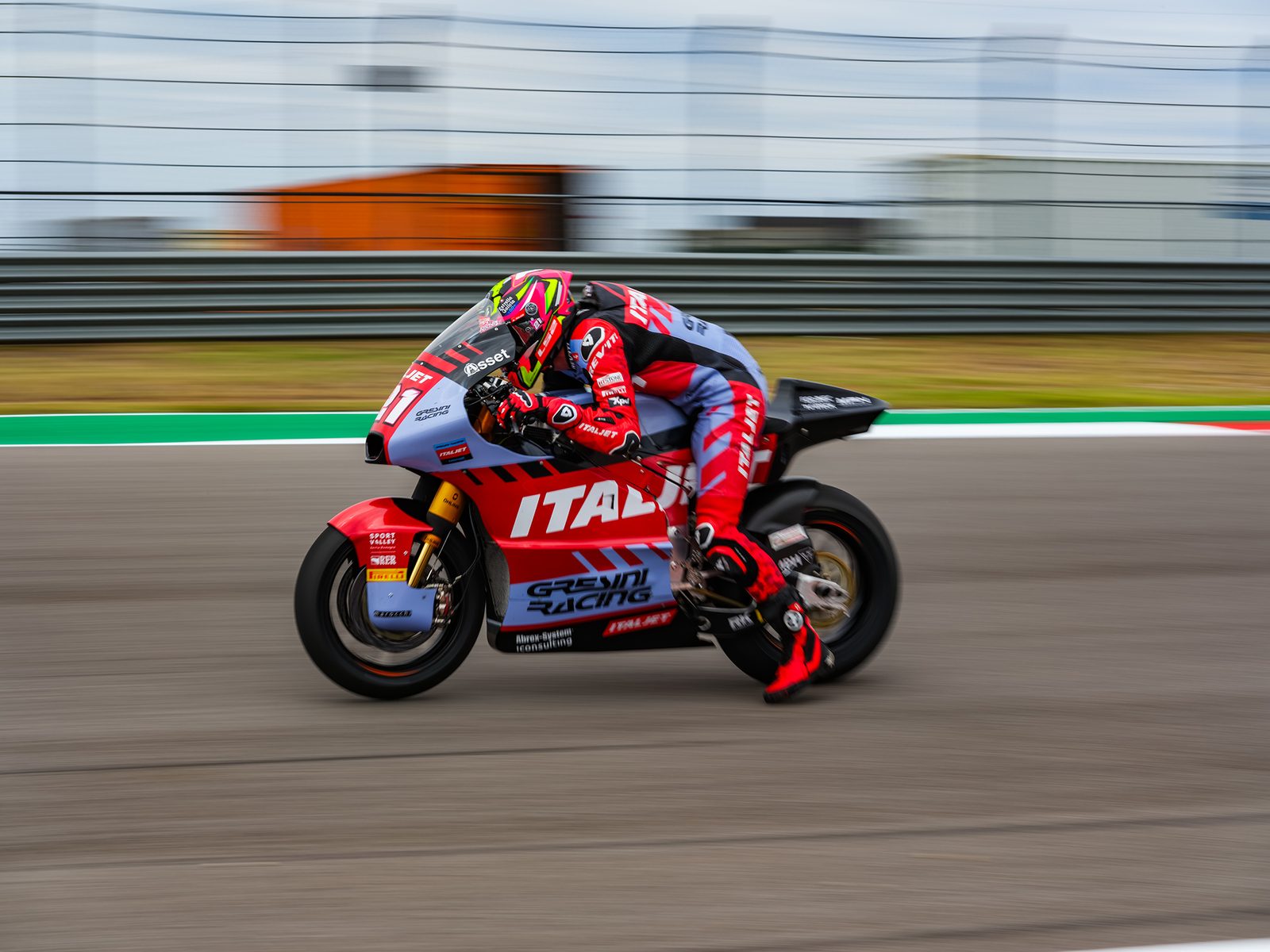
While trackside action demanded a strategic and deliberate approach, the Fujifilm GFX100S II truly shone away from the blistering speeds. In the paddock, on the starting grid, and during the post-race podium celebrations, the camera transformed into an absolute joy to use. These environments allow for more controlled framing, where subjects are static or moving slowly, and the emphasis shifts from capturing a fleeting moment to crafting a meticulous portrait or detailed scene.
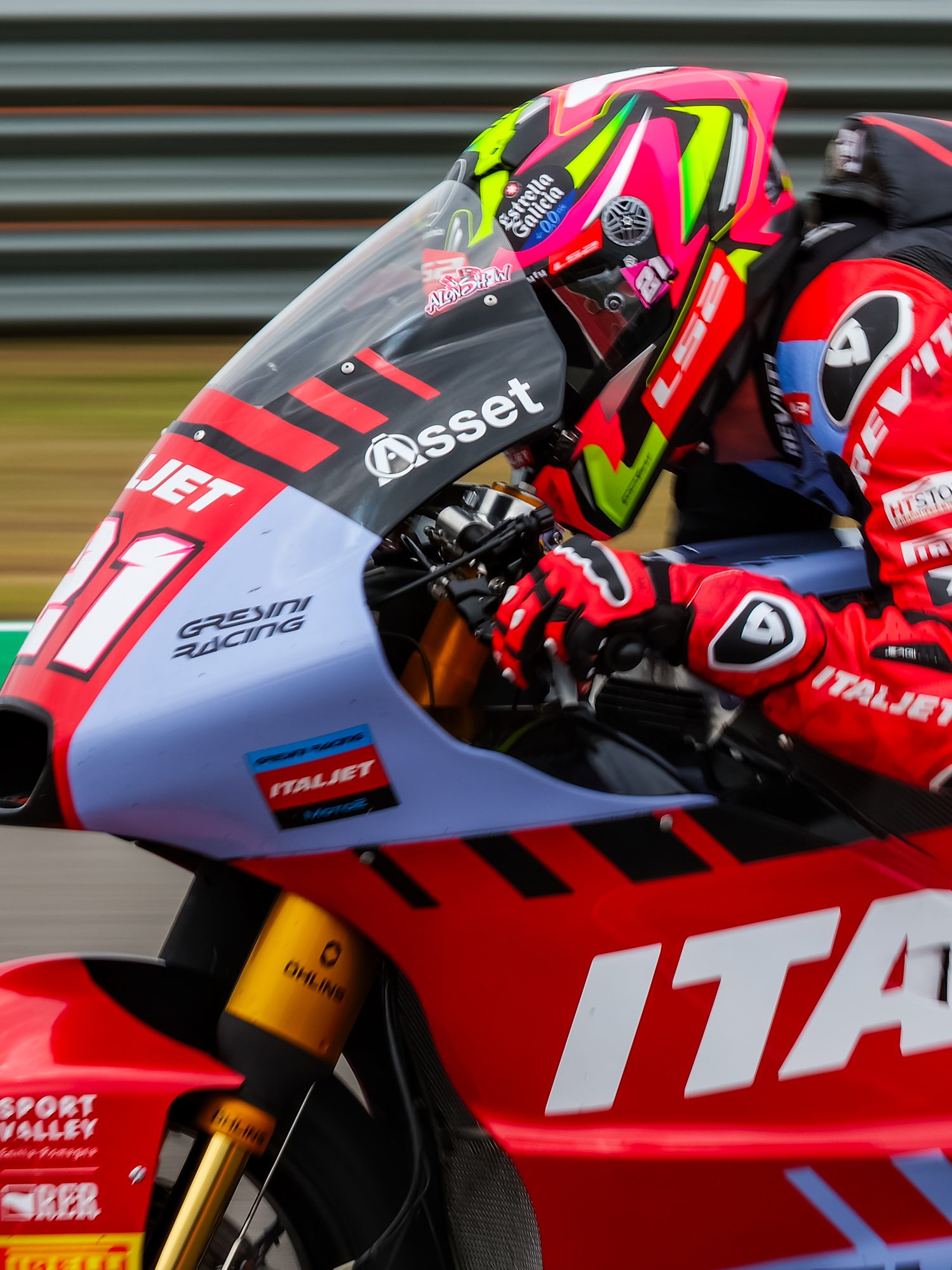
Here, the GFX100S II’s strengths came to the forefront. Photographers could frame deliberately, trusting the advanced autofocus on stationary or slow-moving subjects, and knowing that whatever was captured possessed immense potential for post-production flexibility. The ability to dramatically crop a 102-megapixel image without sacrificing critical resolution is a game-changer for editorial and commercial photography. A tight portrait of a rider on the grid, cropped to focus solely on their eyes peering above the visor, is easily achieved without a second thought. This freedom in post-production, offering unparalleled compositional flexibility and the ability to extract multiple images from a single frame, is genuinely liberating and provides a distinct creative advantage.
Final Verdict: A Strategic Complement, Not a Universal Replacement

The experiment at COTA ultimately delivered a nuanced verdict. The Fujifilm GFX100S II is, without question, a special camera. Spending a MotoGP weekend with it made a compelling case for its inclusion in a professional photographer’s kit – not as a replacement for dedicated high-speed cameras like the X-H2S, but as a deliberate and powerful complement. For genres where image fidelity, tonal depth, and immense resolution are paramount, such as landscape, portraiture, studio, fashion, and editorial work, it remains difficult to find a more capable tool in its form factor. Its remarkable lightness for a medium format camera, weighing just 883g with battery and card, further enhances its appeal for all-day carrying.
At the racetrack, the GFX100S II carves out a very specific, strategic role: a "secret weapon" third body reserved for moments when absolute speed is secondary to ultimate image quality. This includes the pre-race grid walk, capturing the tension and detail of riders and their machines; the post-race podium celebrations, where expressive portraits and wide, detailed environmental shots are desired; and those quiet, anticipated corners where a single, perfectly timed, high-fidelity shot is prioritized over a rapid burst. For these specific, deliberate moments, nothing else in the Fujifilm system, and arguably few other cameras on the market, can come close to the sheer visual impact and detail that this medium format sensor produces.
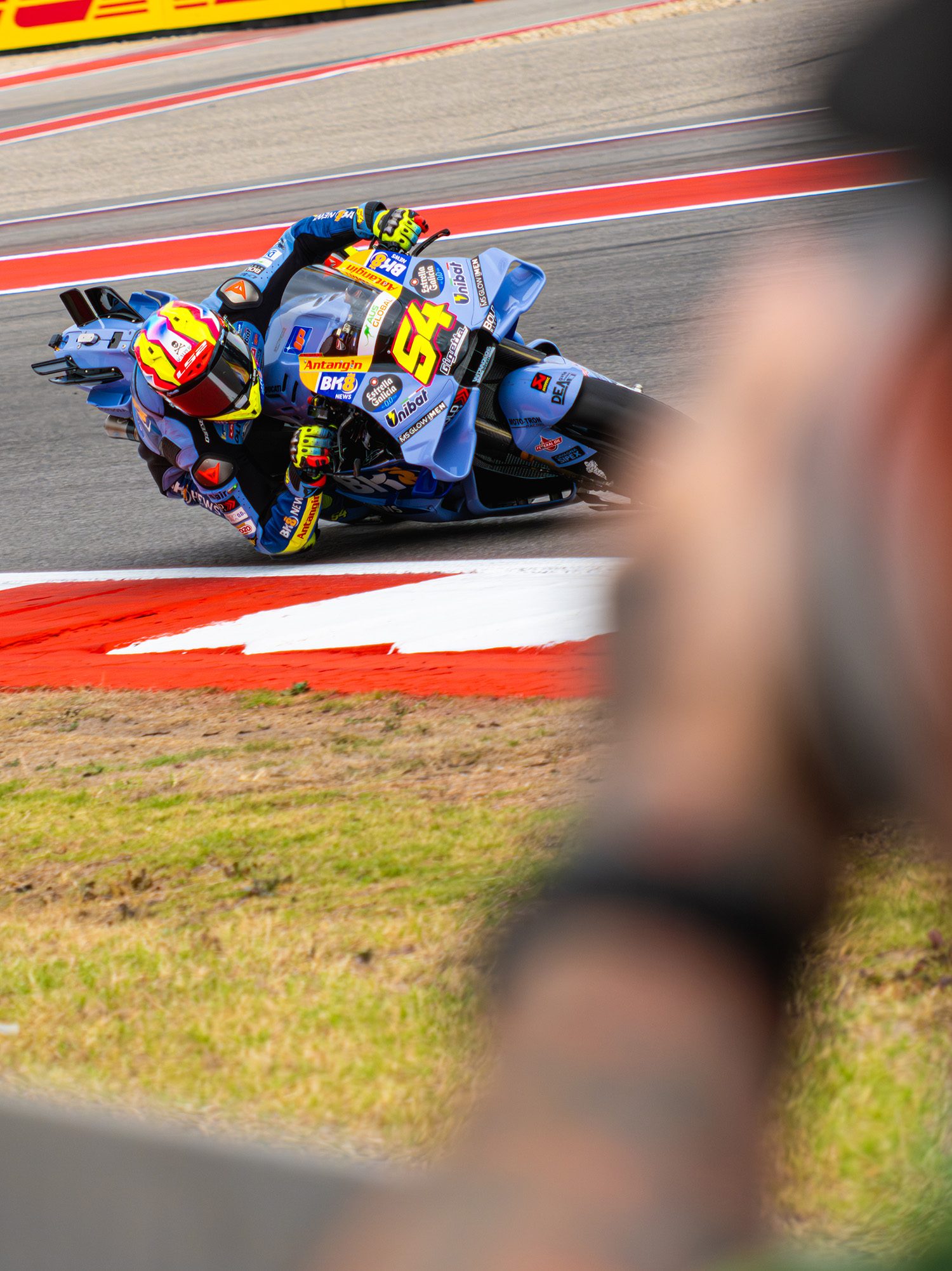
However, when the starting lights go out, and the field of MotoGP bikes accelerates in a thunderous blur through Turn 1, the discerning photographer will still instinctively reach for the Fujifilm X-H2S. Its unmatched speed, tenacious autofocus, and deep buffer are non-negotiable for capturing the raw, unpredictable, and fleeting essence of high-speed motorsport action. The experiment underscores a broader trend in photographic technology: specialization remains key, but the boundaries of what each system can achieve are continually being pushed, allowing for a more diverse and adaptable toolkit for modern professionals. The GFX100S II’s foray into MotoGP demonstrates that even in the most demanding environments, the pursuit of ultimate image quality can find its niche, enriching the visual storytelling of the event.