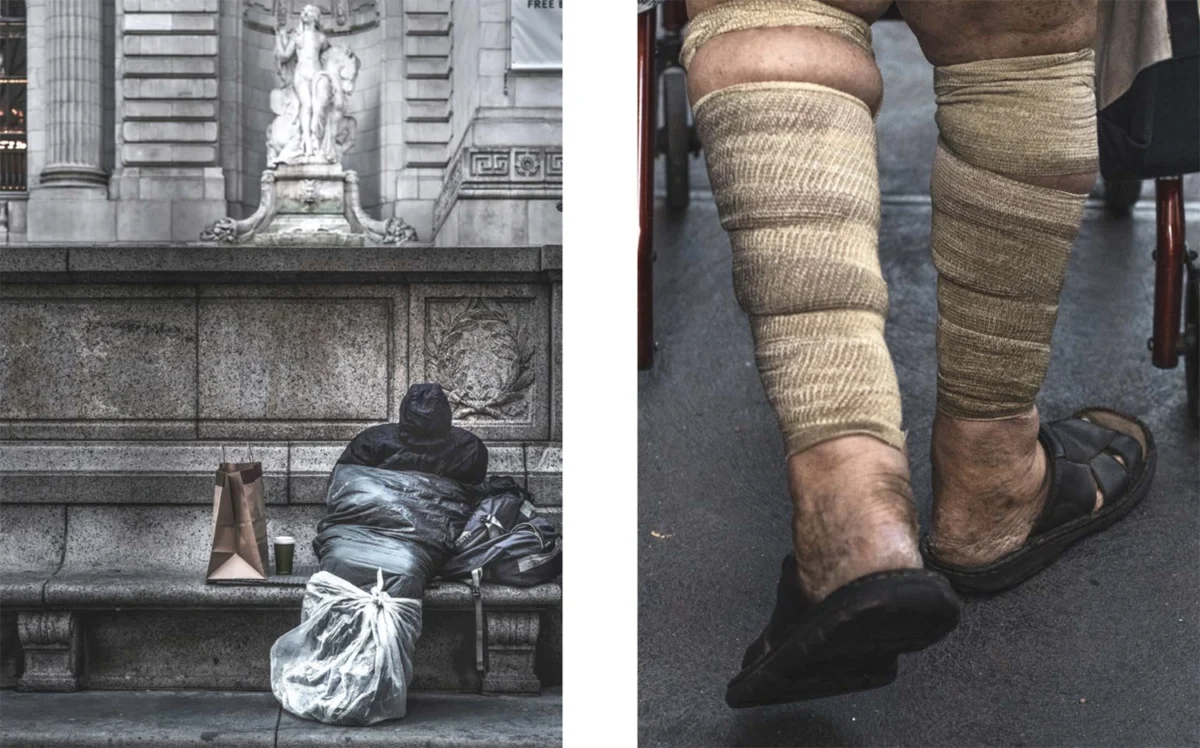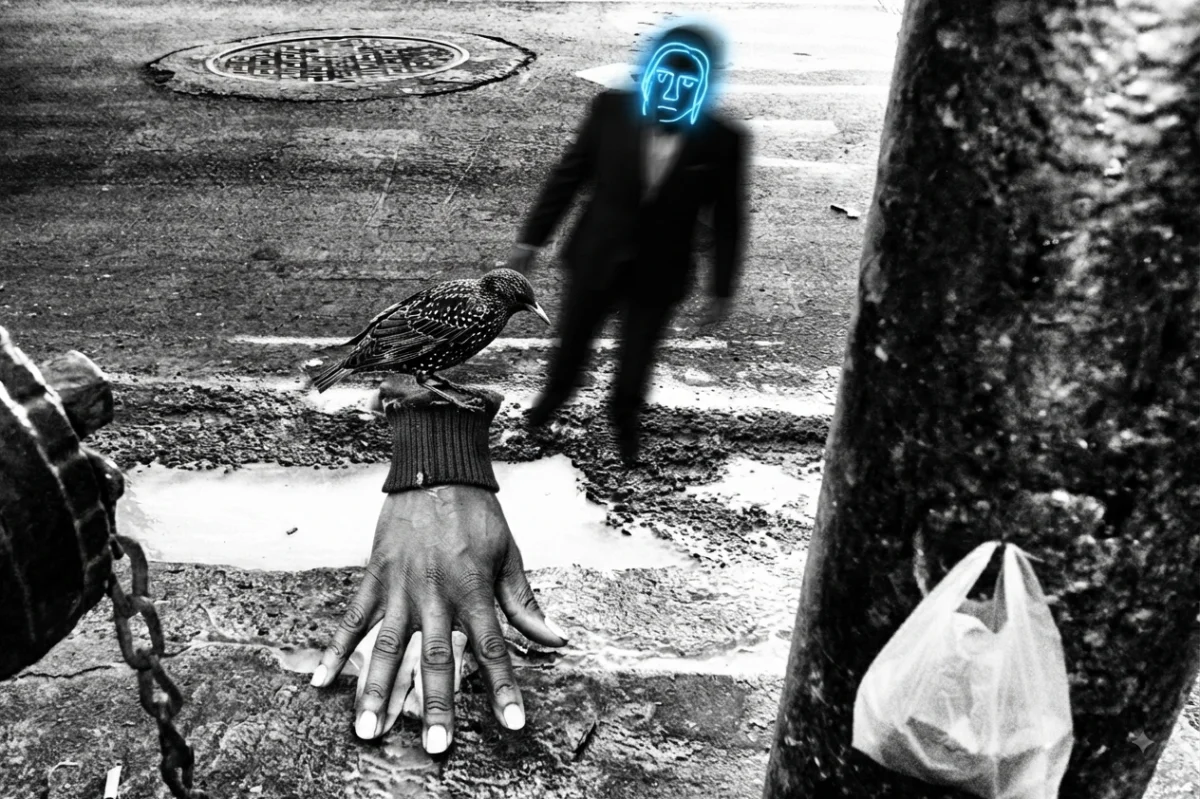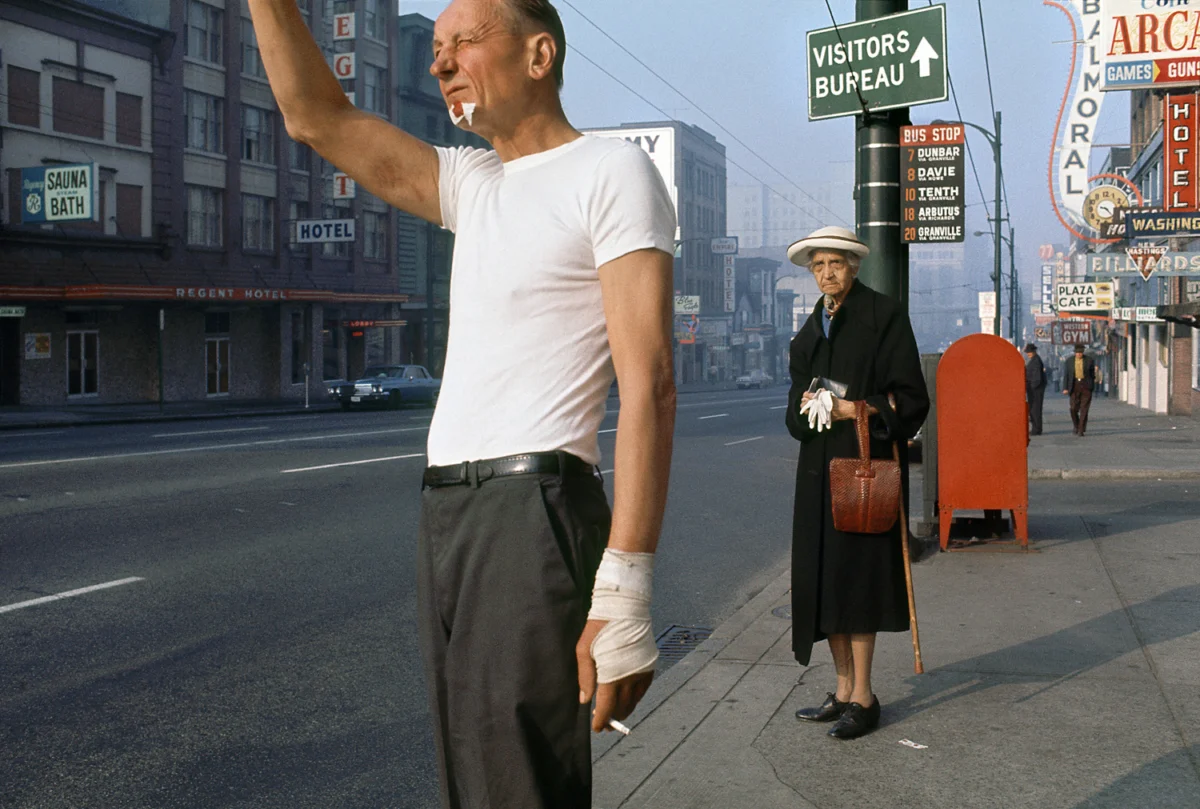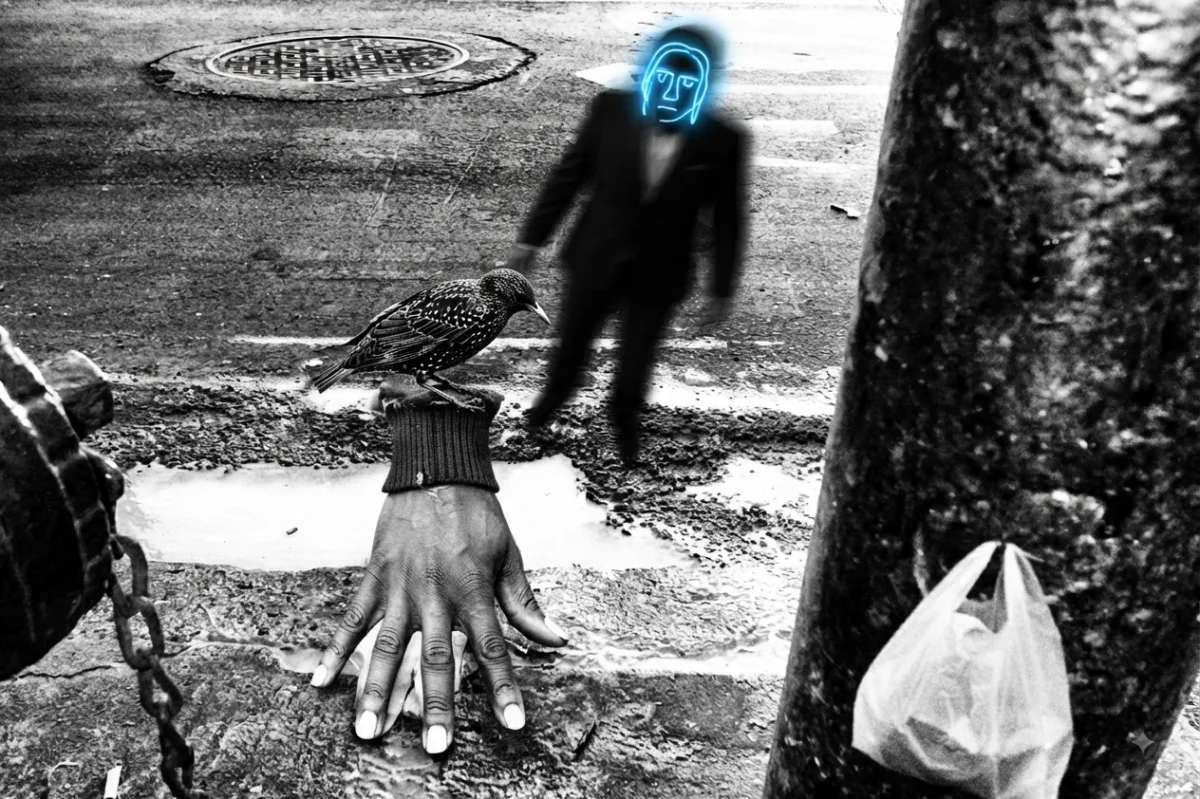
The pervasive integration of artificial intelligence (AI) into nearly every facet of modern life has inevitably extended its influence into the realm of photography, prompting a significant debate within the street photography community. From the initial stages of image selection and metadata tagging to sophisticated post-processing techniques like personalized editing profiles and generative retouching, the traditional boundaries between human artistry and machine assistance are becoming increasingly blurred. This evolving landscape has sparked considerable discussion and introspection regarding the acceptance and application of AI within a genre historically rooted in documentary authenticity and the capture of spontaneous, unadulterated moments. The central question confronting street photographers and enthusiasts alike is not simply whether AI can be used, but whether it should be, and what implications this holds for the integrity and definition of the art form.
The Unique Dilemma of AI in Street Photography
Street photography occupies a particularly sensitive position within this technological shift due to its deep-seated connection to the documentary tradition. Unlike genres that may embrace staged scenarios or conceptual frameworks, street photography fundamentally relies on an authentic, unmediated encounter with a physical moment unfolding before the lens. The integrity of a street photograph is often tied to its perceived truthfulness, its ability to serve as a visual record of a specific time and place, and the skill of the photographer in anticipating and capturing fleeting human interactions and urban narratives.
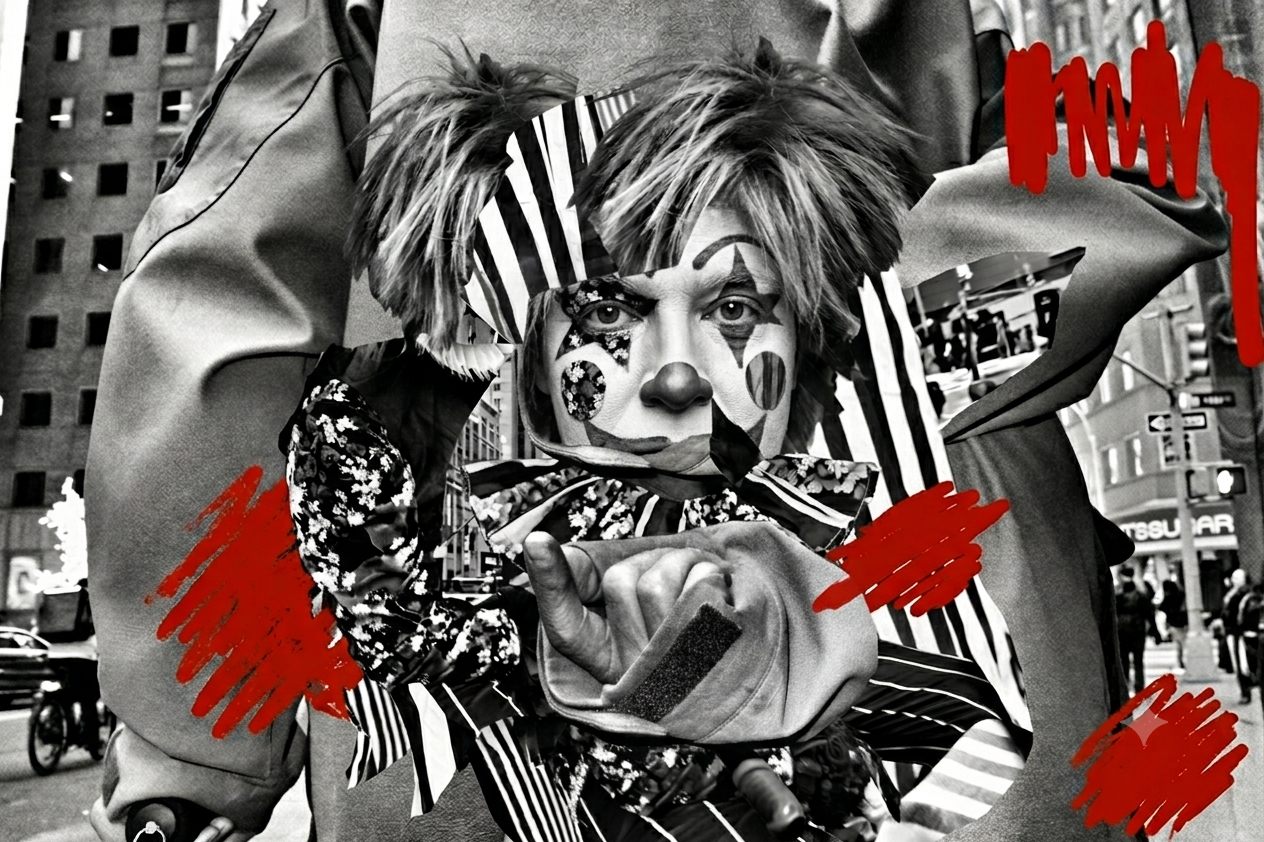
The introduction of AI tools into this process raises profound questions about the nature of authorship and authenticity. When AI assists in selecting images, enhancing details, or even generating elements within a photograph, it challenges the notion of a direct, unadulterated human imprint. This has led to discussions about whether such AI-assisted works remain "photography" in the traditional sense, or if they represent a new hybrid form, perhaps termed "promptography" or a similar designation that acknowledges the significant contribution of machine intelligence. The core of the debate revolves around whether to permit this technological overlap within street photography or to maintain strict distinctions between human-created and machine-assisted artistic outputs.
Historical Parallels and Evolving Tools
To gain perspective, it is often helpful to examine analogous developments in other creative fields. In the literary world, for instance, many publications have begun to explicitly reject submissions that have been generated or significantly assisted by AI. However, this stance prompts further inquiry: Should we also consider banning foundational tools like dictionaries, thesauruses, or even grammar-checking software, which have long been integral to the writing process? The internet itself, a vast repository of information and inspiration, is a resource many writers utilize for research and conceptual development.
Historically, technological advancements have consistently met with initial skepticism. The advent of the typewriter, for example, was met with apprehension by some who felt it diminished the "hand-crafted" nature of writing. Similarly, the introduction of personal computers and word processing software transformed the writing workflow, offering new efficiencies and editing capabilities. Many current AI applications in photography can be viewed as advanced iterations of these evolving editing tools. If standard editing software, which employs algorithms to refine images, is widely accepted, then the question becomes how to categorize and evaluate the increasing sophistication of AI-powered editing capabilities. The challenge lies in distinguishing between tools that augment human creativity and those that potentially supplant it.
Preserving the Human Element: A Continuous Dialogue
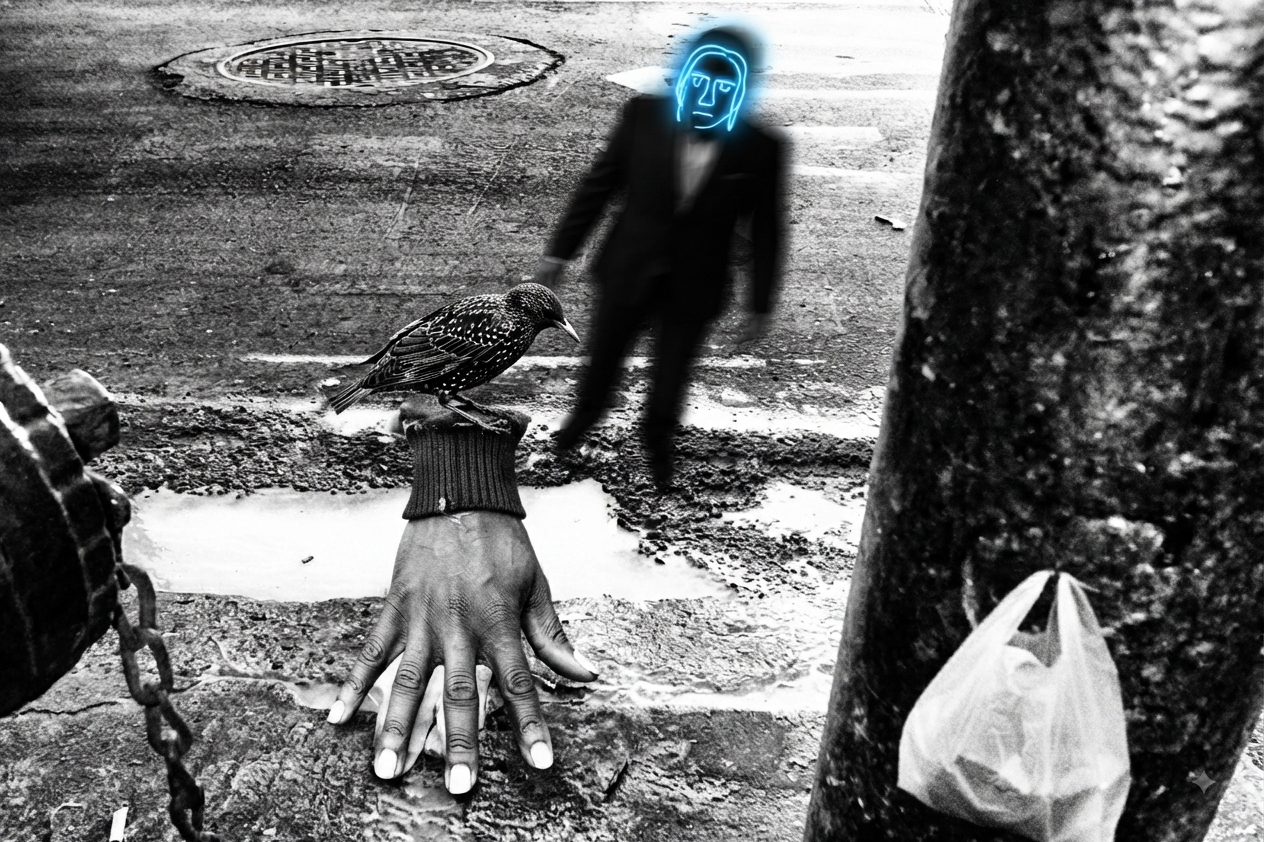
There is a discernible and understandable desire within the artistic community to preserve the inherent human element in creative works. Art, whether it manifests as a photograph, a painting, or a piece of writing, is traditionally understood as an expression of human experience, perspective, and skill. This does not preclude the existence or value of machine-made products, but it suggests that such creations might warrant different categorizations and evaluations.
The critical challenge then becomes establishing a clear and definable line between human effort and machine generation. This line is already becoming less distinct in subtle ways. Modern digital cameras, for instance, employ sophisticated AI-driven autofocus systems and in-camera image processing algorithms. The automated tagging of metadata, a common practice for organizing photographic archives, is also a function of machine intelligence. Even in what might be considered the "purest" forms of documentary street photography, photographers inevitably interact with and rely upon artificial intelligence embedded within their equipment and workflows. This suggests that a complete exclusion of AI is perhaps an unrealistic or even impractical objective.
Towards a Framework for AI Integration
Instead of framing the discussion as a binary choice of "to ban or not to ban," a more productive approach involves developing clear guidelines and guardrails. These frameworks should aim to delineate the extent of human effort versus machine generation in a photographic work. For street photographs that predominantly rely on AI for their creation or significant alteration, a distinct categorization or clear labeling might be necessary. This approach acknowledges the evolving nature of technology while respecting the established values of traditional photographic genres.
The Imperative of Disclosure and Transparency
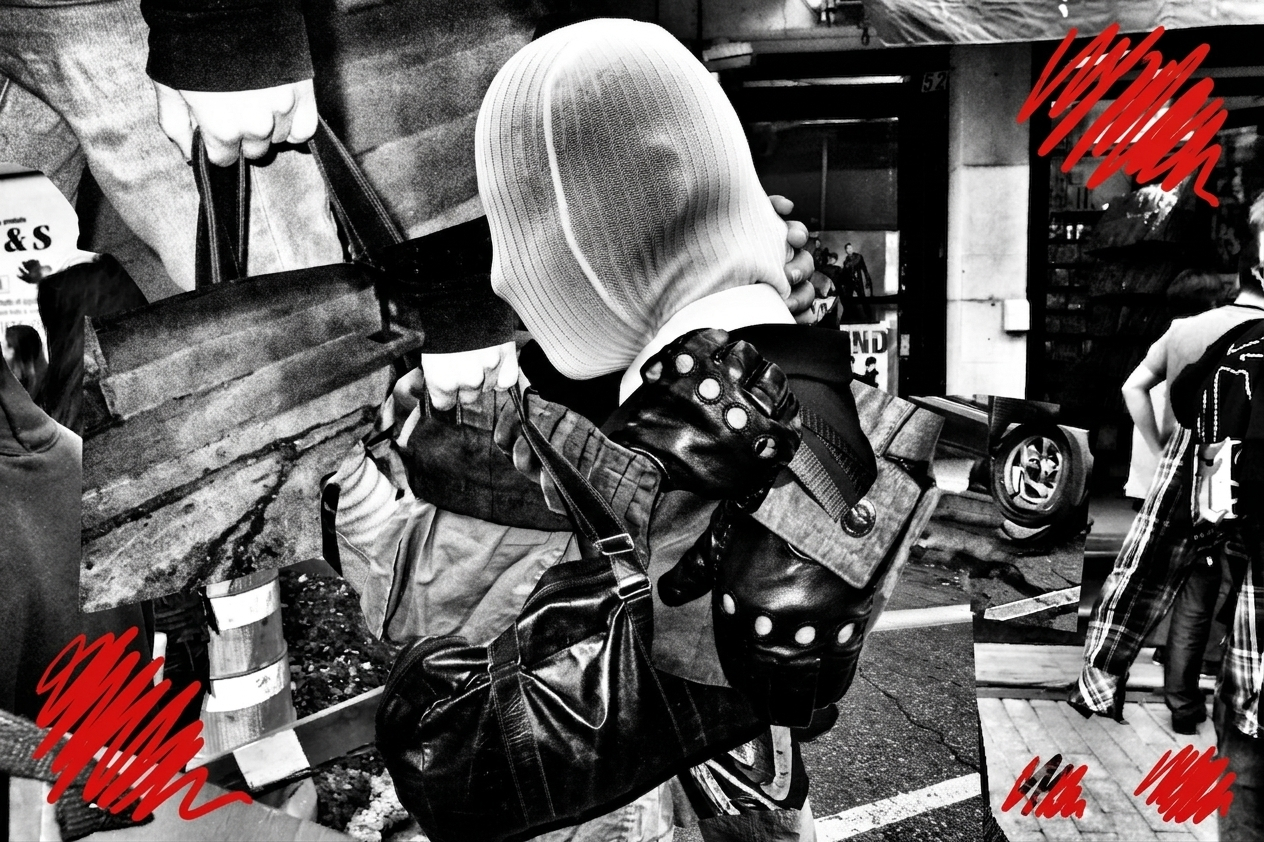
This leads to a broader and perhaps more contentious question: the necessity of disclosure. Should photographers be required to provide detailed accounts of their workflow and the extent to which AI was utilized in the creation of their images? Such a demand for transparency could be met with resistance from some artists who view their creative process as private.
Historically, the analog era offered a form of transparency through contact sheets. Reviewing a photographer’s contact sheets could reveal the iterative nature of their work, showing how many frames were captured to achieve a single compelling image. Some photographers were known for producing consistently strong frames, while others generated hundreds of images to isolate one decisive moment. The sharing of full contact sheets was rarely commonplace, suggesting that photographers have historically guarded aspects of their process.
In the digital age, while analog contact sheets are largely obsolete, the digital equivalent – the vast number of "failed" or discarded frames residing on hard drives – remains. If a demand for transparency regarding AI use is to be implemented, then a parallel discussion arises about the disclosure of other aspects of the photographic process. For instance, should the selection of a "decisive moment" from a burst sequence of a hundred frames be considered equivalent to a photographer who deliberately shoots only a single frame of a subject? The context surrounding the creation of an image can significantly alter its evaluation and our understanding of the photographer’s intent and skill.
The Inevitability of AI and the Path Forward
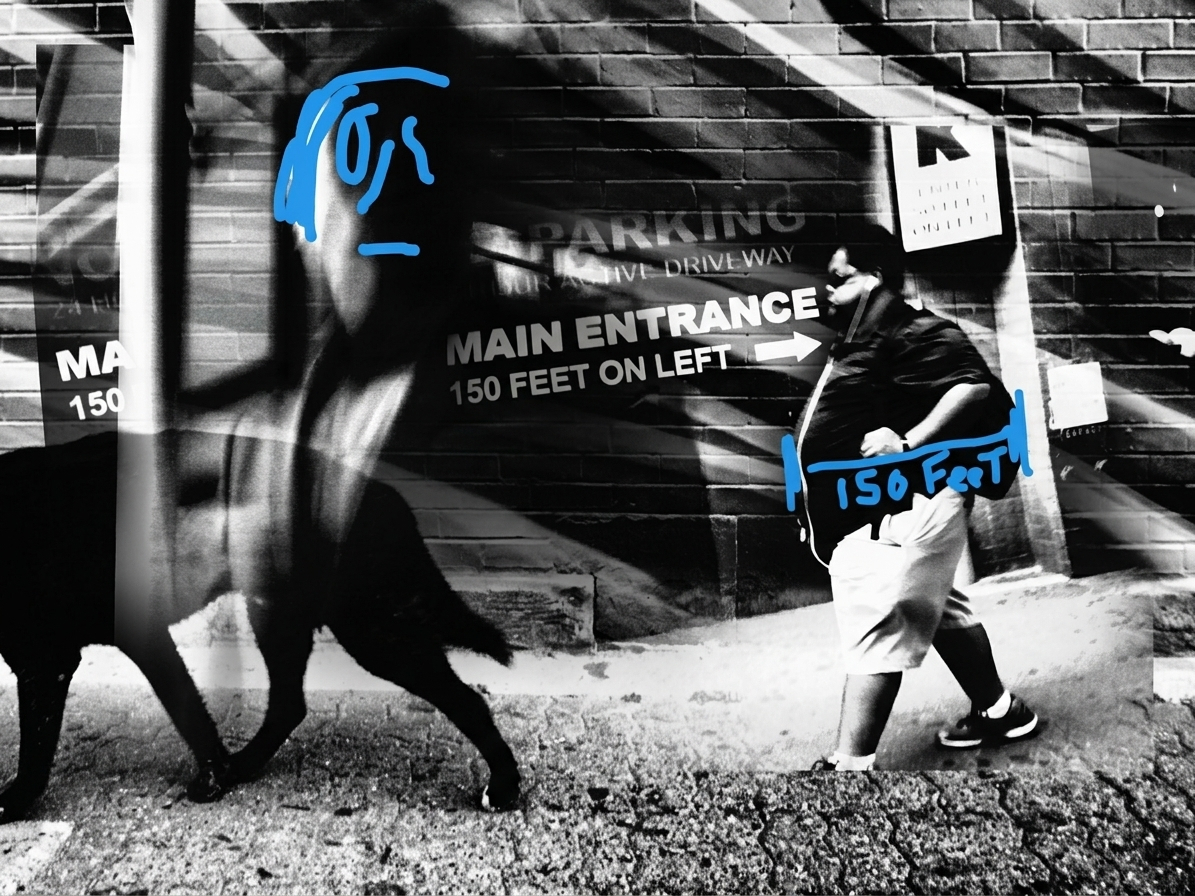
The notion of attempting to ban AI from street photography appears to be an increasingly futile endeavor. Artificial intelligence is not a transient trend; it is an integral and rapidly advancing component of digital technology that will continue to influence and assist in photographic practices. The real challenge for the street photography community lies in its collective decision regarding transparency.
If the community decides to embrace radical transparency, then the demand should extend beyond AI integration alone. It should encompass a full disclosure of the entire workflow that contributed to the final photograph. This would include details about image selection methodologies, editing techniques, and the specific tools and technologies employed, whether they are AI-driven or not. This comprehensive approach ensures a level playing field and a more informed appreciation of photographic artistry. As the adage suggests, what is good for one aspect of the process should, ideally, be considered for all. The ongoing dialogue about AI in street photography is not merely about technology; it is about defining the essence of visual storytelling in an era of unprecedented digital innovation.