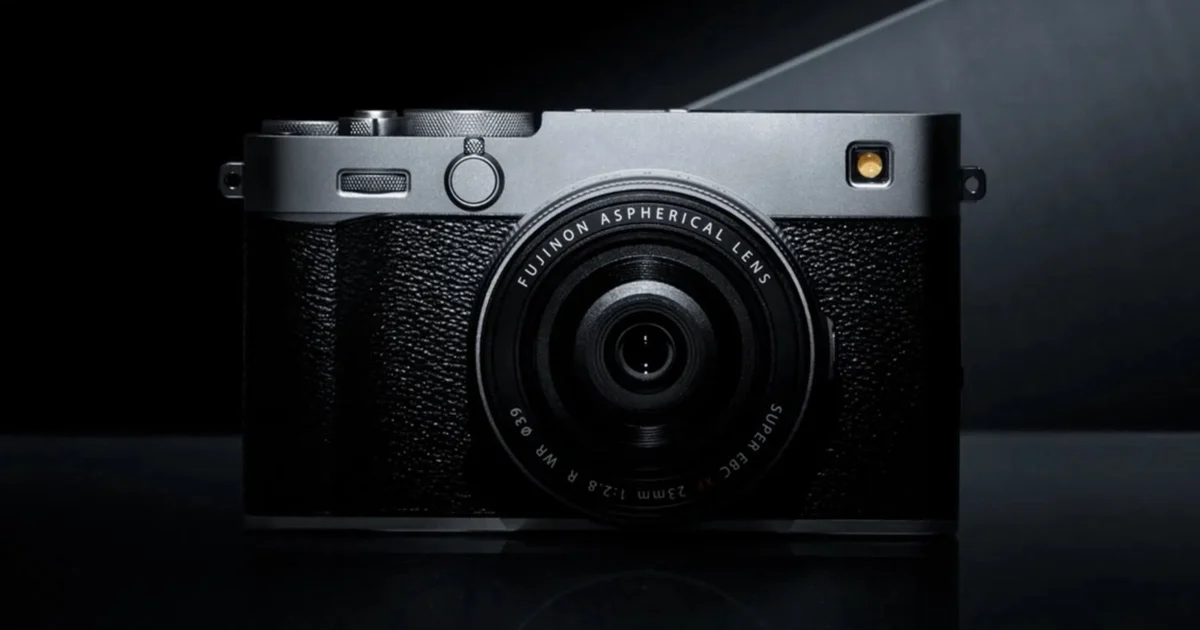
At the bustling CP+ 2026 exhibition in Yokohama, Japan, Fujifilm executives directly addressed one of the most frequently discussed limitations of their acclaimed X Series mirrorless cameras: autofocus performance, particularly in video applications. Yuji Igarashi, General Manager of Professional Imaging Group, Imaging Solutions Division, Fujifilm Corporation, affirmed the company’s dedicated efforts to overcome these challenges, stating, "We’re trying. We still believe it’s necessary to just continue to improve by algorithm improvement. And it’s not that we’re not doing it. We are continuing to work on it." This statement, made during an exclusive interview with PetaPixel, underscores Fujifilm’s recognition of a critical user pain point and its commitment to a multifaceted resolution.
The Enduring Appeal of Fujifilm X Series and its Achilles’ Heel
Fujifilm’s X Series cameras have carved a formidable niche in the competitive mirrorless camera market. Renowned for their exceptional image quality, distinctive color science (rooted in Fujifilm’s rich heritage of film emulsions), intuitive retro-inspired ergonomics, and a robust lineup of high-quality APS-C lenses, they have cultivated a passionate and loyal user base. Models like the X-T, X-Pro, X-H, and X-S series, along with the recently highlighted X-M5 and X-E5, consistently receive accolades for their still photography capabilities, build quality, and overall shooting experience. For many photographers, the X Series represents a perfect blend of modern technology and classic photographic feel.
However, despite these strengths, a persistent critique has shadowed the X Series: autofocus performance, especially when compared to industry leaders. While PetaPixel‘s experience, and that of many professional photographers, confirms that Fujifilm’s latest cameras deliver universally positive autofocus results for still photography, particularly with stationary or predictably moving subjects, the narrative shifts when dynamic scenarios or video recording come into play. Users frequently report instances of focus hunting, less reliable subject tracking, and occasional "wobble" during video capture, particularly in challenging lighting conditions or with rapidly changing scenes. This disparity has become a significant point of discussion within the photographic community, often surfacing in forums, review comments, and direct feedback channels to the company.
A Dual-Pronged Approach: Algorithms and Hardware
Igarashi elaborated on Fujifilm’s strategic approach to enhancing autofocus, identifying two primary avenues for improvement: algorithmic refinement and hardware advancements. "There are two improvements we can make, one based on the algorithm and then one based on the device itself," he explained. This distinction is crucial for understanding the complexity of modern autofocus systems and why a quick fix is rarely feasible.
The algorithmic component refers to the software intelligence that processes data from the sensor to determine focus points, predict subject movement, and control the lens’s focusing elements. Fujifilm has been actively investing in this area, integrating more sophisticated algorithms into its current generation of cameras. The company’s recent models, including the popular X-M5 and X-E5, benefit from these latest algorithms, which indeed represent a noticeable improvement over older iterations. Users have reported snappier focus acquisition and more consistent tracking in many still photography scenarios. However, the demands of continuous video autofocus, which requires near-perfect predictive tracking and seamless transitions, push current algorithmic capabilities to their limits.
The hardware component encompasses the sensor’s phase-detection autofocus (PDAF) points, the camera’s image processor, and the overall data throughput capabilities. Fujifilm’s current "fifth-generation device" (referring to their X-Trans V sensor and X-Processor 5 combination) represents the pinnacle of their current technological platform. While powerful, Igarashi noted, "to make an improvement here, we just need to improve the algorithm. That’s the maximum we can do." This implies that the current hardware, while capable, has reached its ceiling in terms of what purely software-based optimizations can extract from it. Further significant leaps in performance, particularly for the most demanding applications, will necessitate new hardware generations with enhanced processing power and potentially more advanced sensor designs.
The CP+ Context: A Platform for Industry Dialogue
CP+ (Camera & Photo Imaging Show) stands as one of the world’s leading photography and imaging trade shows, held annually in Yokohama. It serves as a vital platform for camera manufacturers to unveil new products, showcase technological advancements, and engage directly with media, industry professionals, and enthusiastic consumers. Fujifilm’s presence at CP+ 2026, and Igarashi’s candid discussion with PetaPixel, highlights the significance of addressing core user feedback publicly. Such events are crucial for companies to gauge market sentiment, communicate their strategic directions, and reassure their customer base of ongoing commitment to product development. The timing of this announcement at a major industry event signals Fujifilm’s serious intent and transparency regarding their development roadmap.
A Chronology of Autofocus Evolution in the X Series
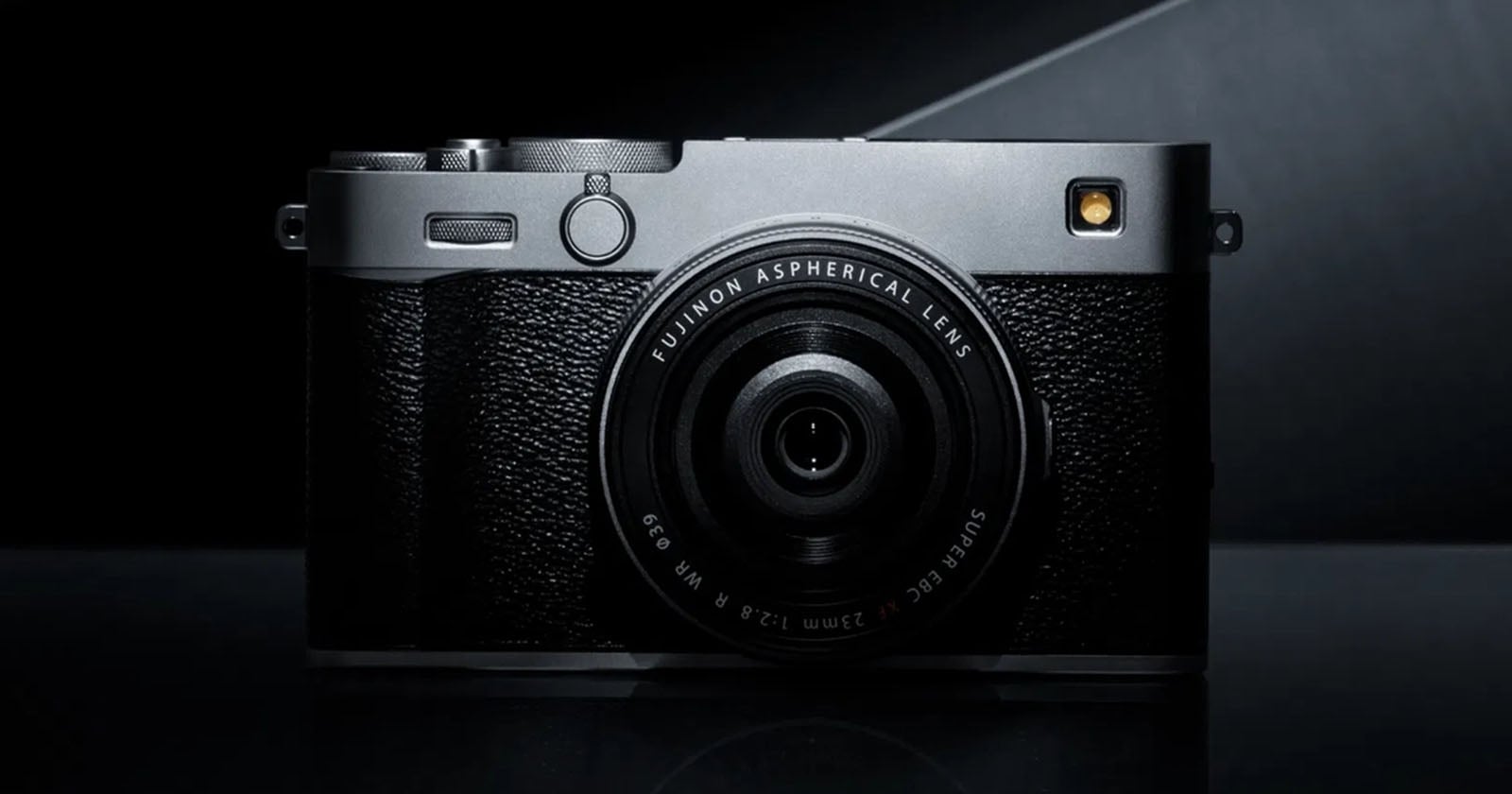
To fully appreciate Fujifilm’s current position and its promised improvements, a brief look at the evolution of X Series autofocus is helpful:
- Early Generations (X-Trans I/II – e.g., X-Pro1, X-T1): These early models primarily relied on contrast-detection autofocus (CDAF), which, while accurate, was notoriously slower and prone to hunting, especially in low light or with moving subjects. The introduction of on-sensor phase-detection pixels in later X-Trans II cameras (like the X-T1 and X-E2) marked a significant step forward, offering improved speed and tracking.
- Third Generation (X-Trans III – e.g., X-T2, X-Pro2): This generation brought substantial improvements, leveraging more phase-detection pixels across a wider area of the sensor and more powerful processors. The X-T2, in particular, was lauded for its much-improved AF-C (continuous autofocus) capabilities, making it a viable option for action photography, though still lagging behind some competitors.
- Fourth Generation (X-Trans IV – e.g., X-T3, X-T4, X-Pro3, X-S10): With the X-Trans IV sensor and X-Processor 4, Fujifilm introduced a massive increase in phase-detection pixels (up to 2.16 million) covering nearly 100% of the sensor. This led to faster and more accurate AF, including better face and eye detection. The X-T4 further refined this with improved tracking algorithms and a more robust video feature set, but video AF remained an area for refinement.
- Fifth Generation (X-Trans V – e.g., X-H2, X-H2S, X-T5, X-S20, X-M5, X-E5): The current generation utilizes the X-Trans V HR (high-resolution) or X-Trans V HS (high-speed stacked) sensor paired with the X-Processor 5. This combination has delivered the most advanced AF system to date for Fujifilm, featuring deep learning-based subject detection (animals, birds, cars, motorcycles, airplanes, trains). For still photography, this has largely addressed many previous complaints. However, for video, particularly in dynamic scenarios where subjects might change speed or direction unpredictably, the "wobble" and tracking inconsistencies can still be observed by discerning users. This current generation is where Fujifilm is maximizing algorithmic improvements on existing hardware.
The Intrinsic Role of Lens Technology
While Fujifilm’s statements rightly focus on camera body hardware and software, a crucial, often overlooked, aspect of autofocus performance lies within the lenses themselves. As the company implicitly acknowledged, "Something Fujifilm didn’t mention but is also vital are the autofocus systems and technologies inside lenses." The speed, precision, and smoothness of a lens’s autofocus motor are paramount. Older lens designs, even when paired with the latest camera bodies, can act as a bottleneck, limiting the overall AF performance. Their motors might be slower, noisier, or less precise, leading to less decisive focus acquisition or audible focusing during video recording.
Recognizing this, Fujifilm has invested significant resources in developing superior autofocus motors for its Fujinon XF lenses. The introduction of linear actuators, denoted by "LM" (Linear Motor) in Fujinon lens names, represents a significant technological leap. These motors offer silent, incredibly fast, and highly precise focusing, making them ideal for both still photography and video. Lenses like the XF50-140mm F2.8 R LM OIS WR, XF100-400mm F4.5-5.6 R LM OIS WR, and newer primes such as the XF33mm F1.4 R LM WR, demonstrate the synergy between advanced lens motors and the camera’s AF system. The experience of using a modern LM lens with an X-Trans V body is markedly superior to using an older, non-LM lens, even on the same camera body. This reinforces the idea that true AF excellence is a system-wide achievement, requiring advancements in both the body and the glass.
Industry Landscape and User Expectations
The broader photographic industry has seen rapid advancements in autofocus technology, particularly in the hybrid mirrorless segment. Competitors have pushed boundaries with AI-driven subject detection, incredibly fast and sticky tracking for both stills and video, and minimal focus breathing. This heightened industry standard inevitably raises user expectations across all brands. For content creators who rely heavily on video, consistent and reliable autofocus is not merely a convenience but a fundamental requirement for professional output.
While Fujifilm has excelled in other areas, the perceived gap in AF performance for video has made some potential users, particularly those transitioning from other systems or those prioritizing video capabilities, hesitate. Addressing this gap is therefore not just about satisfying existing users but also about expanding Fujifilm’s appeal to a broader demographic, including vloggers, independent filmmakers, and hybrid shooters who demand equally strong performance in both stills and motion.
Future Implications and Strategic Outlook
Igarashi’s commitment to "algorithm improvement plus device improvement" signals a long-term strategic vision. He explicitly mentioned that while current algorithmic updates benefit existing users, "In theory, future devices will be much more advanced, with the consideration of higher processing speed. That would help us as well, but that wouldn’t help existing users, so we’re trying to do both." This indicates that Fujifilm is not merely patching existing systems but is actively designing future camera generations with significantly enhanced processing capabilities specifically tailored to overcome current autofocus limitations.
This multi-generational approach suggests that photographers seeking the absolute pinnacle of Fujifilm’s autofocus performance, particularly for the most demanding video tasks, may need to wait for a "future generation" of X Series cameras. This could manifest in several ways:
- Next-Generation Processors: More powerful, dedicated AI processing units could dramatically improve the speed and accuracy of subject detection and tracking algorithms.
- Advanced Sensor Designs: Future sensors might integrate even more sophisticated phase-detection pixels, potentially with new architectures that provide richer depth information or faster readout speeds.
- Optimized Data Pathways: Enhanced communication between the sensor, processor, and lens could reduce latency and improve responsiveness.
The implications for Fujifilm are significant. Successfully closing the autofocus gap would not only solidify its position among its loyal fanbase but also significantly broaden its market appeal. It would allow Fujifilm to compete more directly for market share in the booming hybrid camera segment, attracting creators who previously might have opted for rival brands known for their superior video AF. Furthermore, it reinforces Fujifilm’s reputation as a company that listens to its community and is dedicated to continuous innovation. The journey to autofocus perfection is complex, requiring a synergistic blend of software, hardware, and lens technology, but Fujifilm’s public acknowledgment and outlined strategy at CP+ 2026 demonstrate a clear, unwavering commitment to this critical pursuit.