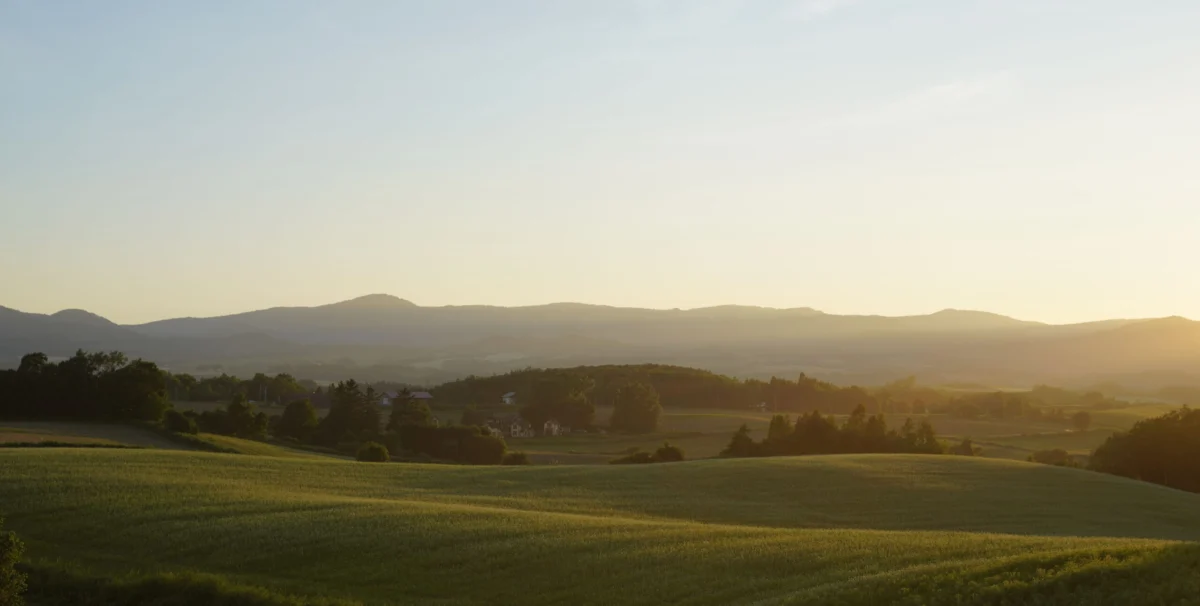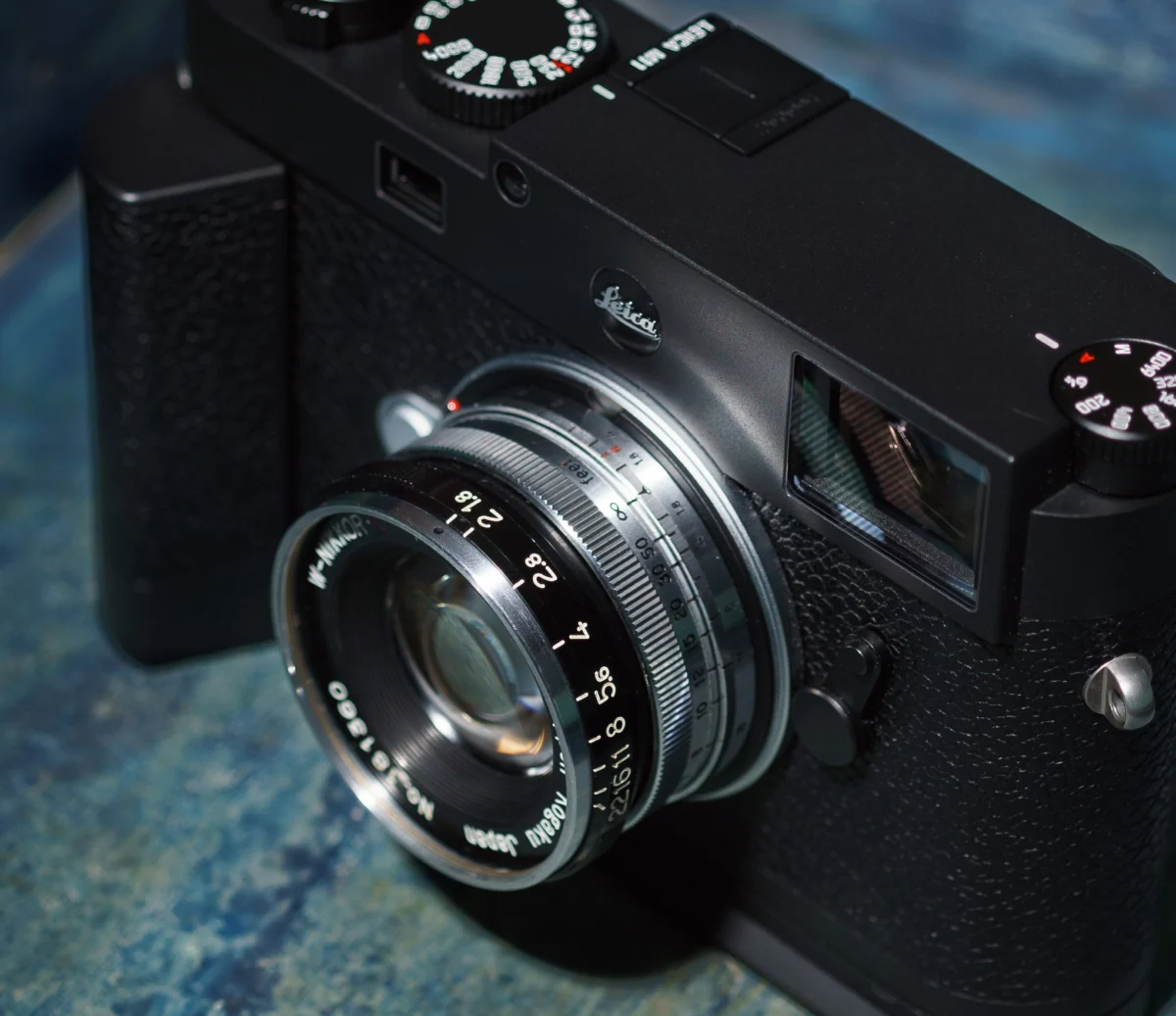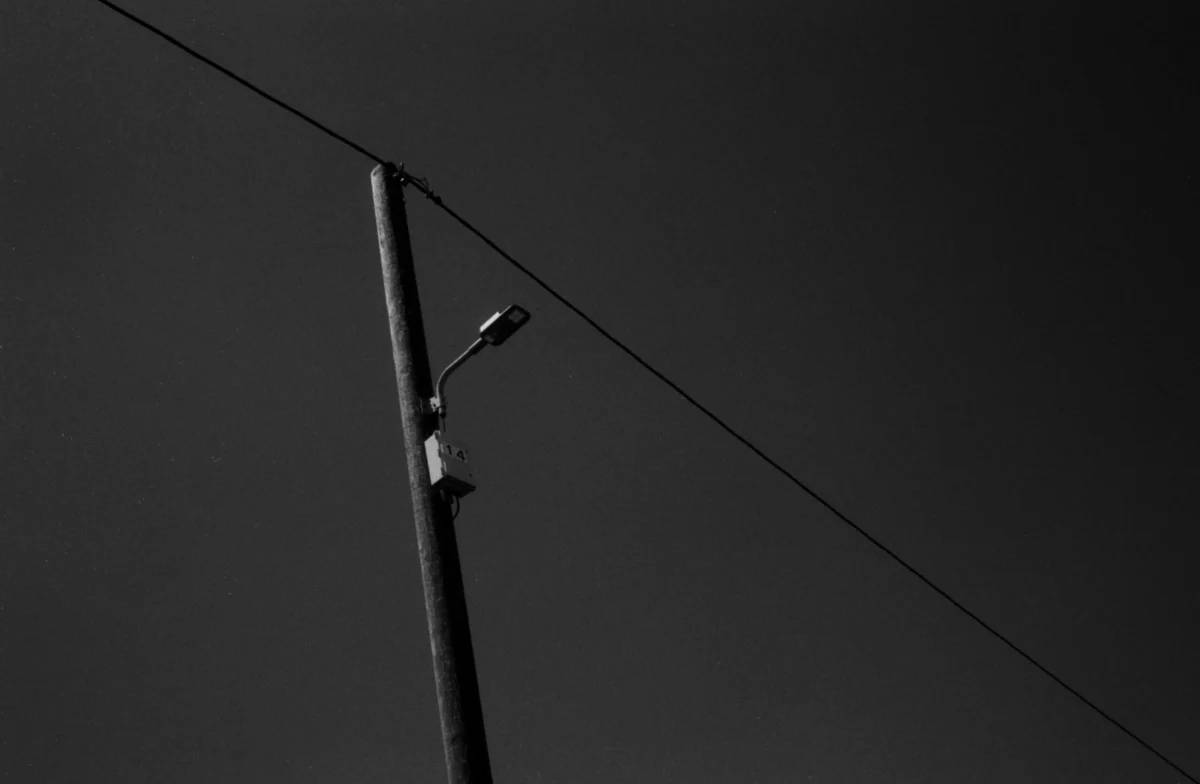
The intersection of secondary education and outdoor leadership often provides unique opportunities for field testing photographic equipment and consumables. In a recent series of technical evaluations conducted during a route reconnaissance for the Duke of Edinburgh (DofE) Award program, Greg May, a secondary school physics teacher and photography enthusiast, documented the performance of Kentmere Pan 200 black-and-white film. The exercise, carried out in the context of official school duties, served as both a logistical preparation for student expeditions and a controlled environment for assessing the characteristics of budget-oriented film stocks under high-contrast lighting conditions.
Institutional Context: The Duke of Edinburgh Award and Staff Responsibilities
The Duke of Edinburgh’s Award, established in 1956, remains a cornerstone of extracurricular achievement in the United Kingdom and across the Commonwealth. The program is divided into three levels—Bronze, Silver, and Gold—requiring participants to complete sections involving volunteering, physical activity, skills, and a culminating expedition. For staff members like May, the role of an expedition leader or assessor necessitates rigorous "reccy" (reconnaissance) missions. These missions are essential for ensuring that proposed routes are safe, navigable for students, and compliant with the program’s strict safety standards.
These scouting trips frequently occur during "company time," allowing educators a brief respite from the confines of the classroom. For professionals working in high-pressure environments like secondary physics education, these outdoor requirements offer a critical balance to the indoor-centric nature of the academic year. The integration of photography into these sessions provides a dual-purpose benefit: documenting trail markers for student briefings and testing the limits of analog photographic media in varying topographical landscapes.
Technical Specifications: The Olympus 35 DC and Kentmere Pan 200
For this specific evaluation, the primary hardware utilized was the Olympus 35 DC, a compact rangefinder camera produced between 1971 and 1974. The "DC" in the model name stands for "Deluxe Compact," reflecting its high-tier positioning in the 1970s consumer market. The camera is equipped with a fixed F.Zuiko 40mm f/1.7 lens, a six-element optic known for its sharpness and ability to produce high-quality images even in low light.
The Olympus 35 DC features a programmed automatic exposure system, which simplifies the shooting process but introduces specific challenges when using filters. The camera’s CdS (Cadmium Sulfide) meter is located on the lens barrel, meaning it can theoretically compensate for filters if they cover the sensor. However, as noted in May’s field report, the use of a red filter in intense sunlight led to complications in exposure calculation.
The film stock selected for the trial was Kentmere Pan 200. Produced by Harman Technology—the same parent company behind the premium Ilford Photo brand—Kentmere is marketed as a cost-effective alternative for students and hobbyists. While Kentmere Pan 100 and 400 are more common staples in the analog community, the 200-speed variant offers a middle ground, promising finer grain than the 400-speed "workhorse" stocks like Ilford HP5 Plus or Kodak Tri-X 400, while maintaining enough sensitivity for handheld shooting in diverse lighting.
Chronology of the Field Evaluation
The evaluation took place during a transit that began with May’s standard eight-kilometer commute to the school site, performed via bicycle and on foot. This daily transit serves as a baseline for the photographer’s familiarity with the local light and atmospheric conditions.
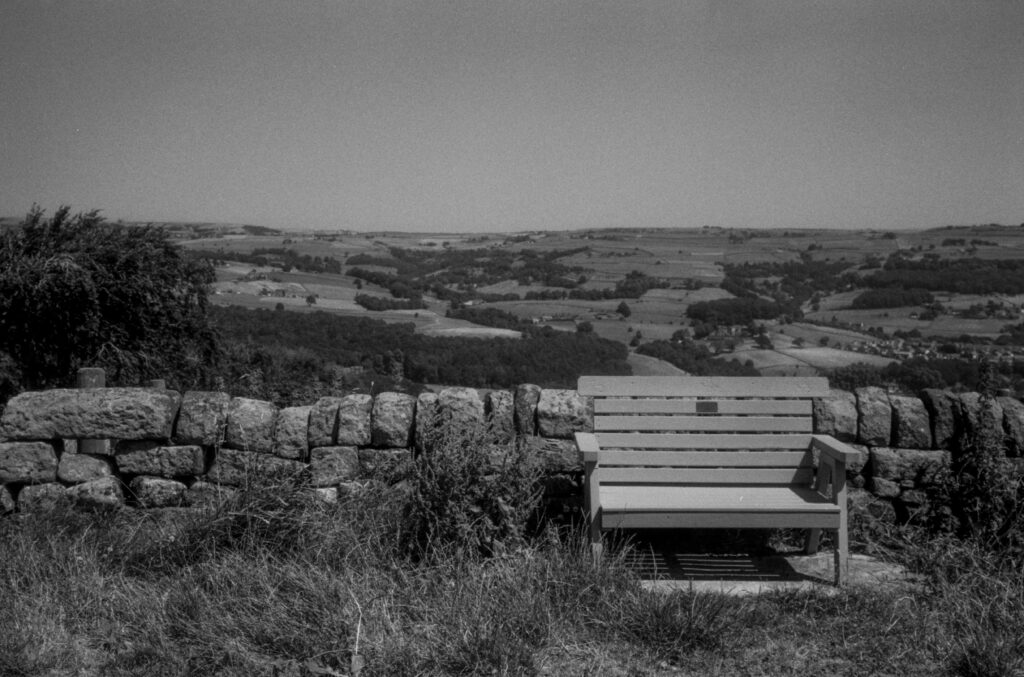
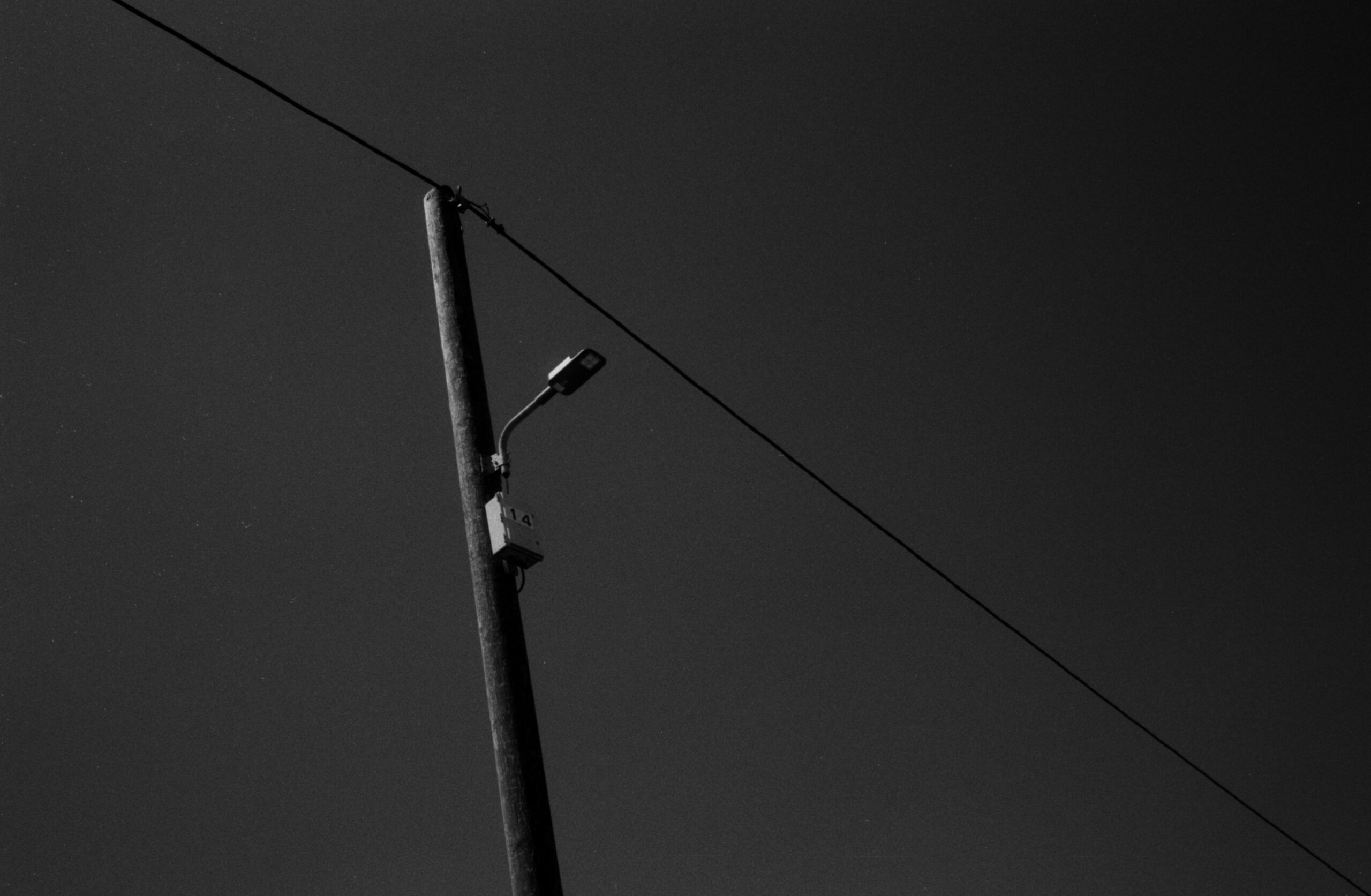
Upon transitioning to the DofE route reconnaissance, the environmental conditions were characterized by "intense sunlight," a scenario that often poses difficulties for black-and-white photography due to the potential for blown-out highlights and lack of shadow detail. To mitigate these effects and increase sky contrast, a red filter was applied to the Olympus 35 DC.
Red filters are a standard tool in monochromatic photography; they block the blue and green ends of the spectrum, causing blue skies to appear significantly darker and clouds to pop with dramatic emphasis. However, the "filter factor" for a red filter typically requires an increase in exposure by approximately three stops (a factor of 8x). The field notes suggest that the automated metering system of the Olympus 35 DC may not have sufficiently compensated for this light loss, resulting in a suspected underexposure of at least one full stop across the roll.
Comparative Performance Analysis: Kentmere vs. Premium Stocks
A primary objective of the test was to determine if Kentmere Pan 200 could serve as a viable replacement for more expensive professional stocks such as Ilford HP5 or Kentmere 400. The preliminary results yielded a nuanced perspective on the "value" segment of the film market.
Grain and Resolution
The most immediate observation was the grain structure. Kentmere Pan 200 exhibited noticeably lower grain compared to its 400-speed counterparts. This characteristic is consistent with the physics of silver halide crystals; smaller crystals require more light to react but produce a smoother, more detailed image. For landscape documentation where fine detail in foliage and terrain is required, the Pan 200 showed technical promise.
Negative Quality and Emulsion Consistency
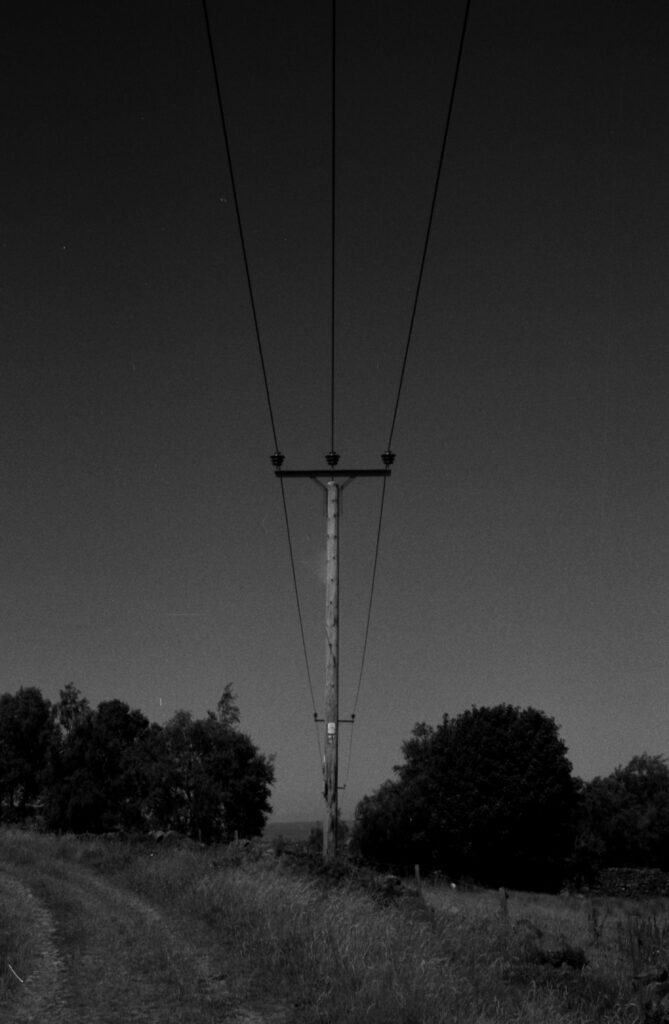
A significant point of concern arose during the post-processing phase. May reported a high frequency of "spots" and artifacts on the negatives that required extensive digital retouching. Such issues are often indicative of inconsistencies in the emulsion coating process or a lack of anti-static properties in the film base.
In a comparative context, these defects were noted as being absent in rolls of Ilford HP5 or Kentmere 400 processed under similar conditions. This suggests that while the Kentmere 200 emulsion offers desirable grain characteristics, its quality control standards may not yet match the "bulletproof" reliability of Harman’s more established products. For professional or archival applications, the time cost of retouching negatives may outweigh the initial financial savings of the film stock.
The Physics of Metering and Post-Exposure Recovery
As a physics educator, May’s analysis of the underexposure issue highlights the technical relationship between hardware and light filtration. The Olympus 35 DC utilizes a "trap-needle" automatic exposure system. When a red filter is introduced, the spectral sensitivity of the CdS cell becomes a critical variable. Most vintage CdS cells have a peak sensitivity in the green-yellow part of the spectrum. Consequently, when a deep red filter is applied, the meter may "see" even less light than the film actually requires, leading to the underexposure observed in this trial.
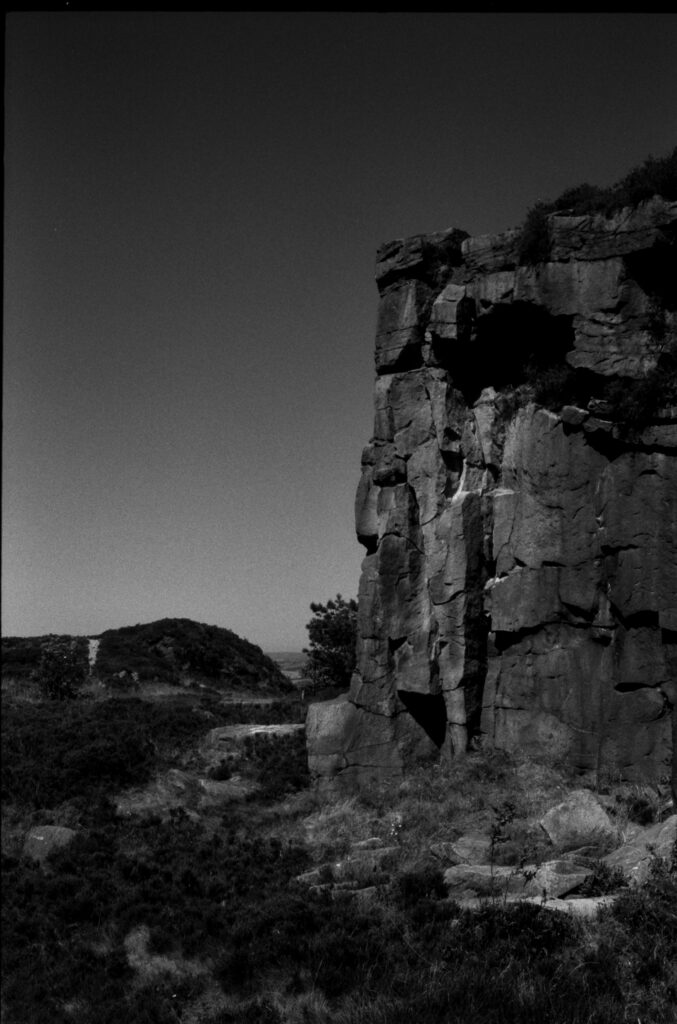
Despite these technical hurdles, the use of modern digital post-processing tools like Adobe Lightroom (Lr) allowed for the recovery of the underexposed frames. The latitude of modern black-and-white film—even budget-friendly options—is often sufficient to survive a one-stop underexposure, provided the development process is handled carefully. The resulting images maintained a "look" that, while not perfect, provided a usable aesthetic for the intended purpose of route documentation.
Broader Implications for the Analog Photography Market
The evaluation of Kentmere Pan 200 comes at a time of significant transition in the analog photography industry. Since the "film resurgence" began in the mid-2010s, prices for premium stocks have risen steadily due to increased raw material costs and global supply chain pressures. This has created a robust demand for "tier-two" films like the Kentmere line, Fomapan, and various rebranded "house" films.
The findings from this field test suggest that while budget films are narrowing the gap in terms of basic image quality (grain and sharpness), they still lag behind in physical reliability and manufacturing consistency. For educational institutions running photography programs or outdoor awards, the choice between a reliable but expensive film and a cheaper but potentially flawed alternative remains a matter of budget versus labor.
Conclusion and Future Outlook
The DofE route reconnaissance served as an effective "stress test" for both the photographer’s workflow and the Kentmere Pan 200 film stock. While the initial results were mixed—marred by artifacts and metering errors—the exercise provided valuable data for future outings.
May indicated that a definitive judgment on Kentmere Pan 200 would require further testing with a camera capable of more sophisticated or manual metering to isolate the film’s performance from the hardware’s limitations. As educators continue to bridge the gap between indoor academic responsibilities and outdoor leadership, the role of reliable, affordable documentation tools will remain paramount. The ongoing exploration of the British countryside, documented through the lens of vintage rangefinders, continues to offer a unique intersection of pedagogical duty and artistic inquiry.