The ethereal beauty of Brazil’s Lençóis Maranhenses National Park, a vast expanse of undulating white sand dunes interspersed with ephemeral freshwater lagoons, has long captivated the human imagination. While traditionally the focus of many visual artists and conservationists has been on the intricate details of wildlife and their immediate habitats, a recent exploration of this UNESCO World Heritage Site has underscored the profound artistic and ecological significance of its sweeping, dynamic landscapes. Utilizing advanced drone technology, photographers have gained unprecedented access to capture the park’s grandeur from above, revealing a constantly shifting tableau of natural artistry that draws parallels to humanity’s enduring quest to represent the natural world.
Lençóis Maranhenses, translating to "sheets of Maranhão," is a geographical marvel situated in the northeastern corner of Brazil. Spanning approximately 600 square miles, this unique ecosystem is characterized by its striking visual duality: vast, windswept sand dunes that stretch to the horizon, and in the rainy season, thousands of crystal-clear freshwater lagoons that form between them. This remarkable geological formation is a product of a complex interplay between wind, rain, and the region’s coastal geography. The park’s eastern border is defined by over 40 miles of pristine beaches, dotted with traditional fishing villages, which gradually slope into the open expanse of the Atlantic Ocean. Inland, winding, tannin-colored river systems, stained by decaying vegetation, snake through the white dunes, their inky waters a stark contrast to the surrounding sand and the scattered pools of vibrant turquoise and jade. To the west, the desert-like landscape of dunes and wetlands gradually transitions into cerrado (savanna grasslands) and then dense forest, before eventually giving way to agricultural lands.
A Shift in Perspective: The Advent of Aerial Photography
Historically, capturing aerial views of such expansive and often remote natural landscapes presented significant logistical challenges. Photographers often relied on cramped ultralight aircraft or fixed-wing planes, sometimes with doors removed to facilitate unobstructed shooting. However, the advent and proliferation of Unmanned Aerial Vehicles (UAVs), commonly known as drones, have revolutionized the field of aerial photography. These advanced tools offer a level of accessibility and creative control previously unimaginable, allowing photographers to hover at precise altitudes, capturing both intricate details and sweeping panoramas with remarkable ease.
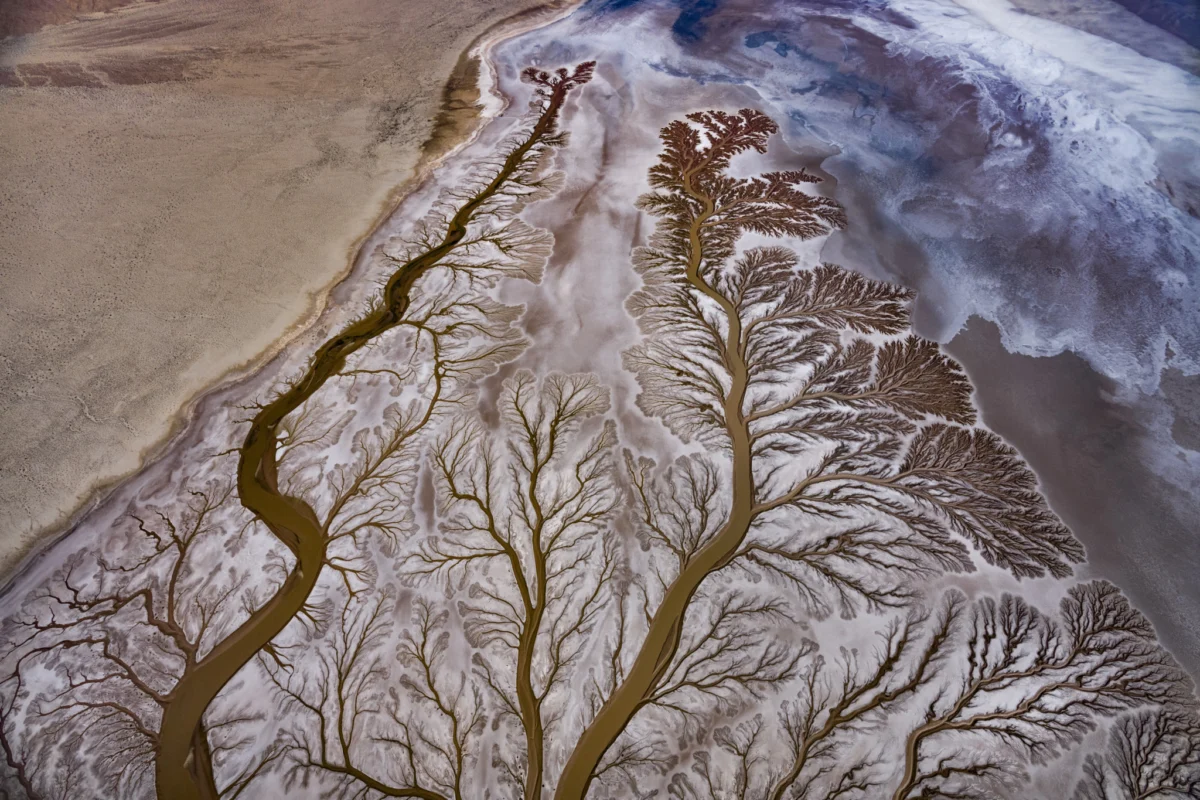
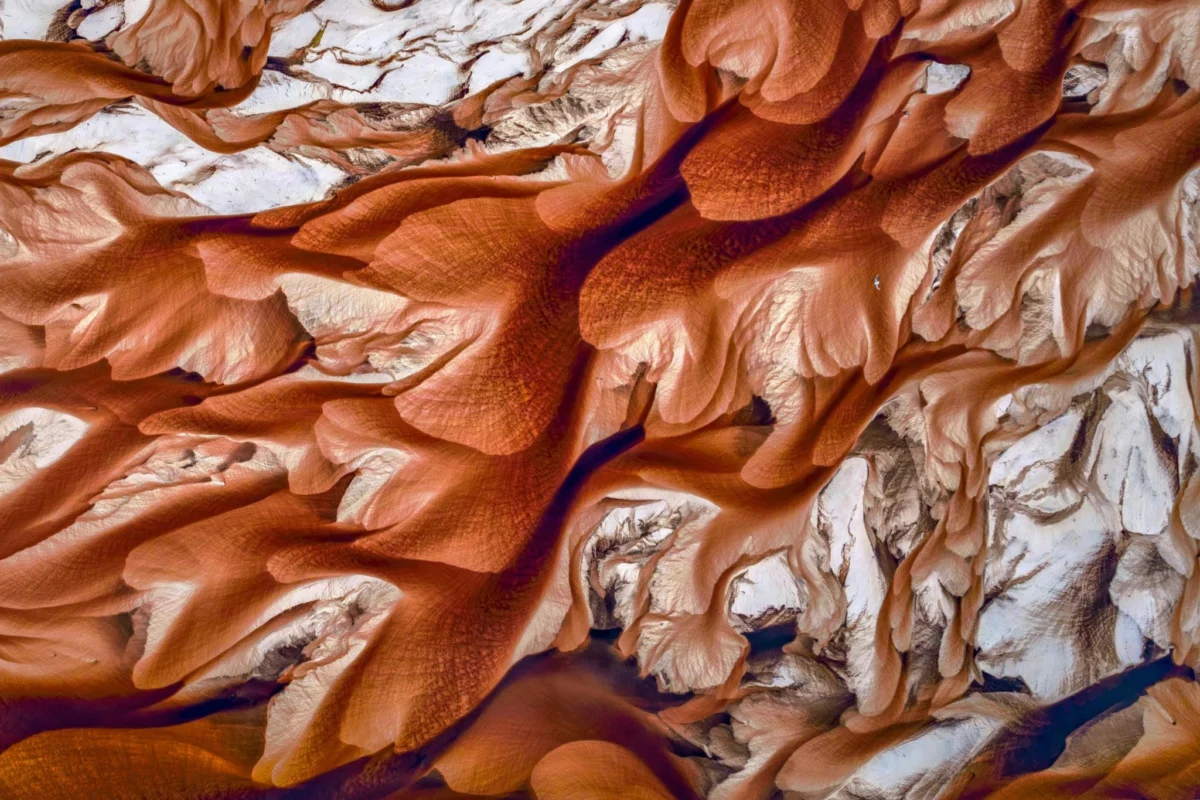
The recent photographic expedition into Lençóis Maranhenses National Park leveraged this technology to its fullest. By maintaining drones at altitudes that allowed for the capture of minute surface textures while simultaneously framing the immense scale of the landscape, photographers were able to document the park’s dynamic and ever-changing character. The wind, a constant sculptor of the dunes, plays a pivotal role in this transformation. Each gust reshapes the delicate sandy peaks, stirs the glassy waters of the lagoons, and alters the visual narrative of the terrain. The refraction of light across the landscape, enhanced by the mineral-rich tannins leaching from decomposing organic matter, creates a palette of reds, deep browns, and rust hues that further embellish the natural canvas. The Black River, a prominent feature, winds its dark, inky course through the coastal lowlands, eventually merging with the Parnaíba River in the northeast, its serpentine path a testament to the forces of erosion and water flow. The sheer visual spectacle, a "natural masterpiece latticing the crust of the Earth from horizon to horizon," can be almost overwhelming, prompting a dizzying effort to frame its boundless beauty.
The Age-Old Human Impulse to Replicate Nature
The human fascination with capturing and interpreting the natural world is not a recent phenomenon. For millennia, artists have sought to translate the beauty and complexity of nature into tangible forms. Evidence of this profound impulse can be found in prehistoric cave paintings, such as those at Chauvet Cave in France, which date back approximately 30,000 years and depict sophisticated renditions of animals. Throughout history, from the Upper Paleolithic era to the Renaissance and beyond, artists have dedicated their lives to the meticulous study of natural forms, striving to accurately represent every detail. Even with the sophisticated tools of modern digital photography, the inherent challenge of fully capturing the essence of nature persists. The question of how a two-dimensional image can convey the immense depth of our planet or the intricate complexity of a cellular nucleus remains a central theme in artistic and scientific endeavors.
A World Heritage Site Under Scrutiny and Celebration
The recognition of Lençóis Maranhenses National Park as a UNESCO World Heritage Site, a designation it received recently, underscores its global significance and the imperative for its conservation. This status highlights the park’s "outstanding universal value," recognizing it as a place of exceptional natural beauty and ecological importance. The park’s unique geological and hydrological characteristics, particularly the seasonal formation and disappearance of its freshwater lagoons, create a habitat for a specialized array of flora and fauna, many of which are endemic to the region. The dynamic nature of the landscape, however, also presents conservation challenges. The very forces that shape the dunes and lagoons are subject to environmental changes, including shifts in rainfall patterns and rising sea levels, which could potentially impact the delicate balance of this ecosystem.
The park’s designation as a World Heritage Site typically involves a commitment from the host country to implement robust management and conservation strategies. Brazil, through its environmental agencies, is tasked with protecting the park’s integrity, balancing conservation efforts with sustainable tourism practices. The influx of visitors, while economically beneficial and contributing to awareness, must be carefully managed to prevent ecological degradation. Discussions and collaborations between national park authorities, local communities, and international conservation organizations are crucial for developing adaptive management plans that address both the natural processes at play and the human impacts on the environment.

Data and Ecological Significance
The formation of the lagoons within Lençóis Maranhenses is directly linked to the region’s distinct wet and dry seasons. The annual rainfall, concentrated between January and June, saturates the sandy terrain, allowing water to accumulate in the depressions between the dunes. As the dry season progresses, from July to December, evaporation and percolation gradually diminish the size and number of these lagoons. The water chemistry of these lagoons is remarkable; despite their proximity to the saline Atlantic, they are predominantly freshwater, owing to the extensive filtration through the porous sand and the unique hydrological system. The water temperature typically ranges from a pleasant 20°C to 30°C (68°F to 86°F) during the peak season, making them inviting for both wildlife and human visitors.
The biodiversity of Lençóis Maranhenses, while seemingly sparse in the arid dune environments, is surprisingly rich in the aquatic ecosystems. The lagoons host a variety of fish species, many of which exhibit a remarkable life cycle adapted to the ephemeral nature of their habitat. Some species, like the Poecilia vivipara (a type of guppy), are capable of surviving in small, isolated pools during the dry season or can re-establish populations from dormant eggs when the rains return. Amphibians and a variety of invertebrates also thrive in these temporary aquatic environments. The surrounding cerrado and forest ecosystems support a broader range of terrestrial species, including various mammals, reptiles, and a diverse avian population. The park serves as a critical corridor for migratory birds, and its unique ecological niches support species that are found nowhere else on Earth.
Analysis of Implications: Conservation in a Changing Climate
The ongoing changes in global climate patterns pose a significant long-term challenge to the future of Lençóis Maranhenses. Alterations in precipitation patterns, potentially leading to more intense droughts or shifts in the timing of rainfall, could profoundly impact the formation and persistence of the iconic lagoons. Scientific modeling suggests that rising sea levels could also encroach upon the coastal areas, affecting the park’s eastern boundary and potentially altering the delicate balance of freshwater and saltwater interactions.
The implications of these environmental shifts extend beyond ecological concerns. Lençóis Maranhenses is a significant draw for ecotourism, providing livelihoods for local communities and contributing to the regional economy. A decline in the number or duration of lagoons could diminish the park’s appeal, impacting tourism revenue and potentially leading to social and economic disruption in the surrounding areas.
Therefore, the designation as a World Heritage Site necessitates a proactive approach to conservation. This includes ongoing scientific research to monitor environmental changes, the development of adaptive management strategies, and investments in sustainable tourism infrastructure. The collaboration between local communities, governmental bodies, and international conservation organizations is paramount. Initiatives focused on educating visitors about responsible tourism, minimizing their environmental footprint, and supporting local conservation efforts are vital. Furthermore, promoting diversified economic activities within the region that are less dependent on the specific seasonal conditions of the lagoons could enhance the resilience of local communities to environmental change.
A Testament to Nature’s Artistry
The exploration of Lençóis Maranhenses through the lens of aerial photography serves as a powerful reminder of nature’s unparalleled artistic capabilities. The ever-shifting sands, the ephemeral lagoons, and the vibrant colors create a living, breathing masterpiece that is both awe-inspiring and humbling. As Vincent van Gogh eloquently stated, "…and then, I have nature and art and poetry, and if that is not enough, what is enough?" This sentiment resonates deeply when contemplating the profound beauty and complexity of natural landscapes like Lençóis Maranhenses.
The privilege of witnessing and documenting such natural wonders comes with a profound responsibility. The ongoing efforts to preserve this unique ecosystem, amplified by its World Heritage status, underscore humanity’s commitment to safeguarding these invaluable treasures for future generations. The dynamic interplay of wind, water, and sand in Lençóis Maranhenses is not merely a geological phenomenon; it is a testament to the enduring power and artistry of nature, a canvas that continues to inspire awe and demand our utmost protection. The ability to capture these fleeting moments, to translate their grandeur into images that can be shared and understood, is a crucial part of fostering a deeper appreciation for our planet’s natural heritage and the urgent need for its conservation.