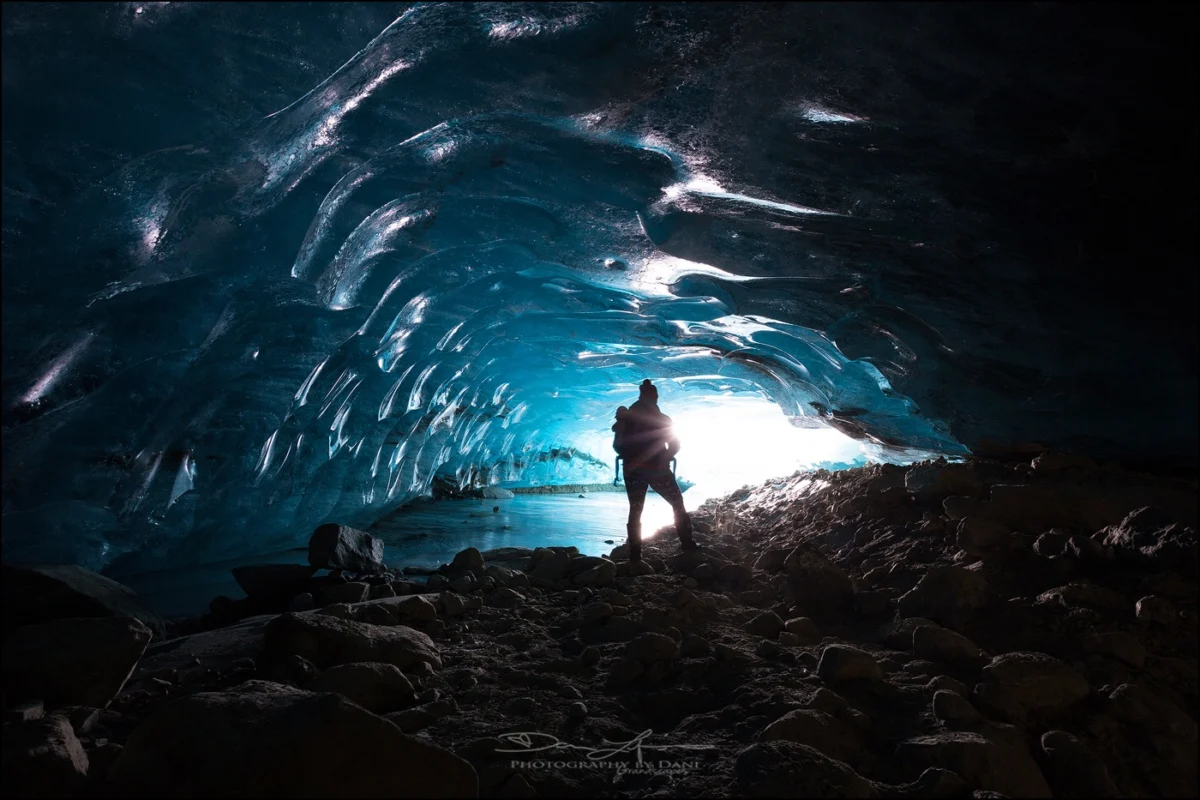
The ongoing interview series, "From Amateur to Professional," continues to shed light on the transformative journeys of established nature photographers, offering aspiring artists a rare glimpse into the evolution of their craft. This installment features Dani LeFrancois, a distinguished landscape photographer and photo guide based in the breathtaking Canadian Rockies. Her 22-year odyssey from a curious amateur with a basic point-and-shoot camera to a full-time professional educator exemplifies dedication, intuitive vision, and a profound connection to the natural world. Through a chronological exploration of her career, LeFrancois shares pivotal moments, early works, and the philosophical shifts that have shaped her celebrated practice.
Early Inspirations: Nurturing a Natural Eye in the Canadian Landscape
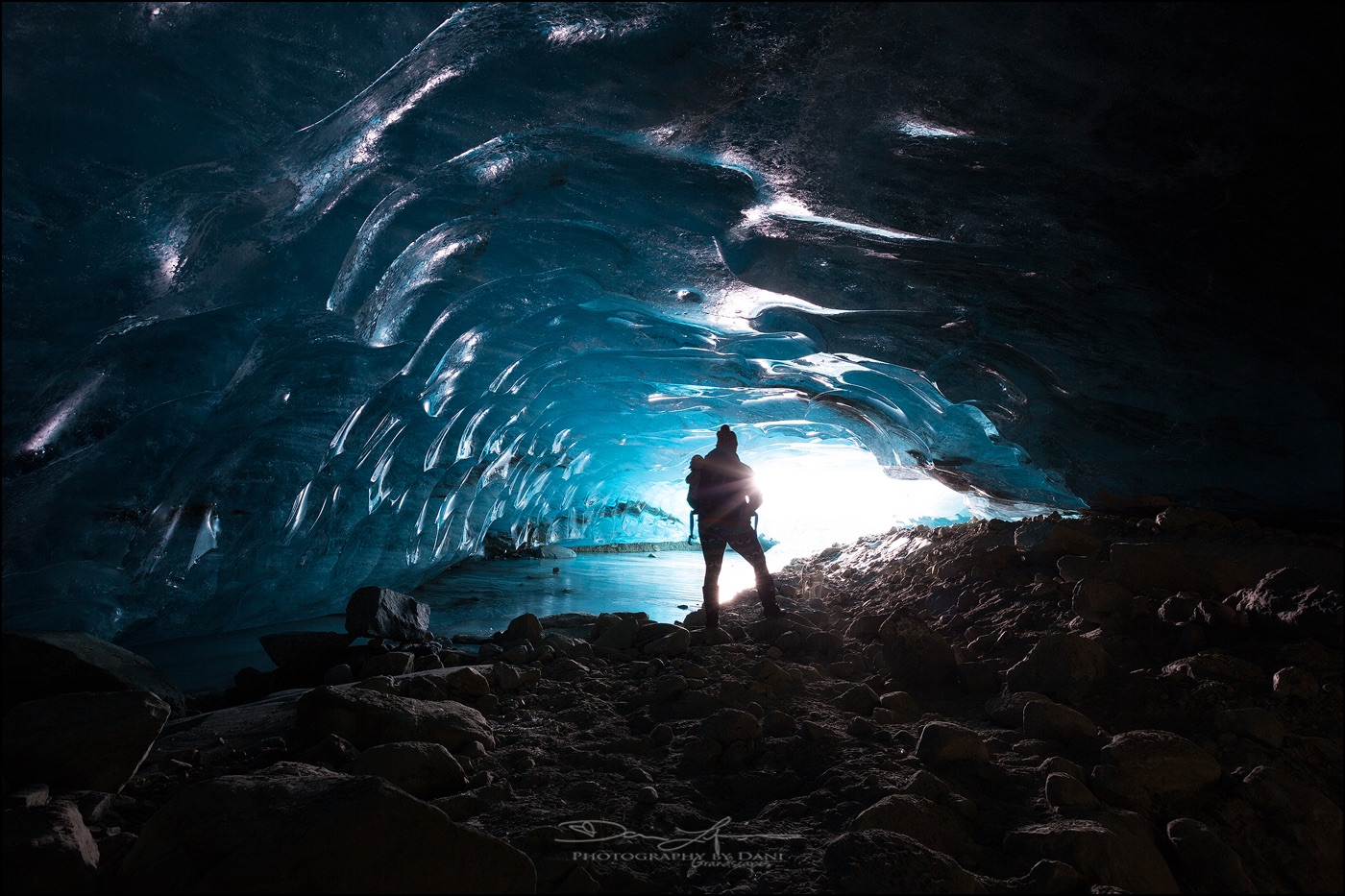
Dani LeFrancois’s passion for photography ignited at a remarkably young age, deeply intertwined with her innate love for the outdoors. Growing up, she describes herself as "very much an outdoor kid," spending summers immersed in exploration at YMCA camps. This early affinity for nature, coupled with an unyielding curiosity about its smaller inhabitants ("the weird girl that caught frogs and wasn’t scared of bugs"), laid the foundational elements for her future photographic pursuits.
The nascent stages of her photographic journey began during family road trips across Ontario and the Canadian East Coast. Tasked with documenting these travels, LeFrancois received her first dedicated camera: a "state of the art" 2-megapixel (MP) point-and-shoot. While rudimentary by today’s standards, this device represented a significant technological leap in personal photography during the late 1990s or early 2000s, moving beyond film to accessible digital capture. For many, a 2MP camera was the gateway to digital imaging, allowing instant feedback and experimentation that film previously restricted. This camera was specifically acquired in anticipation of a formative trip out west to Alberta, a region that would profoundly influence her artistic direction.
This journey to Alberta proved to be the catalyst for her "obsession with photography." The majestic vistas and diverse ecosystems of the Canadian West resonated deeply with her outdoor spirit, cementing her desire to capture its essence. A subsequent photography class in high school served to validate her burgeoning talent, revealing a "natural eye for composition." This intrinsic understanding of visual balance and arrangement, often an elusive skill, provided a robust foundation for her self-taught path. Despite a brief stint in college for photography, LeFrancois quickly discerned that the academic curriculum did not align with her specialized interest in nature photography. This realization propelled her to forge her own unique trajectory, seeking unconventional avenues to master her chosen genre.

The Evolution of Vision: From Experimentation to Purposeful Artistry
Reflecting on her early work, LeFrancois recalls a blend of nostalgia and amusement. She would often revisit old online accounts where she shared her images, remembering the profound sense of achievement each photograph represented. "They weren’t groundbreaking for everyone else, but they were for me," she states, encapsulating the subjective nature of artistic growth. These early images, born from experimentation with techniques like delayed shutter effects and opportunistic "found moments," were characterized by a spirit of discovery and the sheer joy of learning.
One such early image, titled "Dual Vocals," holds particular significance for her. While specific technical details or subjects are not explicitly detailed in the original context, the naming suggests a deliberate artistic intent, perhaps capturing two elements in harmony or contrast. This title, even in retrospect, speaks to an early conceptual approach beyond mere documentation, hinting at a nascent artistic voice.

Comparing her formative work with her mature professional output, LeFrancois highlights two photographs that, despite their stark differences, share a common thread of intuitive capture. The first, an amateur-era image, depicts a leaf adorned with water droplets. This photograph was taken during a college field trip to a waterfall, an assignment that most students approached by directly photographing the main subject. LeFrancois, however, found herself captivated by the intricate details of the leaf, spending considerable time photographing it in low light. This decision to zoom in on a micro-scene, overlooking the grander spectacle, exemplifies her early, instinct-driven approach and an eye for often-missed beauty. The photograph, titled "Waterlogged," remains a cherished piece, particularly by her mother, serving as a powerful reminder to "follow my instincts."
In contrast, her professional-era favourite is a sweeping landscape captured during golden hour from an "not-often-photographed perspective." This location, despite its proximity to more popular photographic spots, presented itself to her "on the way to another spot." This image showcases a refined understanding of light, composition, and a deliberate choice to seek out unique viewpoints, moving beyond conventional "trophy shots." The continuity between these two images, despite the passage of time and significant technical advancement, underscores her enduring reliance on intuition. Both photographs, she explains, make her proud because they validate her intuitive decision-making process. The older image, beyond its aesthetic qualities, holds sentimental value, linking her present success to her past passion and the enduring support of her family.
The Professional Ascent: A Dedicated Journey to Full-Time Photography

The concept of becoming a "professional photographer" began to crystallize for LeFrancois during her high school years, when she realized photography could be a viable career path rather than merely a hobby. Initially, she held a somewhat naive perception of professional photographers, believing they maintained "real jobs" and pursued their creative endeavors as a side hustle. This perspective is common among aspiring artists who often grapple with the perceived instability of a creative career.
Her brief college experience, however, offered a different viewpoint. A professor’s declaration that their pursuit of higher education in photography already classified them as "professional photographers" provided an early, albeit perhaps premature, sense of validation. Yet, true professionalism, for LeFrancois, was forged through years of practical experience and strategic business development.
After leaving college, she actively sought diverse photographic assignments, taking on wedding, concert, and portrait photography gigs. These experiences, while not strictly aligned with her passion for nature photography, were crucial for honing her technical skills, understanding client needs, and building a professional portfolio. This period could be considered her initial foray into professional photography, where she was earning income from her craft.

Her transition to full-time nature photography was a gradual, multi-stage process spanning over a decade. After ten years of actively focusing on photography as a career, she relocated to Western Canada, immersing herself in the landscape that had initially captivated her. Two years later, twelve years into her photography obsession, she established her own business. This marked a significant step towards self-sufficiency and formalizing her professional identity. It was not until seven years after moving west, and seventeen years into her overall photographic journey, that LeFrancois made the decisive leap. At the age of 32, she "retired" from her "real job" to become a full-time professional photographer and photo guide. The use of "retired" in quotes highlights her humorous acknowledgment of achieving a lifelong dream at a relatively young age – a dream that perfectly merged her desire to be "retired and or a photographer." This milestone signifies not just artistic mastery but also the successful establishment of a sustainable business model in a competitive creative field.
A Paradigm Shift: The Power of Education and Mentorship
A significant turning point in LeFrancois’s career was her conscious decision to pivot from solely being a professional photographer to embracing the role of a photo guide and educator. This shift was catalyzed by her experience mentoring a friend, actively assisting them in developing their photographic skills and refining their artistic vision. This act of mentorship revealed a new source of fulfillment.

Prior to this, LeFrancois admits to experiencing a sense of competition within the photography community, a common sentiment where "whoever got their image posted first would get all the glory." This competitive mindset, however, began to dissipate as she increasingly engaged in teaching and guiding. By helping other photographers in the field, fine-tuning their compositions, and witnessing their progress, she discovered a profound sense of pride in their achievements. This altruistic satisfaction superseded the competitive drive, fostering a collaborative spirit.
Her current professional identity is deeply rooted in this newfound joy. "Now, I feel lost if I’m not helping someone with something," she confesses, emphasizing that her happiness is intrinsically linked to the success of others, even if it means her own work might be temporarily overshadowed. This evolution highlights a maturity in her career, moving beyond individual acclaim to contributing to the broader photographic community, nurturing new talent, and fostering a shared passion for nature and art.
Mastering the Landscape: Reimagining Familiar Vistas

LeFrancois’s approach to landscape photography is characterized by a deep reverence for place and a commitment to sustained engagement. She explicitly states, "I absolutely love revisiting places. I’d say most of my portfolio is a story of revisiting the same place and capturing moments and the landscape as it changes and evolves." This philosophy contrasts sharply with the "shot-list" mentality often seen in nature photography, where photographers aim to collect images from as many iconic locations as possible. Instead, LeFrancois seeks a profound understanding of specific environments, allowing her to capture the subtle nuances of light, weather, and seasonal transformations.
Her focus when revisiting a location is always to "capture something different from the familiar." This requires patience, keen observation, and an ability to see beyond the obvious. It means exploring varied perspectives, experimenting with different times of day, and adapting to changing atmospheric conditions. This iterative process allows her to build a comprehensive visual narrative of a place, revealing its multifaceted beauty over time. Her technique remains deeply intuitive, devoid of "real structure or forced technique," prioritizing what "feels right for the moment." This organic approach, while appearing unstructured, is underpinned by years of experience and a finely tuned understanding of light, composition, and the emotive power of landscape.
Editing Philosophy: Efficiency and Authenticity

In an era where elaborate post-processing often defines photographic aesthetics, Dani LeFrancois maintains a remarkably consistent and minimalist editing philosophy. She admits to not enjoying the editing process, finding herself "uninspired behind the computer." Consequently, the vast majority of her images undergo swift transformations, typically completed within "2-5 minute edits." This approach strongly suggests that her emphasis lies in capturing the scene as perfectly as possible in-camera, minimizing the need for extensive digital manipulation.
Her resistance to learning new editing techniques, describing herself as "a bit ‘old dog new tricks’," speaks to a confidence in her established workflow and a preference for spending her valuable time in the field rather than at a desk. While modern software offers increasingly sophisticated tools for image enhancement and alteration, LeFrancois’s method prioritizes efficiency and perhaps a more authentic representation of the captured moment. This philosophy aligns with photographers who believe that the true art lies in the initial capture and composition, with post-processing serving primarily to refine and enhance rather than fundamentally alter the original vision.
Overcoming Challenges: Confidence and Business Acumen

LeFrancois candidly identifies her "biggest challenge" throughout her career as confidence, specifically in aspects of photography outside of the actual act of shooting. When she is in the field, behind the camera, she describes herself as "focused and in the zone," relying on her intuition without overthinking compositions or elements. This flow state, where technical and creative decisions converge seamlessly, is a hallmark of mastery.
However, the challenges arise in the broader aspects of her professional life: self-promotion, marketing, client interactions, and navigating the business landscape. "Every other part of photography that’s not spent behind the camera is always a challenge to find where I fit in," she explains. This sentiment resonates with many creatives who possess immense artistic talent but struggle with the entrepreneurial demands of running a business. The disconnect between creative confidence and business confidence is a well-documented hurdle in the arts, requiring a different set of skills and a distinct mental approach.
Invaluable Lessons: Business Acumen and Archival Practices

Reflecting on her journey, Dani LeFrancois offers two crucial pieces of advice to her past self, lessons learned through experience that could have significantly eased her path. Firstly, she strongly recommends taking "a business class." This underscores the critical importance of entrepreneurial skills for any aspiring professional photographer. Beyond artistic talent, understanding marketing, financial management, client relations, and legal aspects of running a business is paramount for sustained success in the creative industry. Many artists, like LeFrancois, discover these needs retrospectively, often learning through trial and error.
Secondly, she advises herself to "learn how to back up your old photos better." This seemingly practical, yet profoundly important, piece of advice highlights the value of digital asset management and the potential emotional and professional cost of losing irreplaceable work. In an era of ever-increasing digital files, robust backup strategies are non-negotiable for preserving a photographer’s archive, which represents years of dedication, growth, and invaluable memories. The regret of not having copies of old photos she remembers taking speaks to the personal significance of these images and the often-underestimated importance of digital preservation.
Dani LeFrancois’s journey, as illuminated in the "From Amateur to Professional" series, offers a compelling narrative of passion, perseverance, and purposeful evolution. From her early fascination with Canadian landscapes captured on a 2MP camera to her current role as an influential photo guide and educator, her career underscores the power of intuition, the value of continuous learning, and the profound satisfaction found in helping others succeed. Her insights into overcoming challenges, embracing mentorship, and the enduring importance of practical business skills provide a valuable blueprint for anyone aspiring to turn a photographic passion into a fulfilling and sustainable profession.