The modern landscape of graphic design and commercial branding has undergone a significant transformation, moving from static two-dimensional representations to highly accurate, multi-layered digital blueprints. Central to this evolution is the professional vehicle template, a tool once reserved exclusively for the sign-making and fleet-wrapping industries. However, as digital media and the "creator economy" continue to expand, these technical assets are finding new life in sectors ranging from cinematic concept art to high-level corporate marketing. SignSilo, a premier provider of high-fidelity vehicle outlines, has positioned itself at the center of this shift, offering a library of editable vector files—including cars, vans, SUVs, trucks, and buses—that serve as the foundational architecture for a diverse array of creative endeavors.
The Technical Evolution of Vehicle Templating
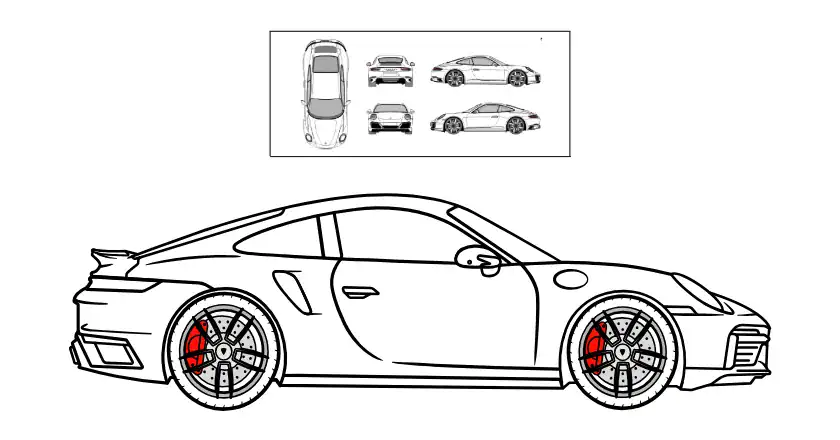
To understand the current breadth of vehicle template applications, one must first examine the technical standards that define the industry. Professional templates, such as those provided by SignSilo, are not merely illustrations; they are precision-engineered vector files. Available in formats like AI (Adobe Illustrator), CDR (CorelDRAW), DXF (AutoCAD), and EPS (Encapsulated PostScript), these files utilize a layered construction that allows designers to isolate specific components of a vehicle, such as windows, lights, trim, and body panels.
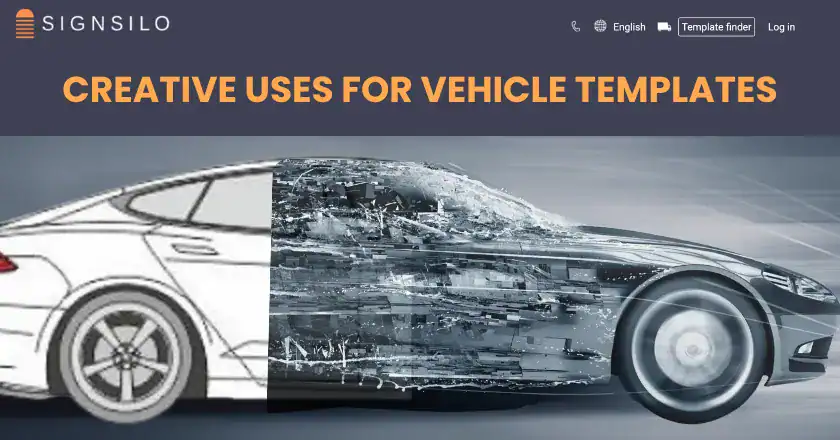
The primary advantage of the vector format lies in its mathematical basis. Unlike raster images (pixels), vector graphics can be scaled infinitely without loss of resolution. For a professional wrap installer, this means a design created on a computer screen can be scaled up to fit a 53-foot semi-trailer with millimeter-level accuracy. For a digital artist, it provides a crisp, clean canvas that remains sharp even when viewed on 4K displays or high-definition print media. This precision is the catalyst for the creative "spillover" into non-traditional industries.
Concept Design for Gaming, Film, and Entertainment
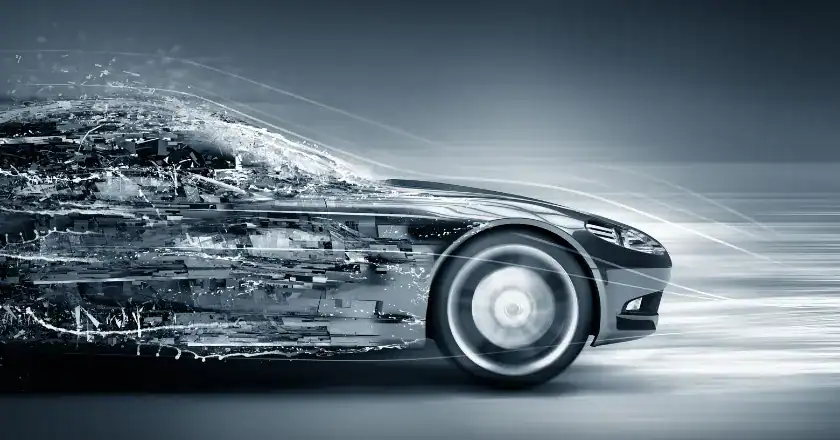
One of the most significant emerging uses for professional vehicle templates is in the pre-visualization and concept design stages of the entertainment industry. In the development of video games and feature films, concept artists are often tasked with creating futuristic or stylized versions of real-world vehicles. Rather than constructing these models from scratch—a process that can take dozens of man-hours—designers utilize SignSilo’s templates as a proportional "skeleton."
By starting with a professionally verified template of a modern SUV or truck, a concept artist ensures that the fundamental proportions, wheelbase, and cockpit dimensions are realistic. From this base, they can layer futuristic elements, armor plating, or sci-fi aesthetics. This methodology is particularly prevalent in "near-future" settings where the audience needs to recognize the silhouette of a contemporary vehicle beneath the creative modifications. Furthermore, these templates allow for rapid iteration; a production team can review twenty different variations of a "hero car" in the time it would traditionally take to draft one from the ground up.

Digital Illustration and the Rise of Automotive Pop Art
Beyond the commercial and entertainment sectors, vehicle templates have become a staple in the world of digital illustration and fine art. The automotive form has long been a subject of fascination for artists, but capturing the complex curves and perspectives of a modern car requires a high degree of technical skill. Professional templates democratize this process by providing the "underdrawing" for the artist.
In the realm of technical illustration, these templates are used to create exploded views for owner manuals, safety guides, and patent filings. In the world of pop art and editorial design, they serve as the basis for vibrant, stylized graphics used in magazines and online journals. Because the templates are layered, artists can easily apply different textures, gradients, and lighting effects to specific panels of the vehicle, allowing for a level of detail that mimics high-end 3D rendering but with the flexibility and speed of 2D vector software.
High-Stakes Marketing and the Psychology of Client Approval
In the corporate world, the ability to visualize a final product is directly tied to the speed of project approval. Marketing agencies are increasingly moving away from flat, abstract logos and toward immersive mockups. When a brand is considering a multi-million dollar fleet rebranding, a simple PDF of a logo is insufficient.
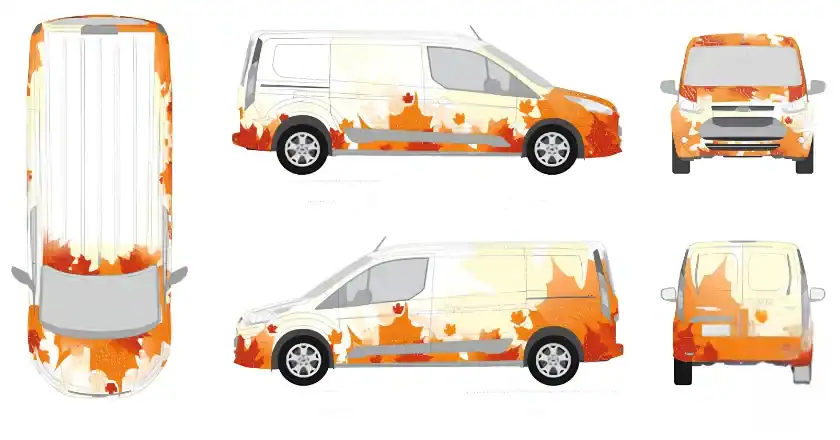
Using SignSilo’s professional templates, agencies can create "digital twins" of a company’s actual fleet. By applying branding to multiple views of a vehicle—front, back, sides, and roof—designers can present a comprehensive visual narrative. This level of realism serves a dual purpose: it builds client confidence and minimizes the risk of costly errors during the production phase. If a logo is obscured by a door handle or a fuel port in the digital mockup, it can be moved in seconds. If that same error is discovered only after the physical vinyl wrap has been printed and applied, the financial consequences are substantial.
Educational Integration and Pedagogy in Design Schools
The academic sector has also recognized the utility of professional-grade vehicle templates. Design universities and vocational training centers are integrating these tools into their curricula to bridge the gap between theoretical graphic design and practical application. Students are no longer just learning how to use software; they are learning how to design for the physical world.
By working with SignSilo’s templates, students encounter real-world constraints, such as the three-dimensional curvature of a vehicle’s body (compound curves) and the "non-designable" areas like windows and rubber seals. This training is invaluable for preparing the next generation of designers for careers in industrial design, advertising, and specialized automotive graphics. It teaches them to respect the relationship between a digital file and its final, physical manifestation.
Economic Framework: The Shift to Subscription-Based Design Resources
The accessibility of these high-level tools is driven by a shift in the economic model of design assets. Traditionally, vehicle templates were sold individually, often at high prices that were prohibitive for freelancers or small boutiques. SignSilo’s membership model represents a broader trend in the industry toward the "democratization of data."
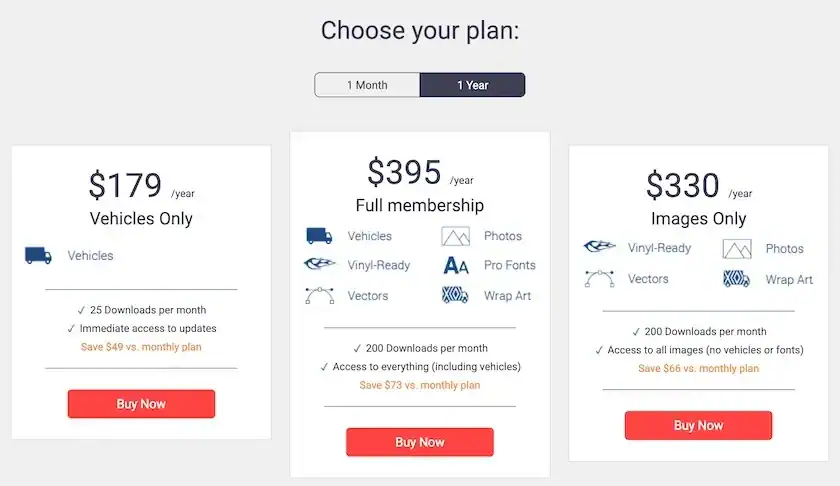
The "Full Membership" tier provides a comprehensive ecosystem, offering not only vehicle templates but also a massive library of stock photos, vectors, and wrap designs. This is tailored for high-volume environments where time-to-market is the primary KPI (Key Performance Indicator). Conversely, the "Vehicle Club Membership" caters to the "prosumer" and the specialist—those who need the precision of the templates but may not require a full library of stock photography. This tiered approach allows the tool to penetrate different levels of the creative economy, from the solo freelancer to the international agency.
Broader Implications and Industry Analysis
The expansion of vehicle template usage signals a broader trend in the digital economy: the convergence of technical utility and creative expression. As augmented reality (AR) and virtual reality (VR) become more mainstream, the demand for accurate 2D and 3D vehicle data will only increase. We are likely to see these templates used as the "skin" for AR applications where customers can point a smartphone at their car and see a new color or branding scheme in real-time.
Furthermore, the environmental impact of this digital-first approach cannot be overlooked. By perfecting designs in a virtual environment using accurate templates, the industry significantly reduces material waste. Fewer "test prints" and fewer errors in the physical wrapping process lead to a more sustainable workflow in the sign and graphics industry.
Conclusion
The evolution of vehicle templates from niche tools for sign makers to versatile assets for the global creative community reflects the changing nature of modern design. SignSilo’s professional template library serves as a testament to the power of precision; by providing a mathematically accurate foundation, they enable a wide spectrum of professionals—from game designers to marketing executives—to push the boundaries of their respective fields. As the lines between the digital and physical worlds continue to blur, the role of high-fidelity, editable templates will remain a cornerstone of efficient and innovative visual communication. Through the lens of this technical resource, the vehicle is no longer just a mode of transport; it is a dynamic canvas for the future of digital art and commercial branding.