The landscape of commercial design is undergoing a significant transformation as digital assets once reserved for niche industrial applications find new life in broader creative sectors. Traditionally, vehicle templates were the exclusive domain of fleet branding specialists, wrap installers, and commercial sign makers. However, as the demand for high-fidelity digital mockups and precision concept art increases across the gaming, film, and advertising industries, platforms like SignSilo are redefining the utility of these professional libraries. By providing meticulously scaled, layered vector files of cars, trucks, buses, and specialized machinery, SignSilo has moved beyond being a mere utility for sign shops to become a foundational resource for the modern creative professional.
The Technical Evolution of Vehicle Templates
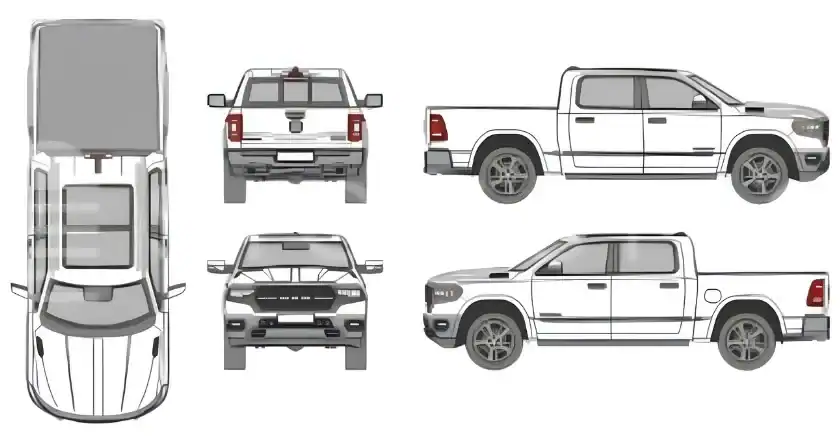
To understand the broader implications of these tools, one must first look at the technical rigor required in their construction. Unlike standard stock photography or generic 3D models, professional vehicle templates from SignSilo are engineered for high-precision output. These templates are typically delivered in editable vector formats, including Adobe Illustrator (AI), CorelDRAW (CDR), AutoCAD (DXF), and Encapsulated PostScript (EPS).
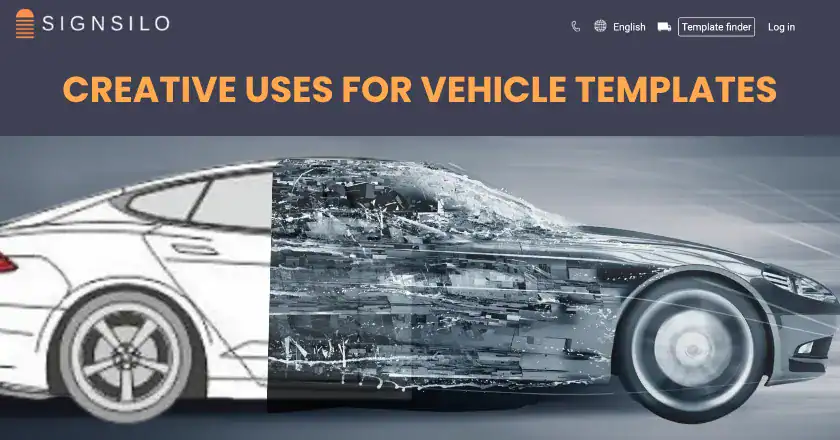
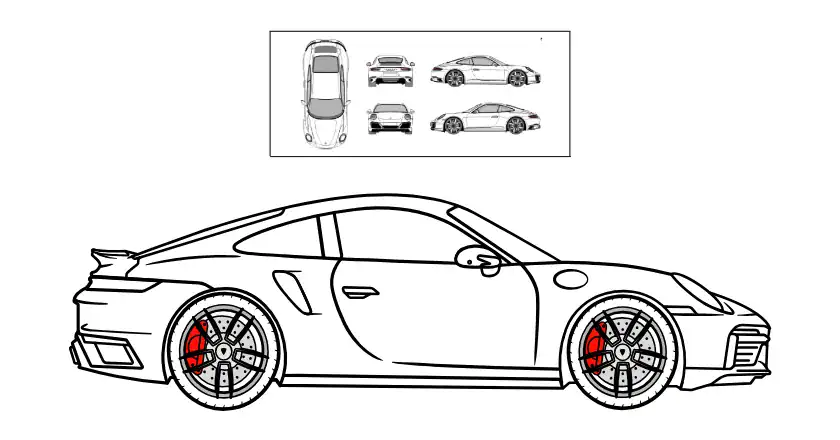
The use of vector geometry is critical. Unlike raster images, which lose quality when scaled, vector templates allow a designer to zoom in on a specific door handle or expand the design to fit a 53-foot semi-trailer without a single pixel of degradation. Furthermore, the layered construction of these files allows users to toggle specific vehicle features—such as windows, lights, and trim—on or off, providing a level of customization that is essential for both manufacturing and high-end digital illustration.
Expanding the Horizon: Concept Design in Entertainment
One of the most significant shifts in the use of vehicle templates is seen in the pre-production phases of the gaming and film industries. Concept designers are frequently tasked with creating futuristic or modified vehicles that must feel grounded in reality. Rather than building a vehicle from a blank canvas—a process that can take dozens of hours—designers utilize SignSilo’s library as a "digital chassis."
In the world of video game development, environmental artists use these templates to populate urban landscapes with realistic traffic. By starting with an accurate vector outline of a standard SUV or sedan, an artist can quickly apply "kit-bashing" techniques—adding armor plating, sci-fi thrusters, or weathered textures—while ensuring the underlying proportions remain anatomically correct for a human driver. This speed-to-market is vital in an industry where production budgets often reach hundreds of millions of dollars and timelines are increasingly compressed.

Similarly, in film production, transportation coordinators and art directors use these templates to plan "picture cars." Whether a vehicle needs a specific period-accurate paint job or a complex vinyl wrap for a high-speed chase scene, the ability to visualize the final product on a 1:1 scale template prevents costly errors during the physical modification of the vehicles on set.
Market Data and the Rise of the Customization Economy
The diversification of vehicle template usage coincides with a massive boom in the global vehicle wrap and customization market. According to industry research reports, the global vehicle wrap market was valued at approximately USD 5.8 billion in 2022 and is projected to expand at a compound annual growth rate (CAGR) of 22.2% through 2030.
This growth is driven not only by corporate fleet branding but also by the "prosumer" market—individuals seeking unique aesthetics for personal vehicles. This trend has created a secondary market for graphic designers who specialize in bespoke automotive art. For these designers, SignSilo serves as the bridge between a client’s vision and the wrap installer’s technical requirements. The precision of a DXF or AI file ensures that a complex geometric pattern designed on a computer screen will align perfectly with the physical contours of a vehicle’s fender or hood.

Transforming Marketing Presentations and Client Approvals
In the competitive world of advertising and brand identity, the "mockup" is a powerful tool for persuasion. Marketing agencies are increasingly moving away from flat, 2D logos and toward immersive brand experiences. When a branding agency proposes a new identity for a logistics company, presenting the logo on a white background is no longer sufficient.
By using SignSilo’s multi-view templates (front, back, sides, and roof), designers can create comprehensive "brand wraps" that show exactly how a corporate identity will move through the world. This level of realism serves two purposes:
- Client Confidence: It eliminates the "imagination gap," allowing stakeholders to see a finished product before a single dollar is spent on printing or installation.
- Operational Accuracy: It allows the production team to identify potential problem areas, such as a logo being cut off by a sliding door handle or obscured by a taillight, early in the design phase.
Educational Implications and the Next Generation of Designers
The academic sector has also recognized the value of professional-grade vehicle templates. Design schools and universities are integrating these tools into their curricula to teach students about "applied design." Unlike theoretical projects, working with a vehicle template forces a student to grapple with real-world constraints: 3D curves, mechanical obstructions, and the legal requirements of vehicle marking.
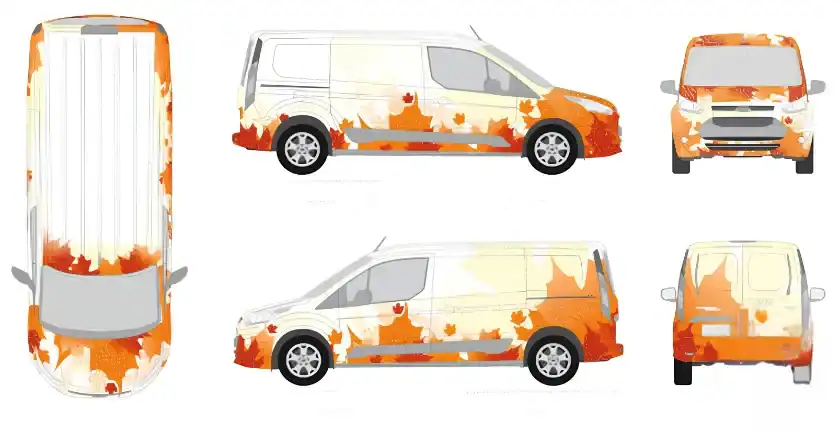
Instructors utilize SignSilo’s library to simulate professional briefs. Students might be tasked with designing a promotional bus for a music festival or a fleet of delivery vans for a sustainable grocery brand. By using industry-standard templates, students graduate with a portfolio that demonstrates not just artistic talent, but a technical understanding of how design translates to physical objects.
Strategic Portfolio Development for Freelancers
For independent graphic designers, building a high-end portfolio is often a "chicken and egg" problem: they need high-profile projects to attract clients, but they need clients to get the projects. Vehicle templates provide a solution to this dilemma.
A designer can use SignSilo assets to create "spec work"—fictional branding projects for high-end industries like luxury car rentals, professional racing teams, or international airlines. A portfolio featuring a flawlessly executed wrap on a Boeing 747 or a Formula 1 car (both of which are represented in high-quality template libraries) signals to potential employers that the designer is capable of handling complex, high-stakes assignments.
Membership Structures: Democratizing Professional Tools
SignSilo has structured its offerings to reflect this diverse user base, moving away from a "one size fits all" model. Their pricing tiers highlight the different ways professionals interact with these assets:
- The Full Membership: This is designed for high-volume users, such as sign shops and full-service agencies. It combines over 24,000 vehicle templates with a massive library of 5 million stock photos, 700,000 vectors, and specialized fonts. This reflects the reality of modern production, where a vehicle wrap often requires high-resolution photography and custom typography to be effective.
- The Vehicle Club Membership: Recognizing that many users—such as game designers, educators, and freelance illustrators—only need the vehicle outlines themselves, this tier provides a more focused and affordable entry point. It allows for 100 template downloads per year, which is more than sufficient for a boutique design studio or a student building a professional portfolio.
Broader Impact and Industry Analysis
The shift toward professional template libraries represents a broader trend in the "creator economy": the move toward efficiency through high-quality modular assets. In an era where "content is king," the time saved by using a pre-verified, scale-accurate template can be redirected into the creative aspects of a project—storytelling, color theory, and brand strategy.
Furthermore, the environmental impact of these digital tools should not be overlooked. By allowing for perfect digital proofs, these templates significantly reduce material waste in the printing and signage industry. "Measure twice, cut once" has become "Model perfectly in SignSilo, print once."

As we look toward the future, the integration of these vector templates with 3D modeling software and augmented reality (AR) is the next logical step. We are approaching a point where a designer can use a SignSilo template to create a wrap, which is then instantly projected onto a real vehicle via an AR headset for a client to inspect in their own driveway.
In conclusion, SignSilo’s professional template library is no longer just a tool for the man with the vinyl cutter; it is a vital organ in the body of modern digital art and commercial design. By providing the "bones" of the vehicles that populate our world—both real and imagined—SignSilo enables a level of precision and creativity that was once inaccessible to the average designer. Whether it is for a blockbuster film, a global brand rollout, or a student’s first portfolio, these templates are the invisible scaffolding upon which the visual world is built.