The Critical Role of Precision in Modern Vehicle Branding
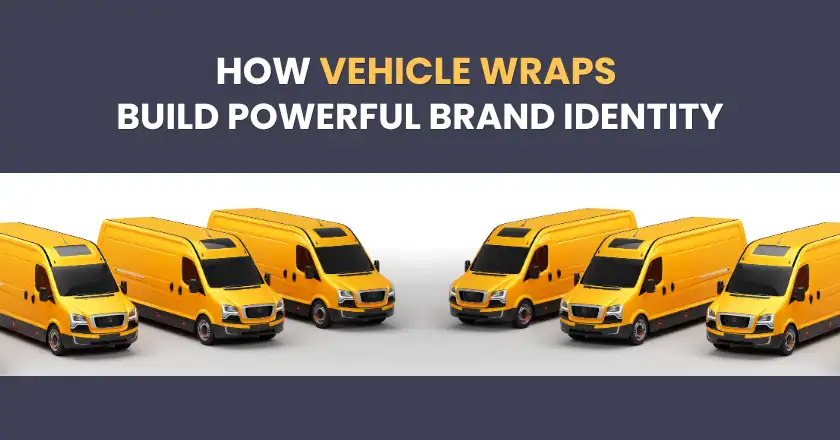
The vehicle wrap industry is a multi-billion-dollar sector of the global advertising market, driven by the high return on investment (ROI) offered by mobile billboards. Unlike stationary signage, a wrapped vehicle can generate tens of thousands of impressions daily. However, the technical challenge of translating a two-dimensional graphic onto a three-dimensional, aerodynamic surface—complete with complex curves, door handles, rivets, and weather stripping—is immense.
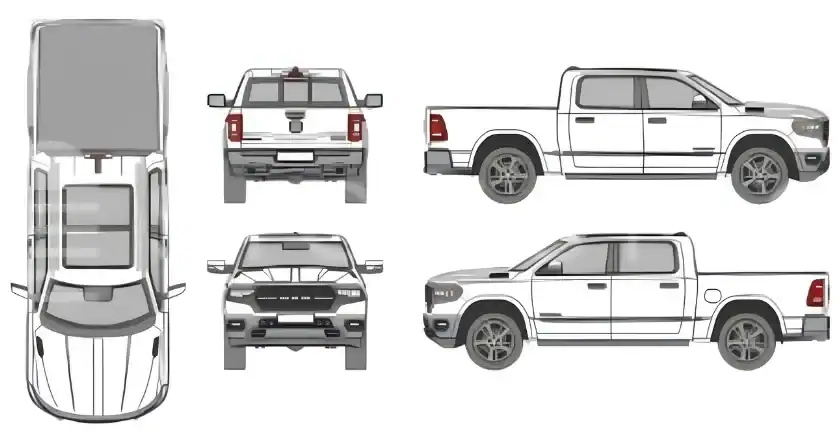
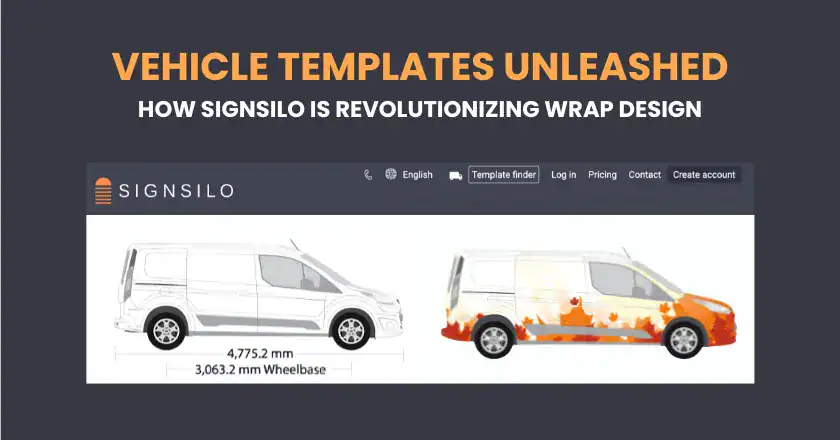
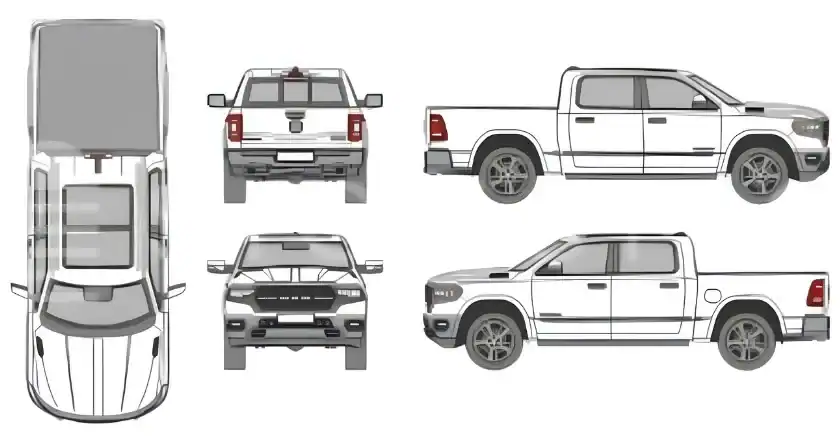
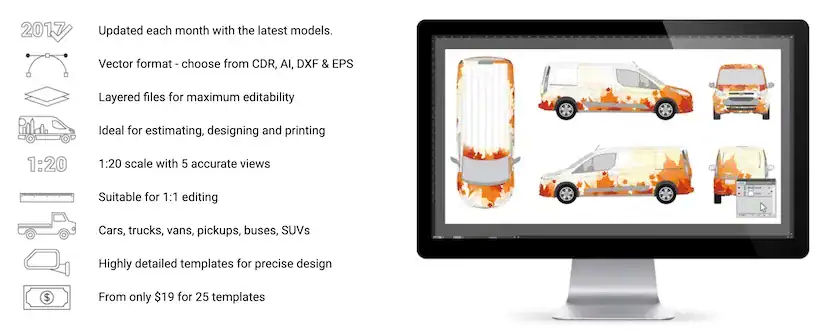
SignSilo addresses this challenge by providing 1:10 scale vector outlines. These are not merely sketches but mathematically precise representations of specific vehicle makes, models, and years. In the professional sign-making workflow, a discrepancy of even five millimeters in the placement of a logo or a cutout for a fuel tank can result in the complete loss of a vinyl panel. Considering that premium cast vinyl from manufacturers like 3M or Avery Dennison can cost significantly per square foot, the financial implications of design errors are substantial. By utilizing "unleashed" vehicle templates, professionals can ensure that their designs align perfectly with the physical contours of the vehicle before a single inch of material is printed.
The Evolution of Vehicle Graphics Technology
The history of vehicle branding has moved through several distinct eras. In the mid-20th century, branding was largely limited to hand-painted lettering and simple adhesive decals. The 1990s saw the advent of wide-format digital printing, which allowed for full-color photographic wraps, but the design process remained cumbersome. Designers often had to take manual measurements of every panel of a vehicle, a process that could take hours and was prone to human error.
The digital revolution of the 2010s introduced the first generation of digital templates, but many were static images or low-resolution files that lacked the detail required for modern high-definition printing. SignSilo represents the current "unleashed" era of this technology, where templates are fully editable vector files. This allows designers to zoom in infinitely without losing clarity, ensuring that intricate patterns and small typography remain sharp during the production phase.
Technical Specifications and the SignSilo Library
The SignSilo platform differentiates itself through the sheer volume and technical depth of its library. With over 24,000 templates encompassing cars, trucks, vans, buses, and specialty vehicles, the database serves as a global standard for the industry.

Key technical features of these templates include:
- Layered Vector Files: Templates are typically provided in formats such as AI, EPS, or CDR, allowing designers to toggle different views (side, front, rear, and roof) and manage complex design elements independently.
- Scale Accuracy: The 1:10 scale is the industry standard, allowing for manageable file sizes that can be easily scaled up to 100% at the printing stage without resolution loss.
- Detailed Contours: Beyond the basic outline, templates include markers for handles, lights, windows, and trim, which are critical "dead zones" where important text or logos should not be placed.
In addition to templates, the platform integrates a broader ecosystem of assets. This includes high-resolution stock photography specifically curated for large-scale printing, a library of professional fonts designed for legibility at a distance, and wrap-specific textures (such as carbon fiber or metallic finishes) that can be used to create realistic digital proofs for client approval.
Economic Impact and Market Data
Market analysts highlight the growing demand for vehicle wraps as a primary driver for tools like SignSilo. According to recent industry reports, the global vehicle wrap market was valued at approximately $6.24 billion in 2023 and is projected to expand at a compound annual growth rate (CAGR) of 22.2% through 2030. This growth is fueled by the rise of "last-mile" delivery services and the increasing number of small businesses utilizing their service fleets for local marketing.
For a mid-sized sign shop, the adoption of a template-based workflow yields measurable economic benefits. Industry data suggests that using pre-verified templates reduces the "design-to-print" time by an average of 40%. Furthermore, it virtually eliminates the need for "re-wraps" caused by alignment errors, which can save a high-volume shop thousands of dollars in wasted materials and labor costs annually.
Industry Perspectives: The Professional Response
Professional designers and shop owners have noted that the availability of high-quality templates has lowered the barrier to entry for complex fleet branding. "In the past, you needed a specialized technician just to handle the measurements and pre-press for a wrap," notes Marcus Thorne, a senior graphic designer for a logistics firm. "With SignSilo, the technical groundwork is already done. This allows our creative team to focus on the aesthetics and the marketing message rather than worrying if the logo is going to be cut in half by a sliding door handle."
Fleet managers also report higher satisfaction rates. When a design is created on a precision template, the digital proof provided to the client is an exact replica of what will appear on the vehicle. This transparency reduces disputes during the final delivery phase and ensures brand consistency across a fleet that might include different vehicle models.
Chronology of a Modern Wrap Project
The implementation of SignSilo templates has standardized the chronology of a professional wrap project:
- Selection: The designer identifies the exact vehicle year, make, and model from the SignSilo database.
- Concept: Using the 1:10 vector file, the creative team applies branding elements, ensuring that key information avoids "non-print" zones like windows or deep recesses.
- Proofing: The design is placed into a 3D mockup or a detailed 2D template view for client sign-off.
- Production: The vector file is scaled to 100% and sent to a wide-format printer (such as a Roland or HP Latex) using RIP (Raster Image Processor) software.
- Installation: The installer uses the template’s guide markers to align the printed panels on the physical vehicle with millimeter precision.
Broader Implications for the Graphics Industry
The success of SignSilo reflects a broader trend toward specialized "vertical" stock media. While general stock photo sites provide a wide range of images, they often lack the technical specificity required for industrial applications. SignSilo’s focus on the sign and wrap niche demonstrates how specialized data—in this case, vehicle dimensions—is becoming as valuable as the creative assets themselves.
Furthermore, the environmental impact of this technology should not be overlooked. The vinyl industry has faced scrutiny regarding the waste generated by discarded materials. By increasing the accuracy of the design process, SignSilo helps reduce the volume of "scrap" vinyl that ends up in landfills, contributing to a more sustainable production model within the graphics sector.

Future Outlook and Technological Integration
Looking forward, the integration of Augmented Reality (AR) and Artificial Intelligence (AI) is expected to further enhance the utility of vehicle templates. There are indications that future iterations of these templates may include metadata that allows installers to view the wrap placement through AR glasses, further bridging the gap between the digital design and the physical vehicle.
As SignSilo continues to update its library with the latest electric vehicles (EVs) and autonomous delivery pods, it remains at the forefront of a design revolution. The platform is not just selling files; it is providing the infrastructure for a more efficient, profitable, and professional vehicle graphics industry. For the sign shop of the 21st century, these unleashed templates are no longer a luxury—they are a fundamental requirement for operational excellence.