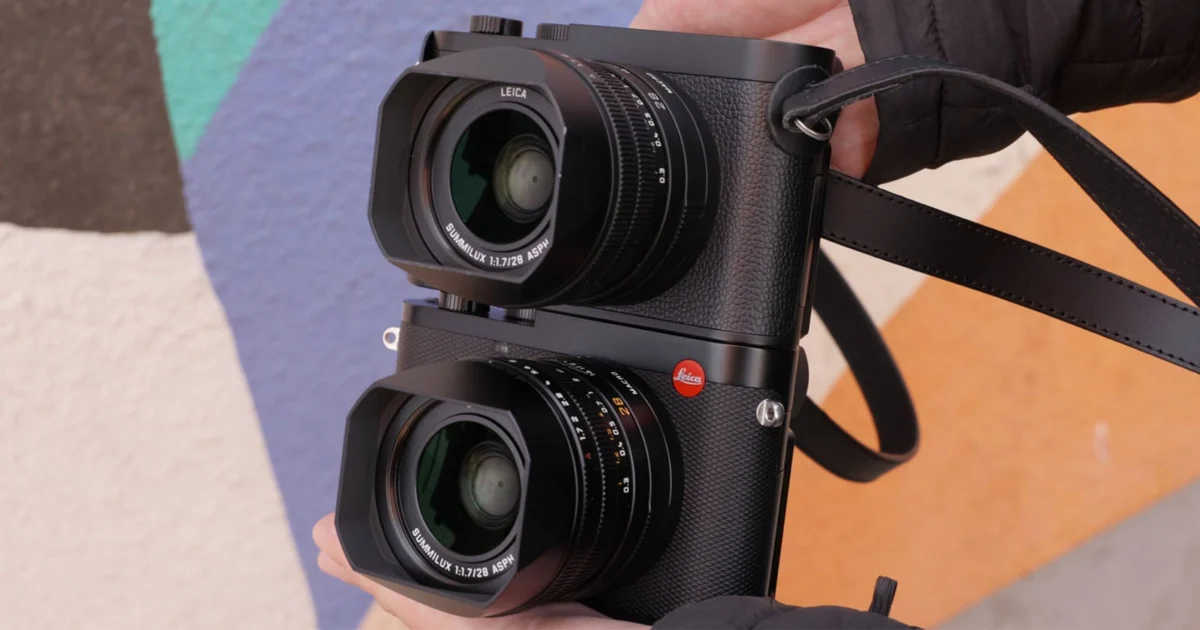
Wetzlar, Germany – In a significant disclosure made during the recent launch event for its new Leica SL3-P full-frame mirrorless camera, Leica Camera AG revealed that its premium compact Q series has dramatically outperformed its legendary M-System rangefinders in sales, cementing the Q series as the company’s best-selling camera line. This revelation, delivered by Andrea Pacella, Leica’s Vice President of Global Marketing and Communications, underscores a strategic shift and successful adaptation by the revered German camera manufacturer to evolving market demands. Pacella stated that, on average, the Q series cameras sell "twice as much, or even more, than the entire M system," a volume he characterized as "a lot."
The announcement, which came amidst presentations detailing the SL3-P and Leica’s broader product portfolio, has sent ripples through the photography industry. For decades, the M-System has been synonymous with Leica, embodying the brand’s heritage of unparalleled optical quality, minimalist design, and a distinctive, deliberate photographic experience. Its rangefinder design and manual focus operation have cultivated a dedicated following of purists and professionals alike, making the M series a cultural icon in photography. The news that a relatively newer compact series, with its fixed-lens and more modern conveniences like autofocus, has eclipsed this legendary lineage marks a pivotal moment in Leica’s contemporary history.
The Genesis and Evolution of the Leica Q Series
The journey of the Leica Q series began in 2015 with the introduction of the original Leica Q (Typ 116). At its core, the camera was conceived as a full-frame compact, marrying a high-resolution sensor with a fast, fixed Summilux 28mm f/1.7 ASPH. lens. This initial design choice, particularly the 28mm focal length, was met with internal skepticism within Leica. Pacella himself admitted, "Launching this camera with a 28mm lens was something everyone, myself included, was against." Traditionalists within the company and the broader photography community often favored a 35mm or 50mm equivalent as a standard prime.
However, the product managers’ conviction proved prescient. As Pacella explained, the 28mm field of view closely mirrored the focal length equivalent commonly found on smartphones, such as the iPhone. This intuitive familiarity provided a seamless transition for many users accustomed to mobile photography, offering them an upgrade in image quality and photographic control without a drastic change in perspective. The original Leica Q quickly garnered critical acclaim for its superb image quality, robust build, intuitive controls, and surprisingly effective autofocus system – features that were often secondary or non-existent in Leica’s M-System.
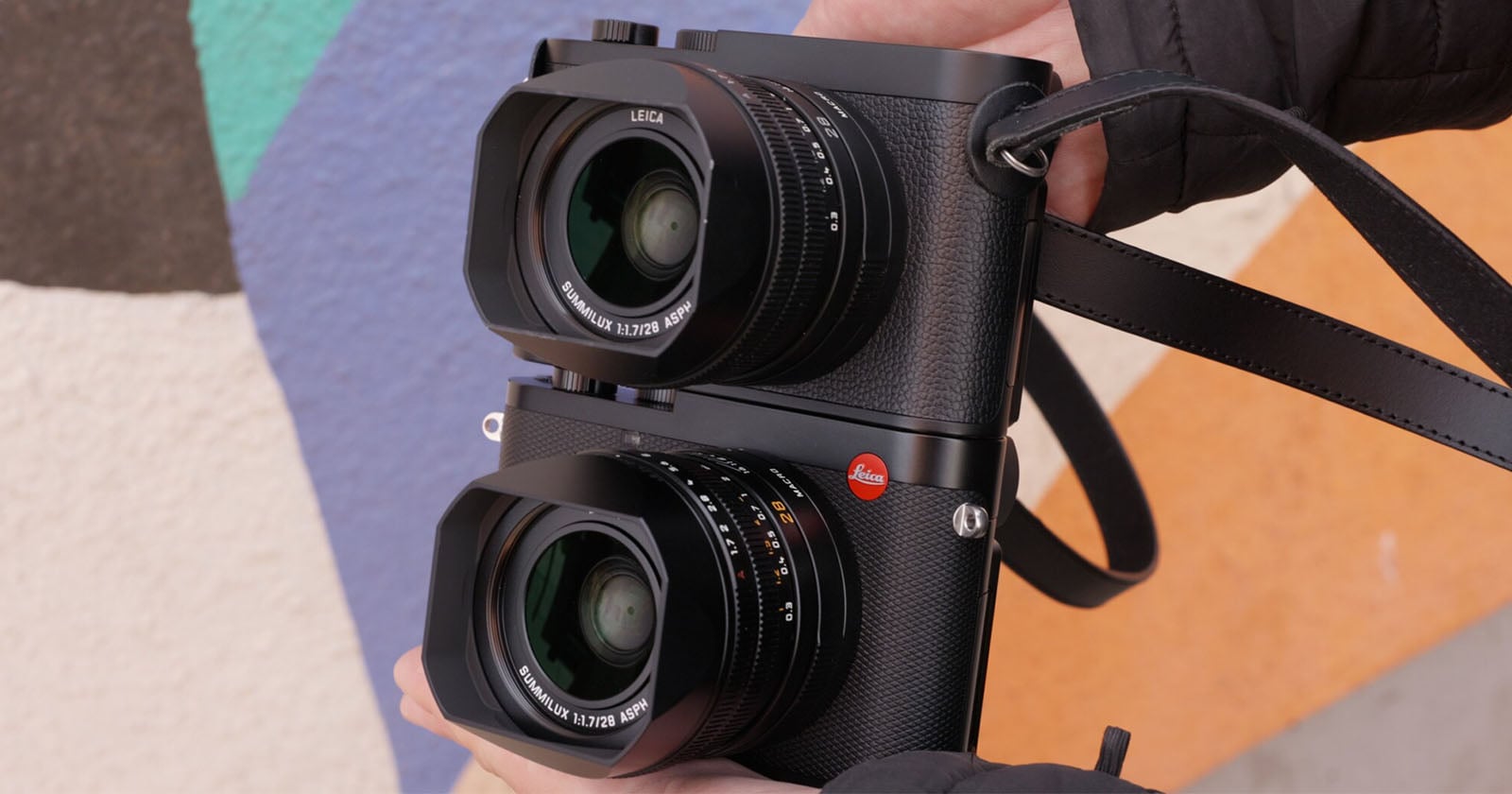
Building on this success, Leica introduced the Leica Q2 in 2019, which refined the original concept with an updated 47.3-megapixel full-frame sensor, improved weather sealing, and 4K video capabilities. The Q2 maintained the beloved 28mm f/1.7 Summilux lens, reinforcing the line’s core identity while enhancing its technical prowess. The incremental yet significant upgrades ensured the Q series remained highly competitive in the premium compact camera segment.
The Leica Q3: A Modern Powerhouse
The current flagship, the Leica Q3, launched in May 2023, represents the pinnacle of the series’ evolution. It features a formidable 60-megapixel backside illuminated (BSI) CMOS image sensor, significantly boosting resolution and low-light performance. This sensor, coupled with the critically acclaimed Summilux 28mm f/1.7 ASPH. lens, delivers images with exceptional detail, dynamic range, and the distinctive "Leica look" characterized by natural color rendition and beautiful bokeh.
Beyond stills, the Q3 introduced advanced video capabilities, including 8K resolution, addressing the growing demand for hybrid photography and videography tools. Its autofocus system saw substantial improvements, offering faster and more accurate subject tracking, a crucial feature for a modern compact camera designed for diverse photographic scenarios, from street photography to environmental portraits. The Q3 also integrated a tiltable LCD screen, a first for the Q series, providing greater flexibility for composing shots from various angles.
Leica has further expanded the Q3 ecosystem with specialized variants. The Leica Q3 43, introduced the following year (2024), caters to photographers who prefer a tighter perspective, swapping the 28mm for a brand-new 43mm f/2 APO-Summicron lens while retaining the same high-resolution sensor. This diversification offers users a choice in focal length, broadening the Q series’ appeal without compromising its fixed-lens philosophy.
Perhaps the most "courageous act," as Pacella described it, was the introduction of the Leica Q3 Monochrom late last year (2024). This black-and-white-specific version of the Q3, like its M-System Monochrom counterparts, eliminates the color filter array from the sensor, allowing each pixel to capture pure luminance data. This results in black-and-white images with unparalleled sharpness, tonal depth, and detail. While initially met with skepticism regarding its niche appeal and premium price point ("How do they think they can sell a camera that only shoots black-and-white for more money than a camera that shoots color?"), Pacella framed it as "an act of appreciation" for Leica’s core customers – those who deeply value the artistry of monochromatic photography and are willing to invest in a specialized tool that delivers an uncompromising experience.
Strategic Pricing and Market Dynamics
Leica’s decision to maintain a "premium price point" for its Q series cameras is a cornerstone of its business strategy. Pacella explicitly stated that Leica has "never considered doubling factory shifts to produce more cameras," preferring to control supply and uphold the brand’s luxury positioning. This approach contrasts sharply with mass-market consumer electronics, where increased demand often leads to scaled-up production and competitive pricing. For Leica, scarcity is a feature, not a bug.
Currently, the pricing reflects this premium stance: the base Leica Q3 is priced at $7,350, while the Q3 43 and Q3 Monochrom both retail for $7,950. The recently launched Leica Q3 Metal Gray version also maintains the $7,350 price tag. These figures position the Q series firmly in the high-end luxury segment of the camera market, accessible primarily to affluent enthusiasts and professionals who prioritize brand prestige, build quality, and optical excellence.
This strategy is not unique to Leica but is a hallmark of luxury brands across various industries. By carefully managing supply and demand, Leica fosters an aura of exclusivity and desirability, reinforcing the perception of its products as aspirational objects of desire rather than mere tools. This model has proven highly successful, enabling Leica to achieve record sales growth for four consecutive years, with the standard Q3 consistently identified as the "biggest seller" among its digital cameras.
The Shifting Landscape of the Photography Market
The Q series’ dominance also reflects broader trends within the photography market. While the overall market for digital cameras has seen a significant contraction due to the pervasive influence of smartphones, a niche for high-end, specialized cameras has not only endured but thrived. Consumers are increasingly bifurcating: those content with smartphone cameras for casual use, and those seeking superior image quality and a dedicated photographic experience from premium devices.
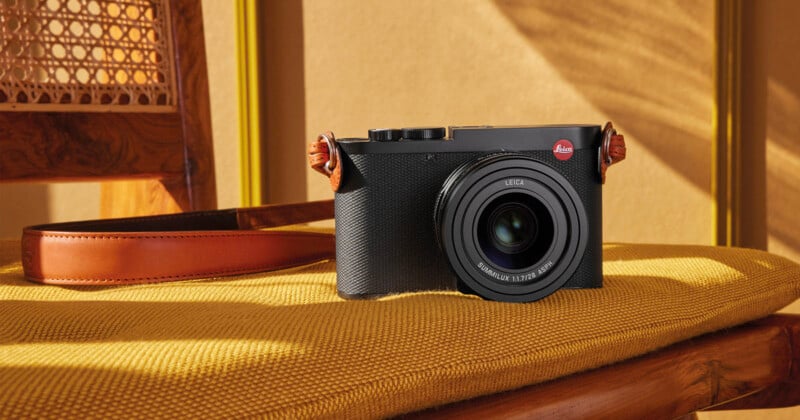
Within this premium segment, fixed-lens compact cameras like the Leica Q series, Fujifilm X100 series, and Ricoh GR series have carved out a significant space. They offer a compelling blend of portability, excellent image quality, and tactile controls that bridge the gap between smartphones and bulkier interchangeable lens systems. The Q series, in particular, stands out for its full-frame sensor, top-tier optics, and the undeniable prestige of the Leica brand. Its success demonstrates that a significant portion of the market is willing to invest in a camera that offers both convenience and uncompromising quality.
M-System vs. Q-System: A Tale of Two Philosophies
The revelation of the Q series’ superior sales figures naturally invites a deeper comparison with the M-System. The M-System, with its manual focus rangefinder and interchangeable M-mount lenses, represents a purist’s approach to photography. It demands deliberate composition, precise focusing, and a deep understanding of photographic principles. It is a camera designed to slow down the photographic process, fostering a more thoughtful and intimate connection between photographer and subject. Its appeal lies in its mechanical precision, timeless design, and the legendary M-lens lineup.
The Q-System, while sharing Leica’s commitment to optical excellence and build quality, embodies a more contemporary philosophy. Its autofocus system, electronic viewfinder (EVF), and advanced digital features cater to a broader audience that appreciates modern conveniences without sacrificing image quality or the Leica aesthetic. It’s a camera designed for speed and versatility, equally at home in street photography, travel, or everyday capture. The fixed lens simplifies the photographic process by removing the decision of which lens to use, allowing the photographer to focus solely on composition and timing.
Andrea Pacella’s insights into the sales split further illustrate this dynamic: roughly two-thirds (or even three-quarters) of Q series buyers opt for the standard 28mm Q3, while the remaining one-third (or one-quarter) choose the 43mm Q3 43. This indicates a strong preference for the wider, more versatile focal length that mirrors the "smartphone-like" perspective, reinforcing the Q’s appeal to a modern sensibility. The Q3 Monochrom, despite its specialized nature, further diversifies the line, appealing to a highly dedicated segment of the Leica faithful.
Broader Implications for Leica and the Industry
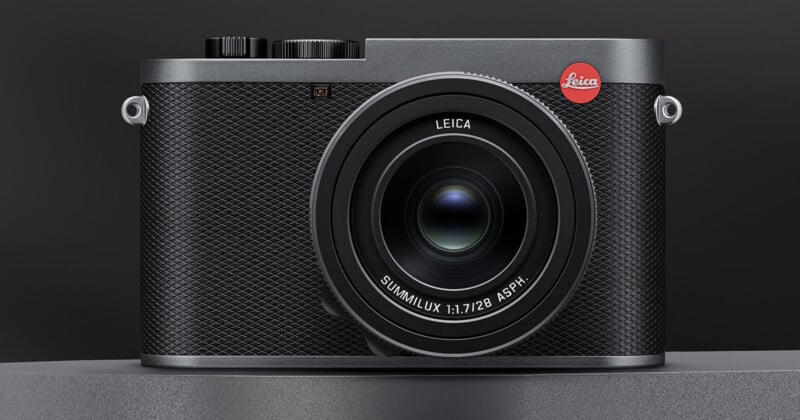
The overwhelming success of the Q series is not merely a sales triumph; it signifies a strategic validation for Leica. It demonstrates that the brand can successfully innovate and adapt to market changes while retaining its core identity and premium positioning. This success allows Leica to invest further in research and development across its entire product portfolio, including the M-System and SL-System.
Industry analysts suggest that Leica’s ability to create a product line that resonates with both traditionalists (through its build quality and image rendering) and modern photographers (through its user-friendliness and contemporary features) is a testament to its enduring brand strength and intelligent product development. The Q series has effectively broadened Leica’s customer base, introducing the brand to a new generation of photographers who might otherwise have been intimidated by the M-System’s manual-only approach or deterred by its price.
The Q series’ fixed-lens design also simplifies the purchasing decision for consumers, as there’s no need to invest in an additional lens ecosystem. This "all-in-one" premium package offers a compelling value proposition for those seeking the ultimate compact camera experience.
Looking Ahead: The Future of the Q and Leica
With the Q series firmly established as its commercial powerhouse, Leica is undoubtedly contemplating its future trajectory. While Pacella indicated no immediate plans to drastically increase production by "doubling factory shifts," the sustained demand for Q cameras suggests that Leica will continue to prioritize innovation and refinement within this line. Future iterations might see further advancements in sensor technology, image processing, autofocus capabilities, or even new focal length variants, all while maintaining the series’ distinctive form factor and premium quality.
The success of the Q series allows Leica to continue its "courageous acts," such as the Monochrom versions, which reinforce its artistic credibility and cater to niche markets that value specific photographic expressions. It demonstrates that Leica is not just a heritage brand resting on its laurels but a dynamic company capable of shaping its own future by responding thoughtfully to the evolving desires of the global photographic community. The Q series stands as a shining example of how a venerable brand can successfully bridge its storied past with a vibrant, technologically advanced present, ensuring its relevance and profitability for years to come.