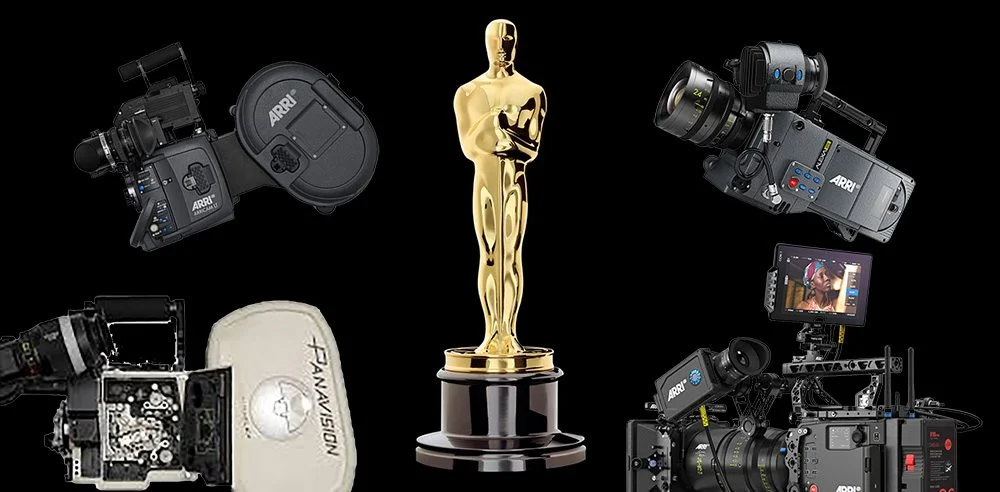
The 98th annual Academy Awards recently concluded, honoring a year distinguished by remarkable cinematic achievements and groundbreaking visual storytelling. This past year’s slate of nominated films showcased an exceptional breadth of talent, particularly in cinematography, pushing the boundaries of visual artistry through innovative camera techniques, bespoke equipment, and a nuanced understanding of light and composition. The awards ceremony served as a testament to the evolving craft of filmmaking, where technological advancements converge with artistic vision to create unforgettable cinematic experiences. This analysis delves into the technical foundations of some of the most acclaimed films, examining the specialized cameras, lenses, and methodologies employed by their cinematographers to craft their masterpieces.
The Evolving Canvas: A Landscape of Cinematic Innovation
The art of cinematography is a delicate balance between technical mastery and creative expression. Each year, the Academy Awards’ nominations for Best Cinematography highlight films that not only tell compelling stories but do so with a distinctive visual language. The 98th iteration demonstrated a diverse array of approaches, from the revival of vintage film formats to the development of cutting-edge digital prototypes, all in service of enhancing narrative and emotional impact. These projects collectively illustrate the dynamic tension and fruitful collaboration between filmmakers and equipment manufacturers, continually redefining what is possible on screen.
Bugonia: Distorted Realities and Thematic Depth
Yorgos Lanthimos’s Bugonia continues his acclaimed collaboration with cinematographer Robbie Ryan, establishing a visual language that intrinsically mirrors the film’s themes of obsession and paranoia. Building on their successful history with projects like Poor Things and The Favourite, Ryan’s cinematography in Bugonia extensively utilizes extreme wide-angle and fisheye lenses. These optical choices are not merely stylistic flourishes but deliberate tools to create a distorted, claustrophobic sense of reality, drawing the audience into the protagonist’s increasingly unsettling perception of the world.
The primary cameras employed for Bugonia included the Vistavision Wilcam W-11 and the ARRIFLEX 435 & 435 HS. The integration of VistaVision, a large-format motion picture film system developed by Paramount Pictures, is particularly noteworthy. VistaVision, known for its horizontally-fed 35mm film that captures a larger image area than standard 35mm, provides a superior level of detail and a distinctive aesthetic. The Wilcam W-11, a modern adaptation capable of harnessing this format, allowed Ryan to achieve a high-resolution base for his extreme lens work. Complementing this, the ARRIFLEX 435 and 435 HS, renowned for their reliability and precision as high-speed 35mm film cameras, provided the versatility needed for various shot types and complex camera movements. This expert level of filmmaking craft makes the audience question their own reality in a fun and quirky way, a signature of Lanthimos’s unique directorial style. The combination of classic film formats with contemporary cinematic techniques underscores a commitment to textural richness and psychological immersion.
F1: Redefining High-Speed Action Cinematography
The cinematography of F1 represents a monumental leap in practical action filmmaking, orchestrated by Oscar-winning cinematographer Claudio Miranda. Drawing directly from the groundbreaking techniques pioneered for Top Gun: Maverick, the production embraced the audacious challenge of mounting real cameras onto custom-modified Formula 2 cars. These vehicles, driven by Brad Pitt and Damson Idris, reached speeds exceeding 150 mph, demanding a new paradigm in camera design and integration.
To achieve this without compromising the critical aerodynamics of the F2 cars or the drivers’ visibility, Miranda collaborated extensively with Sony. This partnership led to the development of “Carmen”—a bespoke, miniaturized 6K sensor-on-a-stick prototype. Remarkably, Carmen is approximately a quarter of the size of a standard cinema camera, a critical innovation for its intended application. The primary full-frame digital cinema camera, the Sony Venice 2, known for its exceptional image quality, dynamic range, and full-frame sensor capabilities, was also deployed for scenes requiring broader cinematic scope and flexibility. Additionally, the DJI Ronin 4D, an integrated cinema camera and 4-axis gimbal system, provided stabilized, handheld, and dynamic movement shots.
These high-tech rigs, including multiple Carmen units and other compact cameras, were strategically distributed across the car’s “halo” protection structure and chassis. This arrangement allowed for up to seven simultaneous angles to be captured, all with full remote-controlled pan and tilt functionality. The result is nothing short of spectacular cinematography, placing audiences directly in the visceral, high-octane world of Formula 1 racing, offering an unprecedented perspective on speed and precision. The technical ingenuity displayed in F1 sets a new benchmark for how practical action sequences can be captured, blending extreme realism with cinematic artistry.
Hamnet: The Observational "Ghost Camera"
Chloé Zhao’s Hamnet features a strikingly intimate visual language, meticulously crafted by cinematographer Łukasz Żal, celebrated for his Academy Award-nominated work on Ida and Cold War. In Hamnet, Żal’s cinematography adopts what has been described as a “ghost camera” perspective—an observational, drifting lens that often feels like “death’s point of view.” This approach allows the camera to scan scenes with a quiet, non-judgmental weight, subtly drawing the audience into the emotional landscape of the characters.
The film was shot on the ARRI Alexa 35, a camera renowned for its exceptional image quality, dynamic range, and versatile color science. The Alexa 35’s ability to render natural skin tones and capture subtle shifts in light made it an ideal choice for Hamnet’s introspective and emotionally charged narrative. Żal’s choice of the Alexa 35 underscores a preference for a clean, naturalistic aesthetic, allowing the performances and the period setting to shine without overt cinematic manipulation. The camera’s compact form factor and advanced features supported the "ghost camera" concept, enabling fluid, unobtrusive movements that enhance the film’s intimate and often somber tone. This understated technical approach aligns perfectly with Zhao’s directorial style, which often emphasizes human connection and the quiet dignity of existence.
Frankenstein: Gothic Grandeur in Large Format
In Guillermo del Toro’s Frankenstein, cinematographer Dan Laustsen employs a sweeping, large-format visual style to modernize the classic gothic horror aesthetic. Laustsen, a frequent collaborator with del Toro, known for his work on The Shape of Water and Nightmare Alley, sought to create a world that is both meticulously detailed and imbued with a sense of immense scale.
The film was shot entirely on the ARRI ALEXA 65, ARRI’s flagship large-format digital cinema camera. The ALEXA 65 captures an image significantly larger than standard 35mm or even full-frame digital sensors, delivering unparalleled resolution, shallow depth of field, and a majestic visual presence. Paired with Leitz THALIA 65 lenses, which are specifically designed for large-format sensors and known for their crisp yet pleasing optical characteristics, the film achieves a pristine, detailed look. Laustsen notably relied heavily on a 24mm wide-angle lens for nearly 90% of its shots, a deliberate choice to emphasize the vastness and oppressive nature of the environments.
To temper the inherent digital sharpness of the ALEXA 65 and infuse the film with a more organic, classic feel, Laustsen utilized custom Black Pro-Mist diffusion filters. These filters, placed behind the lens, soften highlights and subtly bloom light sources, an effect described as “burning out” highlights while crucially preserving the deep, rich blacks essential to the film’s moody and atmospheric aesthetic. This meticulous balance of cutting-edge digital capture with analogue-inspired diffusion techniques allows Frankenstein to evoke a timeless gothic dread while presenting it with stunning contemporary clarity.
Marty Supreme: A Painterly Return to 35mm Film
Josh Safdie’s Marty Supreme, with cinematography by Darius Khondji, boldly disregards modern digital aesthetics in favor of a richly textured, “painterly” 35mm film look. Khondji, celebrated for his work on films like Seven and Amour, has a distinct style that often embraces the tactile qualities of film.
The production primarily utilized Arricam LT and ST cameras, workhorses of the 35mm film world known for their reliability and quiet operation. These were loaded with Kodak Vision3 500T film, a stock revered for its fine grain, wide exposure latitude, and excellent color rendition, particularly in low light. The film’s distinctive texture was further enhanced by the use of vintage Panavision B and C Series anamorphic lenses. These lenses, with their unique optical imperfections and characteristic oval bokeh, contribute to a cinematic look that feels both classic and intensely expressive.
Khondji’s visual strategy for Marty Supreme centered on tight telephoto shots, deploying exceptionally long lenses, some reaching up to 360mm. This choice was deliberate, designed to capture suffocating, expressive close-ups of Timothée Chalamet’s character, Marty. This extreme telephoto approach creates an exceptionally shallow depth of field, isolating Marty from his environment. The effect is twofold: it makes him appear “larger than life,” reflecting his internal struggles and external pressures in the table tennis world, while simultaneously simulating an observational feel, as if the audience is watching his challenges unfold from a distance, yet with intense focus. The commitment to 35mm film and vintage anamorphic glass imbues Marty Supreme with a timeless, almost documentary-like authenticity, grounding its high-stakes narrative in a tangible, deeply human texture.
One Battle After Another: VistaVision’s Gritty Revival
My personal favorite on this list, One Battle After Another, stands out for its masterful revival of the VistaVision format, used to capture a gritty, 1970s-inspired political thriller. The film consciously draws inspiration from 1970s classics such as The French Connection, aiming for a specific aesthetic and narrative resonance.
The film was shot with a 1.50:1 aspect ratio, utilizing large negative spacing throughout, a characteristic of VistaVision. The Beaumont Vistavision camera, a specialized piece of equipment designed to leverage the format’s capabilities, was central to achieving this look. For scenes requiring more versatility and a slightly different cinematic character, the Panavision Millennium XL2, a robust 35mm film camera, was also employed.
A crucial element in achieving the film’s distinctive texture was the development of a custom set of prototype spherical lenses by Panavision’s legendary optical engineer, Dan Sasaki. Dubbed “GWs,” these lenses were meticulously designed to emulate the optical characteristics of the glass used by legendary cinematographer Gordon Willis, often referred to as "the Prince of Darkness," known for his iconic work on films like The Godfather Part II and All the President’s Men. Willis’s lenses often exhibited specific flares, aberrations, and contrast qualities that contributed to his unique visual signature. By recreating these characteristics, One Battle After Another successfully evokes the atmospheric depth and detailed yet slightly imperfect realism of 1970s cinema. This approach allowed the film to highlight detailed California landscapes with suffocating, long-lens close-ups, creating a modern masterpiece that feels like a classic from the ’70s or ’80s, offering both nostalgia and contemporary relevance.
Train Dreams: Photographic Memory and Natural Light
In Train Dreams, cinematographer Adolpho Veloso crafts a visual language deeply rooted in “photographic memory.” This artistic choice is powerfully conveyed through the film’s rare 3:2 aspect ratio, which deliberately evokes the feel of vintage still portraits from the early 20th century, immersing the audience in a bygone era.
The film was shot digitally on the ARRI Alexa 35, once again showcasing its versatility and capability in nuanced image capture. Veloso’s approach to lighting was particularly distinctive: the film relies almost exclusively on natural light, complemented by real campfires and candles as practical light sources. This commitment to organic illumination gives the film a textured, more authentic, and emotionally resonant feel. The Alexa 35’s exceptional low-light performance and wide dynamic range were crucial in achieving this, allowing the filmmakers to capture subtle details in dimly lit scenes without resorting to artificial, overly bright solutions. The result is a visual narrative that feels deeply personal and historically grounded, as if pieced together from faded photographs and flickering memories.
Sentimental Value: Dual Formats for Layers of Memory
In Joachim Trier’s Sentimental Value (2025), cinematographer Kasper Tuxen employs a sophisticated dual-format visual strategy to navigate the film’s intricate themes of memory, family, and reconciliation. Tuxen, known for his sensitive and nuanced approach to storytelling, uses film stock to differentiate narrative layers.
The primary narrative, focusing on contemporary events, is captured on 35mm Kodak film using the Arricam LT and Cooke 5/i lenses. The Arricam LT is a preferred choice for its quiet operation and film aesthetic, while Cooke 5/i lenses are celebrated for their warm, naturalistic rendition of skin tones and gentle fall-off, contributing to a rich, immersive quality. To visually distinguish the film-within-a-film and historical flashbacks, the production made a deliberate shift to 16mm film. Furthermore, a bleach bypass process was applied to the 16mm footage. This chemical process skips the bleach step in color processing, leaving silver in the emulsion along with color dyes, resulting in desaturated colors, increased contrast, and a grittier, older look. This stark visual contrast effectively separates the different temporal and narrative planes, allowing the audience to instinctively understand the shifts in time and perspective, thereby enhancing the film’s exploration of memory’s complexities.
Secret Agent: Vibrant Oppression in 1970s Brazil
In The Secret Agent, cinematographer Evgenia Alexandrova masterfully uses a vibrant and often overwhelming color palette to render the oppressive atmosphere of 1970s Brazil. Her visual choices are central to conveying the political and social tensions of the era.
The film was shot primarily on the ARRI Alexa 35, paired with vintage Panavision B Series anamorphic lenses. The Alexa 35’s ability to capture rich, saturated colors and its robust dynamic range were instrumental in Alexandrova’s vision. The vintage Panavision B Series anamorphic lenses, with their characteristic flares, shallow depth of field, and widescreen aspect ratio, contribute to a cinematic grandeur that also carries a subtle sense of unease. Alexandrova’s cinematography leans into a “360-degree” philosophy, utilizing wide shots that capture the historical textures of Recife and São Paulo, allowing the environments to become active participants in the narrative.
A defining characteristic of the film’s visual style is the use of saturated primary colors and a distinctive reddish undertone in the shadows. This creates a “woozy,” nostalgic heat that pervades the entire film, enhancing the sense of a world steeped in both vibrant culture and simmering political tension. The visual heat and saturation are not merely aesthetic choices but serve to heighten the emotional intensity and discomfort of the characters’ experiences, effectively translating the oppressive atmosphere into a tangible visual reality.
Sinners: IMAX and the Aesthetics of Towering Dread
In Ryan Coogler’s Sinners, cinematographer Autumn Durald Arkapaw crafts a gothic aesthetic that firmly anchors supernatural horror in a tangible, historical reality. Arkapaw, known for her powerful visual storytelling in films like Black Panther: Wakanda Forever, here tackles a period piece with immense scale and atmospheric depth.
The film was shot entirely on IMAX-certified digital cameras, including the IMAX MSM 9802 and MKIV, alongside the Panavision System 65. This commitment to large-format capture is critical to the film’s ambition. IMAX cameras are renowned for their unparalleled resolution and immersive quality, providing a canvas that is both vast and incredibly detailed. Paired with custom-tuned Panavision Specho spherical lenses, the film achieves a visual richness that is both sharp and evocative.
Sinners utilizes an ultra-wide 1.43:1 aspect ratio for its most sequence-heavy moments, a signature of true IMAX presentation. This expansive frame creates a profound sense of “towering dread” in the early 1900s South, allowing the environments to loom large and envelop the characters. Arkapaw’s lighting strategy is particularly innovative; it deliberately avoids the conventional “Hollywood blue” of typical night scenes. Instead, she opts for a “true black” philosophy, where characters are frequently silhouetted against flickering firelight or the harsh, singular glare of period-accurate lanterns. This high-contrast approach creates a stark visual separation between the twin protagonists and the deep shadows that seemingly house the film’s monstrous threats. The intense contrast between subjects and their surrounding scenes cultivates an uneasiness that permeates the entire film, enhancing the psychological and supernatural horror elements. The use of IMAX not only provides spectacle but also serves as a potent tool for immersive, emotionally charged storytelling.
Broader Implications and The Future of Cinematography
The films honored at the 98th Academy Awards collectively underscore a fascinating moment in cinematic history—a period defined by both an embrace of cutting-edge technology and a reverence for traditional filmmaking techniques. The prevalence of large-format cameras, from the ARRI ALEXA 65 in Frankenstein to the IMAX systems in Sinners and the VistaVision revival in One Battle After Another, signifies a renewed commitment to grand theatrical spectacle and immersive audience experiences. This trend suggests that filmmakers are increasingly leveraging the expansive canvas these formats provide to create worlds of unparalleled detail and emotional depth, particularly for genres that benefit from scale, such as horror and historical dramas.
Simultaneously, the steadfast commitment to 35mm film in productions like Marty Supreme and Sentimental Value highlights the enduring artistic value of celluloid. The tactile quality, inherent grain, and unique color rendition of film continue to be sought after for their ability to evoke specific periods, emotional states, or a sense of timelessness that digital formats, despite their advancements, sometimes struggle to replicate organically. The dual-format approach in Sentimental Value further demonstrates a sophisticated understanding of how different media can serve distinct narrative purposes within a single film.
Innovation in practical filmmaking, as exemplified by F1 and its bespoke “Carmen” camera, pushes the boundaries of how action can be captured authentically and dynamically. Such advancements indicate a continuous drive to overcome technical limitations and immerse audiences more deeply in high-stakes scenarios. Meanwhile, the consistent use of the ARRI Alexa 35 across diverse projects like Hamnet, Train Dreams, and Secret Agent showcases the camera’s versatility and its status as a benchmark for digital image quality, particularly in its ability to render naturalistic light and color while remaining adaptable to highly specific aesthetic directives.
The choices made by these cinematographers—from the specific lenses used to achieve a “ghost camera” effect in Hamnet, to the custom filters employed to soften digital sharpness in Frankenstein, and the deliberate avoidance of "Hollywood blue" in Sinners—illustrate that technology is always a tool in service of artistic vision. The interplay between camera, lens, lighting, and post-production techniques is a complex dance, orchestrated by cinematographers who are both technical experts and artistic visionaries. This year’s nominees and winners represent the pinnacle of this craft, shaping not only the films themselves but also influencing the trajectory of cinematic storytelling for years to come.
The Academy Awards serve not just as a recognition of past achievements but also as a barometer for the industry’s future directions. The diverse technical approaches showcased this year confirm that the art of cinematography remains a vibrant field of innovation, where tradition and technology continually inspire new forms of visual expression.
Sources – American Cinematographer, Letiz-Cine, MotionPictures.org, Kodak