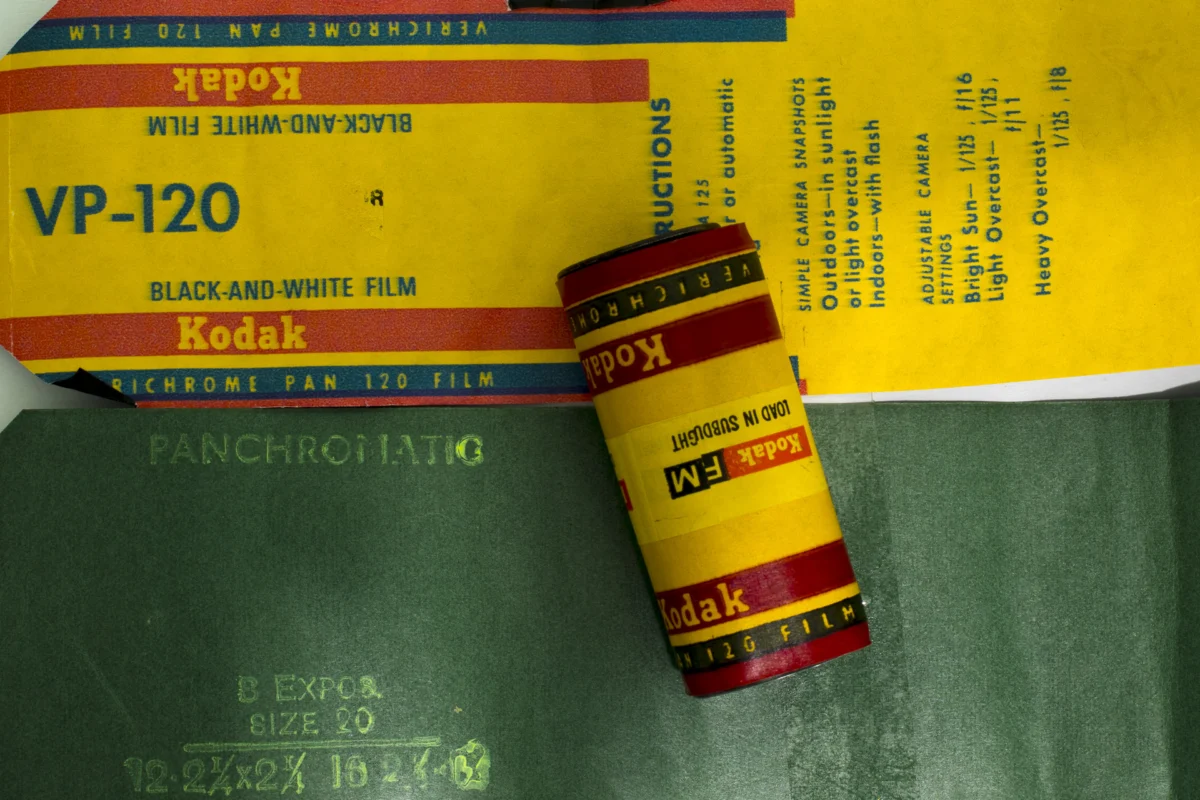
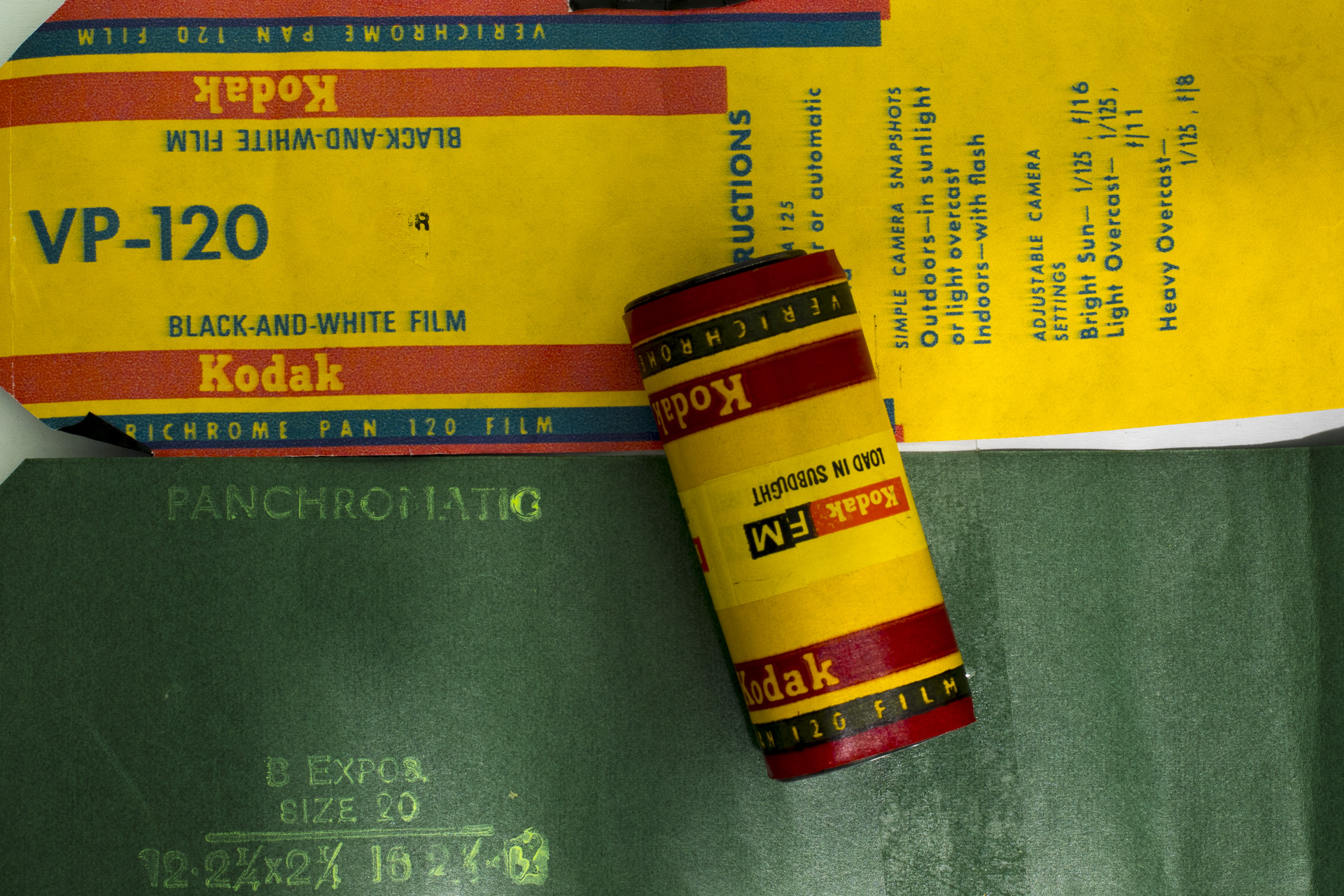
The discovery of undeveloped photographic film within vintage camera equipment has long served as a unique intersection between archaeology and chemistry, offering a rare glimpse into the vernacular history of the mid-20th century. Recent efforts to salvage images from decades-old rolls of 120-format film—specifically Ensign Panchromatic and Kodak Verichrome Pan—have highlighted both the resilience of silver halide technology and the specific chemical challenges associated with latent image preservation. Following the acquisition of several camera lots from a local auction house, researchers have successfully developed images that had remained dormant for approximately 70 to 80 years. These artifacts provide not only a record of private family moments but also a technical case study in the stabilization of expired emulsions.
The Chemistry of Recovery: Utilizing Rodinal Stand Development
The primary challenge in developing film that has sat for several decades is the accumulation of "base fog." Over time, background radiation and thermal energy cause the silver halide crystals in the film emulsion to become developable, even without exposure to light. This results in a dark, muddy negative where the actual image is often indistinguishable from the fog. To counteract this, a specialized technique known as stand development is frequently employed.
In the recent recovery of images from a Kodak No. 2 Folding Autographic Brownie and an Ensign Ful-vue, the developer of choice was Rodinal (specifically Fomadon R09), a para-aminophenol-based concentrated developer that has been in continuous production since 1891. The specific protocol utilized a high dilution ratio of 1+100, which provides a "compensating effect." In this state, the developer works slowly, allowing detail to emerge in the shadow areas (the least exposed parts of the film) while the developer in the highlight areas becomes exhausted, preventing the highlights from becoming overly dense.
The technical specifications for the successful retrieval were as follows:
- Pre-soak: A five-minute initial bath in water at 20 degrees Celsius to soften the gelatin emulsion and prevent uneven development.
- Development: One hour in Rodinal 1+100 at 20 degrees Celsius, with minimal agitation (four inversions at the 30-minute mark).
- Fixation: Standard fixing according to manufacturer instructions to remove unexposed silver halides.
- Wash: A 10-minute final wash to ensure archival stability.
This method has proven effective not only for black-and-white 120 roll film but also for legacy color negative stocks and discontinued formats such as Disc film, where traditional C-41 processing would likely destroy the degraded emulsion due to high heat.
Chronology of the 1946-47 Winter: The Ensign Panchromatic Discovery
One of the most significant finds originated from a roll of Ensign Panchromatic film found inside a Kodak No. 2 Folding Autographic Brownie. The "Autographic" feature of this camera, introduced by Kodak in 1914, allowed photographers to write data directly onto the film margin via a small door on the back of the camera, using a stylus. While no autographic data was present, the physical condition of the film provided clues to its age.
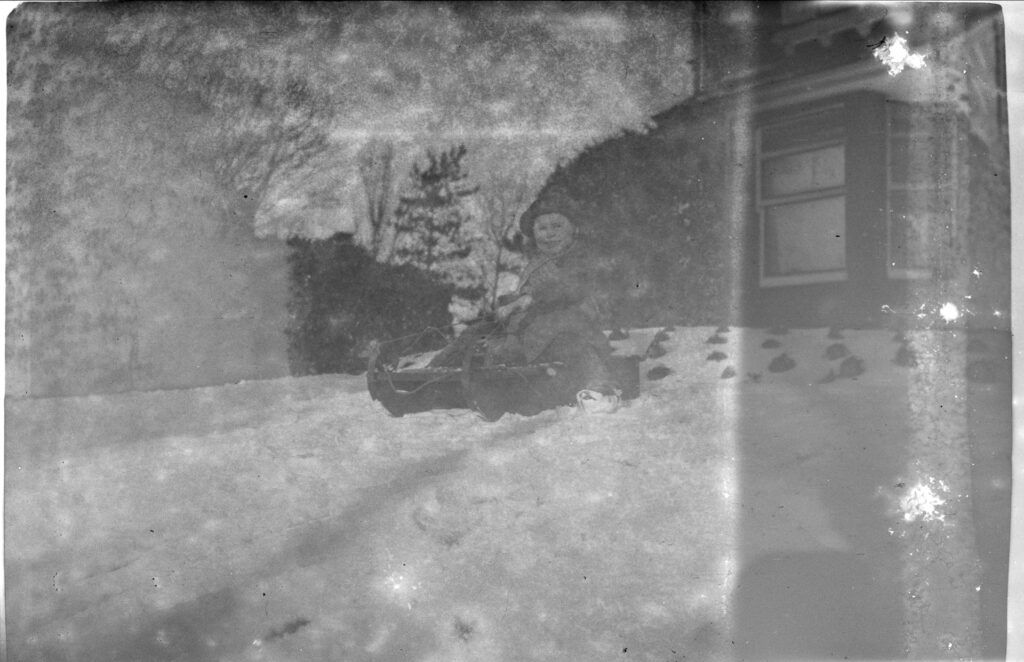
The developed images depict a young child in a snowy environment, featuring a snowman and a wooden sledge. Historical meteorological data suggests a strong correlation between these images and the "Great Frost" of 1946–1947 in the United Kingdom. This winter was one of the harshest on record, characterized by massive snowdrifts and a national fuel crisis. The Ensign Panchromatic film stock itself entered production around 1946, placing the likely date of exposure exactly during this period of extreme weather.
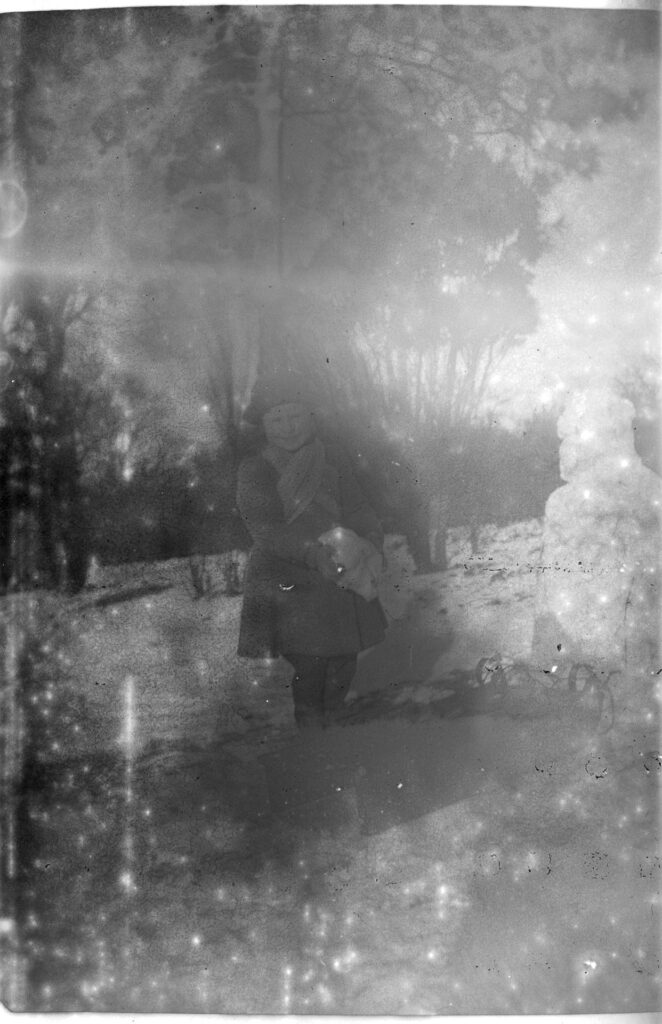
A physical artifact attached to the camera—a label bearing the name "Ethel Wynne Roberts"—offers a potential lead for genealogical research. While initial searches in public records have yet to yield a definitive match, the presence of the name suggests the camera was a valued personal possession. The images, though marred by cracking emulsion, mould, and significant fogging, represent a successful retrieval of a "latent memory" that has survived for eight decades.
The Post-War Era: The Ensign Ful-vue and Verichrome Pan
The second significant roll of film was a Verichrome Pan 120 found within an Ensign Ful-vue, a popular British-made camera. The Ful-vue, particularly the post-war model, was designed as a "pseudo-TLR" (Twin Lens Reflex). While it featured a large, bright viewfinder that mimicked professional cameras like the Rolleiflex, it was functionally a box camera with a fixed-focus lens.
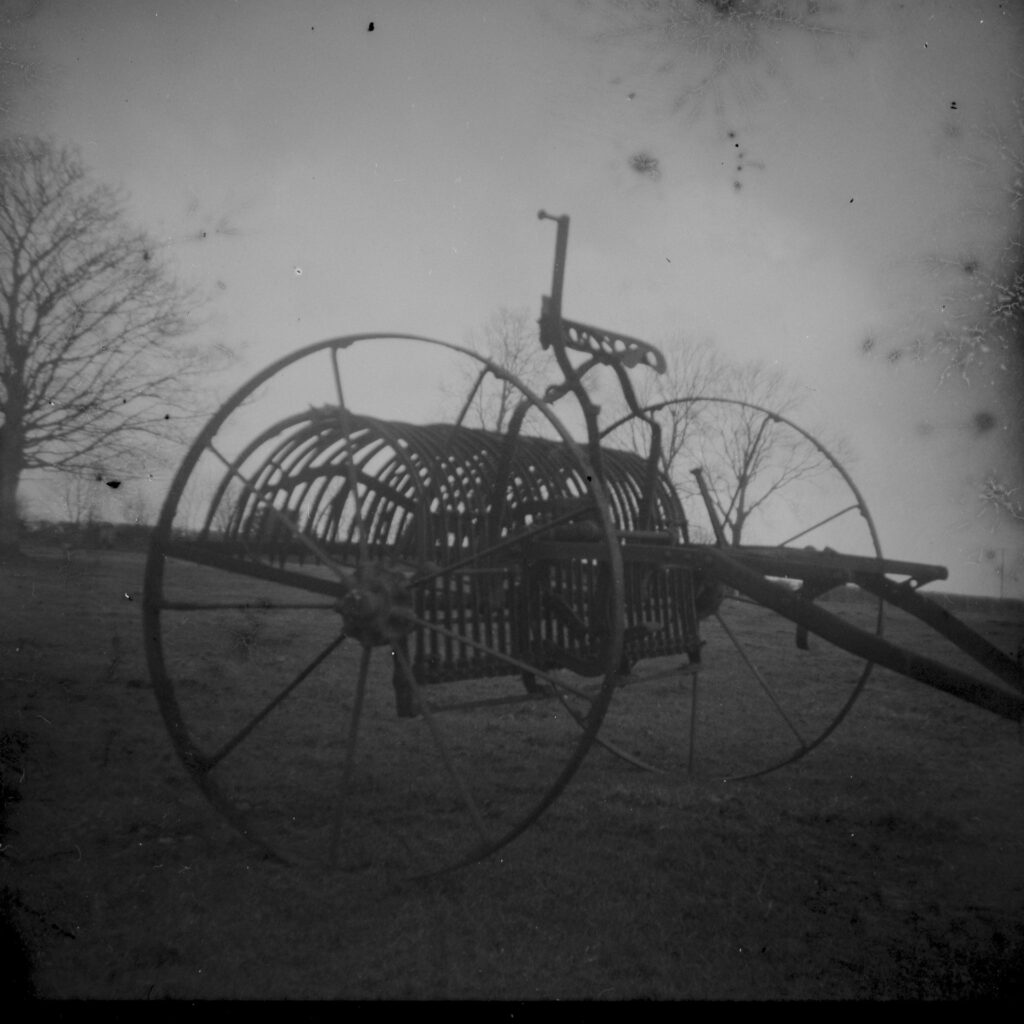
The images recovered from this roll included a study of a hay rake, an agricultural implement that suggests a rural or semi-rural setting. On the interior of the camera’s carrying case, the name "Sophie Thomas" was inscribed. Technical analysis of the film stock, Verichrome Pan, indicates a later date than the Ensign Panchromatic roll. Verichrome Pan was launched by Kodak in 1956 as a replacement for the older orthochromatic Verichrome film. It was a panchromatic film, meaning it was sensitive to all colors of the visible spectrum, providing more natural tonal rendering.
The stability of the Verichrome Pan emulsion is a subject of frequent discussion among film archivists. Unlike many modern films, the older Verichrome Pan utilized a thick, robust gelatin layer and a high silver content, which contributed to its remarkable shelf life. Even after 60 years of storage in suboptimal conditions—subject to the humidity and temperature fluctuations of a typical attic or cellar—the film retained enough chemical integrity to produce a scannable negative.
Social History: The Seaside Roll and Mid-Century Leisure
The final roll of film examined was a loose roll of Verichrome Pan found among miscellaneous photographic accessories, including Zeiss filters and a Rolleiflex lens hood. Unlike the films found inside cameras, this roll had become partially unspooled, leading to severe light leaks (fogging) on the outer layers.
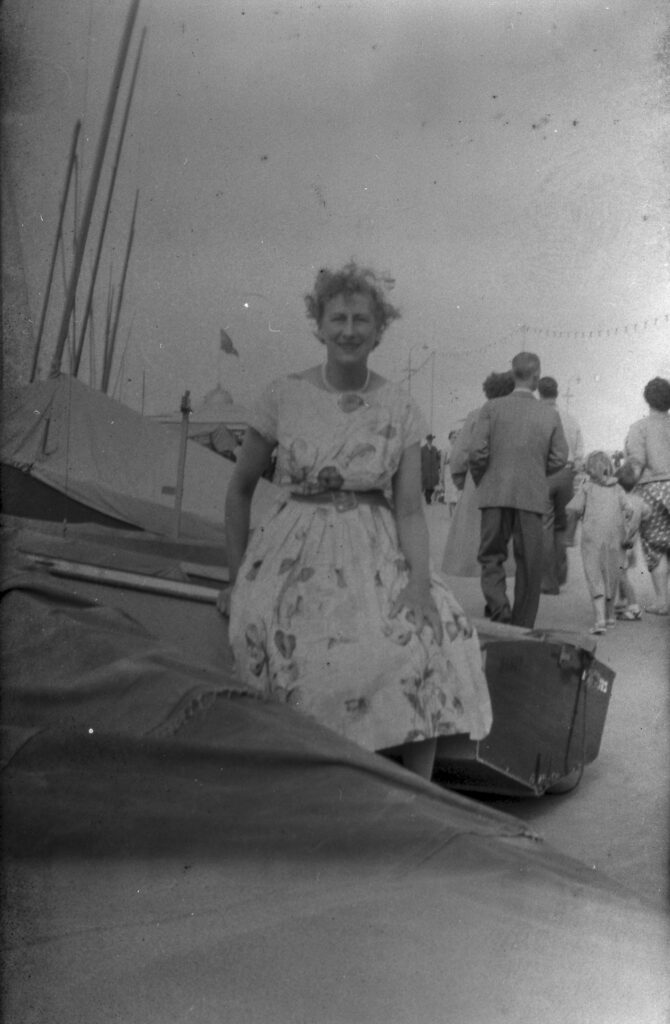
Despite the physical damage, the first two frames of the roll remained viable. These frames depict two women on a beach promenade, a quintessential scene of British leisure in the 1950s. The subjects’ clothing—structured coats, headscarves, and mid-century silhouettes—further reinforces the 1950s timeframe. The location remains unidentified but is characteristic of British seaside resorts such as Blackpool, Brighton, or Scarborough, which saw a massive surge in domestic tourism during the post-war years before the advent of affordable international air travel.
The fact that only the first few frames were salvageable highlights the precarious nature of film storage. When a roll of film is not tightly wound or its paper backing becomes loose, light "creeps" in from the edges, chemically overexposing the film and erasing the latent image.
Technical Analysis of Latent Image Decay
The survival of a latent image depends on the Gurney-Mott theory of photographic sensitivity. When light hits a silver halide crystal, it releases electrons that are trapped by "sensitivity specks," attracting silver ions to form a tiny cluster of metallic silver. This cluster is the latent image. Over decades, this cluster can "regress" or dissolve back into ions due to thermal energy or oxidation.
Factors influencing the survival of these images include:
- Temperature: High temperatures accelerate the decay of the latent image and the growth of base fog.
- Humidity: Moisture can cause the gelatin to soften, leading to mould growth (as seen in the Ensign roll) and ferrotyping (the film sticking to the backing paper).
- Film Speed: Lower-speed films (lower ISO/ASA) generally survive longer than high-speed films because they have smaller silver halide crystals, which are less susceptible to background radiation.
The successful recovery of the 1946 and 1950s images is a testament to the archival qualities of slow-to-medium speed black-and-white films of that era.
Broader Impact and Archival Implications
The retrieval of these images underscores the importance of amateur photography as a primary source for social history. While professional photojournalism captures the "great events" of history, "found film" captures the mundane, personal, and intimate realities of daily life—the clothing, the tools, and the private smiles that would otherwise be lost to time.
From a preservation standpoint, the success of the Rodinal stand development method provides a roadmap for other archivists dealing with "mystery rolls." It highlights the need for a cautious, low-energy chemical approach to development. As the supply of vintage cameras in estate sales and auctions continues to circulate, the likelihood of finding more "latent memories" remains high.
The ethical considerations of developing found film also remain a topic of debate within the photographic community. While some view the act as an intrusion into private lives, most historians and hobbyists see it as an act of rescue—preventing the permanent erasure of a human record. In the cases of "Ethel Wynne Roberts" and "Sophie Thomas," these photographs serve as the final remaining evidence of a specific moment in their lives, now preserved in a digital format for future generations to study and appreciate.
As digital photography continues to dominate the modern era, the physical longevity of silver-on-celluloid remains an anomaly. These 80-year-old "junk" finds demonstrate that, under the right conditions, the chemical records of the past can be remarkably persistent, waiting only for the right combination of chemistry and curiosity to be revealed once more.