Stepping onto a professional photography or videography set for the first time marks a significant milestone in a burgeoning career, often proving to be an intensely demanding yet immensely rewarding experience. For newcomers, or even those with a few productions under their belt, the anticipation leading up to a shoot day can be considerable. These environments are inherently fast-paced, high-stakes arenas where every individual is expected to operate at peak performance. Drawing from extensive experience across hundreds of commercial productions, a comprehensive understanding of the dynamics at play offers invaluable foresight for those embarking on their initial forays into this demanding field. The following insights aim to equip professionals with actionable strategies for navigating the complexities of a commercial set, ensuring both personal success and project efficiency.
The Diverse Landscape of Production Environments
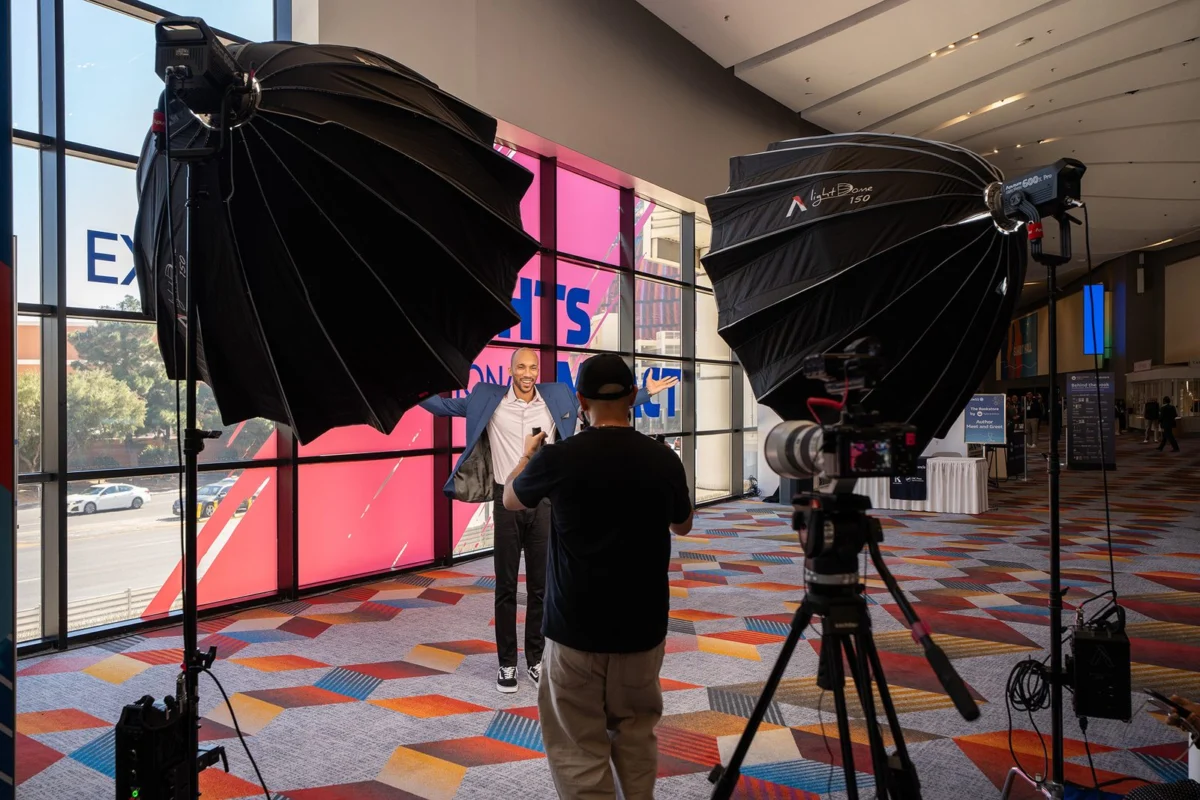
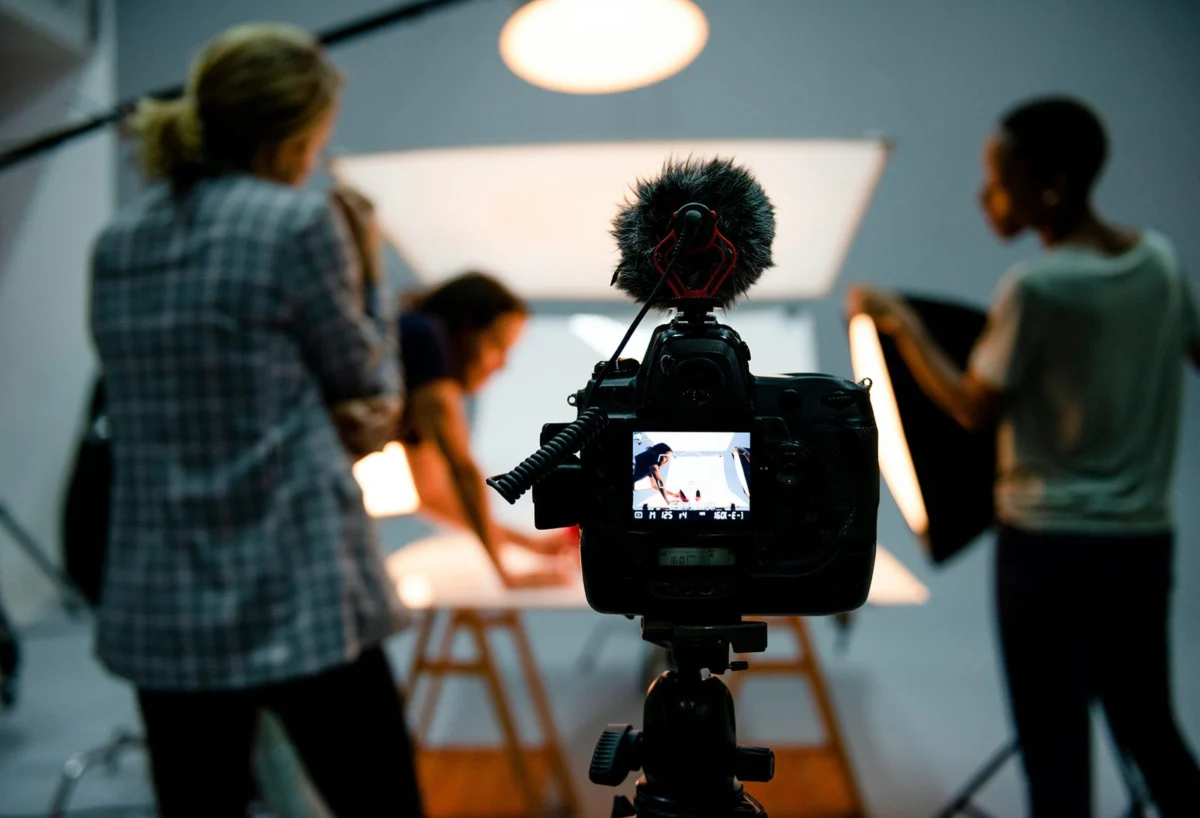
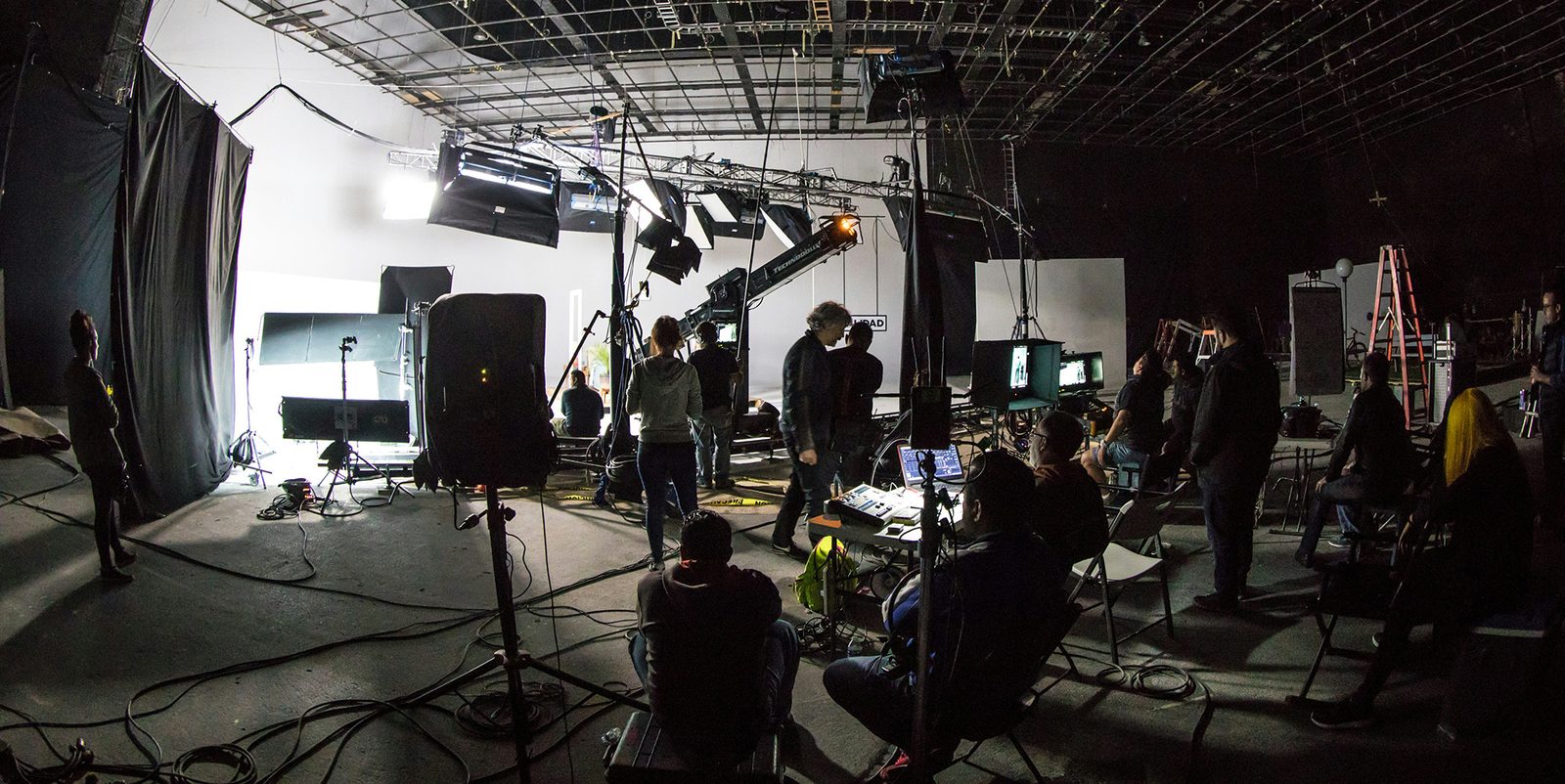
One of the most immediate realities encountered upon arrival at a professional set is its profound variability. Unlike standardized corporate offices, production environments are as diverse as the creative projects they host. Commercial sets can range dramatically in scale and sophistication, from a modest 200-square-foot pop-up studio nestled within an unassuming strip mall to multi-million dollar sound stages equipped with an extensive array of grip equipment, lighting, and advanced camera systems imaginable. While preliminary indicators, such as location briefings or equipment lists, often provide a glimpse into the expected setup, it is crucial to acknowledge that no universal standard governs professional studios or production houses. This inherent lack of uniformity necessitates a flexible mindset and robust adaptability from all crew members.
The global photography and videography services market, projected to continue its growth trajectory, underscores the increasing demand for high-quality visual content across various sectors, including advertising, e-commerce, corporate branding, and entertainment. This expansion fuels the creation of diverse production environments, each tailored to specific client needs and creative visions. For instance, a small product shoot for an e-commerce brand might require only a compact studio and minimal crew, emphasizing efficiency and cost-effectiveness. In contrast, a major advertising campaign involving complex set designs, multiple talent, and specialized effects will demand a large-scale sound stage, extensive rigging, and a sizable, highly specialized crew. Understanding this spectrum is fundamental to preparing for the logistical and creative challenges that each unique setting presents. The ability to quickly assess and adapt to the physical and technical parameters of a given set is a hallmark of an experienced professional, highlighting the importance of not just technical skill but also environmental awareness.
Strategic Preparedness: Mitigating the Unforeseen
The adage "expect the unexpected" serves as a foundational principle on any professional set, particularly when it pertains to equipment and technical readiness. Seasoned professionals consistently advocate for bringing comprehensive backups of all critical gear, acknowledging that even the most meticulously maintained equipment can fail. Cameras can malfunction, flash tubes can burn out, and power supplies can unexpectedly falter. As Murphy’s Law often dictates, such incidents frequently occur at the most inopportune moments, often when numerous stakeholders are observing, awaiting the successful execution of the day’s objectives. Industry data suggests that equipment failure can lead to significant production delays, with larger commercial shoots potentially incurring tens of thousands of dollars in additional costs per day due to downtime.
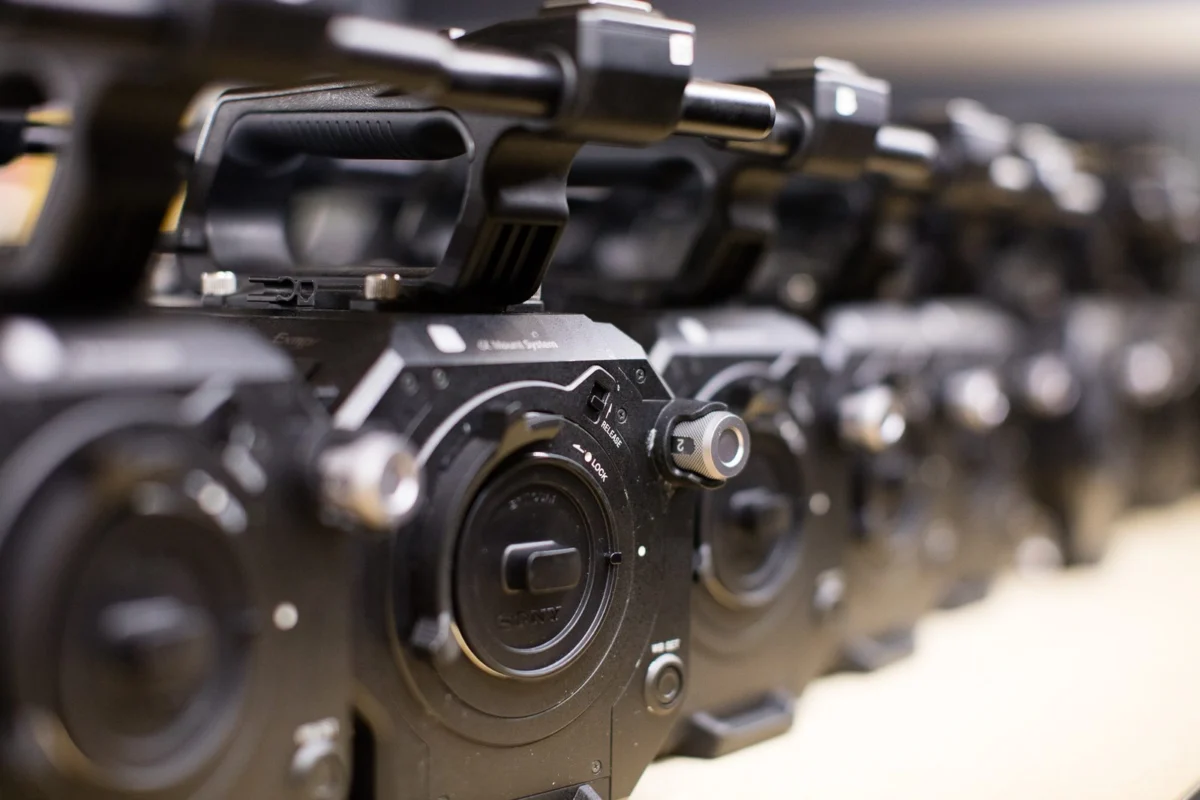
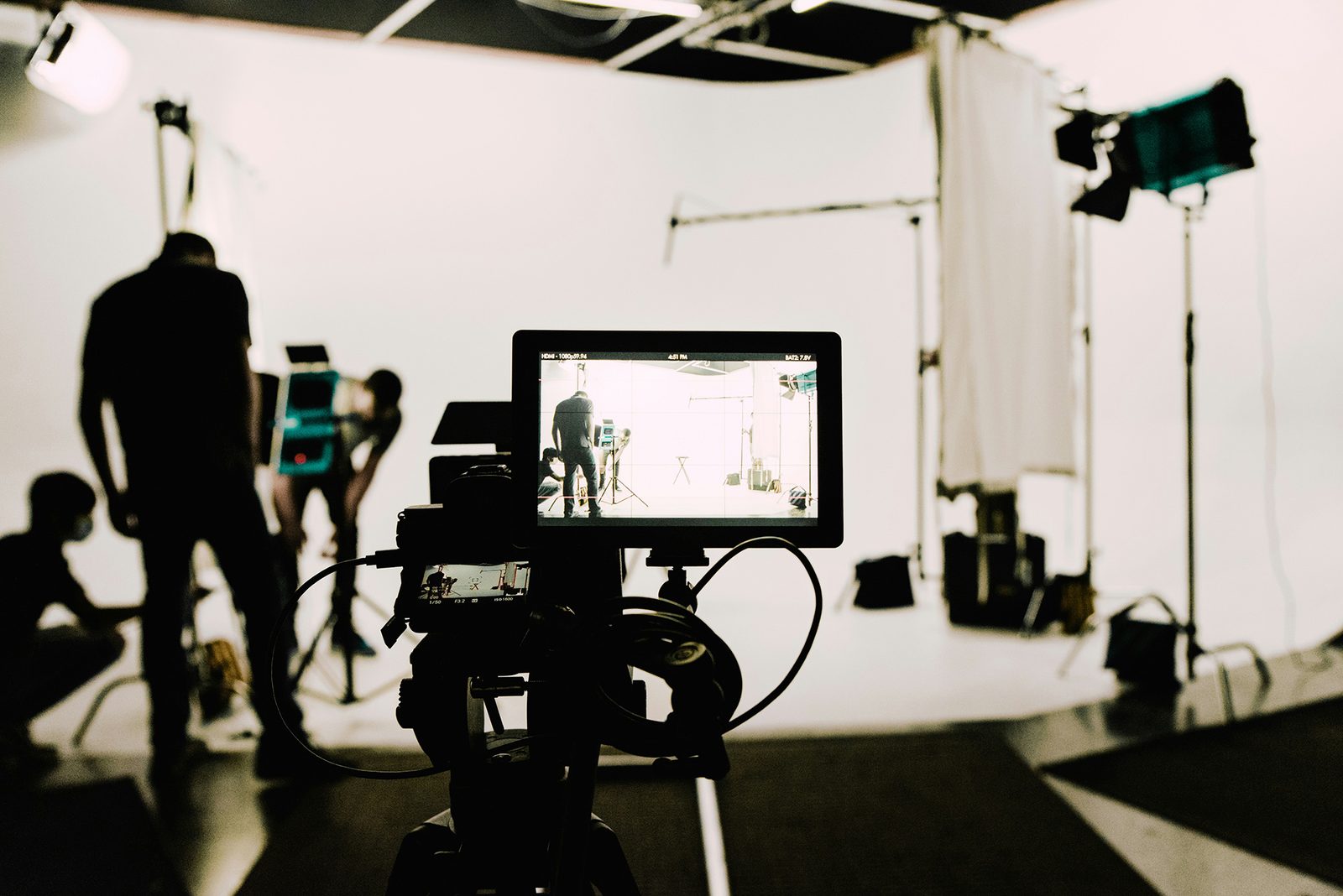
When a commercial project is underway, production teams typically request a detailed gear list, which may be supplied by the photographer/videographer or by the production house itself. If providing one’s own equipment, maintaining a full complement of backups – including wireless triggers, strobes, camera bodies, lenses, and an ample supply of batteries and memory cards – is a non-negotiable practice. These contingency items, often consolidated in a dedicated grip bag, serve as an essential insurance policy against technical glitches.
In scenarios where production provides the gear, proactive communication with the grip house or rental facility is paramount. It is prudent to inquire about available replacements should a primary piece of equipment prove unavailable or non-functional on the day of the shoot. It is not uncommon for specific requests, such as a particular size of Octobox, to be unfulfilled due to unforeseen inventory issues. To mitigate potential delays, creating an itinerary of optional replacements or acceptable substitutes beforehand can significantly streamline the morning setup, ensuring that creative objectives remain achievable despite minor equipment deviations. This meticulous approach to planning and backup strategy is widely regarded as a best practice, reflecting a professional’s commitment to reliability and efficient problem-solving.
Cultivating a Productive Set Atmosphere: Leadership and Attitude
The psychological atmosphere on a professional set is frequently dictated by the leadership, particularly creative directors and project managers. The palpable duality between a high-stress environment, characterized by intense pressure from a demanding creative director struggling with schedule adherence, and a relaxed, collaborative space akin to working among peers, vividly illustrates this principle. Psychological studies on team dynamics consistently show that leadership attitude profoundly impacts team morale, productivity, and overall job satisfaction. A tense marketing team or an anxious creative director can quickly permeate the entire room with stress, hindering creativity and communication. Conversely, a composed and confident leader can effectively ease tension, fostering an environment conducive to collaborative problem-solving and creative output.
While the primary objective on any production is to meet the day’s goals and deliver the required visual assets, this pursuit does not preclude the cultivation of a positive and engaging work environment. Professionals are often called upon to extend beyond their core responsibilities, taking on tasks that may not strictly fall within their defined roles. Approaching these additional duties with a positive attitude, willingness, and kindness tends to project a constructive energy throughout the entire room. This not only facilitates smoother operations but also significantly contributes to building a friendly and enjoyable workspace. Beyond the immediate benefits of a harmonious set, such professionalism and collegiality are frequently noted by producers and creative directors, making individuals who demonstrate these qualities far more likely to be rehired for subsequent projects. Developing a reputation for not only technical prowess but also for being a positive and adaptable team player is a critical component of long-term career success in the competitive visual production industry.
Navigating the Fluidity of Production Schedules and Shot Lists
In the realm of commercial photography and videography, pre-production planning typically culminates in the delivery of a comprehensive creative deck and shot list. These documents, often in PDF format, detail every image or video sequence required, accompanied by specific style guidelines and a tightly structured shooting schedule. While these are essential tools, experienced professionals understand that such documents are inherently fluid, serving more as a guiding framework than an immutable blueprint.
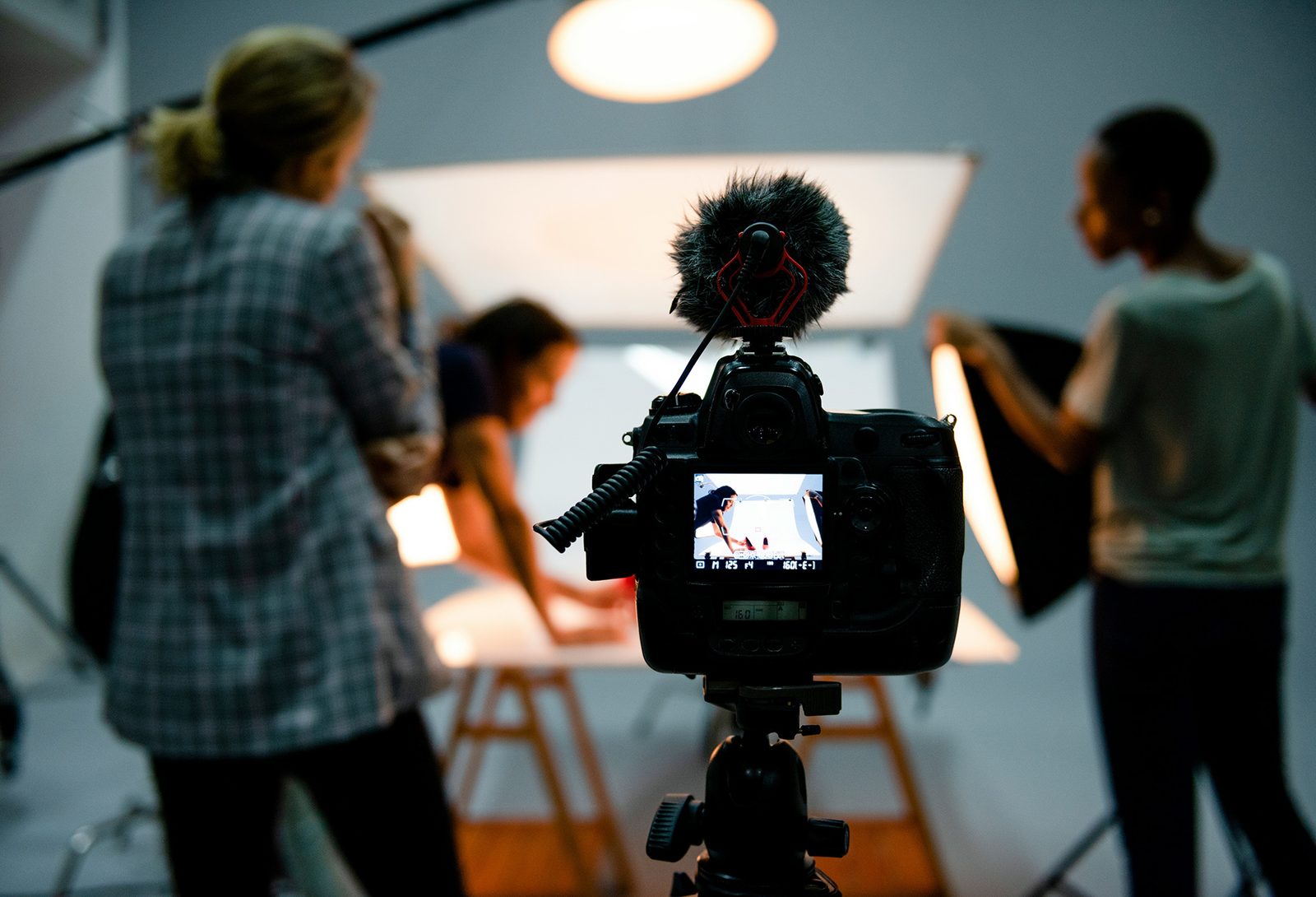
Upon receiving a shot list, a critical initial step involves reviewing and, if necessary, reorganizing it into a more streamlined and logically efficient sequence. For instance, it is generally inefficient to alternate between product still life photography in the morning, lifestyle portraits midday, and then revert to product shots in the afternoon. A more effective approach involves grouping similar setups or lighting requirements, minimizing the need for extensive reconfigurations and maximizing shooting time. This strategic reorganization can significantly enhance operational efficiency, particularly given that the time allocated for setups and breakdowns is often underestimated by those less familiar with the practicalities of a production set.
Furthermore, schedules are almost never adhered to precisely throughout the entire day. Unforeseen creative iterations, talent availability issues, or technical challenges frequently necessitate adjustments. Rarely does a set run exactly on time; being ahead of schedule or, more commonly, slightly behind, is a normal occurrence. This inherent fluidity should not be a source of undue stress unless delays become excessively prolonged, spanning several hours. The adaptive nature of production schedules is a direct consequence of the creative process itself, which often requires iterative adjustments and on-the-spot problem-solving. Project management methodologies in creative industries frequently incorporate agile principles, acknowledging that inherent unpredictability requires flexibility. Therefore, maintaining a calm, adaptable demeanor and focusing on effective problem-solving rather than rigid adherence to a schedule is crucial for a successful shoot.
The Rhythmic Pulse of Production: Periods of Stasis and Intense Activity
The operational rhythm of a professional set is distinct, often characterized by prolonged periods of apparent stasis punctuated by bursts of intense, rapid activity. Professionals might find themselves working strenuously for hours, carrying heavy equipment, walking thousands of steps, and capturing an exhaustive volume of images. Yet, on the very same day, there can be significant downtime, where crew members are waiting for the next setup to be completed, for talent to be styled, or for creative teams to finalize decisions. Setting up complex photography or videography equipment inherently requires time, and creative teams frequently engage in impromptu meetings to refine artistic goals, leading to moments where crew members may find themselves momentarily idle, even when the overall schedule is behind.
However, these periods of relative calm are invariably followed by a rapid acceleration of activity. Suddenly, the pace shifts dramatically, and the team finds itself "speedrunning" through a creative deck, capturing a multitude of images or sequences as quickly and efficiently as possible. This "slowly, then all at once" dynamic is a fundamental aspect of how production sets operate. It reflects the intricate coordination required and the inherent delays in a multi-faceted creative process.
Understanding this rhythm is key to managing energy and expectations. It is important not to succumb to stress during moments when things appear to be moving at a snail’s pace, especially if it seems counterintuitive to a busy day’s agenda. These lulls are often necessary for critical preparatory work or creative alignment. Before long, the pace will inevitably pick up again, and the brief downtime that once felt unusual will be missed as the team races against the clock. Effectively managing these shifts in tempo – utilizing downtime for brief rests, hydration, or reviewing upcoming shots, and then being prepared for immediate, intense work – is a skill honed over many productions.
Broader Implications for Career and Industry
The insights gleaned from navigating the professional set environment extend far beyond individual shoot days, bearing significant implications for career longevity and the broader creative industry. Mastering adaptability, technical preparedness, and interpersonal dynamics are not merely suggestions but foundational pillars for sustained success in a highly competitive field. Professionals who consistently demonstrate these attributes build a robust reputation, which is paramount for securing repeat business and fostering long-term client relationships. Client satisfaction, the ultimate metric of a successful production, is directly influenced by the efficiency, professionalism, and positive atmosphere cultivated on set. Delays, technical failures, or interpersonal conflicts can not only jeopardize a single project but also damage a production company’s standing and an individual’s career prospects.
As the demand for visual content continues to evolve with technological advancements – from virtual production techniques to sophisticated AI-driven post-production tools – the core principles of set etiquette, preparedness, and collaborative spirit remain timeless. The ability to integrate new technologies while upholding these fundamental professional standards will define the next generation of successful visual content creators. Ultimately, a deep understanding of these operational nuances ensures not only the successful execution of immediate projects but also contributes to the individual’s professional growth and the overall health and innovation of the photography and videography industry.