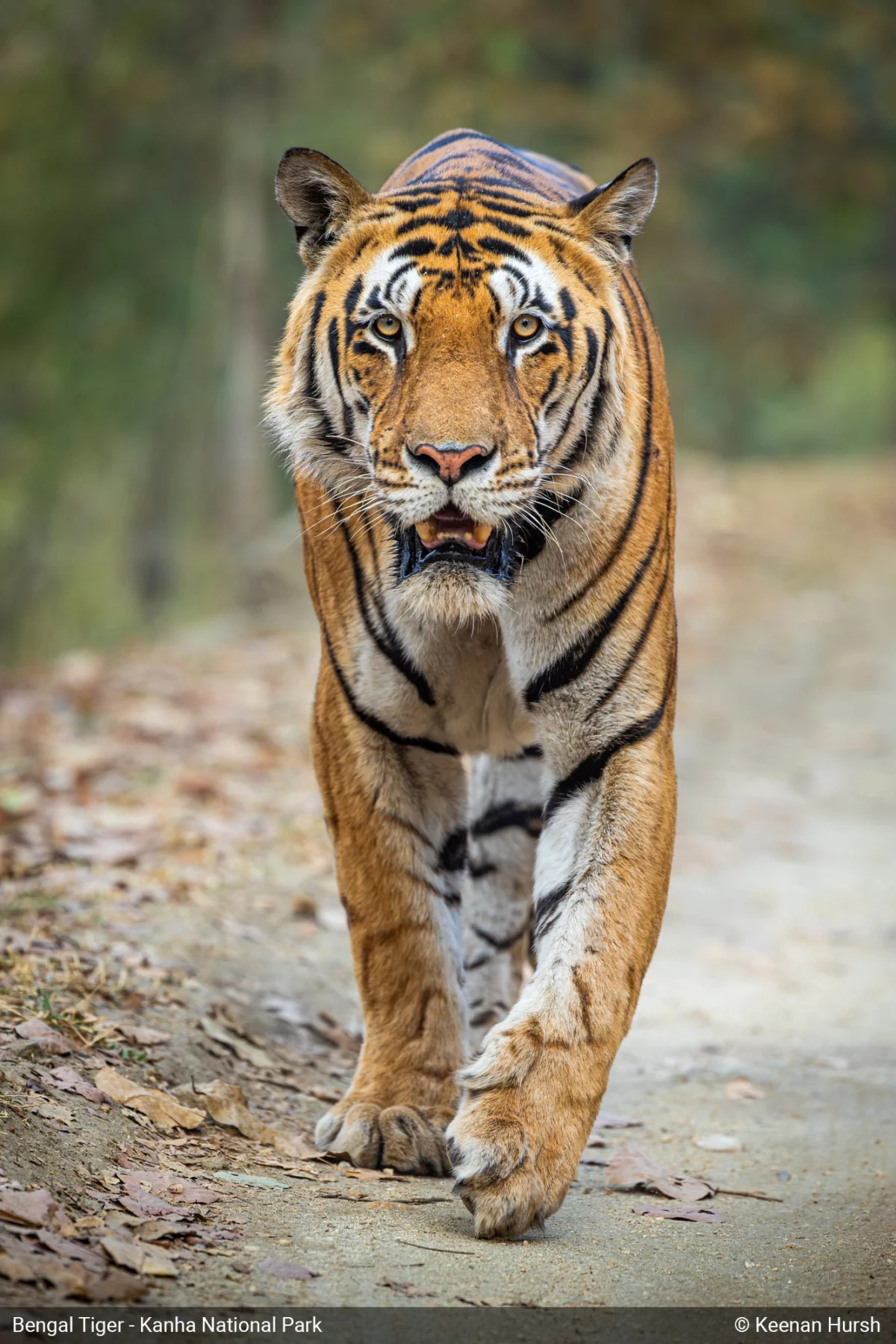
Wildlife photography, a pursuit blending artistic vision with technical precision, continues to be transformed by rapid advancements in camera technology. This evolution has made the capture of previously elusive moments more achievable, offering photographers unprecedented capabilities in challenging environments. Professional nature and wildlife photographer Keenan Hursh recently conducted an extensive real-world comparison between the Canon EOS R5 and its successor, the Canon EOS R5 Mark II, during an immersive wildlife photography workshop in India. This in-depth field test, focusing on the demanding conditions of capturing Bengal tigers and other indigenous species, provides critical insights into the practical performance of these two prominent mirrorless camera bodies.
The Indian Expedition: A Crucible for Camera Performance
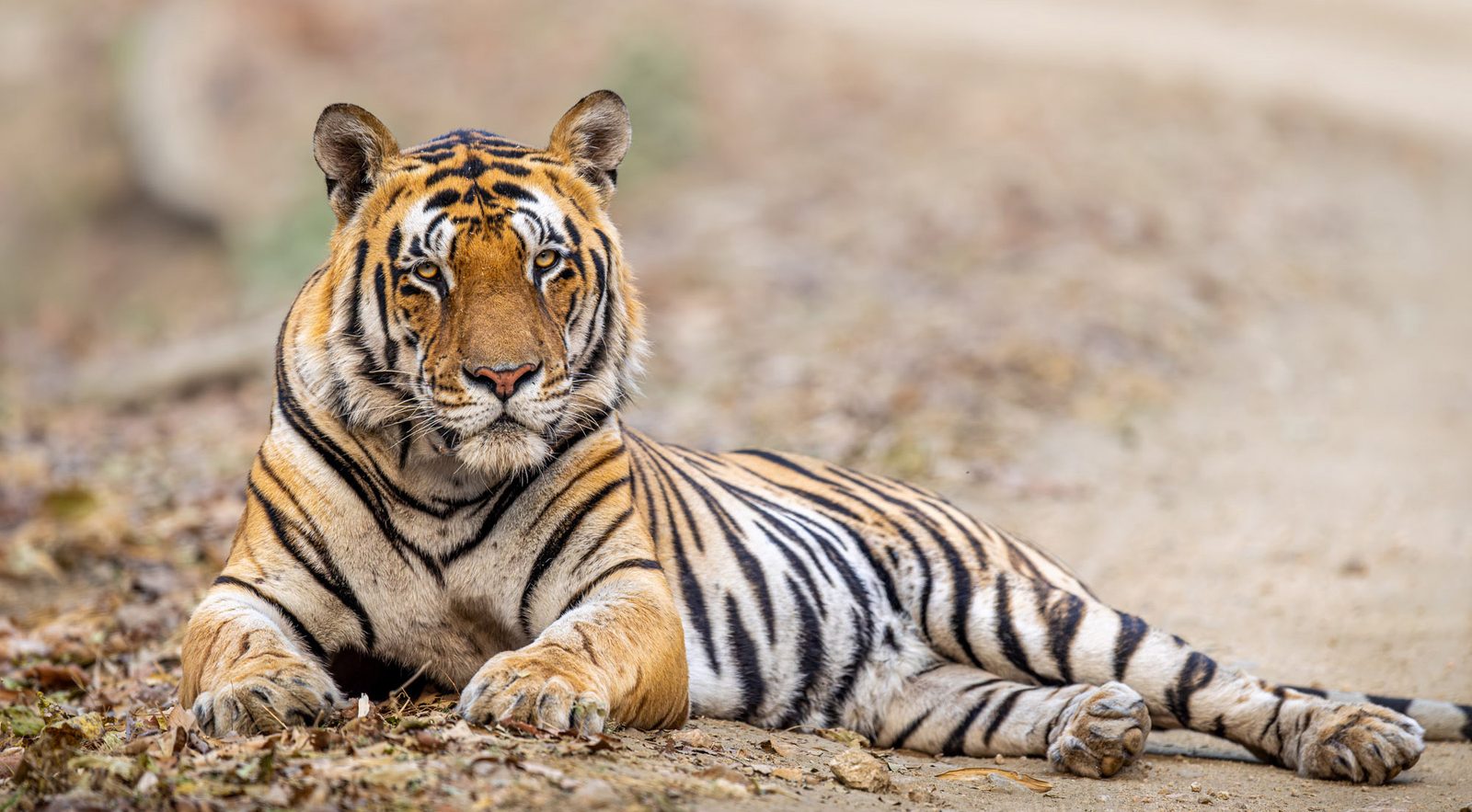
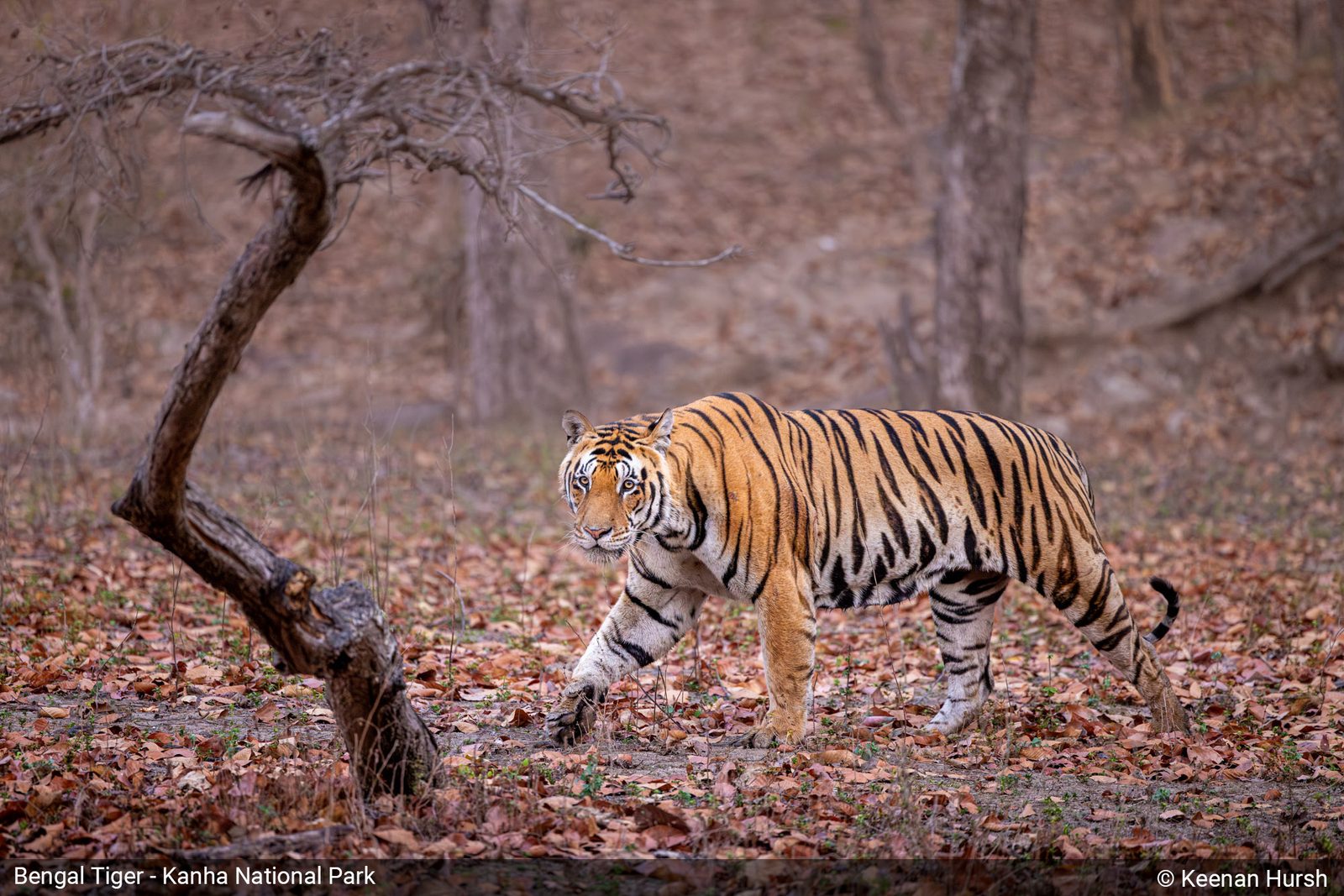
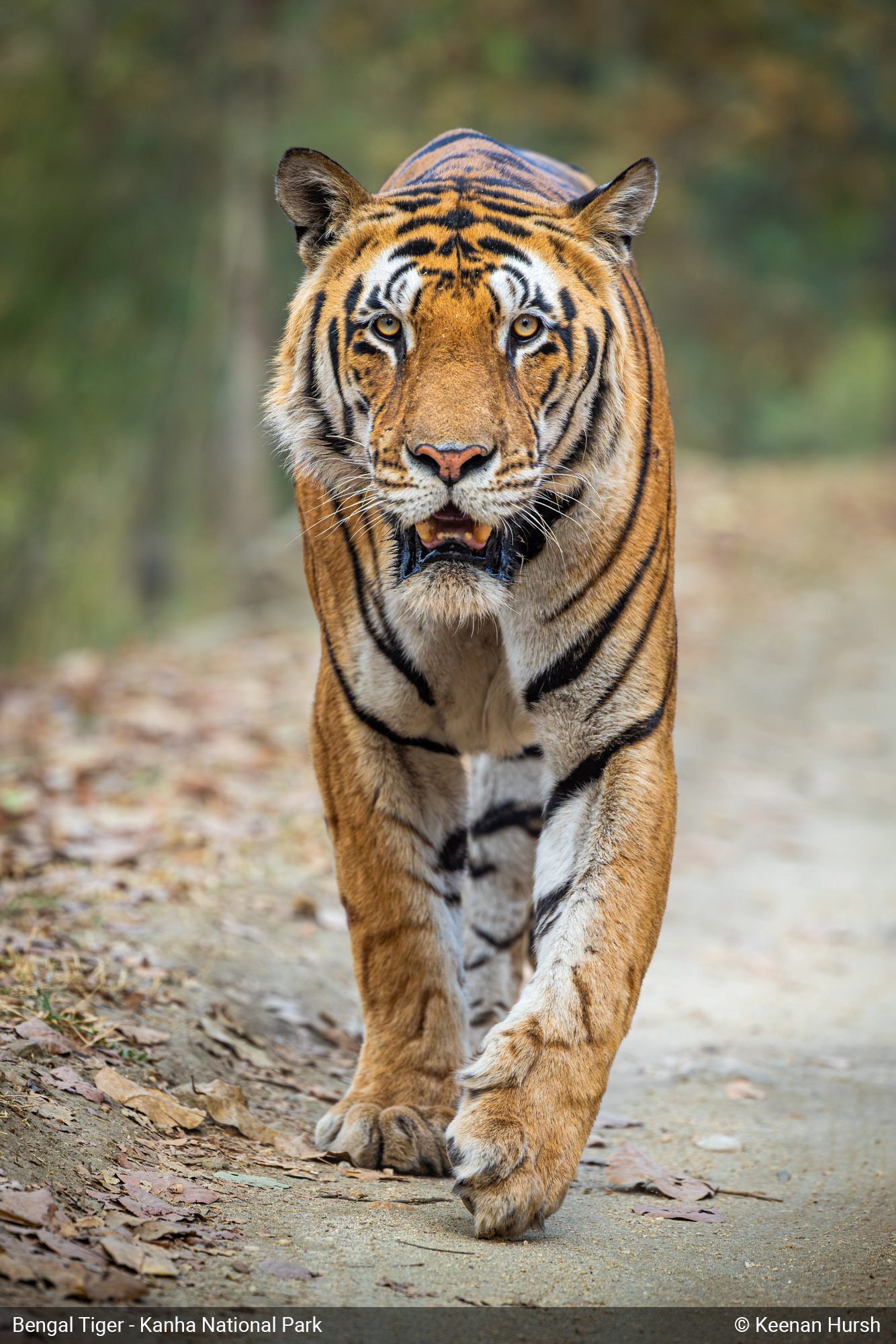
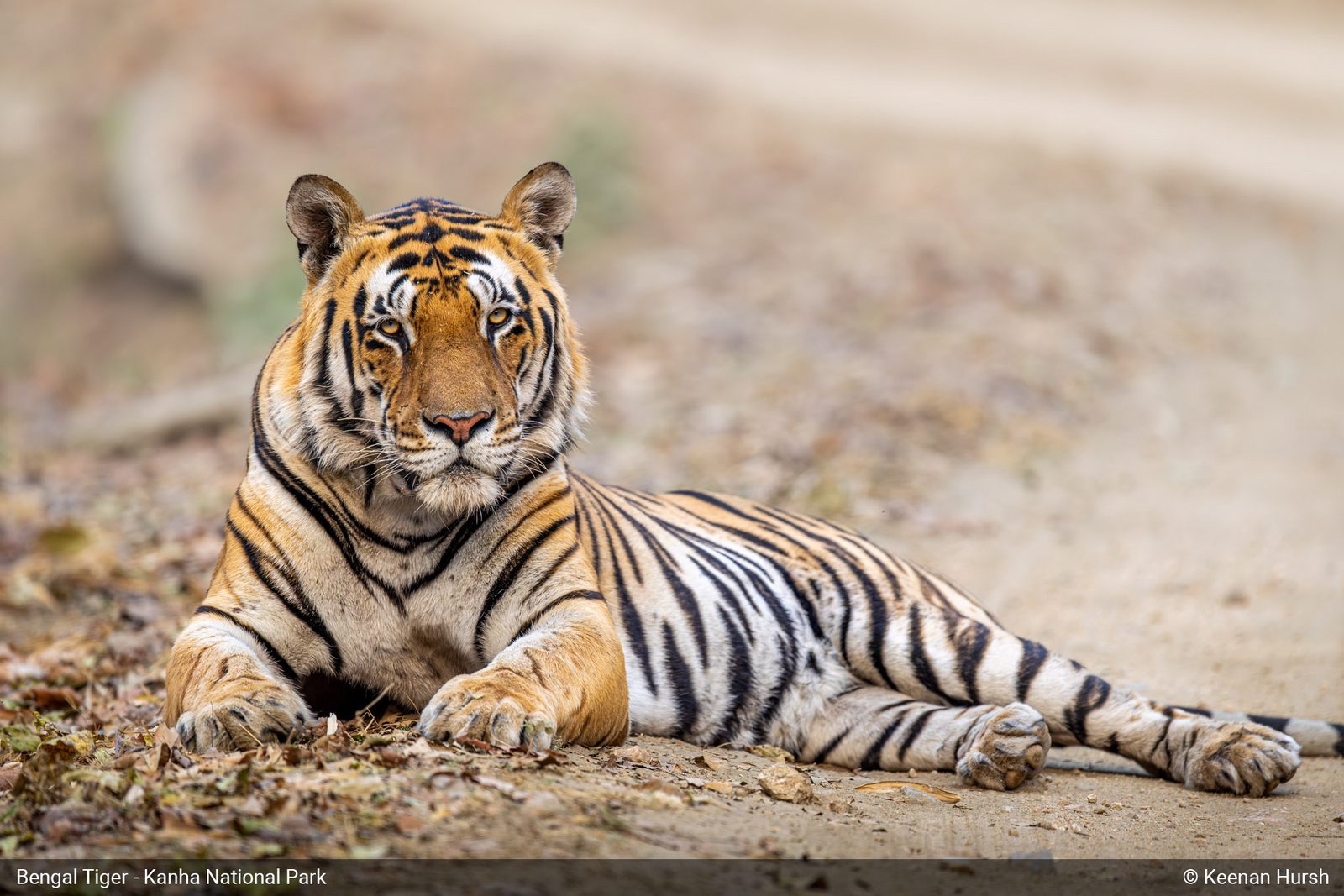
The context for this significant camera evaluation was a meticulously planned 10-day photography workshop led by Keenan Hursh for Backcountry Journeys. The expedition traversed two of India’s most celebrated tiger reserves: Bandhavgarh and Kanha National Parks, both located in the central Indian state of Madhya Pradesh. These parks are globally renowned for their robust Bengal tiger populations, offering unparalleled opportunities for observation and photography. Hursh, an experienced guide and photographer, designed the trip to maximize encounters with these magnificent predators and a diverse array of other novel wildlife species.
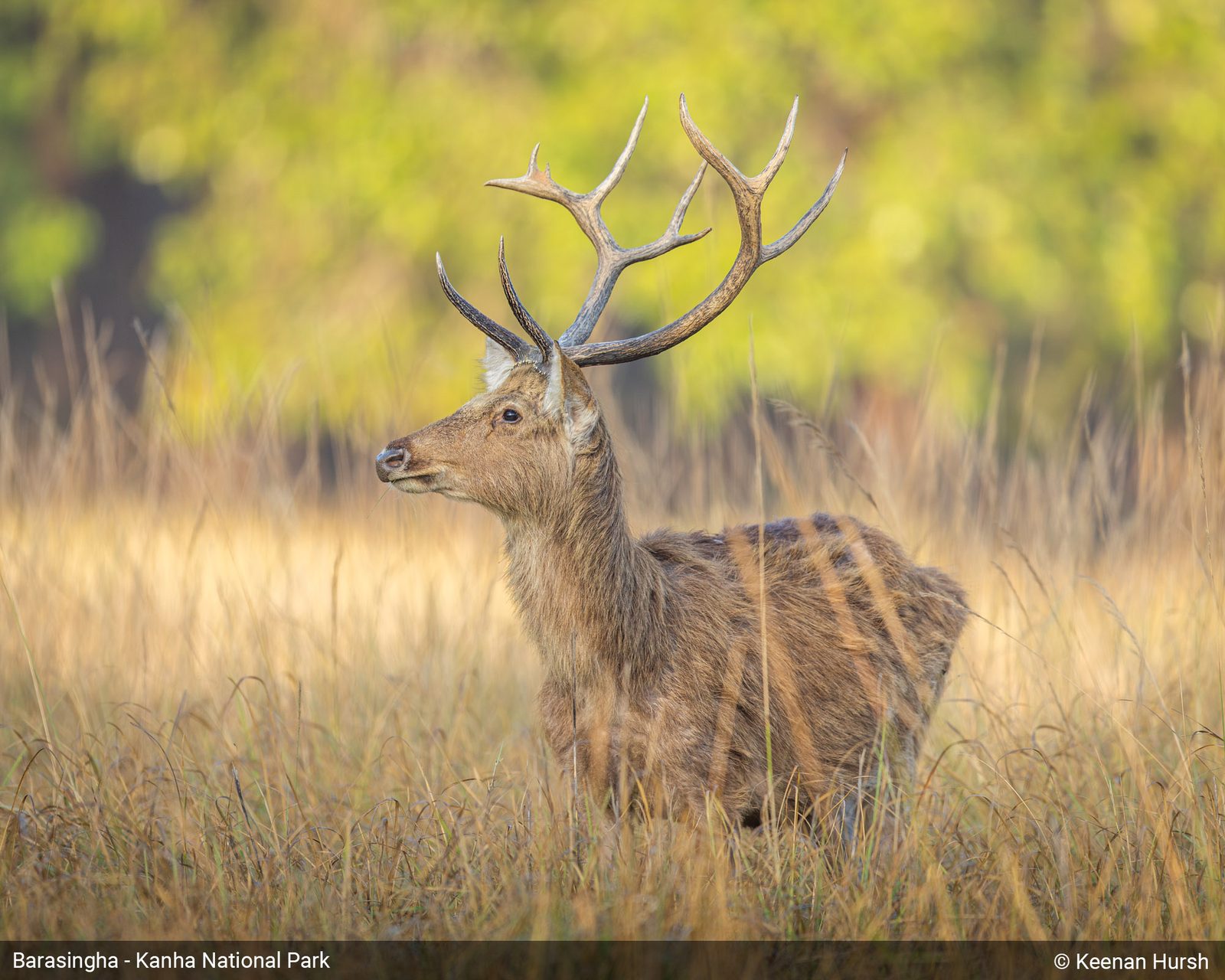
Bandhavgarh National Park, historically a hunting ground for maharajas, boasts one of the highest densities of Bengal tigers in the world. Its diverse terrain, ranging from dense forests to grasslands and rocky hills, provides varied backdrops for photography. Kanha National Park, often cited as the inspiration for Rudyard Kipling’s "The Jungle Book," is a larger and more expansive park, celebrated for its significant conservation efforts and a healthy population of tigers, leopards, and the rare hardground barasingha. The varying landscapes and light conditions within these parks — from early morning mist to harsh midday sun and low-light jungle interiors — presented an ideal testing ground for camera performance, particularly their autofocus capabilities and low-light sensitivity.
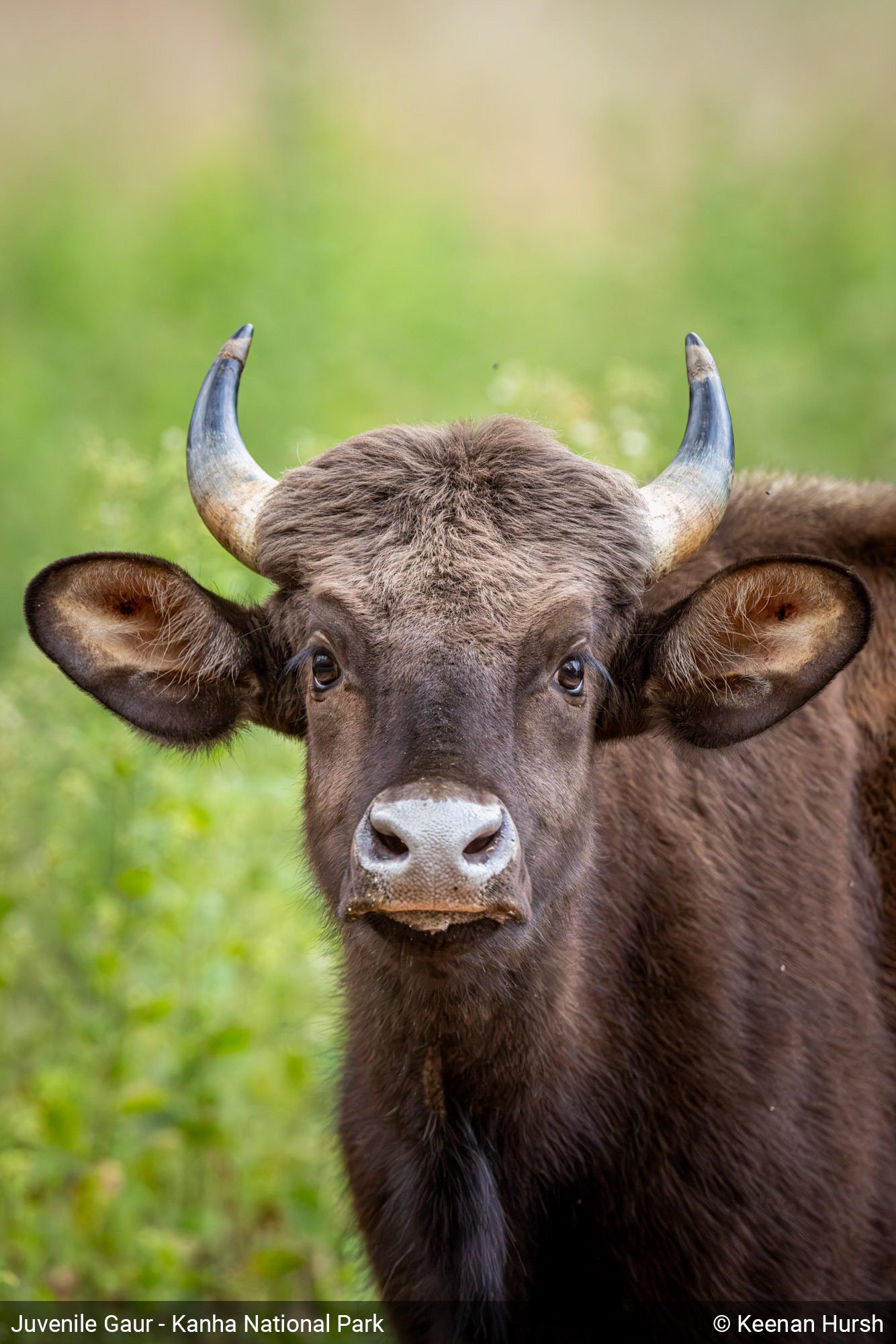
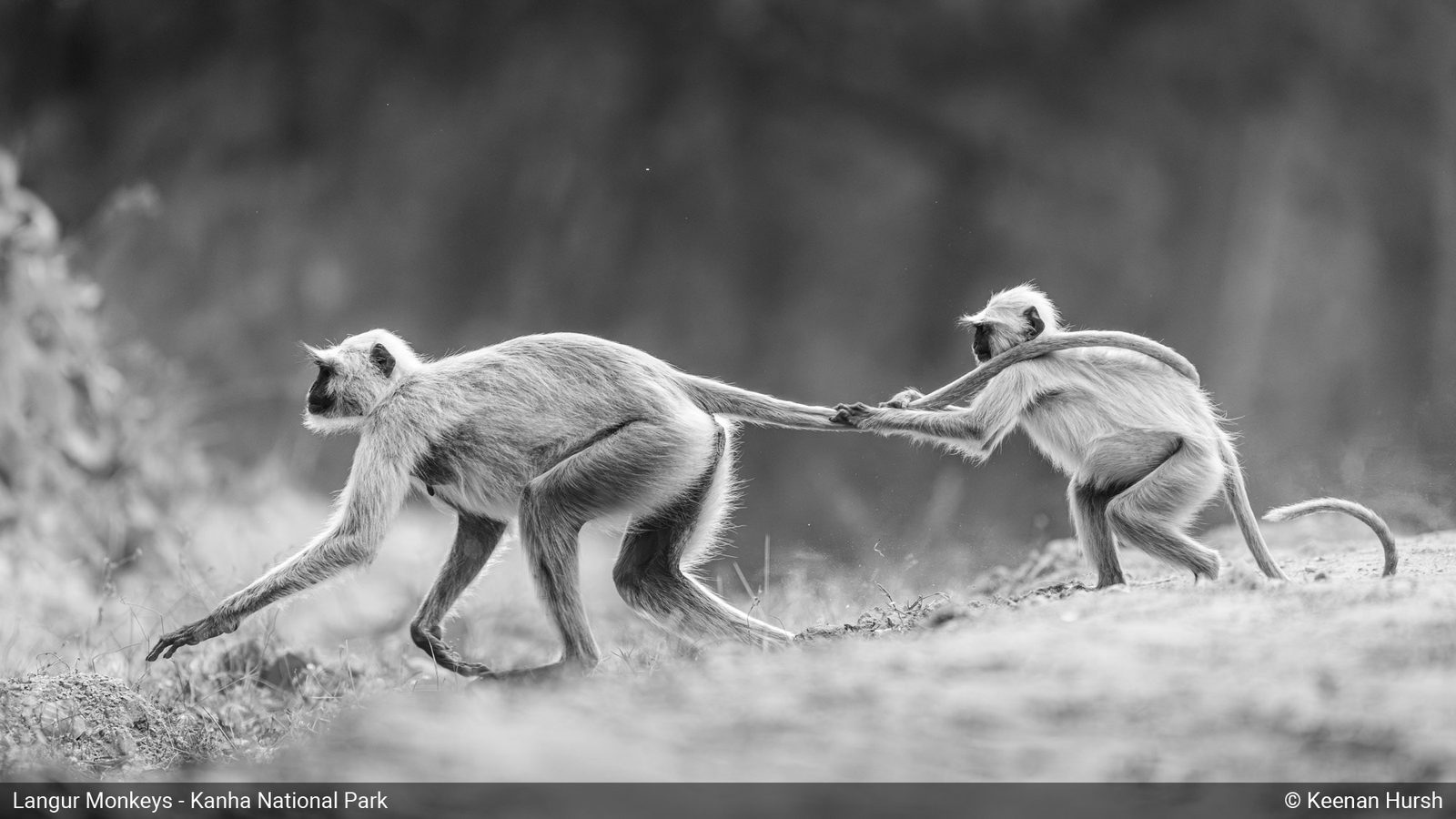
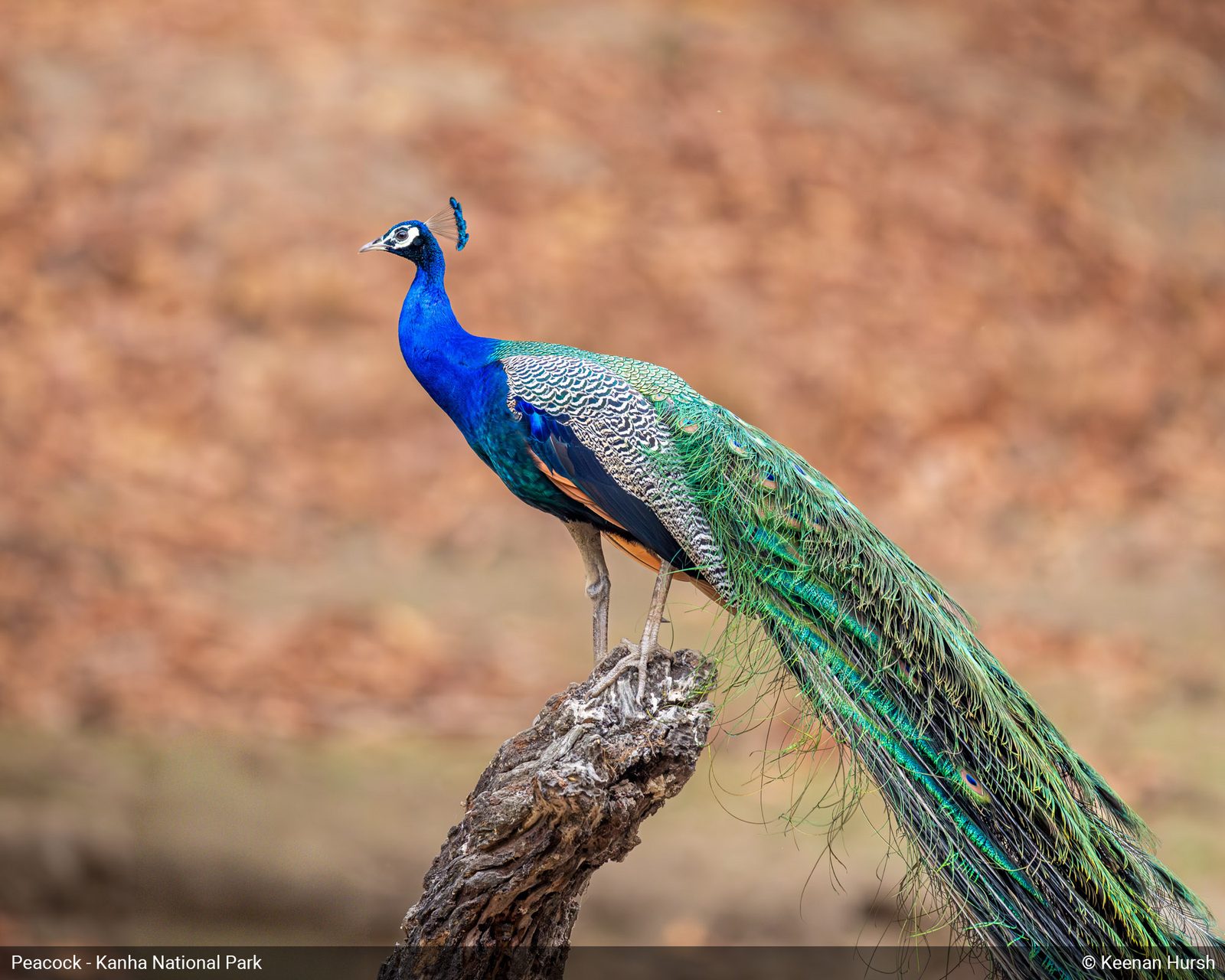
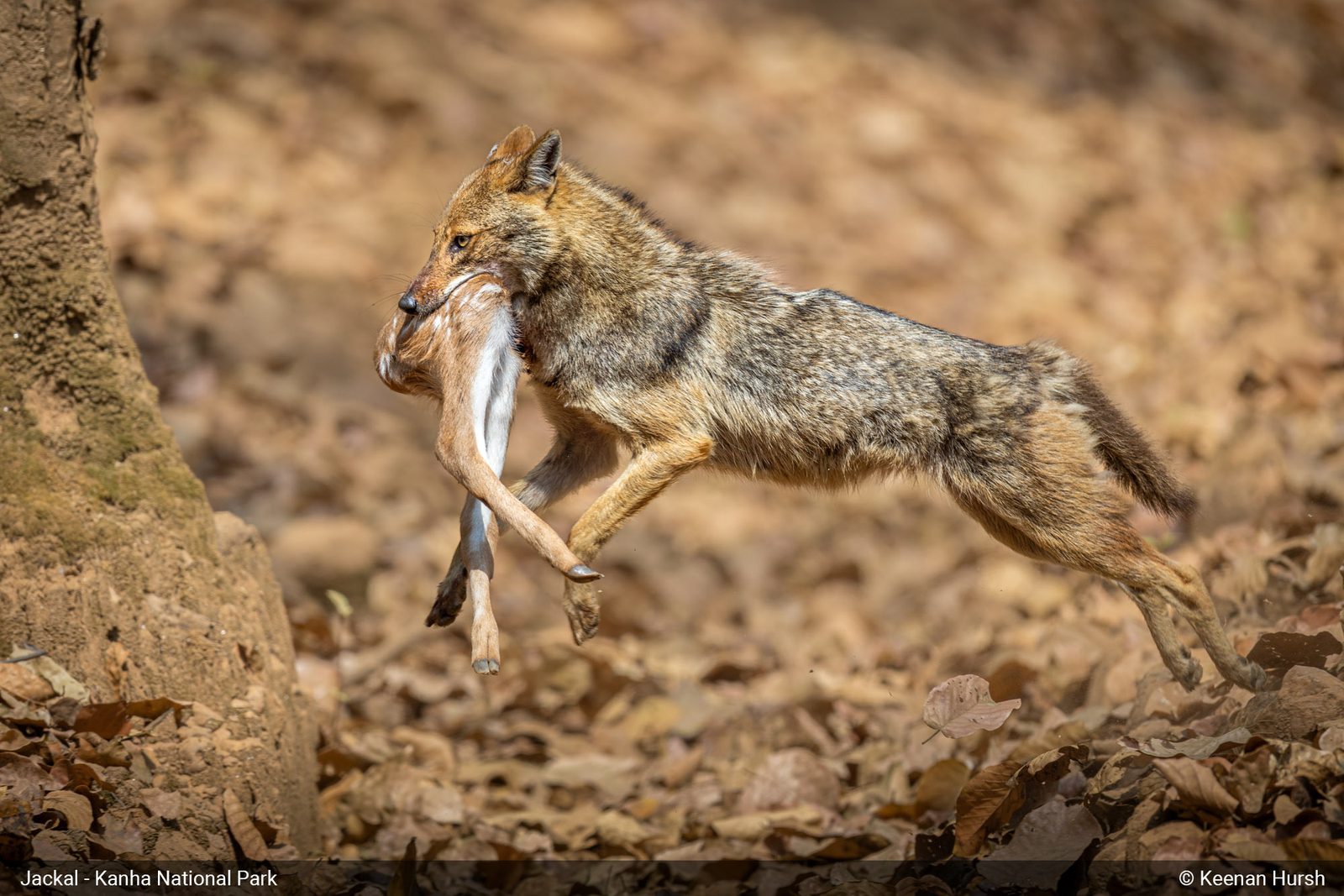
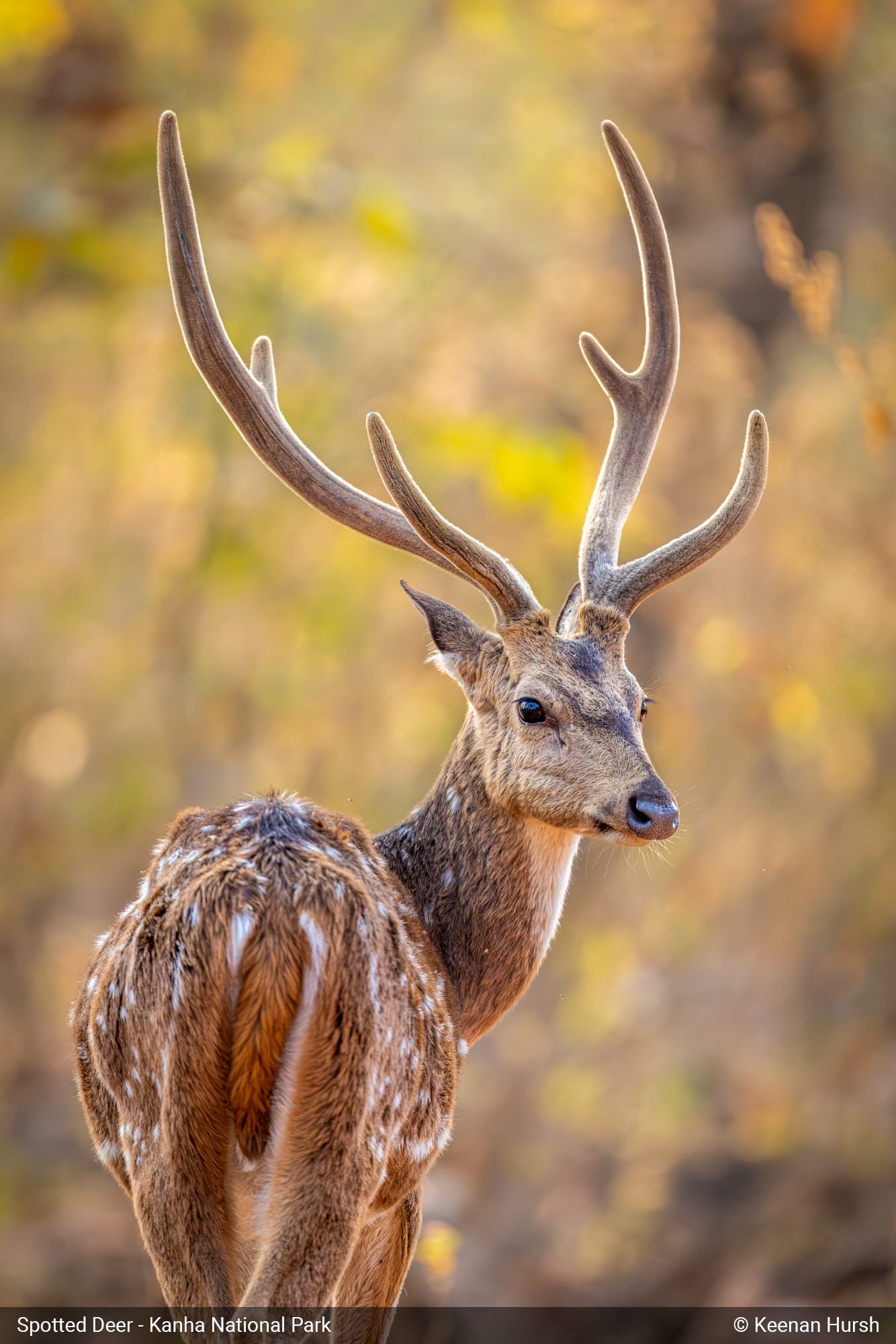
During the workshop, Hursh and his group recorded sightings of 15 individual tigers, alongside numerous other mammals and avian species, validating the parks’ reputation as prime wildlife destinations. These dynamic encounters, often fleeting and requiring rapid camera response, provided the perfect scenario for a rigorous side-by-side comparison of the Canon R5 and R5 Mark II. The inherent unpredictability of wildlife photography necessitates gear that can perform flawlessly under pressure, where factors like fast autofocus, high burst rates, and reliable low-light performance are paramount.
The Technological Leap: Mirrorless Cameras Redefine Wildlife Photography
The last decade has witnessed a paradigm shift in camera technology, particularly with the widespread adoption of mirrorless systems. For wildlife photographers, this transition from traditional DSLRs has been revolutionary. Key advancements such as significantly improved autofocusing systems, enhanced low-light performance, dramatically increased burst speeds, and innovative features like pre-capture have opened new creative avenues. Electronic viewfinders (EVFs) offer real-time exposure previews, while stacked sensors have addressed previous limitations, enabling higher frame rates and reduced rolling shutter effects. These technological strides have made it possible to capture images that were realistically unattainable just a few years ago.
The Canon EOS R5, released in 2020, represented a monumental leap for Canon into the professional mirrorless market, quickly becoming a favored tool for many wildlife photographers. Its combination of high resolution, fast shooting, and advanced autofocus set a new benchmark. The subsequent release of the Canon EOS R5 Mark II aimed to build upon this strong foundation, integrating even newer sensor technology and refining existing features. Hursh’s decision to compare these two cameras stemmed from his long-standing reliance on the original R5 bodies and a growing curiosity about whether the incremental upgrades in the Mark II justified an investment.
Canon EOS R5: A Proven Performer
Upon its release, the Canon EOS R5 quickly established itself as a formidable camera for a wide range of photographic disciplines, especially wildlife. Equipped with a 45-megapixel full-frame CMOS sensor, it delivered exceptional image quality with impressive detail and dynamic range. Its autofocus system, Canon’s Dual Pixel CMOS AF II, featured 1,053 automatic AF zones and offered reliable subject tracking, including sophisticated animal eye detection. For action photography, the R5 provided a maximum electronic shutter burst rate of 20 frames per second (fps) and a mechanical shutter rate of 12 fps. Its in-body image stabilization (IBIS) system, offering up to 8 stops of correction with compatible lenses, was also a significant advantage for handheld shooting in variable conditions.
Hursh, having owned two R5 bodies for several years, lauded their consistent performance across diverse environments—from extreme temperatures to varied humidity levels—and for various subjects, from fast-moving wildlife to long-exposure astrophotography. He highlighted its robust build quality, effective weather sealing, and generally excellent performance as a professional-grade tool.
However, extensive field use also revealed minor areas for improvement. The R5’s method of switching between photo and video modes was often described as cumbersome, potentially causing missed opportunities in rapidly evolving wildlife scenarios. Furthermore, when utilizing the electronic shutter, the camera lacked auditory feedback, providing only subtle screen flickering as an indicator of image capture. The electronic viewfinder also experienced brief blackouts during high-speed continuous shooting, interrupting the photographer’s continuous view of the subject—a critical aspect in tracking unpredictable animals. While the autofocus was generally effective, Hursh observed instances where it could be "jumpy" or occasionally struggled to accurately identify and lock onto subjects or eyes, leaving room for refinement. Despite these minor criticisms, the R5’s overall capabilities made it an outstanding camera for its time, maintaining its relevance even years after its introduction.
Canon EOS R5 Mark II: The Refined Evolution
The Canon EOS R5 Mark II, while maintaining the same 45-megapixel resolution as its predecessor, incorporates several significant internal enhancements designed to elevate performance, particularly in demanding fields like wildlife and sports photography. The most notable upgrade is its brand-new stacked CMOS sensor. This architectural change brings about a cascade of benefits, especially when using the electronic shutter, which is favored by wildlife photographers for its silence and speed.
During his week-long testing in India, Hursh reported being "very impressed" with the R5 Mark II, describing it as "great plus" and "arguably even exceptional." He noted immediate and noticeable improvements in key aspects of the shooting experience.
Key Enhancements and Field Observations:
-
Autofocus System: This was identified as the "biggest, most noticeable, and most appreciated upgrade." The R5 Mark II’s autofocus is considerably faster, more accurate, and more reliable. Its enhanced AI-assisted subject and eye detection capabilities allowed it to acquire and maintain focus on subjects with greater tenacity, even allowing photographers to seamlessly switch between multiple identified targets. The "jumps" and inconsistencies observed in the original R5 were significantly mitigated, providing a smoother and more confident tracking experience. This superior AF performance is crucial for capturing sharp images of erratic wildlife movements.
-
Stacked Sensor Benefits: The new stacked sensor unlocks several performance boosts for electronic shutter operation:
- Increased Burst Speed: The R5 Mark II achieves an impressive 30 frames per second (fps) with the electronic shutter, a substantial increase over the R5’s 20 fps. This higher frame rate dramatically improves the chances of capturing the decisive moment in fast-paced action sequences.
- 14-bit RAW Files: Unlike the R5, which compressed electronic shutter RAW files to 12-bit, the Mark II maintains 14-bit RAW quality at its highest burst speeds. This preserves more tonal information and dynamic range, offering greater flexibility in post-processing.
- Blackout-Free EVF: The EVF now offers a continuous, blackout-free viewing experience during high-speed shooting. This eliminates the momentary interruptions that plagued the R5, allowing photographers to maintain constant visual contact with their subjects, a critical advantage for tracking unpredictable animals.
- Reduced Rolling Shutter: The stacked sensor architecture inherently reduces rolling shutter distortion, which can be an issue with fast-moving subjects when using an electronic shutter.
-
Pre-Capture Feature: A significant addition, pre-capture functionality allows the camera to buffer images before the shutter button is fully pressed. Hursh initially underestimated its utility but found it to be an "absolute game-changer" for specific scenarios, such as capturing small birds taking flight. This feature enables photographers to secure moments that would otherwise be impossible to time perfectly, ensuring critical action shots are not missed.
-
Enhanced User Experience: The R5 Mark II introduces a dedicated photo/video mode switch, a thoughtful design improvement that addresses a common complaint about the original R5’s cumbersome mode selection. For photographers who frequently alternate between stills and video, this feature streamlines workflow. Additionally, the option to enable an audible shutter sound for the electronic shutter addresses the silent operation annoyance of the R5, providing satisfying feedback during capture.
Despite these significant advancements, the R5 Mark II is not without its minor drawbacks. The most prominent issue for existing R5 users is the requirement for new batteries to access all of the camera’s capabilities. While the camera can use older LP-E6N batteries, full performance, especially for video, often necessitates the newer LP-E6NH cells. This forces existing users to invest in a new battery ecosystem, a practical inconvenience. Hursh also noted a "very small and marginal issue" of slightly worse low-light performance, with the Mark II introducing "just a tiny bit more noise at respective ISO values" compared to the original R5. This is a common trade-off with stacked sensors, where speed often comes at a marginal cost to ultimate low-light fidelity, though Hursh deemed it a "small price that it’s worth paying."
Comparative Analysis: Choosing the Right Tool
The field comparison in India unequivocally demonstrated that the Canon EOS R5 Mark II is a superior camera, particularly for wildlife photography. While the margin of improvement over the R5 is not "exponential," the cumulative effect of its enhancements—especially in autofocus, burst speed with full RAW fidelity, and the blackout-free EVF—translates into a significantly more effective tool for capturing dynamic wildlife.
For professional wildlife and sports photographers, or enthusiasts who prioritize capturing fast-moving subjects and are not constrained by budget, the R5 Mark II presents a compelling upgrade or purchase. Its ability to acquire and track subjects with greater precision, coupled with the higher burst rate and the revolutionary pre-capture feature, provides a tangible advantage in a field where milliseconds can define success or failure. The enhanced user experience, including the dedicated mode switch and configurable shutter sound, further refines the shooting process.
Conversely, for photographers whose primary focus lies in landscape, portrait, or slower-paced photography, or for those operating within a tighter budget, the original Canon EOS R5 remains an exceptionally capable camera. With a current price point approximately $1,000 less than the Mark II, its 45-megapixel sensor, robust IBIS, and still-capable autofocus continue to deliver professional-grade results. For these users, the marginal improvements in AF or burst speed offered by the Mark II might not justify the additional investment, particularly given the battery incompatibility.
Broader Implications and Market Impact
The iterative improvements seen in the R5 Mark II reflect a broader trend in the camera industry: the relentless pursuit of speed, precision, and intelligent automation. The emphasis on advanced subject tracking, blackout-free shooting, and pre-capture capabilities indicates a clear response to the demands of action-oriented photographers. These advancements empower photographers to push creative boundaries, capturing moments that were previously left to chance or missed entirely.
Keenan Hursh’s real-world test underscores the importance of practical evaluation beyond spec sheets. His findings validate that while technological progress often involves nuanced trade-offs (like the marginal low-light difference for a stacked sensor), the overall gains in critical performance areas like autofocus and burst shooting are transformative for specialized fields like wildlife photography. For professionals like Hursh, who spend extensive time in the field, these incremental yet impactful improvements translate directly into higher success rates and more compelling imagery.
Final Thoughts
The expedition to Bandhavgarh and Kanha National Parks was not only a personal dream for Keenan Hursh but also a rigorous proving ground for Canon’s latest mirrorless technology. Both the Canon EOS R5 and R5 Mark II are high-performance cameras capable of delivering exceptional results. However, the R5 Mark II distinguishes itself with critical refinements that make a tangible difference in the demanding world of professional wildlife photography.
For those contemplating an upgrade or a new purchase, the decision hinges on specific photographic needs and budget. For the dedicated wildlife or sports photographer, the R5 Mark II’s superior autofocus, enhanced burst capabilities, and innovative features like pre-capture offer a compelling argument for investment. For others, the original R5 continues to be a highly capable and cost-effective solution. As Hursh advises, the most effective way to make an informed decision is to rent and experience these cameras firsthand in real-world shooting scenarios, aligning the technology with individual photographic aspirations.