The inherent contradiction of deploying a medium-format camera system, traditionally optimized for meticulous, high-fidelity image capture, in the frenetic, high-speed environment of a MotoGP race presents a unique challenge for professional photographers. While systems like the Fujifilm GFX series are celebrated for their unparalleled image quality, they are generally not engineered for the blistering frame rates and instantaneous autofocus tracking demanded by elite motorsport. This article delves into an experimental deployment of the Fujifilm GFX100S II at the Circuit of the Americas (COTA) during a MotoGP weekend, examining its performance against a benchmark of dedicated high-speed cameras and analyzing the strategic implications for photographic practice in dynamic settings.
The Ultimate Test: MotoGP’s Demands on Camera Technology
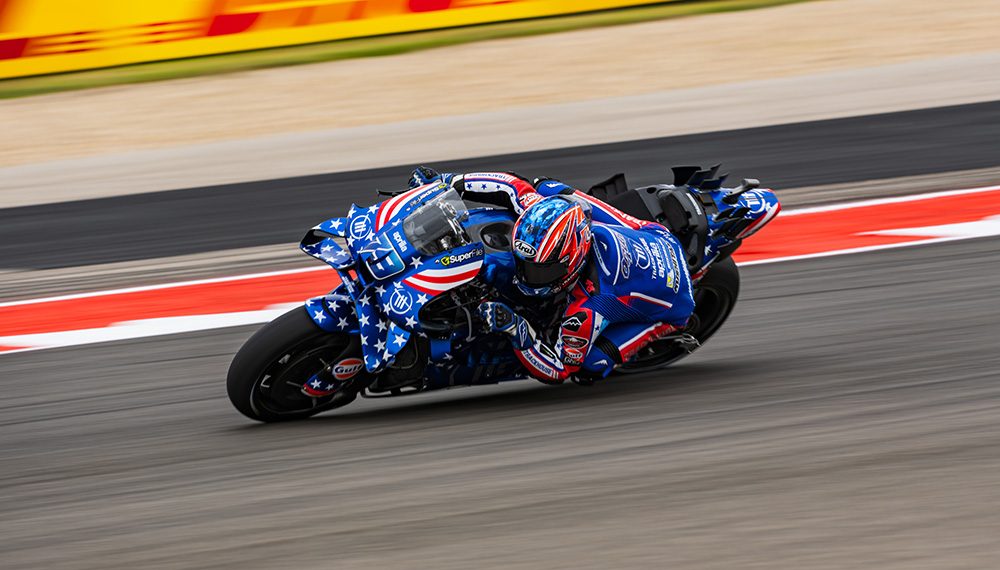
MotoGP, the pinnacle of motorcycle road racing, is a global spectacle defined by extreme speed, precision, and raw athleticism. Riders push their machines to over 350 km/h (217 mph), navigate complex turns with knee-dragging lean angles, and jockey for position in split-second maneuvers. Capturing these moments requires a camera system that can deliver rapid-fire bursts, tenacious autofocus capable of locking onto fast-moving subjects against varied backgrounds, and a buffer robust enough to sustain sequences without interruption. Photographers often operate under immense pressure, needing to anticipate action and react instantly to fleeting opportunities. The standard toolkit for motorsport photography typically comprises full-frame or APS-C cameras boasting high frame rates (15-30+ frames per second), advanced predictive autofocus, and deep buffers, often paired with long, fast telephoto lenses. The introduction of a medium-format system, prioritizing resolution and tonal depth over outright speed, fundamentally questions conventional wisdom in this specialized field.
Circuit of the Americas: A Home-Field Advantage
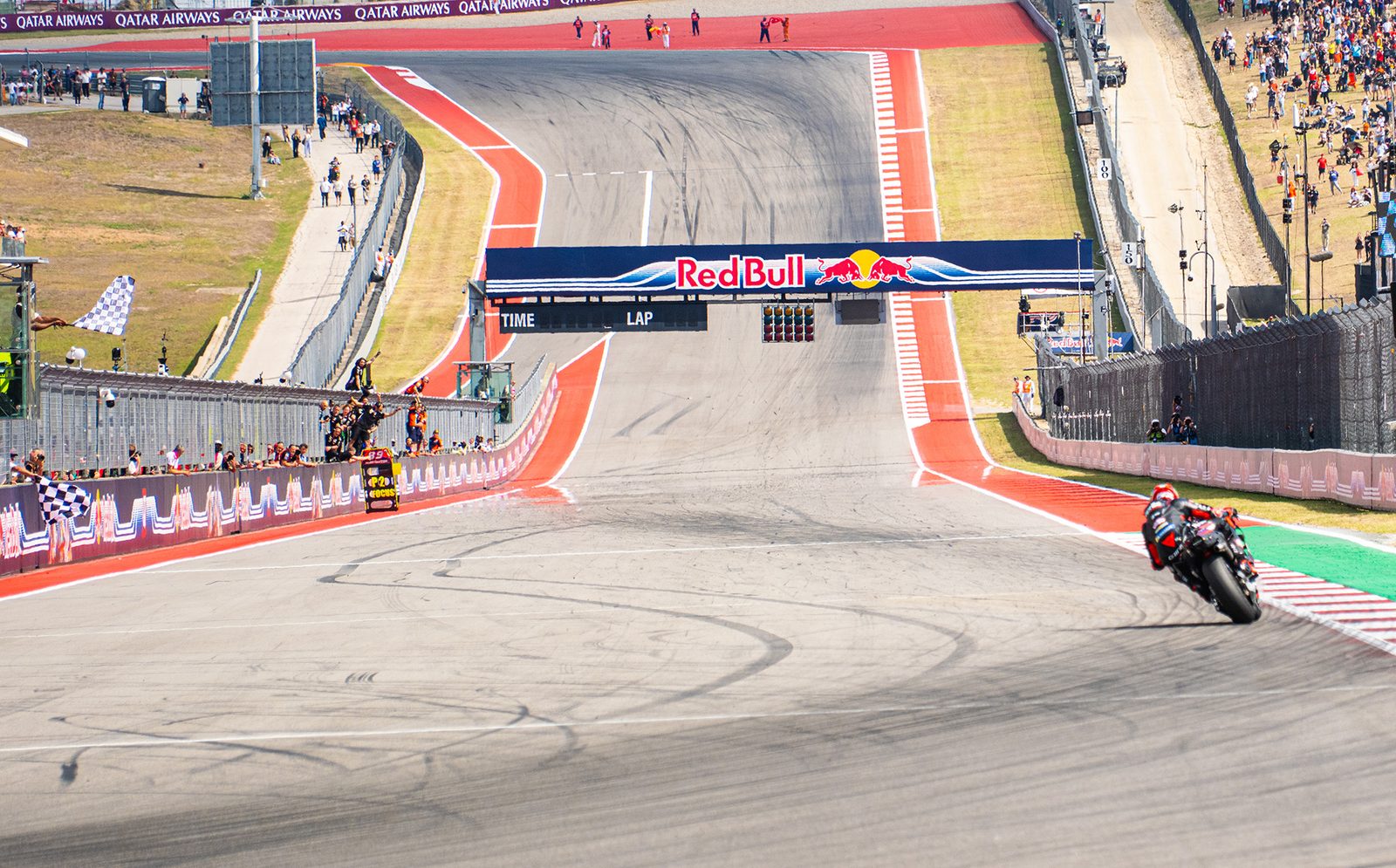
The Circuit of the Americas, located near Austin, Texas, serves as a pivotal venue for premier motorsports events, including MotoGP, Formula 1, and various national series. Its distinctive layout, featuring 20 turns, significant elevation changes, and a challenging combination of fast straights and technical corners, demands a comprehensive understanding from both riders and photographers. For the photographer undertaking this experiment, COTA represents a familiar and intimate landscape. Years of covering regional track days, MotoGP, Formula 1, and MotoAmerica events have instilled an encyclopedic knowledge of every corner, every marshal post, and every optimal shooting angle. This "home court advantage" is crucial, particularly when working with a camera like the Fujifilm GFX100S II, which encourages a more deliberate and considered approach to image-making. Familiarity with the track’s nuances allows for precise anticipation, framing, and timing – factors that become paramount when working with a system not built for rapid-fire spontaneity.
The Photographic Arsenal: GFX100S II vs. X-H2S
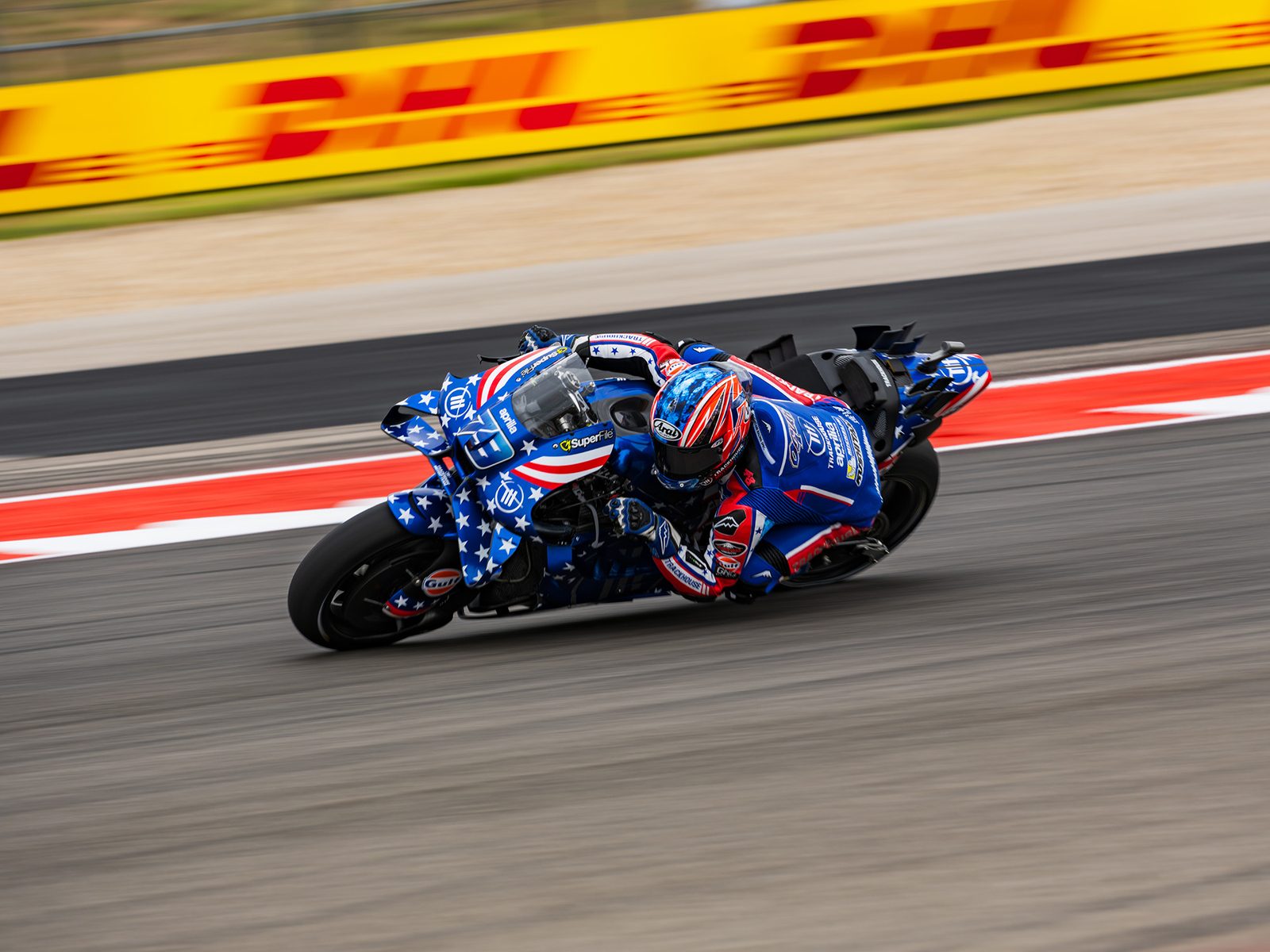
The core of this photographic test involved a direct comparison between Fujifilm’s medium-format flagship, the GFX100S II, and its speed-oriented APS-C counterpart, the X-H2S.
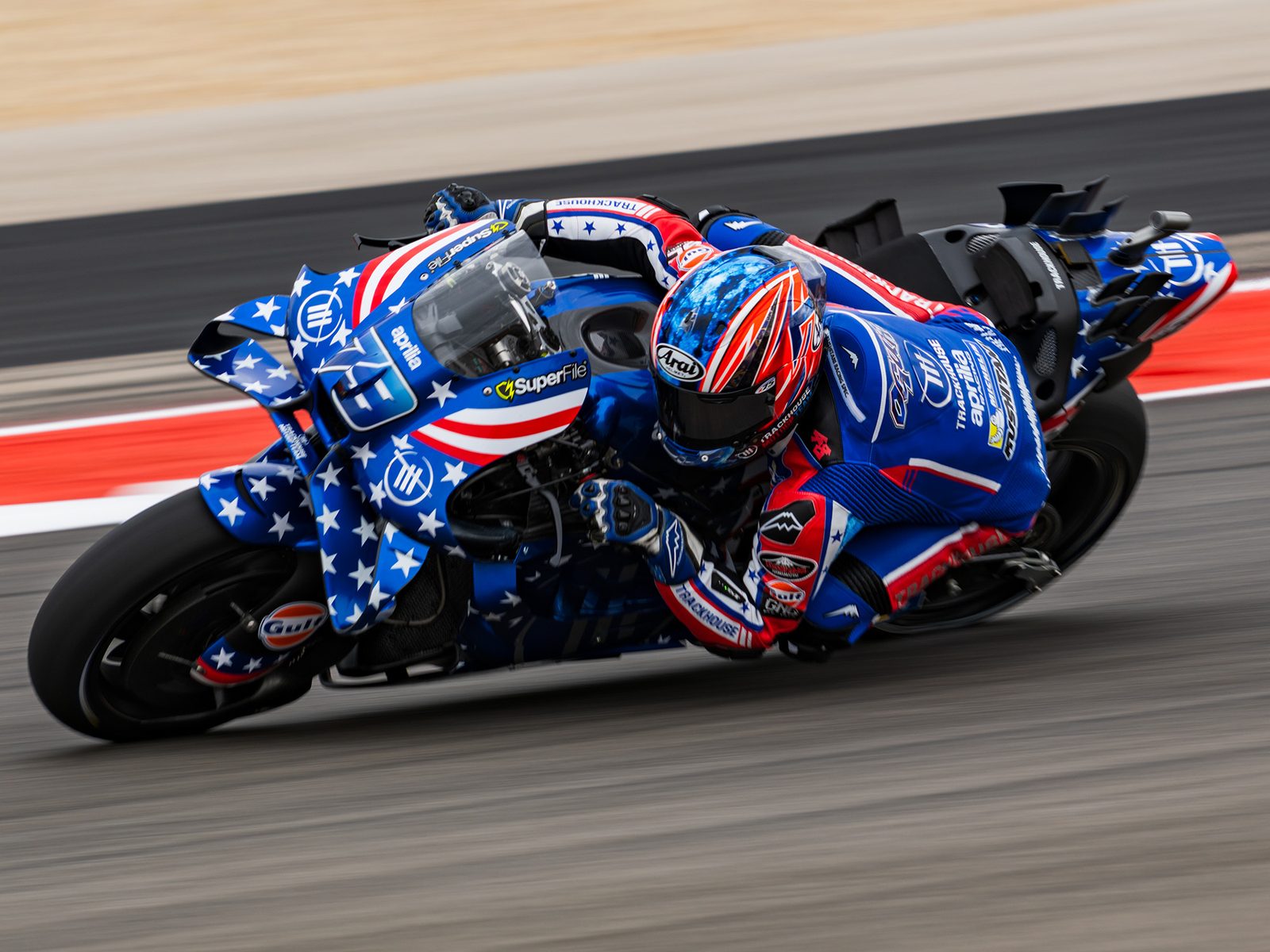
- Fujifilm GFX100S II: At the heart of this camera is a formidable 102-megapixel, 43.8×32.9mm large-format sensor. This sensor, significantly larger than full-frame sensors (which typically measure 36x24mm), is designed for maximum image fidelity, offering unparalleled resolution, dynamic range, and subtle color gradations. It is driven by the powerful X-Processor 5, which also powers the X-H2S, promising advanced computational capabilities. While Fujifilm states the GFX system can handle "action environments," its primary design ethos leans towards studio, landscape, and editorial work where ultimate image quality is the objective.
- Fujifilm X-H2S: In contrast, the X-H2S is Fujifilm’s dedicated speed demon within the X-series lineup. It features a 26.1-megapixel APS-C stacked BSI CMOS sensor paired with the same X-Processor 5. This combination allows for blazing frame rates of up to 40 frames per second (fps) with the electronic shutter and 15 fps with the mechanical shutter. Critically, its subject-detection autofocus, leveraging deep-learning AI, is optimized to tenaciously lock onto and track fast-moving subjects, including motorcycles and riders, making it an ideal choice for sports photography. This camera serves as the established benchmark against which the GFX100S II’s performance in a high-speed environment is evaluated.
For lenses, the GFX100S II was paired with the Fujifilm GF 100-200mm F5.6 R LM OIS WR. Given the GFX system’s 0.79x crop factor relative to a 35mm full-frame equivalent, this lens provided an effective field of view of approximately 79-158mm. This focal range proved remarkably versatile, akin to the Fujifilm XF 50-140mm F2.8 on the X-H2S (effective 75-210mm), allowing for coverage from wide-track shots to tighter compositions in the paddock.
Streamlined Workflow: Custom Settings and Ergonomic Adaptations
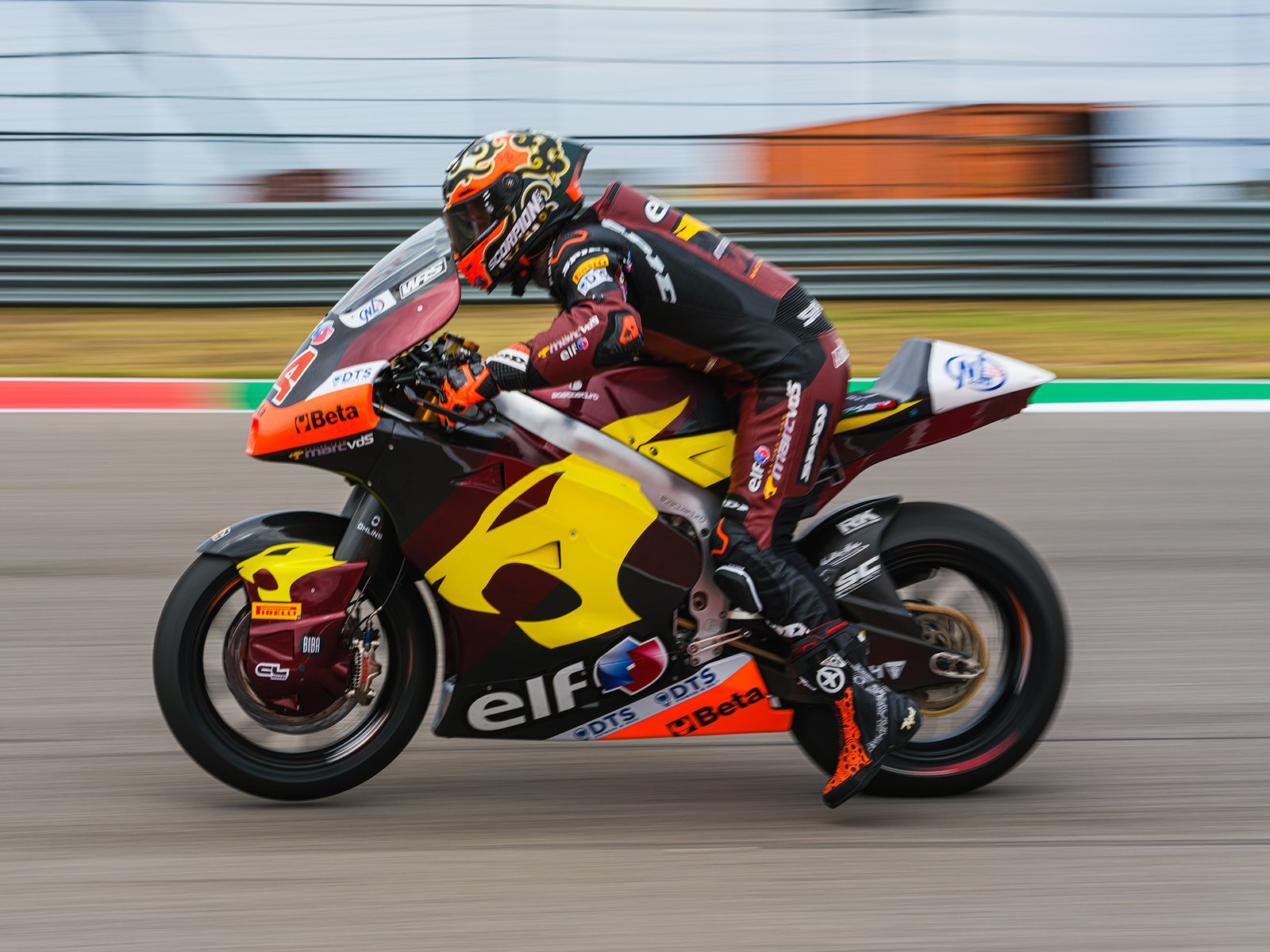
One significant advantage for photographers already invested in the Fujifilm ecosystem is the shared menu logic and ergonomic philosophy across its X-series and GFX-series cameras. This commonality greatly simplified the setup of the GFX100S II, allowing for a relatively straightforward replication of the X-H2S’s configuration.
The photographer’s established workflow for trackside operations typically involves custom settings: C1 and C2 are configured for shutter priority, enabling instant switching between sharp freezes and motion pans via a custom-mapped function (FN) button. C3 is reserved for aperture priority, ideal for the more controlled environments of the paddock and grid, while C4 and C5 hold video presets. The GFX100S II accommodates six custom positions on its mode dial, facilitating a seamless transfer of this workflow. However, minor ergonomic differences were noted; the GFX100S II’s FN button layout, with two on top, differs from the X-H2S, which includes an additional body-side button typically mapped to subject-detection AF. While adaptable, these subtle distinctions require momentary recalibration during high-pressure shooting.
Autofocus Performance: A Promising Yet Incomplete Step Forward
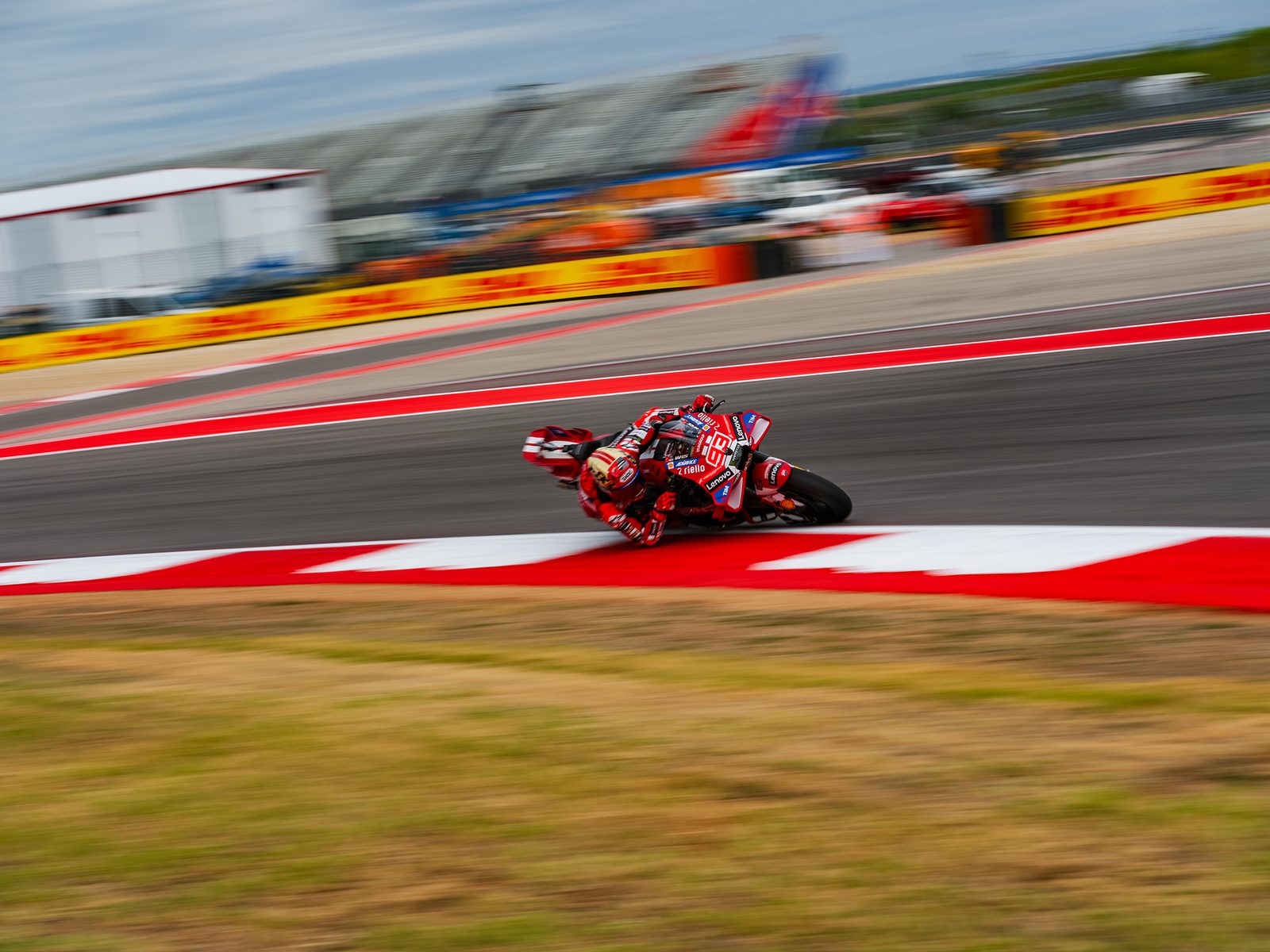
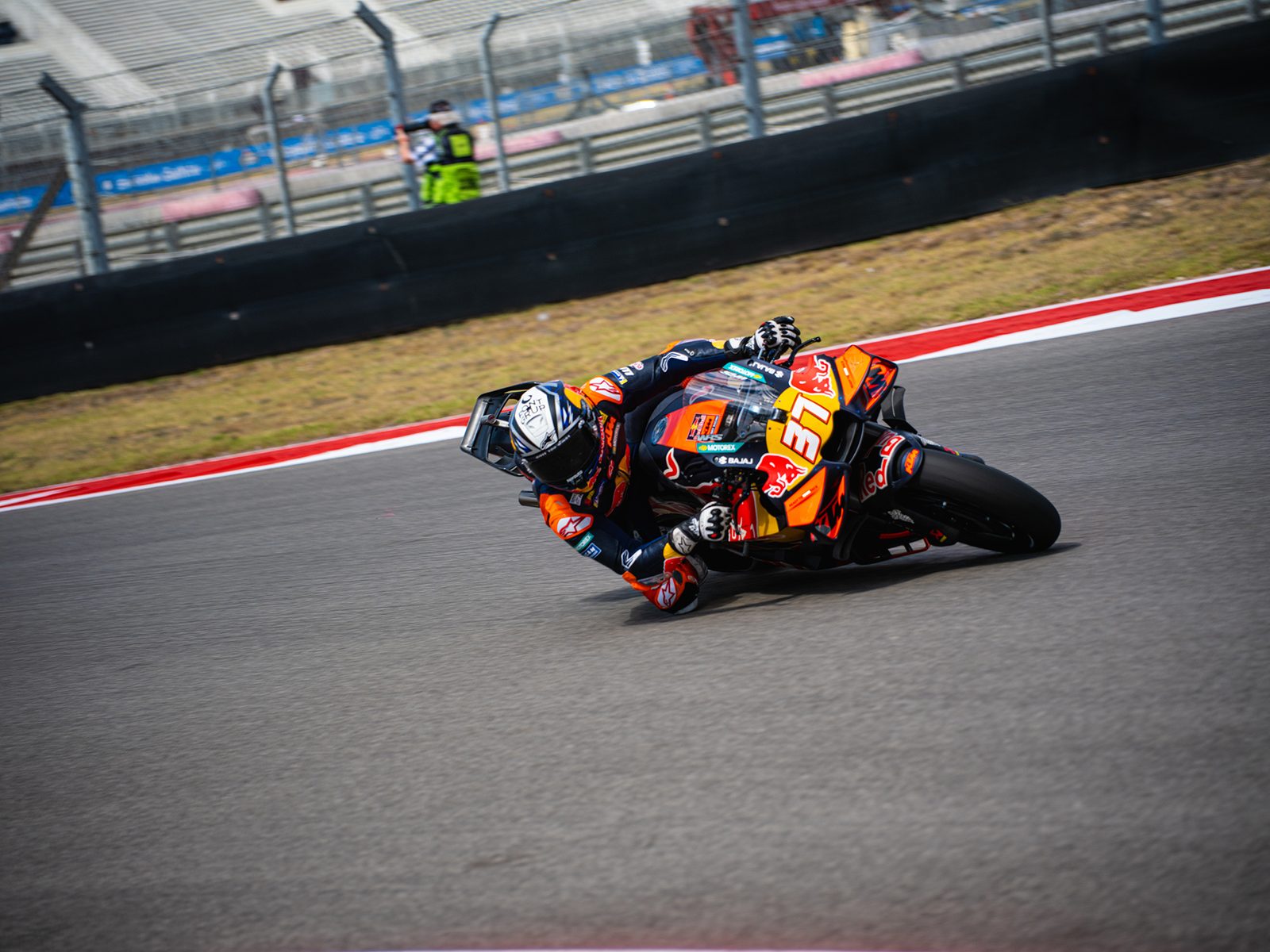
The most significant area of concern for the GFX100S II in a MotoGP context was its autofocus performance. Medium-format cameras have historically lagged behind their smaller-sensor counterparts in AF speed and tracking capabilities. However, the GFX100S II features a significantly improved AF algorithm over its predecessor, incorporating deep-learning AI-based subject detection with official support for motorcycles and bikes.
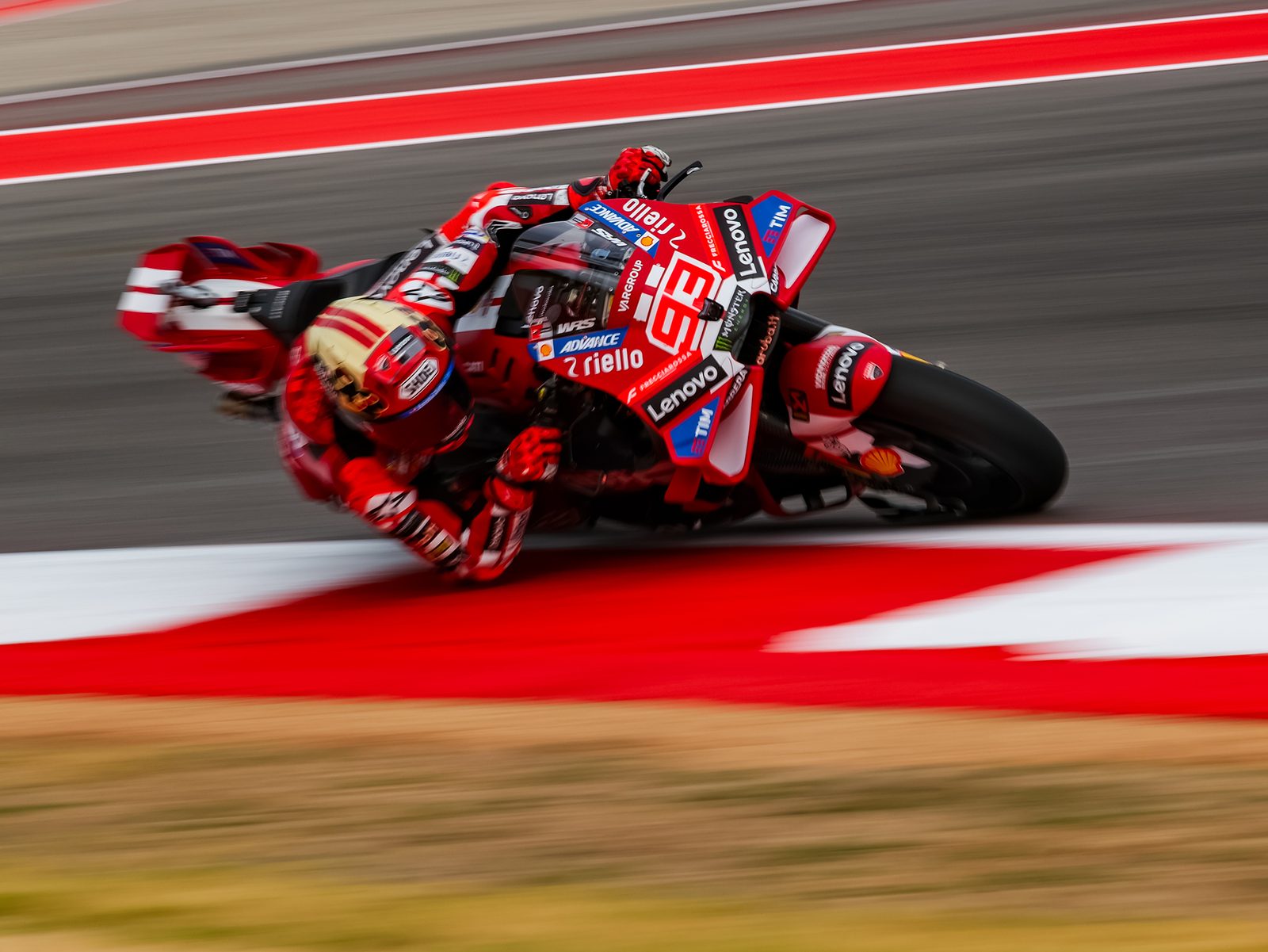
In practical application during the MotoGP weekend, the system performed better than initial skepticism might suggest. It demonstrated reasonable reliability in tracking riders through corners and across complex, changing backgrounds. The AI subject detection was often effective in identifying and locking onto the primary subject.
Despite these improvements, the GFX100S II’s autofocus was not as consistently "sticky" or responsive as that of the X-H2S, even with identical AF-C (continuous autofocus) settings. In the most demanding sequences—such as high-speed braking zones where bikes decelerate rapidly, or when riders entered the frame at extreme angles and speeds—the hit rates for perfectly sharp images were noticeably lower on the GFX. While both cameras share the X-Processor 5 engine, the GFX felt a step behind in overall response time and its ability to tenaciously retain focus on erratically moving subjects. This gap, while not rendering the GFX entirely unusable for action, represents a real operational constraint in an environment where photographic success is often measured in milliseconds. The X-H2S consistently delivered a higher percentage of in-focus shots in challenging scenarios, affirming its design purpose as a dedicated speed camera.
The Buffer Wall: A Fundamental Limitation
The practical limitations of using a high-resolution medium-format camera for high-speed action become most apparent when confronting the buffer capacity. The GFX100S II, operating at its maximum mechanical shutter speed of 7 frames per second, generates enormous RAW files. Each 102-megapixel image, captured in 14-bit or 16-bit depth, represents a massive data payload.
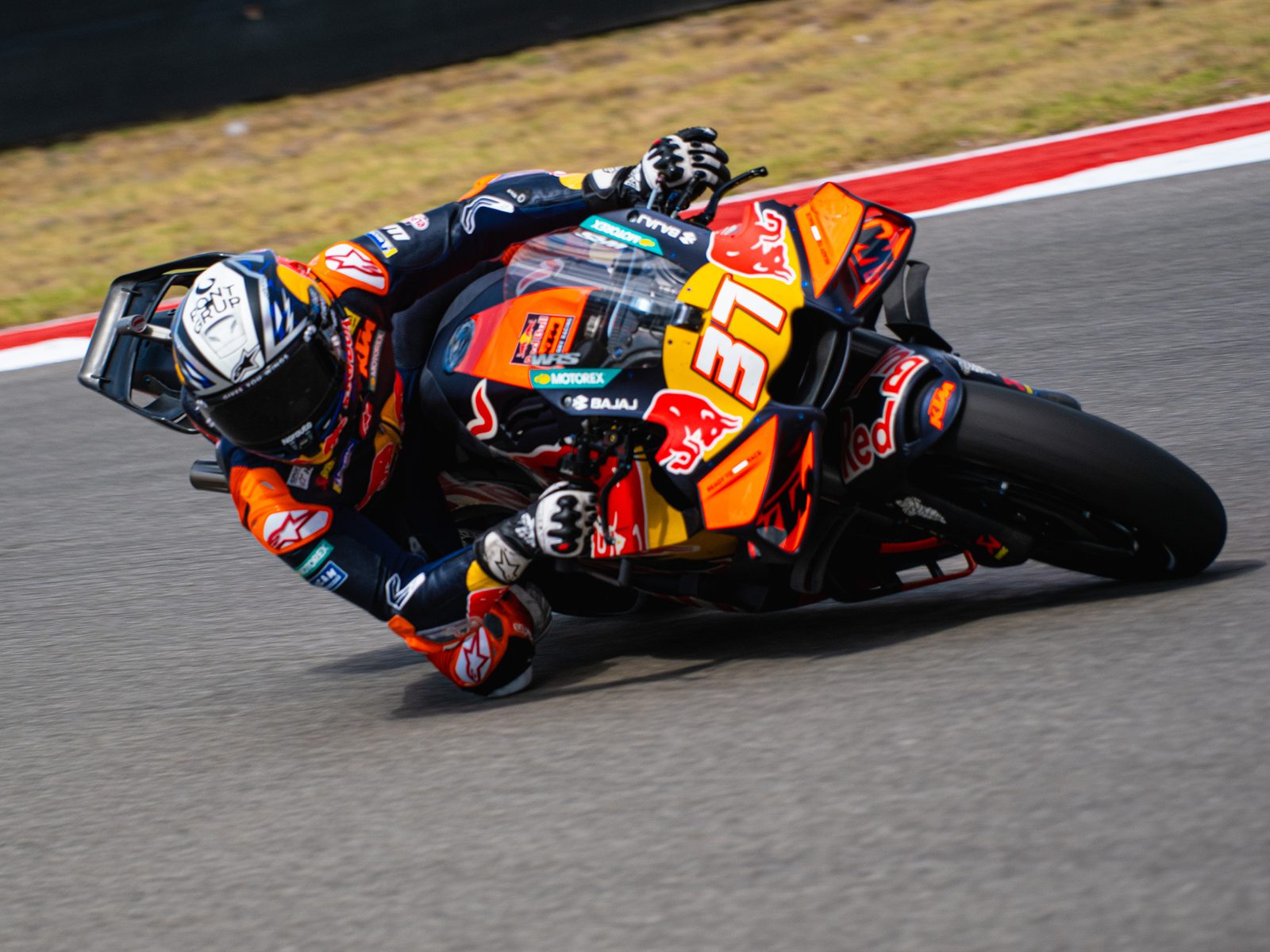
Even when utilizing fast UHS-II memory cards, the camera’s buffer fills rapidly. Shooting lossless-compressed RAW files, the photographer could capture approximately 19 frames before experiencing a noticeable slowdown in the shooting rate. Opting for uncompressed RAW further reduces this to around 16 frames. While compressed RAW offers a more generous ~30 frames, this still translates to less than five seconds of sustained continuous shooting before the camera needs to pause to write data to the card.
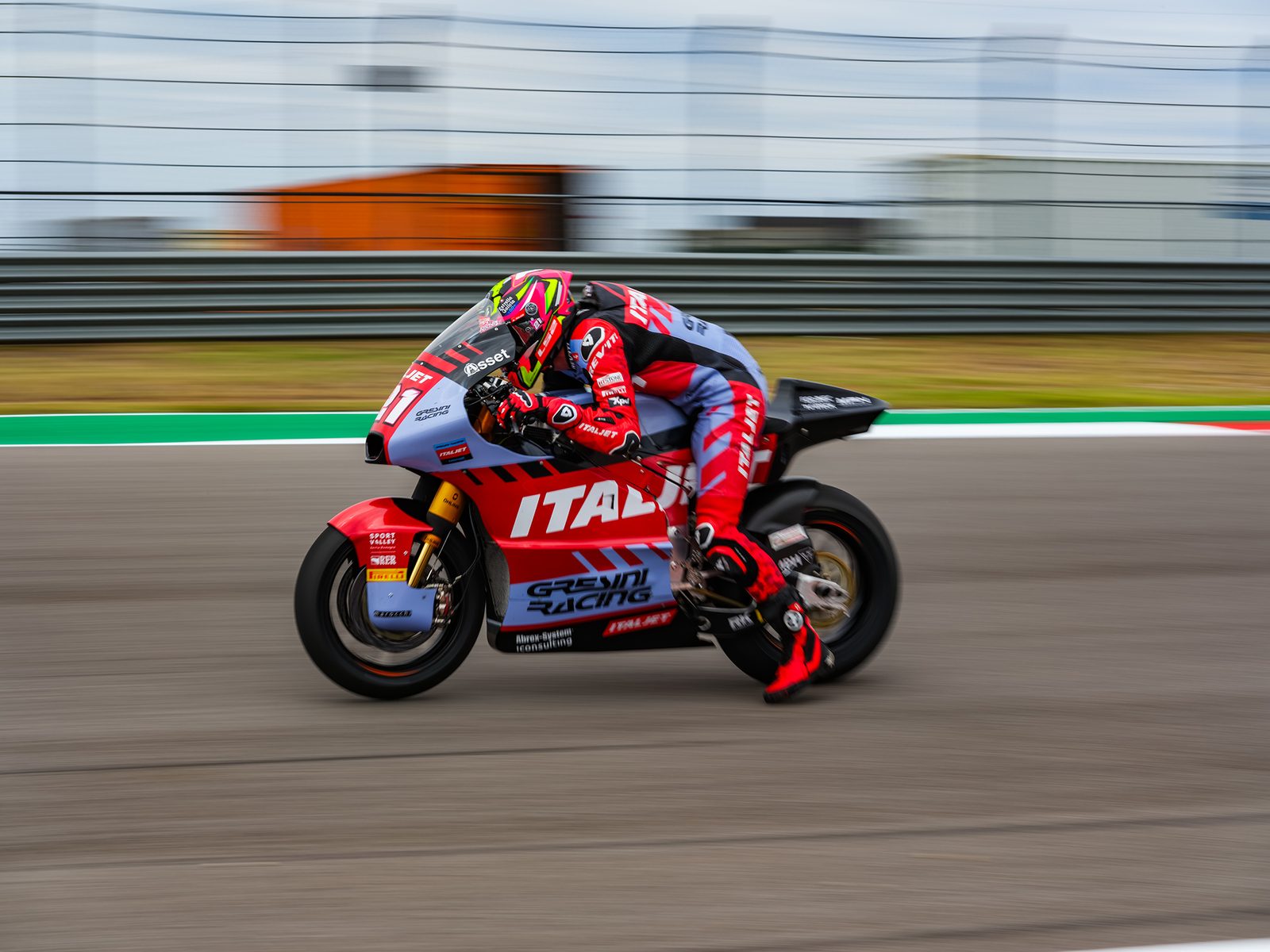
This buffer limitation fundamentally alters the photographic approach. Unlike the "spray and pray" technique often employed with high-speed APS-C or full-frame systems, the GFX100S II demands a more disciplined, deliberate strategy. Photographers must acutely read the race, anticipate the critical moment, and commit to capturing a shorter, precisely timed burst. This requirement fosters a different kind of photographic discipline, forcing greater intentionality and minimizing wasted frames. However, in a fast-moving environment where a rider’s perfect apex moment or a crucial overtaking maneuver can last a fraction of a second, this operational constraint can mean the difference between capturing an iconic shot and missing it entirely. The X-H2S, with its significantly higher frame rates and deeper buffer (e.g., hundreds of JPEGs or several dozen RAWs at 40fps), allows for a much more forgiving approach, increasing the statistical probability of capturing the peak action.

Unmatched Fidelity: Where the GFX100S II Truly Shines
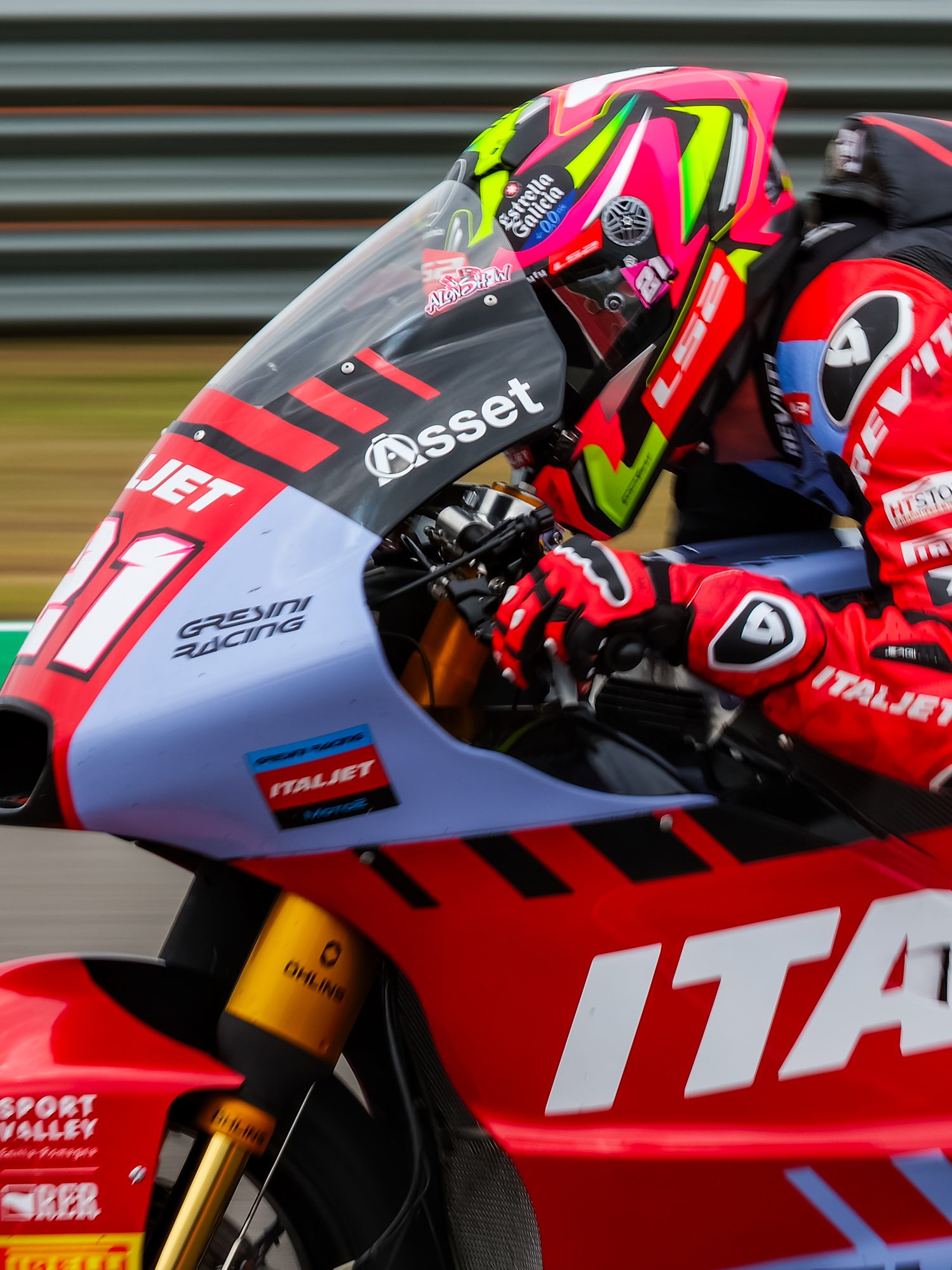
Despite its limitations in raw speed and buffer performance, the GFX100S II delivers an image quality that is genuinely in a different league. The 102-megapixel sensor, featuring redesigned microlenses, produces files with an extraordinary depth of tone, a remarkable three-dimensionality in color gradation, and a resolving power unmatched by any full-frame or APS-C system. The sheer physical size of the sensor—55mm diagonally—contributes to a unique tonality and aesthetic that simply cannot be replicated by smaller formats.
The initial impression of an image on the camera’s rear screen often belies its true potential. A quick review might show a "fine" image. However, once loaded into a high-resolution display, such as a 27-inch Studio Display, the image "opens up" entirely. Textures in rider leathers become incredibly nuanced, the subtle heat shimmer emanating off exhaust pipes is rendered with exquisite detail, and individual crowd members, previously assumed to be undifferentiated mush in the background, resolve into sharp, distinct figures. This level of micro-detail and tonal richness elevates the perceived quality of the photograph to an art form.
The sensor’s native ISO 80 minimum sensitivity is another significant advantage, enabling the capture of 16-bit images with an exceptionally wide dynamic range. This is particularly beneficial in the high-contrast lighting conditions often encountered at a bright race circuit, allowing for impressive detail retention in both highlights and shadows. Furthermore, the GFX100S II incorporates a powerful 5-axis in-body image stabilization (IBIS) system, rated at up to 8.0 stops. This is Fujifilm’s most potent IBIS in a GFX body, providing crucial stability for handheld shooting, especially when using the longer end of the GF100-200mm lens in less dynamic environments like the paddock. This stabilization contributes to sharper images at slower shutter speeds, enhancing versatility.
The Paddock: A Realm of GFX Excellence
While trackside action photography pushed the GFX100S II to its operational limits, the camera found its true calling away from the racing line. In the more controlled environments of the paddock, on the starting grid before the race, and during the post-race podium celebrations, the Fujifilm GFX100S II transformed into an absolute joy to use.

In these settings, where speed is secondary to composition and detail, the photographer could frame deliberately, trusting the autofocus system to reliably acquire and maintain focus on static or slow-moving subjects. The immense resolution meant that any captured image offered extraordinary post-production flexibility. A tightly composed portrait of a rider on the grid, for instance, could be dramatically cropped to focus solely on their eyes above the visor, without any discernible loss of resolution or image quality. This capability is genuinely freeing for creative expression, allowing for flexible framing in the field and precise refinement in post-production. The ability to extract multiple compelling compositions from a single high-resolution file is a significant asset for editorial and commercial assignments, where diverse crops and detailed imagery are often required.
Broader Implications: Specialized Tools for Specialized Tasks
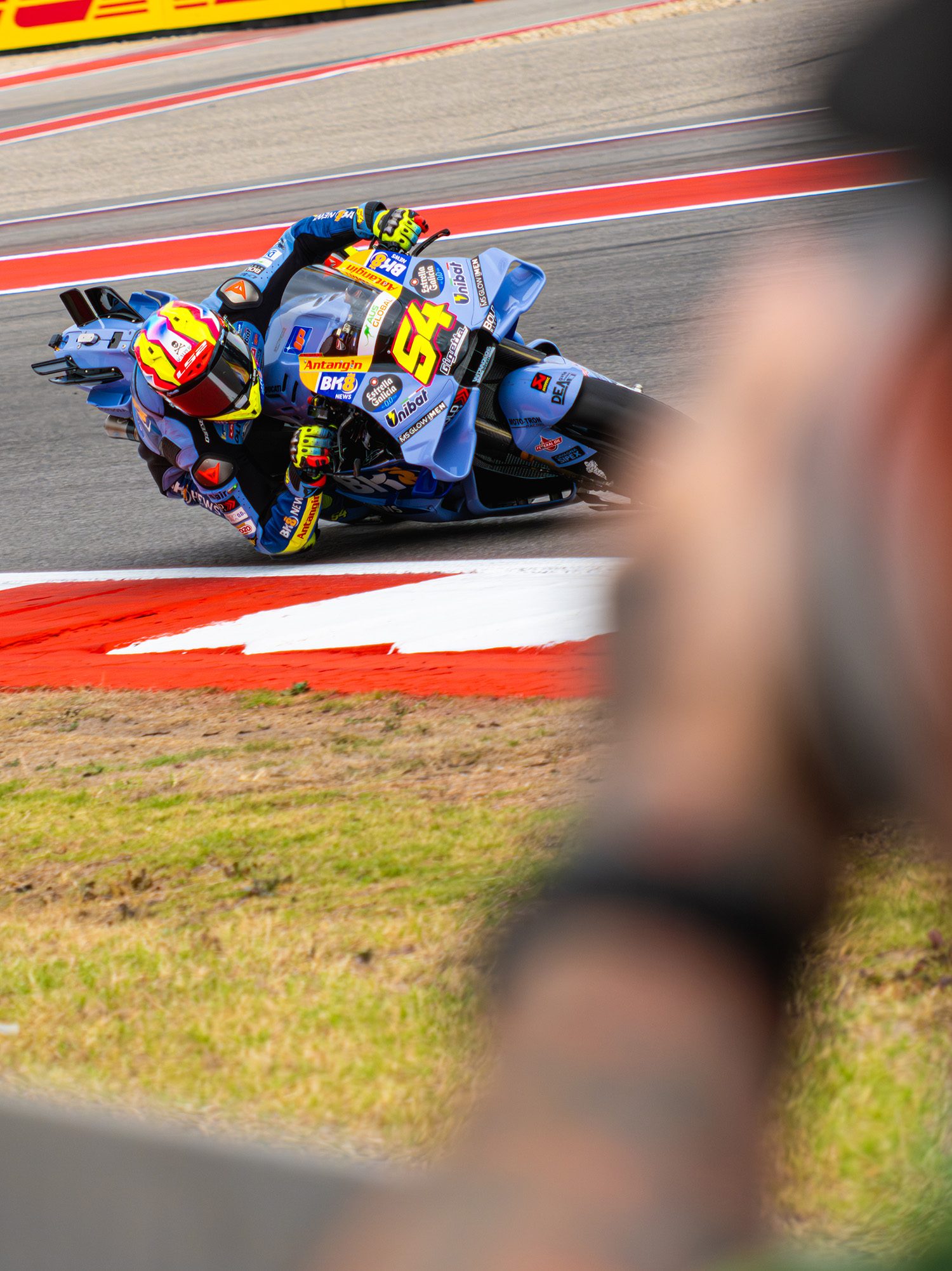
The experiment of bringing a Fujifilm GFX100S II to a MotoGP event underscores a fundamental truth in professional photography: the right tool for the job depends entirely on the job itself. While the GFX100S II demonstrated commendable advancements in autofocus for a medium-format system, and its buffer performance, while limited, could be managed with disciplined shooting, it ultimately cannot replace the sheer speed and responsiveness of dedicated sports cameras like the Fujifilm X-H2S for capturing the peak action of motorsport.
However, the GFX100S II carves out a distinct and invaluable niche. For commercial clients, editorial spreads, or large-format prints where ultimate image fidelity, tonal depth, and micro-detail are paramount, the GFX system delivers results that are simply unattainable with smaller sensors. Its performance in environments where deliberation is possible – landscapes, studio work, fashion, and, as demonstrated, the pre- and post-race atmosphere of a MotoGP paddock – makes it an indispensable tool for photographers whose work demands the highest possible image quality.
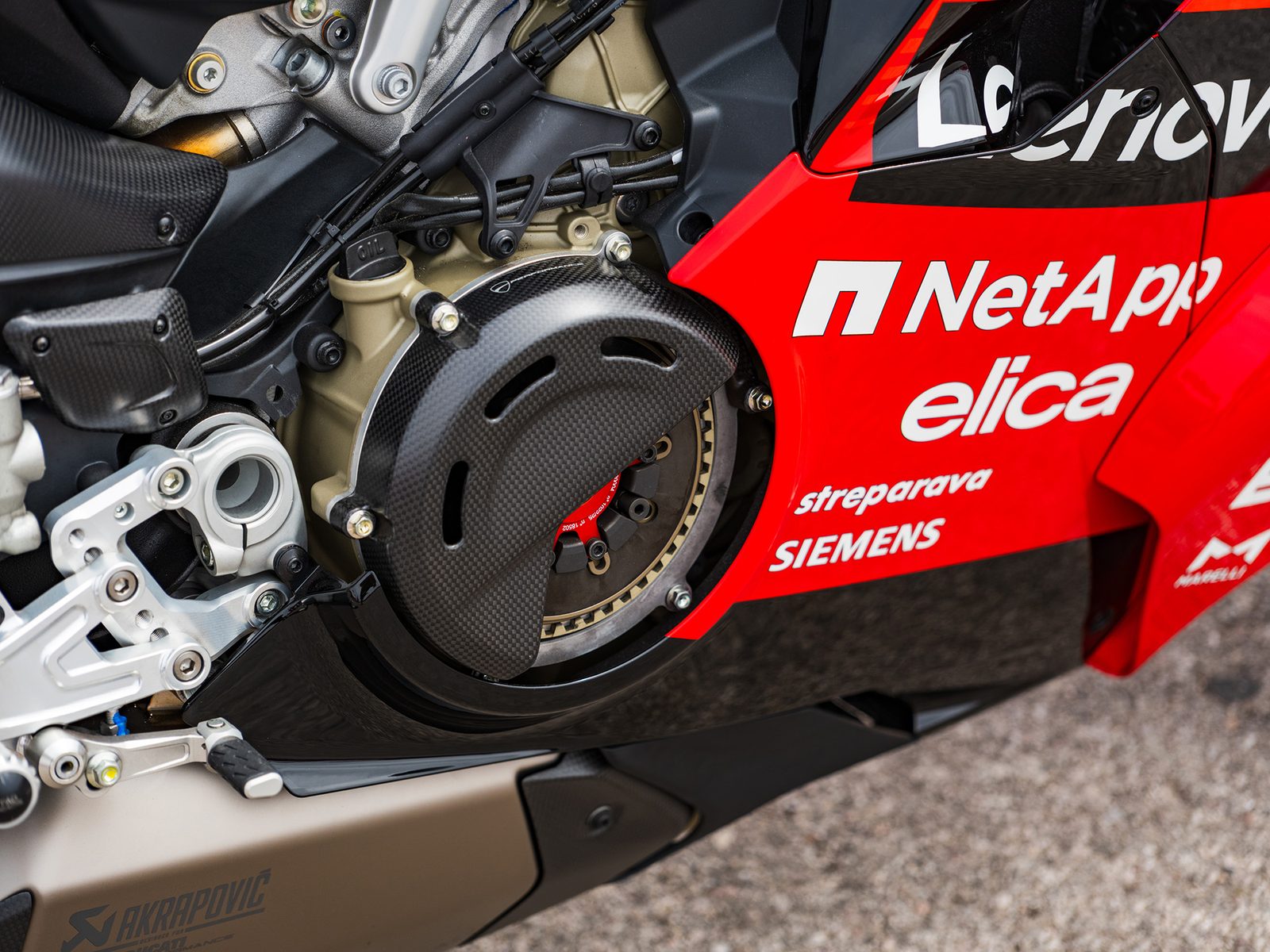
The ongoing evolution of camera technology, particularly the convergence of advanced processors across different sensor formats, suggests a future where medium-format systems may continue to improve their speed capabilities. Yet, the physical limitations inherent in moving larger amounts of data from higher-resolution sensors will likely always create a performance gap when compared to systems designed from the ground up for extreme speed.
Final Verdict: A Strategic Complement, Not a Replacement

The weekend spent with the Fujifilm GFX100S II at COTA was, by all accounts, a compelling experience. The camera is undoubtedly special, offering a unique blend of portability (at 883g with battery and card, it is Fujifilm’s lightest 102-megapixel body) and unparalleled image quality. The experiment made a strong case for integrating it into a professional photographer’s kit, not as a replacement for high-speed APS-C bodies like the X-H2S, but as a deliberate and powerful complement.
For moments where speed is secondary to sublime image quality – the detailed grid walk portraits, the celebratory podium shots, or the quiet, deliberate capture of a single, perfectly framed corner – the GFX100S II functions as a secret weapon. Nothing else in the Fujifilm system, and indeed very few cameras on the market, can produce the kind of rich, detailed, and tonally exquisite files that this large-format sensor delivers. However, when the starting lights go out, and the field of MotoGP bikes thunders into Turn 1 at breakneck speed, the professional photographer will instinctively reach for the X-H2S, trusting its unyielding speed and autofocus prowess to freeze the essence of the race. The GFX100S II, therefore, represents a specialized, high-performance instrument for the discerning photographer, expanding the creative possibilities within a multifaceted professional workflow rather than supplanting established tools.