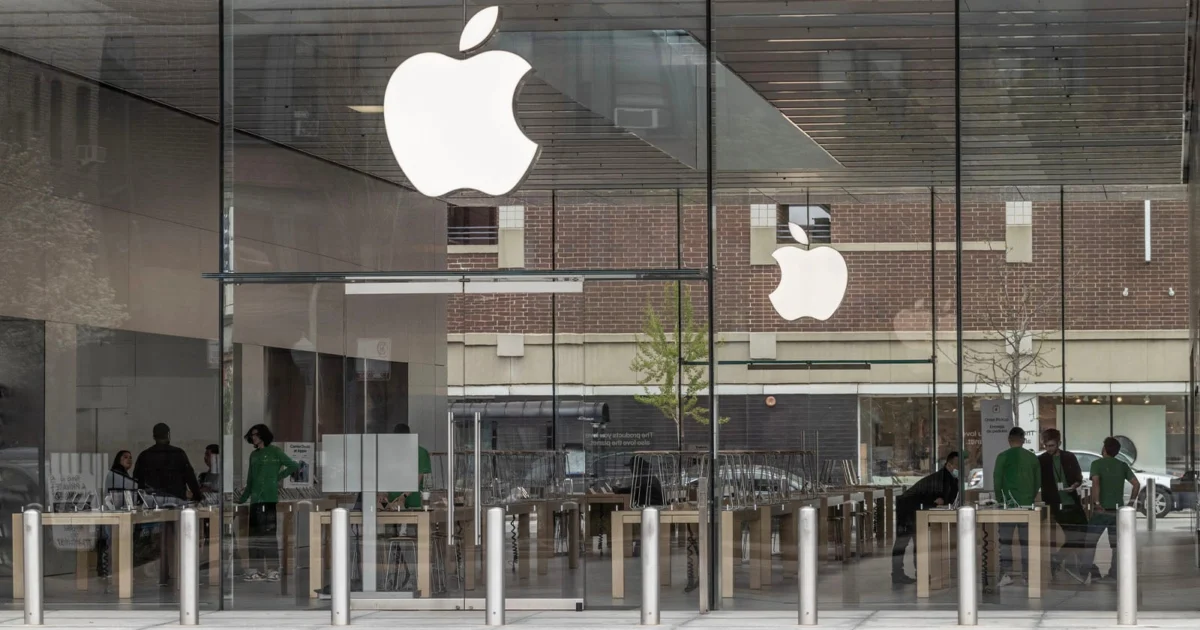
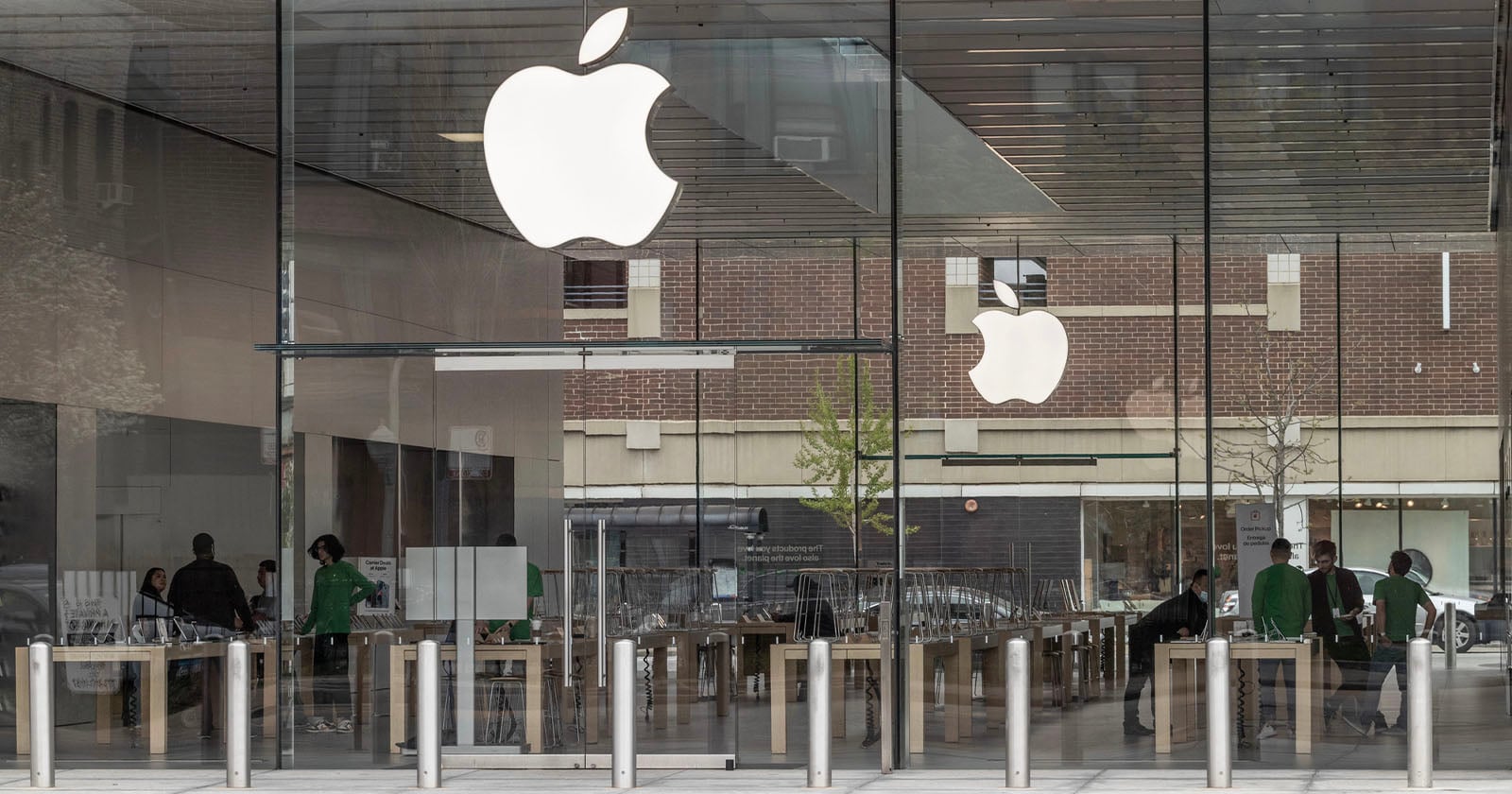
Apple has initiated a pilot program at its Genius Bar service points, introducing an AI-powered system named Live Notes designed to record and summarize conversations between employees and customers. This innovative, yet controversial, initiative aims to streamline the documentation process for Genius Bar workers, but has simultaneously ignited significant concerns among employees regarding privacy and potential misuse of the technology. The deployment of Live Notes places Apple at the forefront of a growing trend of technology companies integrating artificial intelligence into customer service and employee management, a development closely watched by industry analysts and privacy advocates alike.
The system, as first reported by Mark Gurman for Bloomberg, functions by recording audio interactions between Genius Bar specialists and customers. Following the conversation, Live Notes automatically transcribes the dialogue and then generates an AI-summarized version. This condensed record is subsequently sent to the employee’s iPad, intended to serve as a comprehensive log of the interaction, detailing the customer’s issue, the troubleshooting steps taken, and the resolution provided. A critical safeguard built into the system is the explicit requirement for both the Apple employee and the customer to provide consent before the Live Notes recording feature can be activated. Without mutual agreement, the system remains inactive, ensuring that conversations are not recorded surreptitiously.
The Mechanics of the Pilot Program and Its Stated Goals
Apple’s stated objective for implementing Live Notes is to enhance efficiency and reduce the administrative burden on its Genius Bar staff. Traditionally, employees would manually log details of each customer interaction, a process that can be time-consuming and prone to human error or omission. By automating the transcription and summarization, Apple anticipates that specialists will have more time to focus on direct customer engagement and problem-solving, thereby improving the overall customer service experience. The ability for employees to review and edit both the full transcript and the AI-generated summary before saving them to Apple’s internal Genius Bar system is presented as a mechanism for accuracy and employee control over the final record. According to Gurman’s Power On column, Apple has also provided assurances that the raw recordings themselves will not be saved, and managers will not receive the transcripts directly, aiming to mitigate fears of direct surveillance.
This move aligns with a broader technological push across industries to leverage AI for operational efficiencies. In customer service, AI is increasingly used for chatbots, sentiment analysis, and call summarization to enhance agent performance and customer satisfaction. For Apple, a company synonymous with innovation and user experience, integrating such a system into its physical retail spaces represents a significant step in digitizing and optimizing its highly personal customer support model. The Genius Bar, conceived as a cornerstone of Apple’s retail strategy, has always emphasized face-to-face interaction and expert assistance, making the introduction of an AI monitoring tool particularly notable.
Employee Apprehension: Beyond the Stated Purpose
Despite Apple’s assurances and the stated benefits, the pilot program has naturally generated a palpable sense of unease among some Genius Bar employees. The primary concern revolves around the potential for Live Notes to evolve from a productivity tool into a surveillance mechanism. Employees worry that even if managers don’t receive direct transcripts, the summarized data could be aggregated, analyzed, and used to monitor their performance, assess productivity metrics, or even identify individuals for disciplinary action or job restructuring. The psychological impact of knowing every customer interaction could be recorded and analyzed, even with consent and editing capabilities, raises questions about trust and autonomy in the workplace.
The fear is rooted in a broader skepticism surrounding so-called "productivity aids" in the corporate world. Often, such tools, introduced with benevolent intentions, eventually become instruments for more granular oversight, leading to increased pressure on employees and a perceived erosion of privacy. The nuanced nature of human interaction, especially in a customer service context where empathy and adaptability are key, might be difficult for an AI to accurately capture or summarize without losing critical context. This could potentially lead to misinterpretations of employee performance or customer satisfaction, based on incomplete or algorithmically biased summaries.
Furthermore, the notion that AI-driven tools could ultimately replace human workers is a pervasive anxiety across many sectors. While Live Notes is currently positioned as an aid, employees might fear that a system capable of accurately transcribing and summarizing interactions could eventually be advanced enough to handle routine queries or even provide automated diagnostic support, thereby reducing the need for human specialists. This long-term concern about job security often accompanies the introduction of powerful AI technologies in the workplace.
Apple’s Assurances and Internal Safeguards Under Scrutiny
Apple has attempted to address these concerns by highlighting specific safeguards. The mutual consent requirement is a significant ethical and legal consideration, placing the onus on both parties to agree to the recording. This distinguishes Live Notes from systems that might record interactions without explicit upfront consent from all participants. Additionally, the company’s commitment that "the recordings themselves won’t be saved and managers don’t receive the transcripts" is crucial. If upheld rigorously, this would mean that the raw audio data, which could contain sensitive personal information or detailed customer complaints, is not retained long-term, and only the edited, summarized text enters the permanent record.
However, the efficacy of these safeguards hinges on stringent internal policies and transparent implementation. Questions remain about who has access to the AI summaries, how long they are stored, and what data analytics might be performed on them. Even aggregated, anonymized data derived from these summaries could potentially offer insights into employee behavior or customer trends that could influence management decisions. The ability for employees to edit the transcript and summary before saving offers a degree of control, but the pressure to conform to certain narratives or to downplay challenging interactions could also arise. The balance between utilizing AI for efficiency and respecting employee privacy and autonomy is a delicate one that Apple, like many other tech giants, is navigating in real-time.
The Broader Landscape of Workplace Monitoring and AI
Apple’s Live Notes pilot is not an isolated incident but rather a prominent example within a rapidly expanding landscape of workplace surveillance and AI integration. The trend, often accelerated by the shift to remote work during the COVID-19 pandemic, has seen companies deploy increasingly sophisticated tools to monitor employee activity, productivity, and even sentiment. These tools range from basic screen monitoring and keystroke logging to advanced analytics of communication patterns and biometric data.
One notable example, highlighted by Gizmodo in its report on Apple’s Live Notes, is JPMorgan Chase, America’s largest bank. JPMorgan rolled out an "Orwellian" monitoring tool that collects extensive data on employee activities, including meeting schedules, video call participation, and even keystroke data. The bank, in defending its tool, likened it to weekly screen time reports on smartphones, asserting that "this tool is about awareness – not enforcement." However, the sheer breadth and depth of data collection raised significant alarm bells among privacy advocates and employees, who viewed it as an intrusive and potentially punitive measure. Such tools, often marketed as aids for "awareness" or "productivity," frequently blur the line into surveillance, fostering an environment of distrust rather than empowerment.
Another high-profile case involves Meta, Mark Zuckerberg’s company, where employee morale reportedly plummeted significantly partly due to intense monitoring and performance pressures. The company’s response, as reported by PetaPixel, was to "increase the snack budget" in an attempt to "bring back the good vibes." This anecdotal, yet telling, response underscores the profound impact that perceived surveillance and lack of trust can have on employee well-being and overall organizational culture. While seemingly a minor detail, the need to address morale through such means speaks volumes about the underlying stress caused by intrusive monitoring practices.
These instances collectively paint a picture of a corporate world grappling with the ethical implications of technological advancement. Companies are under immense pressure to maximize efficiency and productivity, particularly in an increasingly competitive global market. For Apple, which briefly surpassed Nvidia to become the world’s most valuable company, hovering around a staggering $5 trillion market valuation, the drive for operational excellence is constant. This economic imperative often fuels the adoption of technologies like AI, even when they carry significant social and ethical baggage.
Ethical and Privacy Dilemmas in AI-Driven Workplaces
The deployment of AI-powered tools in the workplace, such as Live Notes, introduces a complex web of ethical and privacy dilemmas. From a data privacy standpoint, even with consent, questions persist about the lifecycle of the data: how it’s processed, stored, and who ultimately has access to the summarized information. While Apple states recordings aren’t saved, the summaries themselves could contain sensitive customer information or details of personal issues that customers bring to the Genius Bar. Ensuring robust data security and adherence to global privacy regulations like GDPR (General Data Protection Regulation) in Europe or CCPA (California Consumer Privacy Act) in the US becomes paramount.
Moreover, there is the inherent risk of algorithmic bias. AI systems, trained on vast datasets, can sometimes perpetuate or even amplify existing biases. An AI summarization tool, if not meticulously designed and continuously refined, could potentially misinterpret conversations, downplay certain issues, or inadvertently create a skewed representation of an interaction. This could have significant repercussions if these summaries are used for performance evaluations, potentially leading to unfair assessments of employees.
The psychological toll on employees is another critical ethical consideration. A constant awareness of being monitored, even with the promise of safeguards, can lead to increased stress, anxiety, and a feeling of being devalued as human beings. It can stifle creativity, reduce spontaneous problem-solving, and erode trust between management and staff. When employees feel they are being watched, they may become less engaged and more focused on adhering to metrics rather than delivering genuine service. This can ultimately contradict the very goal of enhancing customer experience that Apple aims for.
The Future of Customer Service and Employee Relations
The Live Notes pilot project at Apple’s Genius Bar serves as a microcosm for the broader societal debate on the role of AI in our professional lives. It highlights the tension between technological advancement for efficiency and the fundamental human rights to privacy, dignity, and autonomy in the workplace. For companies like Apple, striking the right balance is crucial, not only for employee morale and retention but also for their brand reputation. Apple has long marketed itself as a champion of user privacy, a stance that could be challenged if its internal employee monitoring practices are perceived as overly intrusive or contradictory to its external messaging.
As AI continues to mature and permeate every facet of business, companies will face increasing pressure to adopt these tools to remain competitive. However, the ethical frameworks, regulatory guidelines, and internal policies surrounding their implementation must evolve at an equal pace. Transparent communication with employees, robust opt-out mechanisms, clear data governance policies, and a genuine commitment to employee well-being will be essential for successful and ethical AI integration. The experience of Apple with Live Notes, and the reactions from its workforce, will undoubtedly provide valuable lessons for the entire industry as it navigates the complex future of AI-driven workplaces. The success or failure of such initiatives will ultimately be measured not just by efficiency gains, but by their impact on human capital and the delicate balance of trust within an organization.