In the fast-paced world of event videography, adaptability is not merely an advantage but an essential skill for professionals navigating the unpredictable landscape of client requests. A recent case study from a major industry convention highlights this imperative, detailing how videographer Tony Kim successfully integrated two highly distinct and technically challenging shooting styles—high-speed cinematic "Glambot" effects and spontaneous person-on-the-street interviews—into a single, mid-convention workflow. This feat, executed on a budget that precluded dedicated robotic equipment, underscores the growing demand for diverse, high-production-value content and the innovative solutions videographers are employing to meet it.
The convention, which sources indicate was a significant gathering for technology innovators and industry leaders, served as a microcosm of modern marketing and content creation trends. Event organizers and their clients are increasingly seeking dynamic visual assets that can resonate across multiple platforms, from short-form social media clips to comprehensive post-event highlight reels. This push for engaging content often translates into ambitious, sometimes last-minute, requests for videographers.
The Evolving Landscape of Event Videography
The global event industry, projected to exceed $1.5 trillion by 2028, places immense value on capturing and disseminating the energy and insights generated at its gatherings. A 2023 report by the Event Marketing Institute indicated that 85% of marketers consider event content crucial for lead generation and brand awareness. In this competitive environment, mere documentary footage is often insufficient; clients desire content that stands out. The "Glambot" effect, popularized at high-profile events like the Oscars and Emmys, offers a prime example of this aspiration, delivering ultra-smooth, high-speed, slow-motion shots that exude glamour and sophistication. Simultaneously, authentic, unscripted interviews with attendees provide valuable testimonials and capture the genuine pulse of an event, offering a human touch that complements polished visuals.
The challenge for videographers lies in bridging the gap between these high-end aspirations and practical budgetary and logistical constraints. Dedicated Glambot systems, involving sophisticated robotic arms and specialized software, can cost tens of thousands of dollars to rent for a single event, placing them out of reach for many corporate or smaller industry conventions. Similarly, deploying multiple, specialized crews for different content types can quickly inflate production costs.
The Unforeseen Request: From Standard Coverage to Cinematic Flair and Candid Voices
Midway through what was planned as standard convention coverage, Tony Kim received an unexpected directive from his client: integrate "Glambot" style shots of attendees, followed immediately by rapid-fire, person-on-the-street interviews. This request presented a significant operational pivot, demanding a rapid transition between highly controlled, precise cinematic capture and fluid, journalistic interaction.
"Our client recognized the unique energy present at the convention and wanted to capture it in a truly distinctive way," stated a representative for the event’s marketing team, who requested anonymity due to ongoing contractual agreements. "While we admired the aesthetic of high-speed robotic shots, the budget simply didn’t allow for a full Glambot rental. Tony’s ability to propose and execute a practical alternative, alongside gathering authentic attendee feedback, was crucial to maximizing our content output for the day."
The timeline for these new elements was compressed. With the convention floor bustling and attendee availability fleeting, Kim had to devise and implement solutions on the fly, optimizing for speed, quality, and efficiency. This instantaneous shift from one mode of production to another is becoming increasingly common, testing the limits of a videographer’s technical knowledge and on-set ingenuity.
Recreating the "Glambot" Effect: Technical Ingenuity on a Budget
The essence of a Glambot shot lies in its precisely choreographed, high-speed camera movement, often involving a rapid push-in or pull-out that, when played back in slow motion, creates a dramatic, almost sculptural effect. Without access to a multi-axis robotic arm, Kim’s solution involved simulating this motion using a camera mounted on a professional gimbal, leveraging the inherent stability and controlled movement capabilities of modern stabilization systems.
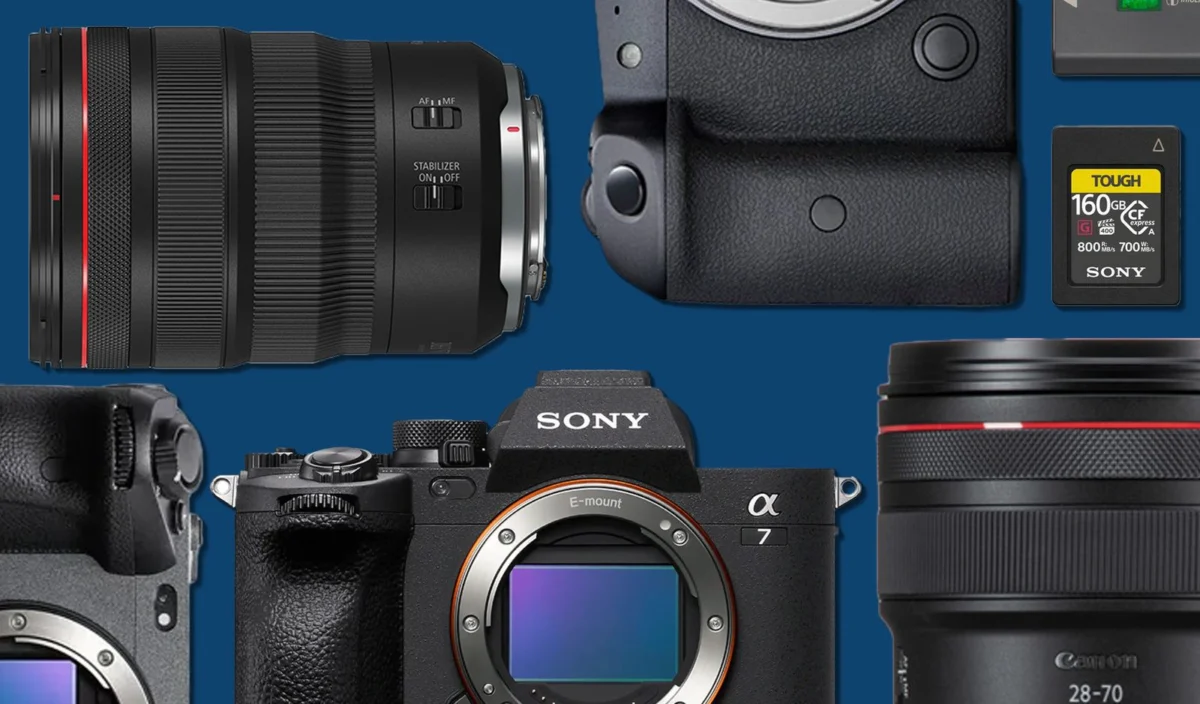
For the camera, Kim utilized a Sony FX3, renowned for its strong low-light performance and ability to capture high-frame-rate footage in 4K, an essential component for achieving cinematic slow motion. The camera was paired with a DJI Ronin RS4 Pro gimbal, a robust system capable of handling professional camera packages, further enhanced with Tilta dual handles. The dual-handle setup proved critical for maintaining stability and control during the precise, controlled push-in movements required to mimic the Glambot’s smooth trajectory. Single-handed operation, particularly when executing a delicate motion path, can easily introduce unwanted jitters, compromising the desired high-end aesthetic.
Technical Deep Dive: Mastering High-Speed Cinematography
Achieving the desired "Glambot" aesthetic involved overcoming two primary technical hurdles: lighting and focus. High-speed videography necessitates significantly faster shutter speeds to prevent excessive motion blur when footage is conformed to a standard playback frame rate (e.g., 24 frames per second). Kim employed a shutter speed of 1/240th of a second while shooting at 120 frames per second in 4K. This adheres to the widely accepted "180-degree rule," where the shutter speed is approximately double the frame rate, ensuring natural-looking motion blur that enhances the cinematic feel rather than detracting from it.
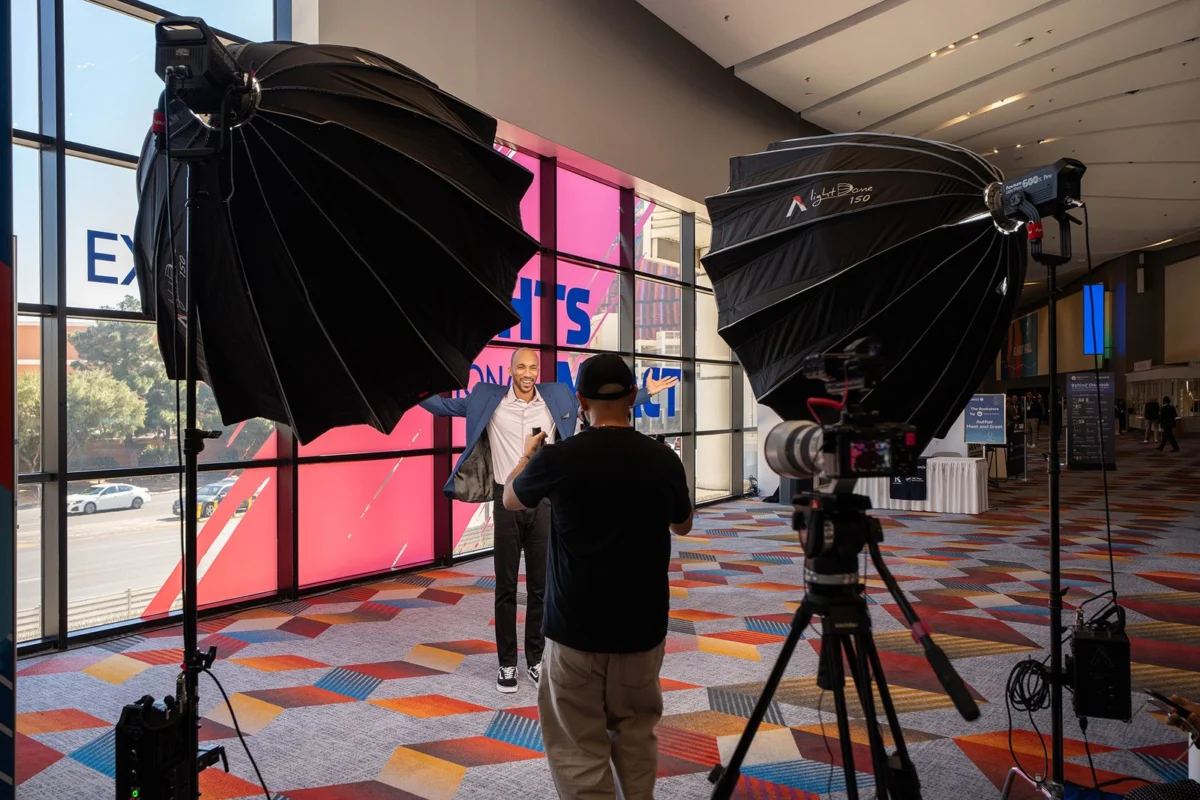
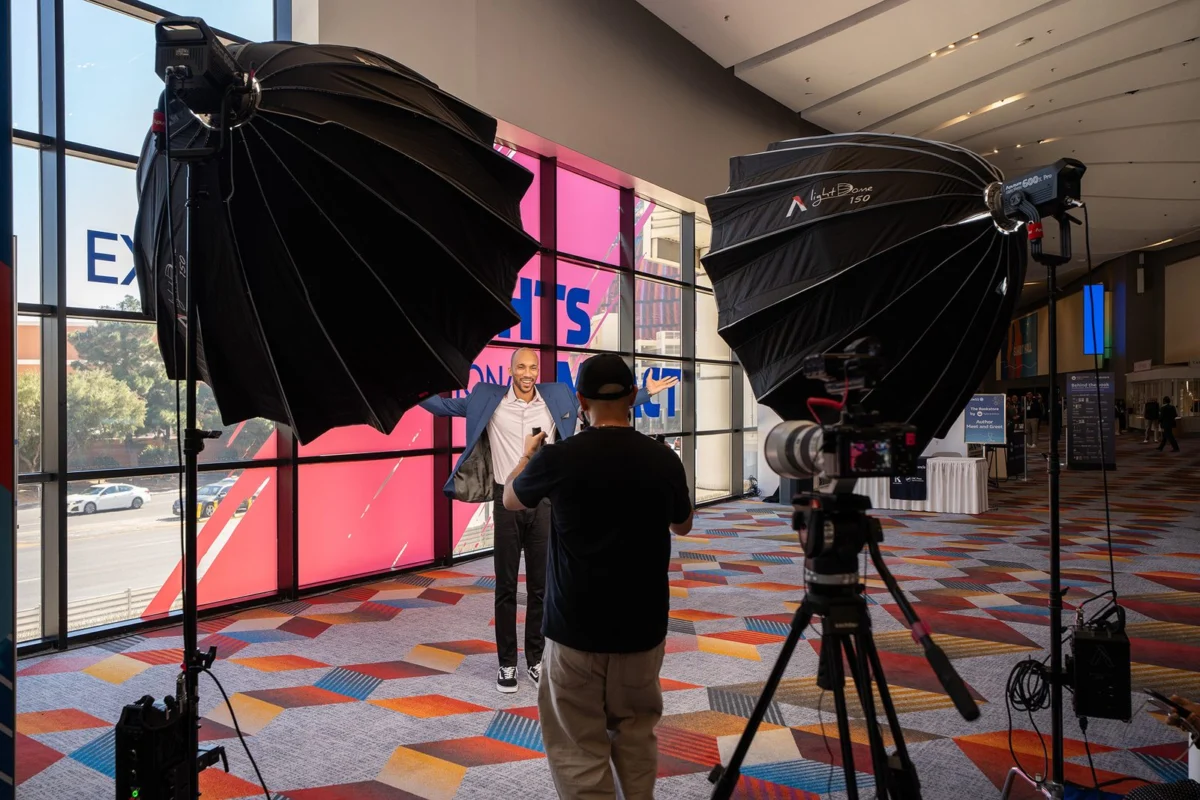
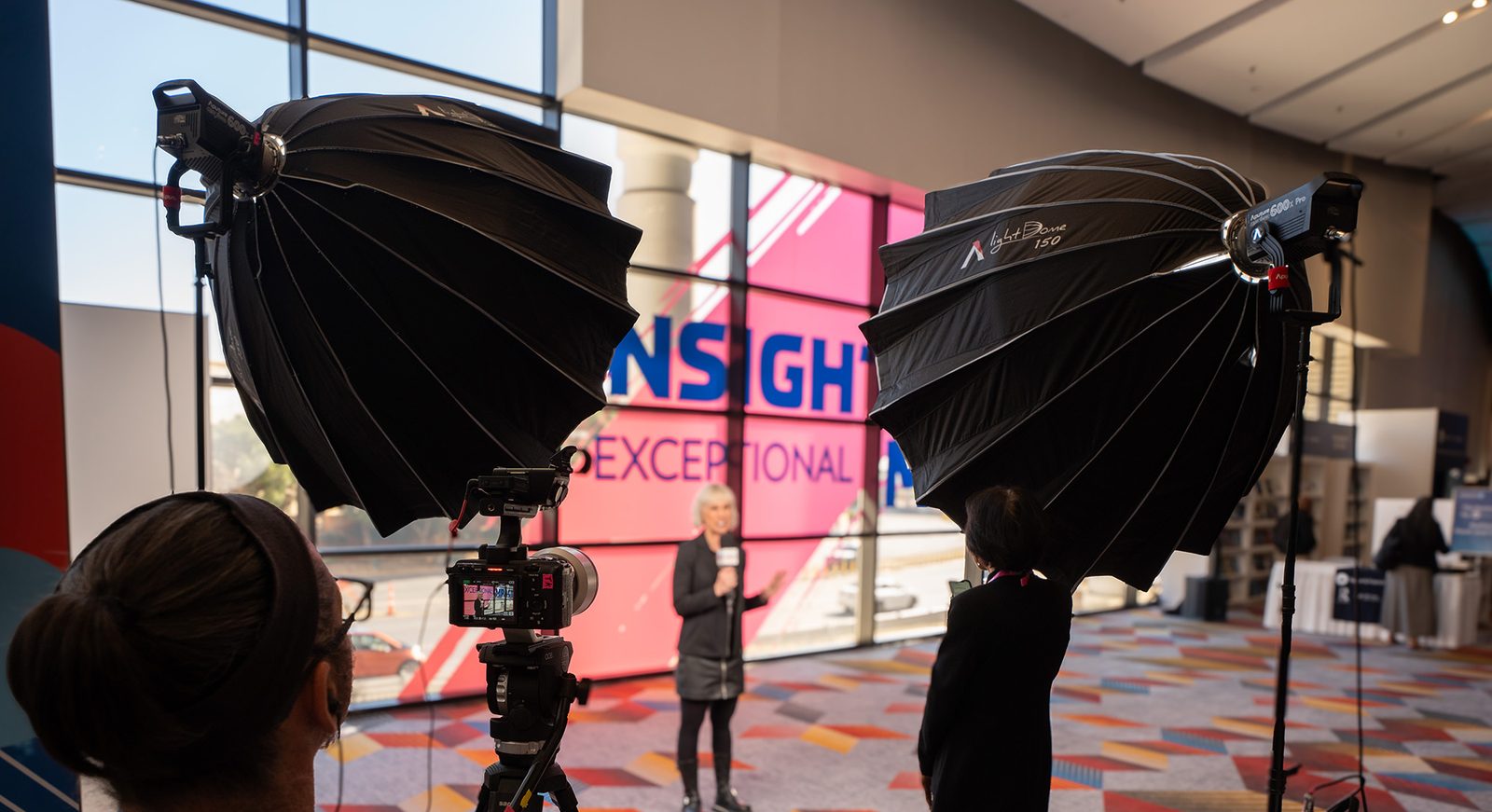
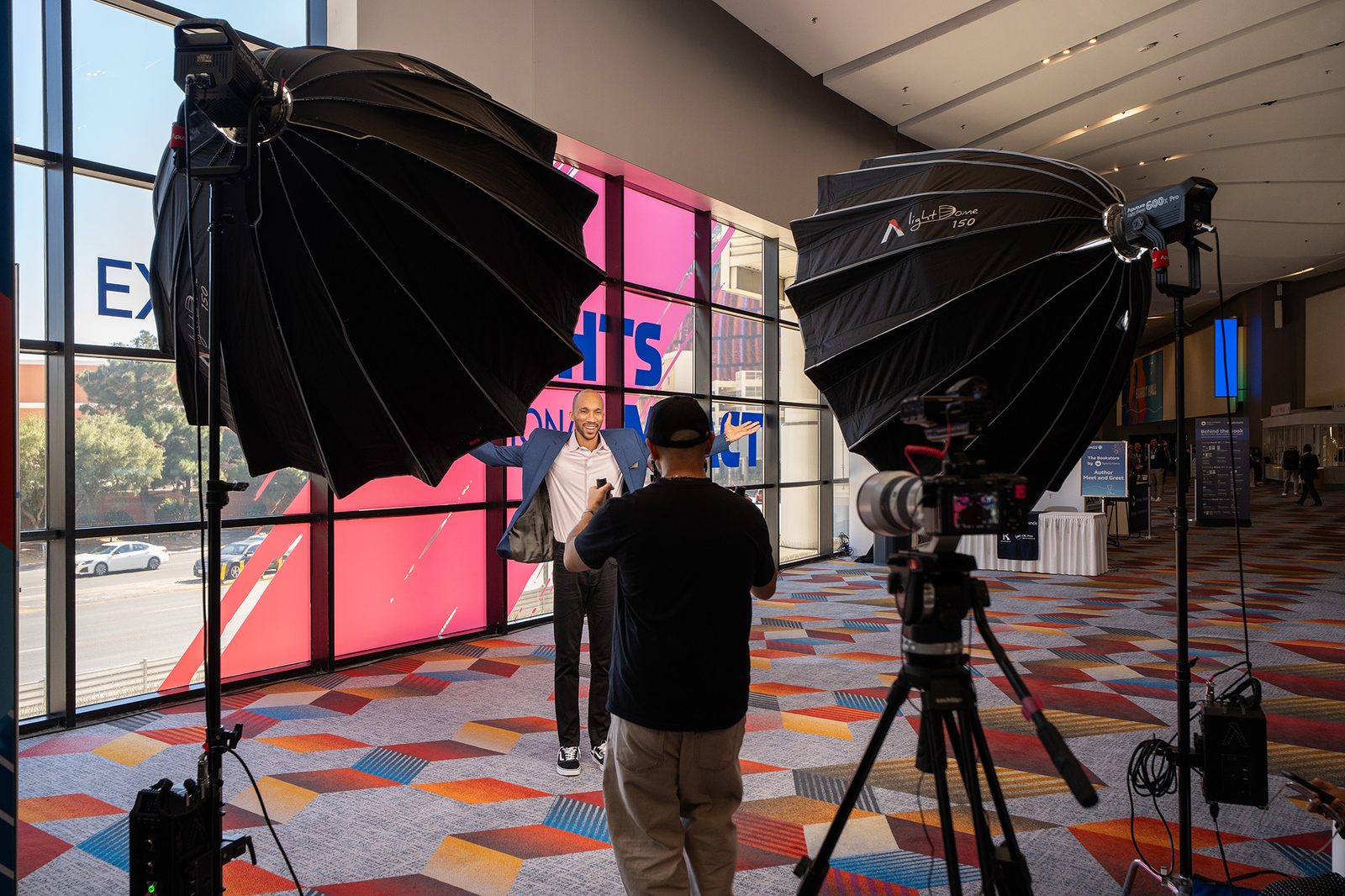
The increased shutter speed, coupled with the need for sufficient depth of field, demanded an immense amount of light. Real Glambots often feature integrated lighting solutions or operate in highly controlled studio environments. On a convention floor, Kim had to rely on powerful, portable units. Two Aputure LS 600x Pro bi-color LED lights, each equipped with Aputure Light Dome 150 softboxes (60-inch), provided the necessary illumination. These high-output LEDs delivered enough firepower to compensate for stopping down the lens to approximately f/8. This narrower aperture was crucial for maintaining a generous depth of field, ensuring subjects remained sharply in focus as the camera moved rapidly towards them, eliminating the need for a dedicated focus puller or complex pre-programmed focus transitions common with robotic systems.
"The democratization of high-speed capture, once the exclusive domain of specialized studios, is a game-changer for event content," explains Dr. Evelyn Reed, a professor of media production at the Institute of Cinematic Arts. "Tools like the Sony FX3 and powerful LED lighting, combined with sophisticated gimbals, allow independent videographers to achieve results that were unimaginable even five years ago without a massive budget. It’s a testament to the innovation in camera and lighting technology."
A few swift practice runs allowed Kim to fine-tune the camera’s path and movement, ensuring that when attendees stepped into position, the simulated Glambot shots achieved a remarkable level of precision and visual impact, effectively delivering a high-end look without the corresponding high-end cost.
Transitioning to "Man-on-the-Street" Interviews: Capturing Authentic Voices
Immediately following the cinematic shots, the production workflow shifted gears dramatically to facilitate quick, candid interviews with convention attendees. This required a setup that was not only technically sound but also exceptionally fast and unobtrusive.
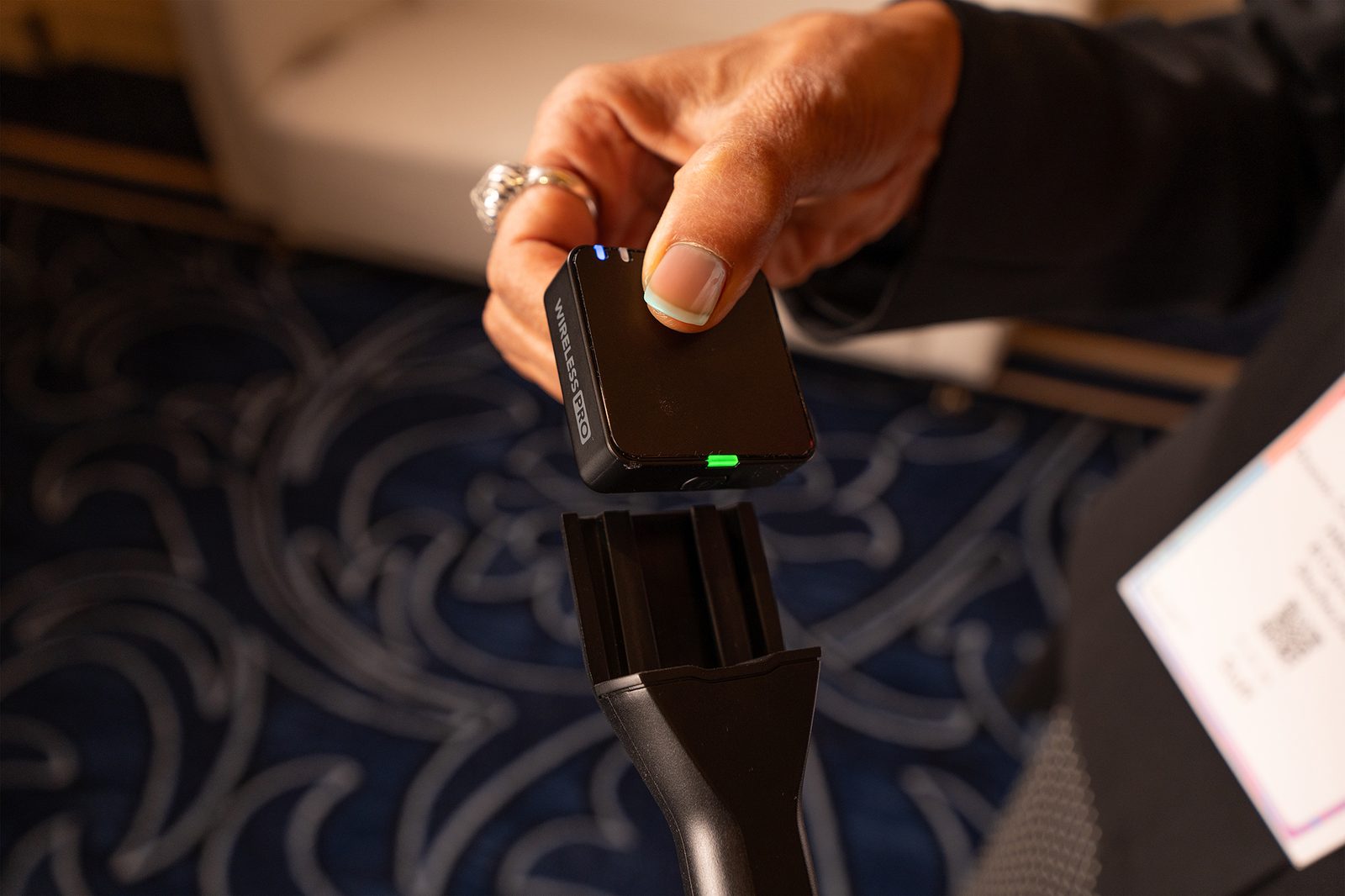
A second Sony FX3 camera was quickly mounted on a tripod, serving as the primary capture device for the interviews. Audio was streamlined using the Rode Wireless Pro system, a compact and reliable solution for capturing clear dialogue. Crucially, Kim utilized the Rode Interview GO Handheld Mic Adapter, which allowed a Rode Wireless Go transmitter to be snapped directly onto a handheld microphone. This innovation proved to be a lifesaver given the tight five-minute per attendee interview schedule. Instead of fumbling with lavalier mics, clipping transmitters, or managing cables, Kim could simply hand the integrated microphone to the subject, ensuring rapid setup and a professional appearance. This eliminated awkward delays and helped maintain the flow of conversation.
Psychology of the Interview: The Power of Distance
For the interviews, Kim opted for a Sony 70-200mm f/4 G OSS lens. While longer focal lengths are often chosen for aesthetic reasons—compressing backgrounds and creating a flattering portrait—Kim’s selection was primarily driven by a deep understanding of human psychology in front of the camera. Many convention attendees, unaccustomed to being filmed, exhibited visible signs of tension when confronted with a camera and crew. By using the 70-200mm lens, Kim could maintain a greater physical distance between himself and the interviewee.
"When a camera lens is perceived as being ‘in their face,’ people naturally stiffen up, becoming self-conscious and less natural," Kim later explained. "By keeping some distance, attendees felt less intimidated. They could relax, and once they loosened up, the conversation became far more authentic and engaging. The goal wasn’t just to get sound bites, but to capture genuine reactions and insights." This strategic use of a longer lens illustrates how technical choices can directly impact the quality and authenticity of human interaction captured on film.
The Role of Equipment Accessibility and Strategic Planning
The successful execution of this diverse mandate highlights the critical role of equipment accessibility and thoughtful planning in modern videography. The ability to source specialized gear, such as high-output LED lights, advanced gimbals, and specific audio adapters, without the burden of outright purchase, significantly empowers independent videographers and smaller production teams. Services like Lensrentals.com, which can deliver required equipment directly to a hotel or event venue, provide unparalleled flexibility, allowing videographers to scale their capabilities to meet dynamic client needs without massive capital investment.
This logistical advantage allowed Kim to be "prepared for everything," as he noted, ensuring that even unforeseen requests could be met with the right tools. By strategically renting gear that exceeded the immediate baseline requirements, he built in a crucial layer of adaptability that proved invaluable when the client’s brief expanded mid-shoot.
Implications for Modern Event Production: Adaptability as the New Standard
The experience at this convention serves as a compelling testament to the evolving demands on event videographers. Clients are no longer content with standard event coverage; they seek innovative, high-impact content that maximizes their investment and resonates with diverse audiences. This trend necessitates a shift in production paradigms, favoring agility, technical versatility, and creative problem-solving over rigid, pre-defined workflows.
The successful implementation of both "Glambot" style shots and rapid-fire interviews demonstrates that high-quality, diverse content can be achieved through resourcefulness and judicious equipment choices, even within budget constraints. This approach not only offers cost-effective alternatives to dedicated high-end systems but also democratizes access to cinematic aesthetics for a broader range of events and clients.
Ultimately, success in contemporary event videography hinges on a professional’s ability to be a chameleon, seamlessly transitioning between artistic modes and technical challenges. Tony Kim’s experience underscores that when videographers are prepared for curveballs and equipped with both the right tools and the knowledge to wield them creatively, the results can exceed expectations, speaking volumes about their skill and adaptability in a rapidly changing industry. The blending of high-fashion flair with immediate, run-and-gun journalism is not just a testament to one videographer’s skill, but a blueprint for the future of event media production.