A Snapshot of the 2025 Rental Landscape
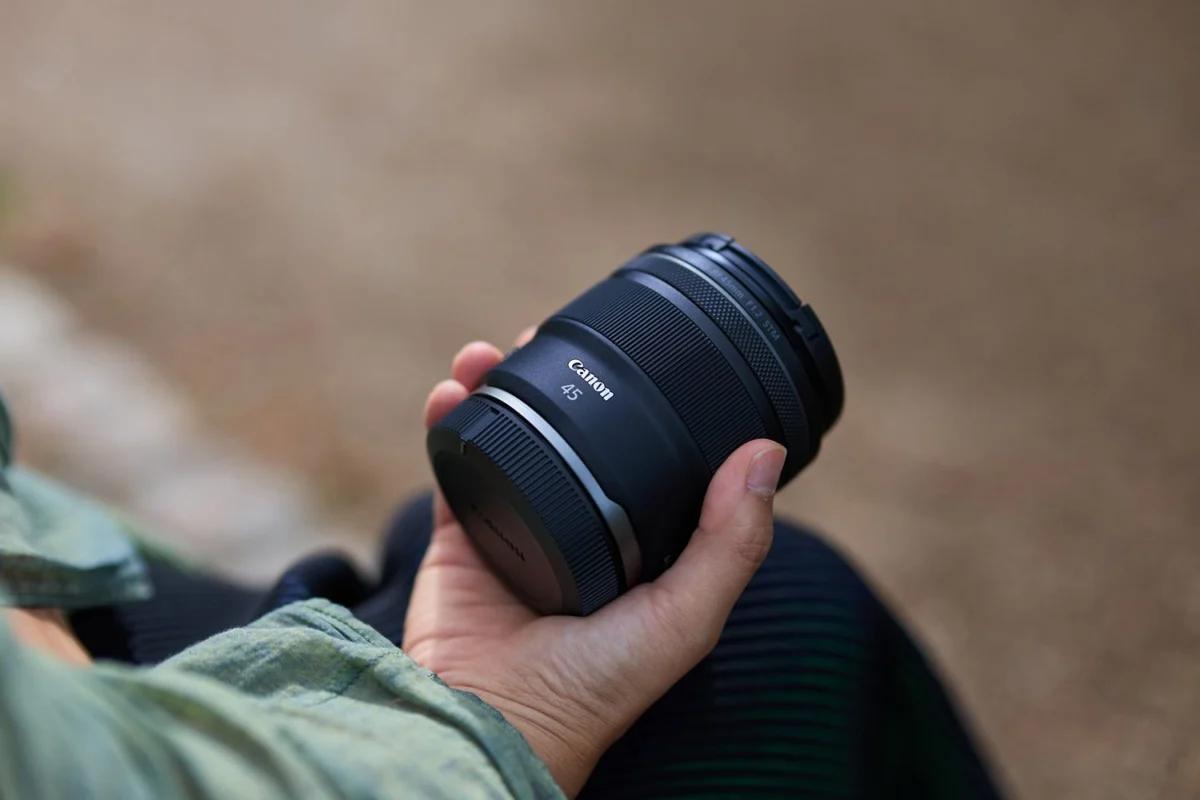
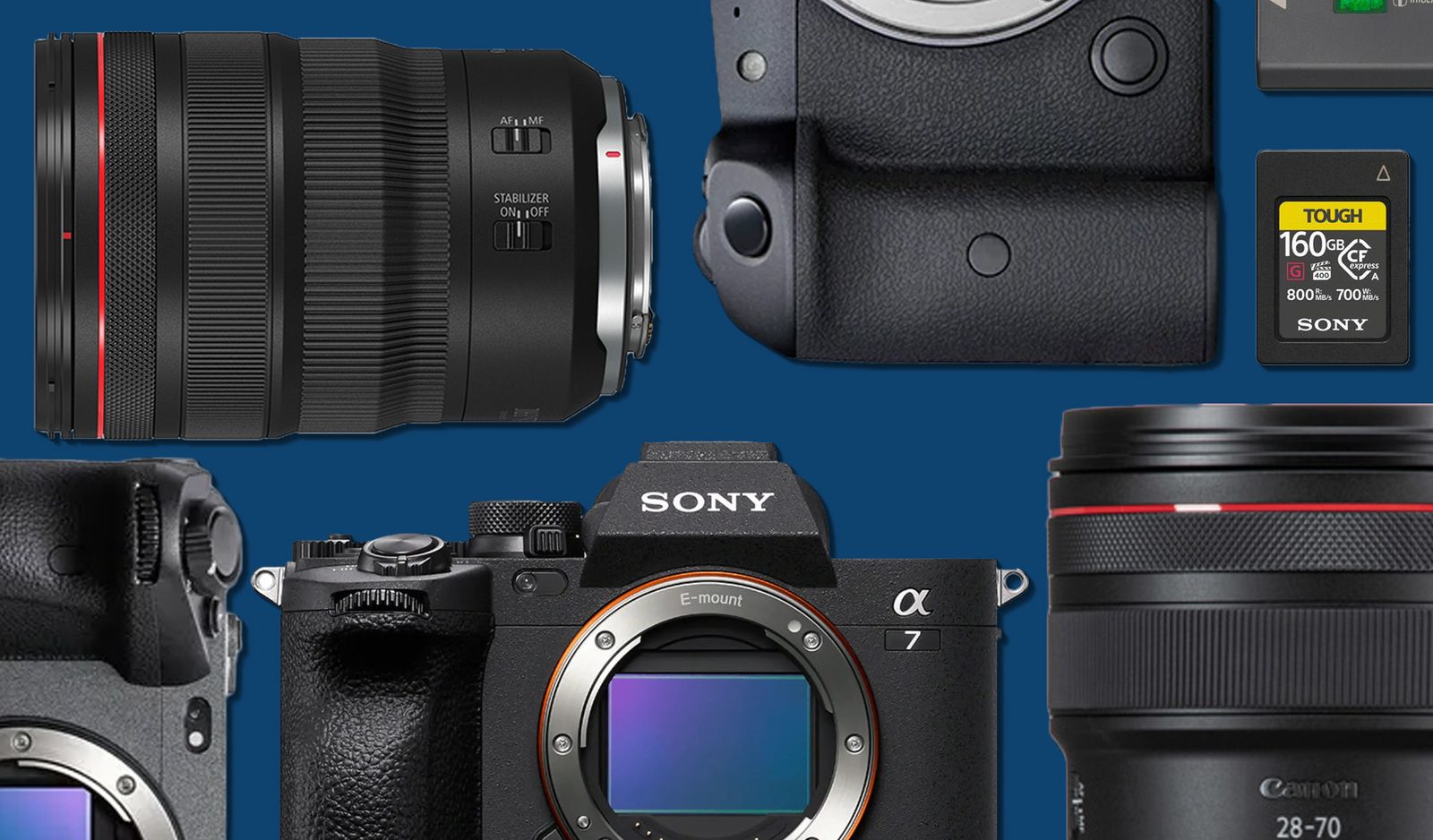
The overarching theme for 2025’s rental statistics is a resounding affirmation of versatility and practicality. While industry catchphrases like "Prime is King" often echo in enthusiast circles, the raw data from hundreds of thousands of rental transactions tells a different story. Midrange zoom lenses consistently topped the charts, with the Canon RF 24-70mm f/2.8L IS securing the undisputed first position for the most popular rental item by volume. Its slightly faster, albeit shorter-ranged, sibling, the Canon RF 28-70mm f/2L, followed closely, underscoring the professional community’s reliance on flexible tools that adapt to diverse shooting scenarios without necessitating frequent lens changes. This trend is particularly pronounced in a rental context, where users often seek a single, adaptable solution for a project rather than building out a specialized kit. The first prime lens, the Canon RF 50mm f/1.2L, did not appear until the 17th position, reinforcing the preference for comprehensive zoom capabilities in rental situations. This data reflects a market that values efficiency and broad utility, especially in commercial, event, and documentary work, where time is often a critical factor.
The Enduring Reign of Versatility: Lens Preferences
A deeper dive into the most popular lens rentals for 2025 confirms the dominance of zoom lenses and the duopoly of Canon and Sony in the optics market. Beyond the top-ranking Canon RF 24-70mm f/2.8L IS and RF 28-70mm f/2L, the list was populated almost exclusively by standard, telephoto, and wide-angle zooms from these two manufacturers. The Sigma 24-70mm f/2.8 DN Art was the sole exception, barely making it into the top 20, demonstrating its strong reputation as a third-party alternative. This strong showing for zoom lenses, particularly those covering the essential 24-70mm and 70-200mm ranges, is a testament to their indispensable role in various professional applications. From corporate videography and event photography to independent filmmaking, these lenses provide the necessary focal length flexibility without compromising on image quality or aperture. The absence of a wider array of specialized prime lenses or exotic options in the top rental list by volume suggests that while such lenses are vital for specific artistic or technical requirements, they are rented less frequently by the broader professional and semi-professional base compared to workhorse zooms. This pattern indicates that photographers and videographers renting gear are often looking to cover a wide array of potential shots within a single project, making versatile zooms the most logical and cost-effective choice.
Camera Choices: The Workhorse vs. The Specialist
The camera rental landscape for 2025 presented some surprising outcomes, notably the Canon R6 Mark II topping the list of most rented cameras. This model outperformed its higher-resolution sibling, the R5 Mark II (8th position), and even the original R5 (4th position). This ascendancy of the R6 Mark II can be attributed to its remarkable balance of features, performance, and price point, making it an ideal workhorse for a wide range of content creators. Its robust video capabilities, excellent low-light performance, and reliable autofocus system offer significant value without the higher cost associated with the R5 series’ extreme resolution, which might be overkill for many rental-based projects.
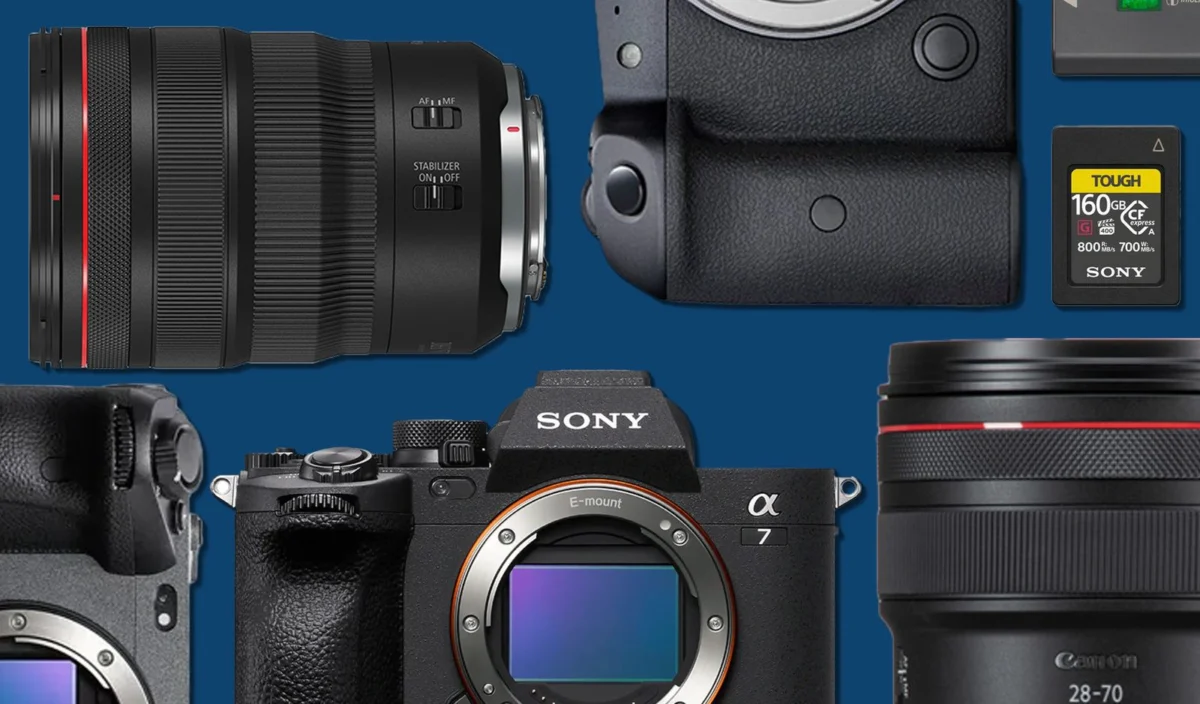
Sony demonstrated an impressive breadth in its offerings, securing nine positions within the top twenty camera rentals. This includes professional video systems like the Sony FX6, popular full-frame mirrorless bodies such as various iterations of the Alpha series (inferred presence), and even compact point-and-shoot options like the Cybershot RX100 VII. This wide representation underscores Sony’s comprehensive ecosystem and its ability to cater to diverse segments of the market, from high-end cinematic productions to travel vlogging and casual photography.
In contrast, Nikon made a solitary appearance with its Z8 model, while Fujifilm cameras were conspicuously absent from the top twenty. This disparity highlights the intense competition in the mirrorless camera market. While Nikon continues to build its Z-mount ecosystem with strong contenders like the Z8, its rental volume has yet to match the market penetration of Canon and Sony. Fujifilm, despite its strong brand loyalty and acclaimed image quality, particularly among enthusiasts and hybrid shooters, appears to have a different rental profile, potentially indicating a market segment that leans more towards ownership than short-term rentals for its specific use cases, or perhaps a smaller overall professional footprint in the general rental market.
The Unsung Heroes: Essential Accessories Dominate
Beyond cameras and lenses, the accessory rental data for 2025 underscores the fundamental requirements of modern digital imaging: power and data storage. Batteries and memory cards overwhelmingly dominated the accessory rental list. This trend is hardly surprising, given the increasing demands of contemporary mirrorless cameras. These devices, known for their advanced processing capabilities, high-resolution video recording, and rapid burst shooting, are notorious for their higher power consumption compared to their DSLR predecessors. Consequently, extended shoots necessitate a continuous supply of power and ample, high-speed storage. The prevalence of these items reflects the practical realities faced by professionals on set, where equipment failure due to drained batteries or full memory cards is simply not an option.
Interestingly, despite the growing popularity of drone cinematography and advanced lighting setups, very little dedicated lighting or drone equipment made it into the top twenty accessory rentals. The DJI TB50 battery, often used for professional-grade drones like the Inspire series, was an exception at the 18th position. This absence suggests that while specialized lighting and drone equipment are crucial for certain productions, they might either be owned by professionals who frequently use them or are rented as part of larger, more specialized packages that do not necessarily contribute to the general "top 20 accessories" by sheer volume. Instead, the remaining slots in the accessory list were filled by practical support gear such as light stands and tripods, reinforcing the foundational needs of any professional production.
Brand Market Share: A Deeper Dive into Revenue Trends
Examining brand market share by revenue provides a distinct perspective, as it naturally skews towards higher-priced, professional-grade equipment, offering insights into where significant financial investment is being made. The data for 2025 confirms Canon’s unwavering leadership, growing its market share from 25.69% in 2024 to 26.51% in 2025. Sony solidified its position as a strong second, also demonstrating consistent growth from 20.45% to 21.66% over the same period. This indicates a tightening duopoly at the top, with both brands successfully expanding their ecosystems and appealing to a broad professional base.
Nikon experienced a slight dip, from 5.91% in 2024 to 5.56% in 2025, despite the strong performance of its Z8 in camera rentals, suggesting challenges in growing its overall revenue share compared to its primary competitors. DJI continued its upward trajectory, increasing its market share from 3.80% to 4.29%, highlighting the increasing integration of drone technology into professional workflows and the brand’s strong hold on this specialized market.
Conversely, several brands saw a slight contraction in their revenue share. Blackmagic Design, Sigma, Aputure, RED, and Sachtler all experienced minor declines. RED, in particular, saw a significant drop from 2.03% in 2023 to 1.11% in 2025, a trend that could be attributed to increased competition from Canon and Sony in the high-end cinema camera market, offering more integrated and often more cost-effective solutions for many productions. The decline in brands like Sachtler might reflect broader shifts in professional support equipment or increased competition from more agile manufacturers. Interestingly, Fujifilm, despite its low representation in top camera rentals, showed a modest but steady increase in revenue share from 2.59% to 2.79%, indicating a loyal customer base or strong performance in specific product categories, perhaps in its lens lineup or medium format offerings, which contribute significantly to revenue per rental.
Navigating a Transitional Year: Key Shifts and Competitive Dynamics
The year 2025 appears to be a "transitional year" for the photography and videography industry, characterized less by revolutionary product introductions and more by refinement and consolidation within existing product lines. This trend is evident in the "Most Popular New Gear" list, which featured an updated version of the reliable Manfrotto 190 series tripod and the Amaran COB 200x bi-color monolight. These products, while excellent, represent enhancements to proven designs rather than entirely novel categories. This pattern could be indicative of several factors: the maturing mirrorless market, where manufacturers are focusing on optimizing performance and user experience; a period of supply chain stabilization following previous disruptions; or a strategic pause before the introduction of next-generation technologies, such as more advanced AI integration in cameras or significant breakthroughs in sensor technology.
Dr. Evelyn Reed, Chief Market Analyst for the premier rental house, commented on these findings: "The data for 2025 paints a clear picture of an industry prioritizing reliability and proven performance. Our customers, whether independent filmmakers or large production houses, are increasingly seeking equipment that offers robust functionality across various scenarios. The consistent growth of Canon and Sony’s market share reflects their success in building comprehensive ecosystems that meet these diverse professional needs, while the steady rise of DJI highlights the increasing professionalization of aerial imaging. The subtle shifts we observe in market share, coupled with the nature of new gear popularity, suggest a market focused on practical evolution rather than disruptive innovation in this particular cycle." This perspective aligns with the observed emphasis on versatile zooms and workhorse cameras, indicating a pragmatic approach within the professional community.
The Future on the Horizon: New Gear Making an Impact
The list of most popular new gear for 2025 offers a glimpse into where the market might be heading, albeit with caveats regarding product announcement timing and inventory introduction. Leading this category was the updated Manfrotto 190 series, a video-focused tripod that has long been a staple for its reliability and adaptability. Its continued popularity underscores the foundational importance of stable support systems in both photography and videography. The first strong debut from a lighting company on these lists was the Amaran COB 200x, a 200W bi-color monolight. Its versatility, offering both battery and AC power options, makes it an attractive choice for professionals needing flexible lighting solutions on diverse sets, from studio to on-location shoots.
The remainder of the new gear list comprised largely of refreshes to existing popular products, offering marginal upgrades. This further supports the notion of 2025 being a year of refinement. Manufacturers are perhaps focusing on enhancing ergonomics, improving internal processing, or introducing incremental feature updates rather than launching entirely new product categories. This strategy could be aimed at extending the lifecycle of successful models and ensuring user satisfaction with mature technologies. For rental houses, this means a consistent demand for updated, reliable versions of familiar gear, allowing them to maintain a cutting-edge inventory without significant speculative investments in unproven technologies.
Industry Implications and Forward Outlook
The 2025 rental data carries significant implications for various industry stakeholders. For manufacturers, the sustained dominance of versatile zooms and workhorse cameras from Canon and Sony suggests that continued investment in these core categories, focusing on reliability, balanced features, and ecosystem integration, will yield the greatest returns. The strong performance of the Canon R6 Mark II, in particular, indicates that a camera doesn’t necessarily need the highest resolution to be the most desired rental; rather, a harmonious blend of video capabilities, low-light performance, and user-friendliness often takes precedence in practical, rental-driven workflows.
For rental houses, the insights reinforce the importance of maintaining a diverse and up-to-date inventory that caters to both generalist needs (midrange zooms, versatile cameras) and specific, high-demand accessories (batteries, memory cards). The rise of DJI and the stability of brands like Fujifilm (by revenue) indicate niche markets that require careful consideration for inventory expansion. The "rent before you buy" philosophy continues to gain traction, especially as technology evolves rapidly, making rental data a critical barometer for predicting long-term purchasing trends.
For photographers and videographers, these trends offer valuable guidance on equipment choices and potential investment strategies. Renting allows professionals to access high-end, specialized gear for specific projects without the substantial upfront cost, and the data shows that practicality often trumps niche specialization in general rental scenarios. As the industry continues its evolution, shaped by technological advancements and shifting production demands, the annual rental report serves as an indispensable compass, charting the course for professional imaging in the years to come.