Lighting in photography is one of the most vital elements to master and can make the difference between a good photo and a spectacular one. Far from being a mere technical consideration, light is the fundamental medium through which photographers sculpt scenes, evoke emotions, and tell compelling stories. Its mastery transcends genre, influencing everything from the dramatic flair of a portrait to the intricate details of a macro shot, and is universally acknowledged as a cornerstone of visual artistry.
The Historical Tapestry of Light in Photography
The journey of photography is inextricably linked to the understanding and manipulation of light. In the earliest days of the medium, pioneers like Louis Daguerre and William Henry Fox Talbot were entirely at the mercy of natural light. Their lengthy exposure times, often stretching for minutes or even hours, necessitated bright, consistent illumination, largely restricting early photographic endeavors to outdoor scenes or well-lit studios. The advent of faster photographic emulsions in the mid-19th century began to liberate photographers from these constraints, yet the quest for control over light remained paramount.
The late 19th and early 20th centuries saw significant innovations in artificial lighting. The magnesium flash lamp, a perilous but effective precursor to modern flash, offered the first real opportunity for portable, instant illumination, opening doors for indoor portraiture and low-light photography. As technology progressed, incandescent bulbs became more practical for studio settings, allowing photographers to meticulously shape and direct light. Legendary figures like Alfred Stieglitz and Edward Steichen, while often utilizing natural light for its nuanced qualities, also experimented with artificial sources to achieve their distinct artistic visions. The mid-20th century brought the widespread adoption of electronic flash (strobe lights), which revolutionized photography by offering powerful, repeatable bursts of light with precise control over intensity and duration. This period saw the rise of iconic photographers like Richard Avedon and Irving Penn, whose mastery of studio lighting became synonymous with high-end fashion and portraiture. Today, the evolution continues with versatile LED panels, advanced continuous lighting systems, and sophisticated wireless triggers, empowering photographers with unprecedented creative freedom.
Understanding the Fundamental Properties of Light
To truly master lighting, a photographer must grasp its core scientific and artistic properties:
- Quality of Light (Hard vs. Soft): The perceived "hardness" or "softness" of light is determined by the size of the light source relative to the subject. A small, distant light source (like the midday sun) produces hard light, characterized by sharp, well-defined shadows and high contrast, often used to emphasize texture and drama. Conversely, a large, diffused light source (like an overcast sky or a large softbox) creates soft light, which yields gradual transitions from light to shadow, minimizes harsh lines, and reduces contrast, ideal for flattering portraits and revealing subtle details.
- Direction of Light: The angle at which light strikes the subject profoundly impacts its appearance.
- Frontal Lighting: Illuminates the subject directly, minimizing shadows and texture, often resulting in a flat appearance.
- Side Lighting: Comes from the side, creating strong shadows and highlights that emphasize texture, depth, and three-dimensionality. It’s excellent for dramatic effect.
- Backlighting (Rim Lighting): Positions the light source behind the subject, creating a luminous outline (rim light) that separates the subject from the background and adds a sense of drama or ethereal beauty.
- Top Lighting: Light from directly above can create deep shadows under brows and noses, often used for dramatic or mysterious effects.
- Bottom Lighting: Light from below is uncommon in natural settings and can create an unsettling or monstrous effect, often used in horror or avant-garde portraiture.
- Color Temperature: Measured in Kelvin (K), color temperature describes the warmth or coolness of light. Lower Kelvin values (e.g., 2000K-3000K) correspond to warmer, more orange/yellow light (like candlelight or a sunset), while higher values (e.g., 5000K-7000K) indicate cooler, bluer light (like overcast skies or shade). Understanding color temperature allows photographers to set accurate white balance or intentionally use color casts to evoke specific moods.
- Intensity/Exposure: The brightness of the light source directly influences exposure. Photographers manipulate aperture, shutter speed, and ISO (the exposure triangle) in conjunction with light intensity to achieve the desired brightness and depth of field. Light meters, both built into cameras and handheld, are essential tools for measuring light and ensuring correct exposure.
Lighting in Diverse Photographic Genres

The application of lighting principles varies significantly across different photographic disciplines, each presenting unique challenges and opportunities.
Lighting in Wildlife Photography
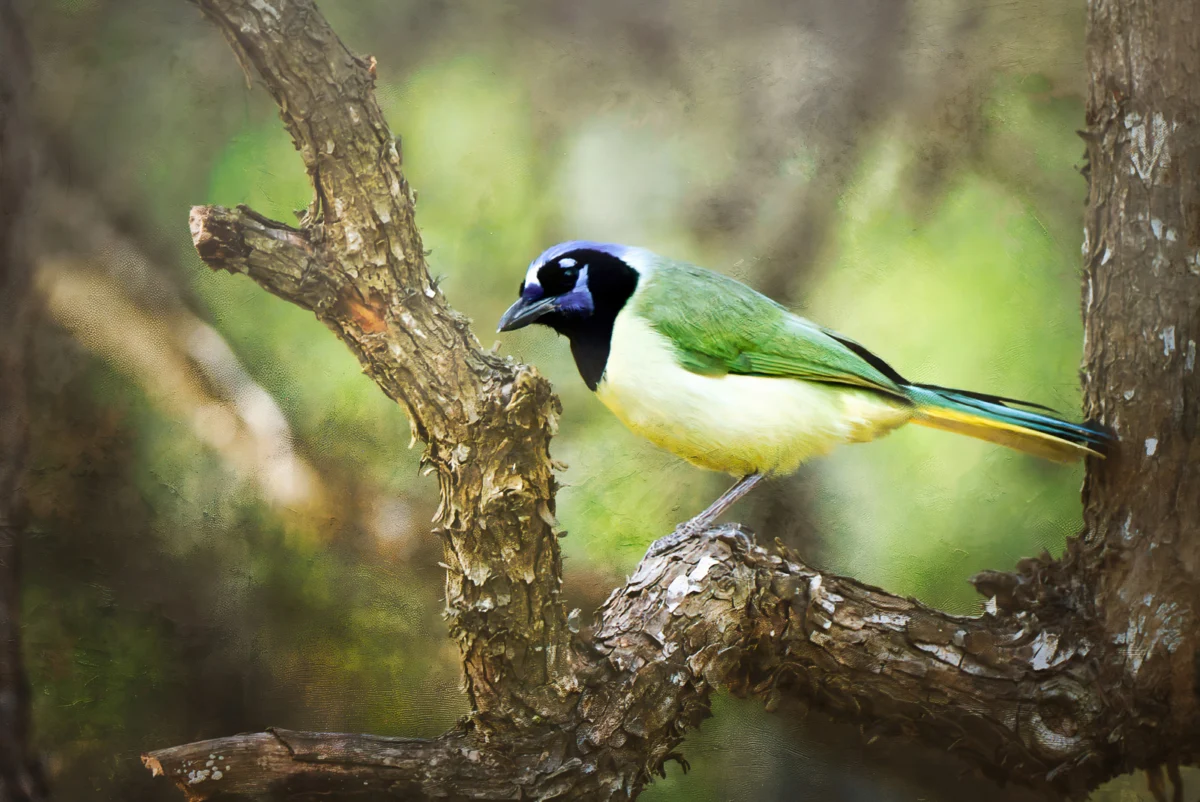
To create truly standout images of wildlife, photographers must deeply understand how light interacts with their subjects in often unpredictable natural environments. Unlike studio photography, wildlife photographers rarely have the luxury of controlling their light sources directly, necessitating an acute awareness of ambient conditions.
Challenges: Wildlife subjects are often elusive, fast-moving, and found in diverse habitats with varying light. Harsh midday sun can lead to blown-out highlights and deep shadows, while dense foliage can create dappled, uneven light.
Techniques:

- Golden Hour: The period shortly after sunrise and before sunset is revered for its soft, warm, directional light, which enhances animal textures and creates a pleasing glow. Many wildlife photographers plan their entire day around these fleeting moments.
- Backlighting and Rim Lighting: Positioning oneself to allow the sun to be behind the subject can create stunning rim lighting, separating the animal from its background and adding a dramatic, ethereal quality. This technique is particularly effective for subjects with fur or feathers.
- Fill Light: In challenging conditions, a subtle amount of fill flash can lift shadows and add sparkle to an animal’s eyes without overpowering the natural light. However, its use must be judicious and ethical, avoiding disturbance to the animals.
- Overcast Days: Soft, diffused light on overcast days can be ideal for capturing details and vibrant colors without harsh shadows, especially for woodland creatures or macro wildlife.
Impact: Mastering light in wildlife photography allows images to transcend mere documentation, transforming them into powerful visual narratives that convey the animal’s character, habitat, and the photographer’s artistic vision. Renowned wildlife photographer Frans Lanting often speaks about light as the "language of the subject," emphasizing how it reveals the essence of an animal and its environment.
Lighting in Landscape Photography
Understanding lighting in landscape photography goes far beyond merely achieving correct exposure; it’s about interpreting and enhancing the grandeur of nature. One of the most powerful skill sets a landscape photographer can possess is the ability to identify, plan for, and adapt to ever-changing lighting conditions.
Challenges: Landscapes are vast, and light can change dramatically within minutes due to weather, time of day, and geographical features. Managing extreme dynamic range (bright skies and dark foregrounds) is a common hurdle.
Techniques:

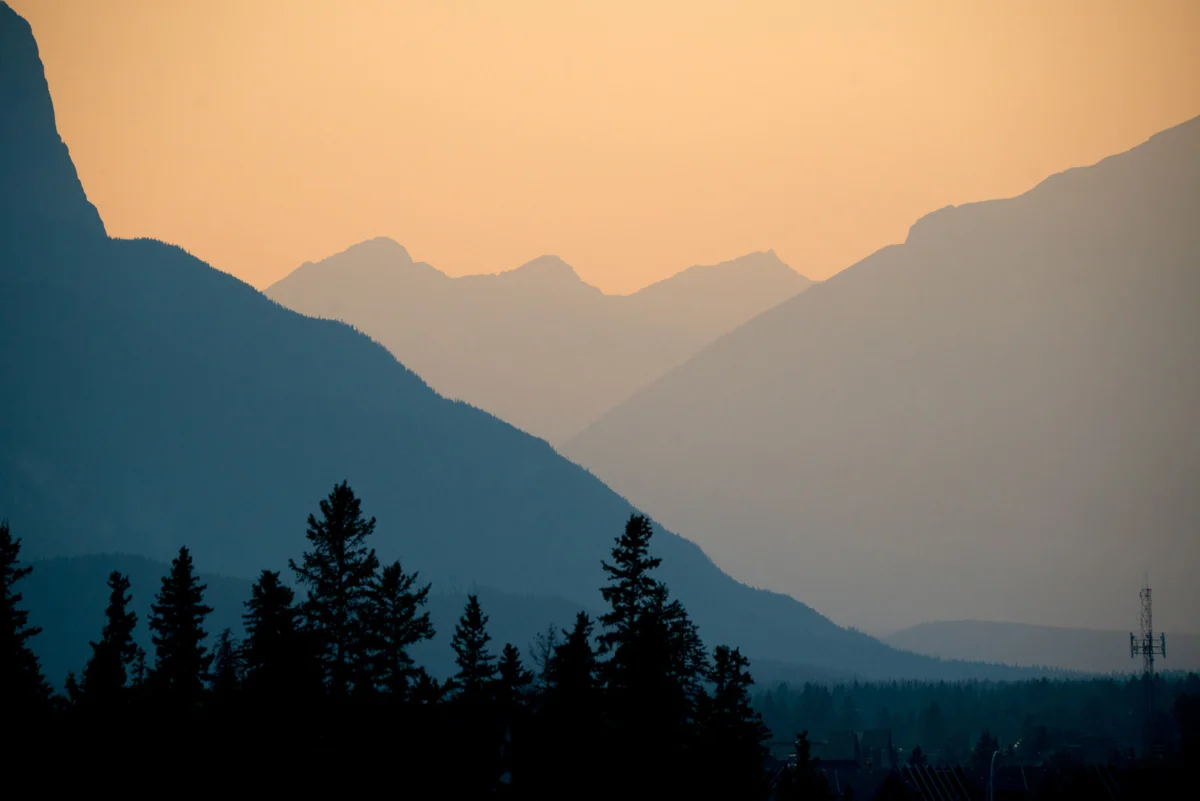
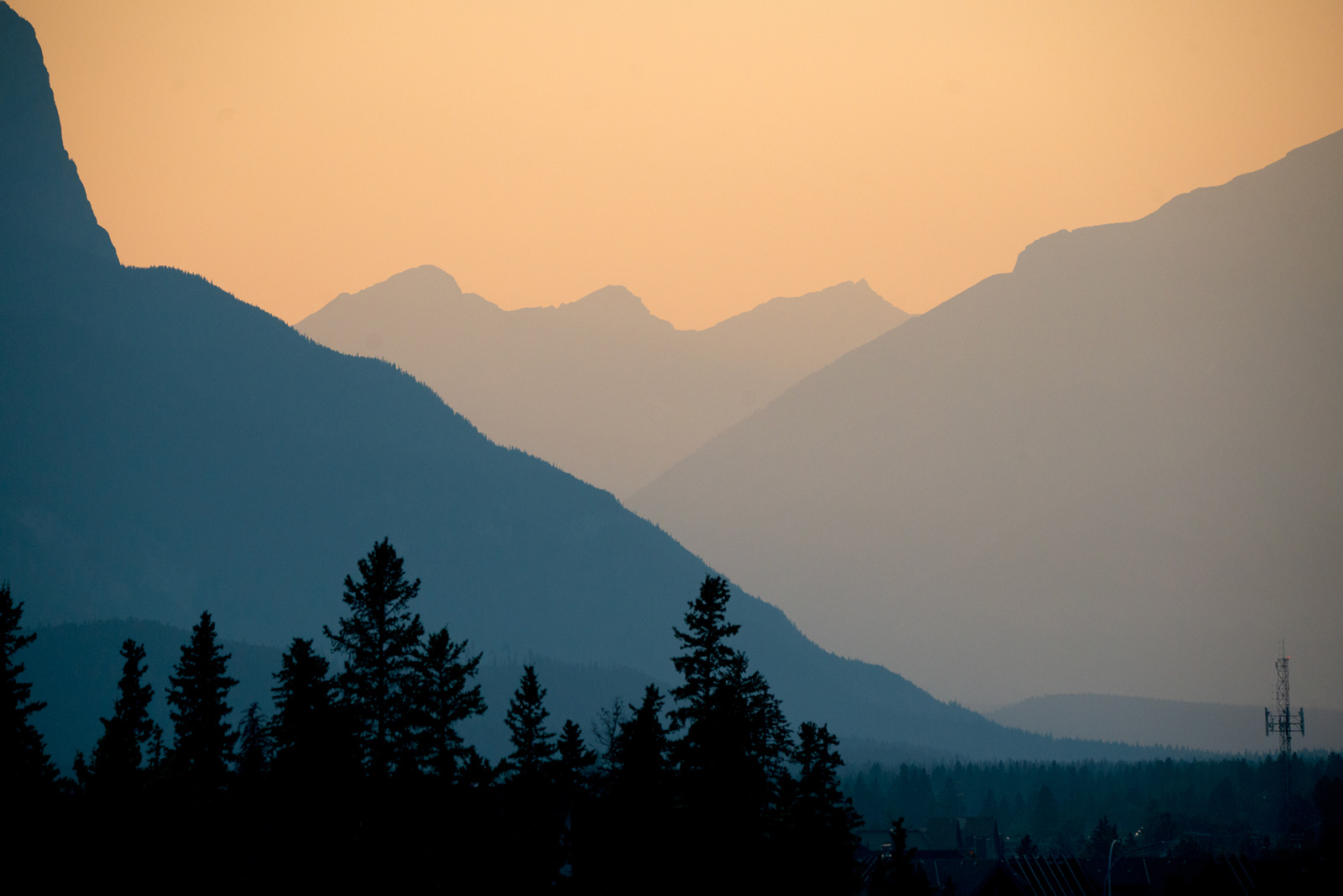
- Golden Hour and Blue Hour: These periods are paramount for landscape photographers. The golden hour casts warm, soft light and long shadows, creating depth and dimension. The blue hour, just before sunrise or after sunset, offers a cool, tranquil light that can transform familiar scenes into something magical.
- Cloud Cover: Clouds act as natural diffusers, creating soft, even light that can be excellent for capturing rich colors and textures without harsh shadows. Dramatic cloud formations can also add significant visual interest.
- Stormy Weather: While challenging, the dramatic light often found during or after storms—with shafts of light breaking through dark clouds—can lead to incredibly moody and powerful images.
- Long Exposure: Using long exposures in various lighting conditions can smooth water, blur moving clouds, and create a sense of ethereal calm or dynamic motion, emphasizing the quality of light over time.
- Graduated Neutral Density (GND) Filters: These physical filters help balance the exposure between a bright sky and a darker foreground, allowing the camera to capture a wider range of tones in a single shot.
Impact: Expert use of light in landscape photography allows photographers to convey the mood, scale, and intrinsic beauty of a scene. It can transform a mundane vista into an awe-inspiring spectacle, highlighting geological features and the atmospheric conditions that define a place. Landscape photographers often spend hours scouting locations, not just for composition, but crucially for how light will interact with the scene at specific times.
Lighting in Underwater Photography
Learning how to find, create, and use light underwater can be one of the most essential and difficult skills to master, but one that will undoubtedly make your photography stand out from the crowd. Water itself is a powerful filter, absorbing light wavelengths at different rates.
Challenges: Water absorbs red, orange, and yellow light first, making everything appear blue-green at even shallow depths. Light intensity diminishes rapidly with depth, and particulate matter in the water can cause backscatter from artificial light sources.
Techniques:

- Ambient Light: In shallow waters, ambient sunlight can be beautiful, providing a natural blue cast and emphasizing sun rays. Photographers learn to shoot with the sun behind them to maximize natural light on the subject.
- External Strobes/Flashes: Crucial for restoring lost colors and adding contrast. Positioning strobes correctly (typically angled outwards and slightly behind the lens port) is key to minimizing backscatter.
- Continuous Video Lights: Useful for focusing and for capturing macro subjects, offering consistent illumination and allowing for precise light placement.
- Backlighting and Sunbursts: Utilizing the sun behind a subject can create dramatic silhouettes or stunning sunburst effects, especially when shooting towards the surface.
- Close-Focus Wide-Angle (CFWA): A technique combining a wide-angle lens with a close-up subject illuminated by strobes, creating dramatic images that capture both the subject’s detail and its environment.
Impact: Effective underwater lighting reveals the vibrant, true colors of marine life and corals, which would otherwise appear monochromatic. It adds depth, dimension, and drama to a world often perceived as flat and blue. Marine biologists and conservationists frequently rely on expertly lit underwater photography to document species, highlight biodiversity, and raise awareness, as the vivid imagery captures public attention far more effectively than unlit, blue-shifted photos.
Lighting for Macro Photography
Whether photographing amphibians or insects up close, or the finer details found in nature, lighting remains an exceptionally critical element in macro photography, where magnification amplifies every nuance and imperfection.
Challenges: The extremely shallow depth of field in macro photography means that even slight variations in light can drastically alter the perception of sharpness and detail. Subjects are often small, delicate, and in shaded areas. Reflections on shiny surfaces (like insect exoskeletons) can be problematic.
Techniques:

- Ring Flashes and Macro Strobes: These dedicated lighting units attach to the lens, providing even illumination of the subject from all angles, minimizing shadows and maximizing detail.
- Diffusers: Essential for softening harsh light, whether from a flash or direct sun. Small diffusers can be handheld or attached to flashes to create a larger, softer light source.
- LED Panels: Compact and controllable, small LED panels can provide continuous light, allowing precise placement and real-time assessment of light effects.
- Natural Light with Reflectors: Utilizing natural ambient light and bouncing it back onto the subject with small reflectors can create soft, pleasing illumination without the need for artificial flash.
- Focus Stacking: While not directly a lighting technique, focus stacking combines multiple images taken at different focus points, which implicitly requires consistent lighting across all shots to blend seamlessly, ensuring every part of the macro subject is sharp.
Impact: Masterful lighting in macro photography unveils a hidden world of intricate patterns, textures, and colors that are invisible to the naked eye. It allows photographers to isolate their subjects, creating images that are both scientifically informative and artistically captivating. The ability to control reflections and shadows meticulously is paramount to rendering the delicate beauty of tiny organisms.
Broader Implications and the Future of Photographic Lighting
The profound impact of lighting extends beyond technical execution; it is central to artistic expression and the very act of visual storytelling. Expert lighting transforms a simple scene into a narrative, conveying mood, atmosphere, and emotion without uttering a single word. In commercial photography, the strategic use of light can elevate a product, making it appear more desirable, trustworthy, or luxurious, directly influencing consumer perception and purchasing decisions.
Furthermore, the continuous evolution of lighting technology promises even greater creative possibilities. Advances in smart lighting systems, artificial intelligence for light prediction and manipulation, and increasingly portable and powerful LED solutions are democratizing access to sophisticated lighting setups. This trend allows photographers of all levels to experiment and push the boundaries of what’s possible, fostering a new generation of visual artists.

In conclusion, whatever the subject, lighting is a crucial element to master for creating memorable and standout images. It is not merely about brightness but about shaping, sculpting, and coloring the visual narrative. The journey to mastering light is ongoing, requiring keen observation, technical understanding, and a willingness to experiment. The guides mentioned earlier serve as invaluable resources for understanding how to harness the power of lighting in photography and take your work to the next level. As photographers continue to explore and innovate, light remains the ultimate tool for transforming vision into captivating reality. We’d love to see how you use light – don’t forget to share your images with us!