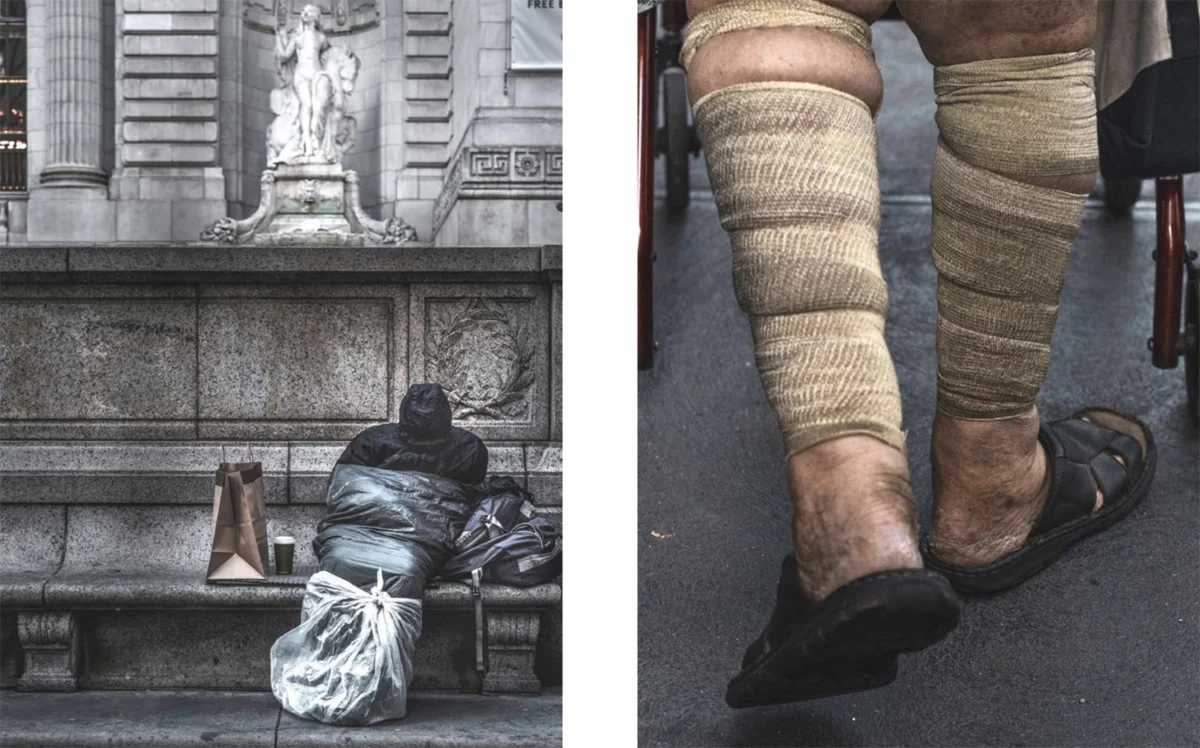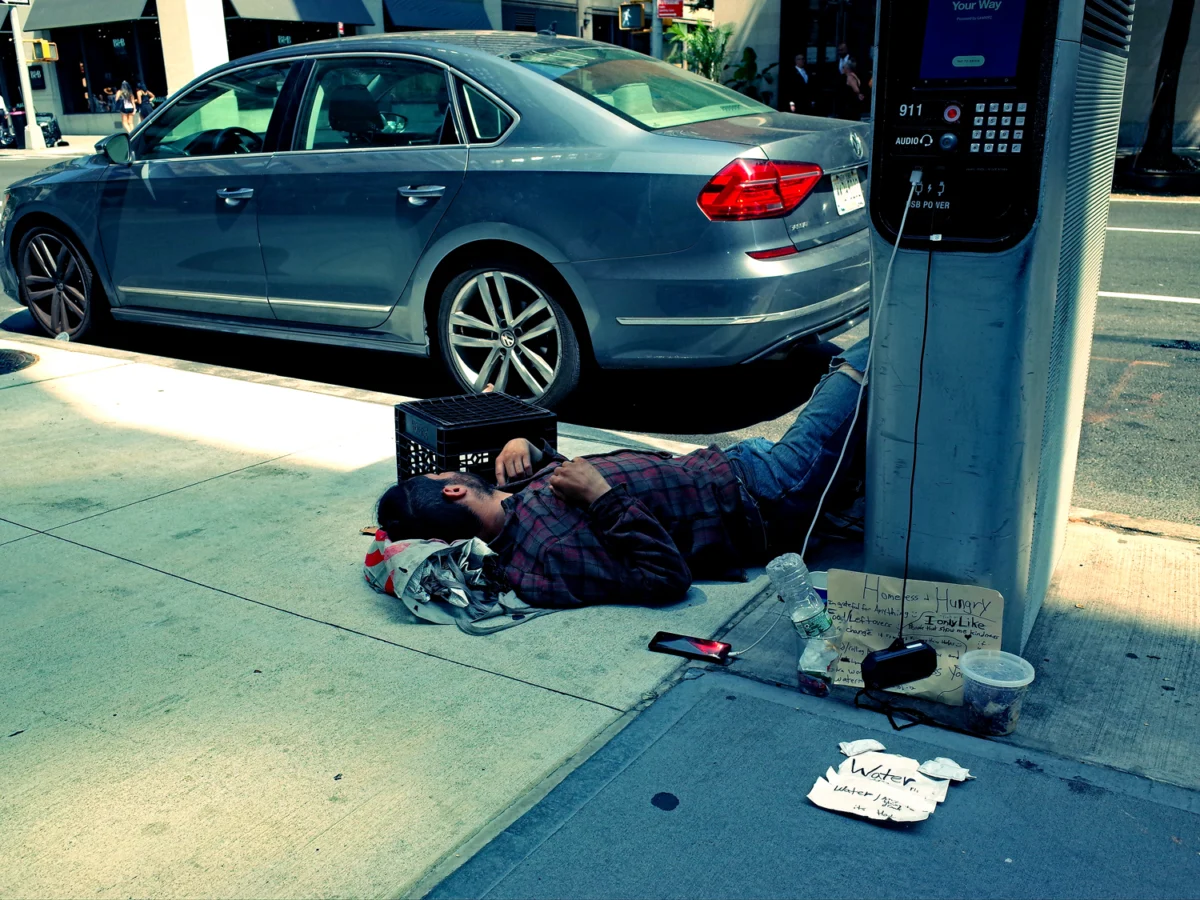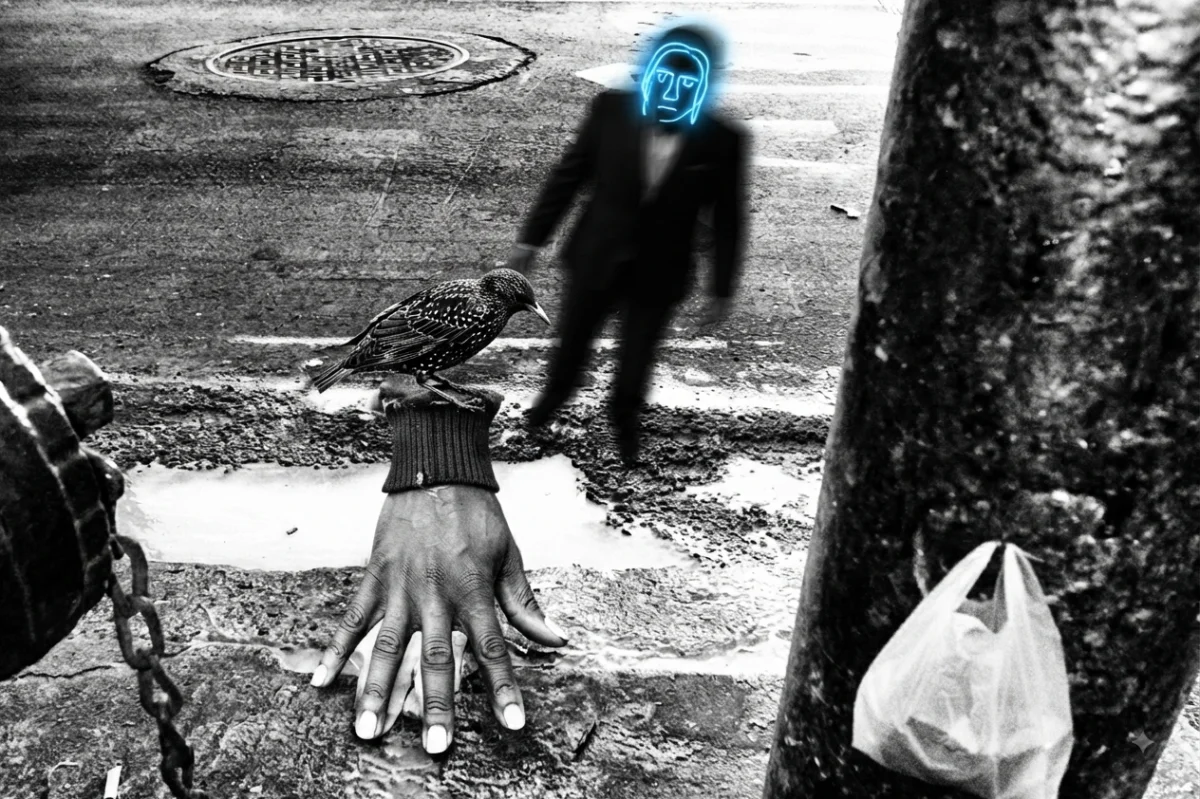
The debate over the definition of street photography, a recurring fixture in online photographic communities, is fundamentally misdirected. Rather than seeking to impose rigid boundaries on what constitutes a "street photograph," the focus should shift towards elevating the quality and originality of the photographic work itself. This ongoing discussion often arises from the overwhelming volume of imagery generated in the digital age, where billions of photographs are created daily, blurring the lines between established genres. While attempts to define categories like street photography, landscape photography, and others can offer some clarity, they also present significant risks.
The primary danger of narrowly defining street photography lies in its potential to stifle creativity. When photographers are presented with a set of prescriptive rules or a perceived "recipe" for success, the result is often a proliferation of repetitive, uninspired, and derivative images. This phenomenon is particularly evident in the modern street photography landscape, where a predictable visual language has emerged, hindering its appeal to a broader commercial audience. Common tropes, such as the ubiquitous umbrella-wielding figure in a puddle, the cliché of the fedora-wearing elder in dramatic light and shadow, or young individuals posed against graffiti backdrops, have become visual shorthand, leading to a sense of sameness.
A scroll through platforms like Instagram reveals a striking degree of visual homogeneity within the street photography genre. The prevalence of identical umbrellas, silhouetted figures, a specific Leica aesthetic, and countless interpretations of Henri Cartier-Bresson’s "decisive moment" paradoxically transform a genre dedicated to capturing the unexpected into one that is remarkably predictable. This situation echoes the unintended consequences of curated book clubs, where a formula for success can lead to the production of predictable, "cookie-cutter" works. Similarly, rigid adherence to perceived rules in street photography encourages a backward approach to the creative process. Instead of allowing photographs to emerge organically and define themselves, photographers may find themselves creating images to satisfy an external checklist, a practice that demonstrably impedes genuine artistic expression. The experience of judging street photography competitions, often described as tedious due to the perceived uniformity of submissions, underscores this concern.
The Quest for Definition: A Questionable Pursuit
The very questions that fuel these definitional debates—Does a street photograph require a person? Does it necessitate an urban landscape?—are not inherently invalid. However, they may be more productively viewed as rhetorical prompts for contemplation rather than as problems demanding definitive, prescriptive answers. Each attempt to establish a definitive rule inevitably encounters exceptions, complicating the process of categorization.
Consider the notion that a street photograph must feature an urban landscape. This definition would effectively exclude photographers working in rural or remote settings, an outcome that seems counterintuitive to the spirit of capturing everyday life. The celebrated work of Martin Parr, with its focus on seaside resorts, raises further questions. Are his photographs not considered street photography? Similarly, William Eggleston’s iconic photograph of a tricycle, which lacks both a human subject and an explicit urban backdrop, is widely accepted within street photography circles. These examples highlight the difficulty in imposing strict boundaries without creating arbitrary exclusions.
Examining the Fluidity of Genre
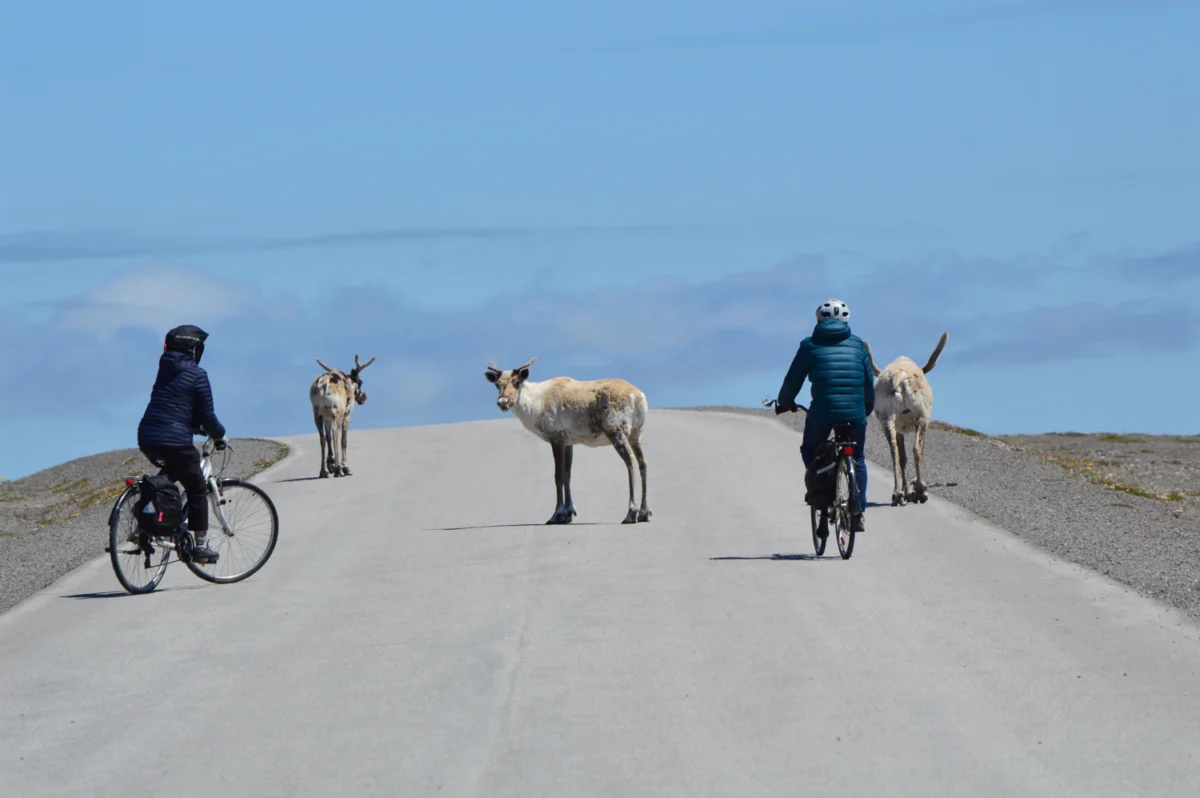
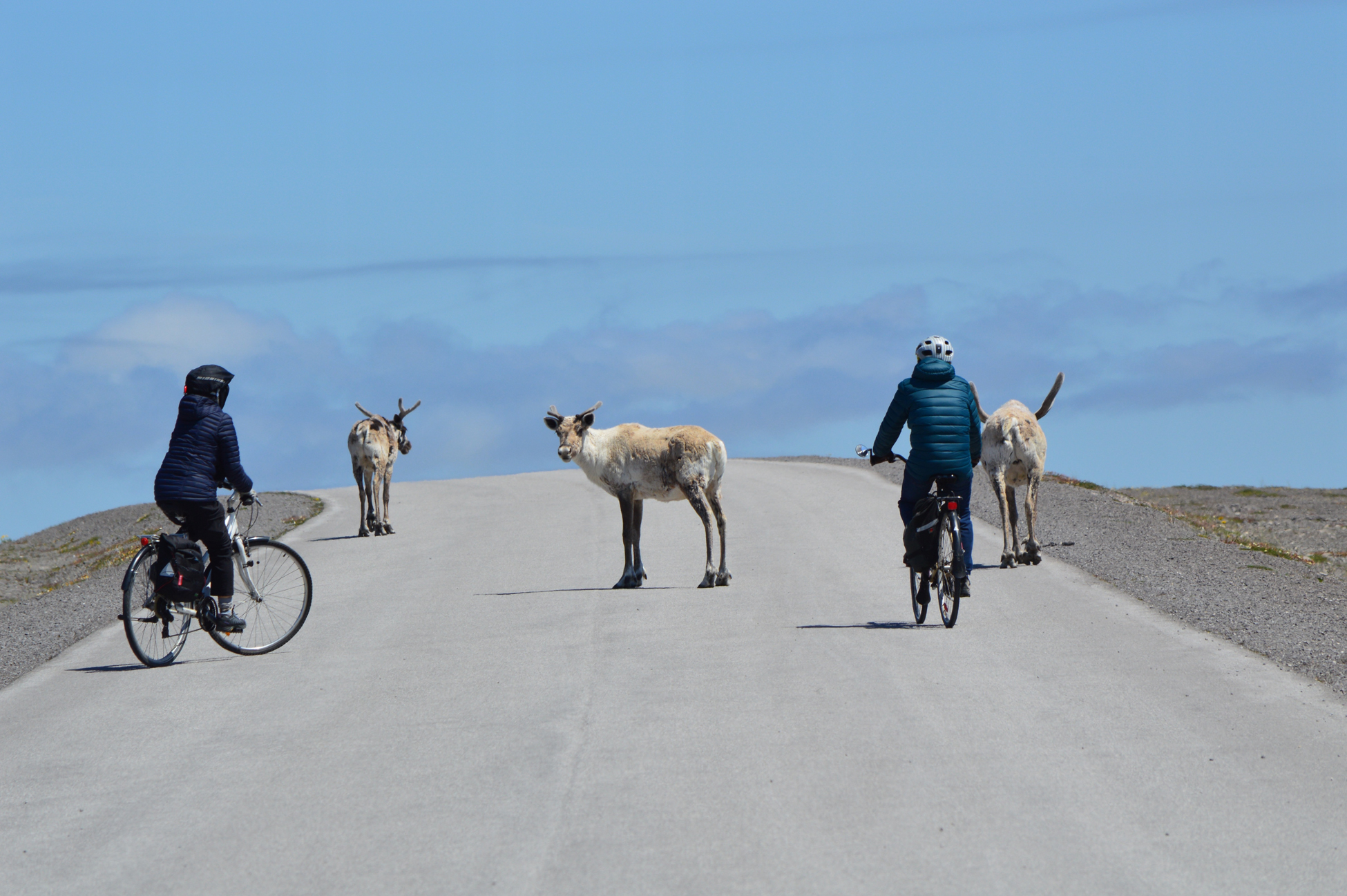
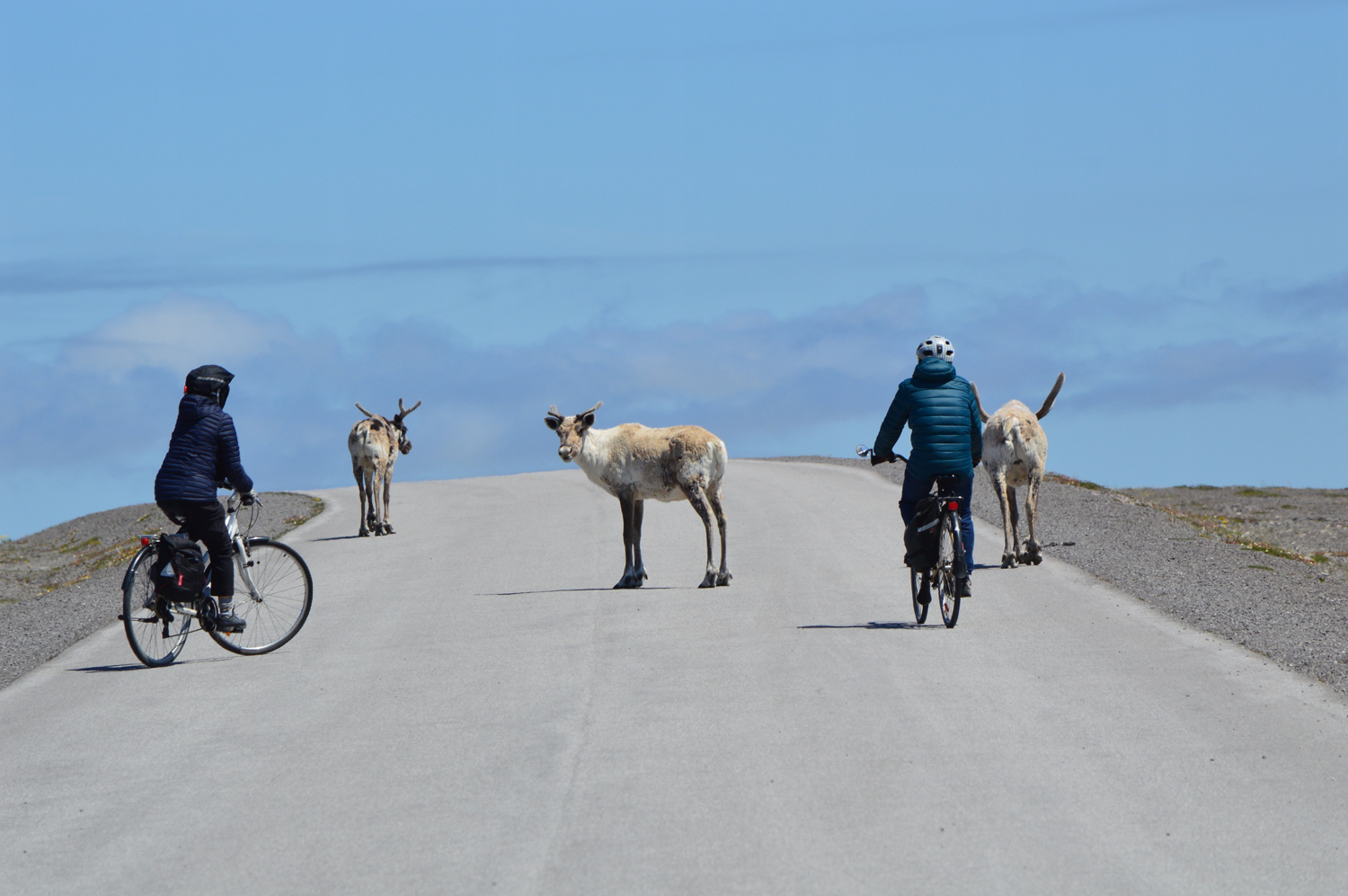
The photograph reproduced here, taken by Canadian painter Susan N. Sweet in Newfoundland, serves as a compelling case study. Whether one classifies it strictly as a "street photograph" or not, its ability to provoke thought about the genre’s boundaries is undeniable. This instance prompts a deeper inquiry: does street photography even need to exist as a distinct genre?
The author’s personal inclination has always been towards allowing photographs to communicate directly, without the need for extensive verbal explanation or categorization. This philosophy extends to embracing the idea of photographs simply existing as photographs, open to diverse interpretations. The fundamental principle is that exceptional photographs generate genres, not the other way around.
Re-evaluating the Role of Genres
While acknowledging that genres will persist across artistic disciplines—as seen in music, cinema, and painting—the current approach to street photography warrants re-examination. The proposal here is not to abandon categorization entirely, but rather to adopt a more expansive perspective in accepting what might be considered street photography. The emphasis should shift from conforming to social media algorithms and their rewarded labels to a more direct engagement with the subject matter. Photographers should be afforded the creative freedom to produce their work before attempting to categorize it.
The Essence of a "Good" Photograph
Ultimately, a photograph that captivates, challenges, or alters one’s perspective can generally be considered a "good" photograph. For many, the intrinsic quality of the image is sufficient. The moment a definition transforms into a rigid checklist, creativity begins to wane. When communities dedicate excessive time to debating definitions, the output of memorable work diminishes. History tends to celebrate artists who redefine boundaries, not those who meticulously adhere to existing rules. The trajectory of artistic movements consistently shows genres emerging in the wake of groundbreaking work, rather than preceding it.
The proliferation of online forums dedicated to photography, while offering opportunities for connection and critique, has also become a breeding ground for rigid definitional debates. In 2023, for instance, a significant number of discussions on platforms like Reddit and dedicated photography forums revolved around the precise characteristics of street photography. These conversations often involved experienced practitioners and newcomers alike, each attempting to articulate their understanding of the genre’s core tenets. Data from social media analytics platforms indicated a recurring pattern of posts seeking validation for images based on adherence to perceived "rules," contributing to the cycle of restrictive definitions.
The historical context of street photography reveals its evolution from documentary impulse to artistic expression. Early pioneers like Eugène Atget, with his meticulous documentation of Parisian streets in the late 19th and early 20th centuries, laid groundwork that predated the formal classification of "street photography." His work, characterized by its observational nature and focus on urban environments, demonstrated the potential for capturing the essence of daily life without the explicit constraints that later became points of contention.
In the mid-20th century, photographers such as Henri Cartier-Bresson, Robert Doisneau, and Willy Ronis further solidified the genre’s identity. Cartier-Bresson’s concept of the "decisive moment"—capturing a fleeting instant of perfect composition and meaning—became a cornerstone of street photography, influencing generations of photographers. However, even within this influential period, diversity of approach existed. Doisneau’s romanticized depictions of Parisian life and Ronis’s more lyrical observations offered different interpretations of the street as a photographic subject.
The advent of color photography and digital technology in the late 20th and early 21st centuries significantly expanded the possibilities and challenges for street photographers. Photographers like Garry Winogrand and Diane Arbus, while often associated with street photography, pushed its boundaries with their more complex and sometimes unsettling portrayals of society. The digital revolution, in particular, democratized image-making, leading to an exponential increase in photographic output and, consequently, a greater need for categorization, which ironically led to the current definitional quagmire.
The commercial implications of this definitional rigidity are also noteworthy. Advertising agencies and stock photography platforms often seek images that fit established genre categories, which can inadvertently favor the more formulaic and predictable styles. This can create a feedback loop where photographers, aiming for commercial viability, produce work that conforms to these established, albeit often uninspired, templates. A report by a leading photography stock agency in 2022 highlighted a consistent demand for "recognizable" street photography tropes, while noting a lower volume of requests for more abstract or experimental urban imagery. This suggests a market dynamic that can reinforce the very predictability that critics argue is stifling the genre.
The author’s sentiment regarding the fatigue associated with judging competitions is echoed by many established photographers who have witnessed the cyclical nature of these debates. While some argue that genre definitions provide a necessary framework for understanding and appreciating photographic history and practice, others contend that they can become straitjackets, limiting artistic exploration. The historical record, as suggested, favors innovation. The artists who have left an indelible mark on photography are those who challenged conventions and expanded the possibilities of the medium, often by transcending existing categories. Their legacies are defined not by their adherence to rules, but by their ability to create new visual languages and provoke new ways of seeing. Therefore, a renewed focus on the quality, originality, and emotional resonance of photographs, rather than on their strict adherence to genre definitions, is likely to yield more enduring and impactful work. The true measure of street photography, as with any art form, lies in its ability to connect with the viewer on a profound level, sparking thought, emotion, and a deeper understanding of the human experience captured within its frame.